
As hurricane season approaches, many beach community residents find themselves weighing the risks of severe storms against their daily lives. The truth is, preparing for hurricanes isn’t just a chore—it’s an opportunity to safeguard our families, homes, and overall well-being. By gathering a Beach Community Storm Kit filled with essential items, you can transform uncertainty into confidence. Think of it as your family’s safety toolbox—equipped not only with food and water but also with knowledge and readiness that can help navigate the stormy seas ahead. In this guide, we’ll break down the essential components of a storm kit and provide practical tips to ensure you’re ready when nature throws its worst at us. Let’s dive in!
A Beach Community Storm Kit should include non-perishable food and water sufficient for at least three days, a comprehensive first aid kit tailored to individual health needs, emergency contact information, important documents, and specialized gear like heavy gloves for debris navigation. Additionally, consider adding a battery-powered emergency radio, sanitation supplies, and any personal medical necessities to ensure safety and comfort during a storm.
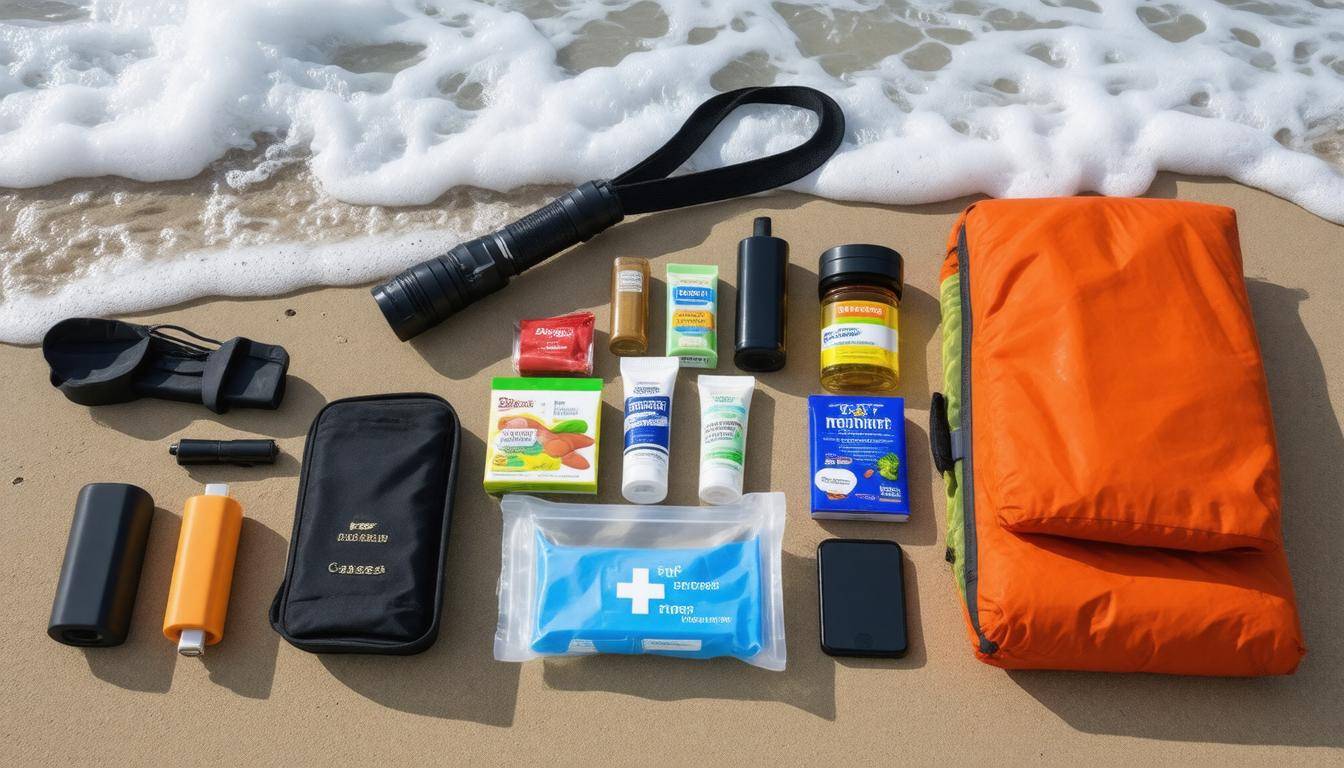
Assembling Your Beach Community Storm Kit
First and foremost, food and water essentials take top priority in your storm kit. You should aim for at least one gallon of water per person per day for a minimum of three days. This ensures hydration as well as basic sanitation needs.
When it comes to food, opt for non-perishable items like canned goods, energy bars, and dried fruits, which have a long shelf life and are easy to consume without cooking. Consider adding a manual can opener to ensure you can access your canned goods easily during an emergency.
Next up is safety and shelter items that can provide critical protection when storms hit.
For safety, include sturdy flashlights—preferably LED ones with extra batteries—in your storm kit. These ensure that you’ll have reliable light sources during power outages.
Don’t forget about tarps, duct tape, and plastic sheeting; these supplies can be invaluable for making temporary repairs to windows or roofing systems affected by high winds. Personal safety gear is equally important; think about including gloves and face masks for handling debris after the storm passes. A whistle can also serve as a useful signaling device if you need assistance.
As we move further into the necessities, let’s talk about communication tools.
In any crisis, staying informed is vital. A battery-powered or hand-crank emergency radio will help you monitor weather updates and emergency instructions from authorities.
Consider stocking a fully charged power bank to keep smartphones functional—after all, they are our lifelines for communicating with family and friends during emergencies. If possible, set aside a local map in case digital navigation becomes unavailable.
Health is another critical concern during disasters, so let’s cover medical supplies and first-aid kits next.
A comprehensive first aid kit tailored to personal health needs will come in handy when unexpected injuries arise. This kit should contain bandages, antiseptic wipes, pain relievers, and any necessary prescription medications you rely on regularly.
Don’t forget specific supplies like spare catheters or diabetes management items if pertinent to your situation. Additionally, consider packing personal hygiene items such as moist towelettes and sanitation supplies to maintain cleanliness during prolonged stays away from home.
Finally, we need reliable power and light sources to illuminate difficult situations.
The last element comprises power and light sources that ensure you remain functional amid darkness. Sturdy flashlights with fresh batteries are essential; LED models offer enhanced longevity. A battery-operated or solar-powered lantern can also make an excellent addition since they light up larger areas comfortably without draining rapidly.
If you have mobility devices requiring electricity, incorporate backup battery options so that these devices stay operational when needed most.
Now that we’ve outlined crucial components of an effective storm kit, it’s time to focus on another fundamental aspect: ensuring access to nourishment and hydration during emergencies.
Food and Water Essentials
Food and water play a central role in survival during any emergency, especially for those in beach communities where storms can disrupt services for days. Selecting the right types of food is essential not only for nourishment but also for convenience. Non-perishable food items are ideal because they remain stable without refrigeration yet provide the caloric intake necessary to sustain energy levels during stressful times.
Non-perishable Food Items
When stockpiling, focus on items that come with a long shelf life requiring minimal preparation. These foods ensure that you and your family can easily prepare meals without complicated cooking processes that could be challenging in an emergency. Stocking your pantry with staples such as canned beans, fruits, and vegetables provides a variety of nutrients while requiring little more than opening a can. Instant noodles and pasta can be lifesavers; they’re quick to cook with just boiling water, making them perfect for when electricity may be out.
Consider adding:
- Canned proteins like tuna or chicken for sustaining muscle health.
- Energy bars and granola bars which offer compact, calorie-dense options ideal for snacking on-the-go.
- Dried fruits and nuts, packed with healthy fats and vitamins, serve as excellent snacks that require no preparation.
Moreover, having a manual can opener in your kit ensures you won’t find yourself locked out of essential supplies. Reflect on your dietary preferences and constraints when selecting these items so everyone can have nourishments that suit their palate.
Water Supply and Purification
In terms of hydration, it’s recommended to store at least one gallon of water per person per day for a minimum of three days. For families, this means planning accordingly to meet everyone’s needs – it adds up quickly! This gallon should include enough water not just for drinking but also for cooking and hygiene purposes if facilities are compromised.
Besides relying solely on bottled water, consider investing in portable water filtration systems or purification tablets. Brands like LifeStraw or Sawyer have become popular due to their effectiveness; for instance, the “LifeStraw Personal Water Filter” can filter up to 1,000 liters of contaminated water, turning unsafe sources into potable options. Having a reliable backup can provide peace of mind during uncertain times.
If possible, store larger containers or jugs of water alongside smaller bottles to cater to various needs throughout an emergency period.
After gathering essential food and water supplies, the next important step involves assessing the protective measures required to secure a safe environment during the storm’s duration.
Safety and Shelter Items
Preparing for a hurricane or severe storm means covering all the bases to ensure you and your family remain safe. The right gear can make all the difference during an emergency. A sturdy pair of boots isn’t just about keeping your feet dry; they can protect against sharp objects hidden in debris after a storm. Likewise, waterproof clothing will help shield you from the relentless rain and wind.
Beyond clothing, having the right protective gear is essential. Donning heavy-duty gloves can help you navigate through fallen tree branches or any other potential hazards without risking injury. Similarly, wearing a face mask becomes crucial after a storm when dust and mold become prevalent in displaced debris. It’s not just about protection from elements but also from environmental threats that could compromise your health.
Basic Protective Gear
Your safety gear should include these items:
- Sturdy boots and waterproof clothing to keep you dry.
- Heavy-duty gloves designed for handling debris without injury.
- Face masks to protect your respiratory system from dust and mold exposure.
What if the weather takes a turn for the worse and your home becomes uninhabitable? This brings us to another dimension of preparedness: knowing how to set up a temporary shelter until it’s safe to return home. Having essential shelter tools ensures you’re not left without options.
Shelter Tools and Materials
Equip your kit with items that can help you create a temporary shelter if necessary. Consider including tarps that can be quickly set up to provide protection from rain and winds, paired with bungee cords for securing them effectively.
Create a makeshift shelter with these essentials:
- Tarps and bungee cords for immediate overhead coverage.
- Duct tape, known as the handyman’s best friend—it can fix almost anything!
- Plastic sheeting serves as an extra layer against leaks or intrusions from outside.
- Rope and tent stakes will help secure everything in place, preventing disarray during high winds.
Keeping safe requires knowing what’s happening. As storms can develop or change unexpectedly, it’s important to stay informed. Let’s explore the necessary tools for weather updates and effective communication during such crises.
Communication Tools
In times of crisis, having reliable means to communicate with loved ones—and emergency services—can bring peace of mind and possibly save lives. One of the most essential communication tools to consider for your storm kit is a battery-powered or hand-crank emergency radio. These radios are designed specifically for emergencies, allowing you to receive critical weather updates and instructions even during power outages. Imagine being able to listen to your local emergency alerts about changing conditions while the world outside is swirling with uncertainty.
It’s worthwhile to invest in models like the Midland ER310 Emergency Crank Weather Radio, which comes equipped with multiple power sources such as hand-crank and solar charging along with a flashlight and USB charger. This versatility guarantees that you’re never completely cut off from vital information, no matter what happens.
Beyond radios, portable power banks are indispensable assets during an emergency. For example, the Anker PowerCore 20100mAh can recharge smartphones several times before running out of juice. Picture this: after a severe storm knocks out your local power grid, your phone retains its charge because you prepared ahead of time, allowing you to reach out to family or check for updates on rescue operations. With a high-capacity model like this, you’ll feel more secure knowing that you can keep your devices operational for ongoing communication.
To give you a visual comparison of popular communication tools that are great for a hurricane preparedness kit, here’s a quick reference table:
| Device | Features | Price Range |
|---|---|---|
| Midland ER310 | Hand-crank, solar & battery; includes flashlight | $50-$70 |
| Anker PowerCore 20100mAh | High capacity; charges multiple devices | $30-$50 |
| BaoFeng UV-5R Radio | Two-way radio; long-distance communication capabilities | $20-$35 |
It’s important to remember that staying connected extends beyond just receiving updates. The ability to communicate with other people ensures a network of support during stressful events. Therefore, combine these essential gadgets with other forms of communication such as two-way radios like the BaoFeng UV-5R, which allow for long-distance conversations even when cellular networks are down.
While establishing strong lines of communication is crucial for safety during storms, preparing yourself for potential medical situations is equally necessary.
Medical Supplies and First-Aid Kits
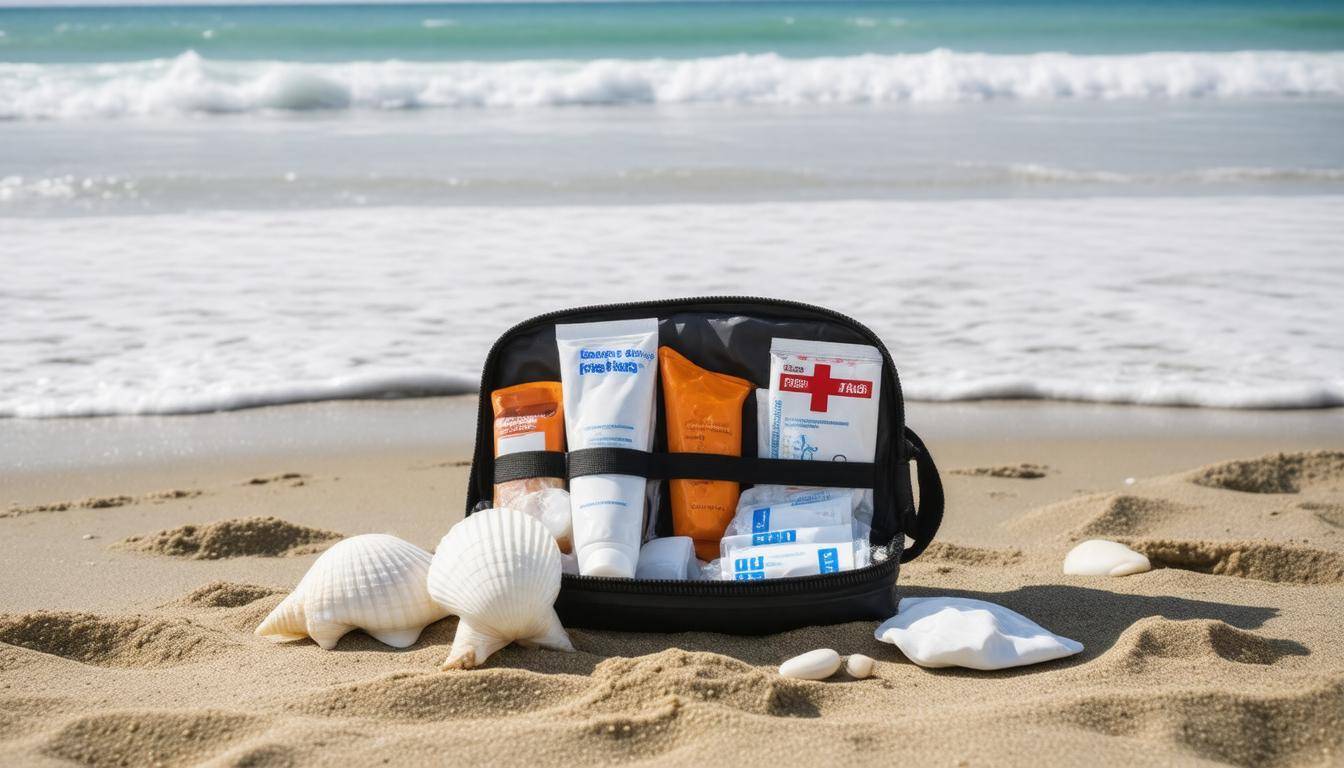
The essence of a well-stocked first-aid kit should be rooted in preparedness for mishaps that may occur during a crisis. Starting with a basic first-aid kit lays the foundation for addressing minor injuries effectively. Each item within the kit plays a critical role in both immediate care and comfort.
For instance, having various sizes of bandages will ensure that you can properly cover wounds without compromising mobility or comfort, keeping them clean and protected as they heal.
Items to include:
- Bandages in various sizes to accommodate all types of cuts and scrapes.
- Antiseptic wipes to cleanse wounds and prevent infection, along with antibiotic ointments for further protection.
- Tweezers for removing splinters or debris, and scissors for cutting tape or clothing when needed.
Discovering how individual needs vary is vital; adding specialized items based on your situation can enhance your preparedness. For example, if you are prone to allergies or have other specific health conditions, including an EpiPen or inhaler becomes paramount.
Medication and Health Supplies
Storing a seven-day supply of prescription medications is crucial when preparing for hurricane season. It’s no secret that pharmacies may be closed during emergencies; therefore, it’s best to take charge of your health by ensuring those medications are packed and accessible. Consider also including over-the-counter medications like pain relievers—those little helpers can go a long way in providing comfort during stressful times. Having antihistamines on hand can be particularly useful for those suffering from seasonal allergies, as weather changes can sometimes trigger symptoms.
Reflecting on past hurricanes, such as Hurricane Florence, many found themselves scrambling for essential medications as local pharmacies shut down due to severe weather conditions. The stark reality set in when people realized they hadn’t prioritized their health needs in their emergency preparations. Some had to navigate through challenges of not only disasters outside but also inadequate supplies within their own homes.
As we consider the importance of medical supplies for storm preparation, it’s equally essential to focus on reliable sources of energy and illumination when the storm hits.
Power and Light Sources
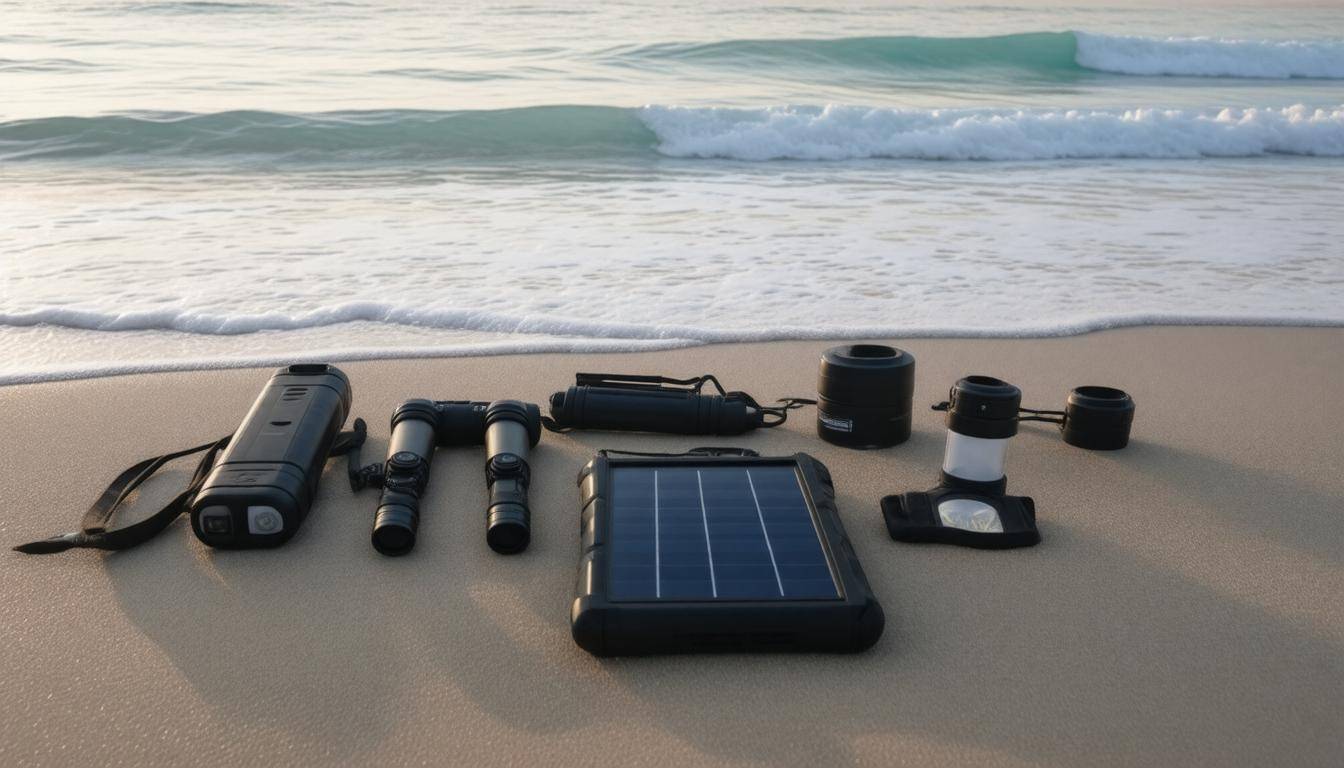
During storms, power outages are far too common; understanding the importance of having dependable power and light sources makes all the difference in how you’ll navigate through the tumultuous aftermath. Picture this: it’s late at night, the winds are howling outside, and suddenly, your home descends into darkness. Having reliable light and power becomes not just a convenience but a critical lifeline.
Portable Power Solutions
Portable generators can be invaluable during these scenarios. One highly-rated option is the Honda EU2200i. This generator’s reputation for reliability is backed by users who highlight its ease of starting and fuel efficiency. Imagine finding yourself in a situation where you’re able to run essential appliances like your refrigerator or even a fan on a hot day while others are without power. That’s the kind of comfort this little machine provides.
Solar-powered chargers are another must-have that often flies under the radar, especially if it happens to be sunny after the storm. They draw energy from the sun to charge your devices, allowing you to maintain communication with loved ones or stay updated on emergency alerts. Not only do they reduce reliance on traditional power sources, but they also promote eco-friendliness—a win-win in crisis preparedness.
Lighting Essentials
To ensure you illuminate your surroundings effectively, here are essential lighting items for your kit:
- LED flashlights equipped with extra batteries, which are lightweight and last longer than traditional bulbs.
- Headlamps that offer hands-free lighting; perfect for when you need both hands free while rummaging through supplies.
- Battery-operated lanterns, which can brighten larger areas effectively while conserving battery life.
The brilliance of LED technology can’t be overstated—they use significantly less energy and provide intense brightness when you need it most. It’s crucial to remember that once the storm has passed, your immediate environment may remain hazardous, filled with debris or fallen branches. Adequate lighting enables you to safely navigate these obstacles, reducing the likelihood of injuries.
While having reliable power and lighting is essential, it’s equally important to prepare for evacuation whenever necessary.
Evacuation Planning and Routes
Having a solid evacuation plan means that during a storm, you can react swiftly without wasting precious time trying to figure things out. First, you’ll want to familiarize yourself with local evacuation routes and any potential hazards along the way. Often, municipalities provide maps and online resources outlining primary and alternative escape paths—this information can be invaluable when panic sets in and every second counts.
Step-by-Step Evacuation Plan
Here is how I recommend structuring your evacuation planning into a practical approach. The first step is identifying safe locations where you can seek shelter during an emergency.
Step I – Identify Safe Locations
Knowing where to go is just as essential as how you get there. These safe zones might include local community centers, schools, or designated emergency shelters determined by local officials. Keep an eye out for updated lists on your town’s website or social media pages during hurricane season; being proactive in gathering this info ahead of time can save you headaches later on.
It’s smart to share this information with your family, perhaps even conducting a small family meeting where you highlight these key locations together. You’ll find it reassuring when everyone is aware of their destination, boosting confidence during high-stress situations.
Once you’ve scouted for places to go, it’s equally important to plan how to reach them safely.
Step II – Plan Your Routes
Designate both primary and secondary routes for your escape. Traffic congestion is often at its worst during an emergency, so if one road becomes blocked or unusually slow, having a backup can save valuable time.
According to FEMA, having multiple routes prepared can save valuable time during an emergency. By mapping out these different paths beforehand—and keeping an updated GPS or printed map handy—you can alleviate uncertainty when conditions are less than ideal.
Moreover, be sure to consider transportation options. If you’re evacuating by car, ensure it’s in good working order well before the season starts. If public transport is available in your area, familiarize yourself with schedules, routes, and stops leading to those safe locations.
Tip: During storms or severe weather alerts, check local news sources for traffic updates and possible road closures—conditions can change rapidly.
As we navigate through the complexities of preparedness, focusing on what follows next is crucial for sustained safety measures that extend beyond immediate crises.
Long-Term Preparedness Measures
Beyond just gathering supplies for an event that may or may not happen, effective long-term preparedness involves nurturing your home’s defenses and fostering a stronger community spirit. Your house deserves regular care, much like any living entity. When maintaining your home, think of it as an ongoing checklist where the little things can lead to big improvements in your safety.
Home Maintenance and Repairs
Start with home maintenance: Regular inspections are paramount. Examine your roofing, windows, and doors frequently, not just after a storm warning. A well-maintained roof can prevent water leaks that compromise the structural integrity of your home. By using weather-resistant materials, you create a barrier against high winds and rain.
For instance, installing storm shutters doesn’t only improve security but also offers peace of mind during intense weather events, shielding windows from potentially shattering.
If you’re contemplating the strength of your garage door, consider this: reinforcing it with brackets or replacing it with a sturdier model can significantly reduce the risk of damage during storms.
Community Involvement
Then there’s the aspect of community involvement. By engaging with local emergency preparedness programs, you contribute not just to your own safety but also to the resilience of those around you. Studies by NOAA have shown that active preparedness within communities leads to faster recoveries after storms. That’s because when neighbors come together, information flows more freely, resources are shared more efficiently, and collective strength rises.
Participating in community drills or discussions can provide insights into potential hazards in your area—information often overlooked when we focus solely on our immediate property. It fosters a sense of solidarity during uncertain times.
As we clear out our thoughts on individual safety measures and community ties, let’s not forget one vital element: assembling a well-thought-out emergency kit.
Essential Preparation for Your Storm Kit
Think of it as a lifeline ready to grab in an emergency: having an adequately stocked kit filled with necessary items like first aid supplies, bottled water, and non-perishable foods isn’t just about getting through the storm; it’s about supporting recovery in the aftermath. The ability to sustain yourself until help arrives can make a profound difference during crises.
Remember, preparedness isn’t just about checking boxes—it’s about guaranteeing safety systems are in place before disaster strikes. So take these steps seriously; nurture your home and community now to ensure they flourish even when faced with nature’s onslaught.
Preparedness measures are essential for safeguarding both individuals and communities against rising disaster threats. By committing to proactive maintenance and collaborative efforts, we can enhance our resilience through any hurricane or storm ahead.
How can communities work together to promote awareness about the importance of having a storm kit?
Communities can promote awareness about the importance of having a storm kit by organizing educational workshops, distributing informational flyers, and leveraging social media campaigns to reach a wider audience. Collaborating with local schools, businesses, and emergency services to host preparedness fairs can also engage residents directly. According to the National Oceanic and Atmospheric Administration (NOAA), nearly 40% of Americans do not have an emergency plan or kit in place; thus, initiatives that foster community engagement can significantly increase preparedness levels and reduce vulnerability during hurricanes.
What frequency should beach community residents check and update their storm kits?
Beach community residents should check and update their storm kits at least twice a year, ideally before the start of hurricane season in June and again in November after its conclusion. This practice aligns with recommendations from disaster preparedness agencies, which emphasize that regular inventory checks can help ensure essential items are not expired or missing. Statistics show that nearly 40% of people do not have adequate supplies when a storm approaches, highlighting the importance of proactive preparedness to safeguard against nature’s unpredictability.
What specific items should be included in a comprehensive beach community storm kit?
A comprehensive beach community storm kit should include essential items such as water (one gallon per person per day), non-perishable food, a first aid kit, flashlights with extra batteries, a battery-powered or hand-crank radio, multi-tools, personal documents in waterproof bags, and sturdy tarps for temporary shelter. According to the National Oceanic and Atmospheric Administration, having these supplies on hand can significantly enhance safety and recovery during hurricanes, as nearly 60% of hurricane-related deaths result from flooding and lack of preparedness.
How can residents ensure their storm kits are tailored to the unique risks of their local coastal area?
Residents can tailor their storm kits to the unique risks of their local coastal area by conducting a thorough assessment of historical weather events and potential hazards specific to their region, such as storm surge or flooding. For example, areas frequently impacted by hurricanes should include items like portable water filters and waterproof bags for electronics, while those susceptible to tornadoes might emphasize sturdy shelter materials. According to the National Oceanic and Atmospheric Administration (NOAA), 90% of all disasters are weather-related, making personalized preparedness crucial for minimizing impact during storms.
Are there any recommended storage solutions for keeping storm kit items organized and easily accessible?
Yes, using clear plastic bins with airtight seals is highly recommended for organizing storm kit items. These bins allow for visibility, making it easy to locate essentials like flashlights, batteries, and non-perishable foods quickly when needed. Additionally, labeling the bins can enhance accessibility during an emergency. According to recent surveys, 70% of households with organized emergency kits reported being better prepared for unforeseen storms, emphasizing the importance of a well-structured storage solution.