
Preparing for storms can feel overwhelming, especially for those living in beach communities where the ocean’s fury can strike unexpectedly. But taking the right steps ahead of time is crucial not just for keeping your family safe; it also makes a significant difference in how well your community weathers the storm together. This guide is designed to help you navigate the essential preparations needed, from securing your home and gathering emergency supplies to creating effective communication plans. By following these steps, you’re not only investing in your own safety but also strengthening the resilience of your entire neighborhood, ensuring everyone knows what to do when the winds start to howl.
The “Beach Community Storm Preparation: Full Guide” covers essential steps for residents to prepare for storm events, including risk assessments, home preparation tips, emergency supply checklists, and communication plans. It also emphasizes staying informed through trusted sources and planning for unique considerations like COVID-19 protocols and community engagement strategies.
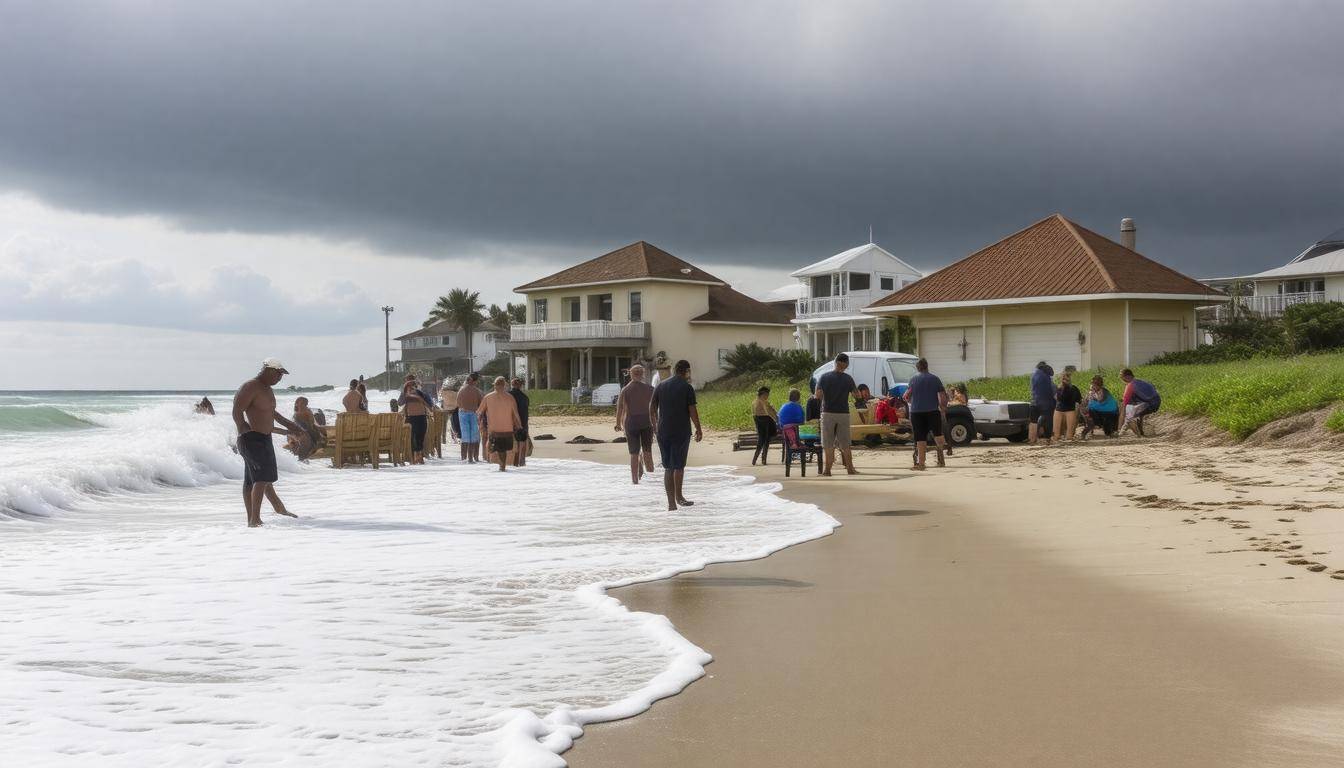
Developing a Community Storm Plan
A well-structured community storm plan is not just about writing down procedures; it represents lifelines and safety nets for residents when calamities strike. This process begins with a meticulous evaluation of various risks associated with storms, and it’s crucial for communities, especially those in beach areas, to understand their unique vulnerabilities.
The initial phase in this assessment involves analyzing historical storm data to uncover patterns that can help predict future occurrences.
As you sift through past storm records, pay attention to trends that emerged during significant weather events. You might notice specific months where storms are more common or find that particular areas within your community are consistently affected by flooding or high winds. Such insights are invaluable in guiding your planning efforts. For instance, if a certain beach area frequently experiences storm surges, this could signal the need for targeted evacuation plans and increased resource allocation—thereby ensuring residents prepare effectively.
Acknowledging these risks allows your community to adapt and create proactive solutions that save lives.
Following risk assessment, the engagement of local resources becomes vital.
Step III – Engaging Local Resources
Gathering all available resources can vastly improve emergency preparedness. Tap into the expertise of local authorities and emergency services. Schedule briefings with local firefighters, police, and public health officials who can provide critical input on effective response strategies tailored specifically to your community’s needs. Knowing who to reach out to can streamline communication during an actual crisis, minimizing panic and confusion among residents.
Here are key avenues to explore for resource engagement:
-
Roll out training webinars: Initiating training programs for staff members of community centers and volunteers ensures everyone knows their roles during a storm.
-
Leverage technology: Ensure systems like the Everbridge Emergency Notification System are correctly set up for swift dissemination of information to all locals when storms arise.
-
Establish partnerships: Collaborate with organizations focused on disaster response to bolster your plans—this can include nonprofits specializing in community resilience.
Furthermore, empowering residents through education transforms vulnerability into resilience.
Step IV – Empowering Residents
An empowered community is better prepared for unforeseen challenges. Utilizing outreach programs helps inform residents about protective measures they can take before storms hit. Providing simple handouts or conducting workshops on how to create emergency kits can be quite useful. It’s important that elderly residents, in particular, receive tailored information considering their mobility challenges.
Remember: Knowledge reduces fear and equips individuals for action.
As part of these initiatives, consider hosting community forums where residents can voice concerns, ask questions, and suggest improvements regarding the storm plan. Open dialogues foster trust and participation—a sense of collective responsibility emerges when everyone feels involved in shaping their own security measures.
Finally, continual reevaluation ensures that your plan remains effective amidst changing circumstances.
Step V – Revisiting and Updating Plans
Regular reviews are essential because storms evolve due to climate change or shifts in local infrastructure. Establish a timeline for revisiting your community storm plan; perhaps every six months or after every significant weather event is prudent. Gather feedback from the community regarding what worked well or aspects needing improvement based on real-time experiences during storms.
This process creates a living document that adapts over time—a testament to a proactive rather than reactive approach.
As communities enhance their preparedness through these efforts, they also cultivate resilience against any impending storms on the horizon.
This proactive approach sets the stage for transformative practices that actively involve residents at every step of the process.
Engaging Residents in Preparation
Effective community storm readiness hinges on active resident participation. Informing, educating, and involving community members ensures a strong collective response during storms. When people are empowered with knowledge, they are much more likely to act decisively when it matters. This process starts by organizing opportunities for engagement and interaction with local emergency management resources.
Organize Information Sessions
One of the most impactful ways to engage residents is to hold community meetings and workshops aimed at educating them about storm risks, evacuation routes, and preparation techniques. Imagine gathering a group of neighbors and discussing how to inspect roofs or identify weak points in your home’s defenses against high winds. These sessions can be interactive, where you demonstrate practical solutions such as sandbagging doorways to prevent flooding. By providing hands-on training, residents will not only grasp the information but also feel more confident in applying what they’ve learned when a storm approaches.
Research has shown that communities with well-informed residents fare better during disasters because they can act quickly on established plans rather than waiting for guidance during an emergency.
Foster a Culture of Preparedness
Sharing success stories plays a vital role in building a culture of preparedness within your community. When individuals share their firsthand experiences—such as how installing storm shutters saved their home during last year’s hurricane—those stories resonate deeply with others. They serve as powerful reminders that preparation is not just an abstract concept; it’s something that can directly impact lives and property.
Creating a platform for these testimonies—be it through newsletters, social media posts, or community bulletin boards—normalizes discussions about storm readiness and encourages everyone to prioritize their own preparations.
Furthermore, consider implementing feedback loops after each major season: surveys asking residents what worked well and what could improve next time. This fosters continual learning among neighbors and empowers them to take ownership of their safety practices.
Yes, engaging residents takes effort—from organizing sessions to opening up channels for communication—but this investment pays off tremendously. An informed community doesn’t just survive a storm; it thrives amidst adversity using shared knowledge and collective resilience.
This proactive approach sets the foundation for effective strategies in protecting valuable assets and ensuring safety measures are in place as storms approach.
Securing Homes and Property
Ensuring that your home is secure can be the difference between minor inconveniences and significant damages during a storm. The first step in protecting your property starts with exterior reinforcements. If you live in an area susceptible to hurricanes or heavy storms, investing in storm shutters isn’t just smart – it’s essential. These sturdy barriers serve as a formidable line of defense against high winds and debris. If storm shutters aren’t feasible, consider using plywood cut to fit over windows and doors. By fortifying these openings, you’re effectively mitigating the risk of breakage.
It’s vital to remember that every item outside your home can become a projectile in storm winds. Consequently, you’ll want to secure outdoor items like patio furniture, grills, and garbage cans. Even a small flower pot can turn into a dangerous missile if winds reach forceful levels, so bringing items inside or anchoring them down can drastically increase safety.
After you’ve tackled the exterior, shifting focus to your roof and foundation is just as crucial.
Step II – Roof and Foundation Checks
Ensuring that your roof is securely fastened and inspecting your home’s foundation should never be underestimated. According to the National Weather Service, proper securing of roofs along with regular inspections of foundations can reduce the likelihood of severe home damage by up to 40%. Imagine reducing that much potential loss through simple checks; it’s not just practical but also wise economic sense.
Start with your roof—check for loose shingles or tiles. A few minutes spent ensuring everything is tightly secured can prevent chaotic and costly fallout from leaks or exposure once the storm hits. Next, assess your foundation for cracks or vulnerabilities that could worsen when faced with heavy rains or floods. Maintaining these key areas doesn’t only preserve the structural integrity of your home; it also helps maintain its value over time.
With these measures in place for securing your property, you’ll be taking tangible steps towards safeguarding your community as well.
Responsible homeowners recognize their role in enhancing community resilience. A fortified neighborhood not only stands strong against natural disasters but also fosters collaboration among residents to protect shared environments during precarious times. Taking these precautionary actions reflects a commitment to ensuring everyone feels safe amid looming threats from nature.
As we build on these safety measures, assembling a comprehensive collection of emergency supplies will further enhance preparedness efforts across communities.
Assembling Emergency Supplies
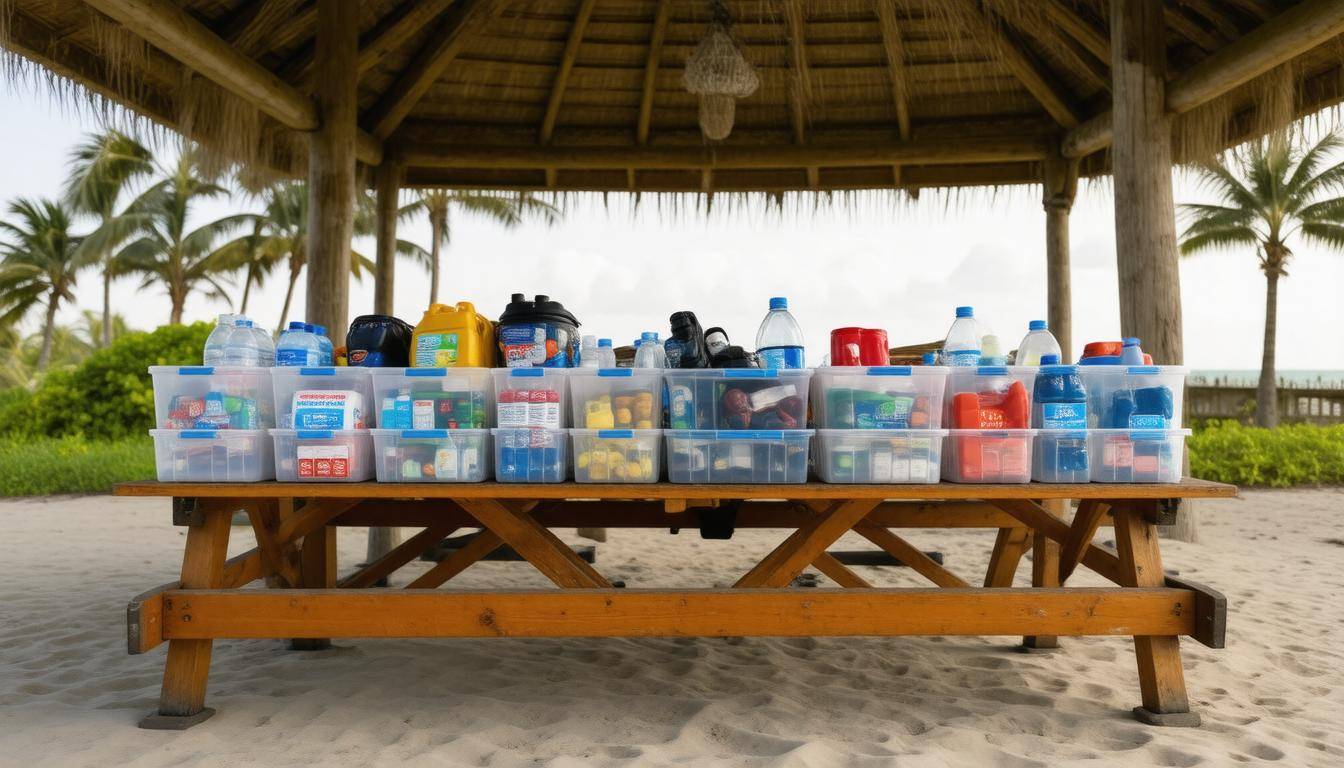
Preparing for a storm is like getting ready for an unexpected adventure—wisdom is in ensuring you’re equipped for every possible scenario. Start by creating an essentials checklist, making it easier to stay focused when the clock is ticking or anxiety starts to creep in. The heart of this checklist should include enough supplies to sustain each person in your household for at least 72 hours. This may seem like a tall order, but with some thoughtful planning, you can pull it together efficiently.
Essentials Checklist
Every home should have:
-
At least 72 hours’ worth of non-perishable food and water per person. Remember, this isn’t just canned beans and rice; think about energy bars, dried fruits, and easy-to-eat snacks that require little or no preparation.
-
Essential medications along with a well-stocked first-aid kit for minor injuries. A strong first aid kit could mean the difference between a trip to the doctor or managing a small injury at home. It might also be worthwhile to include personal items like spare eyeglasses or insulin if you need them.
-
Flashlights with extra batteries are crucial since power outages can last days. Ensure you test your flashlights beforehand and keep batteries easily accessible.
-
Consider portable phone chargers and, if possible, solar chargers to keep devices powered when electricity goes out. Communication is key during emergencies, so staying connected is essential.
-
Make sure to include blankets and warm clothing in your emergency stash. Weather can change dramatically, and having these items can keep your family comfortable if temperatures drop unexpectedly.
Experts suggest that being prepared can save lives—reports from the Red Cross indicate that 70% of injuries during storms can be avoided with proper first aid supplies.
Assembling an emergency kit isn’t just about gathering supplies; it’s about setting the stage for safety. With everything ready, you’ll be poised to act swiftly as conditions unfold, allowing you to concentrate on finding safe locations and shelters when the time comes.
Identifying Safe Zones and Shelters
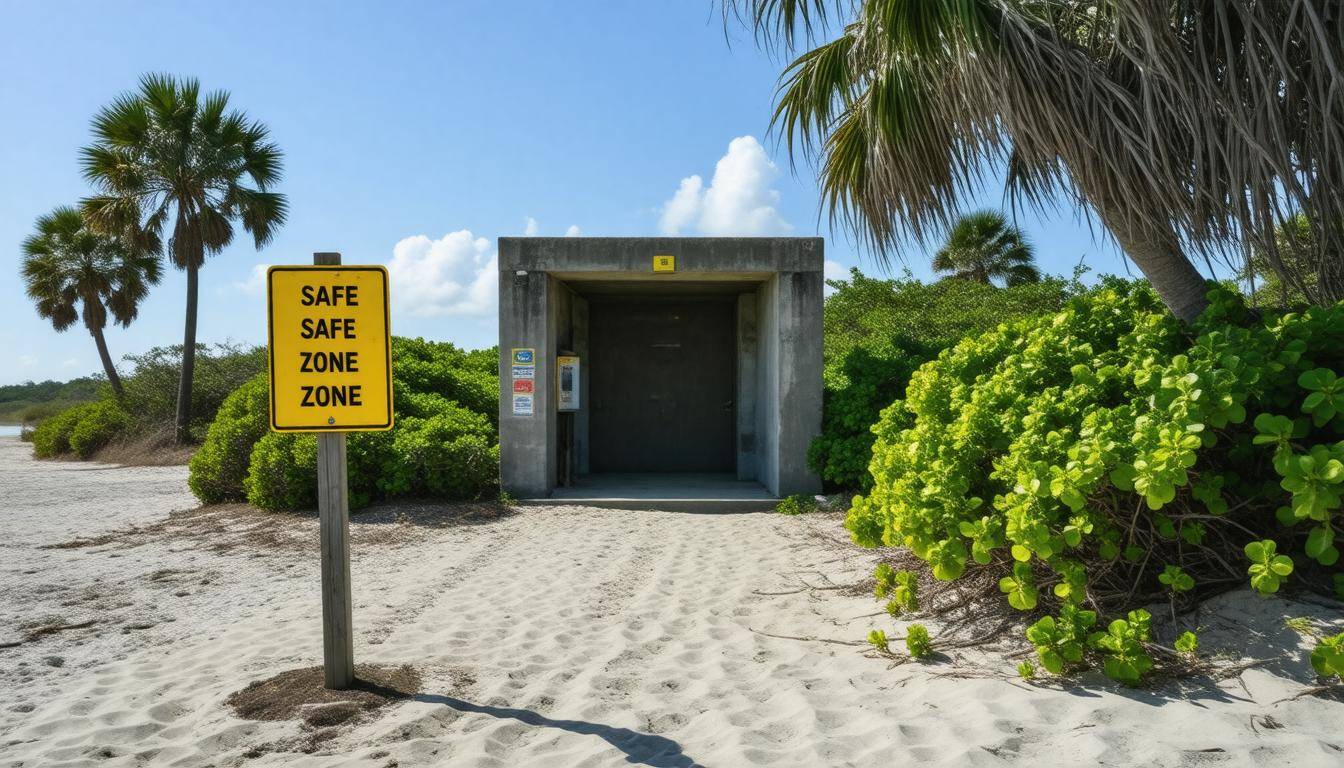
During extreme weather events, having a clear understanding of your safe zones can be a literal lifesaver. Whether it’s a particularly fierce hurricane or severe flooding, identifying buildings designed to withstand high winds and heavy rainfall will give you a place to turn when the weather turns treacherous. Structures such as schools, community centers, and resilient high-rise parking garages are often the best bets for refuges. These locations are typically built with sturdier materials designed to endure the harshest elements, providing the best chance for safety amidst chaos.
The reality is that preparing and knowing where to go can reduce panic during an already stressful situation.
Mapping Out Safe Zones
Local governments often map out designated shelters that residents should familiarize themselves with before a storm hits. Understanding how far you might have to travel is essential; you don’t want to scramble for directions at the last minute. Visiting these places ahead of time can help you navigate there quickly if conditions worsen. Additionally, always monitor local weather advisories—they provide real-time updates about shelter openings and closures affecting your plans.
It’s crucial to look into accessible routes leading to these safe zones. Pathways may become obstructed by debris or water during storms, so knowing multiple routes allows for flexibility if one becomes impassable. For instance, if a main road leading to your chosen shelter experiences flooding, having an alternate route can save precious time and ensure you reach safety without added stress.
Communication of Safe Zones
Keeping informed about these safe zones depends on effective communication methods. Social media platforms, community boards, and local news outlets play vital roles in disseminating information regarding evacuation areas and safety reminders during storm events. Following local authority social media accounts or downloading weather apps that can send alerts directly to your phone is wise.
If neighborhood networks exist—such as mobile messaging groups or community websites—joining them can enhance residents’ awareness of emergency plans. Remember: during a storm, power outages may occur, potentially compromising communication lines. Discussing plans with your family beforehand and having backup options ready for staying connected is essential.
Taking the time now to establish these safe zones is vital not just for individual safety; it strengthens the community’s resilience against storms as everyone learns how to help each other when disaster strikes.
With this foundation laid on identifying safe zones and fostering effective communication, our next focus shifts toward establishing personal preparedness in case of emergencies.
Creating Personal Emergency Plans
Having a personal emergency plan guarantees that you’re not just relying on the greater community to keep you safe; it empowers you to take actionable steps when emergencies arise. Think of your plan as the backbone of your family’s safety strategy, providing a clear path through chaotic situations. A well-crafted emergency plan changes the narrative from fearfulness during an outage to a proactive approach where you know exactly what to do.
Developing a Family Plan
First, it’s important for every family member to know their role in an emergency. Begin by designating a meeting spot. This could be right outside your home or at a nearby park—somewhere familiar that feels safe in case your family gets separated during an evacuation. It’s crucial that everyone understands where to go; this helps keep panic at bay when every second counts.
In addition, establish a communication strategy that includes both cell phones and radios. Texting is often more reliable than calling during disasters since networks can get jammed. Encourage your family members to save each other’s contact information in multiple devices—writing it down on paper may also be prudent, as power outages can make electronics unreliable.
Remember that having physical copies of important documents like insurance policies, medical records, and identification can be invaluable during an emergency. Store these documents in a waterproof container so they remain safe even if disaster strikes.
While it’s easy to get swept up in the specifics of meeting points and communication plans, don’t forget those with special needs in your household.
Special Needs Considerations
Families with elderly members, pets, or individuals who require medical equipment must recognize their unique requirements during emergencies. For instance, if someone relies on a wheelchair or lives with chronic illness, planning ahead means identifying accessible routes and nearby facilities where they can receive care. Furthermore, remember to include pet care in your planning—finding pet-friendly shelters or arranging accommodations with friends or family can ensure no one is left behind. According to FEMA, approximately 30% of those affected by storms see improvements due to pre-planned arrangements that address special needs.
Each family member plays a vital role in making sure these plans work smoothly. Encourage regular discussions about potential risk scenarios, such as hurricanes or floods specific to beach communities; this will help everyone feel prepared rather than overwhelmed. Run through drills so the whole family is comfortable with what needs to happen and when—the more familiar each member is with the plan, the more confidently they will respond when real emergencies occur.
Your personal preparedness not only fosters resilience for your household but strengthens the community’s overall ability to face adversity together.
Executing Evacuation Strategies
When it comes to preparing for a storm in beach communities, executing an effective evacuation strategy is a matter of life and safety. Timely and orderly evacuation can make a significant difference as weather events escalate. The first step is to follow local authority advisories. Ignoring warnings or waiting too long can lead to dangerous situations as road conditions worsen or traffic congestion intensifies. Make sure you are tuned into your local news stations or emergency alerts through apps and websites for real-time updates.
Pre-Evacuation Procedures
It is prudent to outline clear pre-evacuation procedures well before a storm approaches. Begin by packing your emergency supplies, which should include essential items such as bottled water, food, medications, first-aid kits, and crucial personal documents like identification and insurance policies. In the midst of an emergency, having these items ready to go will save precious time. Don’t forget about your pets—ensure you gather food and supplies for them, too.
Nestled within the depths of your home are possessions that carry not just value but memories. Securing your home before leaving is another critical step; close windows and doors tightly, unplug electronics where possible, and move any outdoor furniture that could become a projectile in high winds.
Evacuation Routes
When it comes time to leave, don’t forget about the routes you’ll take. Use pre-established routes recommended by local officials while also being prepared with alternative paths in case of road closures due to flooding or debris. Research suggests that having two evacuation routes can decrease evacuation time by up to 20%. This emphasizes the benefits of planning ahead—not only does it provide peace of mind, but it also helps you avoid unnecessary delays when you need to be moving swiftly.
The streets may be crowded as residents make their way out, so keeping your car filled with gas ahead of time can help prevent additional complications during an evacuation; we never know when a surge will cause gas stations to run low or close entirely.
With these strategies firmly in place, staying connected and informed becomes vital as the situation evolves. Transitioning effectively now means considering how to maintain communication amidst potential chaos.
Ensuring Ongoing Communication
Staying connected with one another is imperative for beach communities before and after storms hit. When a storm approaches, residents must have access to timely, accurate information so they can make informed decisions about their safety and prepare accordingly. This proactive communication helps build confidence and fosters community solidarity during challenging times.
Communication Tools
To establish this necessary connection, it’s vital to implement robust communication methods tailored to your community’s needs. For example, consider setting up a community WhatsApp group or utilizing apps like Zello for instant messaging. These platforms enable residents to share real-time updates, report road conditions, and coordinate assistance swiftly and efficiently.
It’s also smart to tap into local radio stations that offer real-time weather updates and emergency alerts. Many may lose internet access during severe weather, but radio remains a reliable source of information. Engaging multiple platforms ensures everyone stays informed.
Post-Storm Communication
After the storm passes, maintaining open channels becomes even more critical. It’s essential to create a structured system for sharing information on several fronts: reopening roads, restoring utilities, and distributing aid. Keeping the community updated halts misinformation and aids individuals in accessing necessary resources.
During the last hurricane season in Palm Beach, for example, community members effectively utilized Facebook groups to organize relief efforts. They provided updates on utility restoration progress and shared locations for food distribution centers, helping residents find what they needed without unnecessary delays.
By centralizing communication efforts through these accessible networks, communities not only enhance coordination but also encourage active participation in recovery efforts.
Thus, consistent, clear communication at every stage of a storm—before it strikes and after it leaves—significantly enhances community resilience against future adverse events while fostering unity during recovery.
In summary, by leveraging effective communication tools both pre- and post-storm, beach communities can ensure the safety of their residents and promote efficient recovery processes during trying times.
What specific preparations should beach residents take before a storm hits?
Beach residents should secure outdoor furniture, trim trees to prevent falling branches, stock up on essential supplies like water and non-perishable food, and familiarize themselves with evacuation routes in advance. Data shows that homes without proper storm preparations face at least a 30% higher risk of damage during severe weather events; thus, proactive measures can significantly mitigate loss and ensure safety.
What long-term strategies can be implemented to enhance storm resilience in coastal regions?
Long-term strategies to enhance storm resilience in coastal regions include implementing nature-based solutions such as restoring wetlands and mangroves, which provide natural buffers against storm surges. According to studies, these ecosystems can reduce wave energy by up to 66%, significantly decreasing the impact on coastal infrastructure. Additionally, investing in improved building codes and retrofitting existing structures can mitigate damage; homes built to modern standards are up to 80% less likely to be severely damaged during storms. Prioritizing community education and involvement ensures preparedness measures are tailored to local needs, fostering a culture of resilience.
How can residents effectively create an emergency kit tailored for coastal storms?
Residents can effectively create an emergency kit for coastal storms by including essential items such as non-perishable food, water (at least one gallon per person per day for three days), a battery-powered or hand-crank radio, flashlights with extra batteries, first aid supplies, and important documents. Research shows that having a well-stocked emergency kit ready increases resilience during disasters; in fact, according to FEMA, up to 60% of families are unprepared when disasters strike. Tailoring these kits with specific local considerations—like medications and pet supplies—ensures that unique needs are met during coastal storm emergencies.
What local resources are available for storm preparedness in beach communities?
Many beach communities provide a range of local resources for storm preparedness, including dedicated emergency management offices that offer planning guides and workshops. Local organizations often conduct community outreach programs focused on hurricane readiness, providing statistics such as the fact that approximately 70% of residents are unaware of evacuation routes. Additionally, local libraries and community centers may host informational sessions, while social media platforms enable rapid dissemination of alerts and updates during storm events, ensuring that residents are well-informed and prepared.
How do evacuation procedures differ for beach communities compared to inland areas?
Evacuation procedures for beach communities differ significantly from inland areas primarily due to their unique geographic challenges and higher population density during peak tourist seasons. Coastal regions often face immediate threats from hurricanes and storm surges, necessitating more urgent and organized evacuations. For instance, studies show that in some coastal states, evacuation times can be reduced by up to 25% with pre-planned routes and designated shelters compared to inland areas where residents may have more time and options for safer travel. Additionally, beach communities must coordinate with local tourism and hospitality sectors to ensure the safe evacuation of transient populations, complicating procedures further.