
In a city like Beijing, where air quality issues can impact daily life, knowing how to stay safe is more important than ever. You might think it’s just a matter of wearing a mask when the air turns bad, but there’s so much more to protecting your health. A well-prepared Beijing Air Quality Emergency Protection Kit can make all the difference when the smog rolls in. Imagine having everything you need—like masks, water, and air purifiers—ready at your fingertips. I put together this guide to help you navigate through the haze and equip yourself with practical tools and tips that really work. Let’s dive into what essentials should go into your own personal protection kit!
A Beijing Air Quality Emergency Protection Kit should include high-quality N95 or P100 respirator masks, air purifiers with HEPA filters, bottled water, non-perishable food items, and emergency contact information. Additionally, it’s vital to stay informed about air quality levels and have an action plan for when pollution levels become hazardous.
What is the Beijing Air Quality Emergency Protection Kit?
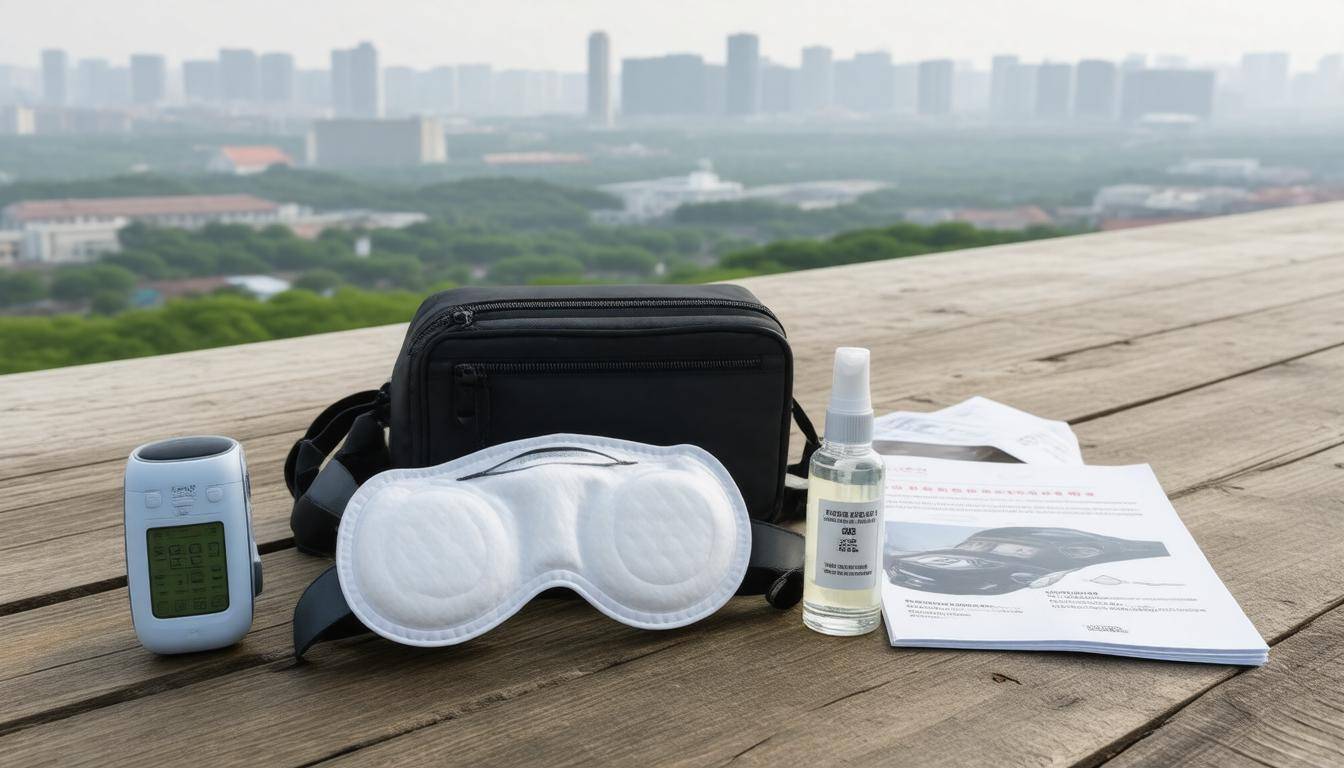
The Beijing Air Quality Emergency Protection Kit is more than just a collection of items; it’s a lifeline during periods of intense air pollution. These kits are strategically designed to aid residents and provide visitors with crucial tools to navigate an environment where worsening air quality is all too common. Health authorities recommend these kits, but many people opt to curate their own tailored versions based on personal preferences and needs.
This customization aspect makes these kits unique, as they can cater to various lifestyles and circumstances.
Key Components
Among the essential components of an effective air quality protection kit, you will find N95 Respiratory Masks or Respirators. These masks are standout heroes in your defense against pollution, capable of filtering out at least 95% of airborne particles. Wearing an N95 mask becomes particularly crucial on days when the air quality plunges into unhealthy zones, allowing you to engage in daily activities without as much concern for your respiratory health.
Another vital component is a Portable Air Purifier. These small yet powerful devices can maintain cleaner air within confined spaces like homes or offices. They work diligently to filter out pollutants from indoor air that might still be present even when you’re away from outdoor smog. Particularly for those who spend long hours indoors, this can significantly improve overall well-being.
Moving forward, having information on current pollution levels can empower you in making informed choices about venturing outdoors.
This brings us to the Digital Air Quality Monitor—an invaluable tool for tracking real-time pollution levels. With a monitor at hand, you’ll have immediate access to air quality data. You can decide whether it’s advisable to head outside or if staying indoors is better. Such technology has improved awareness about environmental conditions and directly impacted lifestyle choices.
Think of it as your personal weather station but instead of detailing rain or shine, it plays a crucial role in assessing whether it’s safe for outdoor activities!
However, while protecting your lungs is critical, we should not overlook other aspects affected by air pollution.
To ease discomfort caused by airborne irritants, including Eye Drops in your kit is often overlooked but essential. Airborne pollutants can lead to eye irritation, making these drops a perfect remedy for soothing those symptoms and providing relief after coming indoors.
Lastly, don’t forget about staying hydrated! Including Sealed Bottles of Water ensures that you remain hydrated even when the smog rolls in thick. Staying hydrated helps flush out toxins from your system and supports overall health during times of polluted air.
Equipping yourself with this comprehensive kit not only addresses immediate concerns but also prepares you for further challenges posed by prolonged exposure to poor air quality. Next, we’ll explore options dedicated specifically to safeguarding respiratory health in these challenging conditions.
Respiratory Masks and Respirators
The cornerstone of any air quality protection kit is the respiratory mask or respirator. In a city like Beijing, where air pollution can reach hazardous levels, having the right mask isn’t just a precaution; it’s essential for your health.
Types of Masks
When it comes to selecting a mask, you’ll find several options available on the market. Standard surgical masks might be the first thing that comes to mind, but they are primarily designed to protect others from droplets rather than filter out harmful particles. They offer minimal protection since they do not effectively filter fine particles that are prevalent in polluted air.
On the other hand, N95, N99, and N100 masks represent a significant upgrade. These masks are designed to filter out at least 95%, 99%, and 100% respectively of airborne particles, including PM2.5, which are particularly dangerous because they’re small enough to penetrate deep into the lungs. A well-fitted N95 mask is often sufficient for most daily activities, particularly if you are mostly exposed to moderate pollution levels.
Selecting an Appropriate Mask
When choosing between these masks, it’s vital to consider a balance between comfort and effective filtration. N95 masks are frequently recommended due to their ability to filter PM2.5 particles while still being relatively comfortable for most users during daily wear. However, if you have specific health concerns or conditions that could be exacerbated by poor air quality, you might want to explore more robust options.
In some cases, opting for an N100 mask may prove beneficial despite their sometimes bulkier design which can be less comfortable for prolonged periods. If you’re among those battling asthma or other respiratory issues, investing in a top-grade respirator can dramatically improve your breathing comfort during heavy pollution days.
Dr. Zhang, a local pulmonary specialist, emphasizes this necessity: “For residents already suffering from asthma or similar conditions, investing in higher-grade respirators can be a lifesaver during extreme pollution.”
This advice reinforces the importance of tailoring your choice of protective gear to your personal health needs and environmental circumstances. Investing just a bit of time in choosing the right respiratory mask makes all the difference in ensuring you maintain good health amid challenging air quality conditions.
As we navigate through the nuances of air quality challenges, understanding how to monitor and improve the air within our indoor spaces becomes equally important. Let’s transition our focus to effective strategies for ensuring healthier indoor environments.
Indoor Air Quality Tools
Creating a sanctuary indoors, especially in areas like Beijing where air quality can be poor, starts with employing essential tools that improve and monitor indoor air quality. These tools not only assist in filtering out harmful pollutants but also help maintain a balanced and comfortable atmosphere within your living space.
Essential Devices
Among the most critical devices for this purpose are HEPA air purifiers, which excel at trapping small particles, including dust, smoke, and allergens from the air. A high-efficiency particulate air (HEPA) filter can significantly reduce your risk of respiratory issues. In addition, dehumidifiers are essential for managing moisture levels in your home. Excess humidity can lead to mold growth, worsening respiratory problems and reducing overall air quality. By keeping humidity levels between 30% and 50%, dehumidifiers create an inhospitable environment for mold without drying out the air too much.
Another critical aspect is climate control systems that offer ventilation while filtering external pollutants. These systems help ensure that the air we breathe indoors remains fresh and clean.
Monitoring Tools
To effectively gauge the state of your indoor air, integrating digital air quality monitors into your home is equally important. Regular monitoring allows you to keep an eye on pollutant levels such as volatile organic compounds (VOCs), particulate matter (PM), and humidity. When monitored closely, you may discover surprising insights about when your indoor environment is at its worst. For instance, cooking or using certain household products can unexpectedly spike pollutant levels.
Moreover, should these devices indicate heightened pollutant levels, it’s crucial to take immediate action. This might mean closing windows to avoid letting smog seep inside or ramping up your air purifiers to manage any spikes in pollution before they affect your health.
A highly recommended model for those living in urban environments like Beijing is the Xiaomi Mi Air Purifier 3H. It’s cost-effective and has a high CADR rating, making it ideal for efficiently cleaning the air in your home without breaking the bank.
Equipping your home with these essential devices and monitoring tools sets the stage for a proactive approach to maintaining a healthy living environment, preparing you for the next crucial aspect of personal well-being—essential supplies needed when venturing outdoors.
Outdoor Preparedness Essentials
Sometimes stepping outside is unavoidable, whether you’re heading to work, school, or simply running errands. In places like Beijing, where air quality can fluctuate dramatically, having the right tools is crucial for minimizing exposure to outdoor pollutants. A well-prepared kit can act as your first line of defense.
Key Tools
One of the most essential items in your outdoor protection kit is a portable mask. Always carry an extra mask or respirator designed to filter out fine particulate matter and other airborne toxins. Brands like N95 or P100 offer excellent filtration, providing a significant barrier against harmful particles that may irritate your respiratory system. Remember, it can be hot at times, so find a design that’s comfortable yet effective.
Next up is eye protection. Consider including goggles or protective glasses in your kit. Airborne particles can irritate your eyes. Keeping a pair of snug-fitting goggles can shield your vision from dust and pollutants that settle on your lashes or enter through the corners of your eyes, making it easier to focus while outdoors.
Another great addition is a pocket air quality monitor. This handy device helps you check air quality levels as you go about your day. While apps on smartphones provide some insight into local air quality conditions, having a dedicated monitor gives real-time feedback on pollutant levels — helping you decide whether it’s safe to stay outside or if you should seek shelter until conditions improve.
Staying hydrated is an often-overlooked aspect of outdoor preparedness. Drinking plenty of water helps your body flush out toxins and cope with the effects of pollution. A hydration pack can be particularly useful since it allows you to drink water hands-free. Keeping fluids flowing throughout the day not only keeps you hydrated but also enhances your overall well-being when you’re exposed to less-than-ideal air conditions.
Before heading outdoors, always double-check that these essentials are packed in your kit to ensure you’re ready for whatever elements come your way. Being adequately equipped empowers you to better navigate external challenges as we transition toward maintaining a healthier environment indoors.
Managing Indoor Air Quality
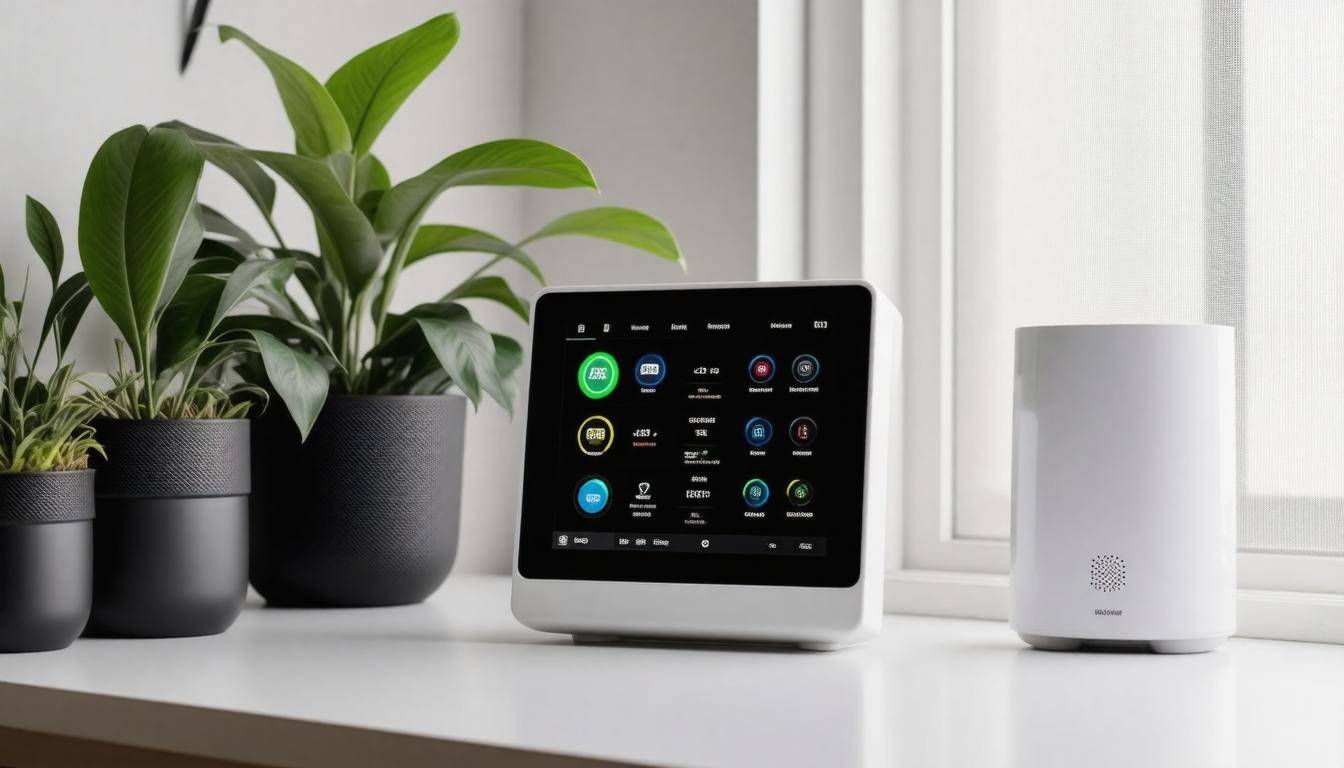
Keeping your indoor air quality in check requires both continuous and occasional measures, particularly during times of significant outdoor pollution. The first step you can take is ensuring that your air purifiers are working effectively. It’s not just about having them around but also maintaining their functionality. Take the time to clean or replace filters according to the manufacturer’s recommendations. A well-maintained air purifier can dramatically reduce allergens and dust, offering much-needed relief from outside contaminants.
Remember, a filter that’s clogged with dirt won’t do its job; it’s like trying to breathe through a thick blanket.
Now that you’ve got your air purifiers sorted, let’s move on to another essential element: regular cleaning.
Step-by-Step Guide
Regular cleaning plays a vital role in managing indoor air quality. Dust can accumulate and contribute to a range of respiratory issues if left unchecked. For this reason, I recommend vacuuming your home frequently using a vacuum equipped with a HEPA filter. Unlike ordinary filters, HEPA filters trap very small particles that would normally escape into the air, preventing them from re-circulating. When you vacuum, don’t forget areas that might get overlooked, like baseboards and behind furniture—these spots tend to gather dust and allergens over time.
With regular cleaning underway, let’s ensure you’re maximizing airflow within your space.
Proper ventilation is key to maintaining fresh indoor air. Utilizing window vent filters allows you to bring in fresh airflow without letting pollution seep inside when you open the windows. These filters significantly enhance the quality of your indoor environment by filtering out larger particles while still providing essential airflow. Opening windows with vent filters during lower pollution hours can create a pleasant exchange of stale indoor air with cleaner outdoor air, contributing positively to your overall well-being.
However, this may not always be practical, particularly during periods of extremely poor outdoor air quality.
During instances of very high outside pollution—think dense smog or hazardous weather warnings—it becomes crucial to seal windows and doors effectively. By doing so, you minimize indoor particle ingress and protect yourself from harmful pollutants that may infiltrate your home. Simple measures like installing weather stripping or using door sweeps can go a long way in keeping pollutants at bay. Ensuring that these barriers are tight and well-fitted creates a buffer against uninvited fumes and allergens that threaten your indoor sanctuary.
Proactive steps taken toward improving and maintaining indoor air quality are an imperative investment—not just for comfort but for health and well-being too.
With a solid understanding of how to manage indoor air conditions, let’s transition to strategies for staying safe outdoors during challenging environmental situations.
Outdoor Safety Strategies
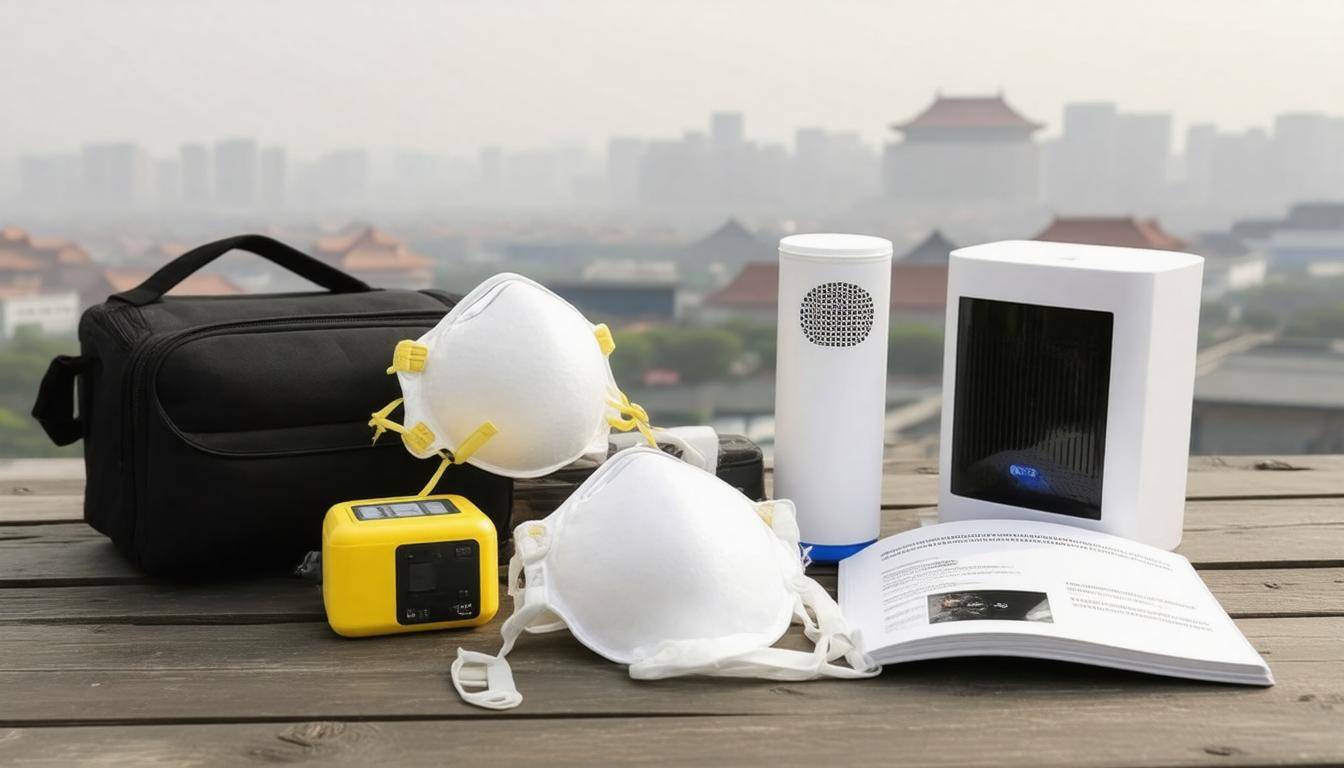
When faced with severe pollution levels, the first line of defense lies in timing your outdoor activities. It’s beneficial to plan outings during times when air quality reports indicate lower pollution levels, typically in the early morning or after rain. This strategy can significantly decrease your exposure to harmful pollutants. To stay informed, utilize mobile apps that provide real-time updates on air quality indices. By doing so, you can make educated choices about when to step outside.
Despite our best efforts, there will be times when going outdoors is unavoidable. In those instances, it’s essential to implement protective measures. The most important thing is to wear a high-quality mask that filters out particulate matter and other pollutants effectively. Look for masks rated N95 or above, which are designed to provide a better barrier against harmful particles. However, even with adequate protection, it’s wise to limit physical exertion while outdoors. Engaging in strenuous activities will increase your respiratory rate and thus the amount of pollutants entering your lungs.
A less physically demanding pace not only allows you to conserve energy but also reduces the volume of polluted air you take in.
Hydration plays a key role as well; drinking plenty of water helps your body flush out toxins more efficiently. Consider carrying a bottle of water with you whenever you venture outside during poor air quality days. In addition, try protective eyewear, such as goggles, that can shield your eyes from irritants present in polluted air.
Lastly, once you’re back indoors, it’s important to change out of clothes worn outside and shower if possible. Dust and particles can cling to fabric and skin, unwittingly infiltrating your home environment and affecting indoor air quality.
These practical measures will help you navigate outdoor conditions more safely as you continue to prioritize your well-being. With that in mind, let’s transition to exploring how you can assemble your own protection kit tailored for emergency situations.
DIY Kit Assembly Guide
While pre-assembled kits are convenient, crafting your own allows you to tailor it specifically to your needs. This ensures that everything in the kit is relevant and effective for your unique situation.
Let’s look at the step-by-step process of assembling a solid protection kit that stands up to Beijing’s infamous air quality challenges.
Step-by-Step Assembly
Step 1 – List the Essentials
The first thing to consider is what essential items will make up your kit. Think about what you need to protect yourself from poor air quality. Key items include N95 masks, which filter out harmful particles, and a portable air purifier that you can use indoors when needed. Adding a digital air quality monitor allows you to keep track of pollution levels in real-time. It’s also wise to include eye drops to soothe any irritation caused by airborne pollutants, along with bottled water to stay hydrated, as clean air can often feel dry.
Once you’ve got your list of essentials down pat, it’s time to focus on the quality of those items.
Step 2 – Purchase Quality Items
When it comes to the components of your protection kit, quality matters significantly. You’ll want to buy from reputable sources, ensuring that every item meets necessary standards and regulations. For instance, check for trustworthy brands when selecting N95 masks; they should be certified by health agencies such as the CDC or NIOSH. Similarly, investing in a well-reviewed portable air purifier can mean the difference between an effective barrier against pollution and a device that barely works. Remember, cutting corners here could undermine your whole preparation effort.
With your high-quality essentials ready, let’s look at how best to store them for accessibility.
Step 3 – Assembly and Storage
Finally, after gathering all these necessary components, it’s crucial to pack them strategically for easy access and transport. Opt for a sealable, waterproof bag—this choice protects your materials from moisture damage while being compact enough to carry wherever you go. Arrange items thoughtfully: place frequently used items like masks and eye drops on top for quick access during emergencies. Labeling compartments can also save you time in critical situations, ensuring that you find exactly what you need when every second counts.
Assembling these components not only prepares you physically but also establishes a mental readiness for navigating poor air conditions effectively. This foundational work sets the stage for understanding crucial safety practices when dealing with unhealthy air environments.
Emergency Breathing Safety Tips
In dire situations where air quality dips dangerously low, knowing what to do and how to react can make all the difference. For instance, while an air mask is your best friend for filtration, a damp cloth can serve as a temporary barrier if a mask isn’t handy. This method may not be perfect, but it forms a makeshift shield against some airborne particles. Just ensure that the cloth is clean and damp enough to help trap larger particles while you find better options.
Strategies for Better Breathing
One of the simplest yet most effective strategies is to limit outdoor activities during pollution peaks. Staying indoors during these times is crucial. If you must venture outside, consider wearing protective gear. However, even indoors, it’s wise to practice deep breathing exercises—this not only helps maintain control over your breath but also improves lung function over time. Imagine it as keeping your lungs fit for the unexpected.
A Beijing marathon runner once shared a riveting experience: “During last year’s high pollution days, practicing indoor breathing techniques considerably helped my stamina when I had to go outside.” This insight emphasizes that taking care of your lung health should become essential regardless of your routine.
In addition to avoiding outdoor pollution spikes, consider creating a clean air zone in your home with air purifiers or houseplants known for their air-purifying properties. This measure not only enhances the air quality indoors but also provides a comforting environment where you can focus on deep breathing without worrying about external pollution.
As we think about maintaining good health amid rising pollution levels, incorporating these strategies into your routine will help equip you with resilience against any unwelcome air conditions.
Always remember, protecting yourself starts with informed choices and proactive measures that safeguard not just your lungs but your overall well-being.
In today’s world, being aware of air quality and taking necessary precautions is crucial for health and longevity.