
Beirut, a city known for its vibrant culture and history, faced an unimaginable tragedy on August 4, 2020, when a catastrophic explosion tore through its heart. In the aftermath, it became clear that rebuilding the city meant more than just restoring buildings; it was about reviving the spirit of a community. This guide offers vital strategies aimed at navigating the complex recovery process by emphasizing not only the restoration of infrastructure but also the importance of community involvement and sustainable practices. As we explore practical frameworks and insights, you will discover how effective disaster recovery can transform challenges into opportunities for growth and resilience in the vibrant tapestry of Beirut’s urban landscape.
The Beirut Urban Disaster Recovery Guide outlines strategic approaches for disaster recovery, emphasizing community resilience, infrastructure rebuilding, and sustainable development practices. It includes case studies, practical frameworks, and recommendations tailored to the unique challenges faced by Beirut following significant urban disasters.
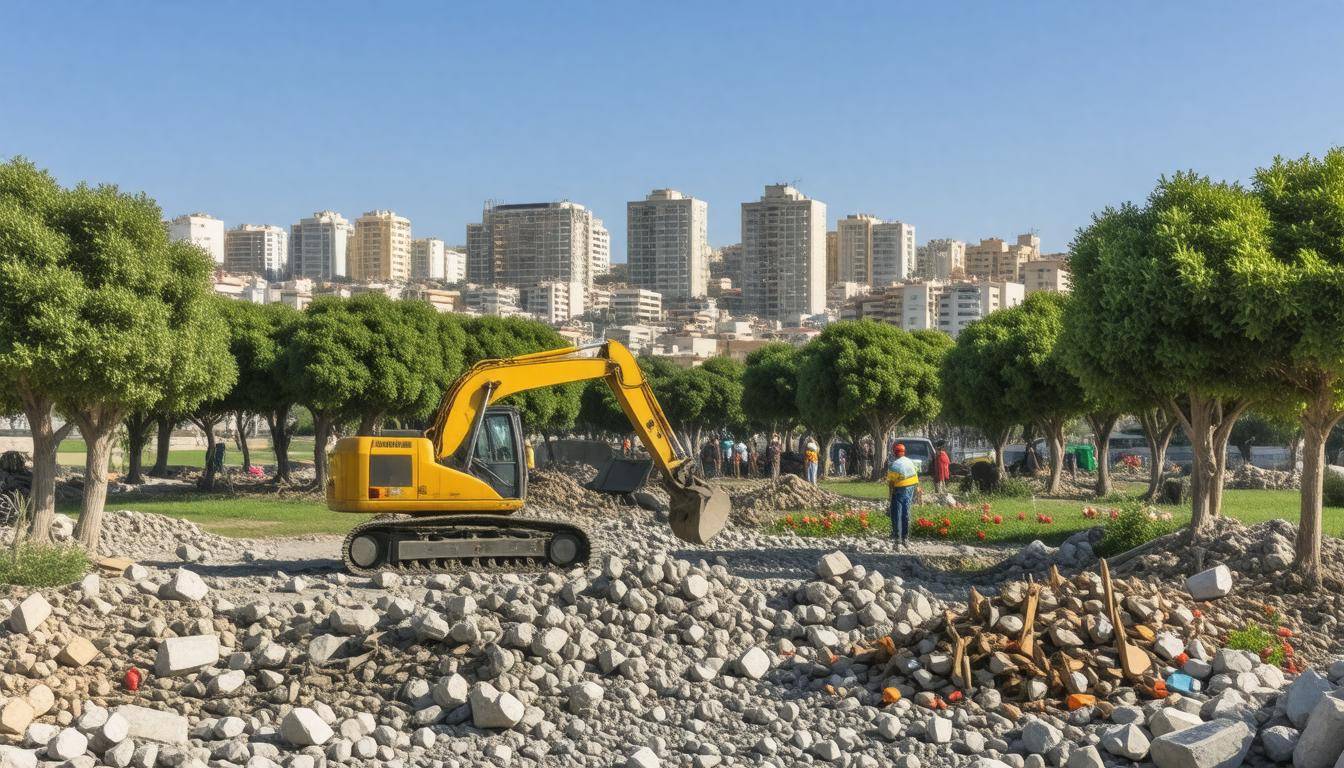
Overview of Beirut’s Urban Disaster Recovery
In the wake of the explosion that shattered Beirut on August 4, 2020, recovery efforts have had to grapple with significant challenges. The city’s infrastructure was severely compromised, leaving not only physical structures in disarray but also a sense of community that had been deeply fractured. As such, recovery is about more than just repairing buildings; it involves healing the social fabric that binds the residents together.
Perhaps one of the most critical components of urban disaster recovery is efficient planning and coordination among various agencies. Local government entities partnered with international organizations like the UNDP to form task forces aimed at assessing damage accurately and ensuring aid was directed where it was most needed. Their analyses revealed that over $15 billion in damages highlights why funds must be allocated proactively rather than reactively whenever possible.
However, merely throwing money at the problem isn’t sufficient for sustainable recovery.
Alongside financial support, there is an urgent need for community engagement. Community members are not just victims; they are essential stakeholders in the rebuilding process. Gathering input through town hall meetings or surveys allows residents to voice their concerns and priorities. It fosters a sense of ownership regarding future developments, empowering people rather than sidelining them. This engagement becomes even more vital when planning initiatives aimed at restoring critical services — water, electricity, sanitation — which serve as the backbone for returning life to normalcy.
Successful urban recovery often involves assessing not just physical needs but emotional ones too. Psychological support services can help individuals deal with trauma, thereby creating a more resilient community moving forward.
Planning for long-term resilience must balance immediate needs with sustainable development goals.
One lesson learned from disasters like this is that it’s not enough to simply rebuild; structures need to be designed with an eye toward future threats. Incorporating smart urban design principles such as green spaces and flood-resistant materials can help mitigate risks against future calamities while enhancing the city’s aesthetic appeal. Ultimately, Beirut’s urban disaster recovery must prioritize sustainability alongside safety; it’s about redefining what urban living looks like in a way that safeguards both lives and livelihoods.
As we explore the necessary steps taken for effective rebuilding, attention turns next towards the crucial aspects of relief strategies and governmental support that have emerged during this challenging journey.
Immediate Relief Efforts and Government Aid
In the wake of the explosion, the Beirut community faced unprecedented challenges that required immediate attention. Recognizing the urgency, the Lebanese government partnered with local charities and international organizations to initiate a structured response aimed at addressing the most pressing needs. This collective effort was instrumental in mitigating early-stage crises related to health, shelter, and nutrition.
Key Relief Measures
The measures taken can be categorized into three overarching areas:
-
Emergency Medical Response: Organizations like the Red Cross and Médecins Sans Frontières rapidly deployed resources to establish field hospitals close to the hardest-hit areas. They provided immediate medical care, treating injuries ranging from severe trauma to minor abrasions. These services were essential not only for physical recovery but also for restoring a sense of normalcy in a time of chaos.
-
Temporary Housing: With many buildings rendered uninhabitable, authorities swiftly set up tent cities and repurposed public spaces, such as schools and community centers, to accommodate those displaced. This quick turnaround offered necessary shelter while creating a central point where people could gather to access more services, fostering community resilience during turbulent times.
-
Food and Water Distribution: Local charities collaborated with international aid groups to ensure that vital supplies reached those in need. Food packages included essential items like grains, canned goods, and bottled water, ensuring families had enough sustenance in the precarious aftermath of destruction.
“Approximately 300,000 individuals received vital assistance within just one month,” reports the Beirut Relief Committee.
This statistic is staggering; it highlights how crucial these immediate measures were for stabilizing a shaken society. Amidst this collective achievement lie personal stories that underscore the broader impacts of these initiatives.
Take Mona from Karantina as an example. She recounted her experience after being displaced when explosions occurred nearby. “When I arrived at the school turned shelter,” she said, “it was bustling with volunteers ready to help us. It gave my family somewhere safe while we figured out what to do next.” Her heartwarming reflection illustrates how these establishments became more than mere shelters; they served as havens of hope during uncertainty.
While immediate relief was critical, understanding how organizations can support long-term rebuilding processes will prove equally essential for sustainable recovery efforts in the future.
Role of Local and International Organizations
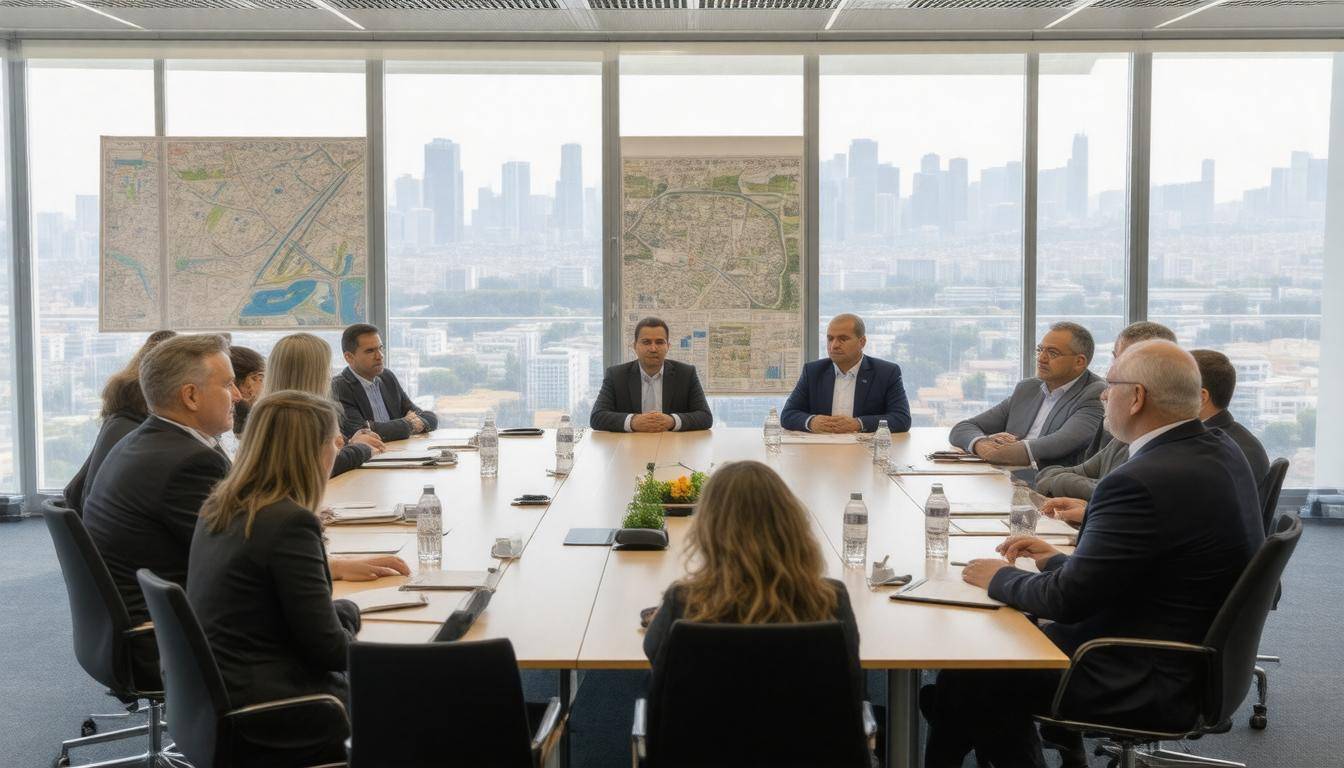
Rebuilding a community like Beirut requires a combination of resources, knowledge, and commitment. This is where local and international organizations come into play. Their collective efforts can bring about a successful restoration that addresses not just the physical damage but also the emotional and social ramifications of a disaster.
International Contributions
International organizations have the unique ability to mobilize resources swiftly. For instance, the United Nations launched an emergency appeal immediately after the disaster, generating $9 million in relief funds. This funding provided critical support for food, shelter, and healthcare needs, allowing essential services to resume while more extensive reconstruction plans were developed. The World Bank played a crucial role by facilitating rapid assessments of damages, creating an actionable roadmap for recovery that informed how funds could best be allocated.
It’s essential to recognize that this influx of resources does face challenges. It’s not enough just to throw money at a problem; efficient implementation on the ground is vital.
Yet, local organizations often possess intimate knowledge of affected communities and can tailor their responses accordingly.
Local Contributions
Local NGOs act as the first responders during recovery efforts, leveraging their established trust within communities to assess needs more accurately. They provide immediate assistance while also advocating for longer-term strategies that reflect community priorities. Many local organizations understand the specific cultural nuances or historical contexts that international agencies may overlook.
To facilitate effective collaboration between these two spheres, establishing a central coordination body is highly recommended. A coordinated approach streamlines recovery efforts and ensures both local knowledge and international resources are maximized efficiently. This body could track all aid flows, prioritize community needs, and monitor project implementations, enhancing transparency and accountability.
Furthermore, ongoing partnerships are crucial; once initial relief has subsided, long-term recovery depends heavily on sustaining relationships between local entities and global organizations. These connections will ensure resources flow continually toward initiatives that foster economic stability, social cohesion, and resilience against future disasters.
Ultimately, this intricate network of cooperation forms the backbone of Beirut’s journey towards recovery—highlighting that rebuilding is not merely about restoring structures but reviving lives through strong community engagement and mutual support systems.
With these collaborations firmly in place, we now turn our attention to how to effectively enhance essential infrastructure and public services in the wake of adversity.
Rebuilding Infrastructure and Public Services
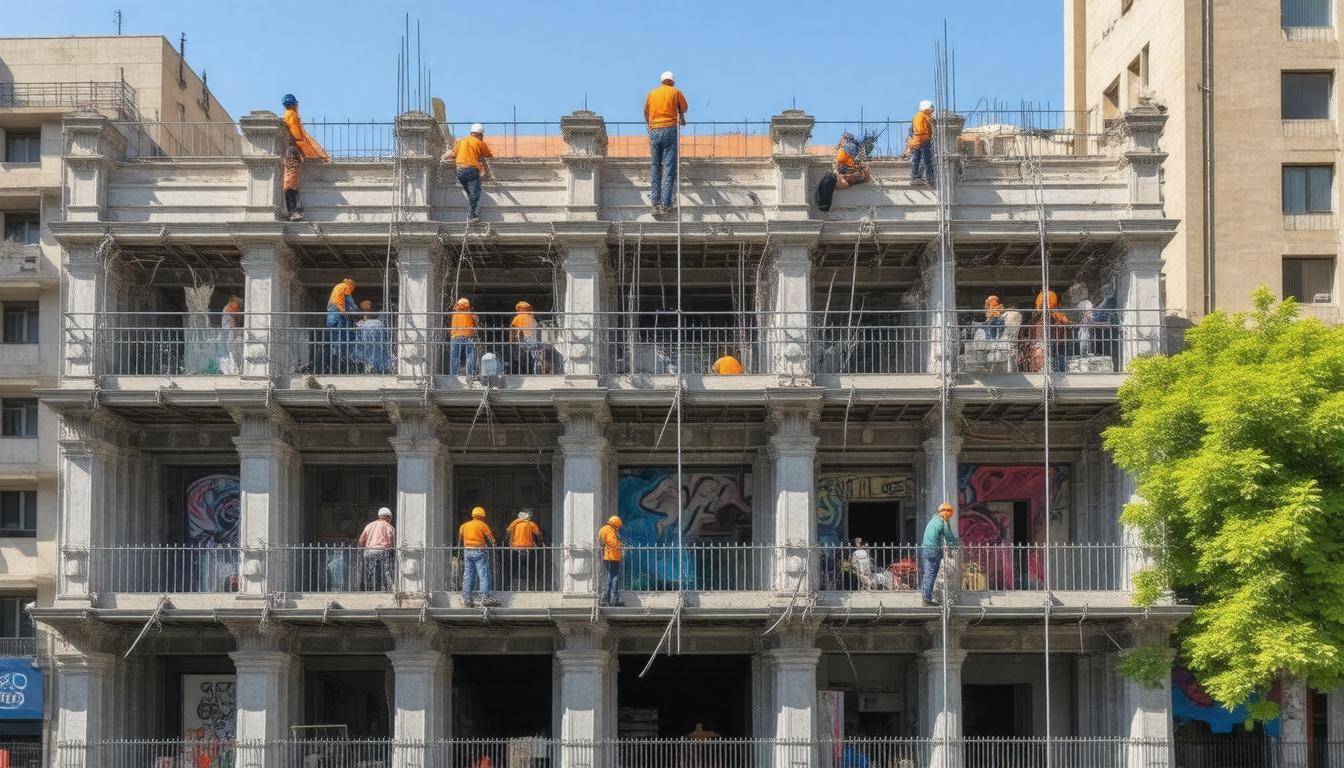
The explosion that devastated much of Beirut left not just scars on its physical landscape, but deep emotional impacts for its residents. To restore normalcy, an integral step was to focus on the physical rebuilding of the city’s infrastructure. Schools and hospitals form a vital part of any community, acting as pillars of health, education, and social interaction. Their restoration had to occur swiftly and thoughtfully, ensuring that their vital functions could resume without interruption.
One of the initial steps was assessing the extent of damage across various infrastructures. Engineers and urban planners meticulously examined buildings, bridges, and utilities using advanced technology like drones that provided insightful aerial views. These tools offered precise visual imagery that was efficient, enabling teams to create comprehensive reports about structural integrity. Thus, decisions could be made based on solid data rather than mere speculation.
Step I – Assessing Damage
Following the assessment phase, it became essential to prioritize projects according to the pressing needs of the community. The focus fell predominantly on public health and education — two sectors that significantly impact living conditions and stability. For instance, hospitals were given top priority as they needed to be operational for ongoing healthcare demands. Similarly, schools required prompt attention not only for educational continuity but also to provide a sense of normalcy for children who had experienced trauma.
With priorities established, moving forward meant careful planning around logistics, resource allocation, and partnership engagements.
Step II – Prioritizing Projects
In addition to focusing on hospitals and schools, restoring basic utilities such as electricity and water supply became critical. Power outages can stall entire neighborhoods while a lack of clean water poses immediate health risks. Rebuilding essential services often requires tapping into various funding resources and collaboration with international partners.
Below are some key infrastructural projects along with their completion dates and funding partners as an example of collaborative effort:
| Project | Completion Date | Funding Partner |
|---|---|---|
| Port of Beirut Reconstruction | June 2023 | World Bank |
| Rafic Hariri University Hospital | February 2022 | UNDP |
| Central Water Supply | January 2022 | European Union Aid |
Each project represents more than just concrete and steel; they signify hope and renewed life for Beirut’s people. The ongoing work in these areas requires continued collaboration between local authorities and international supporters who share a commitment to rebuilding the community effectively.
Restoring Homes and Community Spaces
A vibrant community thrives on shared spaces where residents can gather, connect, and rebuild relationships that might have been fractured by disaster. In the aftermath of devastation, parks, plazas, and cultural centers play a crucial role in creating a sense of belonging and normalcy. These spaces are not just bricks and mortar; they represent the heart of the community, fostering unity amid adversity.
The story of Sarah from Gemmayze is just one small piece of a broader narrative. While her family worked hard to restore their home, they also understood that reestablishing communal gathering places was essential for everyone’s emotional recovery. As they navigated through the rebuilding efforts, Sarah’s parents often emphasized how important it was to reflect on what these spaces meant for the neighborhood—places where friendships were formed, laughter echoed, and cultural identities were celebrated.
One effective approach to restoring these essential community areas involves understanding local needs and gathering input from residents.
Step I – Identifying Community Needs
Engaging with community members through town halls or surveys allows leaders to understand which spaces matter most to locals. Is there a demand for more recreational parks? Do people want revitalized cultural hubs? Listening directly to the voices of those affected fosters ownership and encourages commitment among residents to maintain these areas long-term.
After identifying what is necessary, it’s time to give attention to funding sources specifically aimed at community enhancement. Much like how individuals search for grants, community leaders can appeal to both local businesses and international organizations dedicated to urban recovery.
Step II – Securing Funding for Community Spaces
Crowdfunding campaigns can also be incredibly effective—when locals who contribute know exactly where their funds will be allocated, it builds confidence that the money will lead to tangible outcomes. Many communities find success through workshops encouraging residents to donate their time towards developing these spaces—all hands on deck make them feel personally invested in the progress.
Once funding is secured and plans are drawn up, turning vision into reality requires collaboration with local contractors.
Step III – Collaborating with Local Contractors
Employing local labor not only expedites construction but also brings jobs back into the area. Familiar faces will have their genuine care rooted in their channels which serves as another emotional layer to rebuilding efforts. Contractors from within the community often have insight into constructing something that respects architectural history while incorporating modern safety guidelines.
As each project comes alive—be it a playground bustling with laughter or an art center stirring debates about culture—the space serves its purpose beyond being aesthetically pleasing; it catalyzes healing processes for individuals as they come together, sharing in their triumphs over adversity.
Maintaining engagement thereafter helps sustain these neighborhood gems. By organizing regular events, workshops, or volunteer days focused on upkeep, communities build longstanding connections with these vital spaces around which they’ve rallied during trying times.
With a foundation built on collaboration and community input, the next step involves actively involving all residents in the recovery journey ahead.
Engaging the Community in Recovery Efforts
Involving local residents in recovery efforts is crucial for creating a community that feels invested and empowered. When residents contribute their voices, knowledge, and energy to the rebuilding process, they help to ensure that the final outcomes reflect their needs and aspirations. This active participation fosters ownership in the project and cultivates a deep-rooted sense of collective responsibility.
Community Workshops
A great way to engage the community is by hosting workshops. These gatherings allow residents to openly express their concerns and preferences while learning about essential aspects of urban planning. It’s not merely about reconstruction; these workshops become hubs of innovation where ideas can flourish.
For instance, during one workshop, a resident suggested green space for children to play, which sparked enthusiasm among neighbors, leading to a plan for small park areas after the disaster recovery. Such insights help prioritize projects and encourage creativity in finding solutions for future disasters.
Volunteerism
Volunteerism plays an equally pivotal role in fostering a sense of solidarity among community members. Consider Tariq, the young architect who stepped up amidst uncertainty. By coordinating volunteers to restore the local library, he demonstrated how individual initiative could lead to widespread benefits. The project transformed a damaged structure into a vibrant gathering space filled with books, activity rooms, and resources for residents.
Such volunteer-driven initiatives do more than just rebuild physical structures; they catalyze social bonds, making people feel connected to one another.
These narratives of collaboration underscore how community engagement not only facilitates recovery but also builds a foundation that enables neighborhoods to thrive in the face of adversity.
Building Long-Term Resilience
Long-term resilience is all about preparation. It means looking ahead and investing in various essential aspects of community life to ensure safety during future uncertainties. This powerful concept requires a collective effort in enhancing infrastructure, refining policy frameworks, and fostering community education. By doing so, communities can mitigate the impact of potential disasters and rise stronger than before.
Policy Reforms
Renovating policies regarding building codes and urban planning is crucial to enhancing community safety. This involves re-evaluating existing regulations to incorporate disaster-resistant designs that can withstand the next event. These revised policies should emphasize green and sustainable construction practices to make communities more resilient while maintaining environmental integrity.
For example, builders could be incentivized to use materials that are not only durable but also environmentally friendly. Such incentives would encourage developers to create structures that are better equipped to handle natural disasters, thus improving overall community safety.
Apart from new developments, retrofitting older buildings has emerged as a vital practice toward resilience. This entails upgrading historical structures with modern materials and techniques so they can endure earthquakes, floods, or other calamities without sacrificing their original beauty. Communities embracing this opportunity will not only preserve their heritage but also safeguard the lives within those walls.
Educational campaigns play a pivotal role too. Implementing programs in schools and community centers teaches individuals about emergency preparedness and equips them with knowledge for effective action when disaster strikes. These campaigns can cover topics such as evacuation plans, disaster kits, and emergency communication strategies.
Each of these elements intertwines seamlessly, laying a foundation for resilience that’s built on knowledge, awareness, and practical action. Transitioning from these foundational concepts opens up discussions about specific strategies that can enhance community preparedness for the future.
Key Lessons for Future Preparedness
Recovering from the Beirut explosion revealed critical insights that can guide future disaster recovery in urban settings. One significant lesson learned is the importance of coordination among all parties involved in relief efforts. Effective collaboration between government bodies, non-governmental organizations (NGOs), and international agencies proved essential to streamline operations.
During the aftermath, establishing clear communication channels allowed various stakeholders to define their roles and responsibilities effectively. This clarity helped prevent resource overlaps, ensuring that aid reached those who needed it most without unnecessary delays or confusion.
Moving beyond mere coordination, another vital lesson became clear: community involvement is paramount. Involvement of local residents in both the recovery and rebuilding processes fosters a stronger sense of ownership over reconstruction efforts. Engaging the community goes beyond understanding their needs—it builds resilience by empowering individuals to contribute actively to their own recovery. Just as in any successful project, when people have a stake in the outcome, they tend to work harder to ensure its success. Their input allows planning to align with genuine aspirations and concerns, ultimately leading to more sustainable outcomes.
This brings us to the third lesson: investing in resilience is crucial. Allocating resources towards resilient infrastructure and comprehensive disaster preparedness strategies can dramatically reduce future impacts when disasters strike again. Economic analyses support this idea; for example, according to a report by the World Bank, every $1 spent on disaster resilience savings translates into $4 saved in disaster-related losses. Thus, an investment today can save communities from facing compounded challenges tomorrow.
Picture this: Attempting to bake a cake without knowing how much flour you need would likely lead to chaos—just like recovering from disasters without preparation can lead to unpredictability.
Embracing these key lessons will create a safer and more resilient Beirut that is well-equipped to tackle future challenges head-on while prioritizing the needs and strengths of its community.
The dedication to learning from past experiences and making informed investments will not only enhance recovery efforts but also foster sustainable growth for Beirut’s future. By prioritizing preparation and community engagement, rebuilding becomes not just a task but a shared mission of resilience and hope.
How can lessons learned from past disasters inform future preparedness and recovery measures in Beirut?
Lessons learned from past disasters in Beirut, such as the 2020 port explosion, highlight the importance of community engagement and robust infrastructure planning in preparedness and recovery efforts. For instance, a study revealed that communities with established communication channels and local response teams experience recovery rates up to 30% faster than those without. Implementing these lessons can lead to more resilient neighborhoods by ensuring that citizens are informed, involved, and equipped to respond effectively, ultimately reducing vulnerability and enhancing overall safety during future crises.
What are the primary resources needed for an effective disaster recovery strategy in Beirut?
An effective disaster recovery strategy in Beirut requires a combination of financial resources, skilled human capital, and robust infrastructure. Key components include accessible funding from governmental and non-governmental organizations to facilitate rapid rebuilding efforts, local community involvement to leverage unique knowledge about the area, and investment in resilient infrastructure that can withstand future disasters. Statistics highlight that communities with at least 20% active local participation in recovery plans can accelerate their rebuilding process by up to 40%, emphasizing the importance of collaboration in fostering resilience and safety.
What specific disasters has Beirut experienced that necessitate a recovery guide?
Beirut has faced numerous disasters that necessitate a recovery guide, including the devastating August 2020 port explosion, which claimed over 200 lives and left around 300,000 people homeless. Additionally, the city has grappled with significant political instability, economic crises, and the impacts of civil war, all exacerbating vulnerabilities to natural disasters such as earthquakes. These cumulative challenges underscore the need for structured recovery strategies to rebuild resilient communities and infrastructure effectively.
How can community involvement be integrated into the disaster recovery process in Beirut?
Community involvement can be seamlessly integrated into the disaster recovery process in Beirut by adopting collaborative frameworks that engage local residents in decision-making and planning. By organizing community forums and workshops, residents can voice their needs and priorities, fostering a sense of ownership and accountability. Studies show that communities with higher levels of involvement recover 30% faster, as local insights lead to more tailored solutions. Moreover, leveraging social media platforms can enhance communication and mobilize resources efficiently, ensuring that recovery efforts are inclusive and sustainable.
What role does local government play in facilitating disaster recovery efforts in urban areas like Beirut?
Local governments play a crucial role in facilitating disaster recovery efforts in urban areas like Beirut by spearheading coordinated responses, allocating resources effectively, and engaging community members in the rebuilding process. They are responsible for developing and implementing recovery plans that address infrastructure repair, public safety, and health services. According to a 2022 report, municipalities that actively involved local stakeholders saw a 30% faster recovery time compared to those with minimal community engagement. Additionally, local governments can leverage their position to secure funding from national and international agencies, ensuring that the rebuilding process is both efficient and sustainable.