
As climate change continues to reshape our world, cities everywhere are facing new challenges that demand careful planning and innovative solutions. In Belgium, urban areas are under significant strain from increasingly fierce heatwaves and heavy rainfall, leading to serious flooding and uncomfortable living conditions for residents. But rather than succumbing to frustration, Belgian authorities are stepping up with a comprehensive strategy aimed at adapting to these climate-related issues. This initiative not only seeks to mitigate immediate risks but also focuses on creating healthier, more enjoyable urban spaces for everyone. Let’s explore how Belgium is tackling these pressing challenges head-on.
The Belgium Urban Flooding & Heatwave Plan is a strategic initiative aimed at enhancing urban resilience against the impacts of climate change, particularly focusing on mitigating issues related to urban flooding and extreme heat events. Key components of this plan include the implementation of green infrastructure, such as increasing tree coverage and utilizing bioswales to manage stormwater, along with promoting community awareness and adaptive practices to improve overall public health and safety in urban areas.
Overview of Belgium’s Urban Climate Challenges
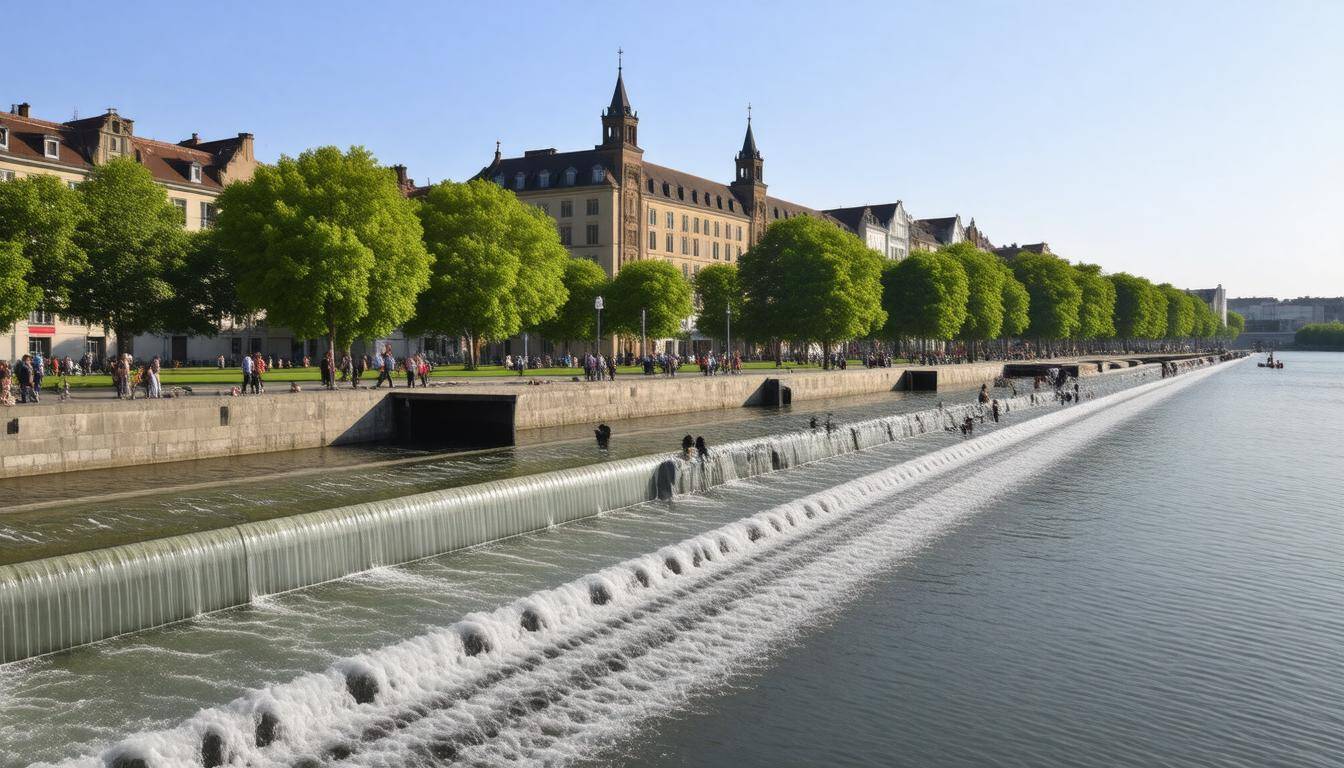
Belgium is grappling with significant climate challenges reshaping its urban landscapes. The country is witnessing a stark rise in extreme weather events, primarily driven by climate change, leading to notable shifts in rainfall patterns and temperature extremes. Recent data suggests that the frequency of heavy rainfall and prolonged heatwaves has risen considerably, making it increasingly difficult for urban areas to adapt.
According to a report published in 2023 by the Belgian Climate Bureau, cities such as Brussels and Antwerp have experienced a substantial 15% increase in annual rainfall over the last decade. This uptick not only increases the volume of water falling on already strained drainage systems but also causes unexpected flooding events disrupting daily life. Additionally, the severity of these events can lead to expensive infrastructure damage, costing cities millions each year.
In fact, Belgium’s flooding crisis vividly illustrates this issue; during the summer of 2024, Brussels suffered through seven consecutive days of temperatures exceeding 35°C. Along with high outdoor temperatures, humidity levels often soared above 80%, making indoor conditions uncomfortable and even dangerous. Reports indicated indoor temperatures reaching as high as 38°C, amplifying health risks for residents.
The effects of urbanization compound these challenges. As cityscapes evolve with concrete and steel structures, they create urban heat islands. These areas see heightened temperatures compared to rural surroundings due to trapped heat absorbed by asphalt and buildings. Residents struggle against uncomfortable living conditions and escalating energy costs as they crank up air conditioning units in vain efforts to cool their homes.
Common strategies and everyday decisions made by residents can mitigate some discomforts associated with these challenges. Many people recommend using ceiling fans at night or installing window shades to block sunlight during peak hours. Rather than suffer through intense heat alone, employing these small adjustments can help circulate cooler air and significantly decrease indoor temperatures.
Greater awareness of these ongoing issues underscores a pressing need for effective city planning and climate adaptation strategies aimed at enhancing resilience against both flooding and heatwaves. Enhanced green infrastructure—like planting more trees or creating green roofs—can provide significant comfort and improved community well-being while fulfilling crucial environmental functions such as stormwater management.
Given these pressing concerns, it becomes imperative to implement proactive measures tailored toward effective water control and management within urban centers.
Flood Management Measures
Belgium’s approach to urban flooding is multifaceted, employing an array of solutions that range from modern technology to traditional methodologies. Cities like Ghent have become showpieces for innovative strategies, showcasing permeable pavements that absorb rainwater efficiently and green roofs that not only beautify the landscape but also help in stormwater absorption. This dual action plays an essential role in managing surface water and reducing runoff into drainage systems.
Step I – Early Warning Systems
One of the cornerstones of Belgium’s flood management plan is its advanced early warning systems. Utilizing IoT (Internet of Things) sensors, these systems offer real-time monitoring of water levels in rivers and drainage channels. A notable example occurred in 2024 when residents of Antwerp benefited from a full 24-hour notice before a significant flood event. Such timely alerts allowed families to implement their evacuation plans effectively, avoiding chaos and unnecessary disruption. The impact here is profound; proper communication can save lives, facilitate orderly evacuations, and minimize property damage.
Step II – Urban Drainage Enhancements
Coupled with early warning systems, urban drainage improvements are pivotal in managing flood risks. Cities such as Brussels and Liège have stepped up efforts by enhancing their sewer systems, integrating retention basins, and building underground storage tanks capable of accommodating excess water during heavy rainfall. These additions bolster the overall efficiency of the drainage system by capturing stormwater runoff before it overwhelms existing infrastructure. By addressing both immediate and long-term water management needs, Belgium strengthens its resilience to flooding threats.
However, while effective flood measures remain crucial, adapting infrastructure is equally important in ensuring continued community safety during extreme weather events. The next steps involve examining how such adaptations are made to support sustainable living conditions across urban areas.
Infrastructure Adaptations
Belgium’s approach to climate resilience is comprehensive, focusing on modifying existing buildings and integrating innovative design into future projects. This strategy establishes a dual focus: reinforcing structures against climate impacts while emphasizing green solutions. One significant aspect of this approach is undeniably green infrastructure—an initiative blending environmental sustainability with urban planning.
Green Infrastructure
Green infrastructure involves incorporating natural systems into urban landscapes to manage stormwater and reduce flooding. Antwerp’s successful implementation of bioswales in public parks provides an ideal illustration of this concept. These strategically designed shallow channels collect rainwater and promote natural absorption, ensuring that less water runs off into streets and sewers. The result? A stunning reduction in surface runoff by 40%, effectively mitigating the risk of local flooding events. Supporting biodiversity while enhancing aesthetic appeal, green infrastructure serves multiple purposes—all while sustaining vital ecosystem services.
Embracing green infrastructure is about creating resilient urban spaces that can adapt to changing climates, benefiting both citizens and the environment.
Structural Reinforcement
Of equal importance are the efforts to reinforce existing structures through updates to building codes, particularly in flood-prone areas. New regulations mandate the use of flood-resistant materials such as water-resistant concrete, enhancing durability against rising water levels. Additionally, raised foundations have become a standard practice for new construction projects, allowing buildings to withstand potential flooding without incurring significant damage.
Retrofitting older buildings presents another challenge yet opportunity for cities like Brussels and Ghent. As they work to maintain their historical character, city planners are keenly aware of the necessity of adapting these structures to contemporary demands. By integrating modern flood-resistant techniques with historical preservation efforts, cities can ensure that their heritage remains intact while preparing for future climate realities.
Collaboration and Community Engagement
However, infrastructure adaptations can’t work in isolation; community engagement plays a vital role in their success. Seeing firsthand how these changes impact daily life helps residents appreciate the value of sustainable practices. City governments must foster dialogue with local populations, ensuring that development plans meet regulatory standards while aligning with community needs. When residents feel invested in their environment, they become critical stewards of these initiatives—actively participating in maintaining green spaces and advocating for ongoing improvements.
While these infrastructure modifications are crucial for long-term resilience, it’s equally important to explore how immediate actions can significantly bolster protection against climate-related challenges in Belgium.
Protective Measures and Projects
Belgium’s response to climate impacts hinges on an array of innovative and community-driven projects designed to foster resilience. One example is the ‘Green Lungs’ initiative—an ambitious program in Karlsruhe that merges various disciplines, emphasizing collaboration among scientists, city planners, and local residents. The idea is to create green spaces that serve as natural buffers against both flooding and heat, while also enhancing the city’s biodiversity.
Community involvement plays a pivotal role in the success of these initiatives. As seen in Brussels, local residents have engaged in tree planting efforts that have increased green cover by an impressive 10% over five years. This collective action not only beautifies neighborhoods but also contributes significantly to cooling urban temperatures during heatwaves and absorbing excess rainfall during storms.
Key protective measures aimed at combating both flooding and heat stress include the strategic planting of trees and maintenance of urban forests. Trees act as natural air conditioners, lowering temperatures through shade and evapotranspiration while simultaneously sequestering carbon dioxide—a critical factor given that agriculture is a substantial contributor to greenhouse gases.
In addition to enhancing green space, several other measures are being implemented across urban Belgium:
- Creating wetland areas that can naturally absorb excess water during heavy rains.
- Installing rainwater harvesting systems in residential areas, allowing homeowners to capture precipitation for reuse in gardens or household needs.
Each of these strategies is geared toward building a more resilient urban environment, capable of withstanding the dual threats of flooding and extreme heat under climate change conditions. Investing in such protective measures not only safeguards communities but also fosters stronger ties among residents who participate in these projects.
Understanding how different types of adaptation strategies can synergize will be crucial for future planning and development efforts as we address the specific challenges posed by extreme temperatures.
Heatwave Management Plan
The Belgian government’s approach to managing heatwaves is strategic and multifaceted, blending immediate actions with long-term policies aimed at protecting vulnerable populations. These efforts largely focus on establishing emergency cooling centers and launching public awareness campaigns that resonate deeply within communities. Recognizing the impact of extreme temperatures on health and well-being, especially among the elderly and those with underlying health conditions, measures taken are both necessary and lifesaving.
Step I – Emergency Cooling Centers
Emergency cooling centers serve as safe havens during the scorching summer months. For instance, during the intense heatwave of 2024, Brussels activated these centers to provide relief for over 15,000 residents who needed refuge from overwhelming heat conditions. Retrofitted with large air conditioning units, they maintained comfortable temperatures below 25°C, allowing individuals to avoid heat-related illnesses while staying hydrated and refreshed.
This early response underscores the importance of community infrastructure in safeguarding public health during extreme weather events.
But providing physical spaces for cooling is only one part of the equation; educating the public about how to cope with rising temperatures is equally crucial.
Step II – Public Awareness Campaigns
To complement these cooling centers, the Belgian government launched comprehensive public awareness campaigns focusing on educating citizens about the risks associated with extreme heat. Utilizing social media platforms and local news outlets, officials share essential tips on how to beat the heat—advising individuals to stay hydrated, wear light clothing, and avoid outdoor activities during peak sun hours. By equipping communities with knowledge, these campaigns promote proactive behavior when faced with extreme temperatures.
This dual-faceted strategy not only helps individuals respond effectively but also fosters a culture of collective responsibility towards one’s neighbors.
However, beyond immediate solutions like cooling centers and awareness campaigns, a pivotal aspect involves integrating sustainable cooling designs into urban planning—a strategy for long-term resilience against climate change impacts. This integration serves as a vital step forward in managing the effects of rising temperatures while enhancing overall urban livability.
Cooling and Shading Solutions
In battling the scorching heat that arises in urban areas, both cooling and shading strategies play a crucial role. While some methods may stand out for their effectiveness, understanding why they work can help in selecting the best solutions for our communities.
Urban Greening
Research indicates a profound connection between green spaces and the thermal comfort of urban residents. For instance, increasing tree canopy cover by just 10% can lead to an impressive reduction in urban temperatures of up to 3°C. Cities like Ghent have grasped this fact with ambitious goals aimed at enhancing their green spaces. This includes planting more trees and creating parks that aren’t merely aesthetic but functional as well—helping regulate temperatures within the city. Imagine walking down a tree-lined street where dappled sunlight filters through leaves, offering refreshing shade on a sweltering day; it’s not just pretty, it’s essential for community comfort.
Moreover, the process called evapotranspiration, where trees release water vapor into the air, contributes significantly to cooling effects during warmer months. The importance of incorporating more greenery into our cities cannot be understated—it effectively combats urban heat islands while also improving air quality and mental wellness among residents.
Shading Systems
The concept of innovative shading systems is another critical piece of this puzzle. Take Leuven’s ‘Cool Canopies’ project as an exemplary model: these structures are designed specifically to provide shade in busy market areas, successfully reducing surface temperatures by as much as 5°C. The success of such projects illustrates how thoughtful urban planning can leverage architectural elements not only to enhance aesthetics but also to mitigate heat exposure.
These systems often utilize materials that reflect sunlight rather than absorb it, thus contributing to lower ambient temperatures. Additionally, creating shaded spaces encourages more social interactions and communal activities outside, which can improve the overall vibrancy and health of neighborhoods. A stroll through shaded streets rather than heat-radiating asphalt is an enticing invitation to linger longer in public spaces.
Supporting these initiatives transforms urban environments while prompting ongoing efforts to ensure lasting benefits for residents. This seamless integration invites us to consider how effective these measures truly are in practice.
Evaluation of Effectiveness

Evaluating the effectiveness of urban climate strategies is not simply about collecting numbers; it’s a careful dance between monitoring, data analysis, and strategic adjustment. The goal is to foster environments that can withstand extreme weather while ensuring public safety and comfort. One way to ensure strategies remain effective is to create a robust monitoring system. Imagine sensors like diligent sentinels scattered throughout the city, always alert and gathering data on temperature fluctuations, humidity levels, water accumulation, and other crucial factors. These sensors can pinpoint problem areas in real-time, enabling city officials to react quickly to changing conditions.
Monitoring Systems
With technology evolving, the deployment of smart sensors has become increasingly sophisticated. Picture a web of interconnected devices, all feeding valuable information back to a central system. This detailed insight allows for immediate adjustments during adverse weather conditions, such as deploying emergency crews or activating drainage systems before they become overwhelmed. Regularly reviewing these metrics helps city planners identify performance gaps and areas needing additional green interventions.
Let’s take this further by looking at how data informs our understanding of effectiveness.
Data Analysis
A comprehensive evaluation report from 2025 revealed something quite interesting: areas rich in green infrastructure enjoyed a staggering 58% reduction in storm runoff. In stark contrast, regions lacking such features only saw a modest 15% reduction. This stark difference highlights the critical role green spaces play in mitigating flooding and preserving urban ecosystems. It paints a clear picture that investing in greenery isn’t just beneficial—it’s essential for resilience against climate extremes.
Thus, this data not only elucidates the current status of urban environments but also champions the necessity for further green development initiatives across Belgium’s urban landscape.
Moving forward, it becomes imperative for policymakers and local governments to build upon these insights. By integrating continuous monitoring and data analysis into future planning efforts, cities can craft climate resilience strategies rooted in tangible evidence rather than guesswork. This will improve quality of life for residents while safeguarding public health and reducing repair costs down the line—creating a win-win situation for both citizens and local authorities.
As we turn our attention to proactive steps taken to strengthen communities against future environmental challenges, we’ll uncover more about those strategic initiatives aimed at enhancing long-term resilience.
Future Climate Resilience Strategy
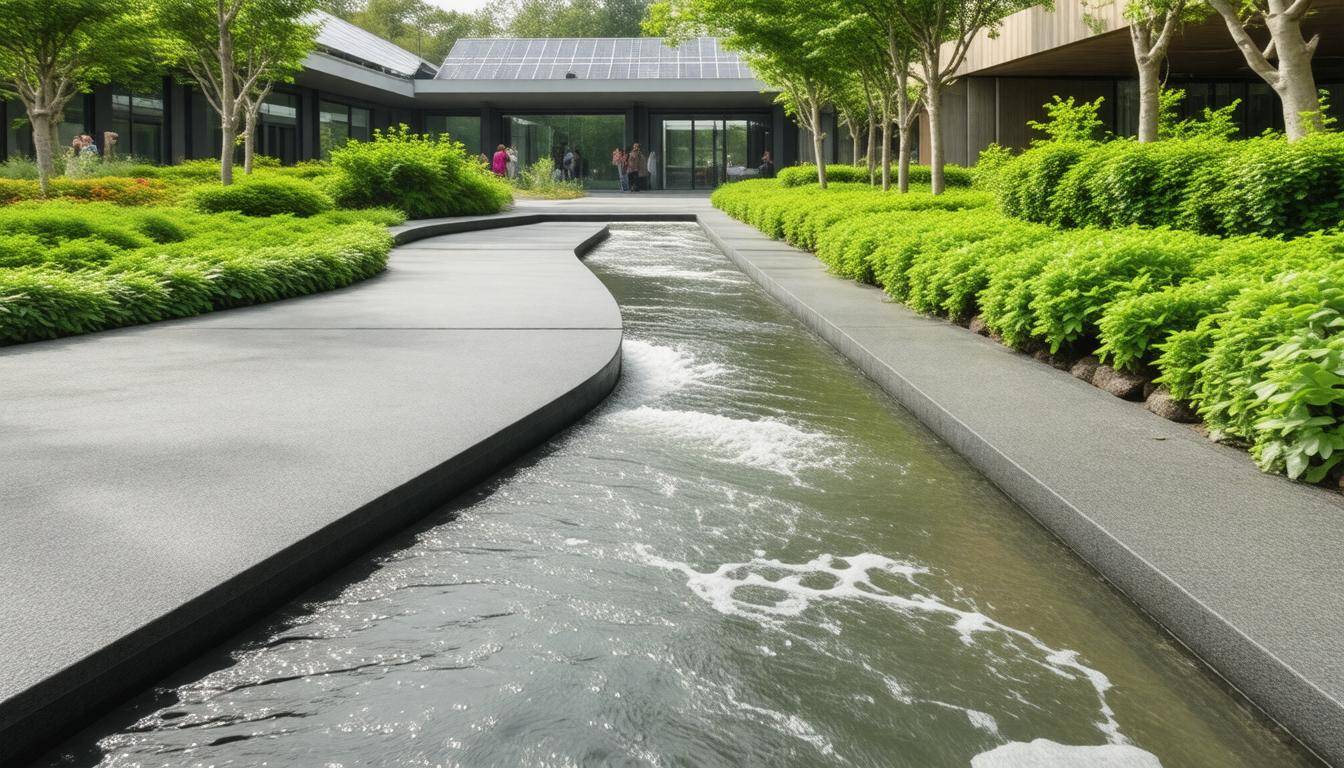
Belgium’s long-term climate resilience strategy is not merely reactive; it is built on a proactive foundation that embraces innovative solutions.
By addressing rising temperatures and increased rainfall—predicted to increase by 20% by 2040—the strategy aims to mitigate the risks associated with flooding and heatwaves while ensuring sustainable development for communities.
Integrated Urban Planning
One of the cornerstones of this strategy is Integrated Urban Planning, which emphasizes the combination of green infrastructure—like parks, green roofs, and permeable pavements—with traditional grey infrastructure such as drains and roadways.
This dual approach helps absorb rainwater effectively, reducing stormwater runoff and its associated flooding risks. Moreover, it enhances the aesthetic value of urban areas while providing residents with much-needed green spaces that offer recreational opportunities and improve mental well-being.
However, planning alone isn’t enough; effective policy innovations will play a crucial role in shaping outcomes.
Policy Innovations
The Belgian government envisions several forward-thinking policy innovations aimed at fostering a more climate-resilient society.
For instance, tax incentives for installing green roofs will encourage property owners to invest in eco-friendly designs that can significantly alleviate urban heat effects while also capturing rainwater.
Stricter building codes mandating climate-resilient designs will form part of the legislative framework, ensuring new constructions are equipped to withstand a changing climate. These measures aim not only to improve individual buildings’ resistance to climate impacts but also to enhance community resilience overall.
Each step in this strategy underscores the essential collaboration between government bodies, private sectors, and local communities.
A strong emphasis is placed on community participation through public awareness campaigns.
Engaging residents in understanding the risks posed by urban flooding and heatwaves is paramount for effective implementation. Residents are urged to participate in community resilience efforts, ensuring individuals grasp the importance of sustainability practices while investing in their homes to withstand future environmental shifts.
Finally, as Belgium looks toward the future, ongoing evaluations of these strategies become increasingly important.
Regular reviews will ensure they remain effective against emerging climate challenges. By proactively identifying areas needing further innovation and investment, Belgium’s climate resilience strategy serves as a model for other nations facing similar threats—a blueprint that showcases how collective action can lead to remarkable benefits for society and our environment alike.
In embracing these comprehensive strategies, Belgium demonstrates a commitment to not only adapting to but thriving amidst the challenges posed by climate change.