
Hurricanes are a reality that many coastal cities, like Belize City, cannot ignore. Each year, the threat not only looms during the official hurricane season but also serves as a reminder of past devastation, leaving many residents anxious about what storms might bring. As the Caribbean sees shifting weather patterns and increasing storm intensity, finding effective ways to protect lives and property becomes more urgent than ever. In recognition of this pressing need, the Belize City Hurricane Protection Plan takes on a pivotal role in shaping a future where residents feel safer and more prepared. By focusing on proactive strategies, infrastructure improvements, and community education, Belize City aims to transform how it faces these looming natural disasters. This guide dives into the key components and strategies that we’ll explore further to help build a more resilient Belize City.
The Belize City Hurricane Protection Plan outlines a comprehensive approach to safeguard residents and infrastructure from hurricane-related impacts, including early warning systems, evacuation procedures, and structural reinforcement of buildings. It also emphasizes community preparedness and response efforts to ensure the safety and resilience of the city during hurricane events.
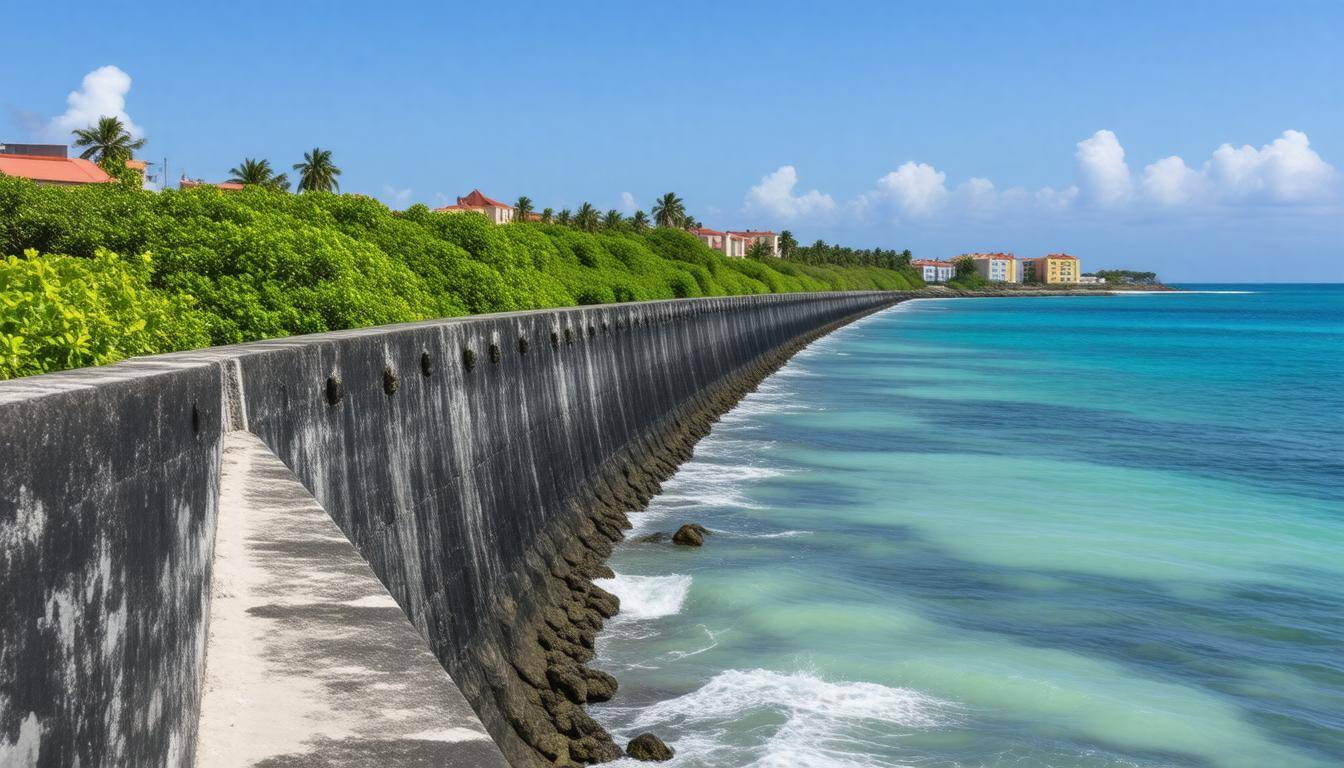
Existing Challenges to Hurricane Protection
Belize City’s geographical predicament cannot be overstated; nestled on the Caribbean coast, it stands as a frontline against the relentless forces of nature. The city often finds itself in the crosshairs during hurricane season, which spans from June to November. This period sees an average of 12 named storms, with about half of them intensifying into hurricanes, according to the National Hurricane Center. This reality creates a continuous threat cycle, each year bringing the potential for devastation akin to past catastrophes like Hurricane Hattie in 1961.
When these storms roll in, they’re not just about strong winds; they bring heavy rains and storm surges that wreak havoc, leading to severe flooding, infrastructural damage, and tragically, loss of lives. Picture neighborhoods submerged under water and families grappling with the aftermath—this isn’t just a statistic; it’s a lived reality for many locals.
Adding pain to injury is Belize City’s aging infrastructure. Many roads and buildings were constructed long ago, often without regard for current hurricane standards or resilience strategies. Consequently, when a powerful storm approaches, even moderate winds can sweep through these structures, compounding the damage and increasing recovery times after the floodwaters recede.
Alongside these physical challenges lies another pressing concern: limited fiscal resources.
The financial constraints that plague Belize City inhibit its ability to invest adequately in hurricane protection initiatives. With budget allocations stretched thin across various sectors such as education and healthcare, setting aside funds for extensive infrastructure improvements often falls to the wayside. This scarcity complicates essential upgrades that could reinforce buildings or improve drainage systems—critical elements in cushioning the effects of an incoming storm.
A recent local survey indicated that more than half of residents worry about flooding, yet only a fraction feel comfortable with their homes’ defensive capabilities against hurricanes.
For Belize City to bolster its defenses against hurricanes effectively, comprehensive planning is vital. Identifying existing weaknesses allows city planners to prioritize actions aimed at enhancing resilience—whether through upgrading infrastructure or implementing community awareness programs focused on emergency preparedness. Addressing these intertwined challenges head-on will lead towards ensuring safety for all who call Belize City home.
With these multifaceted challenges in mind, it’s essential to explore how specific strategies and components can mold a more robust protection framework moving forward.
Key Components of the Protection Plan
To effectively safeguard Belize City against the fury of hurricanes, the protection plan encompasses not just immediate responses, but also long-term strategies to fortify the city’s resilience. A multi-layered approach ensures that when a hurricane strikes, whether during its unpredictable season or a sudden storm in the off-season, the city stands prepared.
1. Early Warning Systems
Imagine a world where storms no longer take residents by surprise. The installation of advanced early warning systems plays a crucial role in this vision. These systems are technological marvels that integrate satellite data, weather radars, and automated alert mechanisms. They work in unison to detect hurricanes well before they make landfall, providing invaluable time for residents to prepare and react appropriately. With real-time alerts sent via text message or community loudspeakers, families can make informed decisions regarding their safety.
Transitioning from prevention to proactive measures leads us to effective evacuation strategies.
2. Evacuation Routes
Clear and accessible evacuation routes are pivotal in any hurricane protection plan. Across the city, these designated paths ensure that when the storm warnings sound, residents know exactly where to go. Each route is marked with easy-to-read signage and mapped within local communities so that everyone is aware—families can move quickly and safely towards high ground or designated shelters.
Furthermore, local authorities regularly conduct drills to familiarize citizens with these routes, reinforcing their confidence and readiness during an actual emergency.
It’s essential not only for city planners but also for residents to review these routes frequently; knowing them could save lives during a frantic dash away from danger.
However, having a way out is only one part of the equation; being prepared once you reach safety is equally significant.
3. Emergency Supplies
Stockpiling emergency supplies is another cornerstone of disaster readiness. Think of essential items like food, water, medications, and hygiene kits: all basic needs that become even more urgent during crises. For Belize City’s plan, supplies are strategically stored in secure locations around the city that can be accessed promptly when needed. Whether it’s during preparation days prior to a storm or immediately after landfall when resupply becomes difficult, having these essentials on hand guarantees that families can endure tough times without panic over resource scarcity.
While supplies line the ground level for immediate reaction post-storm, medical support structures must be firmly in place as well.
4. Medical Response Teams
As pivotal as preparing for storms physically is ensuring health security through trained medical response teams. These dedicated individuals are in place before disaster strikes and remain on standby ready to leap into action when injuries arise during erratic conditions. Their training facilitates rapid response and provides comfort and reassurance during chaotic situations. Dr. Elena Lopez expressed her views on this critical component by noting how “these teams play an essential role in minimizing casualties,” emphasizing their impact when emergencies escalate.
Fostering strong foundations across all areas enables Belize City to tackle future challenges with resilience and assurance while highlighting the importance of infrastructure in weathering such destructive events.
Strengthening Infrastructure
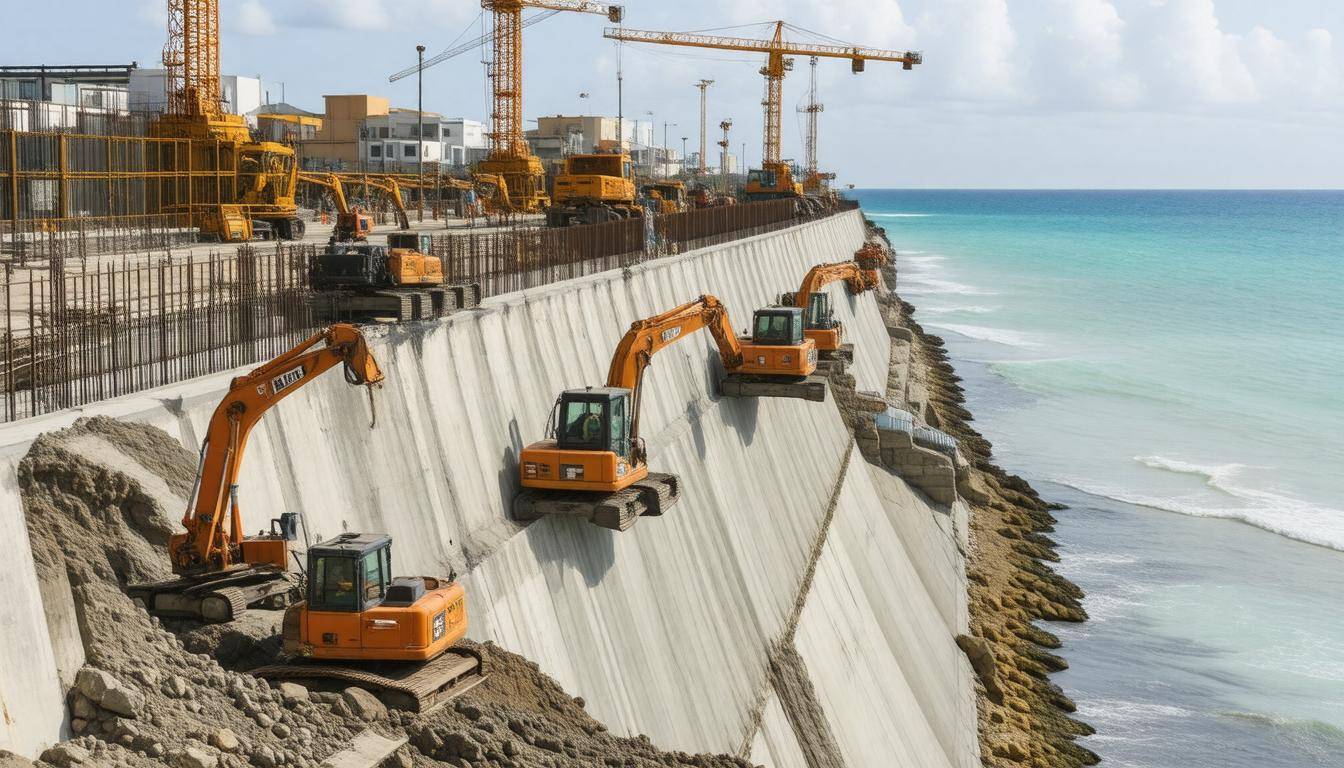
Enhancing the resilience of Belize City’s infrastructure is not merely a matter of fortification; it is about creating a robust framework to withstand the formidable forces of nature. As hurricanes become more frequent and intense, prioritizing this aspect ensures that both new and old buildings can endure turbulent weather conditions. The implementation of various initiatives is crucial in transforming the urban landscape into one that is better equipped to handle severe weather events without significant damage.
Retrofitting Buildings
A key part of this strategy involves retrofitting older buildings with hurricane-resistant materials. This means reinforcing roofs, installing impact-resistant windows, and employing stronger structural elements that can handle high winds and flying debris. According to a report from the Ministry of Works, around 30% of public buildings have already been upgraded to meet modern hurricane resistance standards. This proactive step not only increases safety but also enhances overall property value and ensures long-term durability.
Imagine walking through a neighborhood where older homes have been revitalized with modern construction techniques. It’s not just visually uplifting; it creates a sense of security among residents who now know their homes are equipped to resist nature’s fury.
Reinforcing Coastal Barriers
Alongside building enhancements, reinforcing coastal barriers serves as an essential measure in minimizing storm surge impact. Projects like the enhancement of the Northern Seawall have made significant strides in safeguarding coastal properties from erosion caused by relentless waves and flooding. By investing in sturdy seawalls and levees, we not only protect property but also preserve communities nestled along Belize City’s coastline.
These barriers act as the first line of defense against rising water levels, acting as buffers that absorb wave energy rather than allowing it to rush inland.
However, while strengthening infrastructure is crucial for protection, reliance on structures alone won’t suffice. Each layer—from building resilience to bolstering natural defenses—works best when integrated with community education and preparedness efforts. This layered approach amplifies not just physical resilience but also instills confidence within residents about their collective ability to respond effectively during disasters.
As we explore how this multifaceted approach extends beyond mere structures, we can further examine how nurturing local communities fosters an environment ready to face natural adversities.
Community Resilience Building
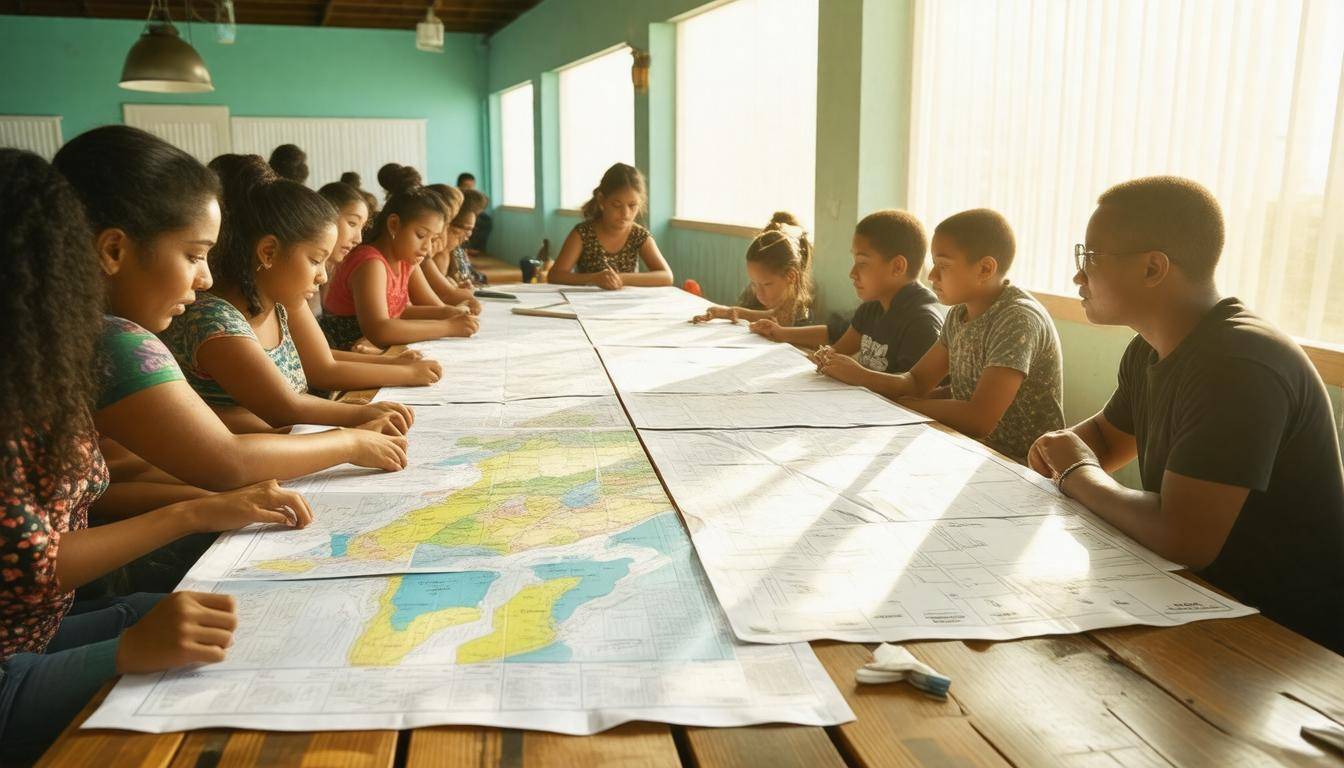
Building community resilience encompasses preparing residents to adapt and respond effectively to hurricanes. This involves fostering a sense of solidarity and support among neighbors. When communities work together, they can withstand challenges more effectively than isolated individuals. The foundation for this collective strength is established through various initiatives that engage and empower residents.
One of the most vital components is implementing training programs that educate residents about evacuation procedures and emergency response actions. By offering workshops and informative sessions followed by practical demonstrations, families can learn how to create emergency kits, understand weather alerts, and identify safe routes to evacuation centers. These opportunities instill confidence in community members, making them feel better prepared to handle crises.
Complementing these training programs are community drills designed to simulate hurricane scenarios. Picture a sunny Saturday afternoon where your neighborhood comes together in a drill that pauses normal activities and emulates an impending storm. Residents practice evacuation protocols while local authorities provide feedback on their responses. This hands-on experience serves two important purposes: first, it familiarizes everyone with the established procedures, and second, it reduces panic during actual emergencies as families become accustomed to the drills.
Equally crucial is focusing on local leadership within these efforts. Empowering local leaders—whether they are neighborhood association heads or respected community members—to coordinate initiatives fosters trust and accountability. Having a designated point person during crises ensures a faster and more organized response. Local leaders can serve as liaisons with emergency services and help disseminate crucial information efficiently.
These foundational measures extend beyond immediate preparedness; they build relationships that reinforce community bonds. As we look further into ways of enhancing safety for all residents, instructional outreach plays a significant role in equipping individuals with knowledge on storm readiness.
Public Awareness and Education Programs
Public awareness programs are integral in ensuring that communities are informed about the dangers of hurricanes and equipped with the knowledge to respond effectively. These initiatives bridge the gap between understanding the threat and taking proactive steps toward safety. The Belize City Council’s campaigns leverage various media channels, including television, radio, and social media. These strategies have become powerful tools for communicating essential safety information and preparedness tips.
Awareness Campaigns
Through targeted outreach efforts, the Belize City Council has successfully reached over 80% of residents with their campaigns. This impressive statistic highlights the power of collective messaging across different platforms. It’s not just about getting a message out there; it’s about crafting it in a way that resonates and compels action among the viewers. Engaging content featuring local stories or infographics explaining emergency procedures fosters a culture of readiness within the community.
Recent surveys indicate that these initiatives have significantly improved public perception regarding hurricane preparedness. People are not only aware of the risks but feel more empowered to act. This sense of empowerment transforms passive awareness into active participation in safety preparedness.
School Programs
Engaging young minds is another pillar of public education efforts in Belize City. Schools incorporate hurricane preparedness into their curricula by organizing ‘Hurricane Week.’ During this event, students partake in activities such as mock drills and educational workshops tailored to teach them crucial safety protocols. Practicing evacuation routes or creating emergency kits at school instills important lessons that children will carry into adulthood.
Moreover, inviting parents to participate encourages families to discuss preparedness plans together, helping disseminate information beyond school walls and into households.
While educating the population is vital, ensuring that these initiatives translate into solid emergency measures when storms arise remains equally important. Now, let’s examine practical strategies for readiness during a crisis situation.
Emergency Preparedness Measures
Preparedness measures are invaluable when it comes to ensuring that both local authorities and citizens can swiftly respond to an approaching hurricane. One of the cornerstones of this preparation is the creation of Emergency Contact Lists. These lists provide individuals and families with critical contact information for local authorities, emergency services, and nearby shelters. Distributing these lists helps facilitate communication during chaotic moments when time is essential. Knowing whom to call can make all the difference when seconds count.
Another vital aspect of emergency preparedness is reliable Communication Systems. Upgrading communication networks allows for faster dissemination of emergency alerts and efficient coordination among response teams. In fact, studies show that communities with robust communication systems see significantly improved response times during emergencies, which can save lives. People should familiarize themselves with various emergency alert systems, such as weather applications or local news stations that provide updates during severe weather events.
Establishing Supply Depots in strategic locations across Belize City serves as a practical measure to ensure that basic necessities are readily accessible during a crisis. These depots are equipped with essential supplies such as food, water, flashlights, batteries, and medical kits. The placement of these depots must account for areas where communities may find themselves cut off from regular supply routes due to flooding or road blockages. Encouraging residents to plan ahead by mapping out the nearest depot before storm season hits can serve as a critical lifeline when disaster strikes.
In addition to these foundational measures, it’s essential for households to develop personal emergency plans tailored to their unique circumstances, allowing them to act quickly in times of need.
Implementing these prepared measures requires strategic planning and clearly defined timelines for training and practice drills. Engaging community members through drills familiarizes everyone with processes and cultivates a sense of empowerment, making them feel part of the solution rather than mere bystanders.
With these preparedness strategies in place, the next step involves exploring how they can be effectively implemented within the community framework.
Implementation Strategies and Timelines
The success of Belize City’s Hurricane Protection Plan lies in its phased approach, allowing for systematic progress while ensuring all necessary components are addressed. Each phase is designed with distinct objectives that build upon one another, ultimately fostering a resilient community prepared for future hurricanes.
Phased Implementation
Phase One: The first stage involves immediate actions aimed at minimizing risk and enhancing readiness. This includes setting up early warning systems, which utilize modern technology to alert residents of impending storms. Public awareness campaigns play a crucial role as well, informing citizens about hurricane preparedness and encouraging proactive measures like securing homes and forming emergency kits.
An effective way to disseminate information could be through community meetings or social media outreach, ensuring that everyone—especially vulnerable populations—receives the information they need.
Phase Two: Next comes medium-term actions, focusing primarily on infrastructure upgrades. This might entail reinforcing existing buildings and roadways to withstand severe weather conditions. Additionally, implementing community training programs equips locals with skills in emergency response, including basic first aid and evacuation procedures. Training sessions empower individuals and foster community bonds as neighbors unite for a common goal.
By enlisting local experts to lead training sessions, communities can engage more effectively; practical knowledge results in higher retention rates among participants, which is vital when disaster strikes.
Phase Three: The final phase is dedicated to long-term goals that ensure sustainability. This involves establishing a framework for continuous improvement of the protection plan itself. Regular updates, informed by post-hurricane analyses and feedback from the community, will keep the plan relevant and efficient. Consistency in communication is also key to maintaining public confidence and engagement in preparedness activities.
These three phased steps lay a solid foundation for improving safety and resilience. Continuous assessment of these strategies will enhance their effectiveness as Belize City adapts to evolving challenges. As we explore that process further, we can gain insight into the methods of keeping track of progress in these efforts.
Monitoring and Evaluation Systems
Ongoing assessment allows us to keep our strategies relevant and effective. Monitoring and evaluation must be continuous, gathering real-time data to inform decision-making processes and ensure all components of the plan are functioning as intended. This approach fosters accountability while enabling rapid responses to unforeseen challenges. By regularly tracking progress, we can adjust specific aspects of the plan to better meet community needs as they evolve.
Performance Metrics
Performance metrics play a crucial role in this process. They serve as benchmarks for assessing various facets of disaster preparedness. For example, response times during hurricane emergencies are assessed with an aim for at least a 30% improvement over previous years. Key performance indicators (KPIs), such as evacuation efficiency or participant engagement in public awareness campaigns, chart our progress and clarify where resources should be allocated.
These metrics are not merely numbers; they paint a vivid picture of how prepared the community is. By establishing targets, we can celebrate victories when improvements are evident, which fosters a culture of resilience. Regular feedback loops from these metrics allow first responders and community leaders to make informed decisions quickly, ensuring that adaptations are made before further threats arise.
Annual Reviews
Conducting annual reviews is equally essential for evaluating the long-term success of the protection plan. These reviews provide opportunities to identify any gaps in our strategy. With changing weather patterns and population growth in Belize City, it’s crucial that our evaluations adapt accordingly. As noted by John Martinez, Director of Belize City Emergency Services, “Regular evaluations allow us to refine our strategies and stay ahead of potential threats.” This continuous loop of assessment means we are not just reacting to problems; we proactively anticipate future needs.
To systematically conduct these reviews, a combination of community feedback sessions and stakeholder meetings can be utilized, creating spaces for personal insights and lived experiences to shape policy decisions. Data collected informs not only logistical matters—like resource allocation—but also behavioral undertakings that include engaging the public through education on emergency protocols.
Ultimately, adopting rigorous monitoring and evaluation systems ensures that the hurricane protection plan is dynamic rather than static; it evolves with climate realities and community dynamics to maximize safety for all residents of Belize City.
In essence, staying vigilant through comprehensive monitoring not only prepares Belize City for hurricanes but also fosters a resilient community ready to face any challenge that arises.