
In Blenheim, South Island, the earth beneath our feet can sometimes shake more than we might like. It’s a reality that town residents must face, especially in areas prone to earthquakes. But instead of fearing the next tremor, it’s smart to prepare for it. Crafting an earthquake preparedness kit is one way to ensure your safety and that of your loved ones when unexpected disasters strike. Think of your kit as an insurance policy for challenging times—an organized collection of supplies that could make a real difference in an emergency. In this article, we’ll guide you through essential items to include in your kit and share tips that can help keep your family safe during those shaky moments. Let’s get started on building your peace of mind!
A comprehensive earthquake preparedness kit for Blenheim should include essential items such as non-perishable food, bottled water, first aid supplies, a flashlight, batteries, a whistle for signaling help, and important documents. It’s also advisable to have sturdy shoes, a portable phone charger, and a local map to help navigate after an earthquake event.
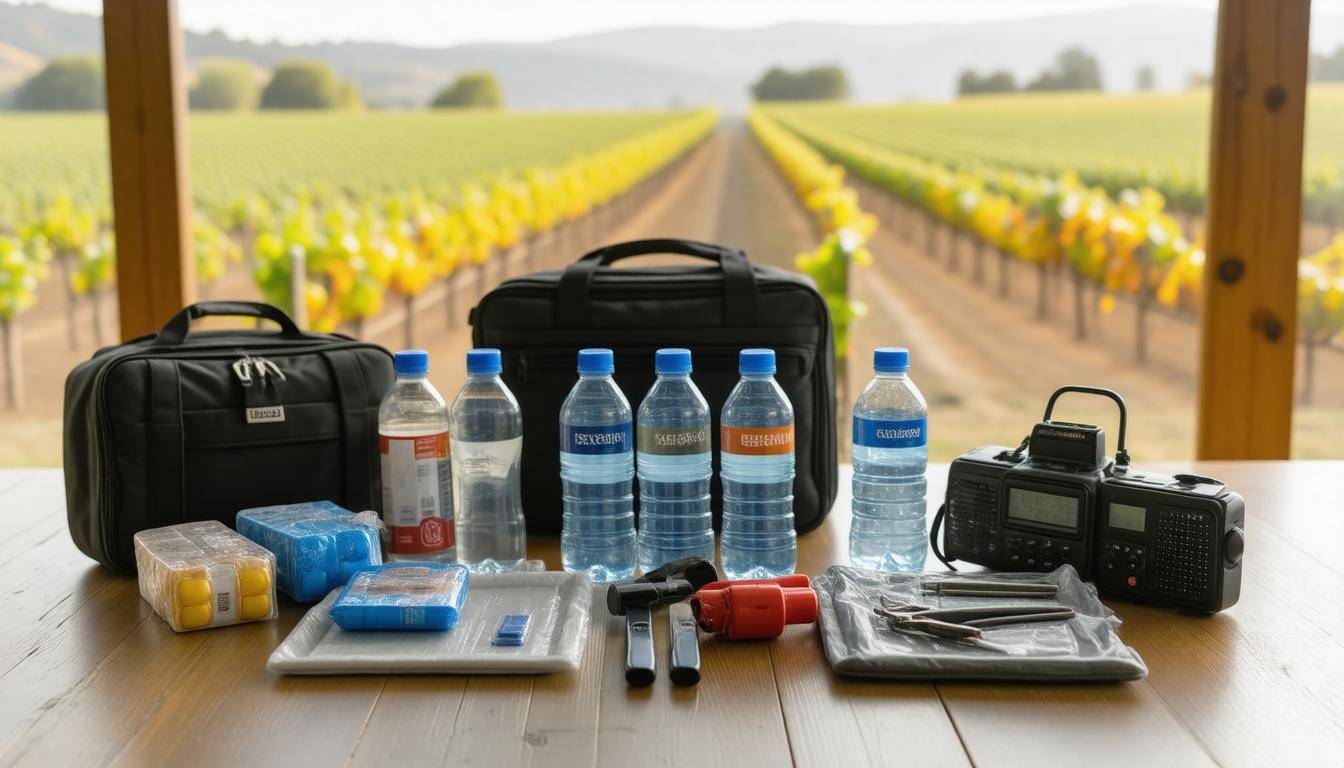
Crucial Items for Your Kit
When putting together your earthquake preparedness kit, you want to think beyond just survival; you want items that will truly support you through uncertain times. Among these, emergency supplies are foundational because they directly address immediate needs in a disaster scenario. Each item might seem small, but as anyone who has faced an unexpected crisis knows, having the right tools can make a significant difference.
A flashlight is one of those must-have items. Natural light will vanish once power lines are down or street lamps are out. A reliable flashlight equipped with extra batteries is your best friend in the dark. Even a simple walk around your home can turn dangerous if you can’t see what’s ahead. Additionally, opting for LED flashlights means brighter illumination and longer battery life compared to traditional bulbs.
In dire circumstances, people often lose their sense of direction or location due to darkness, so having multiple light sources—even headlamps—can enhance safety and comfort.
The next critical item is a whistle. It may seem trivial until you find yourself trapped under debris or far from help. In those moments, a whistle can effectively signal rescuers without wasting energy on shouting. This small tool can make all the difference in being found quickly since sound travels better than voice when you’re in distress.
Similarly, a multipurpose tool becomes invaluable during disasters. Imagine encountering broken glass, needing to tighten something crucial, or even needing a knife to cut through something entangled. This compact device encompasses various tools—pliers, screwdrivers, and knives—ensuring you are always prepared for any task that arises unexpectedly.
Of course, we cannot underestimate the importance of warmth and comfort. An emergency blanket is lightweight yet incredibly effective at conserving body heat when temperatures drop post-disaster. Wrapped securely in its folds can make the difference between severe hypothermia and staying comfortably warm enough while waiting for assistance or rebuilding your environment.
Lastly, while you focus on physical survival items, don’t forget about your emotional well-being during an incident. An emergency contact list provides peace of mind when chaos reigns. Without cell service or internet available after an earthquake, having this written list that includes family names and phone numbers becomes pivotal in locating loved ones swiftly.
As you assemble these crucial items to bolster your preparedness efforts, it’s also vital to consider how you will sustain yourself with essential supplies in the aftermath of such an event.
Water and Shelf-Stable Food
Securing an adequate water supply is paramount; it’s often the first thing we think about in a crisis. Each person in your household should have access to three liters of water per day. In a natural disaster where basic services may be disrupted, water becomes more than just a thirst quencher—it’s vital for cooking, hygiene, and even keeping medications viable. For a family of four, that totals a staggering 84 liters for one week. This is why I always recommend storing your water in food-grade containers; they are far easier to handle and transport if needed.
It’s equally essential to include shelf-stable food in your preparedness kit. After all, while clean water is critical, you need nourishment to maintain energy levels during stressful times. Items with long shelf lives not only save space but also ensure you have nutritious options available when fresh food isn’t attainable.
Recommended Shelf-Stable Food
| Item | Approx. Shelf Life | Benefits |
|---|---|---|
| Canned beans and tuna | Up to 5 years | High protein |
| Dried fruits and nuts | 1-2 years | Nutrient-dense, easy to store |
| Peanut butter | Up to 2 years | High in calories, does not require refrigeration |
| Instant oatmeal packets | 1-2 years | Quick and easy to prepare |
| Powdered milk | Up to 2 years | Vital for nutritional needs |
Incorporating diverse foods ensures you’re getting a balanced diet during emergencies. For instance, canned products like beans and tuna hold their nutritional value and pack a punch in protein, which keeps you feeling satiated longer. Meanwhile, nuts and dried fruits serve as great snacks that provide energy without needing preparation—a major advantage when resources are low or time is tight.
It’s wise to rotate these stockpiles periodically; fulfilling a cycle of use helps avoid pantry surprises down the line. This task can be seamlessly integrated into your grocery shopping routine—you’ll just grab something new each time you hit the store.
As you compile your earthquake preparedness kit in Blenheim, planning for hydration and nutrition goes hand in hand. Clean water and solid sustenance are essential for survival during unexpected situations.
Equipped with the right resources, it’s important to turn our attention next to crucial elements that support health and safety during emergencies.
First Aid Essentials
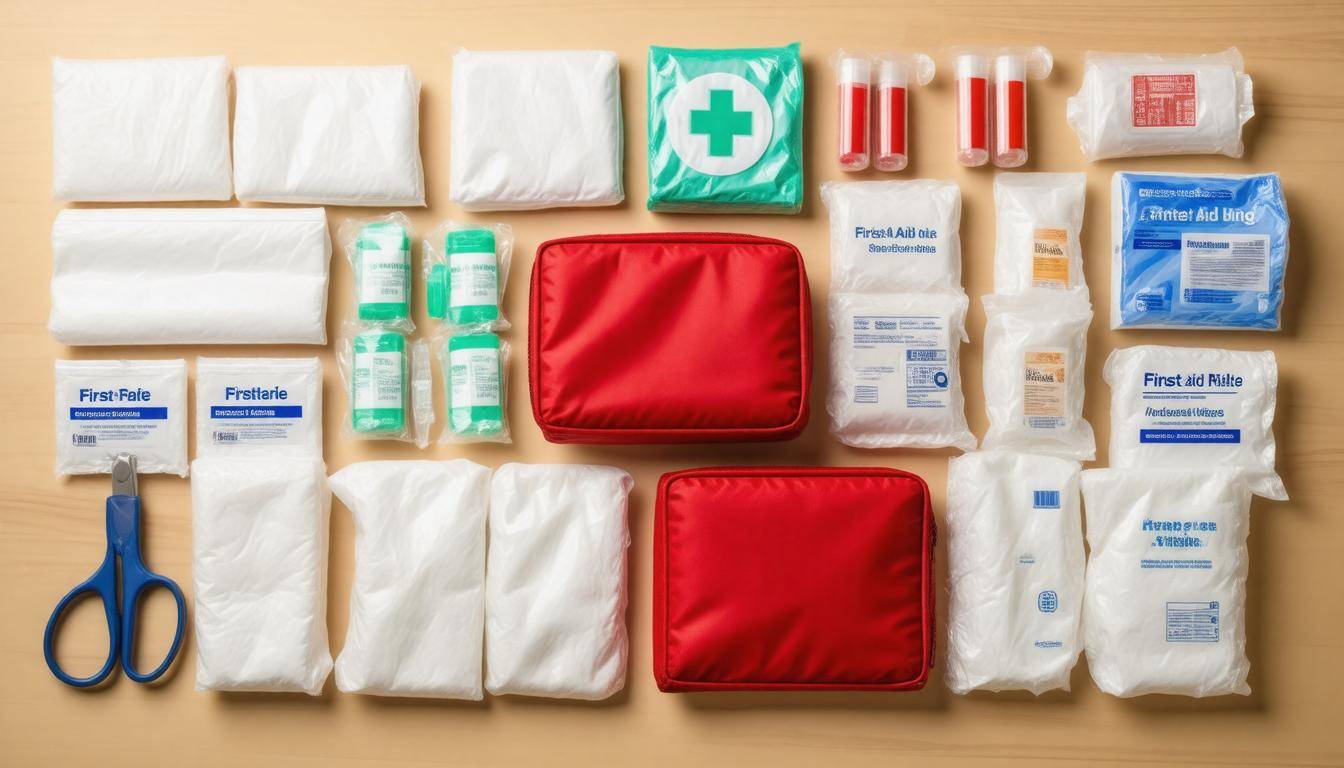
Earthquakes can lead to chaos and unexpected injuries, whether from falling objects or the panic of the moment. Thus, a well-stocked first aid kit serves not only as a safety measure but also as a vital component in your emergency response plan. Having the right supplies on hand is crucial, as even minor injuries can escalate without immediate attention, especially in a crisis situation.
Basic First Aid Kit Components
A basic first aid kit should ideally include the following components:
-
Adhesive Bandages: Various sizes to accommodate different wound types, ensuring coverage for small cuts to larger abrasions.
-
Antiseptic Wipes: These help prevent infections by cleaning cuts before they are bandaged, especially important after an earthquake when debris can introduce dirt and bacteria into wounds.
-
Sterile Gauze Pads: Essential for dressing larger wounds that require more than simple adhesive bandages. They assist in absorption and protection of open injuries.
-
Tweezers: Allowing you to remove unwanted debris and splinters quickly to avoid complications from injuries.
-
Medical Tape: Secures bandages and dressings effectively, ensuring they stay in place even under movement or pressure.
-
Pain Relievers: Over-the-counter medications like paracetamol or ibuprofen help mitigate pain while waiting for further medical assistance if needed.
-
Prescription Medications: Keep at least a week’s worth of critical prescription medications in your kit to manage ongoing health needs during an emergency.
According to a survey by the New Zealand Red Cross, 65% of respondents felt they would be better prepared with a specific first aid kit tailored to earthquake responses.
Remember that your first aid kit should not only be comprehensive but also easily accessible. With a focus on preparedness, you’ll be ready to respond effectively when an emergency strikes, ensuring your safety and well-being in any situation that arises next.
Staying Informed with Local Resources
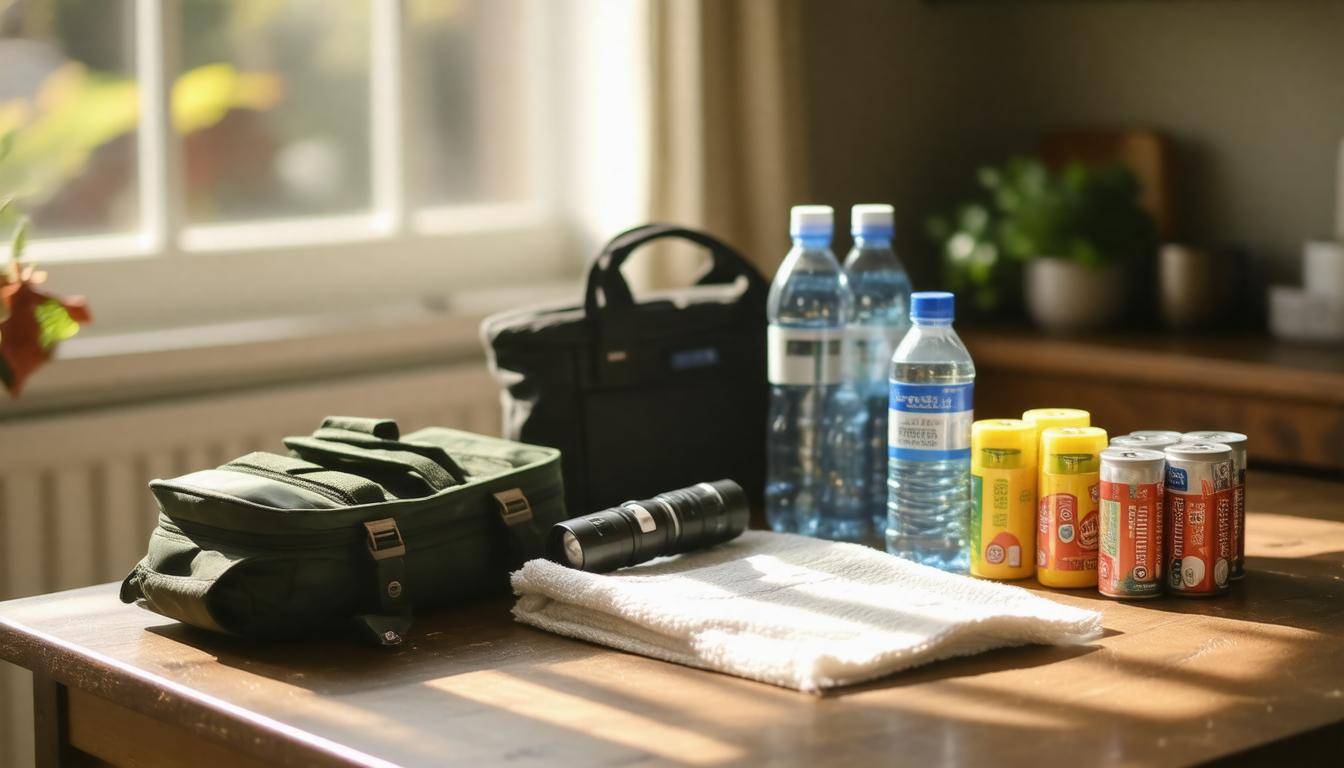
One of the most effective ways to prepare for an earthquake—and respond appropriately when one strikes—is to stay informed about local resources. Knowledge is power, and being aware of the various information channels available can make all the difference in your reaction time during an emergency.
Start by familiarizing yourself with local apps and websites dedicated to earthquake alerts. For example, subscribing to NZ Quake Alerts or regularly checking GeoNet keeps you updated on seismic activity and provides essential safety tips during emergencies. These platforms send notifications straight to your device, ensuring that you’re never left in the dark when it matters most.
While digital resources are invaluable, don’t overlook traditional media channels. Local radio stations, like BRadio 92.7FM, serve as critical lifelines during emergencies. They often broadcast vital updates, emergency instructions, and community support resources. Notably, these stations can remain operational during power outages—something that can’t always be said for digital devices reliant on electricity.
The discussion between digital platforms versus traditional media continues among emergency prep experts. Digital formats may offer quicker updates and more interactive features, but there’s something inherently reliable about traditional media outlets—they don’t depend on the same infrastructure that could fail in a disaster.
Having a comprehensive information strategy means blending both options; while technology offers rapid responses, traditional methods ground you when everything else goes unsettled. With this robust understanding of how to stay informed, let’s now turn to strategies that focus on enhancing your family’s safety and readiness in any situation.
Family Safety Tips
Preparing your family for an earthquake requires clear communication and planning. It starts by engaging everyone in the process so each member feels empowered and knows their role when a tremor strikes.
In my own experience, involving children often comes with valuable lessons. For example, one of my children was adamant about hiding under a blanket rather than sturdy furniture during our drill. This sparked a discussion about proper safety practices, reinforcing the idea that their input matters while ensuring they understand the seriousness of the situation.
Developing a Family Earthquake Plan
The first step is to create a clear earthquake plan that every family member is familiar with. Start by identifying safe spots within your home. Teach your family members to recognize sturdy furniture like tables or desks as places where they can take cover.
It’s not just about telling them; show them how to position themselves under these structures—demonstrating reinforces understanding. Make it a fun activity! Who can find the best spot? This keeps the conversation light but meaningful, allowing for serious discussions in a comfortable environment.
Next, establishing meeting points is vital. Children need to know where to convene after the shaking stops—not only inside your home but also outside in case evacuation becomes necessary. Select a location close to your home for the indoor meeting point, and pick a nearby landmark for outside—a neighbor’s tree or a specific backyard works well. Regularly remind them of these points over time to keep this knowledge fresh.
Regular emergency drills will help embed these safety measures into routine actions.
Perform “Drop, Cover, and Hold On” drills at least twice a year. As you practice these procedures regularly, consider varying the scenario each time. For instance, during one drill, simulate an evening earthquake; during another drill, replicate daytime conditions when different distractions arise.
Research supports these efforts. A study from the University of Otago showcased that families who actively practiced safety drills showed a remarkable 30% quicker response time during actual emergencies compared to those who did not prepare ahead of time. That statistic alone should encourage families to make preparedness an ongoing priority.
With a solid family plan and safety tips in place, it’s crucial to consider how you’ll organize and maintain your supplies for easy access in times of need.
Effective Storage Solutions
Proper storage ensures that your emergency kit is always accessible and that all components remain in good condition. One effective approach is to use watertight containers. These plastic bins can protect your supplies against water damage, which is crucial in a region like Blenheim where natural disasters are a concern. Imagine your supplies getting soaked during a rainstorm or flood—the last thing you want when you need them most!
Not only should the containers be watertight, but they should also be durable enough to withstand impact. A heavy-duty bin that can handle dropping or being shoved around will serve you much better than flimsy storage options. When selecting bins, consider sizes that are manageable for you to lift and carry when needed.
Labeling is another crucial practice when organizing your kit. Clear, bold labels help you identify contents at a glance, making it easier to find what you need during an emergency—especially when calm reasoning may be hard to come by. Whether it’s food items, medical supplies, or tools, color-coded labels can also add a visual component for quicker identification.
Additionally, it’s wise to store your kits in easily accessible yet secure locations. A hall closet near your main entryway might seem like an ideal spot; however, think beyond just one location. Consider having smaller kits in multiple spaces like your car or workplace. This redundancy means that no matter where you are during an emergency, you’re never too far from essential supplies.
Often overlooked items are important as well. For instance, make sure to include basic tools and emergency equipment in each of your kits, as these can significantly aid in self-rescue situations or assist others nearby. The inclusion of multipurpose tools not only saves space but ensures you’re prepared for unforeseen circumstances.
Investing time upfront into proper storage solutions pays off immensely by safeguarding your supplies from potential damage while ensuring quick retrieval during a crisis. With this foundation laid, let’s turn our focus toward the important instruments that can enhance our preparedness further.
Tools and Emergency Equipment
When disaster strikes, it’s essential to have the proper tools at your fingertips. An emergency kit filled with lifesaving equipment can mean the difference between chaos and a systematic response. Think of these items as not just tools, but as vital parts of your emergency strategy—an extension of your ability to protect yourself and those around you.
Must-Have Tools
-
Crowbar: This sturdy tool serves as your best friend when the unforeseen occurs. Whether it’s prying open a jammed door or moving debris that blocks your way, a crowbar gives you leverage and peace of mind.
-
Work Gloves: Often overlooked, gloves are crucial in protecting hands from sharp edges or splintered wood while rummaging through rubble. They allow you to work quickly without the worry of injury.
-
Dust Mask: Debris-filled air can be hazardous; a simple dust mask helps filter harmful particles when you’re navigating through potentially dangerous spaces.
-
Portable Charger: Power sources may be unreliable during emergencies, making it imperative to keep your communication devices charged for alerts and important calls.
A study conducted by Canterbury University revealed that individuals equipped with basic tools during the 2011 Christchurch earthquake were able to effectively assist others more efficiently compared to those who were unprepared.
It’s clear—from this study and real-life applications—that being properly equipped is essential for safety and communication.
Remember, having a well-rounded toolkit provides far more than just convenience; it empowers everyone involved—whether it’s friends, family, or neighbors—to come together in times of crisis. Spend some time thinking about additional items you might need based on your specific environment and circumstances. Familiarize yourself with how to use each tool properly before an emergency happens; hands-on experience can boost confidence and efficiency in critical moments.
As we examine the nuances of readiness further, let’s consider how effective communication plays a crucial role during an emergency situation.
Communication During an Emergency
Effective communication can make a significant difference amidst chaos, particularly during something as unpredictable as an earthquake. Staying in touch with loved ones is not merely a comfort; it can be vital for safety. In the wake of a quake, when cell networks may become overloaded or damaged, it’s crucial to have a plan in place that emphasizes clear and reliable methods of staying connected.
One fundamental tool for maintaining this connectivity is investing in a battery-powered or hand-crank radio. This type of radio can keep you informed about ongoing emergency responses and infrastructure status updates, which assist in making sound decisions in real-time. Additionally, developing a family communication plan ensures that everyone knows what to do when shaking stops.
Out-of-Area Contacts
One effective strategy is to designate an out-of-area contact person whom all family members will reach out to following an earthquake. This person should live outside the regional disaster zone and serve as a centralized communication point for loved ones to check-in. A designated contact alleviates confusion by channeling communications instead of spreading them thinly across several local contacts who may also be affected.
You’ve probably heard stories of family members trying to reach each other after calamities only to find themselves caught up in a game of “Where’s Waldo?” Don’t let this happen to you—pick your Waldo now!
Utilizing Text Messaging
In many cases, conventional phone calls fail due to network saturation when an earthquake strikes. Here’s where texting shines: texts often go through even when voice calls can’t. This method allows you to send short messages quickly without utilizing as many resources as a call would require. Informing others that you are safe or checking on relatives can often be done much faster via text.
Residents during the 2016 Kaikoura earthquake discovered firsthand that text messaging proved to be their most reliable form of communication, allowing them to connect despite chaotic circumstances. It’s remarkable how simplicity can yield such effective results!
Backup Plans
Besides traditional means of communication, consider technology solutions that cater specifically to emergencies. Applications like Zello, which turns your smartphone into walkie-talkie functionality over Wi-Fi or data, provide alternative ways to communicate when conventional options fizzle out. It’s crucial to be prepared for varying levels of connectivity with practical tools at your disposal.
By establishing these proactive communication strategies today, you’ll ensure that you and your family are better equipped for navigating uncertainties tomorrow—a critical part of any earthquake preparedness kit for Blenheim, South Island.
In blending modern technology with traditional communication methods, you’ll create a robust safety net for yourself and your loved ones during emergencies.
How can communities in Blenheim collaborate to improve collective earthquake preparedness efforts?
Communities in Blenheim can enhance collective earthquake preparedness efforts by organizing regular workshops and drills, encouraging local businesses to participate in safety training, and promoting the establishment of neighborhood response teams. A study by the New Zealand Civil Defence indicates that communities with organized response plans experience 30% less damage during disasters due to improved coordination and resource sharing. By fostering communication through social media platforms and local events, residents can share resources, knowledge, and support networks essential for effective emergency response.
What essential items should be included in an earthquake preparedness kit for residents of Blenheim?
An essential earthquake preparedness kit for residents of Blenheim should include items such as water (at least three days’ supply), non-perishable food, a first aid kit, a flashlight with extra batteries, a multi-tool or Swiss army knife, blankets, and important documents stored in a waterproof container. Given that New Zealand has experienced numerous significant earthquakes in the past—such as the 2016 Kaikoura earthquake—it’s crucial for residents to be prepared with these supplies to ensure safety and survival during emergencies.
Are there any specific regional resources or guidelines available for creating a preparedness kit in Blenheim?
Yes, residents of Blenheim can refer to the New Zealand Civil Defence and Emergency Management website, which provides tailored guidelines for creating an earthquake preparedness kit. Additionally, local councils in Marlborough often have resources specific to regional hazards, making it easier for individuals to understand what supplies are essential for their particular area. According to the Ministry of Civil Defence, about 80% of New Zealanders live in areas at risk of earthquakes, so having a well-stocked kit is vital for safety and survival.
What practical steps can families take to ensure their pets are also prepared for an earthquake emergency?
Families can prepare their pets for an earthquake emergency by creating a pet emergency kit that includes essential supplies such as food, water, medication, and a first aid kit specific to their pet’s needs. It’s crucial to have identification tags on pets and microchips to ensure they can be found if separated during a disaster. Additionally, practicing evacuation routes that include pets ensures everyone knows how to respond quickly. According to the American Society for the Prevention of Cruelty to Animals (ASPCA), nearly 40% of households in the U.S. have pets, highlighting the importance of incorporating pet safety into family preparedness plans.
How often should an earthquake preparedness kit be updated or checked for expiration of supplies?
An earthquake preparedness kit should be checked and updated at least every six months to ensure all supplies are current and effective. Regular checks help avoid expired food, medications, or batteries, with statistics showing that nearly 60% of individuals do not have adequate supplies ready during emergencies. This proactive approach not only boosts individual safety but also contributes to overall community readiness in the event of an earthquake.