
Dealing with high blood pressure is no small challenge, and when a crisis hits, having the right tools can mean the difference between panic and calm. Imagine suddenly feeling dizzy or having a splitting headache, and knowing you’re equipped to handle it—this is what a Blood Pressure Emergency Kit offers. By gathering essential items like a blood pressure monitor, your medications, and some first aid supplies, you’re taking proactive steps toward managing your health. This article will guide you through the key components and practical tips for creating your very own emergency kit so you can feel prepared for whatever life throws your way.
The essential components of a Blood Pressure Emergency Kit include a blood pressure monitor (either digital or manual), prescribed antihypertensive medications, first aid supplies like bandages and antiseptic wipes, and a water filter to ensure safe hydration. Additionally, including non-perishable snacks and a multi-tool can enhance the kit’s preparedness for various emergencies.

Recognizing Blood Pressure Crises
Blood pressure crises can be life-threatening, and recognizing the signs early can make all the difference. These crises manifest in two primary forms: hypertensive urgency and hypertensive emergency. The former often presents with intense discomfort but lacks immediate life-threatening symptoms, while the latter signals a potentially dire situation requiring urgent medical intervention.
Signs and Symptoms
Hypertensive urgency may rear its head with severe headaches, shortness of breath, or nosebleeds—symptoms that are certainly alarming but don’t cause damage to vital organs. Imagine waking up one day with a pounding headache so intense you can’t think straight, alongside unusual breathlessness. These signs should prompt you to take your blood pressure readings and consider adjustments to your daily routine or medications.
On the other hand, hypertensive emergencies paint a much grimmer picture. They can manifest through chest pain, back pain, numbness or weakness in limbs, vision changes, and even difficulty speaking. If any of these symptoms occur alongside a blood pressure reading exceeding 180/120 mmHg, it’s crucial to seek medical help immediately as these could indicate organ damage or stroke.
It’s staggering to consider that according to the American Heart Association, hypertensive crises account for around 1% to 2% of hypertension cases yet require swift action to prevent complications.
Awareness alone isn’t enough; having a plan and being ready with an emergency kit tailored for such situations elevates your preparedness immensely. This proactive approach not only eases anxiety during episodes but also reinforces your ability to manage potential health challenges effectively.
Key Benefits of an Emergency Kit
One of the most profound advantages of maintaining an emergency kit is the quick response it facilitates. Immediate access to essential tools and medications can prevent complications related to sudden spikes in blood pressure and reduce the dependency on emergency medical services.
For instance, imagine having an electronic blood pressure monitor ready at your fingertips. Rather than panicking and waiting for an ambulance, you can quickly assess your condition and take appropriate action. This promptness can make a crucial difference, especially during a hypertensive episode when time and information are critical.
In addition to physical readiness, there’s an emotional aspect to consider.
Many individuals living with hypertension often experience anxiety related to their health. Knowing they have a comprehensive kit provides a layer of psychological comfort. As Maria, a hypertensive patient, articulates, “Having my emergency kit gives me peace of mind, knowing I can manage an episode even if I’m alone.” This sense of security empowers people to engage more freely in daily activities without the constant worry about what might happen during an unexpected situation.
Preparedness for All Scenarios
Moreover, a well-equipped emergency kit prepares individuals not only for typical blood pressure issues but also for broader health scenarios. With the right components—including first aid supplies—you are better prepared for potential health emergencies that may arise concurrently.
Having necessary items like bandages, antiseptic wipes, and CPR masks within reach can save lives when swift action is required.
Beyond immediate health benefits, there are practical considerations for long-term well-being.
Some may argue that creating and maintaining an emergency kit requires extra effort and financial investment. However, weighing these costs against potential medical emergencies reveals that this preparedness is ultimately much less expensive compared to the consequences of neglect. Regularly updating your kit ensures its contents remain viable and ready for action; this practice alone can dramatically reduce hospital visits due to unmanaged hypertension.
Enhancing Community Awareness
Lastly, maintaining preparedness elevates community awareness and action. When individuals are equipped with knowledge about managing their own health crises, they potentially become advocates for others who might struggle with similar challenges. Sharing experiences and tips found in forums helps create informed communities where people actively participate in each other’s safety.
The advantages of a well-prepared kit serve as a springboard into exploring the specific items needed to ensure proper health management during emergencies.
Must-Have Items for the Kit
A well-stocked blood pressure emergency kit requires careful consideration of the components that will provide aid during a hypertension episode or related health crisis.
First on our list are essential monitoring tools, which play a pivotal role in managing blood pressure effectively. An automatic digital blood pressure monitor is indispensable; it offers quick and precise readings without the hassle of manual measurement. Among the most reliable choices are the Omron Platinum Blood Pressure Monitor and the Welch Allyn Home Blood Pressure Monitor, both known for their accuracy and user-friendly designs.
It’s wise to also include fresh batteries alongside, ensuring that you’re always prepared. Moreover, consider adding a manual sphygmomanometer as a backup just in case your digital device fails; while it may require more skill to use, having an alternative can be vital in emergencies.
Moving beyond monitoring, we must focus on medications that are key to managing hypertension effectively.
Necessary medications should form another core component of your emergency kit. This means stocking up on prescribed antihypertensive medications—such as beta-blockers and ACE inhibitors—as well as diuretics and nitroglycerin tablets for those who may experience symptoms of chest pain. Given how unpredictable health issues can be, keeping at least a week’s supply on hand is crucial.
Remember that it’s best practice to consult with your healthcare provider about which medications are right for you based on your individual medical history; having your personalized regime readily available can substantially improve how effectively you manage any spike in blood pressure.
As we think about direct health management, we shouldn’t overlook general first aid supplies which can assist in various situations.
First Aid Supplies
Essential first aid items comprise the final layer of protection within your emergency kit. These supplies are versatile and can prove valuable whether you’re facing a regular health challenge or an unexpected injury.
Make sure to include standard items such as adhesive bandages for minor wounds, antiseptic wipes for cleanings, non-latex gloves to maintain hygiene when dealing with any injuries, and even a CPR mask; you never know when first aid could become important. Keeping a set of these thoughtful provisions will not only offer comfort but could potentially save lives during critical moments.
Recognizing the importance of each component is vital; understanding their application is equally crucial for effective management during emergencies.
How to Use Each Component
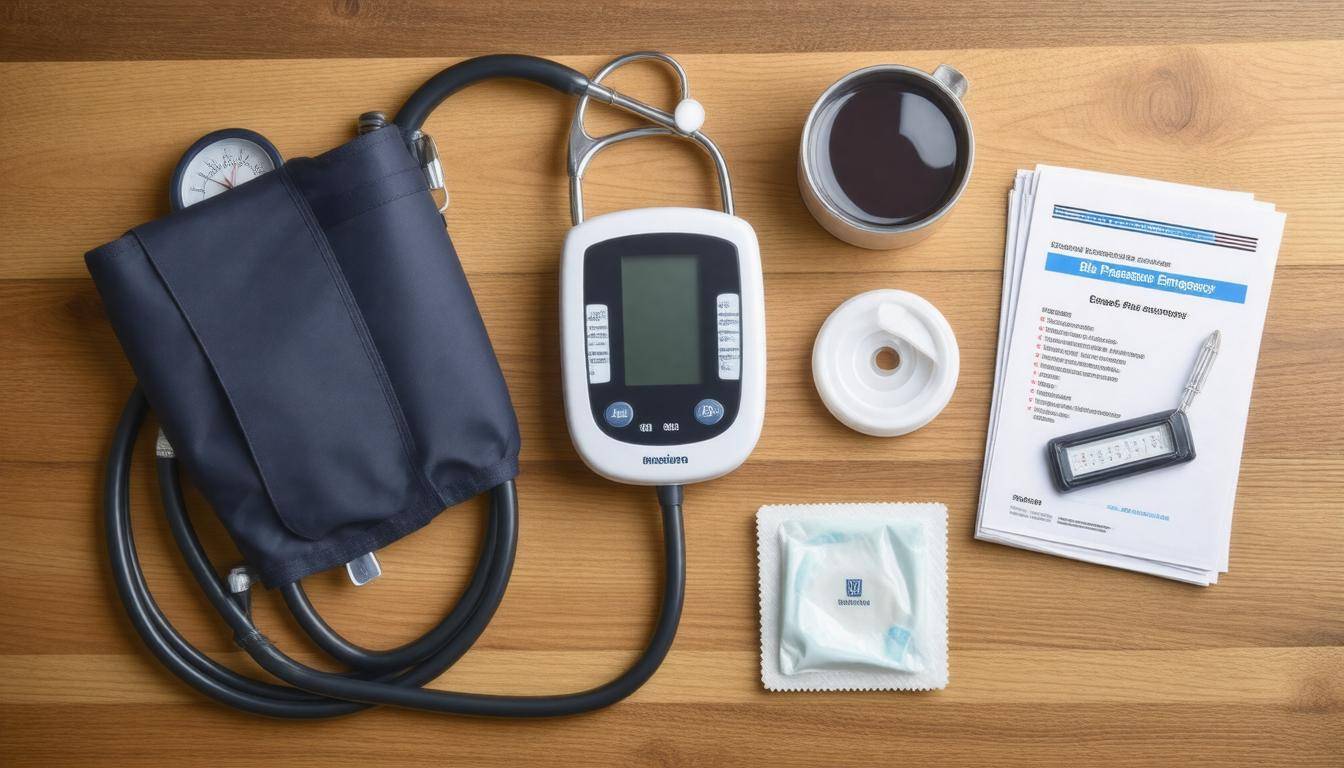
Blood Pressure Monitor
When it comes to monitoring blood pressure, understanding how to correctly operate the device is crucial. For a digital monitor, begin by wrapping the cuff around your upper arm, ensuring it’s snug but not overly tight, which is vital for an accurate reading. Once secured, press the start button and then wait quietly as the monitor inflates the cuff and begins measuring. Patience is key here; any movement or chatter can lead to inaccurate results. The readout will appear after a few moments, providing you with your systolic and diastolic pressures, which are essential data points you need to record.
In contrast, if you’re using a manual monitor, the process involves a bit more finesse: inflate the cuff using the pump while listening with a stethoscope placed over your brachial artery. As you slowly deflate the cuff, carefully note where you first hear a heartbeat (systolic) and where it disappears (diastolic). This skill may take some practice, but it becomes second nature once you’ve done it a few times.
Medications
Next on our list are medications that play a fundamental role in managing blood pressure crises. It’s important to always follow your prescribed regimen strictly and be aware of proper dosage and timing. Keep medication labels visible within your kit for quick reference. For instance, if you have nitroglycerin tablets prescribed for angina, placing them under your tongue allows for rapid absorption—this is particularly effective during episodes of chest pain.
Similarly, ensure you have other emergency medications readily available and know their uses. During high-stress moments, it can be easy to overlook essential information; thus, keeping a medication log alongside would be beneficial for tracking usage and identifying any side effects experienced post-administration.
With this knowledge about monitoring and medication management, let’s shift our focus to ensuring that other critical components support your overall health readiness in emergencies.
First Aid Supplies
First aid supplies in your kit serve multiple purposes beyond merely addressing injuries; they contribute significantly to your health safety during crises. Ensure that you have a good collection of items including disposable gloves for hygiene when treating wounds, sterile dressings to cover cuts or abrasions, and antiseptic wipes to clean those wounds before applying bandages. Regularly check expiration dates on these items; an expired bandage won’t do you any good in an emergency!
Additionally, create an easy-to-understand guide within your kit that describes basic first aid procedures so anyone accessing the kit can quickly help during stress-filled situations.
Hydration Supplies
Last but certainly not least—hydration! Keeping yourself adequately hydrated is crucial during emergencies when stress levels soar and physical activity might rise out of necessity. Pack electrolyte packets that can be mixed with water to replenish lost minerals if you’ve been sweating or feeling faint. These are lightweight and easy to carry but make sure they’re stored in airtight bags to maintain efficacy. Managing hydration is often overlooked but having this resource available helps avoid exacerbating blood pressure problems due to dehydration.
Understanding each component of your kit not only equips you for immediate needs but also lays the groundwork for effective action when circumstances become urgent.
Immediate Steps During a Crisis
When faced with a sudden spike in blood pressure, the first step is to maintain a sense of calm. Stress can worsen your condition significantly, so take a moment to focus on your breathing. Try inhaling deeply through your nose and exhaling slowly through your mouth; repetition of this simple exercise can help lower anxiety levels. Creating a peaceful atmosphere can make all the difference amid the chaos.
Step I – Stay Calm
As you focus on calming yourself, remember that high stress only exacerbates symptoms like dizziness and palpitations. Visualizing a comforting scene or thinking of something positive can be beneficial. Mindfulness techniques may also aid in stabilizing your nerves and prepare you for the next steps ahead.
Step II – Measure Blood Pressure
Now that you’ve taken a moment to breathe and relax, utilize your digital blood pressure monitor for an immediate reading. Make sure it’s calibrated correctly before use! Record the numbers accurately, as this information will be vital for both you and any healthcare provider involved afterward. It’s essential to assess whether you’re dealing with elevated levels or a hypertensive crisis, influencing your next actions. Consider this as your baseline for further monitoring throughout the incident.
Step III – Take Medication
Once you’ve measured your blood pressure and noted the results, check whether they indicate a hypertensive crisis—typically readings above 180/120 mmHg warrant immediate attention. If that’s the case, take your prescribed medications. Follow the instructions given by your healthcare provider and stay focused, as anxiety-inducing thoughts can distract you from following directions clearly. After taking medication, allow 15-30 minutes for them to take effect before doing another blood pressure check.
Step IV – Seek Medical Help
If there is no improvement after waiting—or if symptoms worsen like severe headache, chest pain, or shortness of breath—it’s imperative to seek help immediately. Don’t hesitate to contact emergency services and provide them with relevant history based on your earlier measurements and medications taken.
While knowing how to react during a crisis is essential, fostering consistent habits may significantly reduce the chances of such emergencies arising in the first place.
Lifestyle Changes for Prevention
Preventing high blood pressure is a journey, and one of the most impactful steps you can take is to adopt a healthy diet. This means shifting towards a low-sodium, high-potassium eating plan. One excellent option is the DASH (Dietary Approaches to Stop Hypertension) diet. Not only does it promote heart health, but it also makes room for enjoyable meals without feeling deprived. Imagine a colorful plate filled with leafy greens, juicy berries, and hearty whole grains; these foods are not just vibrant in color but also power-packed with nutrients that help lower sodium levels and encourage healthy blood pressure.
In practical terms, aim for daily servings of 6-8 servings of grains, 4-5 servings each of fruits and vegetables, and lean proteins like chicken or fish in moderation. Including two to three servings of low-fat dairy can provide important calcium without raising cholesterol levels. The mantra here is simplicity: by sticking to whole foods instead of processed options, you’ll naturally consume less sodium while benefiting from essential vitamins and minerals.
Along with diet, incorporating regular exercise into your routine can also make an enormous difference.
Regular Exercise
Studies consistently show that committing to at least 150 minutes of moderate-intensity exercise per week can significantly lower blood pressure. Picture it this way: that’s just 30 minutes a day spread across five days! Activities as straightforward as brisk walking, swimming, or cycling not only support your cardiovascular system but also have the added benefit of bolstering your mental well-being.
To put it simply, find activities you enjoy so that exercising feels less like a chore and more like a part of your daily life. Dancing in your living room, gardening on weekends, or even taking the stairs instead of the elevator can rack up those minutes; every bit counts toward building a healthier lifestyle. Also, listen to your body—aim for more intensity as you gain endurance over time.
It’s essential to remember that routine isn’t just about food and fitness; it’s also about maintaining readiness in terms of health precautions.
Consistency Is Key
Staying consistent with both your dietary choices and physical activity is crucial for long-term success. Research suggests that maintaining these habits not only results in immediate benefits but contributes positively to overall health outcomes when practiced regularly over time. For instance, adhering to the DASH diet and staying active doesn’t just lower blood pressure; it creates a ripple effect that promotes better sleep patterns, improved energy levels, and even enhanced mood stability.
Ultimately, preventative measures such as a balanced diet coupled with sustained exercise lay the groundwork for combating hypertension effectively. Consider your body an engine—just like any machine works best when properly fueled and maintained, your body requires quality nutrition and regular movement to thrive. This proactive approach helps you manage stress too—a significant contributor to elevated blood pressure.
By prioritizing these lifestyle changes, you’ll be more prepared to navigate health challenges head-on. As we continue to explore ways to enhance our health preparedness, let’s turn our attention to how best to sustain these beneficial practices over time.
Tips for Maintaining Your Kit

An outdated kit is of no use during emergencies, so regular maintenance and updates are crucial. First, regular checks can help ensure that the items within the kit are up-to-date and functional. For example, it’s a good idea to check the expiration dates of medications every six months. This simple task allows you to replace expired medications in a timely manner, ensuring that you have an adequate supply of essential antihypertensive medications ready for any situation.
Additionally, while you’re checking medications, take a moment to inspect all other components of your emergency kit. This includes verifying that your blood pressure monitor is working properly and hasn’t been left with dead batteries. Battery life can be easily overlooked but is just as vital as any other supply in your kit. I recommend always carrying extra batteries and keeping them organized in a specific compartment designated for spare supplies. This ensures quick access in case of emergencies.
Regularly updating your supplies also plays a big part in maintaining your kit’s integrity. If you happen to use any first aid items like band-aids or antiseptic wipes, make it a point to restock them immediately afterward. You can even consider setting reminders on your phone to prompt yourself to restock and check your kits routinely and ensure nothing is amiss.
It’s important to remember that an organized approach can help manage a crisis effectively. Beyond simply checking expiration dates and replacing used items, organization helps you locate everything quickly during stressful moments.
If you’ve recently added new medications or equipment, ensure they have dedicated spaces within the kit. Knowing where each item is stored can save precious time in emergencies when every second counts. Consider labeling compartments or sections within the kit for easy identification; a well-structured kit is your best friend when facing difficulties.
As we explore the essentials for effective readiness, understanding how to respond during high-pressure situations will further solidify your preparedness.
Crisis Management Checklist
In the midst of a blood pressure emergency, every second counts. That’s why having a robust checklist can streamline your actions, ensuring you’re not overwhelmed by panic and uncertainty. Start by calming yourself; take a few deep breaths and center your thoughts, as staying composed is key to effective decision-making.
Once you feel grounded, reach for your blood pressure monitor right away for an immediate reading. It’s essential to know where your levels stand; fluctuating numbers can indicate how critical the situation is. With this information, you can swiftly analyze what steps need to be taken next. If your blood pressure is elevated, don’t delay—administer the necessary medications prescribed by your healthcare professional. Remember, it’s vital to follow the recommended dosages. Sometimes we may think more medication means quicker relief, but overdosing can lead to complications.
As you wait after taking your medication, keep monitoring any symptoms closely for 15 to 30 minutes. Be observant: note if anything changes or worsens. This is crucial data for when you communicate with medical professionals later, ensuring that you receive appropriate help without unnecessary delays.
Here’s a concise summary of actions to take during a blood pressure emergency:
- Calm yourself with deep breathing exercises
- Take an immediate blood pressure reading
- Administer necessary medications
- Monitor symptoms for 15-30 minutes
- Seek medical assistance if no improvement
While these steps might seem straightforward on paper, they can significantly impact managing a crisis effectively. Ultimately, preparedness combined with proper lifestyle habits equips you to handle blood pressure emergencies confidently. Embracing knowledge and staying proactive enhances your readiness for whatever may come your way.