
In the heart of South America lies Bolivia, a country renowned for its breathtaking landscapes but also heavily burdened by natural disasters. As torrential rains pound the Andean highlands, steep slopes become precarious and floodwaters overrun low-lying areas. Imagine suddenly losing your home or farmland to a landslide or flood—this is the stark reality many Bolivians face. Understanding the threats posed by these environmental challenges is crucial for developing effective safety measures and community resilience. In this article, we’ll dive into the essential strategies being employed to shield Bolivian communities from the devastating impacts of landslides and floods while emphasizing how proactive action can pave the way for a safer future.
Essential protection measures against landslides and floods in Bolivia include implementing proper land-use planning, constructing effective drainage systems, and employing erosion control techniques. Additionally, community education on emergency preparedness and regular monitoring of vulnerable areas are critical to minimizing risks associated with these natural disasters.
Overview of Landslide and Flooding Issues in Bolivia
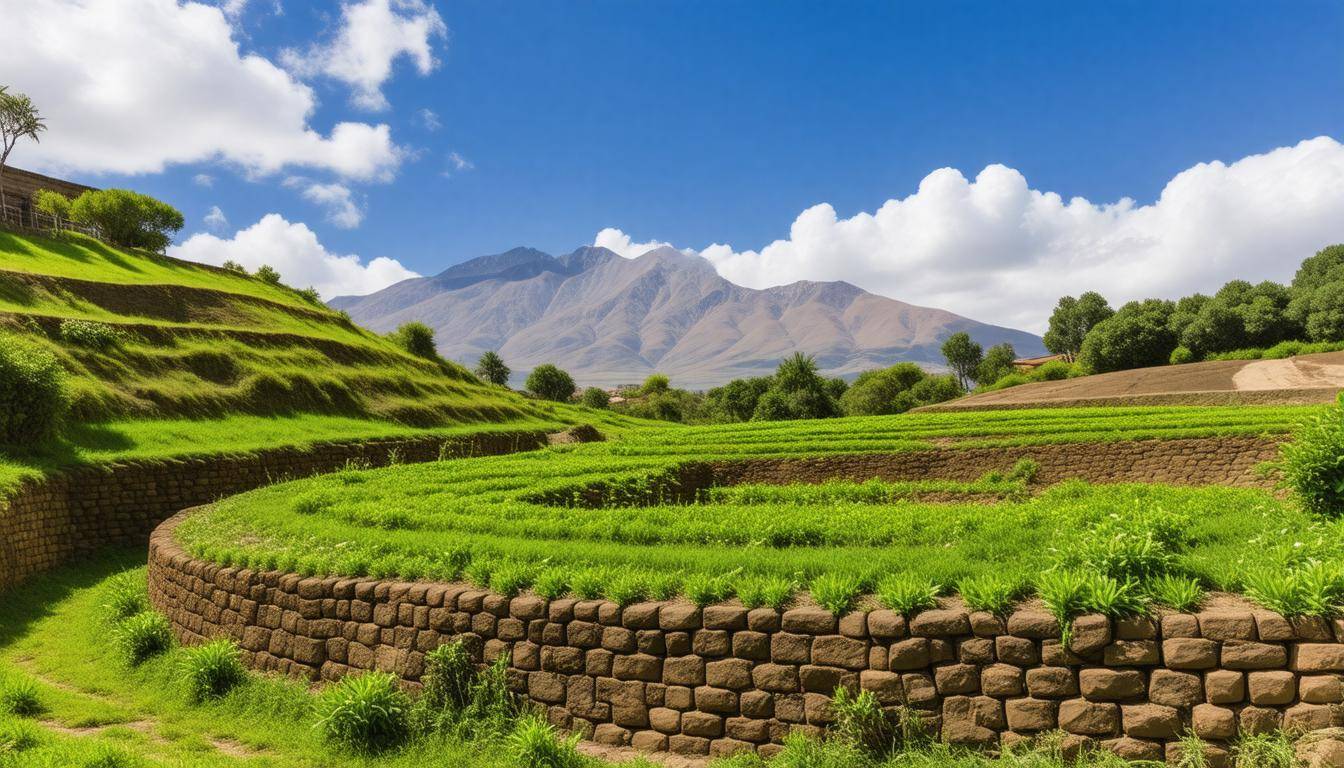
Bolivia’s unique geography makes it a magnet for natural disasters, particularly landslides and floods. The Andean highlands rise dramatically from the plains, creating steep slopes that are inherently unstable. When coupled with heavy rainfall, these slopes become prone to landslides, causing not only property damage but also tragically impacting lives. As rainfall patterns intensify due to climate change, the risk increases. The rich biodiversity of the Amazon basin faces similar challenges, as deforestation accelerates flooding events and disrupts natural water flow.
Figures tell a sobering story: Bolivia’s National Service of Meteorology and Hydrology (SENAMHI) reports a 20% increase in landslide and flood occurrences over the last ten years. This surge highlights the urgency of addressing these challenges proactively. In recent memories, incidents like the 2020 La Paz landslide, which displaced thousands of residents, emphasize that no community is safe from these natural threats. The Beni floods in 2014 devastated agricultural production, sparking health crises as stagnant water bred waterborne illnesses among affected populations.
Unfortunately, climate change has exacerbated these risks, pushing them beyond traditionally vulnerable areas and affecting communities far removed from known danger zones.
Furthermore, urbanization plays a significant role; as cities expand and infrastructure develops without adequate planning, natural drainage systems are often compromised. Paved streets can turn into waterways during heavy rains, leading to flash floods in urban neighborhoods. Recognizing this trend is vital; local governments must enhance their disaster preparedness plans. Implementing proper drainage systems can mitigate some flooding impacts while educating residents about safe practices can further lessen risks.
It’s essential to establish ongoing monitoring systems to assess hazards continually. Developing emergency response mechanisms can save lives during critical moments when disasters strike unexpectedly. By focusing on resilience and adaptation measures tailored to Bolivia’s diverse landscapes, communities can better withstand future environmental changes and protect their inhabitants from the threats posed by landslides and floods.
As we explore the broader implications of these events, it’s equally important to identify specific locations most affected by such disasters, unveiling the intricate connections between geography and vulnerability.
Key Areas Affected by Disasters
Certain regions in Bolivia grapple with the heightened risk of landslides and flooding, a challenge exacerbated by their unique geographic and climatic conditions. The interplay between topography, weather patterns, and human activity creates a complex tapestry of vulnerability across various locales.
Regions Most at Risk
-
La Paz – Nestled high in the Andes, La Paz is particularly susceptible to landslides due to its steep terrain. The rapid urbanization that has taken place here has led to increased vulnerability; homes built on precarious slopes can easily be affected during heavy rains, while inadequate drainage exacerbates flooding issues.
-
Cochabamba – This region encounters a dual threat: the mountainous areas see significant landslide activity, especially after heavy rainfall, while the valleys experience flooding. Understanding local weather trends is essential for planning community preparedness programs that address both types of disasters.
-
Beni – Known as one of the most flood-prone areas in Bolivia, Beni’s low-lying geography amplifies risks during seasonal rains. Floodwaters can disrupt day-to-day life by submerging roads and isolating communities, emphasizing the need for effective evacuation plans.
-
Santa Cruz – With its rivers overflowing during seasonal rains, Santa Cruz frequently faces flooding that disrupts both rural and urban sectors alike. Economic activities often come to a halt during these events, laying bare the importance of having resilient infrastructure in place.
According to recent statistics, over 60% of total natural disaster-related economic losses in Bolivia originate from these high-risk regions. This staggering figure underscores the pressing need for localized disaster management strategies that consider each area’s unique challenges.
Recognizing these key areas affected by landslides and floods sets the stage for implementing focused safety measures that will shield communities from future disasters while fostering resilience against economic impacts. From here, we can explore initiatives designed to enhance safety protocols even further.
Government Initiatives and Projects
The Bolivian government’s proactive stance in launching initiatives is driven by the pressing need to combat the frequent natural disasters facing the country. One of the most impressive projects is the National Early Warning System (Sistema de Alerta Temprana), which alone has received an astounding $50 million in funding. This system aims to alert residents in high-risk areas with real-time updates about impending weather threats such as landslides or floods. Imagine receiving a text message just before a severe storm hits—this innovation empowers communities, enabling timely evacuations and minimizing risks to life and property.
Investing in such technology not only provides data but also builds a foundation for community resilience against disasters.
In addition to early warning systems, there are crucial infrastructure improvement projects that focus on enhancing physical defenses against floods and landslides. For instance, the completed La Paz River Dike project, finished in 2022, has been a game changer for more than 500,000 residents. By effectively managing river overflow during heavy rainfall, this dike significantly reduces flood risks. It’s these robust structures that serve as frontline defense measures against nature’s unpredictability.
Yet, the approach is holistic; it doesn’t simply rely on technology or infrastructure alone. There’s a growing recognition that the success of these initiatives hinges on community engagement. Each citizen plays a vital role in disaster readiness—from following evacuation protocols to attending community preparedness workshops. Connecting residents with local leaders encourages participation and sprinkles accountability throughout neighborhoods.
Moreover, other projects are currently underway, aiming to replicate the success of existing initiatives. The government is focusing on better housing infrastructure designed to withstand extreme weather conditions while additionally providing education on safe practices during emergencies.
The combination of improved structures and informed residents is vital for long-term safety and stability. Building further on these ideas reveals even more essential strategies that can enhance disaster resilience.
Essential Mitigation Measures
Addressing the threats posed by landslides and floods in Bolivia is not just about immediate response; it’s about proactive strategies that can significantly reduce risks. One of the most effective tools in this endeavor is the establishment of early warning systems. By employing mobile applications and SMS technology, authorities can quickly disseminate alerts to at-risk populations. Imagine receiving real-time warnings that enable you to evacuate your home before a landslide occurs—this is the power of timely information and communication.
It’s important for all communities to participate in the development and proliferation of these systems, making sure that they are adaptable to local languages and cultures. Training sessions can also be organized to ensure everyone knows how to act when an alert is received. Furthermore, building trust within communities will encourage people to pay attention to these warnings.
However, while technology plays a crucial role, we must not overlook structural measures that enhance our physical defenses against natural disasters.
Constructing retaining walls can serve as an essential bulwark against potential earth movements. These structures help manage stormwater runoff and reduce the speed at which water flows down slopes, thereby lessening the likelihood of a landslide. Improving drainage systems across urban areas prevents excess water from accumulating during heavy rains, which could saturate soil and increase instability.
A staggering reality is that only a small percentage of Bolivia’s existing infrastructure meets current global safety standards—this is an urgent call for upgrades and maintenance efforts.
Regular assessments of infrastructure should be conducted, with an emphasis on retrofitting older buildings and facilities to withstand extreme weather events. Collaborating with engineers trained in disaster-resilient construction techniques is vital in making these improvements.
Finally, another key aspect of mitigation lies in adopting ecological approaches that leverage natural processes to minimize risk.
One highly effective strategy is implementing reforestation programs in areas that have been stripped of their trees. Forests play a critical role in maintaining soil stability—tree roots bind the soil together, making it less susceptible to erosion and landslides. By investing in reforestation, communities restore habitats while creating natural barriers against environmental threats.
Local workshops can educate residents about the importance of native trees and provide incentives for participation in planting initiatives. This fosters community engagement while empowering individuals to take direct action towards creating a safer environment.
With these proactive measures in place, support from communities becomes crucial in implementing sustainability practices and enhancing preparedness for future challenges.
Community Involvement and Preparedness
Communities are not just passive observers during natural disasters; they are at the heart of effective response strategies. Ensuring that residents are well-informed and engaged in preparing for landslides and floods can dramatically reduce the impact of such events. When individuals understand the risks specific to their environments, they can take proactive measures that may ultimately save lives. It’s essential for each member of the community to contribute to this collective effort, as information can travel more rapidly when shared amongst neighbors.
Grassroots Training Programs
One of the most effective ways to foster community involvement is through grassroots training programs. These initiatives equip residents with vital skills such as first aid, evacuation procedures, and emergency communication techniques. For instance, a training program in a village in Cochabamba in 2019 proved invaluable: timely evacuations allowed the entire community to avoid casualties during an unexpected flash flood. This success story is a testament to how empowering communities can drastically improve outcomes during disasters. However, it’s alarming that only about 40% of rural areas have access to such crucial training resources.
Expanding these programs should be a high priority for both government and non-government organizations alike. It isn’t merely about providing a one-time workshop—sustaining this knowledge requires ongoing education and practice. Regular drills can ensure that skills remain sharp and ingrained within the community’s memory. From a personal perspective, I’ve witnessed situations where even small-scale trainings made all the difference—whether directing people promptly towards higher ground or knowing how to assist an injured neighbor until help arrives.
The goal is not just individual preparedness but fostering a communal environment where everyone looks out for one another.
Additionally, consider establishing local response teams comprised of trained volunteers who can coordinate during emergencies. They serve as a crucial bridge between professional rescuers and local residents. This local ownership creates a sense of responsibility among community members, reinforcing the importance of preparedness through collaborative efforts.
Creating avenues for regular communication within communities is another essential component of effective preparedness. By encouraging open lines through neighborhood groups or social media platforms, residents can share updates on weather conditions or alerts about impending dangers. This approach not only keeps everyone informed but also strengthens community ties—because knowing your neighbors means you’re more likely to heed advice and participate in safety initiatives together.
As we explore further into the realm of disaster readiness, understanding how communities can make long-term investments will play a key role in enhancing resilience against future threats.
Long-term Safety Investments
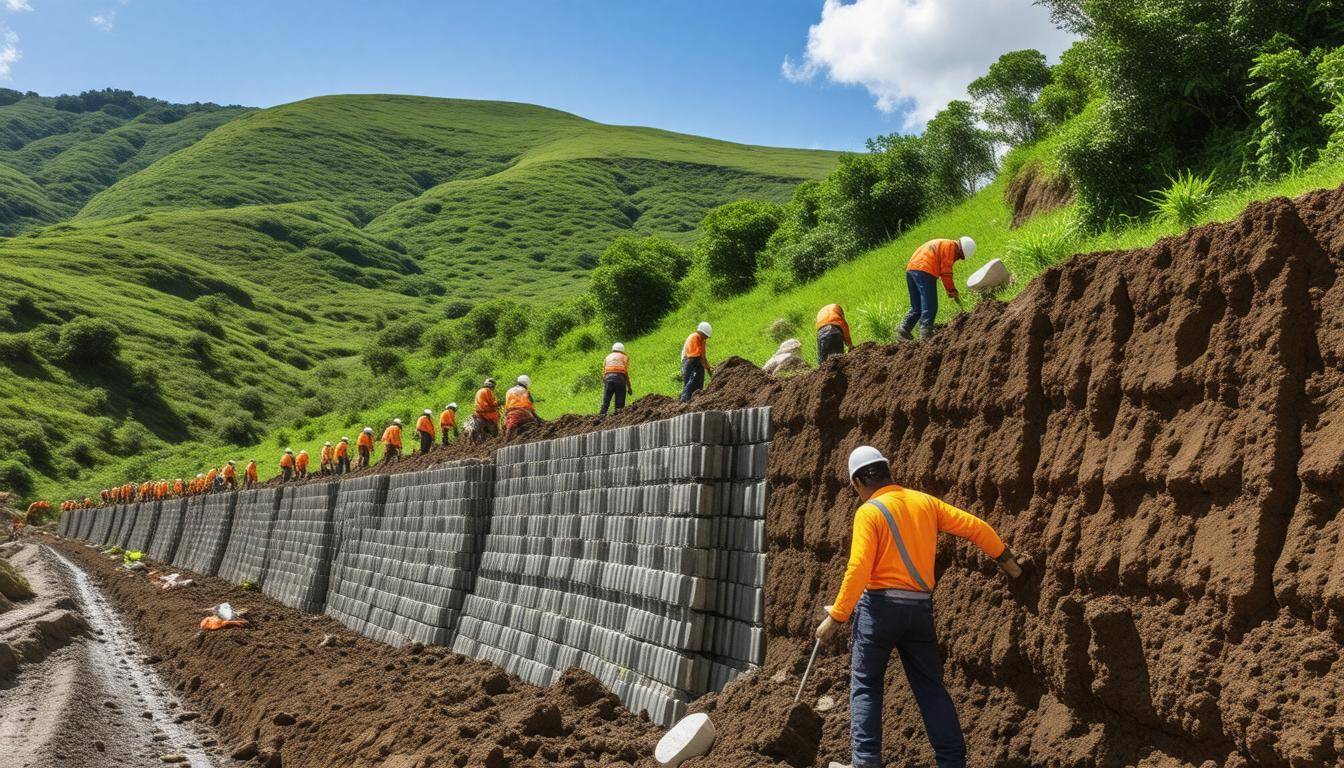
Building long-term resilience against natural disasters requires substantial investments in both infrastructure and education, forming a protective shield for communities. One critical aspect is the financial commitment toward disaster mitigation projects. Countries should ideally aim to invest at least 2% of their national GDP annually into such initiatives. This sustained investment can encompass everything from improving drainage systems to upgrading aging infrastructure, ultimately minimizing risks during extreme weather events.
Financial Commitments
A strategic financial allocation demonstrates a government’s commitment to safeguarding its citizens and encourages local communities to engage in preventative measures. This investment facilitates the development of safe housing and resilient public infrastructure that can withstand heavy rains and landslides. Preventive action is significantly cheaper than reactive measures after a disaster strikes—both financially and emotionally.
However, mere financial contributions aren’t enough; education plays a pivotal role in preparing communities for potential risks.
Education
Incorporating disaster awareness and preparedness into school curriculums fosters a culture of safety from a young age. Children who learn about emergency protocols are more likely to remain calm during actual emergencies. The current educational reach varies widely across regions, highlighting the need for more inclusive policies. By prioritizing safety education, governments can empower future generations with the knowledge necessary to respond effectively in crises.
This dual approach of financial investment and educational outreach creates a comprehensive framework for disaster management. Communities can respond effectively when disaster strikes and understand how to mitigate risks before they escalate into full-blown emergencies.
Fusing these two elements leads to stronger community bonds while promoting overall safety.
As we consider the implications of these strategies, it will be insightful to examine how other regions facing similar challenges can learn from Bolivia’s experience.
Lessons for Other Mountainous Regions
Bolivia’s immersion in natural disaster management teaches us invaluable lessons that can resonate with countries grappling with similar terrain challenges. One of the most profound lessons is the importance of integrating community involvement into disaster preparedness. When locals are engaged in developing and implementing safety measures, they are more likely to understand their surroundings and respond effectively to emergencies. It’s not enough for a government to announce plans; communities must be part of the conversation from the get-go.
Another significant takeaway is the value of investing in technology-driven solutions. Early warning systems that utilize meteorological data can provide timely alerts about potential landslides or floods. For instance, if Nepal, with its steep valleys and rainy seasons, had invested earlier in technologies similar to those deployed in Bolivia, they might have seen fewer casualties during flash floods. This emphasizes that reliance on advanced communications technology can be a game changer when lives are at stake.
Implementing robust infrastructure not only bolsters safety but also encourages local economies to thrive post-disaster.
Furthermore, we must recognize the financial aspects of these strategies. Adequate budgeting for disaster management initiatives ensures that resources are available for regular maintenance of protective measures like retaining walls and drainage systems. Countries like Peru have successfully reduced economic losses by prioritizing infrastructure improvements. This financial foresight demonstrates how proactive investment pays off significantly against future calamities.
A concerted effort towards sharing best practices across borders is crucial in addressing these grave risks collectively.
By facilitating collaboration among nations facing mountainous challenges, we enhance global disaster management strategies. Training programs inspired by Colombia’s community-based training showcase how shared experiences lead to greater evacuation readiness. The positive ripple effect from one country’s experiences can spur innovation and refine tactics elsewhere.
The importance of collaboration cannot be overstated, as learning from past events equips us to face future challenges head-on.
Notable Past Events as Case Studies

The history of landslides and floods in Bolivia is not just a recounting of disasters; it offers vital lessons for better preparedness and resilience. For instance, the 2020 La Paz landslide stands as a poignant example of how human settlements can dramatically influence environmental factors. Triggered by relentless heavy rain that saturated the ground, the landslide highlighted the dangers of informal housing on unstable slopes.
With over 3,000 people displaced and an estimated $10 million needed for rehabilitation efforts, this devastating event emphasized the urgent need for better urban planning and regulation.
Furthermore, this isn’t an isolated incident.
Case Study: 2014 Beni Floods
The Beni floods of 2014 marked another turning point in Bolivia’s approach to disaster management. These floods unleashed torrents of water that submerged vast expanses of farmland, wreaking havoc on local agriculture and economies. As families lost their livelihoods in an instant, the fallout was immense; however, it became a catalyst for change.
In response to the devastation, the government recognized the necessity of more robust flood management policies.
“Disasters often act as wake-up calls,” one local official emphasized. This time, many echoed this sentiment about the urgent need for effective flood warning systems that could save lives in future crises.
Following Beni’s flooding disaster, authorities began investing significantly in advanced forecasting technologies and community-based alert systems—transforming past missteps into proactive measures. This emphasis on communication and preparedness makes all the difference when early warnings can be relayed quickly to at-risk populations.
Hence, by analyzing these historical incidents through a lens of inquiry, we don’t just observe what went wrong but also identify practical solutions for moving forward.
Understanding these past events underscores the importance of comprehensive safety measures tailored to specific vulnerabilities faced by communities in mountainous regions like Bolivia.
The lessons learned from these tragic events are not just cautionary tales; they serve as blueprints for future resilience against natural disasters. Adaptation and proactive measures will help safeguard communities against the impending threats posed by climate change.