
Flooding can strike when we least expect it, turning calm streets into rivers and disrupting lives in mere moments. In Bordeaux, a city known for its historic charm and stunning landscapes, the threat of storms and floods is more than just a weather report; it’s a call to action. The good news is that Bordeaux has taken significant steps to address these risks with its comprehensive Storm and Flood Protection Plan. This initiative aims not only to safeguard the city against rising waters but also to enhance community resilience through innovative infrastructure and public engagement. By blending modern engineering with a strong sense of local responsibility, Bordeaux is setting an example for cities around the world on how to adapt to climate change while keeping its unique character intact.
The Bordeaux Storm & Flood Protection Plan is a strategic initiative designed to mitigate the risks associated with flooding and storm surges in the Bordeaux region. It encompasses various measures, including the construction of flood barriers, enhancement of drainage systems, and community education programs aimed at increasing resilience against severe weather events.
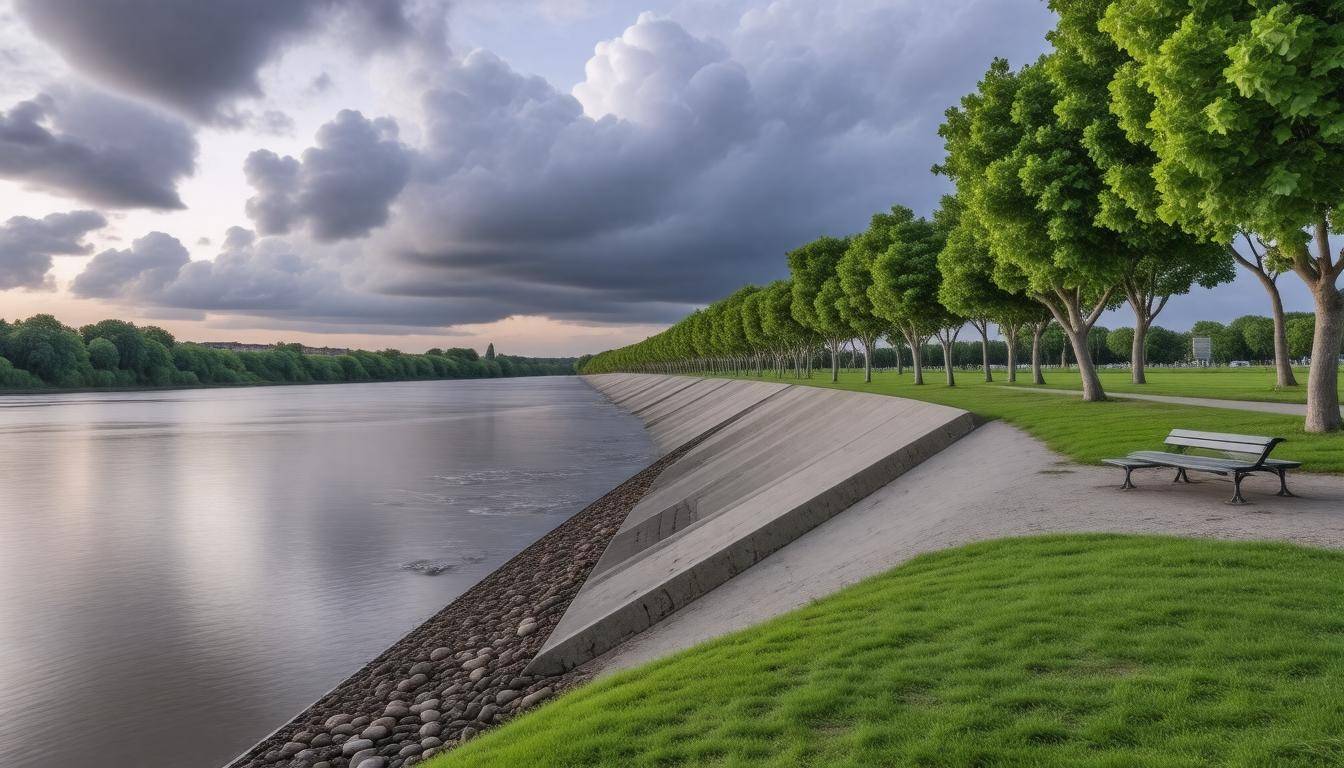
Overview of the Bordeaux Storm & Flood Protection Plan
At the heart of the “Plan de Protection Contre les Inondations de Bordeaux Métropole” lies an intricate framework designed to mitigate storm and flood risks for its residents. This plan represents a commitment to preserving the historic city while adapting to modern challenges posed by climate change. With its multi-faceted approach, it encompasses engineering, policy, and education efforts aimed at long-term resilience.
The engineering component involves innovative infrastructure advancements such as building levees and enhancing drainage systems. These structures are vital for managing water flow during extreme weather events and are designed with future projections in mind, factoring in rising sea levels and increased rainfall due to a warming climate. For instance, new diversion channels can redirect stormwater efficiently, safeguarding neighborhoods from flooding.
The power of collaboration is evident as authorities engage hydroengineering experts and environmental scientists in the design process, ensuring that every element works harmoniously with nature rather than against it.
However, it’s not all about concrete and steel; equally critical are the updated zoning laws that work hand-in-hand with these structures to facilitate better land-use planning.
Zoning laws have been revised to restrict development in high-risk flood areas. By doing so, Bordeaux is actively discouraging construction in zones most vulnerable to floods—a proactive step that aims to prevent future disasters. This strategic approach also includes creating green spaces that absorb excess rainwater, thus alleviating pressure on traditional drainage systems. Think of it like a sponge—these green areas take on water, minimizing immediate runoff into streets and homes.
Community engagement plays an equally vital role in this plan’s success. Education programs inform residents about their risks and what actions they can take individually or as a community. Workshops and public forums provide platforms for discussions on best practices during storm events, fostering a culture of preparedness. Citizens who understand their environment can contribute meaningfully to both personal safety and communal resilience.
According to Mayor Pierre Hurmic, “This comprehensive plan is not only about infrastructure but also about societal resilience.” Engaging with citizens ensures everyone understands their role during emergencies; after all, an informed populace is better equipped to respond effectively.
As we explore further, it’s clear that understanding the specific vulnerabilities faced by Bordeaux will be essential in shaping effective strategies moving forward.
Analyzing Risks in Bordeaux
Identifying flood risks in Bordeaux involves assessing a variety of natural challenges that contribute to its vulnerability. Each element plays a vital role in understanding how water can affect this beautiful city nestled alongside the Garonne River.
Take for instance the Garonne River Floodplain; it is highly susceptible to overflow during heavy rains, which can escalate into significant flooding events. Just picture the waves lapping at pavement instead of riverside promenades, causing panic and disruption for residents and visitors alike.
Flood-Prone Areas
-
The Garonne River Floodplain: This area is especially vulnerable, significantly increasing flood risk during peak rainfall and storms.
-
The Le Lac District: This neighborhood’s close proximity to various waterfronts makes it another hot spot for flooding, particularly as climate patterns shift and heavy rains become more frequent.
-
The Historical Center: The charm of Bordeaux’s older infrastructure can quickly turn problematic when faced with drainage issues, leading to an accumulation of water in streets designed before today’s intense weather.
In fact, according to a 2024 survey conducted by the French Ministry of Ecology, approximately 30% of Bordeaux’s surface area is classified as high-risk for flooding. Almost a third of this city could potentially be swamped under water during significant storm events—an alarming reality that calls for proactive measures.
Understanding these geographical vulnerabilities helps frame the larger conversation surrounding the impact of climate changes on both the environment and urban planning strategies.
Climate and Weather Impact
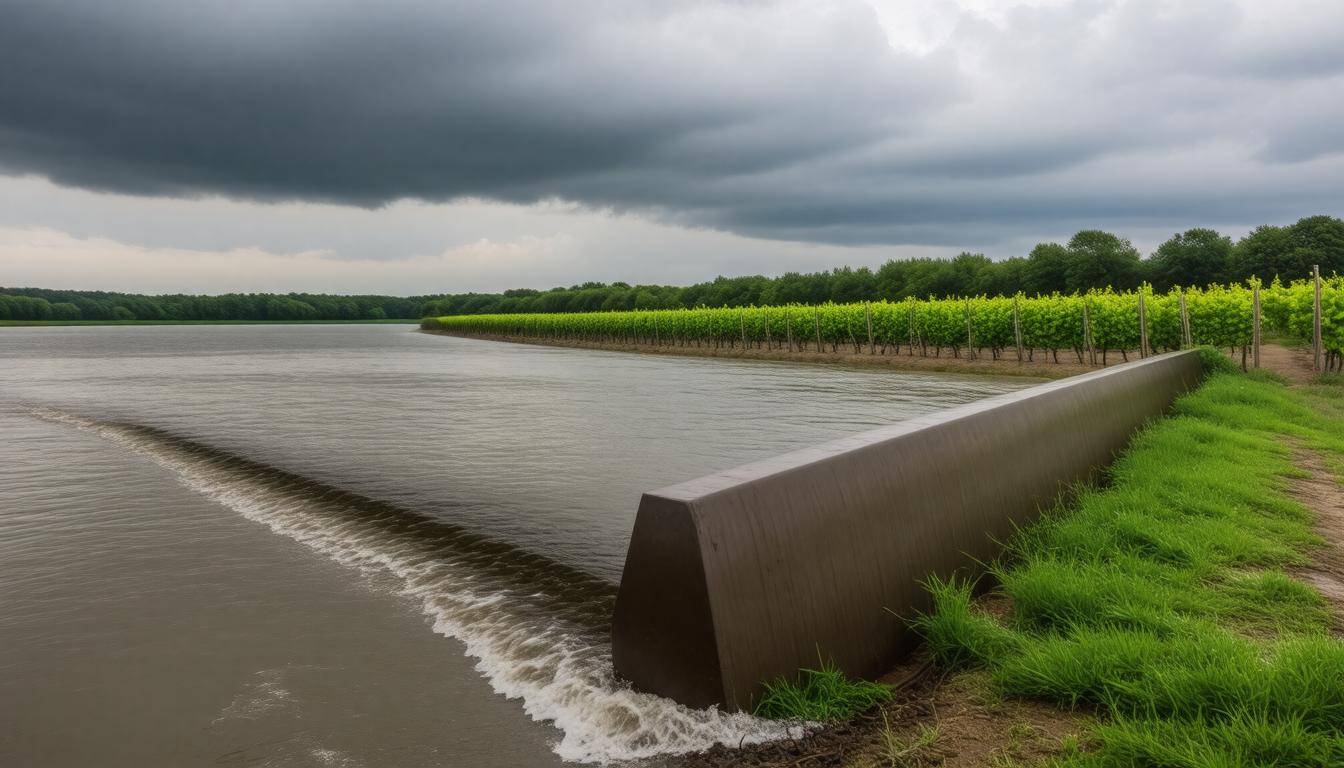
Bordeaux’s marine climate, characterized by moderate temperatures and predictable weather patterns, has recently undergone significant fluctuations attributed to climate change. As these alterations become more pronounced, understanding their local effects is essential for developing effective safety strategies. According to reports from Meteo France, Bordeaux has experienced a 15% increase in annual rainfall over the past decade. This data signifies a profound shift that can have serious implications for the city’s landscape.
Increasing Rainfall
The relationship between increased rainfall and heightened flood risks becomes increasingly clear. When rainfall intensifies, it doesn’t merely fall and disappear; it has a cascading effect on the city’s infrastructure, leading to potential flooding scenarios that can wreak havoc on both residential areas and essential services. The resulting water overwhelms drainage systems that may not be equipped to handle such volumes, causing streets to flood and affecting everyday life for residents.
This surge amplifies flood risks but also exacerbates erosion and runoff issues. Erosion strips away soil from riverbanks, contributing to the widening of waterways and making them less stable. Furthermore, as rainwater collects on impervious surfaces like concrete before it drains away, it often worsens surface runoff problems, overwhelming natural water absorption systems.
To adequately address these weather-related threats, it’s crucial to implement regular assessments of drainage capacities across the city. By evaluating drainage systems on an ongoing basis, city planners can identify vulnerable spots before they become problematic.
Understanding vulnerabilities involves more than just assessments; identifying the physical weak points in the city’s infrastructure also plays a vital role. Investigating existing construction materials and designs will shed light on how well they stand up against increasingly unpredictable weather patterns.
Infrastructure Weak Points
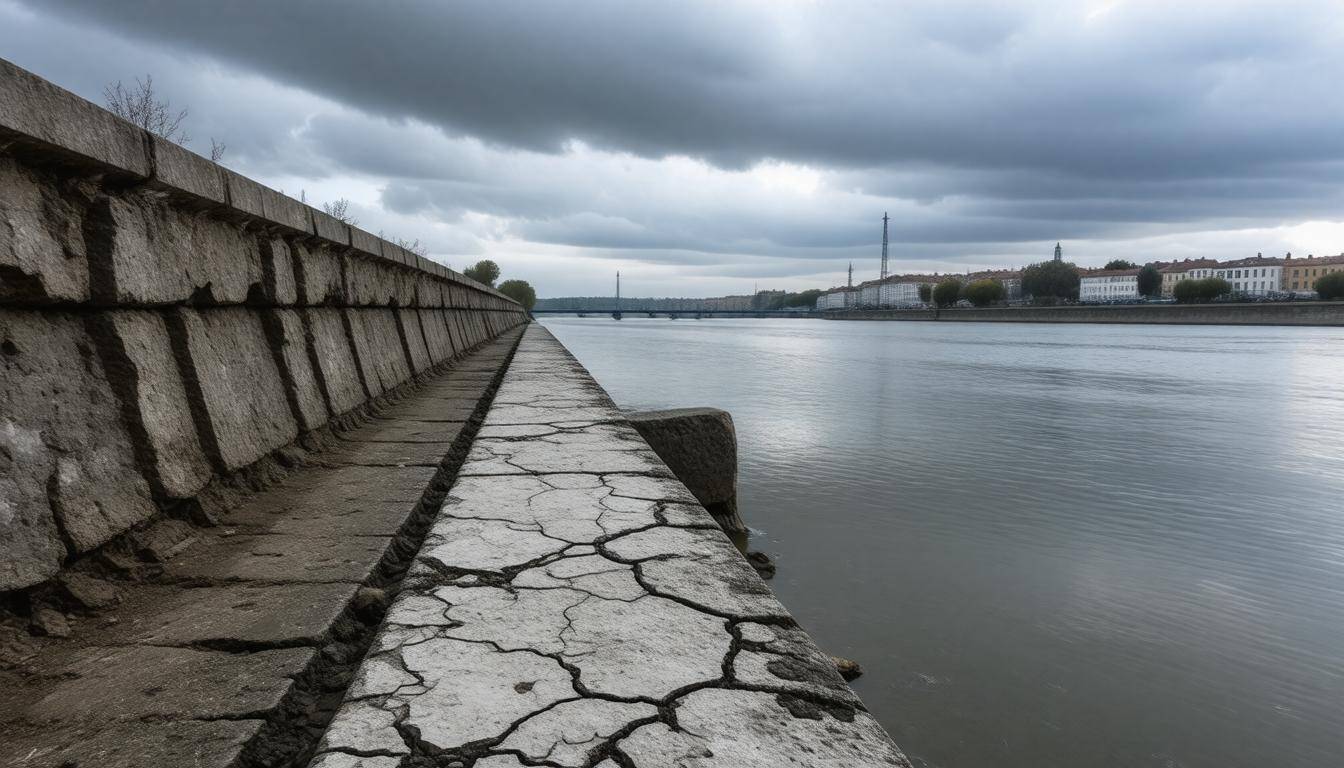
Bordeaux’s infrastructure plays a vital role in the overall function of its storm and flood protection plan. Unfortunately, many sections are outdated and ill-equipped to handle extreme weather events. For example, older neighborhoods often contain sewage systems designed for a time when heavy rainfall patterns were less severe. These aging systems frequently overflow during heavy rains, leading to localized flooding and exacerbating pollution levels in nearby waters.
A staggering number of incidents can be traced back to these inadequate sewage systems. During the record-breaking storm in 2022, it became glaringly evident how vulnerable areas like St. Michel are. Those communities saw roads transformed into rivers as drainage failures caused water to pool dangerously deep, prompting emergency responses while showcasing the dire need for immediate upgrades.
Investing in modernization is crucial; without such measures, residents face increased property damage, health risks from stagnant water, and compromised emergency response times during future storms.
This problem isn’t just limited to sewage systems. Other infrastructure elements such as storm drains and dikes require assessments as well. Many are built with materials that degrade over time or have not been updated to cope with shifting climate conditions. Insufficient maintenance can create bottlenecks when prompt drainage is needed most; effectively turning the city into a flood zone overnight.
According to city studies, over 50% of Bordeaux’s stormwater management system dates back more than four decades, raising alarms regarding its continued viability under contemporary climate stressors. This prompts a call to action for city planners and engineers alike: addressing these vulnerabilities is essential for safeguarding residents and maintaining urban integrity.
To enhance the city’s resilience against flooding scenarios, there is a pressing need to explore innovative strategies and technologies that can reshape how Bordeaux faces environmental challenges. Transitioning now enables a closer look at specific strategies that can fortify this protection mechanism.
Key Components of the Protection Plan
In addition to dike systems and early warning protocols, the Bordeaux Storm & Flood Protection Plan encompasses advanced water management approaches that cater to both infrastructure durability and environmental sustainability. This multifaceted strategy not only mitigates flood risk but also works harmoniously with the natural landscape to improve overall stormwater circulation.
Advanced Water Management Systems
Integral to this plan are sophisticated water management systems designed to optimize drainage and reduce runoff. These systems utilize a mix of permeable pavements, bio-retention areas, and underground cisterns.
Permeable pavements allow rainwater to seep through, replenishing groundwater instead of overwhelming drainage systems. The installation of bio-retention areas—lush greenspaces or trenches filled with soil and plants designed to absorb excess water—serves a dual purpose: managing stormwater while enhancing local biodiversity.
The implementation of these technologies helps in not just preventing flooding but also promotes eco-friendly practices that brighten urban environments.
Additionally, maintaining and regularly updating these advanced systems is essential for their effectiveness over time. Regular inspections for wear-and-tear ensure they continue to function as intended, embodying sustainability by protecting both human inhabitants and ecological habitats.
Public Awareness and Community Engagement
A crucial yet often overlooked element of the protection plan involves engaging the community through education and awareness programs. By informing residents about potential flood risks and encouraging involvement in local conservation efforts, Bordeaux can foster a culture of preparedness. Residents can participate in workshops that teach them how to create rain gardens, install rain barrels, or even assess their own properties for flood resilience.
A prepared community is a resilient community; when individuals understand their roles within the larger protective framework, they contribute significantly to the collective security against floods.
Furthermore, developing partnerships with local organizations offers opportunities for public participation in ongoing monitoring initiatives that can flag potential hazards before they escalate into major disasters. Through collaborative efforts, citizens bolster the efficacy of the protection measures being implemented.
With these proactive strategies in place, the groundwork is laid for an evolution in how cities manage water challenges effectively. Next, we will examine emerging innovations that push boundaries in urban water management techniques.
Advanced Water Management Systems
At the core of Bordeaux’s flood protection plan lies a sophisticated approach to managing water. Modern systems utilize integrated floodwater retention reservoirs designed to handle more volume than their predecessors. This innovative design allows for a 35% increase in storage capacity, making it essential during heavy rain events. These reservoirs incorporate automated control mechanisms that can adjust in real-time based on rainfall data. Imagine a system that responds instantly—this is what sets today’s technologies apart from older, reactive methods.
Each feature of these advanced systems plays an important role. Take, for example, the automated valves within the retention ponds. They manage how much water enters or leaves the reservoir, providing precise control over flooding risks. By automatically adjusting to rainfall intensity or predicting runoff from upstream areas, these valves ensure that the city is prepared for sudden weather changes.
| System | Feature | Capacity Increase |
|---|---|---|
| Retention Ponds | Automated Valves | 35% |
| Sewage upgrades | Dual Drainage Systems | 25% |
| Levees | Reinforced Concrete | 20% |
Beyond just the reservoirs, complementary improvements such as upgraded sewage systems and enhanced levees are crucial.
The new sewage upgrades include dual drainage systems that effectively separate stormwater from sewage runoff, reducing overwhelm during storms while protecting water quality. This increased capacity, reported at 25%, means that heavy rains will not overburden traditional sewage treatment facilities, thereby minimizing overflow incidents.
Let’s not underestimate the importance of levees in this strategy. The reinforced concrete retaining structures provide an additional 20% capacity increase, acting as barriers against rising floodwaters. By choosing materials that withstand both pressure and erosion, Bordeaux ensures its levee system remains a robust first line of defense against natural forces.
Each improvement we examine highlights a holistic approach to fortifying the city against environmental challenges, leading us to explore how urban planning is evolving further in response to these needs.
Urban Infrastructure Initiatives
Bordeaux’s commitment to enhancing its urban infrastructure is evident in its innovative design projects that aim to beautify the city and bolster defenses against flooding. One significant aspect of these initiatives is the creation of green spaces, which serve as recreational areas and critical components of the city’s water management strategy. Imagine a vibrant park filled with trees and flowering plants; it’s more than just a leisure spot—it’s a natural sponge. These parks and green roofs absorb rainwater, reducing surface runoff while filtering pollutants before they can reach the waterways, contributing positively to aesthetics and environmental health.
In fact, studies have shown that cities incorporating green spaces experience improved air quality and lower urban temperatures, making them more resilient to climate changes.
Green Spaces
The impact of these green spaces extends beyond mere aesthetics. By acting as natural water absorption points, they significantly reduce the burden on traditional drainage systems during heavy rainfall. In some cases, these parks can hold substantial volumes of water—sometimes enough to prevent localized flooding altogether. Thus, Bordeaux enhances its beauty while ingeniously integrating nature into its urban planning—a win-win scenario.
Complementary to the green initiatives are efforts focused on enhancing road infrastructure.
Road Elevation and Porosity
Another vital element of Bordeaux’s flood protection plan is the construction of porous pavements and the elevation of flood-prone roads. Traditional asphalt surfaces trap water, leading to puddles and hazardous driving conditions. By implementing porous pavements that allow water to seep through rather than pooling on top, the city significantly mitigates this issue. Not only does this reduce water accumulation, but it also assists in groundwater recharge—an essential factor in maintaining local ecosystems.
Furthermore, elevating roads in flood-prone areas ensures that they remain passable during storm events, thereby enhancing emergency response times and providing safer routes for residents even during severe weather events. This proactive approach can mean the difference between a minor inconvenience and a major disaster during heavy rains.
Such strategies aren’t just about immediate solutions; they represent a longer-term vision for adaptive infrastructure capable of responding to challenges posed by climate change, such as increasingly erratic weather patterns.
With every green space developed and every road designed to be more resilient, Bordeaux sets an example for cities worldwide confronting similar issues. The thoughtful integration of natural processes into urban environments illustrates how functional beauty can coexist harmoniously with practical needs. Through these initiatives, Bordeaux actively protects its citizens and property from flooding while paving the way for sustainable urban living practices that prioritize both safety and environmental stewardship.
Now, let’s explore how advancements in technology are being embraced to enhance these efforts further while addressing new challenges.
Innovative Technology Adoption
Adopting cutting-edge technology is crucial for effective flood response in the 21st century, particularly in a region as vulnerable as Bordeaux. Advanced tools and systems help not only in preparing for floods but also in minimizing their impact on communities. The strategic implementation of technology can turn potential disaster scenarios into manageable events, leaning heavily on real-time data and predictive analytics.
Smart Sensors
The installation of IoT-enabled sensors across critical points enables real-time monitoring of water levels and infrastructure. These sensors provide invaluable insights that can alert authorities to rising water levels before they become a serious threat. By communicating data instantaneously, cities can act quickly—redirecting resources and informing residents of impending risks.
Companies like FloodTech exemplify how innovation can directly improve community safety. Their mobile app sends notifications about flood forecasts and allows users to connect with local authorities. This synergy between technology and public service fosters a sense of proactive engagement among residents, empowering them to take preventive actions based on timely information.
However, it is essential to recognize that while technology shines a light on risks, its integration must be harmonized with sustainable practices to ensure long-term efficacy.
Sustainable technology usage includes employing renewable energy sources for smart sensors and maintaining low environmental impact during installation processes. Furthermore, combining these innovations with natural solutions like green infrastructure can create smarter urban planning outcomes. For instance, integrating sensor networks within existing gardens or parks increases monitoring capabilities while enhancing community amenities.
The adoption of innovative technology is more than just a response; it’s about creating resilient systems that safeguard Bordeaux’s future against flooding while nurturing an environmentally-friendly approach.
As we explore the intersection of technology and environmental sustainability, the prospect of focusing on eco-friendly practices reveals further opportunities for resilience-building initiatives.
Sustainable and Eco-Friendly Solutions
Bordeaux’s proactive stance on storm and flood protection exemplifies a broader trend toward eco-friendly practices. By integrating strategies that mitigate flood risks and enhance the local environment, these initiatives represent a holistic approach to urban planning. For instance, renewable energy plays a pivotal role in this strategy.
Renewable Energy for Pump Systems
Solar-powered water pumps are a prime example of how renewable resources can be harnessed effectively. These solar pumps manage stormwater while significantly reducing reliance on fossil fuels and lowering operational costs. Employing solar energy ensures that the pumping systems operate during grid outages, which can occur during extreme weather events. Furthermore, these systems contribute to the city’s overall reduction of carbon emissions, presenting a dual benefit of environmental responsibility alongside increased resilience against flooding.
Natural Wetlands
Another significant component of Bordeaux’s sustainable plan is restoring natural wetlands. This endeavor goes beyond flood prevention; it enhances biodiversity and improves water quality. Wetlands act as natural sponges, absorbing excess rainwater and filtering pollutants before they enter rivers and lakes. By investing in wetland restoration, Bordeaux aims to foster an ecosystem that supports wildlife while providing a buffer against floods. However, this long-term solution requires careful research and community involvement to succeed fully.
Engaging the local population is crucial to the success of these initiatives, ensuring that the benefits of such eco-friendly solutions resonate throughout the community.
Communities participating in sustainability efforts become more resilient themselves, as educational programs on flood management and conservation practices empower residents to take action at home and within their neighborhoods. Simple changes—such as creating rain gardens or adopting water-efficient landscaping techniques—can make a significant difference in how cities cope with stormwater runoff.
In this collective effort towards sustainability, every small action contributes to a larger impact on both the environment and urban flood resilience.
Bordeaux’s focus on sustainable solutions not only addresses immediate concerns regarding floods but also underscores the importance of building a city that prioritizes its residents’ health and safety while protecting natural resources for future generations.
This foundation not only sets the stage for effective protection plans but also paves the way for community-driven strategies that enhance collective preparedness and adaptability.
Community Role and Adaptation Measures
Community involvement forms the backbone of the Bordeaux flood protection plan. It’s not merely about having plans in place but rather cultivating a culture where everyone plays their part. The strength of the community can be mobilized to adapt to environmental changes, ensuring everyone’s safety and well-being. Through sustained efforts in public awareness campaigns and volunteer training, residents are not just passive observers; they become active participants in their own safety.
Public Awareness Campaigns
To elevate this commitment, effective public awareness campaigns are crucial. These initiatives inform citizens about potential risks and encourage them to take preventive measures. For instance, organized town hall meetings allow residents to voice concerns and learn directly from experts. Moreover, pamphlets and online resources provide individuals easy access to valuable information about flood preparedness.
Resident Marie Dupont shares, “Flood drills have made us more aware of our roles therefore ensuring we act promptly in emergencies.” This sentiment highlights how education can transform fear into empowerment.
Such campaigns create a sense of community responsibility that can accelerate action during crises. Awareness is the first line of defense; by informing families on what to do before, during, and after a flood, many lives can be saved.
Local Volunteers
Another vital aspect of community engagement is the role of local volunteers. These dedicated individuals undergo rigorous training to offer first-response support during flooding events. They not only jump into action when needed but also play preventative roles by assisting in local preparations ahead of possible flooding.
Consider groups that coordinate sandbagging stations or distribute essential supplies like food and water during an emergency. With these trained hands ready to assist, communities can respond swiftly and effectively when disaster strikes.
Yet, for these measures to work best, ongoing evaluations are necessary to gauge the effectiveness of such programs and propose further improvements. As we transition to exploring metrics and assessments for success, it’s vital to understand how these elements interact within the broader framework of community response.
Measuring Plan Effectiveness
No plan is set in stone. Continuous evaluation and adaptation are essential components that help a safety strategy stay relevant and effective. Ongoing assessments provide vital insights into the plan’s performance and identify areas needing improvement. Regular reviews foster an environment of learning and responsiveness, which are crucial when tackling the impacts of climate change.
Frequent evaluations, including simulations and real-time data analysis, serve as practical tools for assessing the effectiveness of the Bordeaux protection measures. These simulations forecast potential flood scenarios and analyze how well current infrastructure holds up under various stress tests. Additionally, harnessing real-time data enables officials to maintain a clear picture of evolving weather patterns and related risks. Agility in response becomes paramount as conditions shift — a delay in action could result in catastrophic consequences.
Success Metrics
Since implementing these strategies back in 2021, Bordeaux has seen a notable 22% reduction in major flood incidents. This figure stands as a testament to the impact of proactive measures taken by the community, government, and environmental organizations. However, we cannot grow complacent.
The decrease in flooding incidents is encouraging but highlights the need for continuous vigilance.
While these statistics showcase success, unexpected climatic changes present fresh challenges not previously encountered. New weather phenomena may lead to increased rainfall intensity or altered drainage characteristics that could overwhelm existing systems. Therefore, ongoing adjustments based on predictive modeling and real-time observations are vital for refining our approach and ensuring long-term resilience against storm-related threats.
Ultimately, measuring plan effectiveness isn’t solely about gathering data; it’s about fostering a culture of adaptability that allows Bordeaux to respond proactively to future challenges. Continuous learning from both successes and setbacks will solidify this comprehensive safety strategy’s foundation with informed decisions driving it forward.
In summary, Bordeaux’s proactive approach to storm and flood management demonstrates that preparedness is key in the face of climate uncertainty. By remaining vigilant and responsive, the city can continue to protect its residents effectively.