
When it comes to living in Borneo, the breathtaking beauty of lush forests and vibrant wildlife can be overshadowed by a tougher reality: wildfire smoke. Each year, countless people find themselves battling the effects of smoke-filled air that seeps into their lives and homes, leading to health risks and discomfort. Understanding how to protect ourselves from these environmental hazards is crucial for our well-being. This guide aims to equip you with practical strategies and insights, helping you navigate through the haze while ensuring you and your loved ones stay safe. From health impacts to effective protection measures, let’s dive into what you need to know to face wildfire smoke head-on.
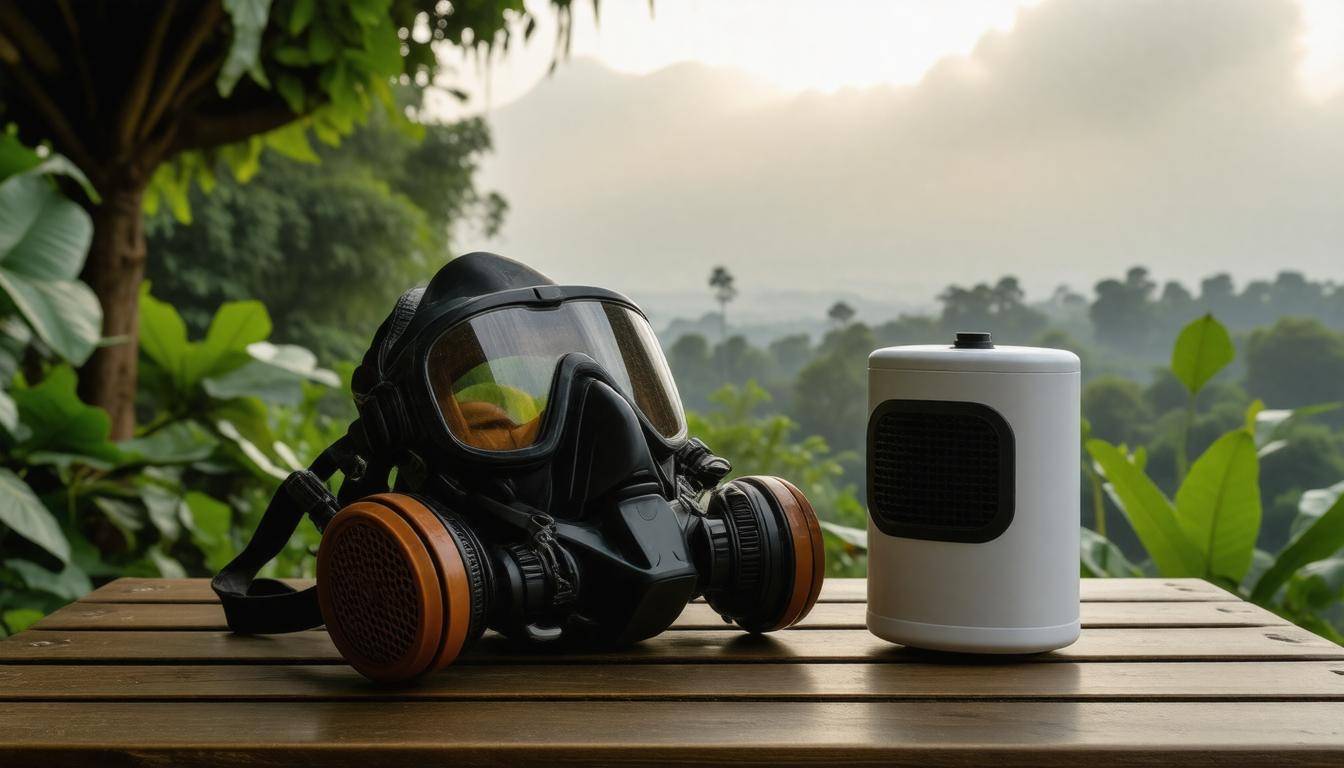
To protect yourself from Borneo wildfire smoke, stay indoors with doors and windows closed, use air purifiers equipped with HEPA filters, and wear N95 masks when venturing outside during high pollution periods. Additionally, it is advisable for sensitive groups, such as children and the elderly, to limit outdoor activities when air quality is poor.
Causes of Borneo Wildfire Smoke
The heart of the wildfire smoke problem in Borneo is largely tied to agricultural practices. In the quest for economic gain, large areas of rainforest are often set ablaze to make way for palm oil and pulpwood plantations, an act that has dire consequences not only for the environment but also for human health. It’s important to note that in 2015, around 6.4 million acres of precious rainforest were destroyed because of these uncontrolled burns, signaling a massive loss to biodiversity and a contribution to climate change.
Beyond palm oil, small-scale farmers engage in similar practices by burning fields to prepare land for essential food crops like corn and rice. This practice may seem harmless on a smaller scale, but when multiplied across hundreds of farms, it contributes significantly to the smoke that blankets the region during dry seasons.
Historically, slash-and-burn agriculture has been a method utilized by various cultures for centuries. However, what began as a localized and manageable approach has expanded into widespread deforestation driven by the ever-increasing demand for palm oil. Today, palm oil finds its way into nearly 50% of supermarket products—from snacks to cosmetics—creating a lucrative but destructive cycle that harms local environments.
The Ripple Effect
The implications of these agricultural practices extend far beyond just smoke; they create vast ecological imbalances. When forests burn, valuable habitats for unique species are lost, resulting in declining populations of endangered animals like orangutans and clouded leopards. This loss of biodiversity further weakens the ecosystem’s resilience against other environmental stressors.
While land clearing might provide short-term agricultural benefits, the long-term consequences create a vicious circle that affects air quality and public health on a broader scale.
As fires rage uncontrolled, smoke can travel over 1,000 kilometers, impacting air quality not just in Borneo but also in neighboring countries such as Malaysia and Singapore. During peak wildfire seasons, concentrations of particulate matter (PM2.5) often soar well above recommended safety limits established by the World Health Organization.
This unhealthy smoke isn’t just an annoyance; it poses serious respiratory health risks for anyone exposed to it, particularly vulnerable populations like children and the elderly. Understanding these driving factors is vital in addressing both environmental protection and public health concerns effectively.
Recognizing these challenges sets the stage for exploring how communities cope with the fallout from these hazardous conditions and what measures they can take to protect their health.
Health Impact on Communities
The repercussions of Borneo’s wildfire smoke extend far beyond just an unsightly haze; they seep into the very lungs and lives of the people in affected regions. Smoke exposure, laden with toxic compounds, leads to various respiratory issues that manifest quickly and can worsen existing medical conditions. According to the World Health Organization, the dangers are alarming: exposure to wildfire smoke can initiate respiratory diseases, exacerbate heart disease, and, in extreme cases, contribute to premature death.
During significant fire events, healthcare facilities often brace themselves for a surge in patients. Research indicates that such spikes can lead to increases in respiratory problems by nearly 30%. The toll is especially heavy among vulnerable populations like children and the elderly. Their weaker immune systems make them susceptible to the harsh effects of smoke inhalation. Studies show that hospital admissions for respiratory illnesses see a noticeable rise during severe haze, particularly affecting health and overall quality of life.
A local doctor reported from Pontianak that nearly half of his patients during peak haze periods sought treatment for ailments related to smoke inhalation—ranging from asthma attacks to flare-ups of chronic obstructive pulmonary disease (COPD). This troubling reality highlights just how urgent proper action and awareness about air quality becomes as wildfires rage.
As we reflect on these impacts, it becomes clear that monitoring air quality plays a critical role in mitigating health risks associated with wildfire smoke.
Protecting Against Smoke Exposure
Staying informed about air quality not only guides individuals on when to take protective measures but also empowers communities to advocate for better policies and practices regarding land use and fire management. Knowing when the Air Quality Index (AQI) reaches hazardous levels is paramount—for instance, AQI readings above 300 denote unhealthy conditions where even healthy individuals are likely to experience adverse effects.
Effective Strategies for Protection
Here are some effective strategies for protecting oneself during high pollution events:
-
Stay Indoors: It’s advisable to keep windows and doors shut during peak smoke days.
-
Use HEPA Filters: Invest in air purifiers equipped with HEPA filters that effectively trap fine particulates.
-
Wear Masks: N95 masks can significantly reduce inhalation of harmful PM2.5 particles present in wildfire smoke.
-
Limit Outdoor Activities: For sensitive groups including children and older adults, it’s crucial to minimize outdoor exposure, particularly on days when the AQI is high.
Communities must rally together during health crises like these by providing resources such as subsidized masks through local health clinics or information sessions that educate residents about wildfire prevention and health protection measures. Such community-focused efforts foster resilience amid these recurring environmental challenges, ensuring everyone is equipped to safeguard their well-being as best as possible amidst the smoke-filled skies.
With understanding how vital protective measures can be, let’s now consider how ongoing evaluation of air quality serves as a necessary step toward safeguarding public health amid such challenges.
Air Quality Monitoring
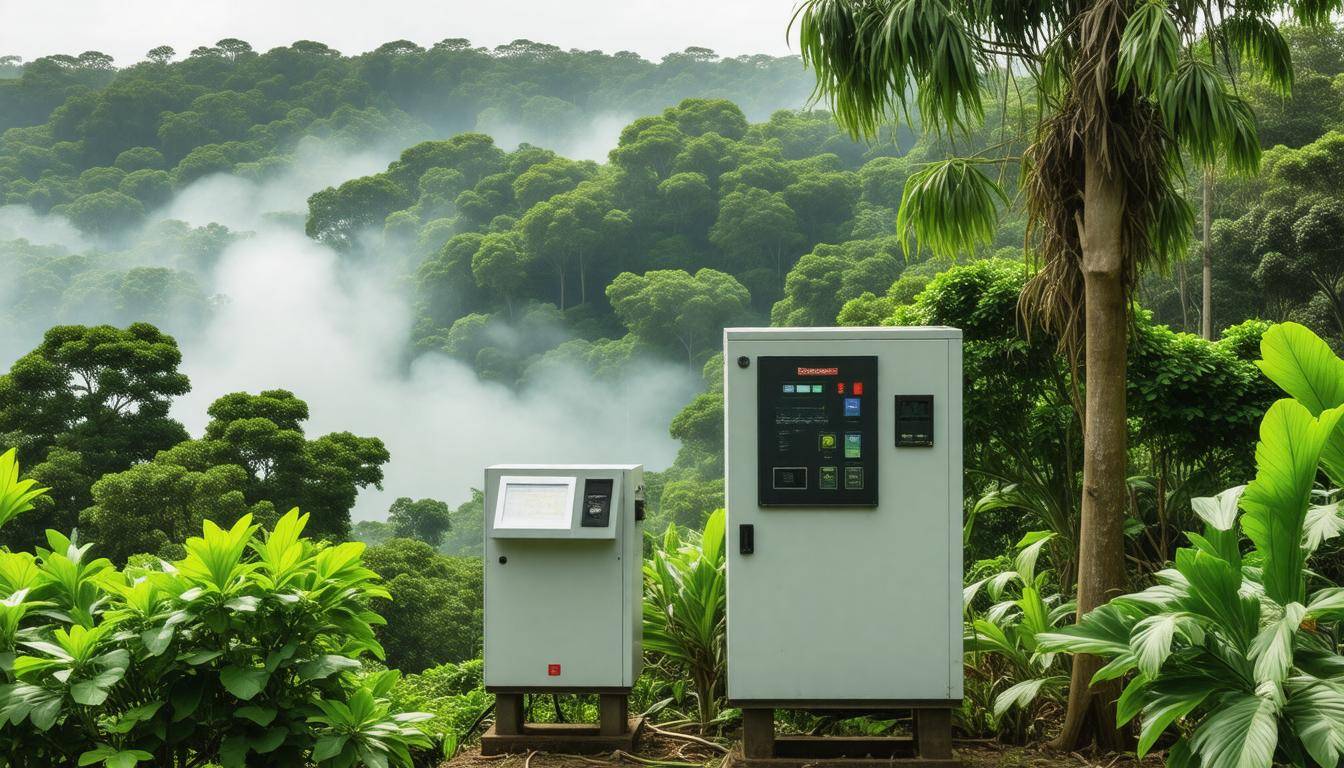
Understanding air quality levels serves as an essential tool for safeguarding health during wildfire season. Keeping an eye on the air quality indices (AQI) helps residents of affected areas prepare and adjust their routines based on real-time environmental conditions. Reliable sources, such as the Indonesian Meteorology, Climatology, and Geophysics Agency, allow individuals to stay informed about current air quality levels and take appropriate actions.
Regularly checking AQI values can be the difference between maintaining good health and facing serious respiratory issues.
In Borneo, particularly during wildfire events, the AQI can fluctuate dramatically. Values above 150 are considered unhealthy; however, certain sensitive groups—like children, elderly individuals, or those with pre-existing health conditions—can experience adverse effects even at lower levels. During the infamous 2019 wildfires, areas such as Central Kalimantan reported AQI readings exceeding 300. This level is categorized as hazardous, escalating risk not just for sensitive groups but for the entire population.
Understanding the AQI Scale
The AQI scale offers a clear framework for understanding air quality impacts on health:
| AQI Range | Air Quality Category | Health Implications |
|---|---|---|
| 0-50 | Good | No health impacts expected |
| 51-100 | Moderate | Minor respiratory issues for sensitive groups |
| 101-150 | Unhealthy for SG* | Increased risk for sensitive groups |
| 151-200 | Unhealthy | General public may experience mild effects |
| 201-300 | Very Unhealthy | Health warnings of emergency conditions |
| 301 and above | Hazardous | Serious health effects for entire population |
**
With this understanding of how air quality fluctuates, it becomes increasingly vital to act on high pollution levels promptly. When monitoring reveals sustained elevated AQI values, preparations should swiftly shift to protecting indoor environments. Air purifiers can play a significant role here; they trap harmful particles and ensure cleaner breathing conditions while you stay inside. Furthermore, keeping doors and windows sealed can significantly reduce incoming smoke and pollutants.
Investing in N95 masks or respirators also serves as another layer of protection during poor outdoor air quality days. Adaptability in your daily routine—whether it involves limiting outdoor activities or increasing ventilation within your living space—will play a crucial part in preserving well-being during these challenging seasons.
Remember that knowledge is power when it comes to defending yourself against the adverse effects of elevated pollution levels. Staying informed and prepared can make all the difference in maintaining your health throughout the wildfire season.
Equipped with these insights and strategies for managing external air quality threats effectively, we now look toward ensuring safety within our homes during these challenging times.
Indoor Safety Strategies
When wildfires rage in Borneo, keeping your home safe from the harmful effects of smoke becomes a top priority. One of the simplest yet most effective strategies is to keep windows and doors tightly shut. This straightforward action creates a barrier against the smoky air outside, ensuring that the cleaner air within remains protected. It’s not just about closing openings; think of it as building a fortress around your health.
Using air purifiers with HEPA filters is another step you can take to maintain the quality of indoor air. These filters are designed to capture fine particulate matter, known as PM2.5, which poses serious health risks if inhaled. In fact, research indicates that HEPA filters can remove up to 99.97% of these tiny particles, keeping the environment inside your home fresh and breathable. If you don’t already own a unit, considering investing in one could be life-changing during the heavy smoke months.
Additionally, sealing cracks and gaps around windows and doors with weatherproofing tape can provide extra protection against smoke infiltration. This simple act may seem trivial, but it can dramatically enhance your home’s defenses against wildfire smoke. As someone who lived through a smoky season myself, I found that properly insulated windows made a noticeable difference in both air quality and comfort levels within my home.
Another practical tip involves using wet towels or blankets at the base of doors to create barriers against incoming smoke. Moisture traps some of that pesky particulate matter, further safeguarding your living space. Simple household items such as these can have a surprisingly positive impact on your indoor environment.
Remember: Healthy air is vital for everyone in your household, especially vulnerable groups like children and the elderly.
It’s also wise to create a dedicated ‘clean room’ – essentially a small area in your home equipped with an air purifier where family members can retreat during periods of heavy smoke or poor quality air. Designating this area can streamline your approach to dealing with smoke exposure as well as serve as a refuge for those particularly sensitive to pollutants.
While adopting these indoor strategies significantly enhances your protection from wildfire smoke, it’s equally important to consider proactive measures for outdoor scenarios that may arise unexpectedly.
Outdoor Protection Tips

When stepping outside during heavy smoke periods, it’s critical to arm yourself with effective protective strategies. First and foremost, limit your outdoor exposure. Aim to stay indoors as much as possible and only venture out for essential tasks—like gathering supplies or going to work—when absolutely necessary. Picture it this way: each minute spent outdoors is like opening your door to a cloud of pollutants that you’d normally avoid.
Shortening outings is another crucial tactic. If you must go outside, keep your trips brief. By reducing the time spent outdoors, you minimize the risk of inhaling harmful smoke particles that can exacerbate respiratory problems. Even just fifteen minutes can make a significant difference, especially when those air quality levels are high.
Staying hydrated also plays an important role in your overall well-being while exposed to smoke.
Hydration is key—not just for general health but particularly for your respiratory system. Drinking plenty of water helps maintain moisture in your airways, allowing them to fend off the irritation caused by smoke exposure more effectively. Imagine your respiratory system as a sponge; the drier it gets, the less effective it becomes at filtering out harmful particles.
Additional Tips for Outdoor Protection
To help protect yourself while outdoors, consider these additional tips:
-
N95 Masks: Wearing an N95 mask creates a formidable barrier against PM2.5 particles prevalent in wildfire smoke, filtering out 95% of those microscopic threats. Ensure you wear it snugly over your nose and mouth for maximum effectiveness.
-
Protective Clothing: Donning long sleeves and pants can protect your skin from settling particulate matter. Choose breathable fabrics that allow sweat evaporation but still provide a barrier. Think of clothing as armor against the health risks associated with smoke.
Additionally, community initiatives reflect innovative responses during wildfire seasons.
For instance, local communities have started developing indoor gardens or community projects aimed at minimizing outdoor agricultural labor during smoke-heavy periods. These creative solutions not only safeguard health but also foster community ties among individuals facing similar challenges. While these may not entirely eliminate the need to go outside, they significantly reduce dependence on activities that expose people to hazardous conditions.
By putting these outdoor protection tips into practice and remaining aware of your environment, you’re better equipped to navigate through wildfire challenges while preserving your well-being amidst the surrounding haze.
As we explore further measures to ensure safety and comfort during these smoky bouts, we will now look into enhancing protection through specific gear designed for such situations.
Effective Use of Masks
When it comes to masks, the type you choose and how you wear them can greatly impact the level of protection you receive. Among the many options available, N95 masks stand out due to their remarkable filtration capabilities—they filter out at least 95% of airborne particles, including harmful PM2.5 particles that lurk in wildfire smoke. However, the effectiveness of an N95 mask is contingent upon proper fit and usage. If there are gaps between the mask and your face, even the best filtration won’t prevent harmful particles from entering.
Achieving a snug fit isn’t just recommended; it’s essential. When placing an N95 mask on your face, make sure it’s securely positioned over both your nose and mouth. Adjust the straps for a tight seal, which may take some extra time but can make all the difference in protecting your airways. It’s like putting on a seatbelt; you wouldn’t want it loose while driving, right?
Interestingly, studies reveal that consistent use of N95 masks can reduce smoke inhalation-related health issues by up to 40%. This statistic underscores the importance of not just having a mask handy but incorporating it into your daily routine when outdoor air quality deteriorates.
Regular replacement is another key factor that many overlook. Each time you wear a disposable mask, its filtration capability diminishes slightly due to moisture from exhalation or other pollutants accumulating on its surface. Therefore, swapping out your mask should become part of your wildfire preparedness strategy—an old and worn mask is as ineffective as no mask at all.
After ensuring you’re properly equipped with a suitable mask, it’s just as important to complement this protective gear with mindful choices regarding activities in smoky conditions. For instance, while donning an N95 enables you to breathe more safely during outdoor excursions, opting to stay indoors when air quality worsens remains crucial.
Taking the right precautions with masks sets the foundation for safeguarding your health during wildfire season; equally important choices about activities in poor air quality further enhance your overall safety.
Safe Activities During Haze
Adjusting our lifestyle to adapt to haze conditions doesn’t just mean staying indoors; it can create opportunities for new experiences and hobbies that keep our spirits high. Picture this: instead of your usual outdoor runs, you might find peace and flexibility with a gentle yoga session at home, stretching out those muscles while cultivating a sense of relaxation. This activity not only avoids the smoky air but also enhances your well-being through mindfulness.
Engaging in indoor exercises is a fantastic way to maintain fitness without exposing yourself to unhealthy air. Try something like Pilates for core strength or even a fun dance workout to your favorite tunes. If you prefer low impact, simple treadmill workouts allow you to get your steps in while still being safe from outside conditions. Incorporating regular exercise into your daily routine will keep you energized and uplifted, even when the skies are hazy.
Besides fitness regimes, many indoor hobbies can be fulfilled during these times of limited outdoor access. Cooking can be a delightful way to spend your time; experimenting with different recipes allows you to try new flavors while nourishing your body. You could even turn it into a family affair by inviting loved ones to join in the kitchen adventures. Painting or crafting can stir creativity too, and whether you follow an online tutorial or unleash your artistic talents freely, it’s a great way to express yourself.
Schools in Borneo often close and conduct classes online during severe haze events for safety reasons. With kids stuck indoors, encouraging them to explore creative outlets like arts and crafts or music could help pass the time constructively. It’s all about finding something fulfilling that suits various interests while keeping everyone engaged.
As another alternative, reading not only transports you elsewhere through stories but also enriches your mind. Curling up with a good book or diving into an engaging article can provide both entertainment and knowledge—perfect for those long afternoons spent inside due to pollution challenges. Stay alert by monitoring air quality indices (AQI); activities should be limited when AQI really gets high, especially above 150, indicating unhealthy air quality.
Embracing these efficient indoor activities ensures you remain safe without sacrificing enjoyment during haze conditions. This adaptability opens up pathways to better understanding how we can proactively manage our health and environment in the long run.
Long-Term Environmental Solutions
Addressing the wildfire issue requires more than just short-term fixes; it demands systematic and sustainable strategies. One of the most crucial steps is implementing stricter regulations on land clearance methods. By prioritizing sustainable farming practices over traditional ones, we create a framework that minimizes risk.
For instance, shifting towards agroforestry—where trees and crops coexist—helps retain soil integrity and cuts down the need for burning. It’s the cyclical approach to farming that aligns with nature rather than against it.
Involving local communities in forest management has proven highly effective in places like Kalimantan. Here, participatory mapping initiatives empower residents to take stewardship over their own forests. Not only does this reduce dependency on illegal land-clearing practices, but it fosters a sense of ownership among community members directly affected by these environmental policies. Studies have shown that when communities engage in forest planning and protection, the incidence of unlawful fires diminishes significantly.
Another strategic move is economically incentivizing farmers to adopt non-burn agriculture techniques. This could include offering subsidies for those who use alternative methods or providing training in regenerative practices that enhance soil health without the use of fire. As traditional slash-and-burn techniques often provide immediate short-term benefits, changing these habits requires tangible support and resources to demonstrate that viable alternatives exist.
Governments can also play a pivotal role by enacting policy changes that not only set forth new standards but also invest in educating farmers and communities about the long-term advantages of fire-free practices.
Through concerted efforts involving both government policy and community engagement, we can envision a future where wildfires are no longer an annual crisis but rather a manageable risk. The potential reduction in both frequency and severity of these fires would ultimately lead to improved air quality and public health across affected regions, benefiting everyone involved.
Remember, combating the wildfire challenge isn’t solely about today’s decisions; it’s about laying the groundwork for a healthier environment tomorrow through proactive measures and collective responsibility.