
As storm season approaches in Brisbane, many residents find themselves wondering if they’re truly prepared for the unpredictable weather that lies ahead. The thought of heavy rain, gusty winds, and possible power outages can feel overwhelming, and the last thing anyone wants is to be caught off guard. However, taking the time to create a comprehensive storm preparedness kit can significantly ease these worries. By gathering essential supplies and making proactive safety plans, you not only enhance your readiness but also add a layer of comfort during inclement weather. In this guide, we’ll walk you through everything you need to know about putting together a reliable storm season kit so you can face any storm with confidence.
A well-prepared Brisbane Storm Season Kit should include essential items such as non-perishable food, water (at least 3 liters per person per day), a flashlight with extra batteries, a first aid kit, important documents in a waterproof bag, and a battery-operated radio. Additionally, consider including personal hygiene supplies, warm clothing, and any necessary medications to ensure you’re ready for unexpected weather events.
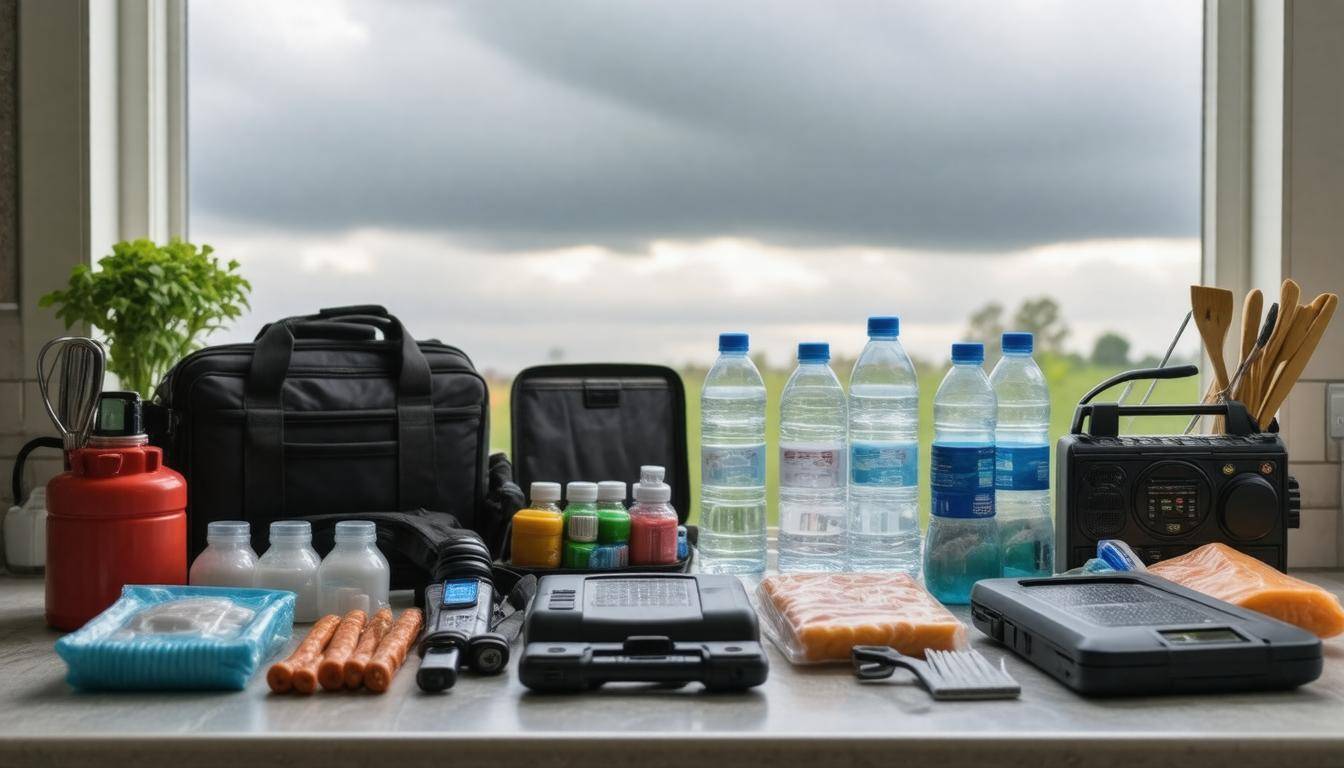
Top 10 Essentials for Your Storm Safety Kit
First off, let’s discuss water. You should store at least one gallon per person per day for a minimum of three days. When storms hit, clean drinking water may become scarce due to disruptions in the supply chain. Think about it: if you’re cut off from local water sources or utilities are down, this will help ensure your hydration needs are met and can even be life-saving.
Next on the list is non-perishable food. A good rule of thumb is to have enough food for at least three days for each person in your household. Canned goods, energy bars, and dried fruits are great options since they require no cooking and have a long shelf-life. It’s essential to think about nutrition too; having protein-rich snacks can keep everyone energized during stressful times.
Moving on, a flashlight, along with extra batteries, is crucial when you’re facing potential power outages. Imagine being stuck in darkness after a storm, with debris scattered around. A reliable flashlight helps you navigate safely while allowing you to assess damage effectively or signal for help if needed.
No safety kit would be complete without a first aid kit. Having basic supplies like bandages, antiseptics, and essential medications can make all the difference in minor emergencies. It’s worth noting that injuries tend to happen more easily when people are under stress or while moving around unfamiliar spaces in the aftermath of a storm.
Keeping up with emergency updates is where a battery-powered radio shines. This simple device can keep you informed about weather conditions and local news when other power sources may be unavailable. Whether it’s an alert about flash flooding or updates on restoration efforts, access to critical information provides peace of mind.
A multi-tool rounds out your kit by combining various functions into one compact device—think pliers, knives, and screwdrivers. In case of an emergency repair or if you need to assist neighbors with damage control, this handy tool offers versatility where you might find yourself pressed for resources.
Often overlooked yet incredibly important is a whistle. In situations where you may be trapped or lost among debris or loud noises from wind and rain, signaling for help with a whistle can draw attention far more effectively than yelling which can tire you out quickly.
Personal sanitation shouldn’t be ignored either; that’s where moist towelettes come into play. Maintaining hygiene is vital, particularly when you’re cut off from running water. They help keep you clean and comfortable during uncomfortable situations.
Navigating your surroundings in an emergency requires awareness; having local maps handy becomes necessary when GPS signals are lost due to power outages. This ensures you can still find your way while avoiding hazardous areas where flooding may have occurred or trees may have fallen.
Finally, don’t forget about blankets to provide warmth and comfort amid contrasting temperatures that sometimes accompany storms. Staying warm not only keeps spirits high but also prevents hypothermia in colder conditions post-storm.
With these ten essentials packed away in your storm safety kit, you’ll be prepared for whatever challenges arise during Brisbane’s storm season. Understanding the proactive measures available will further enhance your readiness as storms approach.
Pre-Storm Preparation Actions
Preparation is key to minimizing the impact of a storm, and it requires thoughtful actions that can make all the difference when dark clouds roll in. One of the first steps is to create an emergency plan. Gather your family and discuss what each person should do if a storm approaches. This dialogue not only outlines important steps but also brings everyone together, so no one feels isolated during a potential crisis. Designate specific meeting spots where everyone can gather if you must evacuate. Additionally, ensure that everyone knows how to reach emergency contacts—having a familiarity with these numbers can provide peace of mind when nerves are high.
Beyond discussions, securing your most important documents is another crucial step that shouldn’t be overlooked.
Picture this: a storm hits, and in the whirlwind of chaos, valuable papers get drenched or lost. To avoid this scenario, place critical documents such as passports, insurance papers, and medical records inside waterproof containers. These could be sturdy plastic boxes or even sealable plastic bags that can withstand water exposure. The aim here is to keep these documents safe and accessible, allowing you to focus on critical matters without scrambling to find proof of identity or insurance coverage amidst the confusion.
While protecting documents is vital, inspecting and securing your property comes next on the priority list.
Before the storm sets in, take some time to check your surroundings meticulously. Inspect your property for any loose items that could become dangerous projectiles during high winds. Secure patio furniture, garden tools, and anything else not firmly anchored down—these small steps can make a big difference in reducing damage both to your property and that of your neighbors. It’s equally important to trim any overhanging branches from trees and clear gutters and drainage systems of debris; clogged gutters can lead to water overflow and flooding, which would only exacerbate the challenges posed by a storm.
By proactively addressing these preparation actions now, you will enhance your safety and ease anxiety when the storm arrives. Understanding the significance of home fortification is crucial as we focus on additional protective strategies.
Home Safety Measures
Your home is not just a building; it’s your sanctuary during storm season. Therefore, taking the time to reinforce its safety is crucial. When we talk about structural inspections, we’re referring to a comprehensive look at the integrity of your house.
You should examine each corner of your property, paying special attention to the roof, windows, and doors. It’s essential to ensure they are well-sealed and structurally sound. If you live in an area susceptible to flooding, consider placing sandbags around entry points to divert water away from your home.
Moving beyond mere structures, electrical safety also plays a vital role in storm preparedness.
During storms, high winds and flooding create a perfect environment for unforeseen hazards, particularly regarding electricity. Make it a priority to identify any loose or exposed wiring outside your home—this could be anything from frayed wires in outdoor outlets to connections leading to garden lights.
These weak spots can become dangerous when faced with strong winds or rain, increasing the risk of electrocution or fire. Installing weather-resistant covers for all outdoor electrical sources can also provide added protection against moisture infiltration.
Additionally, it’s advisable to consult a licensed electrician who can inspect your internal wiring and check that everything meets safety standards. This helps ensure that your electrical systems are compliant and safe from the distinct difficulties posed by storm conditions.
Let’s talk about how securing your surroundings can also add an extra layer of safety.
Regularly trimming trees and securing any loose debris around your yard is another proactive measure you can’t overlook. Overhanging branches or unsecured patio furniture can turn into projectiles during strong winds, causing serious damage to your home or injury to its occupants.
Therefore, consider the environmental factors within a reasonable proximity of your house. If any trees are leaning dangerously close, it may be worth contacting a professional for removal before they become a liability.
Another great idea is to create an emergency plan with your family that outlines how everyone should respond if severe weather strikes. This includes establishing meeting points and communication plans if you get separated during a storm.
Through diligent inspections and proactive measures like these, you help fortify both the physical safety of your home and the emotional well-being of those inside it during whatever storms might arise.
With all these preparations in place, knowing how to respond during a storm becomes crucial for ensuring everyone’s safety.
Reacting During the Storm
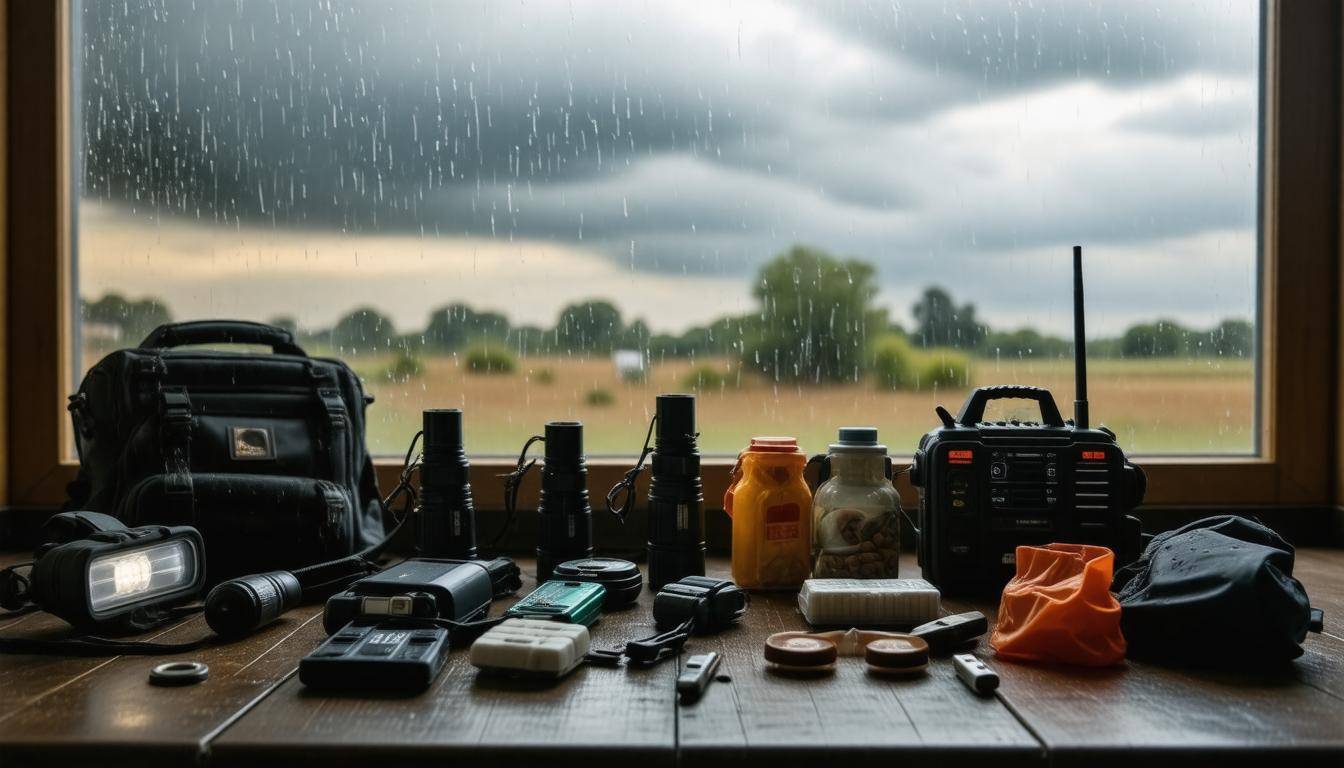
Knowing how to behave during a storm can indeed be life-saving, and it’s essential to adhere to a few important steps for your safety. First and foremost, find shelter. This means staying indoors and avoiding windows, doors, and skylights where debris may shatter glass or invite wind into your home. Ideally, you should choose a small, windowless interior room on the lowest level of your house. Picture yourself huddled in a cozy bathroom or utility room; it may not have the most comfortable decor, but it offers security against flying objects and high winds.
While you’re in that protective space, it’s critical to equip yourself with information.
Staying informed during a storm can make all the difference. Use a battery-powered radio to listen for updates and directives from local authorities. Having access to real-time information ensures you’re aware of any developing dangers—like tornadoes or flash floods—and any evacuation orders if necessary. Consider taking this one step further; keep a small emergency kit stocked with extra batteries for the radio and non-perishable food items, just in case you find yourself in there longer than expected.
As tempting as it might be to stay connected digitally, resisting certain activities is essential for your safety.
Avoid using electrical appliances or taking showers during a storm since electricity and water can create hazardous situations—this combination is known for causing serious injuries or even fatalities if lightning strikes nearby. Instead of scrolling through social media on your phone, think about bringing some reading materials or board games to help pass the time while the storm rages outside. Your safety and peace of mind are worth those few moments of discomfort as you wait for things to pass.
- Stay Indoors: Keep away from any areas with windows.
- Monitor Updates: Utilize your battery-powered radio frequently.
- Avoid Electricity: Refrain from using electrical appliances until it’s completely safe.
Following these steps will help ensure that you weather the storm safely and prepare you for the next challenges ahead as conditions change. Understanding how to manage disruptions in power supply will be crucial moving forward.
Dealing with Power Outages
Power outages are a common consequence during storm season, but having a plan in place can significantly ease the disruption they cause. First and foremost, investing in backup power sources is crucial. Generators can provide immediate relief for essential appliances such as refrigerators or medical equipment. For smaller needs, portable power banks allow you to charge devices like phones or tablets. Even if the lights go out, staying connected provides peace of mind, allowing you to keep informed about weather updates or reach loved ones.
A little preparation goes a long way. Gathering a few reliable backup power sources ahead of time is worth the investment, both time-wise and financially.
Another essential aspect of managing power outages is ensuring you have adequate lighting options available. While many households still rely on candles during outages, they come with significant fire risks. Instead, consider using LED lanterns and solar-powered lighting solutions. These alternatives not only cast sufficient light but also last much longer than traditional candles without the associated hazards.
1. Backup Power Sources
When selecting backup power sources, research generators thoroughly before purchasing. In addition to size and capacity, pay attention to fuel type, noise level, and whether it’s portable enough for your needs during an outage. Portable power banks should be regularly charged and tested; some models even allow charging through solar panels for extra reliability during prolonged outages.
2. Store Backup Lighting
As for lighting, consider stocking up on a variety of LED options, including lanterns and string lights that can create a warm atmosphere during blackouts. Investing in solar-powered lights that charge during daylight hours ensures you’ll have illumination on hand whenever the need arises. These eco-friendly solutions not only minimize fire risks but also keep your environment safer and more enjoyable while waiting for power restoration.
With these measures in place, it’s also vital to consider what steps to take once the storm has passed to ensure swift recovery and safety in your home.
Post-Storm Recovery Steps
After experiencing the chaotic aftermath of a storm, taking proactive measures can save you from further troubles. The first step is assessing damage. Start with a careful visual inspection of your property. Look for signs of structural damage, such as cracked walls or a sagging roof. Pay close attention to hazardous conditions like downed power lines—if you see them, keep your distance and report them immediately to local authorities instead of attempting to handle them yourself.
It’s also wise to check for gas leaks by noticing any smell similar to rotten eggs; if there’s any suspicion of a leak, evacuate the area and call the professionals right away.
Moving on from assessment, documentation plays a pivotal role in navigating the recovery process effectively.
Next comes documenting and reporting the damage. As tempting as it might be to jump into clean-up mode, pause for a moment to take comprehensive photos of everything affected. This documentation is critical for filing insurance claims and may expedite the assessment process with your insurer. Ensure you capture close-up images of specific damages and wider shots that show the overall context.
Once documented, promptly report any hazards or severe damages to local authorities so they can prioritize critical repairs in your area.
With an understanding of what needs to be done first, attention now turns to clean-up efforts which require care and diligence.
Finally, as you dive into clean-up, it’s imperative to take necessary precautions. Wear protective clothing including gloves, long-sleeves, and sturdy boots that shield you from sharp objects or debris. Be aware that floodwaters may contain contaminants; thus, avoid contact whenever possible if the water is murky or unfamiliar. Always have a first aid kit handy—just in case—and keep drinking water available.
Remember that recovery isn’t just about cleaning up immediately after a storm; it involves ensuring your home is safe and secure while preserving your health and well-being during the process.
Taking these initial steps will set you up for successful recovery in the wake of any storm’s destruction. Now we turn our focus towards developing a comprehensive plan tailored specifically to mitigate future challenges before they arise.
Creating a Brisbane-Specific Emergency Plan
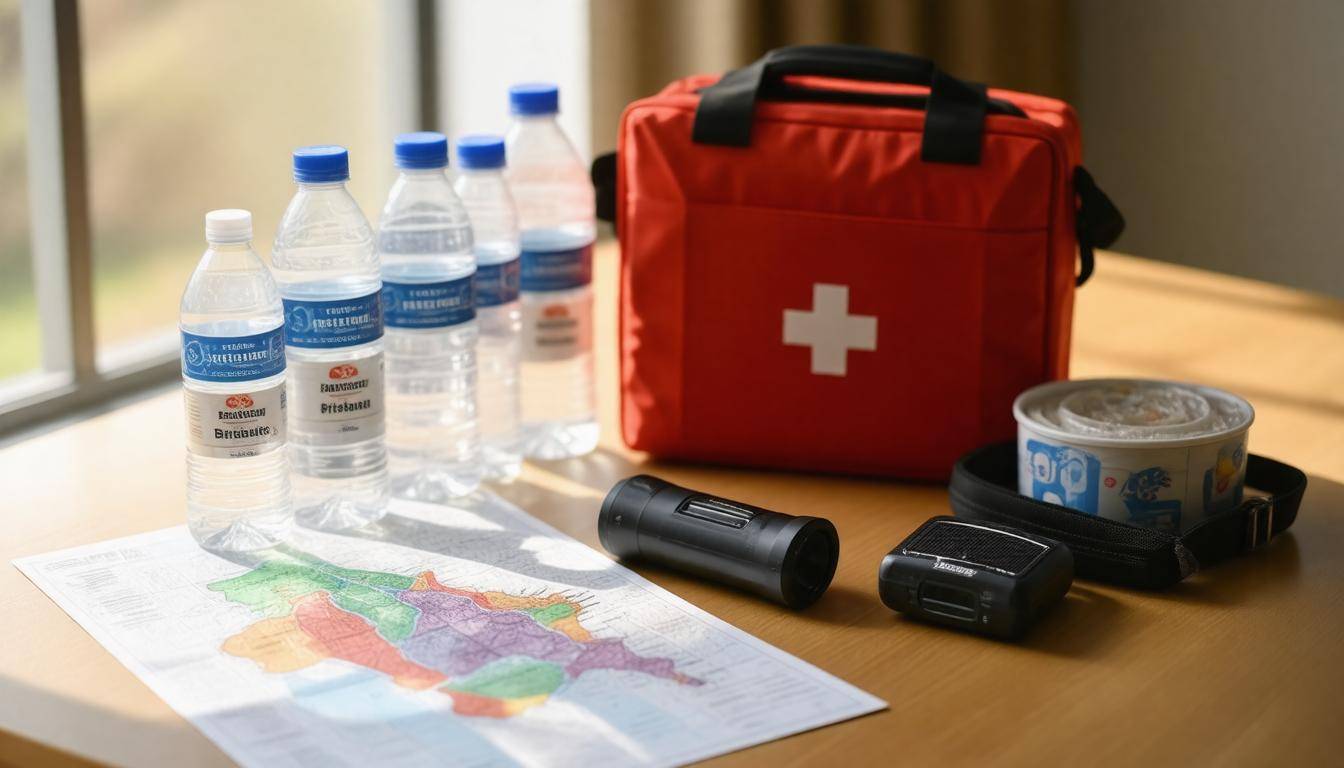
Brisbane’s storm season presents unique challenges that can catch even the most prepared off guard. It’s crucial to have a tailored emergency plan addressing those specific needs, starting with understanding your surroundings. Familiarizing yourself with local evacuation routes is fundamental. The city’s diverse topography means flooding can occur rapidly, making certain roads impassable. Therefore, mapping out several evacuation routes ahead of time is imperative. These routes should lead to safe zones or nearby shelters, allowing for a swift exit if necessary. Use local maps or smartphone apps that provide real-time updates on road conditions.
While knowing where to go is vital, understanding what resources are available during storms is equally important.
Equally essential is an awareness of community resources. This goes beyond just knowing where the nearest hospitals are; it involves connecting with local emergency services and community organizations dedicated to storm support. For instance, Brisbane has numerous volunteer groups mobilizing during storms to assist those in need, particularly the elderly or disabled. By interacting with these organizations beforehand, you gain insight into potential aid options like food distribution centers or temporary shelters. Consider reaching out to local councils as well; they often have guides and resources available for storm preparedness.
Finally, when creating your emergency plan, don’t forget to consider the diverse needs within your household.
Different family members may come with individual requirements; thus, it’s essential to address these in your planning. If anyone in your home has special needs, be proactive about preparing scripts for medications or stocking up on crucial mobility aids. This isn’t just a matter of convenience; having a clear plan ensures that you won’t be scrambling last minute when conditions worsen. Create a checklist of necessary resources, from medical supplies to comfort items, so you can gather them quickly if evacuation becomes necessary.
By investing time and thought into crafting an emergency plan designed for Brisbane’s particular circumstances, you’re not just protecting yourself — you’re actively ensuring the well-being of your entire household. Preparing ahead means peace of mind when storms roar through our beautiful city, keeping you calm amidst chaos.
As we explore further, we’ll look into how to effectively utilize local resources and stay informed during storm events to maximize safety.
Utilizing Regional Resources and Alerts
When storm season rolls around, having the right resources at your fingertips can make a significant difference in how prepared you feel. This means actively engaging with local services that offer timely updates and alerts. For instance, signing up for Brisbane City Council alerts ensures you receive essential information regarding imminent storms, road closures, or community responses. This proactive step can be crucial for making informed decisions ahead of severe weather events.
The Australian Bureau of Meteorology (BOM) plays a pivotal role in your storm preparedness strategy. Utilizing their website or mobile app keeps you updated on real-time weather changes in your area. Access to forecasts, warnings, and potential weather-related disruptions can help you determine when to take specific actions—like securing outdoor items or stocking up on supplies. It’s like having a weather oracle at your fingertips.
Networking with neighbors and joining community groups on social media enhances your ability to quickly share information and resources during storms. This collective knowledge can prove invaluable—someone might know about a local shelter or have connections to additional emergency support services.
A good practice is to establish a communication line within your neighborhood before storm season starts. Check in with others, discuss your preparedness strategies, and see if anyone needs assistance as storms approach. These small community ties can offer great comfort during chaotic times.
Here’s a useful list of regional resources that you can tap into for support:
| Resource | Contact/Website |
|---|---|
| Brisbane City Council Alerts | Brisbane City Council |
| Australian Bureau of Meteorology | Bureau of Meteorology |
| State Emergency Service (SES) | SES QLD |
| Energex (Power Outage Updates) | Energex |
| Local Community Support Groups | Check social media platforms |
This compilation of resources is just the beginning; leveraging these tools creates an additional layer of security for you and your family during tumultuous weather seasons. By staying connected to these alerts and consistently networking with those around you, you’re better equipped to tackle the challenges that may arise, ensuring your safety comes first throughout Brisbane’s storm season.
Being proactive and connected is key to effectively navigating storm seasons together as a community. With the right information and support, you can face challenges head-on.
How can homeowners secure their property against potential storm damage?
Homeowners can secure their property against potential storm damage by reinforcing their roofs, securing outdoor furniture, and installing storm shutters. According to the Insurance Council of Australia, properties with adequate storm protection measures can reduce damage costs by up to 40%. Additionally, maintaining clear gutters and drainage systems helps prevent flooding, while ensuring windows and doors are sealed can minimize water intrusion, ultimately safeguarding both property and personal safety during Brisbane’s storm season.
How often should I review and update my storm preparedness kit to ensure its effectiveness?
You should review and update your storm preparedness kit at least twice a year, ideally before and after the storm season. Regular checks help ensure that supplies are current, functional, and tailored to your needs. Studies show that being prepared can reduce stress by 50% during emergencies, making it crucial to keep your kit up-to-date with fresh batteries, non-perishable food, and first-aid supplies to enhance safety and readiness when storms hit Brisbane.
What is the recommended amount of water and food supplies for a storm readiness kit?
For a storm readiness kit, it’s recommended to have at least one gallon of water per person per day for at least three days, along with a minimum of a three-day supply of non-perishable food. This guideline ensures adequate hydration and nutrition during potential power outages or supply disruptions. Furthermore, according to emergency preparedness studies, having sufficient supplies can significantly reduce stress and increase safety for families facing extreme weather conditions.
What specific items should be included in a Brisbane storm preparedness kit?
A Brisbane storm preparedness kit should include essential items such as a first aid kit, non-perishable food and water (at least 2 liters per person per day for three days), flashlights with extra batteries, a battery-operated radio, personal hygiene products, and important documents securely stored in water-resistant bags. Additionally, as storms can bring heavy rainfall and strong winds, including a sturdy tarp, rope, and emergency blankets can provide extra safety. In Queensland, severe storms occur on average about 5-10 times annually, emphasizing the need for readiness against potential power outages and flooding.
Are there any local resources or organizations that provide assistance during severe weather events?
Yes, Brisbane has several local resources and organizations that assist during severe weather events. The Queensland State Emergency Service (SES) provides support in emergencies, offering services such as flood and storm assistance to residents. They often conduct community education programs, which can enhance preparedness; for instance, their statistics show that communities with prior engagement have a 40% higher rate of effective emergency response. Additionally, local councils offer services and information hotlines to keep residents informed during storm seasons.