
When a typhoon approaches Busan, it can feel like a scene out of a disaster movie—intense winds, rising waters, and the uncertainty of what’s to come. But rather than anxiously watching the weather reports and hoping for the best, being prepared is your best defense against nature’s fury. That might sound overwhelming, but with some simple steps and a clear checklist, you can keep your family safe and minimize damage to your home. This guide will break down everything you need to know, from securing your property to packing an emergency kit, ensuring you’re ready when the storm hits. Let’s dive into practical strategies that can make a big difference in keeping you and your loved ones safe.
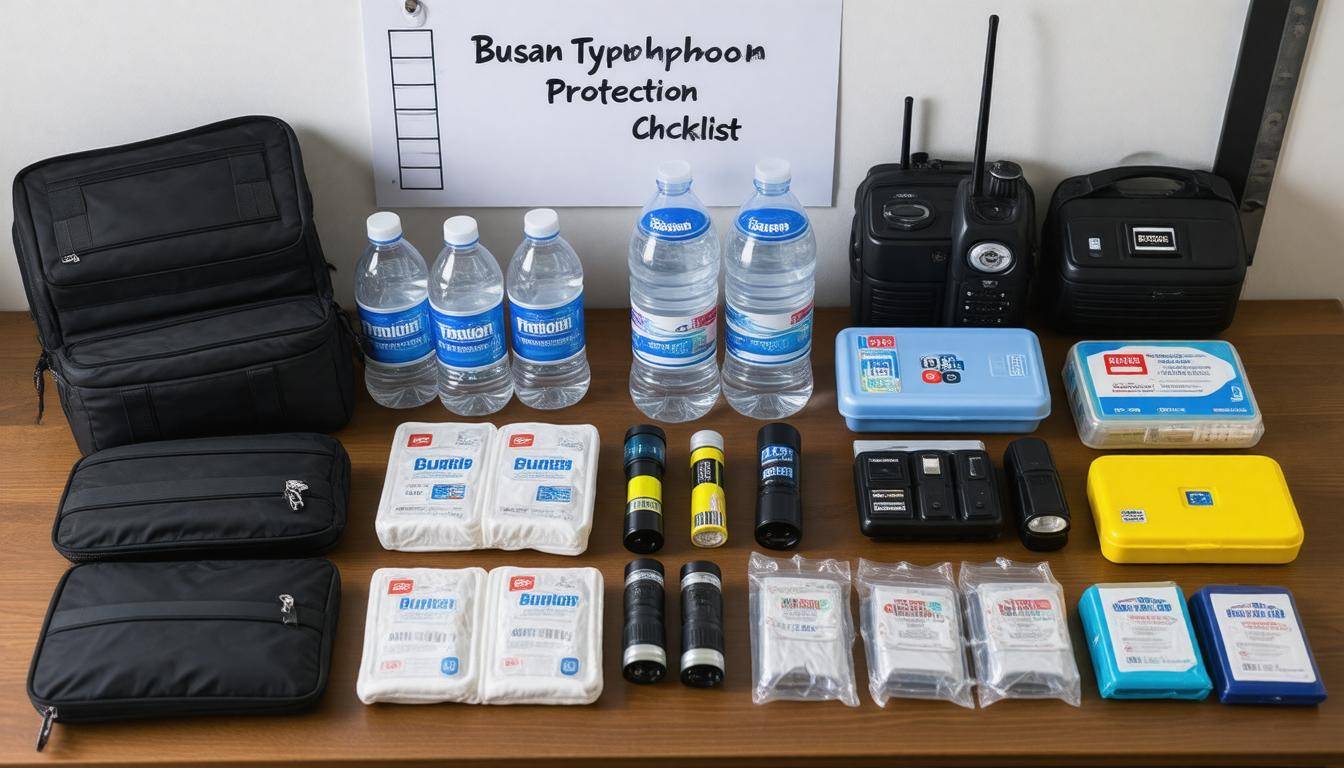
A Busan Typhoon Protection Checklist should include essential items such as water, non-perishable food supplies, medications, flashlights with extra batteries, and a fully charged mobile phone. Additionally, it is crucial to have an emergency kit ready, which includes first aid supplies, personal identification documents in waterproof bags, and an evacuation plan that identifies safe routes and designated shelters.

Preparing Your Home for the Typhoon
Exterior Preparations
As mentioned earlier, the roof is a key area to inspect. If you notice loose tiles or shingles, take the time to secure them with roofing cement or replace them completely. A small gap can allow water to seep through during heavy rains, leading to significant damage inside your home.
In addition to addressing potential roofing issues, trimming trees is equally important. Branches that dangle too close can break off in fierce winds and become dangerous projectiles.
In Busan, it’s recommended to maintain a clearance of at least ten feet between trees and your home to minimize hazards in case things go south.
Interior Preparations
Once you’re done with the exterior, it’s time to ensure safety within your home. Start by moving valuable items upstairs or placing them on elevated surfaces if flooding is a concern. Water damage can ruin electronics quickly, so it’s wise to move computers and TVs off low stands or shelves.
Consider an organized approach; create a specific area in a higher room where all valuables are stored together, making it easier for you to check everything is safe before the storm hits.
Another crucial step is to elevate electrical appliances at least twelve inches above potential flood levels. This proactive measure could save you from expensive replacements down the line. Additionally, using waterproof bags for important documents can provide added protection against unexpected water ingress.
With your valuables and appliances safely stowed away, it’s essential to focus on reinforcing windows and doors—the weakest points in your home’s defenses against severe weather.
Reinforcing Windows and Doors
Securing windows and doors significantly enhances your home’s resilience during a typhoon. Use storm shutters or plywood cut to fit over windows; plywood should be at least 5/8 inches thick for maximum protection against flying debris. If you choose to use plywood, pre-drill holes into the wood and have screws ready so that you can attach them quickly just before bad weather strikes.
Moreover, installing hurricane straps on doors can add stability by anchoring them more securely against high winds. It’s worthwhile to check all door seals too—if they’re worn out or cracked, consider replacing them. Not only will this improve wind resistance, but it’ll also help keep rain out.
Remember: complete preparation extends beyond mere inconvenience—it ensures that you can weather the storm with peace of mind while minimizing potential damages and protecting what matters most.
Preparing for severe weather requires not just physical reinforcements but also a strategic plan that will guide you through emergencies effectively.
Securing Windows and Doors
Windows and doors are vulnerable points in your home during a typhoon, making it crucial to implement effective reinforcement strategies. By ensuring these entryways are adequately protected, you can significantly reduce the risk of damage from high winds and flying debris. Think of it like creating a fortress; every layer you add enhances your safety and security.
Reinforcing Windows
When it comes to windows, utilizing storm shutters or plywood is essential. Storm shutters offer high effectiveness against the elements but do come with a moderate cost—ranging between $200 and $500. Plywood, which is more budget-friendly at around $50 to $100, still provides decent protection if installed correctly. The key in both cases is secure fastening; make sure these coverings are tightly secured, especially at the corners, to withstand the intense winds that accompany a typhoon.
Here’s a helpful tip: Use plywood sheets of at least 1/2 inch thickness for greater stability. To properly secure this plywood, you should use screws or bolts that are 3 inches long, spaced every 12 inches along the edges.
The table below summarizes the various materials you can consider for reinforcing your windows:
| Material | Effectiveness Level | Cost ($) | Ease of Installation |
|---|---|---|---|
| Storm Shutters | High | $200-$500 | Moderate |
| Plywood | Medium | $50-$100 | Easy |
| Plastic Films | Low | $20-$40 | Easy |
Besides addressing windows, we also need to think about securing our doors.
Reinforcing Doors
Doors serve as another point of vulnerability during severe storms. Start by installing heavy-duty deadbolts that provide robust locking mechanisms. Consider adding additional sliding bolts to both the top and bottom; this setup creates an extra layer of security that can withstand pressure from wind or attempts to breach the door.
Additionally, placing sandbags at the base of exterior doors minimizes the risk of water seeping into your home during intense rainfall, acting as an initial defense against flooding. It might seem simple, but keeping water out could save you from extensive repairs later on.
With our focus now shifting to building a comprehensive plan for emergencies, it’s time to gather essential supplies that will be vital in preparation for any storm situation.
Assembling Your Emergency Kit

An emergency kit acts as your lifeline when disaster strikes, especially during a typhoon. Each item you include plays a vital role in ensuring your family’s well-being in the face of unpredictability. For instance, having at least one gallon of water per person per day for at least three days is fundamental. This ensures that everyone stays hydrated, which can be crucial if you’re cut off from regular water supplies.
Along with water, here are essential items to consider:
- Non-perishable food items such as canned goods or energy bars that do not require cooking.
- A comprehensive First Aid kit, including band-aids and any necessary prescription medications.
- A reliable flashlight paired with extra batteries can be a real game-changer if power outages occur during storms.
- Portable phone chargers keep communication lines open, enabling you to stay informed and contact loved ones.
- Important personal documents should be kept in a waterproof pouch; think flowcharts like IDs and insurance papers that ensure quick access when you need to evacuate.
Preparing your emergency kit isn’t just about stuffing it with essentials; it’s about aligning these supplies to meet your family’s unique needs. For families with young children, consider adding diapers or formula. If you have pets, include their supplies as well—food, water, leashes—all essentials that shouldn’t be overlooked.
“According to FEMA guidelines, a whistle can prove invaluable for signaling help if you’re ever in distress,” reminds us how unexpected situations can arise even in familiar surroundings.
Furthermore, don’t forget mental preparation. Practice how to access your emergency kit quickly and rehearse evacuation routes with your family. Familiarity can foster confidence and ensure everyone knows their role when the time comes. Just having the supplies is not enough—you must also feel prepared to use them effectively.
After you’ve gathered these crucial items, the next step involves making careful plans for safely navigating away from danger when needed most.
Family Evacuation Plans
When preparing for a potential typhoon, the heart of safety lies in having a well-thought-out family evacuation plan. This isn’t just a simple suggestion—it’s an essential component that can dramatically improve your safety and response as a family unit under stress. Imagine a scenario where you need to leave your home quickly; if everyone knows their role and the designated paths to safety, you minimize chaos, reduce anxiety, and increase everyone’s chances of staying safe.
Designing an Evacuation Route
The first step in crafting a solid evacuation plan is identifying multiple safe routes to the nearest designated shelters or high ground. Each route should be mapped out considering various factors like traffic patterns and accessibility during heavy rainstorms. It’s crucial to have more than one path planned in case some roads become blocked or unsafe.
To ensure familiarity, practice these routes periodically; this way, everyone understands what to do if an evacuation becomes necessary. Just as you might practice fire drills at school, conducting family evacuation drills can help reinforce the actions needed during an emergency, making them second nature.
Communication Strategy
Next up is establishing a robust communication strategy. It’s vital that each family member knows how to reach one another if separated during an evacuation. Encourage using mobile apps that share real-time locations, but don’t rely solely on technology; in moments of crisis, cell service can be unreliable. Instead, develop a straightforward plan where each person knows at least two alternative methods of contact—these could be landlines near your home, local emergency services, or even predetermined meeting spots.
Importantly, assign roles within the family so that everyone knows their responsibilities during an emergency. For instance, perhaps one person is responsible for gathering emergency kits while another checks on pets and their supplies. Consider creating a small family meeting where everyone discusses their assigned tasks and rehearses them.
Through regular practice and clear communication, families can build a solid foundation for effective decision-making when challenges arise. This preparation not only strengthens family bonds but also sets the stage for larger community engagement initiatives in times of crisis.
Community Response and Collaboration
In the face of severe typhoons, a unified community can significantly enhance preparedness and safety. Local governments play a primary role by organizing and coordinating disaster response efforts. For instance, in Busan, government teams are not just on standby; they actively plan evacuation routes, set up emergency shelters, and ensure that aid supplies are distributed efficiently during a crisis. It’s essential for residents to familiarize themselves with the locations of these designated shelters and community centers because knowing where to go when the storm hits can be the difference between chaos and order.
However, the responsibility does not solely lie with local authorities. The power of grassroots initiatives cannot be overstated. By forming neighborhood watch groups, community members can foster a network of vigilance where everyone looks out for one another. This may involve regular meetings or discussions via social media platforms to share resources, advice, and vital information about storm preparedness or recovery efforts after the storm passes. Each person’s contribution creates a collective strength that enhances overall safety.
Furthermore, neighboring communities can collaborate more deeply by sharing experiences from past storms. These shared stories often reveal what works and what doesn’t during an actual emergency. Perhaps one neighbor had success with a specific evacuation strategy or found a great way to fortify their home against strong winds. By passing along these insights, each member of the community becomes better equipped to handle similar challenges in the future.
Collaboration isn’t just about responding to emergencies; it’s also about preparing for them together.
As we explore collaborative efforts further, let’s turn our attention to the critical aspect of securing necessary coverage and documentation before disaster strikes, ensuring both preparedness and protection.
Insurance and Property Documentation
Accurate documentation is your first line of defense against any damage that a typhoon may cause to your home. It’s not just about having a copy of your homeowners’ insurance policy; it’s about ensuring that you understand exactly what that policy entails, especially regarding coverage for natural disasters. Take the time to read through your policy and clarify any doubts you may have with your insurance provider. Knowing the specifics, such as deductibles, coverage limits, and claim processes, can save you significant stress later on.
Alongside reviewing your policy, make sure to document your home’s current condition thoroughly. This means taking high-quality photographs or recording videos of every room, appliance, and even your landscaping. Capture unique features or valuable items as well. This visual evidence will serve as a record of your property before potential damage occurs and assist in expediting claims if something goes wrong during the storm. Imagine trying to remember every item in your garage after a flood—detailed records make that process infinitely simpler.
Keeping these documents safe is equally crucial. Use a waterproof and portable container to store all vital documents such as your insurance policy, identification papers, and any other important records. This way, if evacuation is necessary, you’ll have everything you need literally at hand.
Quick Tips for Documenting Your Property
- Photograph: Don’t skimp on detail; take wide-angle shots and close-ups.
- Video Record: Walkthrough each room while describing items verbally; it’s more powerful than photos.
- Save Everything: Keep receipts of major purchases and appraisals; they add value to claims.
- Digital Backup: Store copies in cloud storage or email them to yourself for easy access.
Additionally, consider creating an inventory list of your belongings. Having this meticulously documented can serve as a valuable reference point when filing a claim after the storm has passed.
With proper documentation established, it’s essential to explore additional precautionary measures that can effectively protect your property leading up to the storm’s arrival.
Important Pre-Storm Actions
Taking certain actions right before the storm hits can be crucial in minimizing risks and ensuring that you and your family remain safe. One of the most essential steps is securing loose items around your home. Items like outdoor furniture, garden tools, potted plants, and even children’s toys can easily become dangerous projectiles when strong winds whip through. So, if you haven’t already placed these items inside, do it as soon as the forecast warns of impending severe weather. For larger items that cannot be moved, consider securing them with heavy-duty straps or ropes to fasten them to immovable structures such as fences or walls.
Furthermore, it’s not just about the items outside; ensuring your supplies are ready is equally important. Always make sure your vehicle’s fuel tank is at least half full—this ensures you have enough gas for potential evacuations or simply getting to safer areas should the need arise. Complement this by charging all battery-powered devices like mobile phones and radios. Imagine being cut off from information during an emergency; it can significantly increase your stress levels. If there’s any time to double-check that your emergency kit is stocked with essentials like non-perishable food, bottled water (a gallon per person per day is recommended), batteries, flashlights, and first aid supplies, it’s now.
And speaking of those emergency kits, take a moment to ensure they contain necessary medications you or your family might need. Many people overlook this vital aspect until it’s too late. Make the effort to gather prescription medications, over-the-counter drugs for common ailments, and even personal hygiene supplies. After all, you want to account for every possible scenario during those stressful days after a storm.
As you prepare inside your home, don’t forget about community connectivity. Fostering awareness within your neighborhood can provide critical updates and support that individual preparation simply cannot capture alone.
Now let’s shift our focus to the essential steps to take as soon as the storm passes.
Immediate Post-Storm Steps
The first step after a typhoon is conducting thorough safety checks around your home. It’s crucial to avoid wading through floodwaters, as they may contain dangerous contaminants or hidden hazards like sharp debris. If you must step outside, do so cautiously and wear protective footwear like sturdy boots that can shield your feet from sharp objects. Always listen for updates from local authorities about the safety of venturing out.
Check your electrical systems carefully before re-connecting any devices. Look for frayed wires or water damage to outlets. If anything seems unsafe, it’s best to have a professional evaluate the situation. Be alert for gas leaks by sniffing for the distinctive odor often added to natural gas, or check appliances for signs of damage. Report any suspicious smells or unusual occurrences immediately to the utility company.
Once you’ve ensured it’s safe to enter your home, focus on documentation for insurance claims. Equipment may malfunction, but don’t let that slow you down when recording damages. Photographs serve as crucial evidence—snap clear images of affected areas, including wide shots that establish context and close-ups to capture specific damage details.
“Our swift action in documenting damage right after the storm ensured our insurance claims were processed without a hitch,” reported a Busan resident after Typhoon Haishen.
Document all communication with your insurance provider and make a list of necessary repairs. Keeping careful records simplifies the claims process and prevents headaches later on when trying to recall events. With every detail noted, you’ll feel more prepared moving forward into the recovery phase.
Each of these steps plays a critical role in ensuring not only your safety but also a smoother road to returning your home—and life—back to its pre-typhoon state.
In times of disaster, being prepared and proactive can make all the difference. Your safety and recovery depend on the actions you take following severe weather events.