
Wildfire season in California is not just a yearly event—it’s a reality that can ignite anxiety and uncertainty. As flames devour landscapes and smoke engulfs neighborhoods, it’s essential to have a solid battle plan in place to protect yourself and your loved ones. A well-equipped Wildfire Smoke Protection Kit can mean the difference between breathing easy and struggling for clean air. After witnessing the devastating effects of wildfires in recent years, I realized how vital it is to prepare ahead of time. This guide aims to walk you through assembling an effective kit and what essentials you’ll need to stay safe during those smoky days. Let’s dive in!
A California Wildfire Smoke Protection Kit should include N95 masks marked NIOSH for effective filtration of smoke particles, portable air filters or air purifiers with MERV 13+ ratings to reduce indoor pollution, and a supply of bottled water and non-perishable food. Additionally, it’s essential to have an emergency plan in place and stay informed about air quality levels using resources such as the U.S. EPA’s AirNow Fire and Smoke Map.
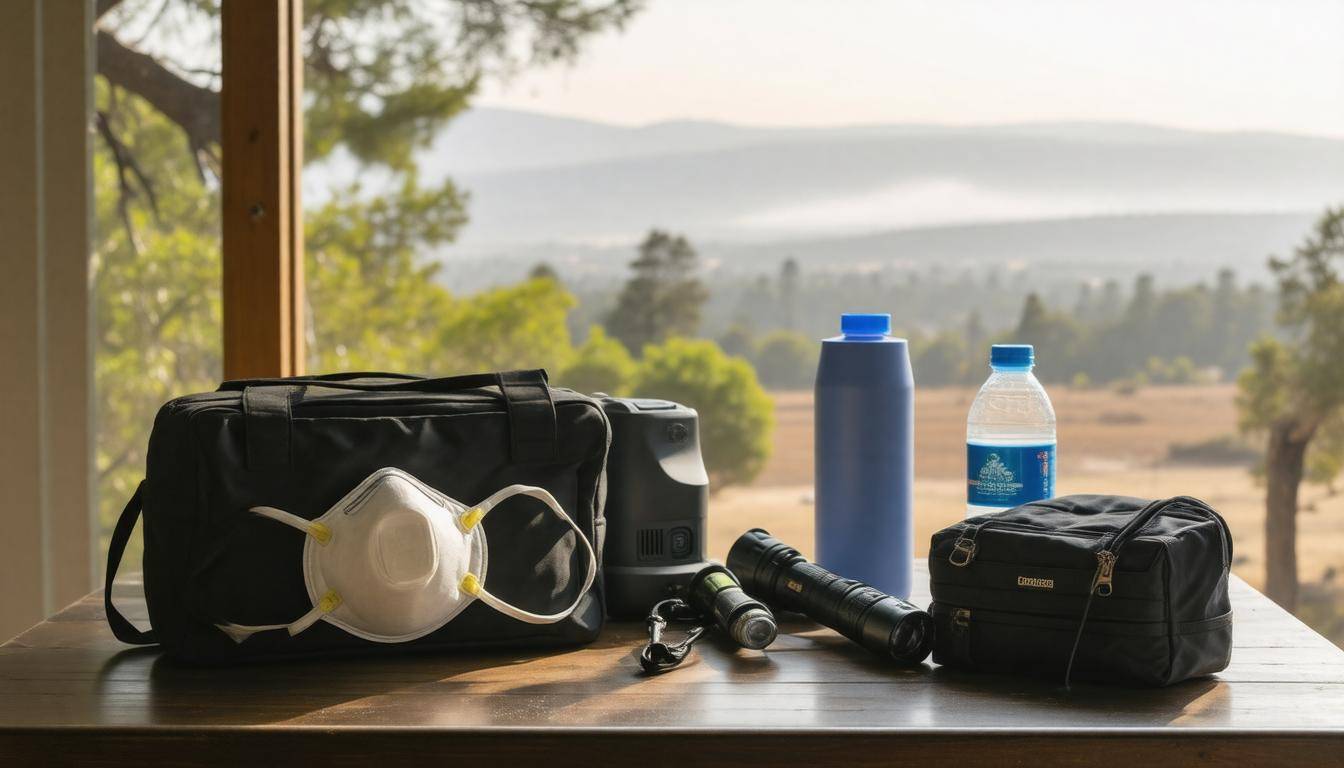
Preparing Your Wildfire Smoke Protection Kit
Begin with a solid foundation of essential items. N95 masks are not just a recommendation—they are critical. These respirators filter out at least 95% of airborne particles, including the fine particulate matter emitted by wildfires. Given their effectiveness, I remember during the devastating wildfires of 2020, stores ran out of these masks almost instantly—an essential reminder that preparedness is key. It’s advisable to keep several masks stashed away in your emergency kit.
Once you’ve secured adequate masks, you’ll want to ensure the air inside your home remains breathable despite outdoor conditions.
Step I – Air Purifiers
Incorporating an efficient air purifier into your smoke protection kit is vital for maintaining indoor air quality. Look for certified models that utilize HEPA filters specifically designed to capture microscopic particles found in wildfire smoke. Certain models have added functionalities that enhance their performance.
| Air Purifier Models | Key Features |
|---|---|
| Dyson Pure Cool | Combines fan functionality with HEPA and carbon filters for comprehensive air purification |
| Winix 5500-2 | Utilizes True HEPA and PlasmaWave technology to eliminate pollutants effectively |
| Honeywell HPA300 | Optimized for large spaces with powerful HEPA filtration |
Investing in one of these purifiers will pay off significantly during wildfire season, keeping your home atmosphere as clean and safe as possible.
After ensuring your immediate health is protected, it’s imperative to focus on communication tools since staying informed can make all the difference during emergencies.
Step II – Communication and Lighting
Having a battery-operated radio ready is like holding onto a lifeline in uncertain times; it ensures you receive timely updates about evacuation orders or fire status. Flashlights are equally crucial when the power goes out, which tends to happen during fires due to high winds or utility company safety measures.
Make sure to stock up on extra batteries for both the radio and flashlights, as they could be essential in providing light through extended power outages.
With these fundamental components accounted for, don’t overlook some additional vital items to complete your smoke protection kit.
Step III – Additional Important Items
Including a well-stocked first aid kit is invaluable; think adhesive bandages, antiseptic wipes, and gauze pads to treat minor injuries. Also consider adding non-perishable food items such as canned goods and energy bars—aim for at least a three-day supply—to ensure you have sustenance if evacuation becomes necessary.
As a general rule, prepare at least a gallon of water per person per day for three days as well. This amount may seem excessive at first, but when faced with unexpected situations, having enough clean drinking water is essential.
Finally, consider incorporating DIY solutions like creating homemade air cleaners using box fans and MERV 13 filters. This simple yet effective setup can provide additional purification within your living areas.
Assembling this comprehensive kit equips you well for any sudden disruptions, allowing you to turn your attention toward key items crucial for effective protection against these hazardous conditions.
Essential Items for Smoke Protection
At the heart of any effective wildfire smoke protection kit is a thoughtful combination of personal protective equipment (PPE) and household tools that enhance safety and comfort during smoky conditions. Each item in your kit plays a role in securing your health against harmful particulates from wildfire smoke—making it vital to choose the right essentials.
Personal Protective Equipment (PPE)
When it comes to PPE, the following items should be at the top of your list:
-
N95 or P100 Masks: These masks filter out at least 95% (or up to 99.97% with P100) of airborne particles, including harmful smoke. They mold perfectly to your face, creating a tight seal that helps you breathe clean air even on those smokiest days.
-
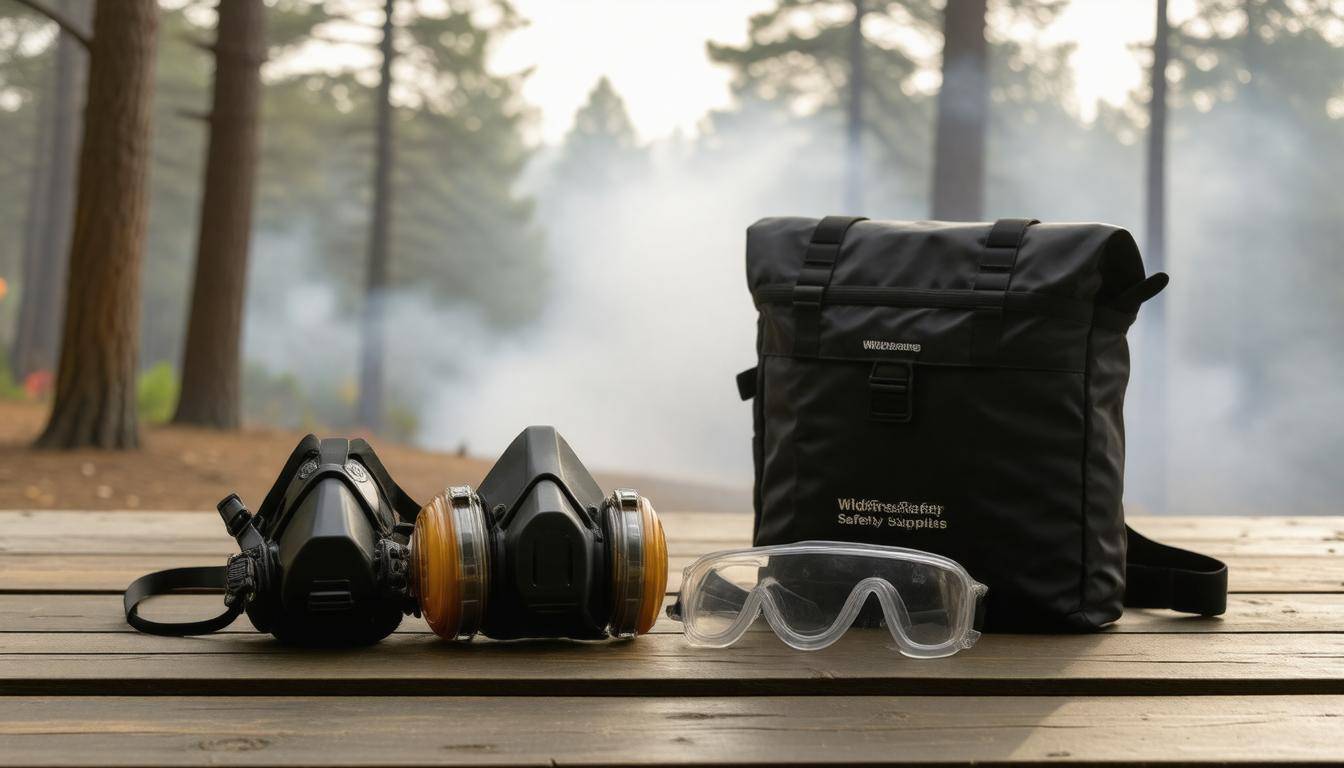
Goggles: Protecting your eyes from smoke irritation and ash is equally important. Goggles create a barrier, preventing dust and particles from causing discomfort or serious eye issues like redness and inflammation.
-
Gloves: Wearing gloves when handling potentially contaminated surfaces protects your skin while providing an additional layer of defense against inhalation during clean-up efforts.
After ensuring personal protection, consider how to fortify your indoor environment against the encroaching smoky air.
Household Tools
To further safeguard your living space, having household tools like duct tape and plastic sheeting available is essential under wildfire conditions. These materials are critical for sealing windows and doors effectively.
Seal any entry points to prevent smoke from seeping inside, creating what’s often referred to as a “clean air room.”
The ideal setup involves targeting areas where smoke could easily infiltrate, essentially blocking it out like a fortress protecting its inhabitants. Many families learned this firsthand during catastrophic events like the Camp Fire, using duct tape and plastic sheeting not only as an emergency measure but as a methodical approach to maintain good air quality indoors.
Additionally, adding an air cleaner certified by the California Air Resources Board (CARB) can significantly lower indoor pollution levels when outdoor air becomes hazardous.
Each element within your kit serves both practical and protective roles—essentially forming a barrier between you and the adverse effects of wildfire smoke. Understanding these essentials allows us to better equip ourselves for potential challenges posed by unpredictable environmental changes.
Health Risks of Wildfire Smoke
Wildfire smoke is a cocktail of harmful pollutants that pose severe health risks. For everyone, especially sensitive groups like children, pregnant women, and the elderly, even brief exposure can lead to significant discomfort and health issues. The sheer complexity of this mixture makes it far more dangerous than many might assume at first glance.
Immediate Effects
According to the CDC, short-term exposure to wildfire smoke can cause eye irritation, coughing, and pronounced respiratory distress. Even those without pre-existing conditions may find themselves affected; many healthy individuals may experience irritating symptoms like scratchy throats or difficulty breathing. Imagine a beautiful day suddenly turned hazy and oppressive due to smoke—making outdoor activities uncomfortable or even painful. For those with asthma or other lung conditions, this exposure can exacerbate symptoms significantly, potentially leading to emergency room visits or hospitalizations.
It’s not just health statistics; behind every number is a real person’s experience.
Long-term Implications
Extended exposure raises even more alarm bells. Studies indicate that prolonged contact with wildfire smoke can increase the risk of serious cardiovascular illnesses—heart attacks and strokes included. Research by the American Heart Association illustrates this troubling connection beautifully, showing a correlation between particulates in smoke and heightened incidence of these events. Moreover, particulate matter (PM2.5) can penetrate deep into the lungs and enter the bloodstream, causing systemic damage over time that could be fatal.
Given these risks, long-term protective measures are essential during wildfire season. Utilizing protective masks marked NIOSH for optimal filtration becomes imperative for anyone venturing outside when air quality deteriorates. Installing high-quality air filters in homes and employing certified air cleaners can create safe havens amidst environmental chaos.
Understanding these health risks equips you with the knowledge to protect yourself effectively as wildfire season unfolds—leading naturally into how to select appropriate protective gear for this purpose.
Choosing Masks and Respirators
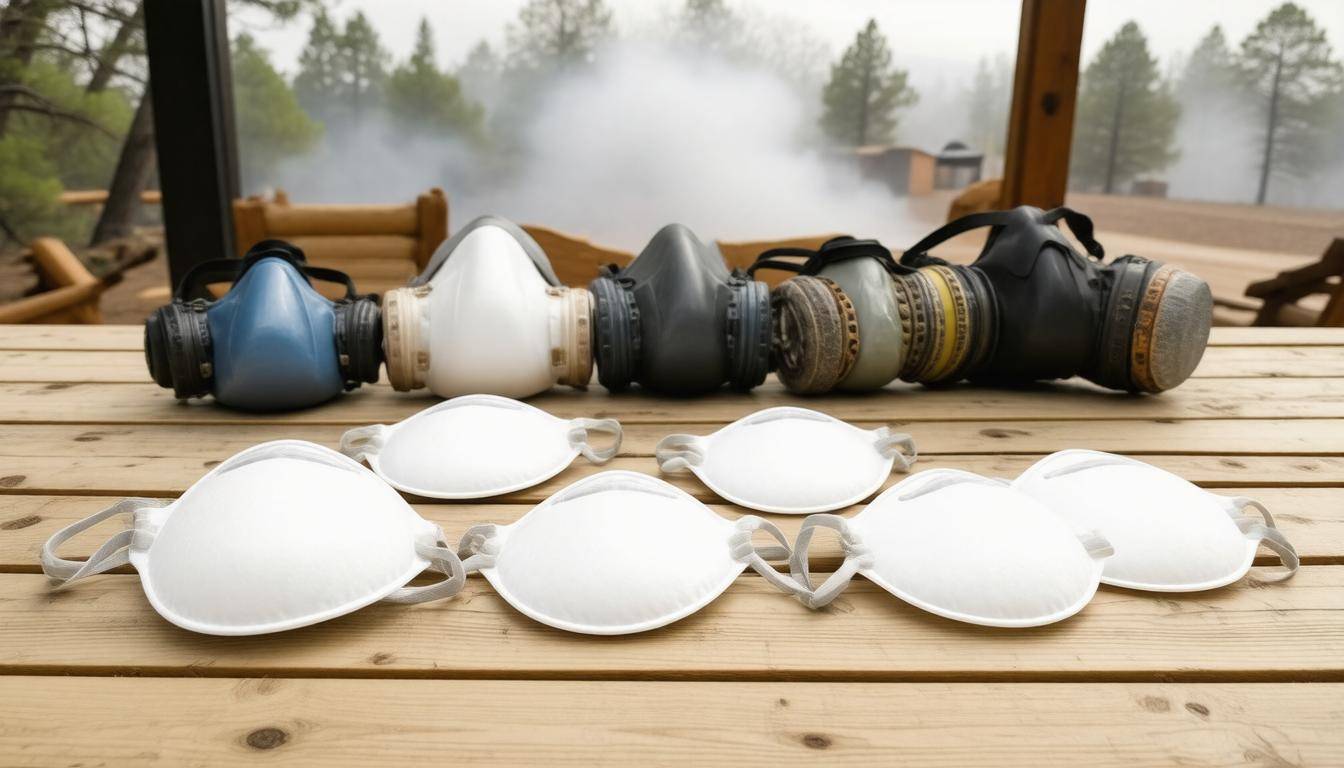
Not all masks can shield you effectively from the dangerous particles in wildfire smoke. It’s essential to pick one that meets your specific needs, especially with the varying levels of air quality problems we see during California’s wildfire season. Two common choices are N95 masks and P100 respirators.
N95 masks are engineered to filter out 95% of airborne particles, including those pesky PM2.5 particles that can penetrate deep into our lungs. On the other hand, P100 respirators provide even more filtration efficiency, capturing at least 99.97% of airborne particles. These high-performance masks are especially recommended for those who are particularly sensitive, such as children, the elderly, pregnant women, and individuals with pre-existing medical conditions.
- N95 Masks: Widely recommended by health organizations like the CDC; they effectively filter common pollutants.
- P100 Respirators: Ideal for people with heightened sensitivity or those in environments with severe pollution. They offer additional layers of protection against smoke inhalation.
Ensuring you have either a reliable N95 mask or a P100 respirator can make a significant difference when heading outdoors during peak smoke conditions.
Once you’ve selected your mask or respirator, fit and comfort play critical roles in achieving its effectiveness. An ill-fitting mask can allow harmful particles to slip through, defeating its purpose altogether. When trying on a mask, aim for a snug fit around your nose and mouth—there should be no gaps that would let air escape when you inhale.
Use adjustable straps to create that perfect seal; some masks also come with foam padding for added comfort, especially important if you plan to wear it for extended periods.
Comfort Considerations
Keep in mind that while a close fit is critical for effective filtration, comfort should not take a backseat. If you find a mask uncomfortable, you might end up taking it off more often than you’d want, exposing yourself again to harmful pollutants. Look for masks that offer adjustable nose bridges and breathable materials—these features can enhance comfort without compromising safety.
While masks are essential, indoor air quality solutions provide additional support mechanisms that complement your overall protection strategy.
Indoor Air Quality Solutions
Indoor air quality solutions are vital for creating a safe retreat from smoke pollution. The smoke from wildfires contains harmful particles that can seep into homes, making it crucial to have effective strategies in place. One of the most efficient ways to combat this is through the use of air purifiers.
Investing in air purifiers equipped with HEPA filters will significantly enhance your indoor environment. These filters are remarkably effective at trapping fine particles, including those pesky PM2.5 particulates that can compromise respiratory health.
To visualize their efficiency, think of a HEPA filter like a finely woven net designed to catch microscopic fish—a simple yet ingenious design that keeps our air clearer and safer.
As you consider adding air purifiers to your home, don’t forget about sealing techniques to further enhance your indoor air quality.
Sealing techniques play an equally important role in minimizing outdoor pollutants entering your living space. Utilizing weather stripping and door sweeps can drastically reduce air leaks around windows and doors.
These relatively simple methods not only thwart unwanted smoke particles but also improve your home’s energy efficiency—keeping heating and cooling costs down as well. It’s essential, however, to regularly check these seals for signs of wear and tear; like any component in your home, they may need replacements over time to ensure effectiveness.
“A well-sealed home acts like a fortress against unwanted external invaders, including harmful smoke.”
With these air quality measures set in place, you’ll be better prepared to face wildfire conditions.
Take note that for optimal effectiveness, ongoing maintenance is key. Regularly clean the pre-filters if available on air purifiers, replace HEPA filters according to the manufacturer’s recommendations, and keep ventilation systems serviced.
Additionally, monitoring the Air Quality Index (AQI) can help you gauge when it’s necessary to increase airtightness within your walls by sealing up any potential gaps or cracks promptly. By taking these steps seriously and implementing them diligently, you create an ambient environment where you and your loved ones can breathe easily—even when the skies are filled with smoke outside.
As we transition to improving the practical usage of these protection kits and strategies, it’s important to explore how best to maximize their benefits for your safety during wildfire events.
Effective Use of Protection Kits
Knowing how to effectively use your wildfire smoke protection kit makes a significant difference when disaster strikes. For instance, think of it like preparing for a snow day or a storm; familiarity with your materials means you won’t fumble around when every second counts. Organizing regular drills with your family is essential. Picture this: it’s a sunny afternoon and you gather everyone together for a practice run. You systematically go through the motions of putting on N95 masks, using duct tape to seal windows, and setting up your DIY air cleaner in a designated room. This is not just an exercise in preparation—it’s also a confidence builder, easing anxiety about emergencies when they occur.
Regular Drills
Conducting family drills can be both informative and fun! Just like fire drills at school, these practice sessions provide an excellent opportunity for everyone to know what to do. Families living in fire-prone regions have successfully implemented such practices, significantly reducing panic during real emergencies. By giving everyone specific roles—who grabs the kit, who seals windows—it ensures that each member knows their responsibilities clearly. It’s empowering for children too; they learn about safety while feeling involved rather than scared.
Accessibility is another crucial aspect of utilizing your protection kit efficiently.
Kit Accessibility
To enhance readiness, ensure that your protection kit is stored in an easily accessible location that’s known to all household members. Whether it’s tucked away in a closet or on a shelf in your garage, having clear visibility will save precious time when smoke begins to fill the air around you. Choose a spot that doesn’t require any serious searching during panic-stricken times. Consider labeling the storage area prominently—placing bright stickers or signs can help it stand out to even the youngest members of the household.
Once you’ve determined the perfect spot for your kit, regularly check to ensure everything is stocked and functioning. If you have children, involve them in this process; making them aware of what items are inside promotes responsibility and awareness.
Using your smoke protection kit isn’t merely about having supplies—it’s creating a cohesive plan of action that fosters teamwork under pressure.
The next step involves taking further measures to limit exposure to outdoor smoke and protect your health and well-being.
Reducing Outdoor Exposure
The first step in safeguarding your health during wildfire season is to stay indoors as much as possible, especially during peak smoke hours. This strategy plays a critical role in reducing your risk of smoke inhalation and related health issues. During particularly smoky days, local air quality advisories will often indicate that everyone should limit outdoor activities. When the Air Quality Index (AQI) reaches levels marked as “Unhealthy for Sensitive Groups” or higher, even healthy individuals can experience uncomfortable respiratory symptoms. So, when you see that the skies are hazy and the air smells like a campfire, it’s a good idea to hunker down indoors.
In addition to staying inside, it’s wise to modify how you ventilate your living space. For instance, using your air conditioning system on recirculate mode can significantly help keep outdoor air from infiltrating your home. By preventing smoky air from entering, you create a cleaner indoor environment where breathing becomes easier. For those without air conditioning, utilizing exhaust fans in kitchens and bathrooms—while closing windows and doors—can help clear out any unwanted stale or smoky air that might persist indoors.
Remember, it’s not just about closing off your home from pollution—it’s about creating a safe refuge for you and your family, especially those who are more vulnerable like children and the elderly.
Once you’ve taken these initial precautions to minimize outdoor exposure, implementing several additional measures can further enhance your protection plan.
Additional Safety Measures
One simple yet effective approach is to invest in air purifiers. Ideally, select HEPA air purifiers with a Clean Air Delivery Rate (CADR) of at least 300; this rating ensures efficient particulate removal from your indoor air. These devices trap larger particles like soot and dust while capturing fine particulate matter that can penetrate deeply into the lungs. Place these purifiers in frequently used rooms where family members spend most of their time.
Furthermore, closely monitor the Air Quality Index (AQI) through local advisories and mobile apps designed for real-time updates on smoke levels. They serve as valuable tools to determine if you should remain indoors or if it’s safe for very short outdoor excursions such as walking the dog early in the morning when smoke remains at its lowest levels. Being informed equips you with the knowledge needed to navigate hazardous conditions safely.
With every action taken—whether staying indoors, adjusting ventilation systems, or installing air purifiers—you become better prepared for wildfire smoke events and proactive in protecting your family’s health.
As we explore various strategies for ensuring safety during wildfire seasons, it’s important to consider even more proactive measures that you can adopt for comprehensive well-being.
Additional Safety Measures
Beyond the common recommendations, there are crucial additional steps every household should consider when preparing for wildfire smoke. One of the most vital preparations is having an evacuation plan in place.
Imagine a situation where conditions change rapidly; knowing your escape route could make all the difference. This involves not just identifying the quickest exit from your home, but also planning alternative routes in case roads become impassable or unsafe. As you gather with your family, rehearse this plan together so that everyone is familiar with it, and feels confident they know where to go—because in emergencies, panic can set in easily.
Evacuation Plan
More than merely creating a plan, practice makes perfect. Make sure each member knows their designated meeting point outside of the home. Discuss transportation options as well—having a full tank of gas prior to any emergency can save you precious time.
Moreover, include pets in those discussions; think about how you’ll manage their needs too.
Do all family members know the quickest route to safety?
Having a comprehensive medication supply is another key safety measure worth considering during these precarious times. You never know when you might have to leave your home for an extended period due to wildfire smoke making conditions unbearable. It’s recommended to keep at least a week’s supply of prescription medications readily available.
Pharmacies may become crowded or even temporarily closed during drastic weather events, leading you to stress over finding essential medicines rather than focusing on your safety.
Medication Supplies
Stocking up doesn’t just apply to medications; consider non-perishable food and bottled water too. Aim for items with long shelf lives that don’t require cooking or refrigeration, which can help sustain your family during outages or evacuations.
Another important step often overlooked involves maintaining updated emergency contacts. Keeping an organized list can be a lifeline during stressful situations. Ensure that this list is centrally located within your home, so anyone can access it quickly if needed.
Moreover, take a few moments to discuss who should be contacted in various scenarios—this way, everyone knows their role if communication becomes chaotic.
Emergency Contacts
It’s wise to have more than just family members listed; include local agencies or services that could provide assistance during emergencies as well. Also consider sharing this information digitally—keeping it saved on devices can make it even more accessible.
Overall, taking these additional precautions helps ensure that both you and your loved ones are ready for whatever challenges come your way during wildfire smoke events.
In times of uncertainty like wildfires, being prepared not only fosters peace of mind but also enhances everyone’s safety and comfort in the face of adversity. By considering these critical steps, you pave the way for a more secure future for you and your loved ones.
What essential items should be included in a California wildfire smoke protection kit?
A California wildfire smoke protection kit should include N95 respirator masks to filter out harmful particles, air purifiers with HEPA filters to clean indoor air, a first aid kit for any smoke-related health issues, non-perishable food and water for emergency supplies, and an emergency radio for updates. According to the California Air Resources Board, particulate matter from wildfires can exceed safe levels by over 500%, highlighting the need for effective personal protective equipment during such events.
How can you monitor air quality levels during wildfire events?
During wildfire events, you can monitor air quality levels by using real-time data from the Air Quality Index (AQI) provided by local environmental agencies and mobile apps such as AirNow or PurpleAir, which track particulate matter (PM2.5) and other pollutants. Research has shown that PM2.5 levels can increase dramatically during wildfires, sometimes exceeding 500 µg/m³ in extreme cases, posing serious health risks. Keeping an eye on these metrics will help you take timely protective measures, such as staying indoors and using air purifiers with HEPA filters.
How can you effectively seal your home from outdoor smoke during a wildfire?
To effectively seal your home from outdoor smoke during a wildfire, ensure all windows and doors are tightly closed and use weather stripping to eliminate any gaps. Use interior fans to create positive pressure, which helps keep smoke out when combined with sealing vents and exhaust fans. According to the EPA, well-sealed homes can reduce indoor particulate matter levels by over 80%, emphasizing the importance of proper sealing techniques during such emergencies.
What steps should you take if you have pre-existing health conditions that may be exacerbated by wildfire smoke?
If you have pre-existing health conditions such as asthma or chronic respiratory issues, it’s crucial to take proactive measures during wildfire smoke events. First, stay indoors and keep windows and doors closed to minimize exposure. Use air purifiers with HEPA filters to enhance indoor air quality, as studies show that proper filtration can reduce particulate matter by up to 90%. Additionally, stock up on necessary medications and consult your healthcare provider for individualized advice. Keep in mind that the CDC reports heightened respiratory distress in individuals with pre-existing conditions during high smoke days, emphasizing the need for preparedness.
What personal protective equipment (PPE) is recommended for dealing with wildfire smoke?
The recommended personal protective equipment (PPE) for dealing with wildfire smoke includes N95 respirators or better, which filter out at least 95% of airborne particles, including smoke and ash. It’s crucial to understand that during wildfire events, the Air Quality Index can often exceed hazardous levels, making proper respiratory protection vital. According to the CDC, simply wearing a cloth mask is insufficient against harmful particulate matter found in wildfire smoke; hence, investing in high-quality PPE is essential for safeguarding your health.