
Hurricanes can be unpredictable and frightening, especially for residents and visitors in places like Cancun. However, being prepared doesn’t have to feel overwhelming. With a bit of planning and the right resources, you can create a safety net that helps protect you and your loved ones when the storm clouds start gathering. It’s not just about having supplies ready—it’s about understanding your risks, knowing what steps to take, and setting up a clear plan for what to do when the winds begin to howl. Let’s dive into how you can ensure you’re ready for the hurricane season ahead.
A Cancun hurricane preparedness checklist should include essential items such as at least one gallon of water per person per day for a minimum of seven days, nonperishable food supplies, a battery-powered or hand-crank radio with NOAA weather alerts, flashlights with extra batteries, a first-aid kit, important documents stored in waterproof containers, and adequate pet supplies if applicable. Additionally, ensure you know local evacuation routes and have an emergency plan in place to stay safe during hurricane season.
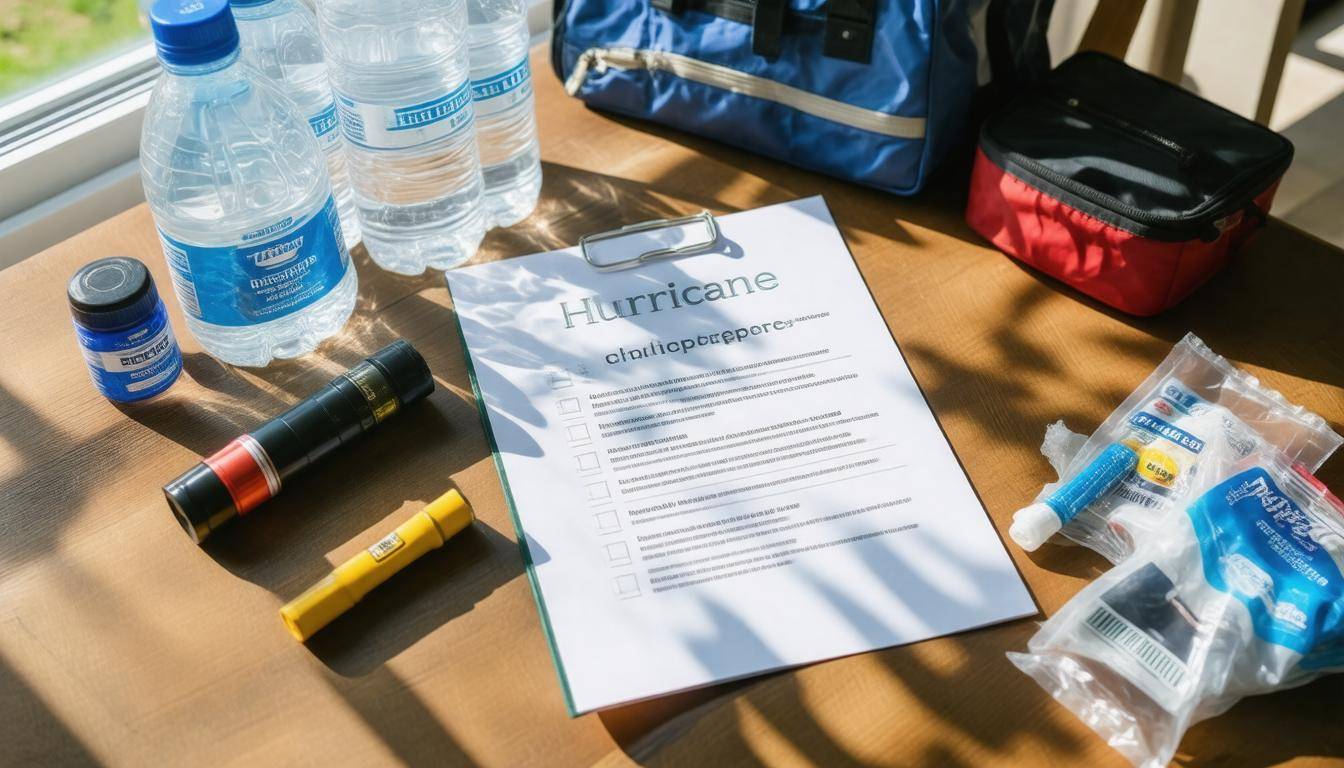
Comprehensive Hurricane Preparation Plan
A solid hurricane preparation plan is your best defense against the unpredictable nature of severe weather. Start by taking steps to understand your risks. Familiarize yourself with the specific threats hurricanes pose to your area—think heavy rainfall that can lead to flooding, powerful winds that can damage structures and debris, and potential power outages that may last for days. By knowing these risks, you can tailor your plan effectively.
Next on the agenda is creating a detailed checklist. A thorough checklist will guide you through essential tasks before, during, and after a hurricane strikes. It should cover everything from securing windows and doors to stocking up on supplies and knowing evacuation routes. Write down every task, no matter how small it seems—it’s easy for stress to cause lapses in memory when emergencies loom.
Remember: A well-organized checklist helps to ensure nothing slips through the cracks.
After you’ve mapped out your risks and created your checklist, it’s time to stockpile essentials early. Procrastination is not your friend here; last-minute runs for supplies can lead to panic and empty store shelves. Aim to have at least a week’s worth of necessities, including water (1 gallon per person per day), resilient non-perishable food items, medications, first aid supplies, and hygiene products.
Engage your family in this process—let them help select some favorite snacks or useful items. Having their input not only boosts morale but also makes everyone feel involved in the preparations.
Finally, conduct routine drills with your family. These drills are not just for practice; they foster familiarity with your safety procedures and evacuation routes. There’s comfort in confidence, and having practiced what to do will ease anxiety during an actual emergency.
As you complete these foundational steps in your hurricane preparedness plan, it becomes increasingly important to remain informed about local conditions and develop a communication strategy for staying connected with loved ones during emergencies. This proactive approach sets the stage for a more comprehensive safety framework moving forward.
Crafting Your Family Safety Strategy
Each family’s situation is unique, which is why developing a customized safety plan is not just beneficial—it’s essential. Begin by taking stock of who lives in your home and how their different needs can influence your preparations.
Do you have elderly relatives who may require additional assistance? Are there small children whose fears must be addressed? Or perhaps pets that need special care during emergencies? All these factors play a vital role in shaping an effective emergency strategy.
Customizing Safety Measures
For instance, if you have infants or toddlers, you’ll want to stock up on necessities like diapers and baby formula. If you have family members who rely on medications, ensure there’s a sufficient supply set aside. Engaging the whole family in discussions about these preparations can help everyone understand their roles and responsibilities while simultaneously easing any anxiety about potential storms.
Furthermore, it’s wise to designate a safe room within your home as a retreat during extreme weather events. Ideally, this should be an interior room without windows—such as a bathroom or closet—that offers more protection from wind and debris. Equip this space with essentials like blankets, pillows, and perhaps even books or games to keep spirits high during power outages or extended periods of confinement.
Another critical component is creating a comprehensive list of emergency contacts. This should include local authorities, medical facilities, and nearby family members, ensuring that every household member knows whom to call or contact during a crisis. It’s also helpful to explain the importance of each number so everyone understands how and when to use them effectively.
As you finalize your family’s safety strategy, it’s important to focus on gathering the necessary supplies that will support it, ensuring preparedness in the face of potential disaster.
Essential Items for Your Supplies Kit
When it comes to enduring a hurricane, an effective supplies kit meets all of your basic needs. Each category should cover hydration, nutrition, health, and communication—a well-rounded approach to ensure comfort while facing harsh conditions. Think of it like preparing for a camping trip, but with your home at stake: you want everything you’d need to feel safe and secure.
Hydration
Hydration is paramount; after all, you can’t survive without water. According to experts, having at least one gallon of water per person per day for a minimum of seven days is crucial. This amount provides not only for drinking but also for cooking and sanitation purposes. Remember, if it’s hot and you’re active—like carrying items around or dealing with storm debris—you may need even more.
Non-Perishable Food
Next in line is non-perishable food, which can include canned goods, energy bars, and dried fruits. You want items that require minimal preparation—just like on long car trips when snacks keep morale up! Involving family members in selecting their favorite foods can enhance comfort during stressful times.
Medical Supplies
In terms of medical supplies, it’s wise to invest in a comprehensive first-aid kit featuring bandages, antiseptics, and any personal medications your family might require. Regularly checking expiration dates is essential since some medications and supplies can degrade over time.
Imagine having a minor scrape during an intense situation and realizing you don’t have what you need—it can seriously impact your ability to react properly.
Hygiene and Sanitation
Hygiene cannot be overlooked either; wet wipes, hand sanitizer, and trash bags form the backbone of hygiene and sanitation supplies. These items help maintain cleanliness in temporary living conditions if utilities are compromised, lending a sense of normalcy amidst chaos.
| Item | Recommended Quantity |
|---|---|
| Water | 1 gallon per person per day |
| Non-perishable food | At least seven-day supply |
| Flashlight | 1 per person + extra batteries |
| First Aid Kit | 1 per family |
| Sanitation supplies | As needed |
With these essential items secured within your supplies kit, you’ll be better prepared to face challenges that arise during extreme weather events, ensuring safety and security as you navigate the important steps ahead.
Secure Your Home and Property
When a hurricane approaches, the security of your home becomes paramount. Taking preemptive measures ensures not only the safety of your family but also protects your valuables from harsh winds and torrential rain. Start by reinforcing windows and doors, an essential step in preventing wind and water intrusion. You can achieve this by installing storm shutters or using plywood to cover any vulnerable areas.
I recall a friend who neglected this suggestion; after a storm, they were left with significant flooding just because one window hadn’t been adequately secured. Avoiding that kind of regret means being diligent in these preparations.
Home Protection Steps
Next on your agenda should be trimming trees and bushes near your property. Overhanging branches are prone to snapping in high winds, which can cause severe damage to both your home and parked vehicles. By clearing weak or dead branches ahead of time, you minimize the risk of dangerous projectiles crashing into your home during the storm. It’s a small task that can lead to significant peace of mind once the storm rolls in.
Additionally, you must inspect the roof for any loose or missing shingles. These seemingly minor details can create big problems when strong winds arrive. A little prep work can save you from leaks or even structural damage to your home. If necessary, consider hiring a professional to reinforce key areas of concern, ensuring everything is up to par before facing heavy wind conditions.
An often-overlooked precaution is the installation of a sump pump if you’re in an area susceptible to flooding. This device can drain excess water away from your foundations during heavy rainfall, safeguarding your home from unexpected inundation. It’s worth investing in this tool long before the actual storm hits; having it installed could mean the difference between minor water seepage and extensive damage.
After securing your home, it’s important to shift focus towards developing effective strategies for riding out the impending storm and ensuring everyone remains safe during severe weather conditions.
Procedures for Storm Preparation
Preparing for a hurricane in Cancun starts long before the winds pick up speed. The key is to think ahead and take proactive steps to ensure your home—and importantly, your loved ones—are ready for whatever may come. With a consistent focus on preparation, you build resilience against the unpredictable nature of severe weather.
Start by gathering essential supplies that will sustain you and your family during a storm. It’s suggested to have at least one gallon of water per person each day, ideally enough to last for seven days. This ensures you have adequate hydration, which is especially important if power outages disrupt utilities. Remember, kids can participate in collecting their favorite snacks and foods; this not only builds morale but also encourages them to be active participants in the safety process.
“The importance of being prepared can never be overstated,” said one seasoned resident who has navigated through multiple hurricane seasons. “It’s like giving yourself permission to feel safe.”
Now that you’ve got your supplies lined up, let’s talk about keeping informed with a dependable communication plan. Having a battery-powered radio or hand-crank radio with NOAA Weather alerts isn’t just recommended; it’s essential. This allows you to track updates and warnings without relying solely on the internet or mobile phone networks that could go down during a storm. Besides the basic necessities, having extra batteries is critical for these devices so you remain informed throughout the event.
- Have a flashlight ready: Make sure you check its functionality beforehand.
- Stock first aid kits: Don’t forget personal medications; it can be easy to overlook these when packing.
- Keep cash accessible: ATMs often fail during emergencies due to power outages.
One of the biggest issues arises during storms when people need to seek shelter. Hence, identifying local evacuation routes in advance is paramount. Familiarize yourself with where nearby shelters are located and understand how to navigate to them quickly. Have a family communication plan established because during this time, it’s easy for nerves to kick in and chaos can easily unfold. Assign roles within your family so that everyone knows their responsibilities—this will ease tension and provide clarity amid potential confusion.
As the storm begins to approach, start taking visible precautions around your home, such as securing windows with storm shutters or plywood, ensuring that outdoor furniture is brought indoors or securely tied down. These steps not only protect your property but also minimize debris that could become hazardous during high winds.
“Preparation is like a safety blanket; it doesn’t dispel fears entirely but certainly softens their impact,” another local expressed insightfully after experiencing firsthand the impact of poor planning during previous hurricanes.
As you wrap up these crucial preparations, remember that flexibility and adaptability will be vital as conditions evolve, paving the way for further discussions on creating effective emergency plans tailored specifically to your circumstances.
Develop a Clear Evacuation Plan
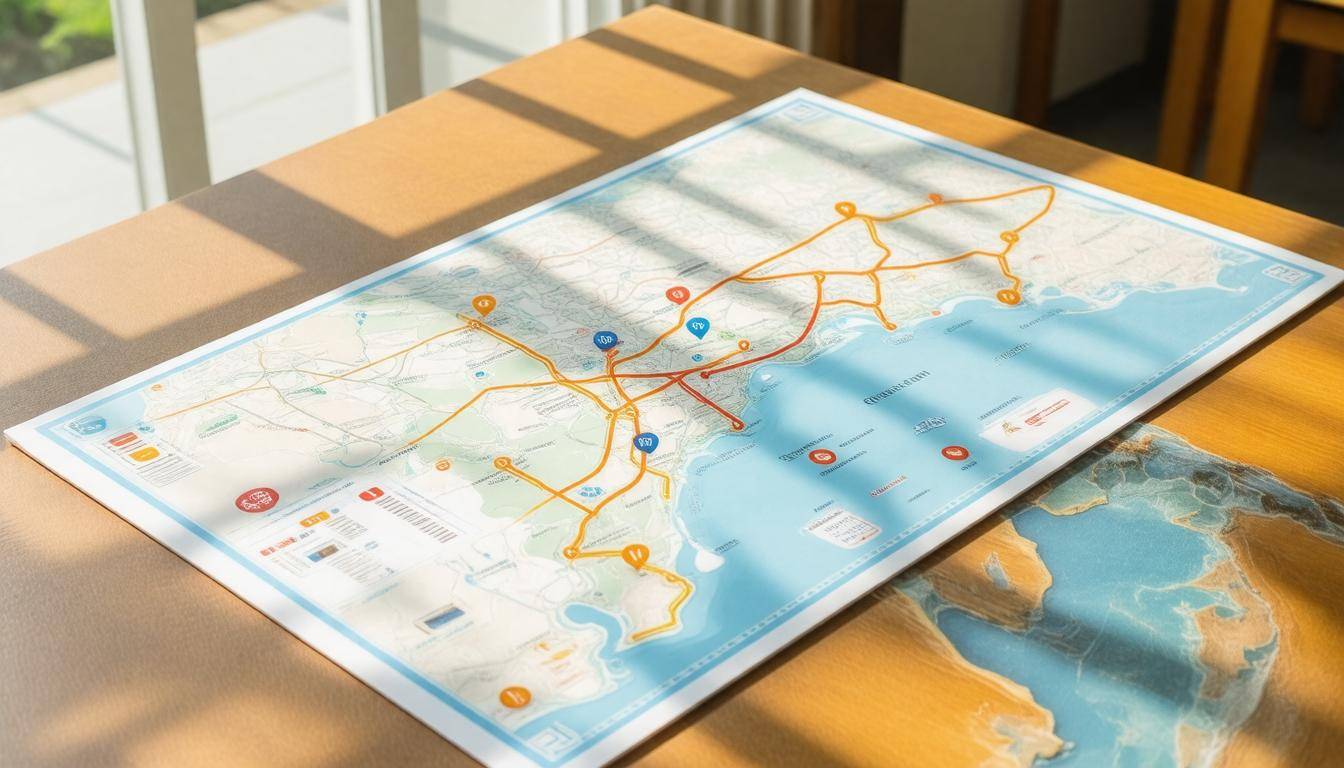
The essence of an effective evacuation plan lies in its simplicity and clarity. Begin by identifying local shelters that are designated as safe havens during hurricanes. Familiarize yourself with their locations, operating hours, and the types of accommodations they offer. Remember, during a crisis, the last thing you want is to scramble for information amid chaos; knowing where you can find refuge ahead of time is invaluable.
Next, transportation plays a pivotal role in your evacuation strategy. Make sure your vehicle is not only fueled up but also road-ready. This means checking tire pressure, fluid levels, and ensuring that emergency kits are stocked with essentials like water, first-aid supplies, and snacks. If you’re relying on public transport, familiarize yourself with local schedules and routes as these may change during emergencies. Keep in mind that traffic tends to get congested quickly; departing early can make a world of difference.
As part of this planning process, assembling a go-bag is crucial. This bag should contain all necessary items like clothing, identification documents, cash (small denominations are recommended), and medications—anything you may need immediately upon reaching safety. Think of it as your personal emergency kit that you can grab in one swift motion as you exit your home.
Have you ever coordinated such plans with loved ones? It’s equally important to communicate your intended route and destination with family members or close friends so that everyone is aware of where you’ll be heading. Establishing a meeting point outside the immediate danger zone might help if anyone gets separated during the chaos.
Maintaining contact is another aspect not to overlook. As hurricanes approach, maintaining communication may become challenging due to service disruptions. Enlist alternative methods such as social media or messaging apps, which can function better than traditional phone calls in high-demand situations.
With a comprehensive evacuation plan laid out, it’s essential to ensure that all critical documents are secure and easy to access when the time comes to leave. This will contribute significantly to your overall preparedness.
Important Documents and Communication Plans
During a hurricane, access to crucial documents becomes not just practical but essential. If an evacuation is necessary, scrambling to find birth certificates, insurance papers, or medical records can create unnecessary panic. To prevent this stress, store all vital documents in a waterproof container, such as a large plastic tote with a tight seal or designated waterproof bags. This step is particularly important in Cancun, where flooding can occur during storms, leading to irreparable damage to paper items.
When organizing your documents, consider making digital copies that you can store securely in the cloud. Having these backups ensures that if physical items are lost, you still have access to essential information like identification, insurance details, and medical prescriptions. Moreover, share access to these files with trusted family members or friends outside the storm zone for added security.
In tandem with document protection, establishing a solid communication strategy is vital for coordinating with family members during and after the storm. Using text messaging rather than voice calls is advisable due to frequent network congestion caused by high volume during emergencies. Texts are lighter data packets and often go through when calls do not; this small difference could keep everyone updated on each other’s safety status.
A proactive approach includes designating someone outside the area—a friend or relative—as your primary point of contact. In chaotic times, this person can relay information between family members and anyone concerned about your well-being. This system simplifies communication while alleviating some of the pressure.
It’s also wise to establish specific contact points—like home phones or alternative cell numbers—that everyone knows to use in case one method fails. Regularly practice this plan so that—even in the midst of chaos—each family member understands their role.
Finally, ensuring you have extra chargers for your devices and backup batteries secured gives you peace of mind that your communication lines remain open when they’re needed most. Preparing now means you will be ready when the unexpected happens.
By prioritizing both documentation preparedness and systematic communication strategies, you can effectively navigate the challenges posed by a hurricane and maintain connection during critical moments. As we proceed, let’s explore how to keep yourself informed and vigilant throughout such emergencies.
Stay Informed and Alert
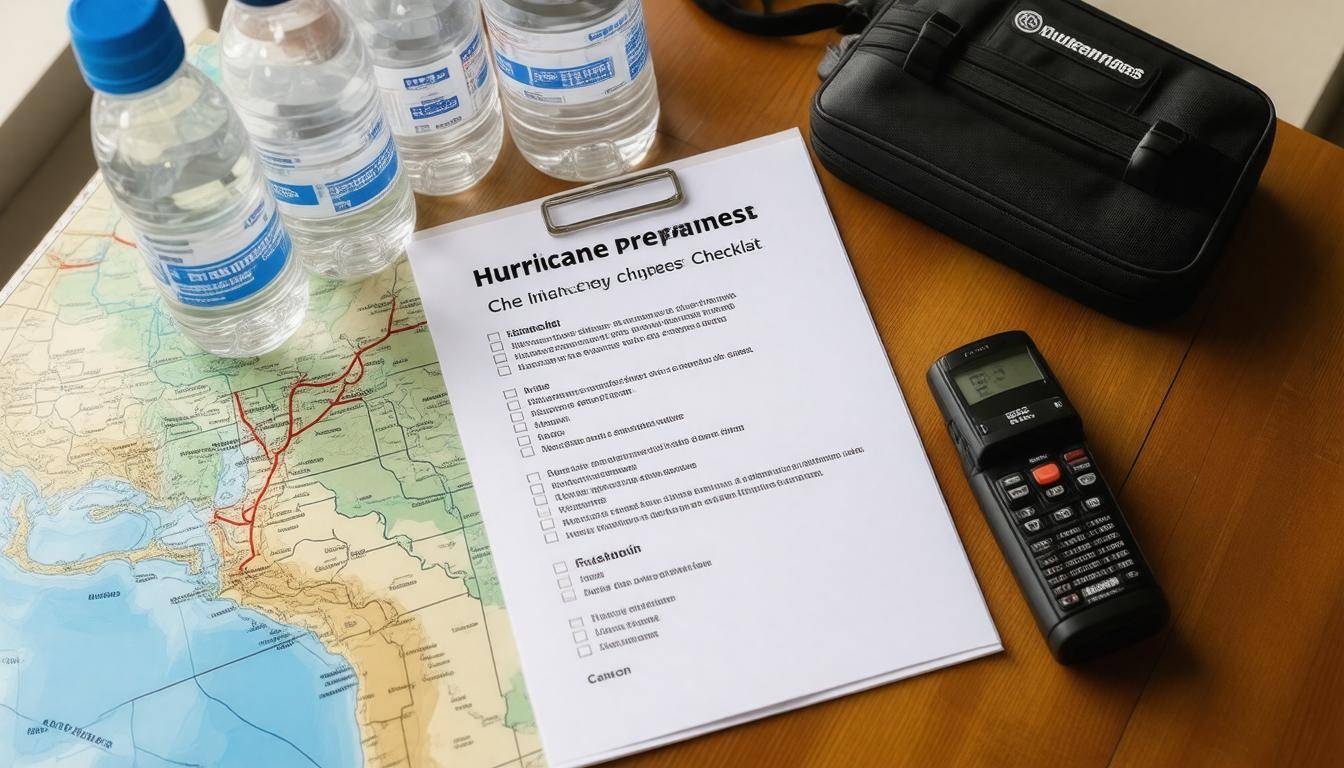
Staying aware of changing weather patterns and danger signals can make the difference between safety and peril when a hurricane approaches. The first line of defense in this regard is monitoring weather updates consistently. Whether you’re lounging at home or out exploring Cancun’s stunning beaches, it’s essential to have access to timely information. Having a NOAA Weather Radio is invaluable, as these devices continue to provide vital updates even if other communication channels fail due to power outages or weakened infrastructure.
Monitoring Weather Updates
Have at least one portable NOAA Weather Radio within your reach. These radios are designed specifically for emergency situations and can keep you updated with real-time alerts on impending storms. Reliable weather apps like AccuWeather or The Weather Channel can also be beneficial. They deliver live tracking and tailor alerts based on your exact location—this means you’re more likely to receive urgent warnings tailored to your immediate area.
But don’t overlook the importance of having community-based alerts that keep you connected to local emergencies.
Community Alerts
Subscribing to local emergency services ensures you’re promptly notified about critical alerts such as evacuation orders or road closures. Many municipalities, including Cancun’s local government, utilize SMS text messaging and social media platforms to disseminate urgent information swiftly. Make a habit of following official accounts on social media; this way, you’ll receive updates directly from local emergency management agencies.
Keeping your family safe requires an active approach, so consider discussing communication strategies within your household. Talk about who will check for updates when a hurricane warning is issued, and set up a central meeting place if evacuations become necessary. Developing these proactive strategies not only prepares you physically but mentally as well.
By embedding these habits into your routine before the season even starts, you create a reliable preparedness plan that simplifies decisions during stressful times.
Combining weather technology with community resources provides a comprehensive safety net that enhances your awareness and readiness for the unpredictable nature of hurricanes in Cancun.