
Cape Town is a beautiful city surrounded by stunning landscapes, but it’s also a place where wildfires and drought can threaten our homes and safety. As the climate continues to change, these risks have become more serious—so knowing how to protect yourself and your property is more important than ever. In this article, we’ll explore what you need to prepare for emergencies like wildfires and droughts, including essential safety equipment and practical strategies for staying safe. Let’s get ready to face these challenges head-on together!
The Cape Town Wildfire & Drought Protection Kit typically includes essential tools and supplies such as fire-resistant tarps, emergency water containers, first aid kits, and recommendations for creating defensible space around properties. This kit is designed to help residents prepare for and respond to wildfire threats while also addressing water conservation measures during drought conditions.

Overview of Cape Town Wildfire & Drought Risks
Cape Town’s unique geography and climate create a perfect storm for wildfires. The combination of hot, dry summers and strong winds amplifies any potential fire hazard. Forested areas, particularly those around Table Mountain, are especially vulnerable; it’s not uncommon for flames to spread rapidly through dense vegetation. These wildfires can be devastating, as evidenced by the 2020 wildfire season, in which over 10,000 hectares of land were consumed. The rapid spread often catches residents off-guard; flames can leap from tree to tree in mere moments.
The interplay of climate change and human activity exacerbates this situation. Areas that might have been resilient in the past now succumb to these increasingly severe fires. As urban development creeps into once-rural spaces, the risk increases further.
On the flip side, the issue of water scarcity paints a stark picture for residents. Cape Town largely relies on rainfall to replenish its reservoirs; however, prolonged dry spells and climate variability have made this task challenging. The “Day Zero” crisis of 2018 serves as a grim reminder of how precariously close the city came to running out of water entirely. During this event, officials projected that municipal water supplies could be shut off within days due to dwindling reservoir levels.
In recent years, Cape Town has experienced below-average rainfall—a pattern likely to continue as climate conditions evolve. The annual average rainfall has dropped noticeably, putting immense strain on water resources and compelling authorities to rethink sustainable management strategies.
Collectively, these challenges highlight urgent needs for proactive measures among residents. Understanding the risks associated with both wildfires and drought is key to developing effective emergency protocols. Developing an informed action plan not only safeguards your home but also ensures you’re prepared for unpredictable weather patterns.
In light of these pressing challenges, being equipped with a robust set of safety tools becomes essential for navigating the tumultuous environment of Cape Town.
Essential Fire Prevention Tools
One of the simplest yet effective steps you can take to protect your home from wildfires is investing in essential fire prevention equipment. The right tools can be the difference between successfully containing a small fire and facing a larger catastrophe. It starts with fire extinguishers, which should be strategically placed around your home. Having multiple extinguishers is vital, particularly those classified as Class A for ordinary combustibles like wood and paper, and Class B for flammable liquids such as gasoline or oil. By having them within reach, you prepare yourself for quick action during those critical moments when a flame unexpectedly breaks out.
Next up are fire blankets; think of them as your first line of defense against small fires that might erupt while cooking or working in other areas of your home. These blankets are designed to smother flames quickly, providing instant support when every second counts. Not only do they help to extinguish small fires, but they can also serve as protective shields if you need to escape a flame-filled area.
Regular maintenance of important equipment can save lives and property. For example, installing smoke detectors on every level of your home cannot be overstated. These devices provide early warnings, giving everyone inside ample time to evacuate safely. To maximize their effectiveness, make sure to test them monthly and replace the batteries at least once a year.
Another essential piece is the garden hose. A long hose with a spray nozzle is invaluable for dousing embers or flames in nearby vegetation before they spread uncontrollably. Always have it in a place that’s easily accessible, ideally connected to a water supply so you’re ready whenever you may need it most.
And let’s not forget tools that help clear the area surrounding your property—like a metal rake. Regularly using this tool allows you to remove any flammable debris before fire season hits and keeps your landscape less inviting to wildfires.
Reflecting on experiences during previous wildfire events, communities that were prepared significantly fared better. During the 2015 Somerset West wildfire, homeowners equipped with these basic fire prevention tools had greater success in protecting their properties compared to those who lacked proper resources.
Now that we’ve navigated through fire prevention tools, it’s crucial to consider how managing water resources during drought periods plays an equally significant role in overall safety strategies against wildfires.
Crucial Water Management Items
In the face of a drought, having reliable water management tools isn’t merely convenient; it’s essential for survival and sustainability. By equipping yourself with the right items, you can maximize the utility of available water and safeguard your well-being. Each tool plays a unique role in ensuring that you’re prepared for times when water is scarce.
Key Water Management Items
| Item | Purpose |
|---|---|
| Water Storage Tanks | Store large quantities of water safely without contamination |
| Water Purification Tablets | Ensure stored water remains clean and safe for drinking |
| Rainwater Harvesting System | Collect rain from roofs and channels it for later use |
| Greywater Recycling Unit | Reuse water from sinks or showers for irrigation and other non-potable purposes |
| Low-Flow Fixtures | Minimize water consumption in various settings like kitchens |
Each item listed has its own benefits when managing limited resources effectively. For instance, water storage tanks allow you to stockpile essential supplies when rain is plentiful so that you have access to this resource throughout drier months. Using durable materials ensures that these tanks resist leaks and contamination.
On the other hand, water purification tablets are an absolute game changer if you’re storing larger amounts of water at home. Often, you may think stored water can last indefinitely, but over time it may harbor bacteria if not treated properly. These tablets work wonders by neutralizing harmful substances, allowing for peace of mind that any water stored remains fit for consumption.
In contrast, a rainwater harvesting system takes advantage of nature’s bounty by directing rainfall off your roof into barrels or cisterns. The ability to collect rain not only reduces dependence on municipal sources but also promotes environmental responsibility.
Moreover, integrating a greywater recycling unit into your home can significantly reduce freshwater usage by repurposing water waste from activities such as showering or cleaning dishes. This dual-purpose system minimizes both drought impact and utility bills while preserving precious resources.
Finally, consider installing low-flow fixtures. These practical components fit seamlessly into your existing plumbing and can dramatically decrease water usage without compromising performance. Reducing flow rates helps in conserving water across multiple household functions—be it through faucets, showers, or toilets.
Implementing these essential items will make a profound difference in how you manage limited water resources while also contributing to proactive safety measures during periods of drought. As we look further into the topic, next we will explore additional proactive approaches to enhance safety and preparedness.
Effective Safety Measures
Implementing effective safety measures is akin to constructing a fortress around your home; it offers unparalleled protection against the destructive forces of wildfires and droughts. One fundamental approach is creating a defensible space. Imagine a clear buffer zone encircling your property, free from any flammable vegetation or debris. This “defensible space,” which should extend at least 30 feet outward, acts as a shield against flames that might otherwise reach your home. Regularly trimming back trees, clearing away dried leaves, and removing low-hanging branches are practical ways to ensure that this critical area remains effective.
But it’s not just the space around your home that’s important; strengthening the structure itself is equally crucial. Upgrading your home’s materials can significantly increase its resistance to fire. Switching to metal roofing instead of wood can make a world of difference, significantly improving fire-resistance while also enhancing durability. Just as importantly, consider installing non-combustible shutters on your windows. These small adjustments may seem simple but can dramatically lower the risk of ignition from embers during a wildfire event.
In addition to physical modifications, it’s vital to integrate these safety measures into a broader plan for emergency preparedness.
Crafting an Emergency Plan
A comprehensive emergency plan ties all these elements together. Start by identifying escape routes and establishing meeting points for your family in case you’re separated. Be sure everyone knows what to do if a wildfire threatens your community—this could be the difference between chaos and order in a time of crisis. Practice these drills regularly; familiarity breeds confidence. Checking in with neighbors can foster community spirit, allowing you to coordinate efforts and look after one another during emergencies.
Moreover, creating an inventory of essential supplies like medications, food, and water is an integral part of the plan that shouldn’t be overlooked. Keeping a “go-bag” ready for each member of the household ensures that when time is of the essence, you won’t waste valuable minutes scrambling to gather necessities.
Taking these proactive steps will significantly enhance safety for yourself, your loved ones, and your property as we prepare for potential dangers.
Crafting an Emergency Plan
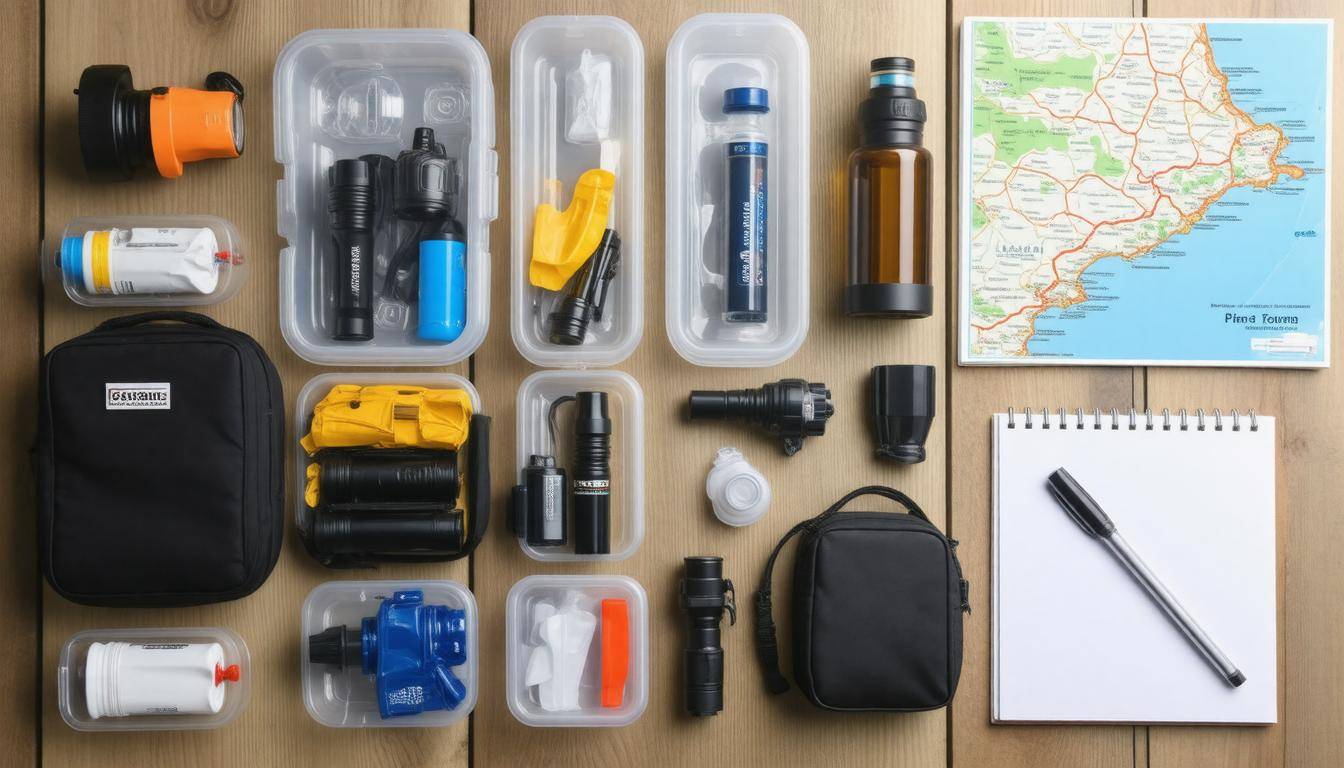
When crafting an effective emergency plan, it’s crucial to consider how to maintain communication and preparedness throughout the process. An emergency can strike at any time, making clarity in your plan essential. Every household should establish procedures that everyone can understand and follow.
Step-by-Step Guide
1. Create a Communication Plan: Begin by ensuring that all family members are aware of how to stay connected during an emergency. Designate a single point of contact outside your immediate area — perhaps a relative or close friend — who can relay information if communication gets disrupted. In today’s digital age, using a group chat is an efficient way for quick updates, keeping everyone informed in real time.
2. Assemble a Go-Bag: Think of this as your lifeline in critical moments. Include essential items such as identification, medications, cash, and food supplies that wouldn’t spoil quickly. Don’t forget important documents like health records and insurance papers, as they can be invaluable when seeking aid in times of need. A checklist can ensure nothing vital is overlooked while packing.
3. Map Your Safe Zones: In addition to establishing evacuation routes, identifying local shelters and community centers can be lifesaving. Create a list and keep it handy within your home. Knowledge of these safe places not only provides reassurance but also allows for quicker decision-making should disaster arise.
4. Conduct Drills: It may feel a bit awkward at first, but regularly practicing your emergency plan is key. Whether it’s simulating an evacuation or rehearsing how you would communicate during an incident, these drills help reinforce the steps involved. Residents who’ve engaged in similar practice sessions often report feeling more confident and better prepared when faced with real emergencies.
Residents who regularly conduct drills typically find themselves breathing easier during actual emergencies; instinct kicks in when practice meets reality.
By taking these strategic actions now, you are equipping your family with the knowledge and skills to respond effectively to unforeseen challenges while reinforcing the importance of being prepared in every aspect of safety equipment.
Building Temporary Shelters
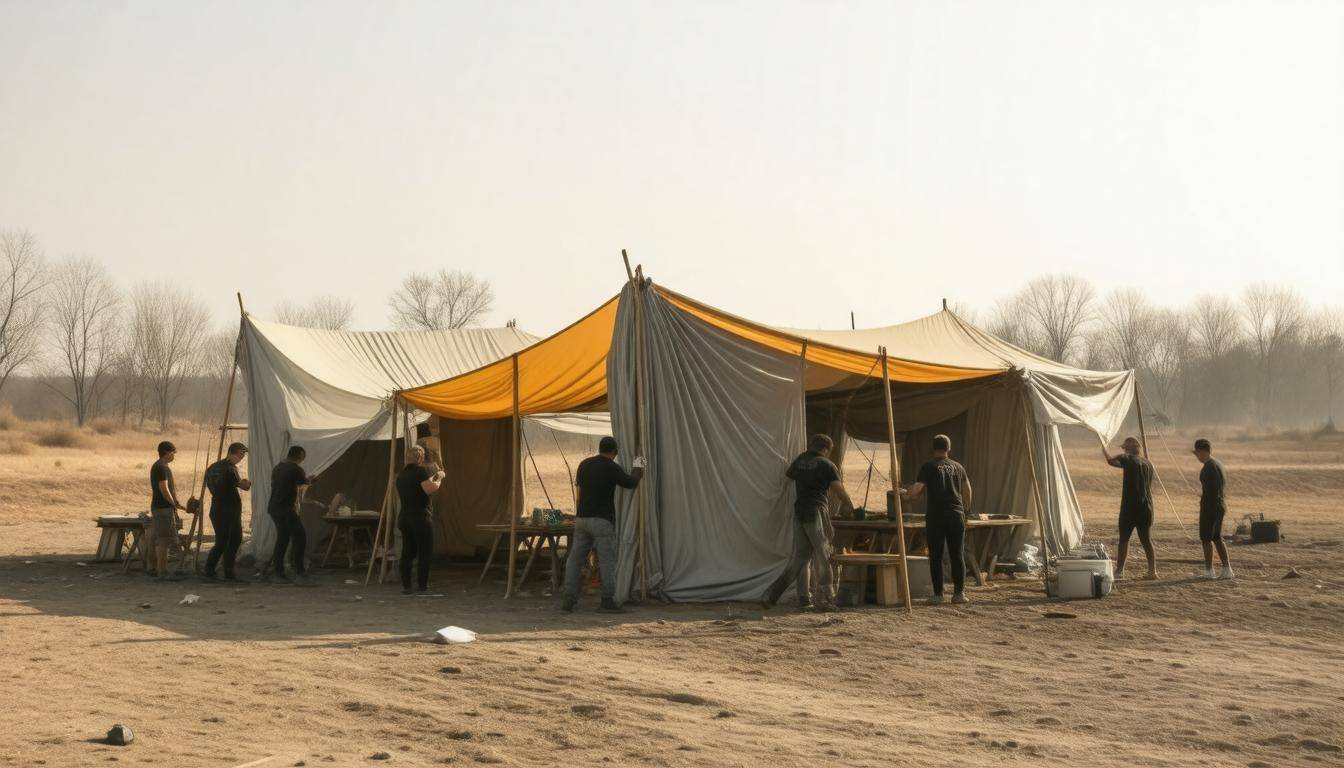
In an emergency when you need to evacuate, knowing how to build a shelter quickly can be a lifesaver. A temporary shelter serves not just as protection from the elements, but also offers a sense of safety and security during uncertain times. The key here is efficiency; you want to create something functional without using excessive time or resources.
Basic Materials and Steps
1. Tarp and Rope: One of the most versatile materials for crafting a quick shelter is a heavy-duty tarp coupled with sturdy ropes. This combination is lightweight and easily transportable while offering excellent coverage from rain and wind. Keeping these items handy in your emergency kit can transform an uncomfortable night into something manageable when you’re caught off guard by nature.
2. Tent Configuration: To utilize your tarp effectively, think of it as a lean-to shelter. You can tie one end of the tarp to a tree branch or any sturdy vertical object while securing the other end close to the ground with stakes or rocks. This angled structure allows rainwater to run off instead of pooling inside, ensuring that you stay dry.
Remember: If you’re using rope, always test its durability before relying on it for support.
3. Insulation: Staying warm in cooler temperatures becomes crucial at nighttime or during harsh weather. Use natural insulation materials like leaves, pine needles, or grasses to fill gaps at the base of your shelter and even along the ceiling if possible. This adds thermal protection and provides comfort against cold winds.
In my experience, those who take extra time to gather insulation significantly improve their overnight comfort in emergency shelters.
Many rural residents have successfully used these methods for overnight stays during evacuations, proving that with minimal supplies and some knowledge, one can create an effective refuge in nature.
Once your shelter is secure, focusing on additional preparedness tactics will ensure you’re well-equipped to face future emergencies with assurance.
Practicing Your Preparedness Strategy
Regularly practicing your preparedness strategy can make all the difference during a real emergency. If you think about it, just like athletes must train and hone their skills, so must we train ourselves for potential emergencies. This is where monthly drills come into play—an essential part of staying prepared for wildfire situations.
Monthly Drills
Conducting monthly drills is vital to acclimating yourself and your family to the various scenarios you might face during a wildfire or emergency event. Not only should you practice evacuation routes, but it’s also valuable to simulate situations such as water rationing and reviewing fire prevention techniques.
Imagine the peace of mind you’ll have when everyone in your household knows their role and responsibilities. By creating this muscle memory through drills, it enables quick actions during high-stress situations.
Research has shown that neighbors in fire-prone areas who performed regular fire evacuation drills were able to evacuate more quickly and safely than their counterparts who did not practice. The anxiety and confusion that can arise during an actual crisis often leads people to hesitate or make mistakes. However, every drill helps to reduce that uncertainty, allowing families to act swiftly and efficiently when it truly matters.
When you organize these drills, consider including the following key elements:
-
Evacuation Routes: Identify the safest paths away from your home towards designated safe zones.
-
Communication Methods: Establish how you will communicate with family and neighbors during an emergency; this may involve whistles, texting codes, or specific sounds.
-
Resource Handling: Practice gathering essentials such as your safety equipment kit, food stockpiles, and water supplies swiftly.
While these drills are essential, obtaining updated information about emergency protocols and local resources is equally important. Keeping abreast of the latest news can significantly enhance your readiness in times of crisis.
Staying Updated and Informed
Staying in the loop regarding potential threats isn’t just important—it’s essential to ensuring your family’s safety. When you’re aware of the latest information, you can take timely actions that can make a significant difference. Imagine having the tools and knowledge to respond swiftly when warnings are issued; this could mean the difference between safety and danger.
By implementing a solid strategy for staying updated, you empower yourself to protect what matters most.
Information Sources
1. Local News Outlets: Your television, radio, or online news sources should become part of your daily routine, particularly during fire season. Tune in regularly or set up notifications on your apps to receive real-time updates about fire outbreaks or drought conditions. Whether it’s through local channels or reliable news websites, these outlets provide timely alerts that can help you make quick decisions.
2. Government Alerts: Participating in government emergency alert systems is another step you can’t afford to overlook. These services often send messages directly to your mobile device, offering immediate notifications related to severe weather warnings, evacuations, or other essential updates from local authorities. Just a few clicks can keep you connected with critical public safety announcements right when they matter.
3. Community Groups: Engaging with local community groups focused on safety can also be beneficial. Social media platforms often host groups that share valuable information concerning hazards specific to your area. These connections allow residents to communicate effectively about threats, evacuation plans, and community gatherings for support during crises. Being part of such networks not only keeps you informed but fosters a sense of solidarity among neighbors.
Research has shown that engaged communities are often better prepared for emergencies, leading to quicker responses and safer evacuations.
An excellent example was evident during the devastating wildfires in 2020 when residents who actively monitored several communication methods were usually among the first to evacuate safely compared to those who remained detached from available information. This illustrates not just the effectiveness of staying informed but also emphasizes the potential life-saving impact it can have.
By being proactive about gathering information from these varied sources, you create a safety net that ensures you’re ready no matter what challenges arise as Cape Town faces wildfire and drought risks ahead.
In summary, staying updated through reliable sources not only enhances your preparedness but also strengthens community ties in times of crisis. This collective vigilance is key to navigating emergencies effectively.