
When hitting the road, it’s easy to overlook the “what ifs” of car emergencies. But think for a second: have you ever found yourself stuck with a flat tire or running out of gas in the middle of nowhere? It can be more than just annoying; it can get pretty scary. That’s why having a car emergency kit isn’t just a smart idea—it’s essential. You may never need it, but a well-prepared kit offers peace of mind knowing that you can handle whatever bumps come your way on the road. So, let’s dive into everything you need to create a reliable car emergency kit that will keep you safe and secure no matter what surprises lie ahead.
A well-equipped car emergency kit should include items such as a first aid kit, flashlight with extra batteries, water, non-perishable food, multitool or Swiss Army knife, and a fire extinguisher. Other crucial items consist of blankets for warmth, an ice scraper, a tow rope, extra phone chargers, and safety equipment like road flares or hazard triangles to ensure you’re prepared for various emergencies on the road.
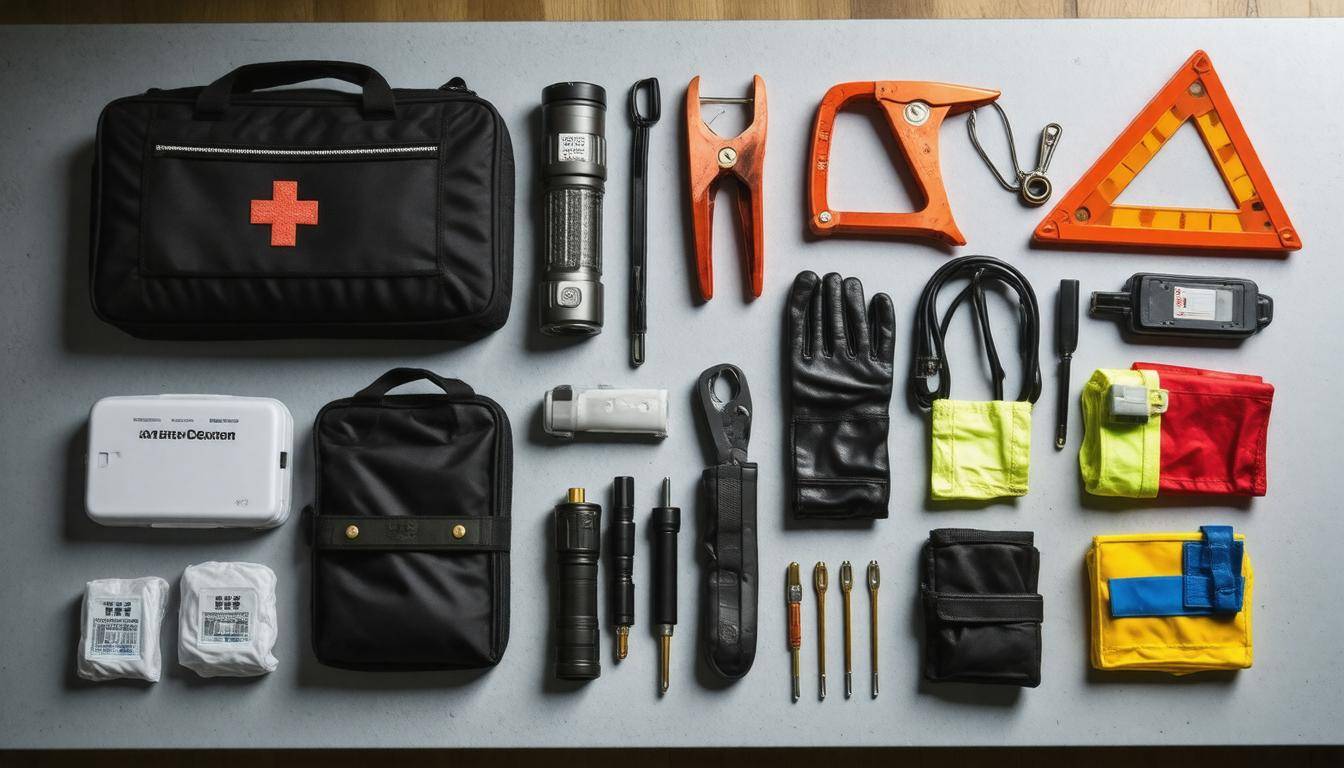
Essential Items for Your Car Emergency Kit
The backbone of any reliable car emergency kit consists of a few vital tools and supplies that address common roadside challenges. For instance, having a multitool or Swiss Army Knife is indispensable. This compact gadget combines multiple functions such as pliers, screwdrivers, a knife, and scissors all in one, making it invaluable for minor repairs and emergencies. It’s wise to invest in a high-quality multitool—after all, the last thing you want when you’re in a pinch is a tool that fails you.
While it might seem unnecessary at first, imagine being stuck on the side of the road needing to tighten a loose screw or cut something free; that’s where the multitool shines.
Another critical item is a fire extinguisher rated for automotive use. You never know when an engine issue could spark a small fire, and having an easily accessible extinguisher could save your car—or even your life. Regular checks on its expiry date are essential; an expired extinguisher is just decorative. Make sure it’s mounted securely within arm’s reach—situations can get frantic quickly, and you don’t want to waste precious seconds looking for it.
Beyond tools, supplies for comfort and sustenance also play a key role in keeping you safe while waiting for help or fixing minor issues.
Consider packing blankets or sleeping bags in your kit as well. These provide warmth if you find yourself stranded in cold weather. Lightweight thermal foil blankets are particularly useful since they are windproof and waterproof, taking up minimal space while providing maximum warmth. This little addition can be a lifesaver during winter breakdowns or lengthy waits.
Additionally, keep plenty of water and non-perishable food in your vehicle—hydration and nourishment are crucial when you’re stuck unexpectedly. Stock bottled water along with easy-to-eat options like meal replacement bars or energy bars; these have long shelf lives and returnable nutrition for when you need it most. Remember to rotate out older supplies regularly to ensure freshness.
Always remember that staying fed and hydrated will keep your wits about you when you need them the most.
As the list grows longer, it becomes increasingly clear that protective gear is equally important when it comes to dealing with emergencies.
Gloves and rain ponchos are vital protective items to include in your kit as well. Gloves shield your hands from sharp objects—you never know what kind of situation you might face when making repairs roadside—and ponchos keep you dry in inclement weather, allowing repairs to continue under less-than-ideal circumstances.
Finally, consider adding essentials like a tow rope or chain which can be invaluable if you ever find yourself stranded due to mechanical failure or getting stuck in mud or snow. Ensure that it’s strong enough to handle your vehicle’s weight—and always practice using it beforehand so you’re not scrambling in an emergency.
A small but mighty addition like a First Aid Kit should be part of your emergency arsenal too! Mounting it where it’s easily accessible—like behind the driver’s seat—ensures that immediate medical needs can be addressed without digging through cluttered compartments.
Armed with these essential items, you’ll navigate through many unexpected situations while driving, enhancing both your safety and peace of mind on the road ahead.
Basic Roadside Tools
Having the right set of basic roadside tools can transform a stressful situation into a manageable one, allowing you to handle minor repairs while waiting for professional help. Imagine you’re stuck on the side of the road as the sun sets, and the clock is ticking. You feel an urgency to resolve your situation quickly. This is where a well-stocked emergency kit comes into play.
Useful Basic Tools
-
Flashlights: These are indispensable in emergency situations, particularly at night or in low-light conditions. I recommend keeping one flashlight in your glove compartment and another in your trunk. This way, no matter where you find yourself, you have light readily available. Also consider keychain-sized options for quick access; they might not be as powerful but come in handy when you need just enough illumination to locate something important. Ensure they have fresh batteries or are rechargeable; there’s nothing worse than turning on a flashlight only to find it dim from neglect.
-
Toolkit with Spare Fuses: A compact toolkit should include essential items like screwdrivers, pliers, wrenches, and spare fuses. It doesn’t have to be a full-blown mechanic’s set; just enough to tackle everyday issues like loose screws or minor electrical problems. Keeping it near your spare tire means you’re well-prepared for flat tires as well, ensuring you never have to scramble around looking for tools in inconvenient moments.
-
Road Flares or Hazard Triangles: These are crucial for enhancing your safety when stopped due to an emergency. Whether you’re dealing with a flat tire or simply pulled over for mechanical issues, warning other drivers about your presence can prevent potential accidents. A quick tip here is that adding reflective vests increases your visibility even more; being visible is vital when you’re exposed on the roadway.
-
Jack and Tire Iron: If you’re handling tire issues yourself, having a portable floor jack or scissor jack along with a tire iron will make all the difference. But remember: it’s essential to familiarize yourself with their proper use. A poorly executed wheel change can lead to serious injury; do not underestimate this step! Knowing how to operate these tools safely can save you time and alleviate stress during roadside fixes.
Now that you’ve organized your basic tools, it’s crucial to adapt your preparations according to changing weather situations, ensuring you can effectively manage any roadside emergencies that may arise.
Preparing for All Weather Conditions
Weather can be unpredictable; one moment it’s sunny, and the next, you’re caught in a snowstorm or heavy rainfall. That’s why having the right gear for all types of weather is essential. Being equipped means not just survival, but also the peace of mind that comes from knowing you’re ready for anything mother nature might throw your way.
Winter Preparation
In wintry conditions, maintaining visibility and safety becomes paramount. Within your emergency kit, an ice scraper and snow brush are indispensable. These help clear your windshield quickly to ensure you can see the road ahead clearly before driving off into the snowy landscape. Always keep these tools within easy reach, so you aren’t scrambling to find them when it’s time to head out.
Moreover, non-clumping cat litter or sand can be a lifesaver if your vehicle gets stuck in icy patches or deep snow. Spreading either substance around your tires provides the necessary traction to help get you moving again. It’s incredibly effective and often makes the difference between standing helplessly by your car or making a successful getaway.
Also, keeping a foldable shovel in your trunk is often overlooked but exceptionally beneficial. It’s compact enough to store easily, yet it allows you to dig yourself out if things get rough—just a quick scoop can often clear the path for your vehicle.
Summer Preparation
When it comes to hot summer days, preparation shifts focus toward hydration and protection from heat. Always keep at least 2 gallons of water stocked in your car; staying hydrated is critical, especially during long waits or breakdowns. Pair this with small 500ml bottles for easy access while on the road—you don’t want to be rummaging through large containers when a quick drink would suffice.
Additionally, consider having a car-specific sunshade to block those harsh rays when parked under direct sunlight; it helps keep the interior temperature lower and minimizes wear on your upholstery. Don’t forget to have wide-brimmed hats available too! They offer additional protection from the sun while ensuring you remain comfortable and shielded from sunburns—even during short stops.
With all-weather preparedness covered, let’s explore how effective communication and navigation tools can further enhance your safety and efficiency in emergencies.
Communication and Navigation Aids
Proper communication and navigation tools can truly make a difference in staying safe and connected during an emergency.
One of the most critical components is having a reliable car phone charger. In times of need, keeping your smartphone charged allows you to call for help, access GPS features, or connect with loved ones about your situation. While you likely already own a car charger, consider adding a solar-powered charger as a backup. This way, if your car battery dies or there’s an extended power outage, you can still charge your devices using sunlight—an invaluable feature during long waits for assistance.
Always keep your chargers and devices organized and easily accessible to avoid fumbling around when time is of the essence.
Now, let’s discuss the role of maps and a compass in navigating when technology fails. Imagine you’re driving through an area where GPS signals suddenly drop—you wouldn’t want to feel helpless or lost. Learning how to read physical maps and use a compass can empower you when electronic devices let you down. I encourage you to spend some time familiarizing yourself with these tools before embarking on any long road trip. Practicing navigation skills ahead of time ensures confidence when it matters most.
Using a physical map can be just like learning to ride a bike; once you’ve mastered it, you’ll always know how to get back on track even if technology isn’t on your side.
Another important tool to consider is a burner phone. Stashing a cheap prepaid phone charged and ready in your glove compartment presents a safety net for emergencies. When the primary phone runs out of battery or experiences issues, this backup device ensures that you remain connected. It’s wise to select one with long standby time, ensuring that it’s always operational when needed most. Remember to pre-program important emergency contacts into this burner phone—you won’t want to waste time searching for numbers when every second counts.
As we explore further, we’ll look at additional essential items that enhance your safety and preparedness while on the road.
Power Sources and Lighting
When you’re caught in an emergency, having the right power sources and lighting can dramatically change the scenario from daunting to manageable. Imagine being stranded on a roadside with fading daylight—this is where an external battery pack becomes invaluable. A high-capacity power bank that can charge not just smartphones, but also tablets or GPS devices may just be the comforting lifeline you need to communicate or navigate your way back to safety. One key tip to remember: always recharge your power bank regularly and store it in a cool, dry place to ensure it’s ready when you need it.
But it’s not just about charging up your devices. Having headlamps and lanterns on hand means you can maintain visibility when darkness falls. Such hands-free lighting options allow you to get tasks done while keeping your hands free for whatever else you might need to tackle. I always recommend choosing LED options because they offer longer battery life and superior light output compared to traditional bulbs. It’s incredibly reassuring to know that if something were to go awry during nighttime—whether it’s checking under the hood of your car or setting up a temporary shelter—you won’t be left fumbling for light.
To highlight their importance further, let me break down some essential features to look for in these critical items.
| Item | Features | Recommendation |
|---|---|---|
| External Battery | High-capacity, USB-C ports | Ensure compatibility with devices |
| Headlamp | LED, multiple brightness settings | Adjustable strap for comfort |
| Lantern | Rechargeable, long battery life | Choose one with hanging hooks |
In selecting an external battery, prioritize models with high capacity and multiple USB-C ports so you can simultaneously charge several devices, ensuring everyone in your party is connected. For headlamps, opt for adjustable straps to achieve maximum comfort and avoid any hassle as you’re navigating dark places. And don’t overlook good-quality lanterns, preferably those that are rechargeable and possess long-lasting batteries; features like hanging hooks can prove advantageous when you’re setting up in tight spaces or simply need light above ground level.
Having reliable sources of power and lighting not only boosts your confidence but provides peace of mind knowing that you’re prepared for whatever the road might throw at you. With these essentials ready, let’s now examine what crucial supplies will support your well-being during unexpected situations.
Food, Water, and Survival Essentials
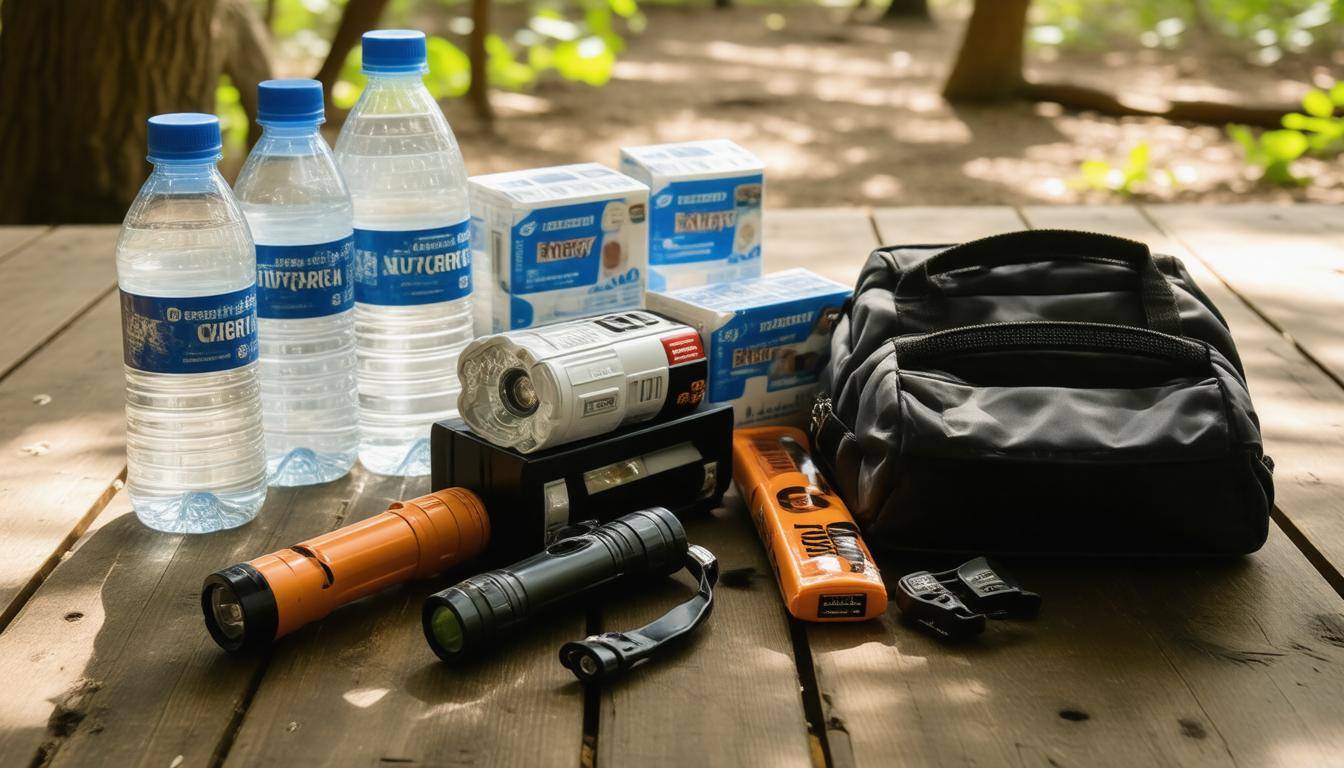
Picture this: you’re stranded on a roadside with your car, and hours pass without help in sight. Suddenly, you realize the importance of being prepared with enough supplies to keep you comfortable until assistance arrives. Having food and water is not just a convenience—it’s vital for sustaining your energy and mental clarity during stressful times.
For starters, meal replacement bars fit the bill perfectly. These little packages are loaded with high-calorie nutrients that can effectively carry you through without the need for cooking or prepping. I recommend rotating them every six months so that they always remain fresh and ready.
Additionally, along with the two gallons of water previously suggested, it’s wise to invest in collapsible water containers. Not only do these save precious trunk space, but they also provide flexibility when it comes to gathering additional water if you find yourself in a pinch. To make sure that any gathered water is safe to drink, consider packing purification tablets. They are surprisingly effective at treating natural water sources; just drop them in a liter of water and wait about 30 minutes—your worries over safe drinking water are alleviated.
Beyond food and hydration supplies, having multi-purpose camping gear can be incredibly beneficial. A small camping stove may seem unnecessary during typical car trips, but think again. It allows you to heat up meals and can even serve as a quick solution for cooking if you’re caught out longer than expected. The same goes for a compact utensil set; it’s lightweight enough to stow away but can significantly enhance your comfort while enjoying a hot meal on chilly nights while waiting for rescue or repairs.
The key takeaway here is that preparation leads to peace of mind, allowing you to navigate whatever crisis arises while keeping hunger and thirst at bay.
With these survival essentials packed away, you’re already ahead of the curve; next, let’s explore the critical area of supplies that can swiftly manage a mishap or injury in dire situations.
Emergency First-Aid Supplies
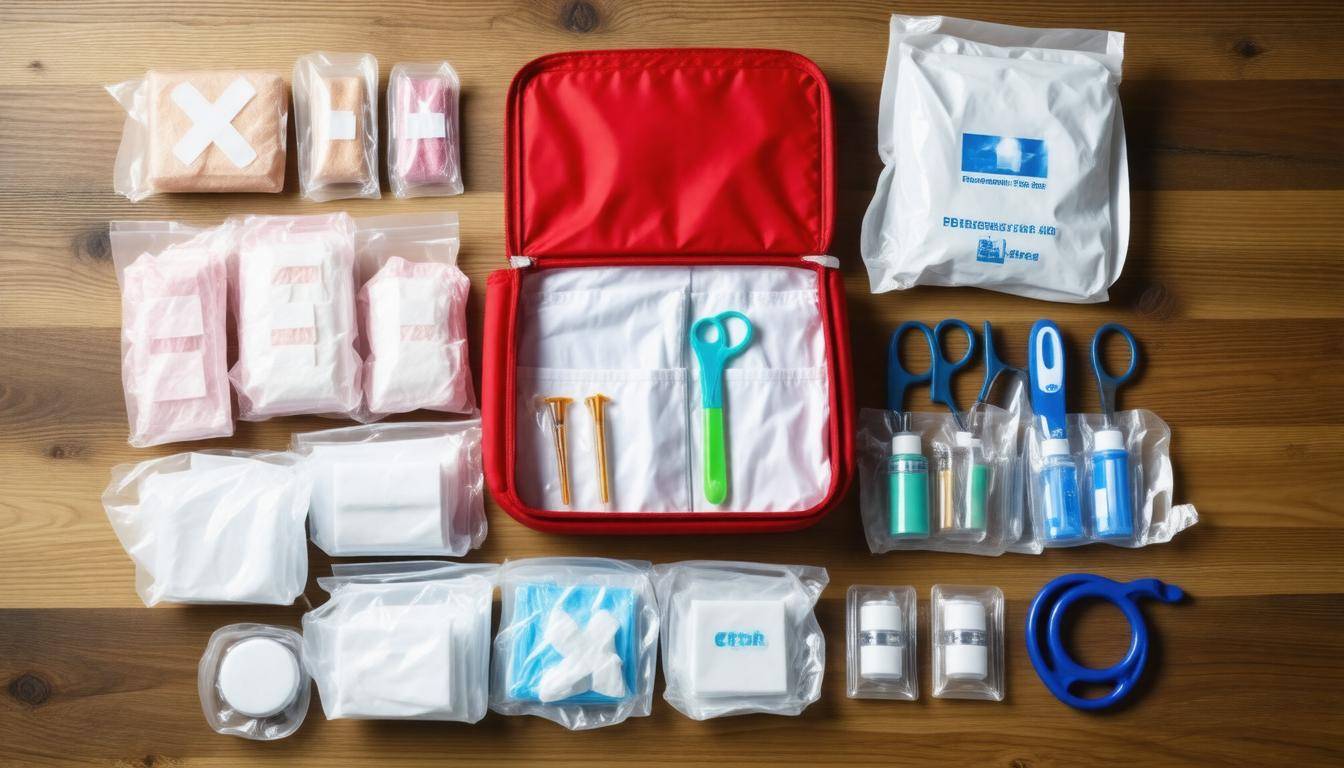
A well-prepared first aid kit is not merely a collection of items; it’s your lifeline in moments of need, ready to tackle minor injuries before they escalate. Imagine being stranded and a passenger suffers a cut or scrape—that’s when your first aid supplies become invaluable. Essential to every kit are basic medical supplies like adhesive bandages in various sizes, which can help cover small wounds quickly. Antiseptic wipes are equally important because they prevent infections, ensuring that even a minor scratch doesn’t turn serious.
Equipping your kit should focus on these fundamentals:
- Sterile gauze pads (4×4 inches), crucial for larger cuts.
- Adhesive tape to secure dressings properly.
- Tweezers for removing splinters or debris with precision.
In addition to these basic supplies, don’t overlook the importance of having medications on hand. Preserving both personal and essential medications means you will be prepared for sudden ailments or allergies. Pain relievers like ibuprofen or acetaminophen, anti-inflammatory medications, and antihistamines should be included to alleviate discomfort during those unexpected roadside waits. Ensure any prescription medication is regularly updated and consult your doctor about recommendations tailored to your family’s health needs.
Communication and instruction are just as vital as the physical items in your kit.
An emergency instruction manual serves as a quick guide during emergencies, detailing how to handle common situations such as burns, bites, sprains, or more serious incidents. This booklet should be concise and easy to understand. Consider familiarizing everyone in your family with its contents; knowing where it is and how to use it could save valuable minutes when time is critical.
After all, there’s nothing worse than realizing you have a fabulous manual but can’t find it amidst the chaos of an emergency!
Lastly, don’t skip over the organization of these supplies within your first aid kit. Adequate storage ensures that essentials are easily accessible:
- Use clear containers or labeled pouches for different categories—think “bandages,” “medications,” “tools”—making retrieval simple.
- Keep everything sealed in waterproof bags to protect against moisture damage.
Ensuring that you have both the right supplies and an efficient storage system is pivotal in getting through emergencies with confidence and care. Now let’s explore how to create the perfect setup for having these essential items ready when you need them.
Assembling and Storing Your Kit
The right storage container can greatly improve the accessibility and protection of your emergency supplies. Opt for a durable, waterproof bag or container that can withstand temperature shifts, protecting your items from damage. Think of this container as your safety net, keeping everything secure and ready for action whenever you need it.
Labeling is another crucial aspect of organization. By clearly marking different sections of your kit—like first-aid supplies, food, and tools—you will be able to find essential items quickly during a moment of urgency. This could make all the difference in a stressful situation where every second counts. You know how frustrating it can be to rummage around when you’re looking for something vital; labeling eliminates that chaos.
Step 1: Categorize Items
Begin by grouping similar items together. This could mean putting all first-aid essentials in one section, tools in another, and non-perishable food in yet another area. Imagine the peace of mind you’ll feel knowing that each category is easily accessible when you need it most. This organization not only streamlines the process during emergencies but also provides clarity while checking your kit regularly.
Now that you’ve categorized your items, it’s essential to think about where they are stored.
Step 2: Designate Storage Locations
Consider easy accessibility as you store your items. Always keep frequently used supplies within arm’s reach—such as placing your first-aid kit either under the driver’s seat or in the glove compartment—while larger, less frequently used items can be stored in the trunk. Think about it like zoning your workspace; having items where you can swiftly grab them ensures you’re never scrambling when time is critical.
Don’t forget about the importance of ease of access for others as well. If someone else needs to help you during an emergency, having a logical layout makes their assistance much quicker.
Step 3: Regular Check-ups
Lastly, but certainly not least important, regular maintenance of your emergency kit is key. Make it a routine practice to review your supplies every three months or so, checking for any expired items or anything that might need replacing. Setting reminders on your phone or calendar can help keep this task front and center.
“A well-maintained kit means confidence on the road.”
With everything organized, labeled, and regularly checked, you’ll feel a greater sense of security knowing you’re prepared for emergencies even before they arise.
In preparing for potential emergencies on the road, having a well-thought-out car emergency kit truly empowers you to face unexpected situations with confidence. Take these steps now to ensure you are always ready for whatever comes your way.