
In an emergency, knowing how to evacuate without a car can feel overwhelming. But it doesn’t have to be! Whether you’re facing natural disasters or other unforeseen events, having a solid plan in place is essential for everyone—especially those who don’t own vehicles. This guide explores practical, step-by-step strategies for navigating your way to safety using public transport, biking, walking, and even rideshare services. With some preparation and awareness of your local resources, you can face any emergency situation with confidence and clarity. Let’s dive in and make sure you’re ready when it matters most!
The key alternatives for carless evacuation include utilizing public transportation, rideshare services, biking, and walking. It’s essential to assess local transport options in advance and have a plan that ensures safe exit routes during emergencies for those without vehicles.
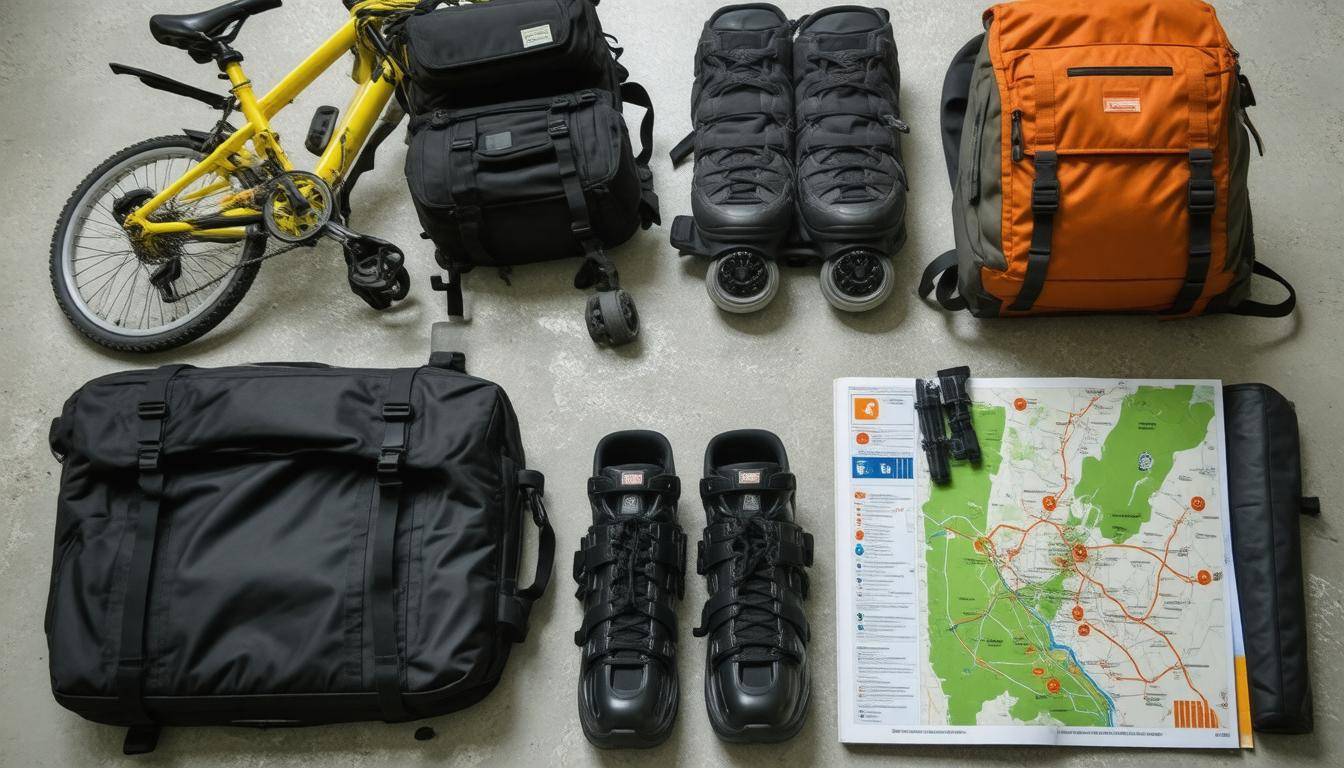
Planning for Carless Evacuation
As we navigate the complexities of emergency preparedness, a solid plan can truly make all the difference, particularly when cars are not an option. An effective evacuation plan begins with strong awareness of your community’s resources and alternative routes. Understanding these aspects doesn’t just empower you; it allows you to make informed decisions in stressful situations.
Identify Local Resources
A crucial first step is to identify local resources, such as public transportation systems, bike-sharing programs, and pedestrian-friendly routes. Familiarize yourself with bus and train schedules, even downloading relevant apps if available. These tools can be invaluable when every second counts.
It’s also wise to spot nearby emergency shelters, ensuring they’re reachable on foot or by bicycle. Many cities offer maps that highlight bike lanes and safe walking paths, so don’t hesitate to utilize those resources. If you’re not sure where to start, your city or town’s website is a treasure trove of information regarding public services during emergencies.
Remember: Being prepared means being aware!
Once you’ve mapped out these resources, you’ll want to create a detailed evacuation plan.
Create an Evacuation Plan
Developing a robust written evacuation plan is key in effectively managing your response during a crisis. This plan should outline multiple routes to safety, ensuring alternatives if your primary route becomes impassable. For example, if you’re living near densely populated areas prone to wildfires or flooding, factor in zones you feel comfortable moving through—whether that’s major vanishing points to public transport hubs or neighborhoods that you can navigate on foot without causing added panic or confusion.
According to recent surveys, nearly 30% of households in urban areas do not own a car. This statistic underscores the importance of having a well-thought-out evacuation plan catering specifically to non-car owners in your community. Share your chosen plan with family members and have everyone participate in mock evacuations. Practicing these scenarios instills confidence and reinforces collective ownership over safety procedures; for instance, in earthquake-prone zones, you may decide to conduct monthly fire drills together as a family.
Knowing your options helps facilitate faster actions during emergencies; consequently, let’s explore the various strategies available for utilizing local transit networks effectively.
Public Transportation Solutions
Many cities have developed robust public transportation systems specifically designed to manage large volumes of passengers during both daily commutes and emergency situations. This infrastructure plays a critical role in evacuation scenarios, ensuring that individuals can flee safely and efficiently without needing personal vehicles.
Whether it’s the bus, subway, light rail, or even ferries, these options not only help transport people rapidly but also alleviate road congestion that typically accompanies mass evacuations.
To leverage these resources effectively, it’s essential to familiarize yourself with the specific routes and schedules of your city’s transit services. Most urban centers offer transit maps accessible online, so you can prepare ahead of time. However, relying solely on digital resources can be risky during emergencies when internet connectivity may falter, making printed copies invaluable for reference. Keeping this information close at hand ensures you are always informed of your options.
Advantages and Use Cases
The benefits of utilizing public transportation during emergencies are significant:
-
Capacity: Buses and trains are engineered to accommodate large groups of people, significantly enhancing evacuation speeds compared to individual personal vehicles. Imagine hundreds of residents boarding a single bus versus thousands attempting to drive away in their cars—a clear distinction that shows how public transit can streamline the overall process.
-
Dedicated Routes: In times of crisis, many transit systems prioritize emergency routes. This means they can navigate through congested areas more swiftly than private vehicles stuck in traffic, allowing for faster escape from potentially dangerous regions.
-
Accessibility: Public transit stations and stops are typically located within walking distance of most residential neighborhoods. This ensures that those who do not own cars or who might have mobility challenges still have viable means to evacuate swiftly and safely.
Having established the role of public transportation, let’s explore how alternative methods like walking and biking can complement evacuation strategies effectively.
Walking and Biking Routes
Utilizing walking and biking routes can be not only practical but also an efficient way to evacuate during emergencies. When motorized transportation fails, these methods often provide a faster alternative, especially in urban areas with heavy traffic or roadblocks. The average person can walk up to 5 miles within a couple of hours and bike up to 15 miles in half that time. Therefore, knowing well-planned routes is key.
Mapping Emergency Routes
One of the most valuable tools at your disposal is technology. Utilizing tools like Google Maps or specialized apps like Komoot, you can pinpoint safe walking and biking routes that help circumvent congested areas. Familiarizing yourself with these maps beforehand is essential, particularly for paths that track along green spaces or dedicated biking lanes when possible.
By staying engaged with updated information regarding your surroundings—especially after serious weather events—you can keep hazards unique to your area in mind, such as flood zones, landslide-prone regions, or construction sites. Equally important is printing out a hard copy of your routes to keep in an easily accessible location; technology can sometimes fail when we need it most.
Always be aware of the upcoming changes in your local landscape. Remaining informed also allows you to share this knowledge within your community, making everyone better prepared.
Community Success Stories
Real-life examples illustrate the effectiveness of these alternative evacuation strategies. For instance, during Hurricane Harvey in 2017, residents of Houston demonstrated remarkable adaptability by utilizing available bike routes. As vehicular traffic came to a halt due to flooding, those who opted for bicycles were able to navigate quickly through streets often overburdened with cars stuck in gridlock. Their ability to reach designated shelters much faster stands testament to the benefits of understanding local cycling pathways.
This community resilience speaks volumes about the potential of non-motorized evacuation options. As we transition into exploring newer innovations, think about how different transportation solutions can enhance existing methods and improve safety during emergencies.
Electric Scooter Options
Electric scooters are quickly becoming a favored mode of transportation in urban settings, especially due to their convenience and efficiency during emergencies like evacuations. These nimble devices not only help you navigate busy streets but can also be a game-changer by allowing you to sidestep congestion that might delay traditional evacuation methods.
Accessibility and Range
Most e-scooters offer a range of 15 to 30 miles on a single charge, making them ideal for short to medium-distance travels. This capability is conveniently suited for navigating through urban landscapes or escaping congested areas quickly. However, it’s important to consider battery management during an evacuation. To ensure you won’t run out of battery at a critical moment, it’s wise to map out multiple charging points along your intended route. Identify local parks, coffee shops, or public buildings where e-scooter charging docks might be available for refueling.
Pro Tip: If you’re not sure about the availability of charging stations along your route, consider carrying a portable charger. This could provide peace of mind and ensure you have power when needed.
A compelling illustration of this utility comes from John, a New York resident who relied on an e-scooter during a city-wide blackout in 2024. “The scooter allowed me to navigate crowded streets quickly,” he recalls, highlighting how a seemingly simple device transformed his approach to urban travel during an emergency. His experience underscores just how essential proper planning with e-scooters can be in the face of unexpected challenges.
While e-scooters present an excellent option for many situations during an evacuation, there may be times when you’d require access to a car but don’t own one; this is where leveraging alternative transportation options becomes crucial.
Utilizing Ride-Sharing Services
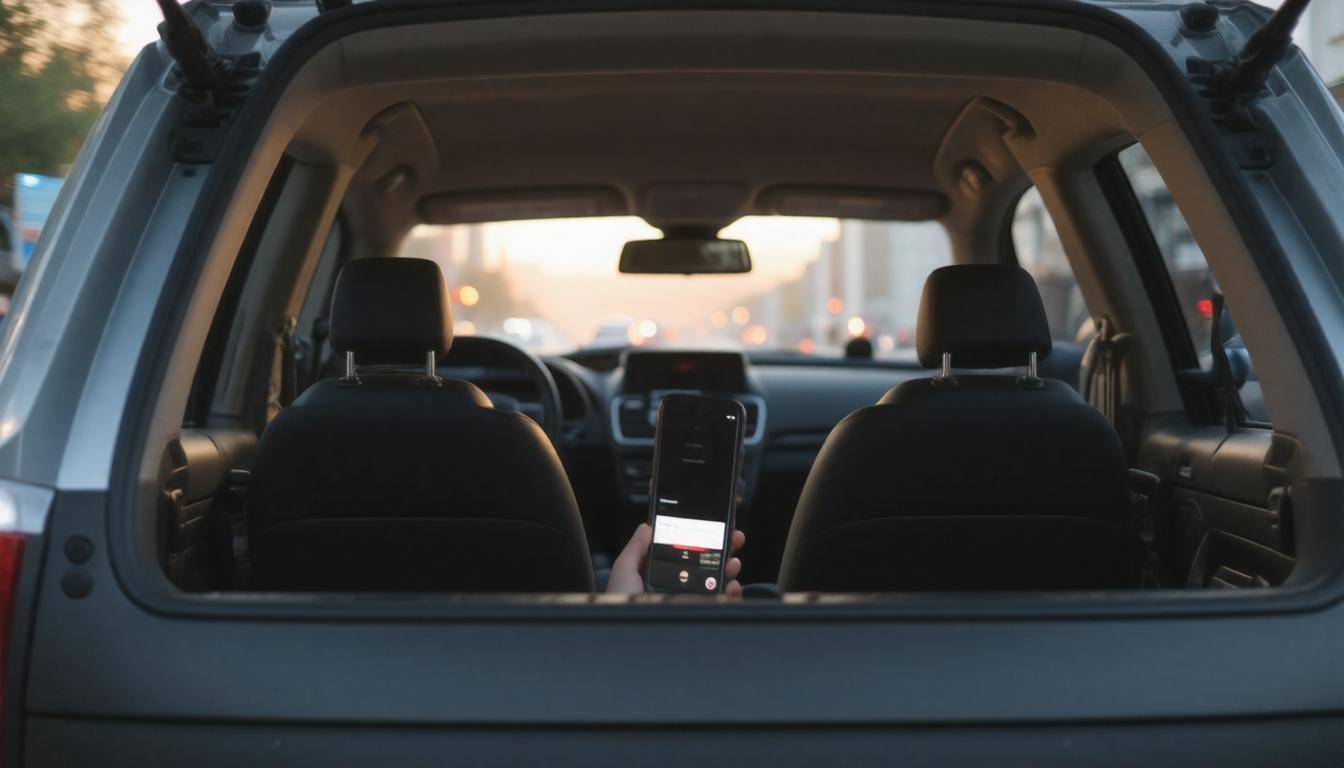
When an emergency strikes, having reliable transportation at your fingertips can mean the difference between safety and chaos. Ride-sharing platforms such as Uber and Lyft have revolutionized urban mobility, making them essential tools in times of need. Knowing how to navigate these services effectively can save you valuable time and ensure you get where you need to go quickly.
Pre-Emergency Preparation
To maximize ride-sharing services, preparation is key. Start by ensuring that your ride-sharing apps are always updated on your smartphone. Apps frequently release updates that enhance functionality and security features, so checking for updates regularly will keep you protected.
Equally important is setting up payment options well in advance. Link your credit card or preferred payment method upon installation to avoid any last-minute hassle when every second counts. An unprepared rider could easily be left scrambling for payment credits while delays stack up like traffic on a Friday evening.
Imagine in the heat of an evacuation trying to remember your password or fidgeting with credit cards; it’s not quite the heroic escape we envision, right?
Emergency Features
Beyond basic transportation abilities, both Uber and Lyft come armed with emergency features designed for your safety. For instance, each app has an emergency button that alerts authorities if you’re faced with danger. The ability to share your ride status and location with trusted contacts is another vital feature. This means that loved ones can monitor your journey, providing peace of mind as you navigate through chaos.
Familiarize yourself with these features before they are needed. Go through the app menus to know exactly where the emergency buttons reside; this kind of knowledge becomes a powerful ally when stress levels rise.
Furthermore, practicing how to share your information can boost your confidence in utilizing technology efficiently during an actual crisis.
While understanding ride-sharing applications is essential, don’t overlook the support available from friends and neighbors during your carless evacuation. By fostering strong community connections, you can explore additional resource options that enhance your safety during emergencies.
Leveraging Community Networks

When it comes to navigating an evacuation, community networks can be your lifeline. Imagine a scenario where many people are in need of assistance, whether due to limited mobility, access barriers, or simply the chaotic nature of an emergency. Friends, neighbors, and local advocates play critical roles in mobilizing resources to ensure that no one is left behind. By forming connections with those around you—whether through neighborhood associations or local social media groups—you create a support system that amplifies your ability to evacuate smoothly.
Organizing Community Drills
Regularly organizing community drills is one key step in enhancing collective preparedness. These drills not only provide practical experience but also foster relationships that can be lifesaving. When community members know each other and understand everyone’s unique needs, the act of helping becomes second nature. For instance, many neighborhoods initiate practice evacuations where participants plan routes and meet at designated gathering points. This kind of planning translates into real-time action when emergencies actually arise.
Consider joining or even forming local groups devoted to emergency preparedness; often, social media platforms such as Facebook host neighborhood groups dedicated to sharing tips and coordinating efforts during crises.
Real-Life Examples
Take a moment to reflect on events like the Camp Fire in 2018, where communities faced extraordinary challenges. Residents of Paradise, California, were able to evacuate efficiently because of the organized efforts stemming from strong community ties. Neighbors assisted one another by coordinating transportation and distributing supplies. These acts of kindness underscore how interconnectedness can make a significant difference during times of crisis.
As you engage with community networks and participate in drills, it’s essential to consider the necessary items for your own safety and comfort during an evacuation event.
Emergency Preparedness Kits
An emergency preparedness kit is not just a luxury; it’s a necessity for successfully navigating a crisis. Imagine facing an evacuation with only limited resources or none at all—this can quickly turn chaotic without proper preparation. Each item in your kit plays a critical role in ensuring your survival during such unpredictable events. For instance, water is fundamental; experts suggest packing one gallon per person per day, which will support hydration and even hygiene needs during difficult times.
Basic Kit Contents
Essential items to include in your kit:
- Water: One gallon per person per day, ideal for drinking and sanitation.
- Non-perishable food: Aim for foods like energy bars, canned goods, or dried fruits that can sustain you without refrigeration.
- Basic first aid supplies: Your kit should have adhesive bandages, antiseptic wipes, gauze pads, tape, and pain relievers.
- Flashlight and extra batteries: Having a reliable source of light is essential when the power goes out.
- Portable phone charger: Staying connected is crucial in emergencies, including having a means to charge your devices.
While those basic items are foundational, it’s equally important to customize your kit according to your specific circumstances and needs. This consideration can range from personal medical requirements to geographic factors that affect the likelihood of certain emergencies.
Specialized Additions
For those who may need to evacuate on foot or via public transport, consider adding lightweight and portable items to your kit. A compact stove allows you to prepare hot meals even while on the move but avoid heavy gear that could strain you physically or slow you down during an evacuation.
Sarah, an urban planner who has seen her fair share of emergencies, suggests including a foldable solar panel for charging devices. She claims it has been invaluable during power outages, illustrating how practical items can make a huge difference in maintaining communication and accessing important information quickly.
Remember, tailoring your emergency kit according to current trends—including the increasing focus on non-car evacuations—can boost your efficiency and preparedness. Each thoughtful addition can be what differentiates between uncertainty and stability when time is of the essence.
Having established how to equip yourself for unexpected scenarios, let’s explore strategies that further enhance safety for individuals relying on alternative modes of transportation.
Safety Tips for Non-Car Owners
In a world where emergencies often arrive unannounced, non-car owners must adapt their strategies when time is of the essence. Understanding local emergency shelters and their accessibility can be key to ensuring a smooth carless evacuation. Knowing which shelters are nearby and how you can reach them on foot or by bike gives you peace of mind.
It’s essential to map out your routes ahead of time, considering how long it takes to walk to these locations—on average, adults walk about 3 to 4 miles per hour. This means that if your nearest shelter is just a mile away, you could expect to reach it in approximately 15–20 minutes.
Now that you’re familiar with assessing routes, let’s discuss how technology can further enhance your evacuation strategy.
Stay Informed
Staying informed is crucial; you need to keep abreast of any updates regarding evacuations, weather conditions, and available transportation options. Utilize multiple channels for this purpose—consider listening to local radio stations, engaging with community groups on social media, or downloading emergency management apps that provide real-time alerts. Did you know that according to FEMA, up to 70% of emergency information is disseminated digitally now? Being plugged into these sources can empower you to make quick decisions based on the most current data.
While knowledge is power, situational awareness helps you apply that knowledge effectively.
Situational Awareness
Always be aware of your surroundings while traveling during an evacuation. Take note of traffic patterns, types of people nearby, and possible escape routes. Avoid isolated areas and stick to well-populated streets where help could be more readily available should you need it. Trust your instincts; if something feels off in an area, seek another path. A heightened sense of awareness will allow you to react swiftly if needed.
An added layer of safety can come from camaraderie.
Group Evacuation
Whenever reasonable, plan your evacuation around a group. Whether assembling friends or joining local community initiatives, there is strength in numbers. Evacuating together not only helps deter potential threats but also provides mutual support along the way. It’s easier to navigate challenges like public transport schedules when you have people looking out for one another.
Looking back at events like the 2019 bushfires in Australia illustrates how groups of cyclists worked together successfully to escape high-risk areas more safely than individuals would have.
While these steps provide an overarching framework for non-car owners during evacuations, every situation is unique. Feel free to adjust these recommendations based on your personal circumstances and local community dynamics. Tailoring your strategy before an emergency strikes will put your mind at ease when every second counts.
In summary, preparation and awareness are vital for non-car owners facing emergencies, ensuring safer and more efficient evacuations when they matter most.
What role do local governments play in facilitating carless evacuation plans?
Local governments play a crucial role in facilitating carless evacuation plans by developing and implementing comprehensive emergency management strategies that prioritize accessible transportation options for all residents. They are responsible for identifying vulnerable populations—such as those without vehicles, the elderly, or individuals with disabilities—and coordinating alternative transportation services, such as public transit and community shuttles. According to FEMA, effective planning can enhance evacuation efficiency, potentially reducing congestion by up to 25% in areas with prepared transit options. Additionally, local governments can work with community organizations to ensure that resources are available and communicated effectively, ultimately improving safety and readiness during emergencies.
How can communities prepare for mass evacuations without relying on personal vehicles?
Communities can prepare for mass evacuations without relying on personal vehicles by establishing efficient public transit systems, coordinating volunteer-driven transportation networks, and creating designated emergency evacuation routes that accommodate both buses and pedestrians. For instance, a study by the American Public Transportation Association found that public transportation can reduce travel times during evacuations by up to 30%. Additionally, organizing community training sessions on evacuation protocols and involving local businesses in support efforts can significantly enhance readiness and ensure a smoother evacuation process for all residents.
What are the most effective modes of transportation for carless evacuations?
The most effective modes of transportation for carless evacuations include buses, bicycles, and ridesharing services. Buses can transport large groups quickly, offering a collective option that can reduce congestion on roads—data from urban studies indicate that public transit can move up to 50% more people than private vehicles during peak evacuation times. Bicycles provide individual mobility and can navigate traffic, while ridesharing options offer flexible routes tailored to demand, helping those in need reach safety faster than on foot. Utilizing all three modes collaboratively enhances overall efficiency and safety during an emergency evacuation.
How can individuals plan their own safe evacuation route if they don’t have access to a vehicle?
Individuals can effectively plan their own safe evacuation route without a vehicle by identifying local shelters or safe zones within walking distance, utilizing public transportation options, and mapping out pedestrian-friendly routes ahead of time. According to the Federal Emergency Management Agency (FEMA), nearly 65% of Americans live in areas prone to natural disasters, making it crucial to have a pre-arranged plan. Additionally, practicing this route during non-emergency situations ensures readiness and familiarity, while keeping emergency essentials packed in a go-bag helps streamline the evacuation process.
What resources are available for individuals who need assistance during an evacuation?
Individuals needing assistance during an evacuation can rely on a variety of resources, including local emergency management agencies, community shelters, and support hotlines. Organizations like the Red Cross offer specialized services for people with disabilities and the elderly, ensuring they receive proper aid. According to FEMA, nearly 40% of individuals with access and functional needs may require assistance in such situations, highlighting the critical importance of these resources in safeguarding vulnerable populations during emergencies.