
When disaster strikes, the last thing you want is to feel panic over your finances on top of everything else. Unexpected situations, like an evacuation, can leave you scrambling for cash when you need it most. It’s essential to be ready—not just with supplies but with a clear understanding of how to manage your money during these chaotic moments. This guide aims to arm you with crucial information about handling your cash needs during emergencies, covering everything from basic expenses to strategies for secure storage. By preparing ahead of time, you can focus more on keeping yourself and your loved ones safe instead of stressing about financial matters. Let’s dive in and get started on making sure you’re financially ready for whatever comes your way!
The “Cash Needs During Evacuation: Complete Guide” provides essential insights into managing cash requirements during emergencies, including policies for cashier operations, circumstances under which cash payments may be made, and tips for financial preparedness. Additionally, it covers practical advice on maintaining access to funds, safeguarding valuable documents, and ensures you are well-prepared to handle any financial challenges encountered during an evacuation.

Essential Cash Needs During an Emergency
When faced with an evacuation or an emergency, having a clear estimation of how much money you will need is your first line of defense. Taking stock of your cash needs involves breaking down essential expenses into manageable categories. This way, you can be prepared not only in the short term but also ensure you embrace unforeseen circumstances that could arise.
Basic Expenses
Let’s dive into those essential categories:
-
Food and Water: On a budget, expect to spend around $10 to $15 per person per day just to secure adequate nutrition and hydration for survival. It’s surprising how quickly this can add up when you’re feeding multiple mouths.
-
Shelter: Depending on your location and the availability of emergency services, emergency shelter can range from $50 to $150 per night. It’s wise to research nearby shelters ahead of time if an evacuation seems imminent.
-
Transportation: Fuel costs should also be considered—it’s about $100 to ensure you have enough gas to reach your destination or initial refuge.
-
Medical Supplies: This varies based on personal health needs, yet budgeting between $20 and $100 for necessary supplies is a starting point.
-
Communication: In emergencies, staying connected is invaluable. Temporary phone plans or SIM cards might set you back around $10 to $30.
This framework helps you begin planning for the expected as well as the unexpected.
Beyond these immediate needs, it’s prudent to prepare for additional essential expenses that could crop up.
Extended Costs
In situations where an emergency extends beyond initial survival, additional funds become imperative. You may need to consider clothing costs; budgeting around $50 per person for essential clothing can be beneficial, particularly if personal items are lost during an evacuation.
Moreover, families with children or pets must account for their unique needs; budgeting approximately $20 daily would help cover childcare expenses and those little furry friends that suddenly require increased attention in challenging situations.
Furthermore, unexpected health issues might arise during stressful times; thus, it’s smart to set aside at least $100 for unforeseen medical costs that can emerge without warning. This allocation ensures you’ll have peace of mind even when dealing with added stress.
Being financially prepared means anticipating various expenditures throughout all stages of an emergency response. By carefully calculating your immediate cash necessities alongside potential extended costs, you’ll be in a far stronger position to navigate whatever challenges arise with confidence and resilience.
Preparing for these cash needs lays the groundwork for effective planning in scenarios that demand financial agility and foresight. From here, we can explore more detailed strategies to manage your finances effectively during such critical moments.
Budget for Immediate Evacuation Expenses
Crafting a precise budget for immediate evacuation expenses is crucial for maintaining order during chaos. To start, consider the basic necessities that your family will require once a sudden evacuation is announced. Planning ahead allows you to remain focused on your family’s safety rather than worrying about finances, so let’s break down what these costs typically involve.
Consider a hypothetical family of four facing an unforeseen evacuation. They need to think about essentials like food, shelter, transportation, medical supplies, and miscellaneous costs. For example, they might allocate $15 per person per day for food and water, resulting in $60 daily for all four family members.
In addition to that, if they require shelter, which generally averages around $100 per night, and they anticipate needing three nights away from home, that’s another $300 added to their total.
Transportation becomes another expense; estimating around $150 for fuel and public transportation would be prudent, along with $50 set aside for essential medical supplies such as first-aid kits or any necessary medications.
Lastly, it’s wise to include a cushion of around $50 for miscellaneous unforeseen expenses—you never know what unexpected situations may arise during an emergency.
When summed up, the total budget breaks down as follows:
Food and Water: $60
Shelter (3 nights): $300
Transportation: $150
Medical Supplies: $50
Miscellaneous: $50Which gives you a grand total of approximately $610.
Once you have a clear picture of where your money will go during an emergency, you’ll also want to consider creating a financial reserve tailored specifically for evacuations. Financial experts often recommend having cash reserves equivalent to 3–6 months of living expenses at all times; however, this becomes even more relevant when planning for emergencies such as evacuations where certain payment infrastructures might falter, making access to cash less predictable.
With a structured approach to budgeting and reserves in place, it becomes essential to explore reliable avenues for acquiring cash during unforeseen circumstances. This knowledge could greatly enhance not only your preparedness but also your peace of mind when faced with an emergency situation.
Secure Sources for Emergency Cash
Knowing where to turn during an emergency can provide peace of mind that alleviates stress in already tense situations. One of the most dependable options lies within your own financial institutions. Having bank accounts equipped with overdraft protection can act as a safety cushion, allowing for withdrawals even when your balance dips below zero—albeit temporarily. This feature can help facilitate transactions when immediate cash isn’t available. Just remember to monitor your finances closely because relying too heavily on overdrafts could lead to fees.
Next, consider credit cards that have designated emergency credit limits. These can serve as a backup source of funds during tight situations without leaving you financially vulnerable long-term. Aim to keep your credit card balances low and pay them off regularly; maintaining good credit not only provides access to these emergency resources but also ensures that you’re in a healthy financial position overall.
Additionally, understanding the concept of imprest funds proves useful, particularly for government employees who often require small reserves of cash on hand for specific situations. These funds are set up with strict guidelines and must be kept at minimal levels to meet day-to-day operations. Familiarizing yourself with this system could aid in managing cash flow if you’re involved in such sectors.
Furthermore, tapping into trusted individuals within your network is valuable. Family members or close friends may be willing to assist in times of need, serving as an informal yet effective financial safety net. The key here is communication: ensure they are aware of your needs and any repayment plans you intend to follow.
A well-rounded approach to securing cash resources is vital, especially given the unpredictable nature of emergencies. As we move forward, we’ll explore important considerations regarding cash accessibility, including how ATMs might fit into your financial strategy during crises.
ATM Access and Withdrawal Limits
During emergencies, ATM access may be limited due to power outages, network disruptions, or increased demand from others trying to withdraw cash simultaneously. This can lead to longer wait times or unavailability of cash when you need it most. Therefore, it’s essential to familiarize yourself with your bank’s policies regarding ATM withdrawals before a crisis occurs.
For many banks, withdrawal limits typically range from $200 to $500 per transaction. If you’re not aware of your bank’s specific limit, you may find yourself in a frustrating situation when you need larger amounts of cash for essential expenses.
Understanding these limits becomes even more crucial if you have special needs or circumstances. For example, if you’re evacuating with family members who require medical supplies or if you’re planning on making significant purchases like gas or food for a truckload of people. A simple trip to the ATM might not suffice if you’ve underestimated your cash requirements.
To prepare for potential emergency conditions, it’s wise to maintain a comprehensive list of ATMs within your immediate area as well as along any evacuation routes. Knowing where to find an ATM—especially one that is functional during an emergency—can give you a sense of security. Additionally, consider keeping track of multiple banks and their locations; different financial institutions may boast varying operational statuses during an emergency.
Increasing Limits
If you anticipate the possibility of needing larger sums of cash in an emergency, then contacting your bank in advance to temporarily increase your daily withdrawal limit can be extremely beneficial. A quick phone call or message via your bank’s app could do the trick. Explain your situation clearly; most banks are willing to accommodate requests during genuine emergencies or natural disasters.
Also, being proactive about extending your limits means you’ll be prepared for unexpected expenses when you’re on the move and might not have time to haggle about finances.
Alternatives
While ATMs provide convenient access to funds, it’s also prudent to carry cash reserves in manageable denominations. Opting for $20 bills not only makes transactions easier but also helps avoid drawing unnecessary attention during uncertain times. Carrying larger bills might raise eyebrows, whereas smaller increments feel less conspicuous and allow for flexibility in spending under pressure.
Being well-prepared requires knowing how to secure funds effectively amidst chaos. By familiarizing yourself with ATM access and considering alternative financing methods during evacuation scenarios, you can better equip yourself for whatever challenges arise.
As you navigate through various financial obligations and prepare for unexpected situations, understanding how to strategically manage your resources becomes crucial.
Planning for Unexpected Financial Needs

It’s important to approach the concept of unexpected expenses with a clear and structured mindset. The reality is that emergencies come without warning and can throw your finances into disarray if you’re unprepared. This is where establishing an effective emergency savings buffer becomes crucial. By setting aside funds specifically for emergencies, you can protect yourself against the variety of costs that may arise during trying times.
Emergency Savings Buffer
Aim to build an emergency savings account containing enough to cover at least one month of living expenses. When you’re crunching numbers, think about everything from rent or mortgage payments to utility bills and groceries. Ideally, this fund should have instant access in case it’s needed quickly—and when I say quick, I mean within hours, not days.
Keep in mind that life happens unpredictably, and having a stash enables you to confront immediate financial requirements head-on without panicking.
Imagine this scenario: your car suddenly breaks down on the way to a critical job interview, costing you $600 in repairs. Without sufficient emergency funds, this could force you to rely on high-interest credit cards or short-term loans that may trap you in a cycle of debt. However, with your emergency buffer intact, you simply pay for the repairs and continue on your way. It’s liberating; it empowers you financially so you don’t have to lose sleep over unplanned costs.
To create this safety net effectively, set up automatic transfers to your emergency savings account from your primary checking account each month. Start small, perhaps at $50 if that’s manageable—your goal is consistency right now. Once you’ve established a reliable habit of saving, evaluate if you can increase that amount gradually. This method ensures that you’re consistently growing your financial buffer while minimizing the temptation to spend that money.
As we explore effective strategies for financial stability during emergencies, consider how best to safeguard your cash assets in unpredictable situations.
Safe Storage of Cash During an Evacuation
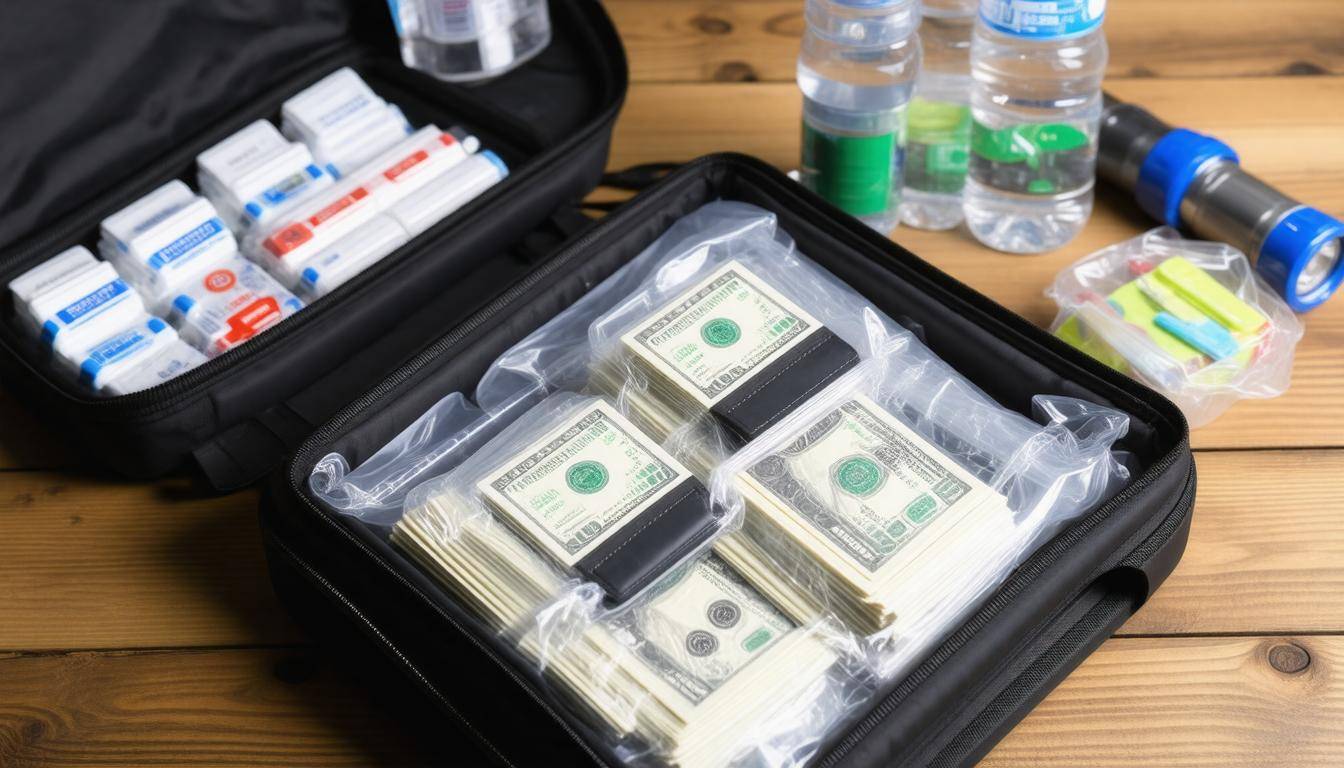
Keeping cash safe during an evacuation is paramount to avoid loss or theft and ensure that you have the resources you need when time is of the essence. When evacuation strikes, panic can set in. With limited time to act, knowing exactly where your funds are stored can ease stress and help you focus on getting to safety. So, how do you make sure your cash stays with you and secure? It boils down to smart storage strategies.
Tips for Safe Storage
-
First, using a money belt or a hidden pouch is a great option for keeping cash secure directly on your person. A money belt worn snugly under clothing is ideal because it not only prevents your cash from being easily visible but also provides peace of mind knowing that it’s safely tucked away.
-
Next, consider dividing your cash and storing it in multiple locations. This means placing some in your bag, tucking bills into socks, or even sewing small amounts of cash into the lining of your clothing. By spreading your funds out like this, you minimize the risk of losing everything if one location is compromised.
-
It’s also wise to avoid carrying large amounts of cash all in one place. Instead, keep only what you might need immediately accessible. This could mean having a few smaller denominations in your wallet for quick purchases while larger bills remain hidden in more secure locations.
Remember: A little creativity can go a long way. Think outside the box about where to secure your cash.
Exercise caution to ensure these hiding spots remain discreet and secure; however, accessibility is key as well.
Accessibility matters significantly when the unexpected happens. You want your stored cash to be easy to reach so that you can grab it quickly without drawing attention. While effective storage should prioritize security, it also must account for how quickly you may need to access those funds during an evacuation scenario.
Maintaining Discretion
Consider using everyday items as clever storage options. For example, hiding cash inside a portable charger or attaching it discreetly within an emergency kit adds an extra layer of protection against theft or loss during chaotic situations.
Lastly, regardless of how ingenious your storage solutions are, stay aware of your surroundings at all times. In moments of uncertainty, trusting your instincts and keeping a low profile will ultimately help keep both you and your financial resources safe as you navigate through any emergency or evacuation situation.
With this practical approach to managing your cash needs amid crisis situations, it’s vital to shift focus toward establishing a solid framework for securing financial stability even before emergencies arise.
Financial Security Prioritization Tips
Prioritizing financial security isn’t just about having cash in hand; it’s about making smart decisions that keep you afloat during turbulent times. When faced with an evacuation, the primary focus should be on meeting your immediate needs—shelter, food, and medical supplies. This means directing your resources carefully and being mindful of every dollar spent.
For instance, instead of splurging on a costly hotel room, consider budget accommodations. Not only will you save money, but you’ll also create a buffer for unforeseen expenses that might arise during the evacuation.
By aligning your financial decisions with your immediate priorities, you can stretch your cash further when it’s needed most.
Debt Management
An important aspect of financial preparedness is debt management. In an emergency situation, relying heavily on credit cards can be tempting. However, it’s crucial to maintain a balanced perspective. Credit cards can indeed provide a lifeline when funds are low; just ensure that you aren’t racking up unmanageable debt in the process.
Monitor expenses closely and try to make payments beyond the minimum whenever possible. Keeping a budget allows you to see exactly where your money is going and whether you’re overextending yourself.
While it can feel safe to lean on credit cards for quick access to funds, remember that every dollar spent now can impact your future financial health later. Develop self-discipline around spending, especially under pressure.
It’s also wise to recognize that some short-term debt can be manageable if approached carefully.
Balancing Immediate Needs with Future Obligations
Understanding when and how to use credit strategically can help bridge temporary financial gaps without jeopardizing long-term stability. By planning ahead, you could mitigate the risk of accumulating excessive debt while ensuring that necessary expenses are covered.
As you navigate evacuation scenarios, establish a sustainable mix of cash reserves and credit options so that you feel equipped, not overwhelmed.
Prioritizing your financial security during evacuations revolves around mindful decision-making. You may find it helpful to outline key expenses against potential income sources. With at least three to six months’ worth of living expenses saved in an easily accessible account, you’ll have greater confidence in facing whatever challenges come your way.
With these strategies in mind, particularly focusing on managing both immediate needs and future obligations effectively equips you for varying circumstances ahead. Let’s explore further how to maintain financial stability even amid sudden crises.
Managing Cash in Crisis Situations
Effective cash management during a crisis is crucial to ensuring financial stability and continued access to essential resources for survival and recovery. Imagine being in a situation where access to banks or ATMs is cut off—having a solid plan for your cash needs can make all the difference. It’s essential to understand your spending patterns, which will help you prepare adequately for uncertain circumstances.
Practical Strategies
One of the simplest yet most effective strategies is to regularly monitor your cash reserves. This means keeping a daily log of your spending. By writing down every expenditure, you can clearly see where your money goes, preventing overspending and ensuring you have enough funds for essential items like food, water, or medical supplies. A simple notebook can serve as both a bookkeeping tool and a reminder of your financial goals during stressful times. Many individuals find that once they start logging their expenses, they naturally become more conscious about their spending choices.
As you maintain this log, you’ll uncover patterns or areas where costs can be trimmed back, allowing for better financial preparedness.
Collaboration
It’s also wise to designate a trusted family member to manage cash if the primary person responsible becomes unavailable. Having someone else who understands the family’s financial landscape creates redundancy and prepares for chaotic situations. It’s like having an emergency backup plan for emotional support during storms; knowing someone has your back enhances trust and reduces panic. Communication is vital—involving everyone in discussions about finances contributes to an environment of transparency and preparedness.
Additionally, effective communication and planning among family members can significantly enhance cash management during crises. A coordinated approach lessens confusion; everyone knows their role and what resources are available, making the transition back to normalcy smoother if needed.
Key Cash Management Tips
| Strategy | Recommendation | Result |
|---|---|---|
| Regular spending log | Use a notebook to track expenses | Prevents overspending |
| Hide cash in multiple locations | Conceal money in various spots | Reduces risk of total loss |
| Utilize secure storage solutions | Money belts, hidden pouches | Keeps cash easily accessible |
| Emergency savings buffer | One month of expenses | Financial cushion |
| Family cash management plan | Communicate with family | Reduces financial confusion |
Keeping cash safe is another important aspect. Hiding cash in multiple locations around your home protects against potential total loss, much like diversifying investments in personal finance. Consider using money belts or hidden pouches for added security—these solutions keep your cash accessible yet concealed from prying eyes. Furthermore, establishing an emergency savings buffer covering at least one month of expenses acts as a safety net, providing peace of mind during unexpected disruptions.
Ultimately, managing cash in crisis situations boils down to preparation, collaboration, and vigilance—practices that guide us toward greater stability when we need it most.
In summary, having a robust financial strategy enables smoother transitions during difficult times while fostering resilience within households. Preparing adequately ensures better control over resources during emergencies that may arise unexpectedly.
Are there specific locations where it’s safer to store emergency cash?
It’s safer to store emergency cash in various discreet locations within your home, such as a hidden safe, or in less obvious places like behind a false wall or under floorboards, rather than conventional spots like drawers or wallets which are easily accessible to thieves. According to security studies, homes with concealed safes experience 25% fewer thefts than those with visible cash storage methods, emphasizing the importance of keeping your emergency funds hidden yet accessible in times of crisis.
How much cash should I have on hand for emergencies?
It’s generally advisable to have at least three to six months’ worth of living expenses in cash on hand for emergencies, which allows for greater flexibility during evacuations or unforeseen situations. According to a 2022 survey by Bankrate, only 39% of Americans could cover an unexpected $1,000 expense with savings, highlighting the importance of preparedness. Having readily accessible cash can provide peace of mind and ensure you can take care of immediate needs without relying solely on digital transactions that may be unavailable in emergency situations.
What role does insurance play in covering costs during an evacuation?
Insurance plays a crucial role in covering costs during an evacuation by providing financial protection for unexpected expenses such as temporary housing, lost personal belongings, and medical emergencies. For instance, according to recent studies, having renters or homeowners insurance can reimburse up to 80% of relocation costs when mandated due to disasters. Furthermore, specialized policies like travel insurance may cover additional expenses like canceled trips or emergency transport, making it essential for individuals to assess their coverage options ahead of time for a smoother financial recovery during such critical situations.
How can I prepare a financial plan that accommodates unexpected evacuation costs?
To prepare a financial plan accommodating unexpected evacuation costs, start by establishing an emergency fund that covers at least three to six months’ worth of living expenses, as recommended by financial experts. Consider adding specific savings for disaster-related expenses, like transportation or temporary housing. According to a 2022 survey, nearly 70% of households faced unexpected evacuation costs during natural disasters, highlighting the importance of preparation. Additionally, keep important financial documents readily accessible and invest in appropriate insurance coverage to mitigate potential losses.
What types of expenses should I consider when planning for evacuation?
When planning for evacuation, consider expenses such as transportation costs (fuel, public transport fares), temporary accommodation (hotels, rental properties), food and water supplies, emergency medical expenses, and essential personal items like clothing and toiletries. A study by the Federal Emergency Management Agency (FEMA) shows that families can incur up to $1,000 in unplanned expenses during a disaster. Therefore, having an emergency fund that covers at least these potential costs can significantly ease the financial burden during an evacuation.