
When it comes to natural disasters like earthquakes and tsunamis, preparation is your best friend. You might think you’re safe because you haven’t felt a quake in a while, but being prepared means taking action before disaster strikes. It’s all about knowing what to do and having the right supplies on hand. In Cebu, where these events can happen unexpectedly, working together as a family or community can make all the difference in ensuring everyone stays safe. Let’s dive into essential steps you can take now to protect yourself and your loved ones during an earthquake or tsunami. Remember, it’s better to be ready than to be caught off guard!
The Cebu Earthquake & Tsunami Safety Checklist should include essential items like an emergency supply kit with at least one gallon of water per person per day, non-perishable food for three days, a reliable flashlight with extra batteries, and a comprehensive first aid kit. Additionally, it is crucial to develop an emergency communication plan and regularly participate in drills to ensure readiness for any disaster scenario.
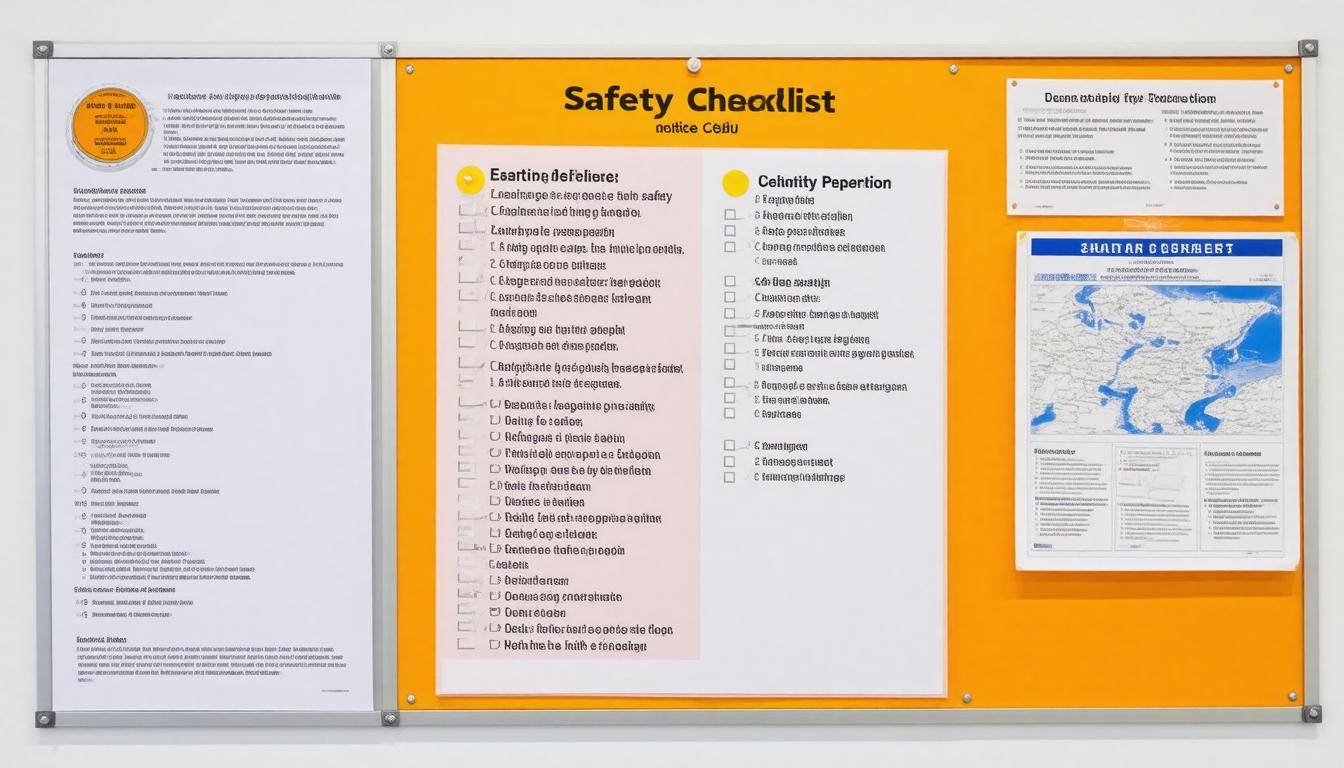
Earthquake & Tsunami Preparedness Checklist
Step I – Risk Assessment
Conducting a risk assessment is your first line of defense against natural disasters. Start by pinpointing fault lines in your area and identifying regions vulnerable to tsunami inundation. You don’t have to be a geologist; simply check local government resources for maps that show risk zones.
Understanding the geology around you can provide critical insights into how likely an earthquake or tsunami might occur. It’s not just about knowing what could happen; it’s about knowing how to prepare effectively for those risks.
For instance, if you live near a fault line, consider additional safety measures in your emergency plan like securing heavy objects on shelves or relocating items that could become hazards during an earthquake. Keeping a mental map of evacuation routes through different scenarios can help your family act quickly when the time comes.
Step II – Emergency Plan Design
Designing an emergency plan tailored to your household is crucial for ensuring everyone knows what to do when disaster strikes. Document this plan clearly—make copies and share them with all family members. Think about having at least two evacuation routes; one may become blocked or inaccessible during an emergency.
Choosing meeting points outside the home—such as a nearby park or a relative’s house—is also important. Make sure every family member understands their role in the plan, from gathering emergency supplies to checking in with pets, children, or elderly family members. Regularly reviewing and practicing your plan solidifies everyone’s understanding and helps reduce panic during real emergencies.
Step III – Structural Safety Measures
Securing heavy furniture and appliances is more than just an idea; it’s a necessity in earthquake-prone regions. By anchoring bookshelves to walls, you minimize the risks of them tipping over, which can cause injuries or block exits. Retrofitting your home with earthquake-resistant techniques significantly increases its stability.
Structural reinforcements such as bolting foundations or installing protective brackets for significant household items can make a profound difference when the ground shakes beneath you. Consult local builders experienced in seismic retrofitting to assess what additional measures can be taken specific to your home structure.
Preparedness extends beyond physical safety measures to include ensuring you have the right supplies ready to go at a moment’s notice. This foundation of knowledge will prepare you for the next steps involving practical strategies for safeguarding your home and loved ones.
Preparing Your Home and Family
The foundation of your emergency preparedness starts with a solid family safety plan. Begin by organizing regular family safety meetings where you can discuss earthquake and tsunami protocols. Make sure everyone understands the life-saving technique “Drop, Cover, and Hold On,” which is vital for responding to shakings. Encourage open conversations where family members can express their fears or concerns, as addressing these feelings can lessen anxiety during real emergencies.
During these meetings, take the opportunity to create a comprehensive evacuation plan. Mark safe routes on a map showing how to get to higher ground if a tsunami warning is issued. This process ensures familiarization with the routes and promotes teamwork among family members as they practice together.
Child & Pet Safety
Child and pet safety should be at the forefront of your preparedness efforts. When working with younger family members, demonstrate how to safely evacuate the house—practice your escape routes several times so that when an emergency arises, the actions come second nature. Use fun games or role-playing exercises to reinforce their learning. For instance, turn “getting out of the house” into a race; whoever gets outside first while following safety protocols can earn a small reward.
As for pets, it’s essential to have a plan for them too. Designate a specific area in your home where they are to be kept safe during evacuations. Prepare a pet carrier and keep it accessible so that you can transport them quickly if needed. Ensure that all pets have identification tags and collars in case you become separated during an emergency.
Don’t forget to compile an emergency supply kit that includes essentials for both your family and pets. This kit should consist of medications, food supplies, water, and personal hygiene items for each family member. For pets, include their food and any comfort items like toys or blankets that may help reduce their stress during such occurrences.
By implementing these strategies, not only do you safeguard your loved ones but also enhance your overall preparedness in facing potential disasters. Understanding the necessary supplies can further bolster your readiness in times of crisis.
Essential Emergency Supplies

Having the right supplies can indeed make all the difference during and after a disaster like an earthquake or tsunami, especially in areas prone to such events like Cebu. Each item in your emergency kit plays a vital role, and knowing why you need them can make it easier to gather everything you require.
Let’s start with water. It’s essential to have at least one gallon per person per day for at least three days. This is not just for drinking; it’s also necessary for sanitation needs. Imagine being without running water after a disaster; having adequate hydration is crucial. If you’re unsure about the best ways to store water, use clean, clear containers and keep them in a cool, dark place to maintain their quality.
Next up is food.
You should include a minimum three-day supply of non-perishable food items that are easy to prepare and consume. Items like canned goods, energy bars, and dried fruits are great choices because they require no refrigeration and have long shelf lives. Think about your family’s dietary preferences and any specific needs; having foods everyone likes can make a stressful time more bearable.
Now consider your light sources, particularly flashlights.
A reliable flashlight is indispensable during power outages caused by natural disasters. Ensure that you have extra batteries on hand as well since nothing is more frustrating than relying on a flashlight only to find dead batteries when you need it most. As an alternative, consider solar-powered or hand-crank flashlights which eliminate reliance on disposable batteries altogether.
When evaluating injuries sustained during a disaster, your First Aid Kit becomes crucial.
An effective first aid kit should include essential items such as adhesive bandages, antiseptic wipes, gauze pads, scissors, and pain relievers. It’s wise to personalize the kit based on your family’s individual health needs. For example, if someone has allergies or requires specific medications regularly, stock those as well. Familiarize yourself with how to use each item; knowing what to do in an emergency can elevate your chances of effective response.
Another important aspect is having the right tools at your disposal.
A multi-tool or Swiss Army Knife can be incredibly versatile in emergencies. Additionally, including tools like wrenches and pliers may help you manage any quick fixes that arise during or after a disaster scenario—be it gas leaks from damaged lines or securing loose items around your home.
Additionally, don’t underestimate the value of a whistle.
A whistle can serve as an excellent signaling device if you’re trapped under debris or unable to call for help verbally. It’s easy to pack in your emergency kit and can save precious seconds when trying to communicate your location.
Lastly, we must address sanitation items.
In times of crisis where clean facilities may not be available, having moist towelettes, garbage bags, and plastic ties will enable proper sanitation practices that are vital for maintaining health. Proper hygiene can be easily overlooked but becomes increasingly important during extended emergencies when traditional waste disposal options may be limited.
Remember that preparation means foreseeing these challenges before they arise so that you’re ready when disaster strikes.
With the right essentials gathered for emergencies, it’s equally important to ensure you have the necessary resources for medical situations that may arise unexpectedly.
First Aid and Survival Kits
Specialized first aid and survival kits can be lifesavers, especially during events as unpredictable as earthquakes and tsunamis. A well-stocked first aid kit goes beyond just a collection of basic supplies; it’s an essential tool for responding to injuries in the critical moments before professional help arrives. Having the right supplies can make the difference between a manageable situation and a major health crisis. These kits should be comprehensive yet compact, easily portable but loaded with all the essentials.
For instance, your first aid kit ought to include adhesive bandages in various sizes to cover any cuts or abrasions. Adding antiseptic wipes is vital for cleaning wounds, while sterile gauze pads provide coverage for larger injuries. Don’t forget tweezers, which are invaluable for removing splinters or foreign objects; and having a reliable thermometer will help you quickly assess if someone has a fever. Completing this list with an emergency blanket is critical too, as it retains body heat in precarious situations.
Survival Kit Components
Shifting focus toward survival kits, these must contain items that sustain life and enhance your chances of surviving longer after an emergency strikes. High-calorie energy bars provide necessary sustenance when cooking options may be unavailable; think of them as your lifeline during unexpected hardships. Alongside food, keep water purification tablets on hand because access to clean drinking water is paramount—these tiny tablets can transform any questionable water source into something safe to consume.
Think about the need for information as well. A portable radio keeps you connected with news updates and emergency instructions when other forms of communication falter. Including a local area map helps guide you to safety or alternative routes if traditional communication systems are down. Lastly, don’t underestimate the importance of sturdy shoes in emergencies—these protect your feet from debris and hazards while enabling you to navigate safely through challenging landscapes.
Having both comprehensive first aid supplies and survival kits empowers individuals to remain resilient during crises. Ensuring these tools are prepped and easily accessible gives peace of mind in knowing you’re prepared for whatever nature throws your way.
Now more than ever, understanding how these components work together can significantly improve your ability to respond effectively during emergencies that may arise.
Earthquake Safety Procedures
Drop, Cover, and Hold On
It sounds simple, but the effectiveness of the Drop, Cover, and Hold On method cannot be overstated. When ground movements start, your first instinct might be to run outside, but that can put you at risk.
It’s best to drop to your hands and knees immediately; this helps stabilize your body and prevents you from being thrown off balance. Next, cover your head and neck with your arms and take shelter under a sturdy piece of furniture like a table or desk. This position protects vulnerable areas of your body from any falling objects.
As you hunker down, hold on tightly to your shelter until the shaking stops, even if fear makes you want to leave immediately.
But what happens when tremors subside? Knowing where to go afterward is just as crucial.
Avoid Dangerous Areas
Once you’re secure under a table during the shaking, keep in mind that the danger doesn’t cease immediately after it stops. Steer clear of windows and areas with heavy appliances or decor items that could easily topple over.
Think about it: glass shattering nearby coupled with falling cabinets can create a dangerous situation. Instead, try to move to an interior room—ideally, it should be on the ground floor if you are in a multistory building. Staying away from exterior walls decreases the risk of injury from glass or debris.
If you’re in a crowded place like a mall or an office building during an earthquake, don’t rush for the exits! Panic can lead to chaos which can result in injuries. Remain calm and follow emergency procedures specific to your location while still adhering to the Drop, Cover, and Hold On rule when shaking begins.
Keeping an eye out for large pieces of furniture that could fall or anything sharp during these moments might also mean the difference between minor inconvenience and serious injury.
Awareness and preparedness are key elements in navigating emergencies successfully. Building on this understanding leads us to the next critical step in ensuring safety amidst natural disasters.
Developing a Tsunami Evacuation Plan
Time is indeed of the essence when a tsunami warning goes off. The heart races, and decisions need to be made quickly, but having a well-thought-out evacuation plan can mean the difference between safety and danger.
The first step is to identify your evacuation routes. Knowing the nearest high ground is paramount, as it helps in making swift decisions when every second counts. You should systematically plot out multiple routes to avoid congestion; sometimes, even familiar paths can be blocked unexpectedly.
Think about how you can access these routes in various situations, such as during heavy rain or traffic. It could also be beneficial to map out alternative escape routes on your family’s phones or keep printed copies in a location everyone knows, like on the fridge. This way, you won’t waste critical moments figuring out where to go amidst chaos but will have designated places to head toward already set in your mind.
Next comes the communication plan, which is just as vital as knowing where to run. Establishing a clear way to communicate during an emergency—perhaps via a dedicated group text or even specific signals—will help maintain organization and calm. Everyone should know who to contact and how to stay updated on each other’s whereabouts.
Remember, in urgent situations, panic can easily spread unless there is calm communication guiding you through it.
As important as these steps are, they won’t serve their purpose if not practiced regularly.
This is why conducting regular evacuation drills is critical—not just for yourself but for everyone involved in your safety network. Aim to hold drills at least twice a year so that everyone becomes familiar with the plan and their role within it. Through repetition, routines solidify in our minds; they become automatic responses rather than choices that require deliberation under pressure.
During these drills, perhaps consider varying scenarios: What if it’s night? What if it rains? By simulating different conditions, you’ll further prepare yourselves for potential surprises during a real emergency. Always aim to create an environment that allows for questions, fostering an understanding of why each step is important.
In this preparedness journey, each step taken aids in bolstering the confidence required during emergencies while enhancing communication channels that are essential for safety. Let’s now explore how staying informed through alerts can further ensure your readiness in times of crisis.
Effective Communication and Alerts

In times of crisis, having a strong communication plan can mean the difference between safety and chaos. The first step is to establish an Emergency Contact List, which should contain essential numbers such as family members, close friends, and local emergency services. It’s crucial that each member of your household has access to this list; consider keeping copies in accessible locations like the refrigerator or near your phone chargers. Writing down these contacts on paper can also be helpful in case your phone dies or is lost.
Emergency Contact List
A well-prepared contact list isn’t just a matter of convenience; it can significantly speed up communication during distressing situations. Make sure you include not only immediate family members but also trusted neighbors who may provide help or relay information if you’re not able to communicate. It’s useful to have a plan in place about where you will meet if you’re separated and what methods you’ll use to communicate under various circumstances. For instance, if power is out, texting might be more reliable than calling due to network congestion.
“A robust communication plan ensures that everyone knows their role and whom to reach out to in emergencies.”
Following this, you’ll want to set up Alert Systems. With technology being such an integral part of our lives today, leveraging it for emergency alerts is smart practice. Sign up for local emergency systems through SMS notifications and email updates so you receive timely updates about earthquakes or tsunami warnings.
Alert Systems
Consider using NOAA weather radios for real-time information about severe conditions. They broadcast alerts directly from the National Oceanic and Atmospheric Administration, providing critical weather updates essential for preparedness. Make sure your radio is easily accessible and that it has fresh batteries or is plugged into a reliable power source. You can also download relevant apps which can send notifications to your devices and help ensure you stay informed even on the go.
Establishing these lines of communication empowers families with knowledge and readiness in emergency situations. From here, we can explore practical steps to maintain safety when the ground shakes again.
Staying Safe During Aftershocks
Aftershocks can strike without warning, often catching people off guard and turning a moment of relief into panic. Just because the ground has settled does not mean that it’s safe to resume normal activities. The danger of aftershocks, which can occur from minutes to weeks following the main earthquake, presents a heightened risk. Being vigilant is crucial; treat every aftershock as if it could be a major event. Understanding what steps to take next can help ensure your safety and the safety of those around you.
Step I – Recheck Safety Procedures
The first thing you should do is reassess your environment thoroughly. After any significant seismic event, even minor quakes can create new hazards in your surroundings. Walk through each room and carefully inspect for unstable furniture that has been shifted or structural damage like cracks in the walls. This mental checklist allows you to identify potential dangers before they become problems. For instance, if you’ve got heavy shelves that once felt secure, double-checking their stability post-earthquake will save you from serious injury during an aftershock when they may fall unexpectedly.
Step II – Communication Protocols
Keeping communication open with family and neighbors is vital during this time. Once you’ve assessed your surroundings, reach out to loved ones to confirm everyone is accounted for. Text messages are often more reliable than voice calls in times of crisis since they don’t hog precious network resources when many are trying to connect simultaneously. Establishing a simple communication protocol makes it easier to locate any family members who might be separated during the chaos.
| Item | Purpose |
|---|---|
| Emergency Kit | Provides essential supplies |
| Communication | Keeps everyone connected and informed |
| Rechecking Steps | Identifies new potential hazards |
Having an emergency kit readily available is another key aspect of staying prepared during aftershocks. Make sure your kit includes clean water, non-perishable food items, a flashlight, batteries, and a first aid kit as these supplies can be crucial while waiting for help or during extended periods without power or basic services.
Regular Updates to Your Preparedness
One last piece of advice: regularly reassess your emergency kits. Life changes quickly—new family members arrive, food preferences shift, and expiration dates sneak up on you. By keeping everything updated based on lessons learned from drills or previous experiences, you ensure that when disaster strikes again, you’ll be ready and equipped with what you really need.
By following these steps diligently and remaining alert during aftershocks, you minimize the risks associated with returning to normalcy too soon. Remember that preparedness doesn’t just end after the initial quake; it’s an ongoing process that can keep you and your loved ones safe in unexpected situations.
In moments of uncertainty like natural disasters, being prepared is not just beneficial—it’s essential for survival and community resilience.
Are there specific local resources or organizations that provide assistance during significant seismic events in Cebu?
Yes, during significant seismic events in Cebu, local organizations such as the Office of Civil Defense (OCD) and the Philippine Institute of Volcanology and Seismology (PHIVOLCS) play crucial roles in providing assistance and disseminating information. Additionally, various non-governmental organizations (NGOs) often mobilize to assist affected communities. According to statistics from PHIVOLCS, Cebu is within a seismically active zone, with a significant earthquake occurrence rate, highlighting the need for preparedness and localized support during emergencies.
How can residents of Cebu stay informed about earthquake and tsunami warnings?
Residents of Cebu can stay informed about earthquake and tsunami warnings by subscribing to local government alerts, utilizing mobile apps dedicated to disaster management, and monitoring updates from reliable sources such as the Philippine Institute of Volcanology and Seismology (PHIVOLCS). With approximately 20 typhoons entering the Philippines yearly and its position along the Pacific Ring of Fire, staying updated is crucial for safety. Engaging with community preparedness programs and participating in drills can also enhance awareness and readiness in case of emergencies.
What steps should be taken immediately after experiencing an earthquake in Cebu?
Immediately after experiencing an earthquake in Cebu, you should first drop to the ground, take cover under a sturdy piece of furniture, and hold on until the shaking stops. Once the tremors cease, assess your surroundings for hazards like fallen objects or gas leaks before evacuating if necessary. The Philippines is located in the Pacific Ring of Fire, prone to seismic activity; thus, preparedness is key. In fact, recent statistics indicate that proper emergency response plans can reduce injury rates by up to 50%. Stay informed and be ready!
What essential items should be included in a Cebu Earthquake & Tsunami Safety Checklist?
A Cebu Earthquake & Tsunami Safety Checklist should include essential items such as a first aid kit, bottled water (at least one gallon per person per day for three days), non-perishable food (enough for three days), a flashlight with extra batteries, a whistle, and important documents in a waterproof container. Given that the Philippines is located in the Pacific Ring of Fire, over 20 earthquakes occur every year, making preparedness crucial. Additionally, tsunamis pose significant risk given Cebu’s coastal geography, emphasizing the need for immediate access to emergency supplies to ensure safety during such events.
How often should people review or update their safety plans regarding earthquakes and tsunamis?
People should review and update their safety plans regarding earthquakes and tsunamis at least once a year, or more frequently if there are significant changes in local risk factors, such as new construction or infrastructure developments. Regular updates ensure that all family members are familiar with the latest procedures and that supplies remain stocked and current. According to the National Earthquake Information Center, about 62 million people in high-risk areas should be proactive, as disasters can strike without warning and preparedness can dramatically increase survival rates.