
Living in Central Italy means appreciating the beauty of its landscapes and history, but it also comes with a certain level of risk. Earthquakes can strike without warning, making preparedness essential for keeping you and your loved ones safe. So, how can you protect yourself in a region known for seismic activity? This guide is designed to help you assemble a solid emergency kit packed with essential supplies. From food and water to communication tools, we’ll cover everything you need to stay ready when disaster might hit. Let’s jump into the specific items that can make a real difference during an emergency situation.
For earthquakes in Central Italy, it’s crucial to have a well-stocked emergency kit that includes water, non-perishable food, a first aid kit, flashlights, batteries, a whistle, and sturdy shoes. Additionally, consider having a portable phone charger and a local map to navigate any damaged areas post-earthquake.
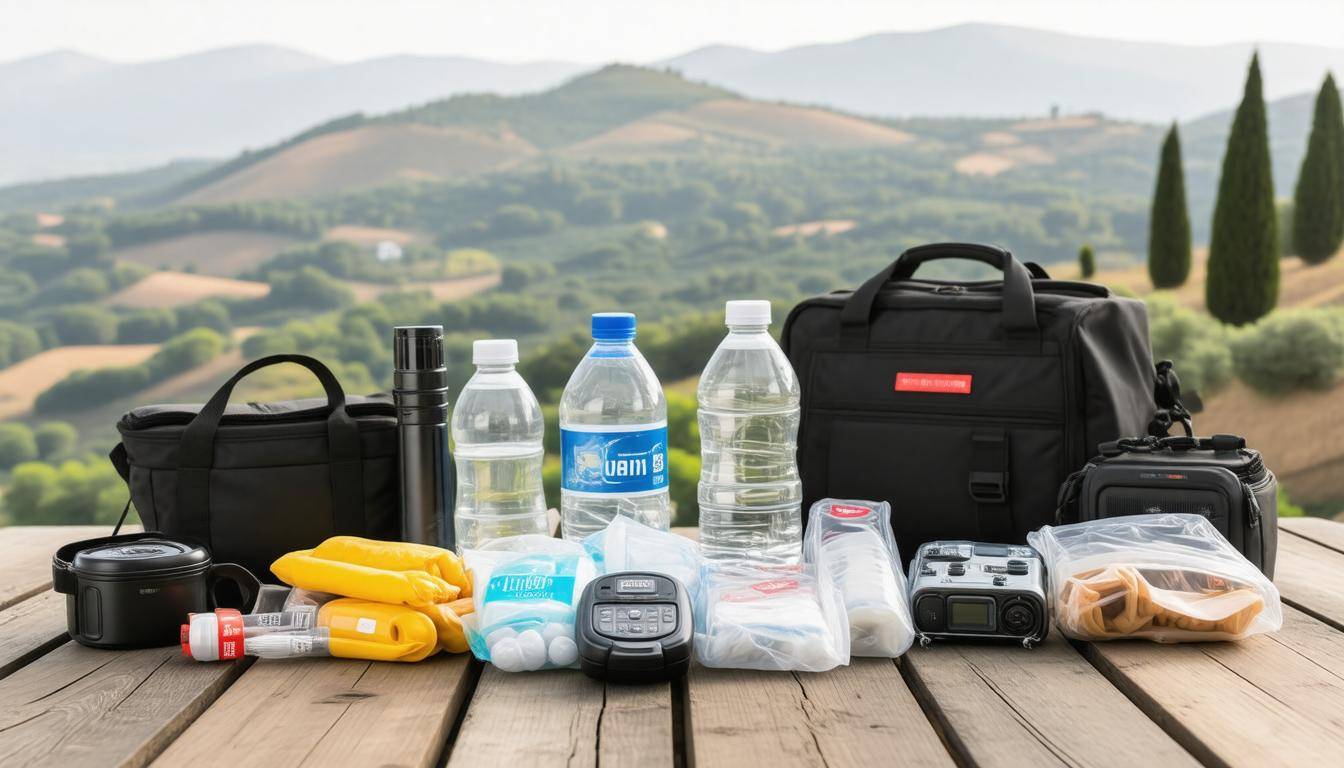
Essential Supplies for Earthquakes
When assembling your earthquake preparedness kit, it’s crucial to think beyond just a few basic items. Each component can significantly enhance your ability to respond adequately in an emergency situation.
Consider the flashlight—it may seem simple, but when the ground shakes and the lights go out, having a reliable source of illumination is paramount. Pair it with extra batteries to ensure you’re never left in the dark.
Having a whistle is another often-overlooked necessity; it allows you to signal for help without wasting energy shouting, especially if debris covers you.
The Core Items
The sturdy shoes you choose should be both durable and comfortable since running or walking through rubble requires footwear that can withstand sharp objects while protecting your feet. Similarly, gloves are essential—they shield your hands from cuts and abrasions as you navigate through fallen debris or attempt rescues.
Multi-purpose tools are invaluable because they combine several functions—think screwdrivers and pliers all in one—which means you can tackle various tasks without carrying multiple items.
An organized and well-thought-out kit doesn’t just provide physical safety; it also offers peace of mind. Knowing that you’re prepared allows you to focus more on staying calm during a crisis.
Expanding the List
It’s wise to expand your initial list to include additional necessities that will support your overall preparedness:
- Water supply: Aim for at least one gallon per person per day for at least three days.
- Non-perishable food: Include items such as energy bars, canned goods, or dehydrated meals to ensure you have nourishment.
- First aid kit: Make sure it includes bandages, antiseptics, scissors, and any personal medications.
- Emergency blanket: These lightweight, compact blankets can trap body heat when needed.
- Local maps: Digital maps might not work if communication systems fail, so having a physical map is crucial for navigation.
With these essentials in hand, it’s essential to consider how specialized medical supplies play a role in comprehensive emergency preparedness. This ensures a holistic approach to safety in times of crisis.
First Aid and Medical Kits
The importance of having a comprehensive first aid and medical kit cannot be overstated when preparing for earthquakes. You never know when an emergency might strike, and being equipped with the right supplies could make all the difference in ensuring the safety and health of you and your loved ones.
Start with the basics: your kit should contain items like bandages, antiseptic wipes, gauze, and adhesive tape. These essentials are crucial for treating cuts, scrapes, or any injuries sustained during the chaos of an earthquake. You should also include over-the-counter medications for pain relief—think ibuprofen or acetaminophen—as well as anti-inflammatory aids to mitigate discomfort during stressful times.
Additionally, it’s wise to personalize your kit according to your family’s unique needs. If someone has specific medical requirements, such as prescription medications for chronic conditions, or if there are allergies that need addressing (like EpiPens for severe allergic reactions), make sure these items are included in your emergency preparedness plan. This ensures you’re not only ready to deal with common injuries but can also respond effectively to personal medical needs when help may be delayed.
Additional Medical Supplies
As we explore further into our first aid kit expansion, do not overlook handy tools that can assist during emergencies. Tweezers and scissors are invaluable additions for removing debris or cutting clothing in order to assess injuries efficiently. Oftentimes you may have to deal with splinters or small fragments lodged in wounds that require precision tools for removal. Keeping these items accessible can expedite care and reduce further injury.
Item Purpose Bandages For covering wounds Antiseptic wipes To clean and disinfect injuries Gauze and adhesive tape For dressing larger wounds Tweezers and scissors For removing debris or cutting clothing Prescription meds For treating ongoing medical conditions
Beyond physical tools, an effective first aid kit should incorporate instructions tailored to your situation. Simple guides on how to treat common injuries can assist untrained family members who might be under stress during an emergency. This adds an extra layer of preparedness, especially if someone is less confident about administering care.
With a solid foundation in medical readiness established, the next step centers around ensuring that you also have adequate food and water resources at hand.
Food and Water Storage

Proper food and water storage can sustain you until help arrives. In an emergency situation, the importance of having a well-thought-out supply of essentials can’t be underestimated. It’s essential to gather items and store them properly for easy access and optimal freshness.
Build your food stockpile with at least a three-day supply of non-perishable food items and bottled water for each household member. This means focusing on balanced options like canned vegetables, fruits, nuts, dried fruits, and protein bars that provide nourishment without needing refrigeration.
Equally important as selecting the right foods is ensuring they are stored correctly.
When it comes to water, aim for one gallon per person per day to cover drinking needs and sanitation requirements. For long-term storage, use sealed containers—preferably made of food-grade plastic or glass to avoid contamination. Remember to rotate your supplies every six months; old supplies can degrade in taste or safety over time. If you have cases of bottled water, check expiration dates regularly. Note that it can last indefinitely if stored properly.
While having clean supplies is vital, don’t overlook effective purification methods. Consider including water purification tablets or a portable water filter in your kit. These serve as crucial backup options should local water sources become contaminated after an earthquake—especially relevant in Central Italy, where disasters can disrupt infrastructure and potentially taint nearby water sources.
Pro tip: Each family should discuss their needs regarding hydration and nourishment; preferences can vary widely, but planning around everyone’s tastes will encourage consumption during tense situations.
Taking these steps toward proper storage not only prepares you for potential emergencies but can also ease the stress that comes with them. By investing a little time into gathering supplies now, you’re securing not just your physical safety but also adding comfort during uncertain times. This proactive mindset enhances your overall readiness for unexpected challenges.
As we consider the broader strategy of preparation, let’s shift our focus to essential gear that provides protection and safety during emergencies.
Shelter and Protection Gear
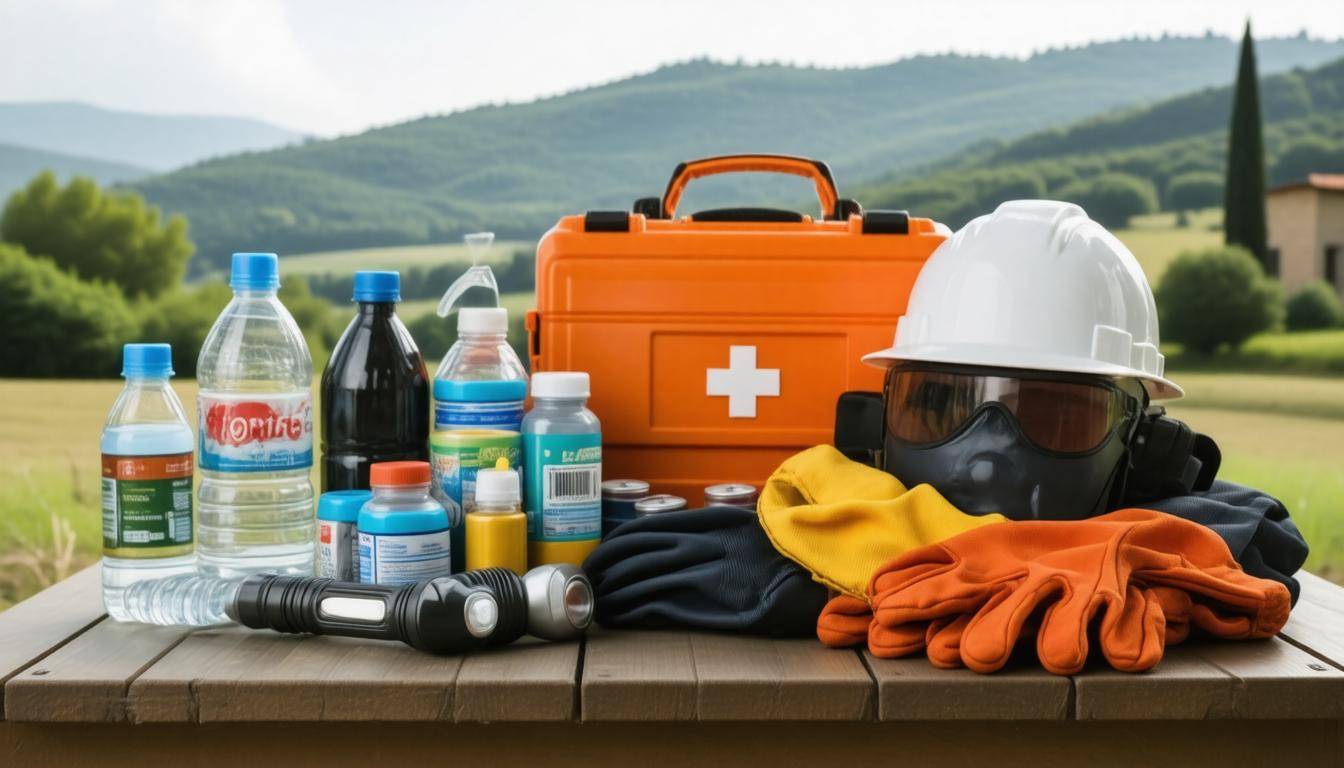
If the walls of your home are left standing but deemed uninhabitable after an earthquake, having the right shelter gear will provide you with peace of mind and security. Key items such as a sturdy tent can offer much-needed sanctuary from harsh weather conditions while you wait for repairs or seek alternative living arrangements. Make sure to select a tent designed for rapid setup, as you may need to establish it quickly under pressure.
Basic Shelter Items
Beyond a reliable tent, sleeping bags are crucial for warmth and comfort during potentially long nights spent outdoors. Selecting sleeping bags rated for cooler temperatures can be particularly wise in case of unexpected weather changes. Emergency thermal blankets, which are light and easy to pack, can add extra insulation if the temperature drops unexpectedly.
Furthermore, a portable stove combined with fuel is not just a convenience; it transforms your temporary dwelling into a livable space where you can cook food and boil drinking water. Always remember to store this stove safely and ensure that it’s sturdy enough to avoid accidents during use.
Prepare accordingly by making an inventory of these shelter items to ensure nothing is forgotten as you create your safety kit.
Personal Protection Gear
Personal protection gear takes on immense significance in the aftermath of an earthquake, where debris may present serious hazards. Packing dust masks is essential to protect your lungs from inhaling harmful particles in the air that could lead to respiratory issues. Consider including a pair of durable safety goggles; flying debris can cause serious injuries to your eyes even before you’re aware of its presence.
Helmet usage cannot be overstated—especially when there’s a meaningful risk of falling objects around you. Investing in a hard hat can offer crucial head protection as you navigate unfamiliar environments post-quake. Having these items at hand ensures that you’re minimizing injury risk while staying focused on the next steps.
As we shift our attention from shelter and protection, the importance of maintaining communication will further enhance your safety and coordination during emergencies.
Communication and Tools
Effective communication tools ensure you stay connected and informed when disaster strikes. One indispensable tool is a battery-operated or hand-crank radio, which allows you to stay updated with news and emergency broadcasts even when other forms of power fail. Personally, I’ve found these radios invaluable; they not only provide essential information but also create a sense of security knowing that you’re plugged into what’s happening outside your immediate environment. With natural disasters like earthquakes, this can often be the difference between confusion and clarity.
Walkie-talkies are another smart addition to your emergency toolkit. They facilitate clear communication within your group, especially if you’re in an area where cell coverage may be spotty due to damaged infrastructure. This is particularly important in rural regions—where many of us prefer to live. Having direct line-of-sight communication can help you coordinate any emergency actions effectively without having to worry about signal loss.
While some might argue that smartphones equipped with various emergency apps are sufficient for staying informed during an emergency, relying solely on them can be risky. Smartphones require a charged battery and a working cellular network, both of which might not be available during a crisis. A backup radio becomes essential in areas with unreliable cell coverage, acting as a lifeline to external information and assistance.
Consider adding extra batteries to your supplies as well. In my experience, a small investment in rechargeable batteries pays off tremendously in emergencies, eliminating the need for generating power from vengeful sources like gas generators that could fail at the worst times. Ensure that your radios and walkie-talkies are compatible with these batteries so you’re never left without power.
These simple but crucial devices help ensure that you can stay informed, coordinate with loved ones, and navigate through potentially chaotic situations more efficiently. As we move forward, the next step involves examining the essentials you’ll need to include in your emergency preparedness kit.
Packing Your Emergency Kit
Your emergency kit should be ready to go at a moment’s notice. You want to ensure everything you need is packed efficiently and effectively, so in the chaos of an emergency, nothing gets left behind.
Step-by-Step Packing Guide
Step I – Choose a Durable Bag
Opt for a waterproof, sturdy backpack that can withstand harsh conditions but remains easy to carry. A bag made from durable material will protect your supplies from moisture and wear.
When selecting a backpack, look for one with multiple compartments; this feature will help you keep items organized and easily accessible. Using bright or reflective colors can also be helpful to locate your bag quickly in low-light situations.
Step II – Organize by Priority
Once you have your backpack, it’s time to pack strategically. Place the heaviest items at the bottom but keep frequently used items at the top. Consider how often you’ll need certain supplies and arrange them accordingly.
For instance, first-aid kits, flashlights, and water bottles should be within arm’s reach.
Think about the scenario: if there’s an emergency, your adrenaline is pumping, and quick access to vital items can make all the difference.
Utilize small pouches or zip-lock bags to categorize items further. You might label things like “first aid,” “food,” and “tools.” This way, in high-stress moments, you won’t have to dig through everything just to find a band-aid or flashlight.
Step III – Essential Items to Include
Now let’s explore what you should include in your emergency kit. Aside from personal documents (like ID and insurance cards), make sure to have essential survival gear: non-perishable food items (like energy bars and canned goods with a manual opener), bottled water (one gallon per person per day for three days), a flashlight with extra batteries, and a basic first-aid kit stocked with antiseptic wipes, bandages, and any necessary medications you or your family may require.
- Portable cell phone charger – keep communication options open.
- Multi-tool or knife – handy for various tasks.
- Blankets – compact survival blankets are lightweight but effective for warmth.
- Whistle – useful for signaling help if needed.
Regularly updating your kit is just as crucial as packing it correctly. Be sure to check expiration dates on supplies at least twice a year and refresh any consumables as needed. As we consider these supplies, it’s vital to think about how they fit into a broader strategy for keeping your loved ones safe during emergencies.
Family Safety Plans
A good family safety plan isn’t just a piece of paper; it’s the framework that ensures your loved ones know how to respond effectively when an earthquake strikes. Start by designating clear meeting spots – one indoors, perhaps in a centrally located room without heavy furniture, and another outdoors, such as the mailbox or a neighbor’s yard. This gives everyone a safe place to gather after ensuring the building is secure.
Regularly practicing evacuation drills can help reinforce these procedures, turning what might be panic into purposeful action.
Beyond planning physical locations, ensure every member understands how to handle utilities. Teach them how to shut off gas, water, and electricity to prevent additional hazards post-earthquake. Visual aids can be beneficial here; consider placing simple instruction cards near the appliances or main utilities. This is especially important for children or elderly relatives who might have difficulty remembering.
Addressing specific needs for various family members is crucial. Whether you have young children who may need reassurance, older relatives who could require assistance moving swiftly, or pets that must be accounted for during emergencies, it’s all part of crafting a robust plan.
Each family member should also have clearly defined roles. For instance, one person might check on neighbors while another focuses on getting out of the house quickly. Clarifying these tasks ahead of time eliminates confusion when seconds count.
Don’t forget that a safety plan requires ongoing attention. Regular reviews will not only help integrate any new family members but also adapt to changes in living arrangements or updates in local disaster protocols. Create a calendar reminder every six months to discuss any necessary adjustments.
Finally, a safety plan lives and breathes with practice. Consider hosting quarterly drills where family members act out their responsibilities from start to finish. Simulation can uncover weaknesses in the plan and give everyone the chance to feel confident in their roles.
With these strategies in motion, your family’s preparedness will be sharpened as they navigate potential challenges in the wake of an earthquake. As we consider the steps necessary for survival and safety, it’s equally important to explore how to remain updated on any changes that could impact our plans.
Staying Informed and Updated
Being aware of the latest information can be life-saving. In a region like Central Italy, where seismic activity is common, having real-time updates helps you respond quickly to avoid potential dangers. One effective way to stay in the loop is to sign up for local emergency notification systems or download apps that send alerts directly to your phone. These notifications can range from earthquake advisories to important safety measures, keeping you informed regardless of where you are.
It’s essential to follow credible sources like the European-Mediterranean Seismological Centre (EMSC) for reliable information on seismic activity. These organizations provide timely data, often before it reaches mainstream news outlets. Use social media responsibly by following their official accounts; this can turn your feed into a valuable resource for safety alerts as events unfold.
Furthermore, staying informed involves constant vigilance. Always ensure that your communication devices are fully charged and have spare batteries on hand. In emergencies where power outages may occur, having backup options—including portable chargers and battery-operated radios—can be invaluable.
Ultimately, staying informed ensures you’re never caught off guard during seismic events or emergencies.
While being aware of what’s happening around you is crucial, pairing this knowledge with a well-stocked safety kit fosters peace of mind and readies you for any situation that may arise. Keep your kit updated with essential supplies and review its contents regularly to ensure nothing has expired or become unusable.
In summary, maintaining awareness along with preparation significantly enhances your resilience against earthquakes in Central Italy. Stay informed and ready to protect yourself and your loved ones.
How often should earthquake supplies be checked or updated to ensure they are ready for use when needed?
Earthquake supplies should be checked and updated at least twice a year to ensure they are ready for use when needed. Regular inspections help to replace expired items, assess the condition of supplies, and adapt to any changes in personal needs or family size. According to FEMA, about 60% of people do not have enough emergency supplies, illustrating the importance of maintaining an up-to-date kit that can be relied upon during a crisis.
What roles do public buildings play in providing safety supplies during an earthquake event in Central Italy?
Public buildings in Central Italy serve as critical hubs for distributing safety supplies during earthquake events, acting as designated shelters and resource centers. In communities prone to seismic activity, local government facilities, schools, and community centers are often stocked with emergency supplies like food, water, first aid kits, and blankets. A study showed that over 65% of residents rely on these structures during emergencies for immediate access to essential resources, highlighting their vital role in community preparedness and resilience against potential disasters.
How can technology assist in enhancing earthquake preparedness and response strategies in regions like Central Italy?
Technology enhances earthquake preparedness and response strategies in regions like Central Italy through early warning systems, seismic sensors, and mobile applications that provide real-time alerts and information. For instance, advanced seismic monitoring networks can detect earthquakes seconds before they reach populated areas, potentially reducing injury rates by up to 50%, according to recent studies. Additionally, apps can help residents familiarize themselves with safety protocols and connect them with emergency services, ultimately fostering a more informed and resilient community in the face of natural disasters.
What specific items should be included in a comprehensive earthquake safety supply kit for residents of Central Italy?
A comprehensive earthquake safety supply kit for residents of Central Italy should include essential items such as water (at least one gallon per person per day for three days), non-perishable food (at least a three-day supply), a flashlight with extra batteries, a first aid kit, a whistle to signal for help, dust masks, and personal sanitation items. Given that Central Italy is prone to seismic activity, having these supplies readily available can significantly improve survival rates following an earthquake. According to the Italian Civil Protection Department, over 60% of buildings in some regions do not meet modern seismic standards, making preparedness even more critical.
Are there local organizations or resources that provide guidance on earthquake preparedness in Central Italy?
Yes, Central Italy has several local organizations that provide guidance on earthquake preparedness. The Italian Civil Protection Agency (Protezione Civile) is a key resource, offering training sessions and materials focused on safety measures and emergency response. Additionally, local municipalities often collaborate with community groups to organize workshops on earthquake preparedness. A study from 2021 showed that communities that participated in these programs reported a 30% increase in awareness about safety supplies and protocols.