
When you think about using a chainsaw, safety might not be the first thing that comes to mind—after all, many people see it as just another tool in the shed. But the truth is, improper handling of a chainsaw can turn a quick job into a risky situation faster than you can say “kickback.” Whether you’re clearing storm debris or tackling some backyard projects, knowing how to use a chainsaw safely should be at the top of your priority list. From wearing the right protective gear to mastering cutting techniques, we’ve gathered essential tips and techniques designed to keep both you and those around you safe during debris removal tasks. With some preparation and awareness, we can transform what could be a dangerous chore into an efficient and secure task. So let’s dive in!
When using a chainsaw for debris removal, it is crucial to wear appropriate Personal Protective Equipment (PPE) such as goggles, heavy gloves, and sturdy shoes, and to operate the chainsaw at or below waist level to maintain control. Additionally, keep bystanders at least two tree lengths away while cutting and ensure the work area is clear of hazards like nails or electrical lines to prevent accidents.
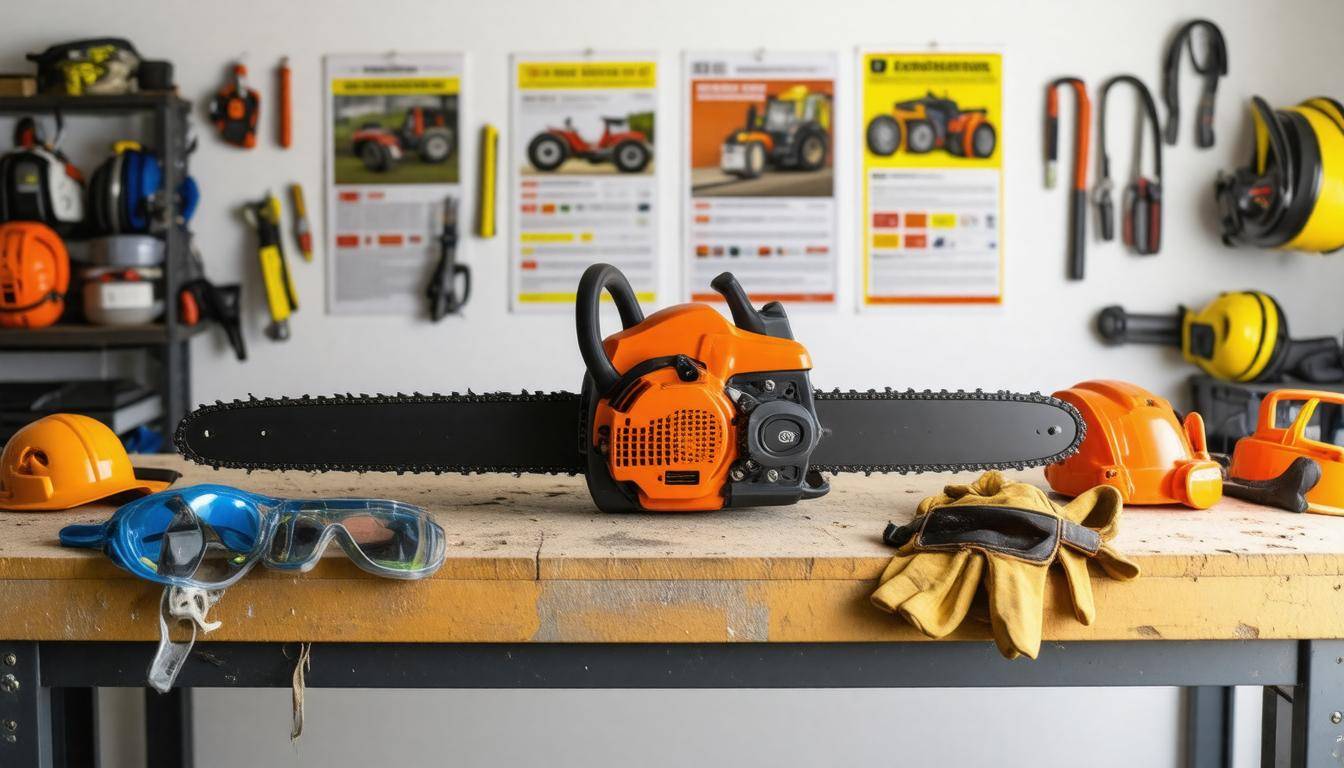
Essential Safety Precautions Before Using a Chainsaw
One of the most critical aspects of using a chainsaw safely is what we often overlook: our own readiness and the chainsaw’s condition itself. It may seem trivial, but taking a moment to gather yourself can be the difference between a routine task and a life-threatening situation.
A simple practice that I recommend is to take a deep breath, feel your feet firmly planted, and remind yourself of why you’re there: to clear debris safely. This mental clarity sets the stage for safe operations.
Mental and Physical Readiness
Being mentally prepared to use a chainsaw involves more than just knowing the mechanics; it demands sharp focus and awareness. Fatigue can creep in faster than you think, especially after a long day or when dealing with challenging conditions following a storm.
If you find yourself drifting off into thoughts about dinner plans or feeling drowsy, remember: chainsaws require full concentration. Your senses should be attuned, able to notice if something feels off at any moment.
Environmental Check
Now, let’s talk about Mother Nature. Imagine you’re ready to tackle those fallen branches only to realize too late that rain has made the ground mushy and slippery. The last thing anyone wants is to lose footing while handling a powerful tool like a chainsaw.
Checking environmental conditions doesn’t just mean observing wind speed or moisture levels; it also encompasses assessing visibility. Remember that poor weather can obscure your view of potential hazards lurking nearby.
As an added note, always have someone within earshot who can assist in case anything goes awry.
With your environment assessed and your mind focused, ensuring that the chainsaw itself is in top-notch working order becomes the next crucial step.
Protective Gear and Equipment
Engaging in chainsaw work without the right protective gear is like venturing into a storm without an umbrella. Each item on your essential gear checklist plays a vital role in ensuring your safety while working with potentially hazardous equipment. Utilizing chainsaw chaps or pants, for instance, could mean the difference between merely grazing your leg or facing a severe injury should an accident occur. These specially designed garments contain fibers that can slow down or stop the blade’s movement when it makes contact, buying you precious seconds to react.
Alongside these critical leg protections, we cannot overlook the importance of a robust helmet. Picture this: you’re deep in the woods, focused on your cut when suddenly a branch snaps above you. The weight of falling debris can be devastating if you’re unprotected and unable to react quickly enough. A helmet cushions impacts and shields against potential eye injuries from flying projectiles. Therefore, ensuring a snug fit with any headgear is essential; otherwise, it could do more harm than good if it shifts or falls off unexpectedly.
When thinking about eye protection, consider investing in high-quality goggles or a face shield designed for depth perception and visibility while operating heavy machinery. Debris in the eyes can lead to temporary blindness at best; at worst, it can cause permanent vision loss. Similarly, hearing protection is crucial because chainsaws emit loud noises that can damage hearing over time. Opt for durable earplugs or earmuffs—the extra layer of sound dampening will protect you during extended usage.
Don’t forget about your hands! Heavy-duty gloves not only offer a firm grip on the chainsaw but also create a barrier against cuts from sharp edges and debris. Plus, they keep your hands warm during colder weather, allowing for better dexterity while operating tools effectively. It’s essential to choose gloves that fit well—not too loose or tight—to maintain control effectively and avoid accidents.
By selecting each piece of protective gear deliberately and ensuring proper fitment, you’re not just prepared; you’re investing in your personal safety and operational effectiveness while working with chainsaws. Understanding how to properly manage these powerful tools builds upon this foundation of safety.
Proper Chainsaw Operation
Operating a chainsaw isn’t merely about cutting through wood; it’s an art form that requires careful thought and attention to safety. Once your chainsaw is successfully started and you feel comfortable with its weight in your hands, the real work begins. This is where the importance of technique comes into play—how you handle the saw can mean the difference between efficiency and danger.
First things first, maintaining control of the chainsaw is paramount. As you cut, keep a firm grip on both handles; this ensures stability and reduces the risk of kickback—a sudden reaction that can occur when the tip of the chain strikes an object or when the chain stalls. Be mindful of your stance; having your feet shoulder-width apart provides balance while operating. Your body should remain behind the chainsaw at all times to protect yourself from unexpected movement.
Beyond simply positioning yourself correctly, understanding what you are cutting can significantly enhance your operation methods.
For example, when cutting down trees, approach each cut with strategic precision. Begin with a notching cut on the side facing the direction you want the tree to fall. This eliminates obstacles and guides the falling tree, reducing chances of unpredictable tipping back towards you. After you’ve made your notch, make a back cut slightly above the horizontal depth of your notch—this allows for gravity to control the fall rather than relying solely on power.
Having a clear escape route when working with falling trees mitigates risk. Knowing where you’ll go if something doesn’t go according to plan is critical for safe chainsaw operation.
- Assessing the tree’s lean can inform you of which direction it might go.
- Always wear protective gear—this includes chainsaw pants, gloves, and ear protection.
- Communicate with others nearby when you’re about to make a large cut.
While managing cuts and anticipating risks are essential skills, awareness of your tools adds another layer of security during operation.
Regularly inspect your chainsaw for damage or malfunction before starting any job. Check that the chain tension is correct—too loose may result in slippage while too tight could cause undue strain on the motor. If your chain seems dull after several cuts, replace or sharpen it instead of forcing it through material; a sharp blade makes cleaner cuts and minimizes excessive pressure on both you and the chainsaw itself.
Just as athletes rely on their equipment to perform efficiently, so must chainsaw operators ensure their tools are in optimal condition for safe operations.
With regular maintenance and mindful operation practices under your belt, using a chainsaw becomes more efficient and safer. Building these habits early on makes professional standards second nature in your work environment—a key aspect highlighted by new updates like those found in the 2025 NWCG Incident Response Pocket Guide (IRPG). These guidelines push for safety in chainsaw operation that every user should embrace wholeheartedly.
Having formed good habits in operation and maintenance allows you to explore advanced techniques that further enhance performance.
Safe Cutting Techniques
When it comes to operating a chainsaw, safe cutting techniques are critical not only for your protection but also for ensuring an effective job. Proper methods can prevent accidents and create a smoother, more efficient cutting experience. One of the keystones of safety is cut positioning. Always cut at waist level or below; this position grants you better control and minimizes the risk of losing grip. Keeping the saw angled downwards also adds stability, reducing the chances of slipping while working on uneven terrain.
Angling and Positioning
In addition to maintaining a low position, body posture is essential. Your feet should be shoulder-width apart, and your knees slightly bent, allowing you to shift your weight if needed. Imagine you’re preparing for a sports game: being ready to react makes all the difference. A stable stance gives you the balance necessary to operate your chainsaw effectively.
Remember, your body is a crucial part of your cutting technique. Stay relaxed but alert.
Another equally vital aspect is managing potential hazards, such as kickback.
Avoiding Kickback
Kickback is one of the most dangerous incidents when using a chainsaw. It occurs when the tip of the chainsaw’s guide bar unexpectedly hits an object—leading to an abrupt upward movement towards the operator’s body. To minimize this risk, aim to use the lower part of the chain instead of letting the tip engage with wood. Being aware of your surroundings means recognizing overhanging branches or unexpected debris can also make a big difference.
Here’s a helpful tip: Practice cutting logs with varying sizes to build confidence in maneuvering your saw without putting yourself at risk. Each log type will present different challenges, and training with various woods will help you understand how your chainsaw reacts under different conditions. This adaptability reinforces awareness and cultivates muscle memory that enhances safety during actual cutting sessions.
Finally, incorporating these techniques into regular practice solidifies safety habits over time.
Continuous Learning
As with any skill, practice is key to improvement and safety when handling chainsaws. Consider attending workshops like the Chainsaw Safety Seminar scheduled for March 6, 2025, hosted by experienced instructors from Women’s Tree Climbing Workshop (WTCW). Engaging in structured learning environments can enhance your skills and provide valuable insights from personal experiences that textbooks often miss. These hands-on seminars allow attendees to practice cutting techniques in real-life scenarios while receiving immediate feedback—something that can significantly boost your confidence and competence.
By employing proper cutting techniques—including stability in positioning and vigilant management against kickback—you create a foundation for reliable chainsaw operation. This groundwork prepares you for facing more advanced challenges in debris removal tasks ahead.
Specialized Techniques for Debris Removal
One of the most recommended approaches to debris removal is limiting, which involves starting with smaller branches and debris. Think of it as following a well-structured plan; by clearing away the smaller components, you reduce the overall weight and complexity of what you’re managing at any given moment. This method allows for greater control over the chainsaw, making it easier to navigate through your workspace. It’s essential, especially for those who may not have extensive chainsaw experience, because handling lighter materials helps build confidence ahead of tackling heavier logs.
Once you’ve cleared away the smaller bits, the next step often involves bucking. This technique refers specifically to cutting a log into manageable sections. Proper positioning is vital here—when you cut, try to start from the top side of the log. This initial cut should be made carefully, ensuring you maintain awareness of your surroundings, as loose debris can cause unexpected hazards. After finishing the top cut, remember to roll the log so that you can easily access and complete the cut from the other side. This reduces the stress on your chainsaw and prevents it from being pinched—a common mishap that could lead to serious accidents.
As simplistic as these methods seem, they’re rooted in practicality and help streamline the process of working with larger materials.
Handling Larger Debris
With specialized techniques in mind, handling specific types of debris requires caution. For instance, when you approach larger trees or branches, it’s crucial to assess their stability before making cuts. Look for lean and any potential movement; once you have identified how they sit within their environment, adjust your cutting plan accordingly. Using wedges or breaks can be an effective way to guide falling branches or trees safely away from yourself and anyone nearby.
Remember also that chainsaw safety goes beyond just cutting techniques; it includes the tools you employ. Ensure that your PPE is appropriate: sturdy gloves, a helmet with face shield, hearing protection, and chaps designed to withstand cuts are non-negotiable items when it comes to protecting yourself from unexpected incidents. The right equipment gives you a fighting chance against unforeseen troubles while operating a chainsaw in challenging conditions.
Keeping these specialized techniques close at hand will significantly elevate your ability to manage different debris sizes safely while using your chainsaw effectively. With an emphasis on safety procedures and protective gear, we now shift focus to dealing with branches and hazardous materials that present their own unique challenges.
Handling Tree Branches and Hazardous Materials
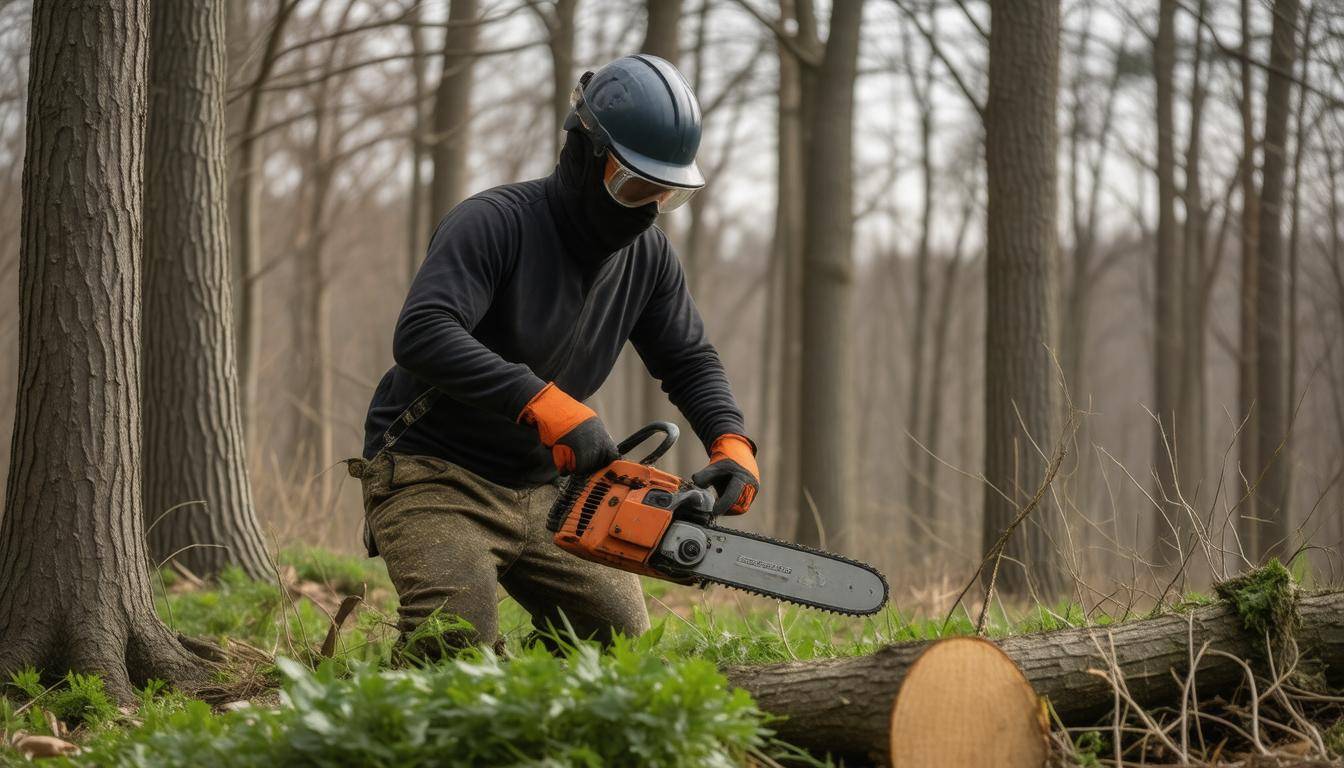
Dealing with branches is not just about cutting the wood; it’s about handling the unexpected consequences that can arise. Tree branches, especially larger ones, often have a mind of their own. As you approach to make a cut, they can shift unexpectedly, leading to potential injuries or accidents.
For larger and heavier branches, always bring along some type of support system. This could mean stabilizing the branch with a rope tied to a secure point or having another person help hold it in place while you cut. This extra control allows you to manage the cut’s angle and direction of falling debris, minimizing risks associated with kickbacks or unpredictable movements.
Remember, a little preparation can go a long way in ensuring safety during your work.
Now, let’s talk about the often-overlooked issue of hazardous materials.
When it comes to hazardous materials, caution is key. You may encounter substances like nails, wires, or even asbestos while clearing debris—materials that require careful thought before proceeding. Attempting to cut these directly poses significant health risks or could damage your chainsaw.
Instead, evaluate the situation: if you notice metal objects or suspect hazardous material, prioritize safety by avoiding contact and seeking alternative ways to remove them. This could involve using a pry bar or hand tools first to remove obstructions instead of relying solely on your chainsaw. If you’re unsure how to proceed with potentially dangerous materials in your path, don’t hesitate to consult professionals or research specific removal techniques tailored for those hazards.
Every decision made during debris removal should revolve around personal safety and risk mitigation. Equip yourself with knowledge about what to look for in unsafe conditions and ensure you have the right personal protective equipment (PPE) at hand before getting started. Inspecting each location for hazards before beginning your job can save you from accidents later on. Treat every branch as potentially exceptional and every material as unknown until adequately assessed.
As we consider the importance of approaching these tasks with care, it’s equally vital to focus on the measures that ensure your well-being while operating potentially dangerous machinery.
Personal Safety During Chainsaw Operations
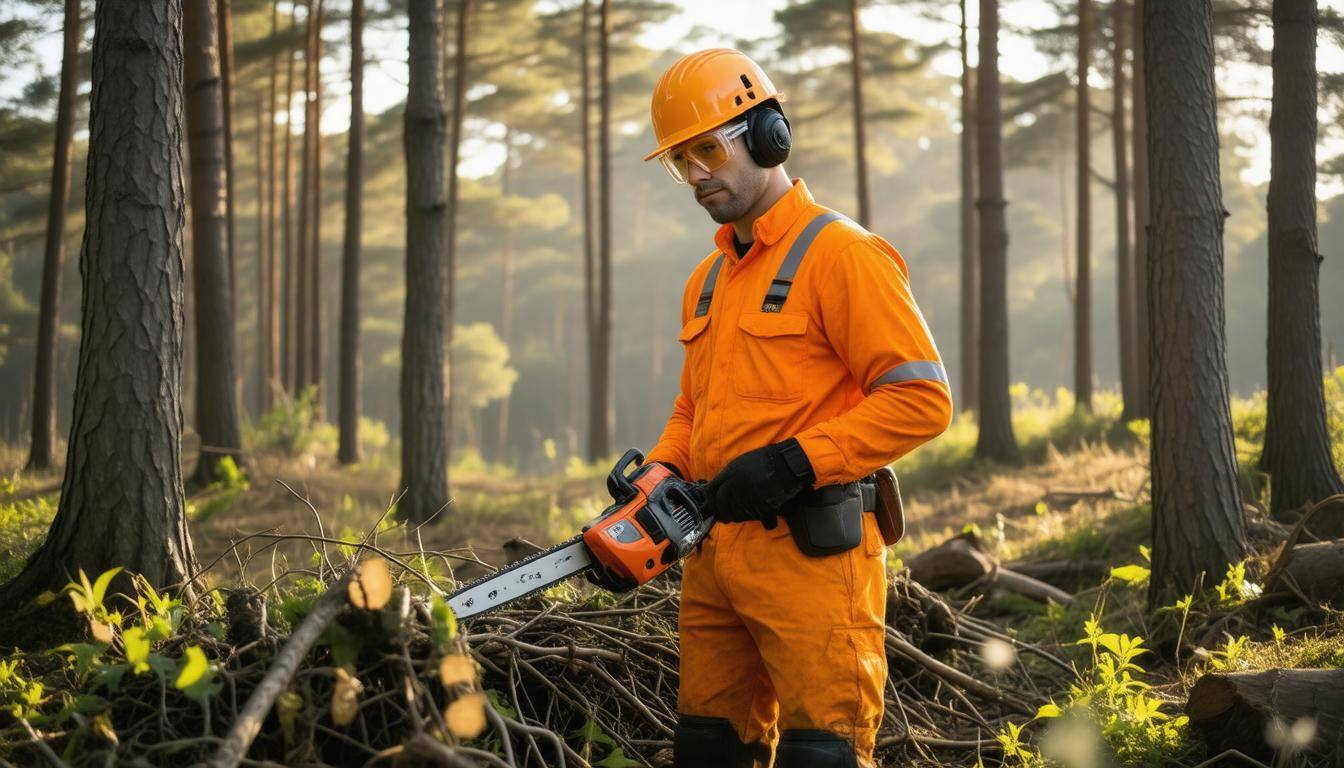
While focus on the task at hand is critical, your personal well-being should never be compromised. Operating a chainsaw presents inherent risks, but understanding and implementing safety measures can significantly mitigate those dangers and keep both you and your bystanders safe.
Hydration and Breaks
First and foremost, hydration is vital. It may seem like an unimportant detail amid the heavy lifting and intense focus required while cutting, yet staying hydrated will help maintain your energy levels. I learned this the hard way after feeling fatigued during a particularly hot day of debris removal, which led to a lapse in concentration. Remember, even mild dehydration can impair judgment and reaction times.
Therefore, have water nearby—drink before you feel thirsty—and take regular breaks every 30 to 45 minutes to clear your mind, stretch your legs, and regain your focus.
Bystander Safety
Another aspect of safety involves ensuring that bystanders remain secure while you operate the chainsaw. This isn’t just a suggestion; it’s essential for their protection as well as yours. A good rule of thumb is to keep bystanders at least two tree lengths away from where you are cutting. The reasoning behind this is simple: in the event of a falling branch or unexpected kickback from the saw, you want to give yourself ample space to work without endangering others. If you’re working in a densely populated area or around children and pets, consider creating temporary barriers to keep everyone at a safe distance.
In my experience, having someone act as a spotter can be incredibly beneficial—not only does it help maintain awareness of potential hazards around you but they can also assist in relaying important information if visibility is poor due to branches or obstacles.
As we transition from personal responsibilities during operation, let’s now focus on the necessary actions required after finishing your work with the chainsaw to ensure ongoing safety and efficiency.
After-Use Safety Measures and Cleanup
First things first, always power off your chainsaw and allow it to cool down completely. This simple step prevents burns and gives you a moment to review your equipment. Think of it as an important safety ritual; this is the time to inspect the chain, guide bar, and engine for any signs of damage or wear that could cause issues during the next use.
After ensuring everything is in order, cleaning becomes the next focal point.
It’s essential to remove any sawdust or debris that has accumulated during operation. By cleaning your chainsaw, you’re not just preserving its functionality but extending its lifespan as well. A clean machine is less prone to operational hiccups and more efficient overall.
Make sure to use a soft brush for areas where buildup can hide, such as around the chain and guide bar. Pay attention to the air filter too; capturing dust and debris there keeps your engine running smoothly.
Following maintenance comes the matter of proper storage.
Storing your chainsaw safely is equally important. Ideally, find a dry place to keep it, away from moisture that could cause rust or other deterioration. Secure it with a protective chain cover; this not only ensures safety against accidental cuts but also keeps dust at bay. Imagine reaching into your storage area and encountering a loose chainsaw—this can lead to accidents that could easily be avoided.
Lastly, let’s talk about cleanup, particularly how you handle debris after using your chainsaw.
When you’ve finished cutting, meticulously gather all debris; this step helps maintain a safe working environment for you and anyone else in the area later on. Pay special attention to hazardous materials like sharp wood pieces or branches with jagged edges that might cause injury if left behind. Dispose of these responsibly according to local waste management guidelines. A tidy workspace isn’t just about aesthetics; it’s about preventing accidents down the road.
In essence, after-use practices are just as crucial as the prior safety measures taken before operating a chainsaw. By following these steps mindfully, both seasoned pros and beginners can navigate their chainsaw tasks safely and effectively, keeping both themselves and their surroundings secure for future projects.
Remember, responsible usage and diligent cleanup ensure a safer environment for everyone involved in debris removal activities.