
Hurricanes can be both awe-inspiring and terrifying. As they form over warm waters, many people are drawn to the science behind them. But when it comes to preparing for their impact, things quickly shift from fascination to urgency. Living in Charlotte means we have to be ready not just for thunderstorms but also for hurricanes that could bring heavy rains and strong winds our way. Planning ahead is crucial; it involves gathering supplies, securing your home, and ensuring your family’s safety. With a little preparation and the right tools, you can navigate these storms with more confidence and ease. Let’s dive into how to create an effective hurricane kit specific to the needs of Charlotte residents.
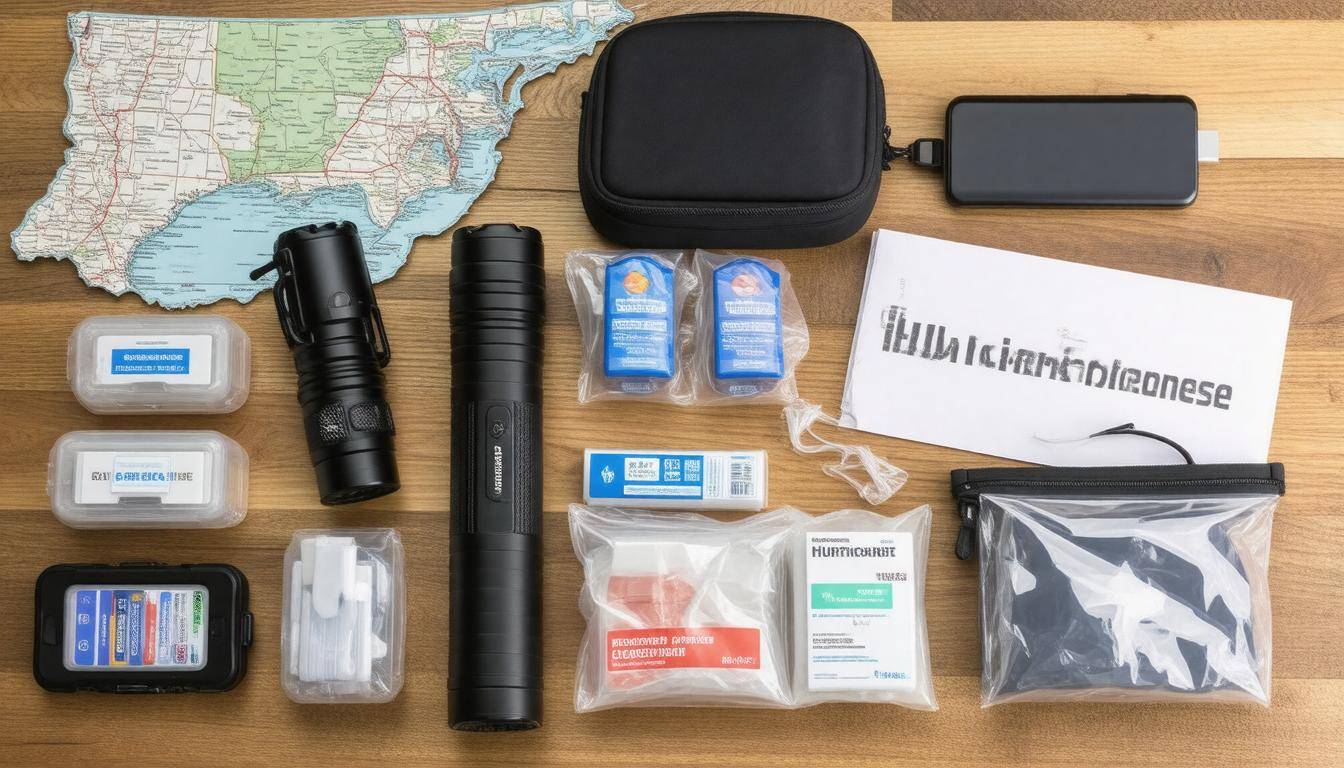
Your Hurricane Kit for Charlotte, North Carolina should include essential items such as non-perishable food, bottled water (at least one gallon per person per day), a first-aid kit, flashlights with extra batteries, a portable phone charger, personal documents in a waterproof container, and any necessary medications. Additionally, having a battery-powered weather radio and local evacuation plans will be crucial to ensure safety during a hurricane event.
Creating Your Hurricane Kit for Charlotte
The next step in the process is to think about the items that can enhance your preparedness and comfort when facing a hurricane situation. A well-rounded kit not only sustains you temporarily but also addresses your unique needs during and after the storm. Given Charlotte’s hot climate, including lightweight and portable items can greatly affect your experience in case of an extended power outage.
Beyond water and food, consider adding a toolkit with basic hand tools. In emergency scenarios, having access to things like a multi-tool or duct tape can be invaluable for quick repairs around your home or even for creating makeshift solutions. This versatility contributes to both safety and morale; you may feel more secure knowing you have options if something goes wrong.
Comfort Items
Creating a comforting atmosphere can be very beneficial during stressful times. You might want to include:
- Flashlights: Battery-operated flashlights are essential; headlamps can be particularly useful as they allow hands-free lighting.
- Blankets: Lightweight blankets or sleeping bags help keep warm during cooler nights when power is out.
- Books or Games: These can provide entertainment for children and adults alike, helping to pass the time and maintain a positive spirit amidst uncertainty.
Also, think about having a reliable radio in your kit. Not just any radio will do—opt for a NOAA weather radio that receives alerts directly from the National Weather Service. This proactive approach keeps you informed about changing conditions and any evacuation orders that may be issued, allowing you to react quickly.
Additionally, consider personal items unique to your family situation or lifestyle—for instance, baby supplies if you have small children or pet food if you’re a pet owner.
Special Considerations
- For Families with Children: Include snacks that kids enjoy, along with some comforts like favorite toys or stuffed animals for emotional support.
- For Pets: Don’t forget food, water, leashes, and any medications your pets may need.
- For Seniors or Individuals with Medical Needs: A detailed list of emergency contacts alongside their critical medical information is crucial. This should include comfort items like extra pillows or familiar blankets.
Collecting essentials like food and water is fundamental; tailoring your hurricane kit ensures you’re equipped to handle circumstances specific to your household. Keeping comfort and practicality in mind promotes safety while helping maintain a positive atmosphere during uncertain times.
Let’s now explore the crucial elements that are indispensable for any safety preparedness plan.
Must-Have Safety Items
Preparing for a hurricane isn’t just about storing food and water; it also means ensuring you have the right personal safety gear close at hand. One of the most important items in this category is undoubtedly a high-quality first-aid kit. In the chaos of a hurricane, local emergency services may be overwhelmed or unreachable, so having medical supplies readily available can mean the difference between life and death. Include adhesive bandages, antiseptic wipes, gauze, and any regular medications you or your family members may need.
Right next to your first-aid kit should be flashlights, preferably LED ones, which last longer and provide brighter light than traditional bulbs. As power outages are commonplace during a storm, reliable light sources are crucial for navigating dark spaces safely. Each flashlight should be accompanied by a fresh set of batteries to ensure you’re not caught off guard when your light source dims unexpectedly.
It’s easy to overlook simple yet essential tools when preparing for emergencies. A whistle can be incredibly useful if you’re trapped or need to signal for help. It takes less energy to blow into a whistle than to shout, allowing you to conserve strength while alerting rescuers to your location. Always have one packed and easily accessible in your kit.
Another often understated item is the N95 mask. These masks serve a dual purpose: they help protect against airborne particles during cleanup after flooding and assist in filtering out dust and debris if evacuation becomes necessary. The aftermath of storms can leave unwanted pollutants in the air that harm respiratory health.
Don’t forget a manual can opener—it’s an essential tool for accessing canned goods during a power outage. Imagine being stuck with cans of food but having no way to open them! Keeping this small device handy ensures that you won’t be left without resources when you need them most.
As you gather these safety items, remember that every piece contributes to creating a secure haven amidst the uncertainty of a hurricane. Regularly check your kit to keep everything updated; expired batteries or outdated medical supplies won’t do anyone any good when disaster strikes.
With your safety gear ready, attention shifts towards securing sufficient provisions to support you through this challenging situation.
Food and Water Supplies
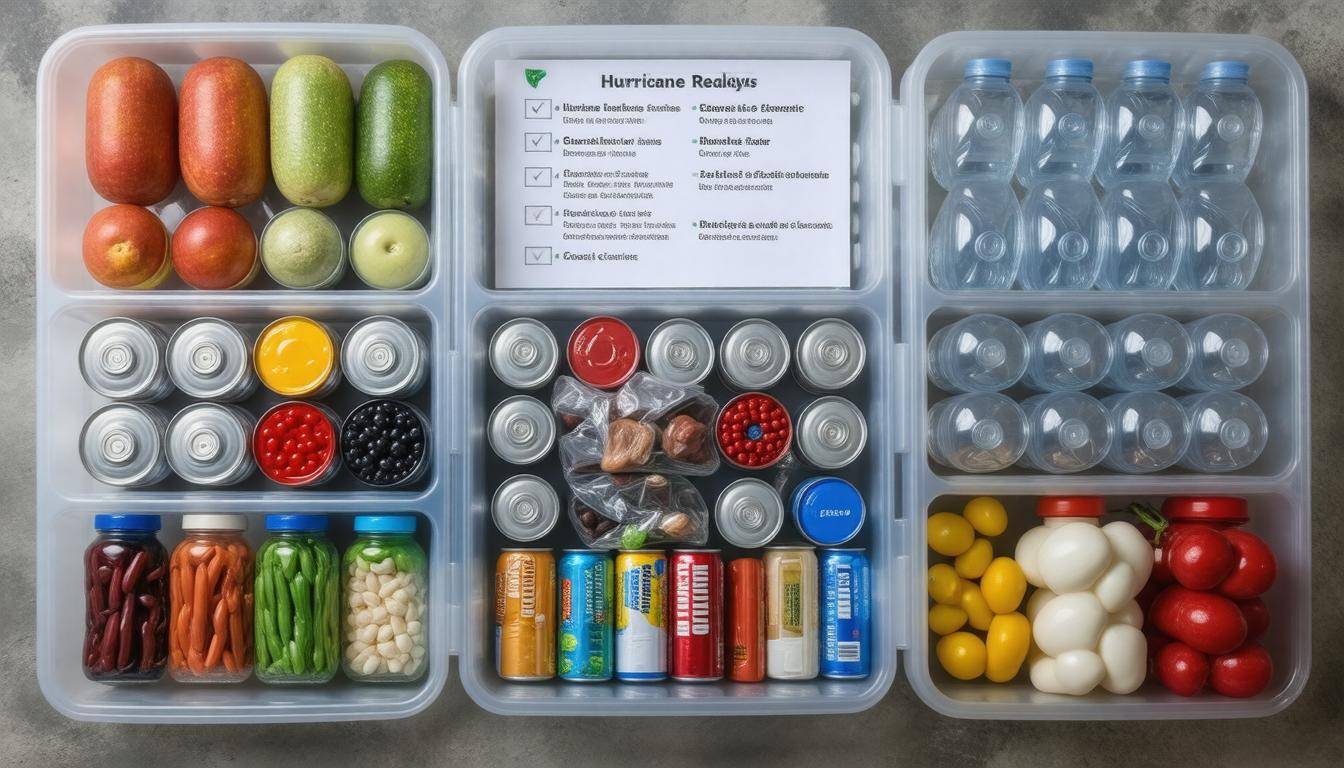
When a hurricane approaches, access to clean water and fresh food can quickly become limited. With emergency services often unavailable for extended periods, it’s crucial to stock up on essential supplies well in advance. FEMA recommends having at least a three-day supply of non-perishable food per person, but aiming for seven days will offer peace of mind and room for any unexpected delays in resupplying.
Types of Supplies
- Canned Beans, Tuna, and Soup: These items are high in protein and provide essential nutrients while being easy to store. They can also be eaten straight from the can if heating options are compromised.
- Peanut Butter: A nutrition powerhouse, peanut butter is non-perishable and loaded with healthy fats and protein, making it ideal for emergencies.
- Dried Fruits and Nuts: Excellent sources of energy that can last for months, they make for quick snacks that require no preparation.
- Vitamin Supplements: Storing these can help maintain your health during stressful times when access to fresh fruits and vegetables may be limited.
Proper storage is just as important as selecting the right foods. Store water in sturdy, unopened containers—not just any bottles—but ones that won’t easily break or crack under pressure. For food supplies, label everything with expiration dates to ensure effective stock rotation.
Fun Fact: Water should be stored at about one gallon per person per day for at least three days. This ensures adequate hydration while accounting for cooking needs.
After covering these essential supplies, it’s important to consider how your clothing and shelter choices will further support your safety and comfort as the storm approaches.
Clothing and Shelter Essentials
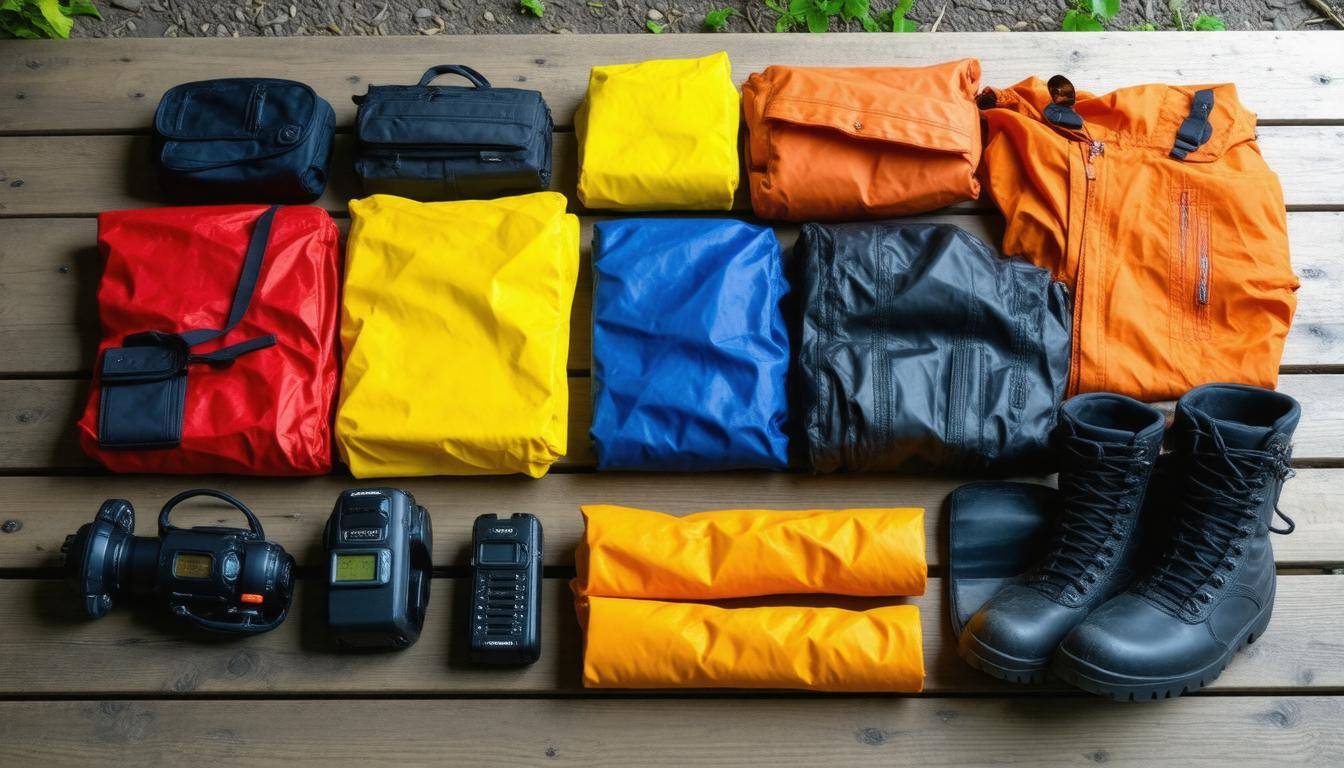
Hurricanes can introduce unexpected weather conditions, so it’s wise to be ready for temperature drops and heavy rain. Start with packing waterproof clothing, such as durable ponchos, which are easy to slip on over regular clothes. Staying dry is crucial; layers also offer versatility in a variable climate. When temperatures dip unexpectedly, having long-sleeve shirts and thermal layers can make all the difference in keeping you warm as the winds howl outside.
Additionally, plan sleeping arrangements carefully; a cozy setup can significantly enhance your overall experience when dealing with the storm. For this reason, bringing along an emergency blanket is a smart choice. These lightweight blankets retain body heat remarkably well while taking up minimal space in your kit. If you’re stuck outdoors or if your home becomes uninhabitable due to flooding or debris, the emergency blanket could be your best ally in preserving warmth.
Shelter Items
When considering shelter options, a tarp and tent become indispensable in case of severe damage to your home. Tarps are versatile—use them for makeshift covering or to collect rainwater for non-drinking purposes. A compact tent can provide safety from wind and rain while ensuring you have privacy if you’re sharing space with others.
Finally, don’t overlook the importance of quality sleeping bags—preferably those that are waterproof yet compact enough for easy storage. A sleeping bag serves not just as a comfort item but as an essential tool for warmth during night hours when temperatures may plummet unexpectedly.
With these essentials packed and prepared, you’ll have a solid foundation for facing the storm ahead. Next, we’ll explore how to safeguard your crucial records and papers effectively.
Securing Important Documents
When preparing for a hurricane, securing your important documents should be at the top of your checklist. These documents can become critical lifelines after a storm, especially for filing insurance claims, accessing medical care, or verifying your identity post-disaster. By keeping your essential papers organized and protected, you ensure peace of mind amid potential chaos.
A wise strategy is to gather these crucial documents in advance and store them in waterproof zip-lock bags or a fireproof safe. This dual protection helps guard against both flood damage and fire hazards. You might want to put together a small emergency folder that can accompany you if you need to evacuate quickly, filled with the most vital documents you may need at any moment.
Key Documents
Let’s break down exactly what you should include in this folder.
- Identification: Make sure to have copies of passports, driver’s licenses, and any other pertinent ID cards.
- Insurance Policies: Don’t forget to include your homeowner, health, and auto insurance policies. Having these documents on hand can greatly expedite the claims process if damage occurs.
- Medical Records: Bring along any relevant medical records including prescription information and emergency contacts. This will ensure that any healthcare needs are managed promptly.
- Financial Documents: Store important financial documents like bank details and credit card information. You may not be able to access online banking immediately after a storm, so having physical copies can save time and trouble.
It’s worth mentioning that not only should these documents be securely stored, but consider digitizing them as well. Take photos or scans of important paperwork and store them in the cloud. This way, even if all your hard copies get lost or damaged, you’ll still have access to them from your phone or another device.
Making provisions for these key documents isn’t merely about being prepared for a hurricane; it’s about safeguarding your future. The small effort you invest in organization now could save you from unnecessary stress later when every moment counts.
Equipped with your essentials, it’s time to assess specialized tools and gear that may help alleviate unexpected challenges ahead.
Tools and Equipment Checklist
Basic tools can help you navigate post-hurricane scenarios with confidence. Having the right equipment ready enhances your ability to cope with challenges after the storm passes. Imagine walking into your home after a hurricane, wondering if it’s safe or how to manage any damage—and then realizing you have everything at hand to take action. That’s where a well-thought-out tools and equipment checklist comes into play.
Simple tools can mean the difference between experiencing a small inconvenience and facing a critical problem. For example, when water begins to seep into your living spaces, having a multi-tool kit readily available allows you to act swiftly, securing loose boards or dismantling furniture that may be at risk. It’s not just about what you have; it’s about being prepared for whatever might come your way.
Key Tools
-
Multi-tool Kit: This should be your go-to for various tasks around the house. A multi-tool generally contains essential items like pliers, screwdrivers, and even can openers—removing items from difficult spots can become crucial in emergency situations.
-
Duct Tape: Known as the handyman’s secret weapon, duct tape is extremely versatile and useful for quick repairs. Whether sealing windows to keep out moisture or temporarily patching up leaks until more permanent solutions can be made, duct tape can save the day.
-
Portable Generator: Power outages are common during hurricanes. Having a portable generator ensures you’re not left in the dark—literally! It’s essential for powering not only lights but also your refrigerator, keeping food from spoiling.
-
Fire Extinguisher: While it might seem unlikely that fires could occur in such circumstances, damaged wiring or cooking methods can ignite unexpectedly. A fire extinguisher is invaluable for preventing minor sparks from turning into a disaster.
-
Work Gloves: Handling debris safely is vital to avoiding injuries after a hurricane. Sturdy work gloves will protect your hands while clearing away fallen branches or other hazards.
As we shift focus to the unique needs of each family member and their furry companions, ensuring their safety and comfort becomes equally essential during recovery efforts.
Family and Pets Preparedness
Every household has unique needs, especially when it comes to ensuring the safety of your family and pets during a hurricane. From toddlers to furry companions, preparation is key. It’s essential to think through what each member will require in case you need to hunker down at home or evacuate temporarily. By planning ahead, you can avoid the panic that often accompanies last-minute rushes for supplies.
Start with specific items tailored for your family’s needs. If you have babies or toddlers, remember to stock up on essentials like diapers and baby wipes, which are critical for comfort and hygiene. Baby formula should also be on your list—extending beyond just food and drink. Packing extra bottles ensures feeding goes smoothly under stressful circumstances.
When it comes to pets, their well-being shouldn’t take a backseat during hurricane planning. They rely heavily on you for their comfort and survival.
Think about what your pets would need if they were displaced or frightened by the storm. An extra leash is essential since you may need to take them outside more frequently if they are nervous. A portable pet carrier allows for easy transportation if evacuation is necessary. Storing an ample supply of pet food and water is imperative—enough to last at least three days—just like with human provisions.
Specific Needs
- Family: Diapers, Baby Wipes, Baby Formula.
- Pets: Extra Leash, Portable Pet Carrier, Pet Food, Water.
- Comfort Items: Consider adding toys or favorite blankets; these provide reassurance to children and pets alike during such stressful times.
Don’t forget about the emotional side of preparedness. Stressful situations like hurricanes can unsettle even the calmest animals. Having familiar comfort items such as blankets or toys can help soothe their nerves and make them feel more secure during chaotic times.
Once you’ve assembled your kit, it’s vital to keep it up-to-date; regularly reviewing its contents ensures nothing becomes stale or expired, so you’re always prepared for whatever nature might throw your way. Moving forward, we’ll explore how to maintain and refresh your emergency supplies effectively.
Kit Maintenance and Updates
Regular maintenance of your hurricane kit is crucial in helping you stay prepared for severe weather. Think of your emergency kit as a living entity. It requires regular check-ups to ensure it functions effectively when you need it most. Many kits fall short simply because items are outdated or expired. In disasters, every second counts, so having a well-maintained kit can mean the difference between being ready and scrambling last minute.
The best practice is to review your hurricane kit every six months, especially leading into hurricane season. This isn’t just a chore; it’s essential for keeping your family safe. While reviewing, check the expiration dates on food and medications first. Items like canned goods have a longer shelf life, but they won’t be edible forever! Similarly, medications, whether prescriptions or over-the-counter pain relievers, can lose potency over time, leading to ineffective treatment in an emergency. I learned this the hard way during Tropical Storm Elsa when my asthma inhaler had expired—definitely not an experience I want to repeat.
Maintenance Steps
An effective way to ensure your kit remains functional is to establish a checklist to follow diligently at each maintenance session.
-
Check Expiration Dates: Examine all food and medication, replacing anything that’s expired.
-
Test Batteries: Don’t wait until you’re in a pinch to find out that your flashlight batteries are dead. Test all battery-operated devices to ensure they’re functional.
-
Update Documents: Review important documents such as insurance papers or emergency contact lists. Outdated information doesn’t help anyone.
-
Rotate Water Supplies: Water can become stale over time, so replace it regularly to ensure it’s safe to drink.
After establishing these maintenance steps, create a reminder on your calendar or set alerts on your phone for these inspections. Keeping this commitment will provide peace of mind, knowing that when hurricane season rolls around, you’ve done everything possible to keep yourself and your loved ones safe and prepared.
In summary, maintaining your hurricane kit is not merely a task—it’s a vital part of ensuring safety during emergencies. Regular checks can make all the difference when severe weather strikes.
How can residents of Charlotte prepare their homes for hurricanes beyond just having an emergency kit?
Residents of Charlotte can enhance their hurricane preparedness by securing windows and doors with storm shutters or plywood, reinforcing the roof, and ensuring drainage systems are clear to prevent flooding. According to the National Hurricane Center, nearly 30% of flood-related deaths occur in vehicles, underscoring the importance of having an evacuation plan. Investing in landscaping that directs water away from the home and elevating electrical systems can further minimize risk. Additionally, reviewing property insurance to ensure adequate coverage against hurricane damage is crucial for financial protection.
What local resources or shelters are available for Charlottians during a hurricane crisis?
During a hurricane crisis, Charlottians can rely on local resources such as the American Red Cross shelters, which provide emergency accommodations and essentials. Notably, the City of Charlotte has designated community centers and schools as emergency shelters that can accommodate hundreds of residents. According to recent statistics, the city has successfully housed over 3,000 individuals during past weather emergencies, ensuring safety and support for those affected by hurricanes. It’s essential for residents to stay informed through local news and disaster preparedness websites for the latest shelter locations and services.
What items should be included in a hurricane kit specific to the needs of families in Charlotte?
For families in Charlotte, a comprehensive hurricane kit should include water (at least one gallon per person per day for three days), non-perishable food items, flashlights with extra batteries, a first aid kit, necessary medications, important documents in waterproof bags, cash, and infant supplies if needed. Given that Charlotte can experience tropical storms and hurricanes—like Hurricane Florence in 2018 which caused significant rainfall and flooding—it’s critical to prepare for possible power outages and disruptions to essentials. Additionally, consider including local maps and a battery-powered radio to stay informed about emergency updates.
How often should hurricane kits be checked or updated to ensure supplies are current and functional?
Hurricane kits should be checked and updated at least twice a year, ideally before the start of hurricane season in June and after its conclusion in November. This ensures that supplies are current, functional, and meet any changes in family needs or local guidelines. For example, the National Hurricane Center recommends that households review their emergency supplies regularly, as outdated materials—like food and medications—can compromise safety during an actual emergency. Regular updates also provide the opportunity to replace batteries in flashlights and radios, ensuring they work when you need them most.
Are there any specific state or local regulations regarding hurricane preparedness that residents in Charlotte should be aware of?
Yes, residents in Charlotte should be aware of local regulations and guidelines regarding hurricane preparedness. The City of Charlotte adheres to the North Carolina Emergency Management plans, which include recommended practices for evacuation routes, emergency shelters, and the requirement to maintain clear access to these routes during a hurricane. According to the National Hurricane Center, nearly 1 in 6 hurricane-related fatalities are linked to individuals who fail to evacuate in a timely manner. Therefore, staying informed about local policies and ensuring your hurricane kit is compliant with state recommendations can greatly enhance safety during such events.