
Chemical spills can happen in an instant, transforming a routine workday into a hazardous situation that necessitates immediate action. Whether it’s a small laboratory accident or a significant industrial leak, understanding proper evacuation procedures is vital for keeping everyone safe. It’s easy to overlook the importance of having a solid plan in place until it’s too late. This guide aims to help you navigate through crucial steps, from recognizing potential risks to executing safety protocols effectively during an emergency. By preparing yourself and your team ahead of time, you create a safer environment that minimizes the chaos often associated with these incidents. Let’s dive into the essential strategies that ensure you’re ready when the unexpected occurs.
The Chemical Spill Evacuation Procedures guide includes essential components such as immediate actions to take upon a spill, communication protocols for alerting personnel, designated evacuation routes, and assembly points for safe gathering. Additionally, it emphasizes the importance of training staff on recognizing hazards and conducting regular drills to ensure preparedness in the event of a chemical spill.
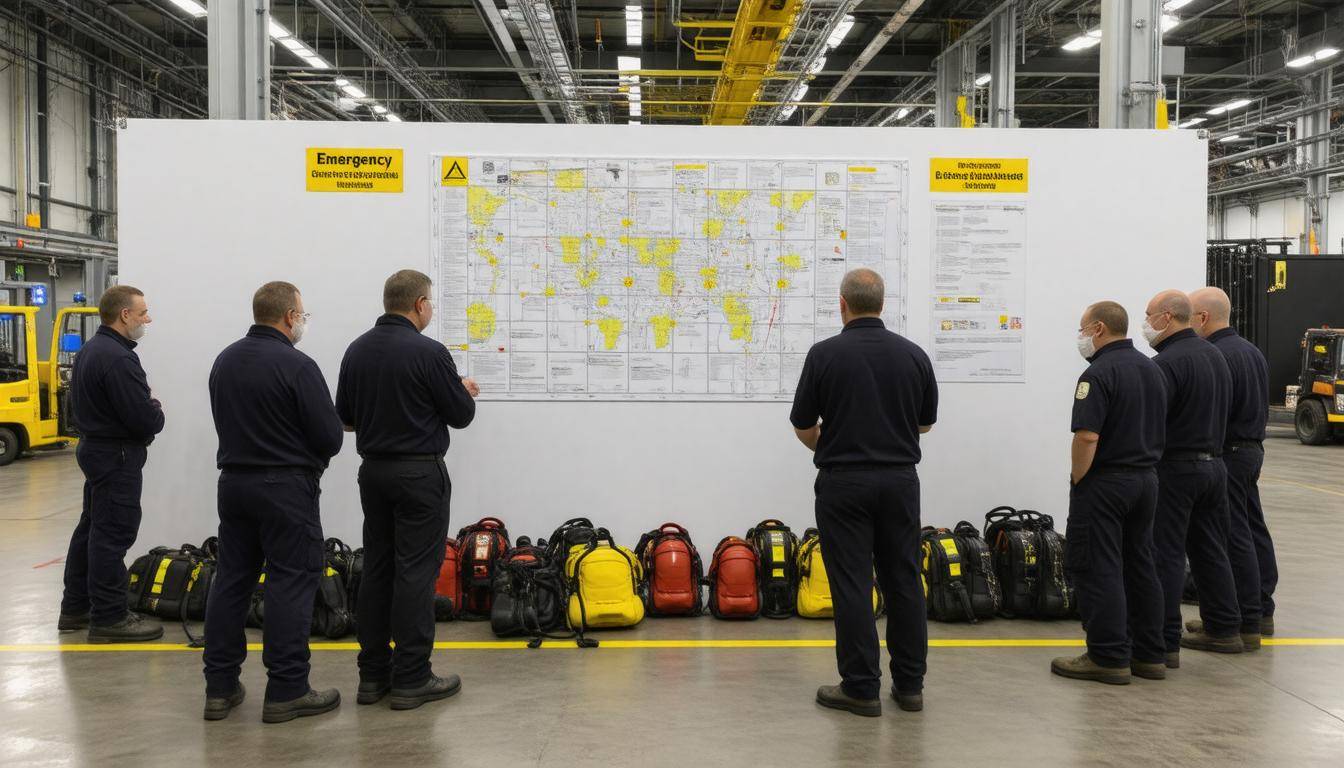
Evacuation and Chemical Spill Basics
Evacuating safely during a chemical spill is not merely about leaving the premises; it involves a systematic approach designed to minimize risks and ensure everyone’s safety.
The first step in this process is understanding evacuation routes. Designated paths should be clearly marked and take you away from the immediate area where the chemical has been released. Ideally, they should be at least 100 feet away from the spill site. This distance helps reduce exposure to harmful vapors or gases, protecting you from potential health hazards.
When preparing for an effective evacuation, it’s equally important to identify your personal protective equipment (PPE). Depending on the chemical involved, different PPE might be needed to safeguard against exposure. For instance, wearing gloves and goggles can protect your skin and eyes from corrosive substances, while specialized masks like N95 respirators can help filter airborne chemicals. Knowing which PPE to don can make a significant difference in your safety during an emergency.
Following best practices for emergency response means you won’t leave others behind in panic. Always have a plan that includes gathering at a designated assembly area after exiting the building. Not only does this facilitate headcounts, but it also allows authorities to provide further instructions efficiently.
Another critical aspect of evacuation is communication. Emergency contact numbers should always be readily available; if you’re in a lab, post essential contacts like the local fire department and poison control center in visible locations. Quick access to these numbers can streamline assistance when dealing with hazardous materials.
In addition, as highlighted by past incidents, understanding how different types of spills require varying levels of response is crucial. For example, knowing whether a spill is classified as a simple or complex one determines if a clean-up can be managed internally or if emergency intervention is necessary. Simple spills may only affect small amounts of non-toxic substances while complex spills could involve highly hazardous chemicals necessitating immediate evacuation protocols.
With all these considerations in mind, preparation becomes vital; ensuring every team member knows their role can greatly affect outcomes during an emergency situation involving hazardous materials. Let’s turn our attention to establishing effective procedures that bolster readiness for any future incidents.
Preparing for Potential Chemical Spills
Preparing for chemical spills entails taking steps to create a safer environment while diminishing risks long before an incident takes place. One fundamental aspect of this preparation is conducting regular inspections of all areas where chemicals are stored. These inspections help catch any leaks or damage that could potentially lead to disastrous spills. By establishing a routine for checking storage locations, you’ll spot issues before they escalate into major safety hazards.
Additionally, proper labeling of chemicals cannot be emphasized enough. Each container should clearly display its contents, hazard warnings, and any necessary safety information. This way, if a spill does occur, everyone in the vicinity knows what they’re dealing with and how to react appropriately. Imagine entering a space filled with unmarked bottles only to encounter an unexpected spill; confusion could reign, jeopardizing everyone’s safety.
Having visual labels is an essential safety measure that allows for swift identification and response, minimizing confusion during emergencies.
Another layer of precaution involves installing secondary containment systems. These systems might include drip pans, spill trays, or sealed containers specifically designed to catch accidental releases. Think of this as building a safety net: when something goes wrong, secondary containment can prevent the spilled substance from spreading and causing additional harm.
Routine Training Sessions
Furthermore, routine training sessions for employees play a pivotal role in preparing for chemical spills. Comprehensive training ensures that every team member is aware of emergency procedures specific to the chemicals they handle. This preparation creates a culture of accountability and readiness within the workplace. Employees who know how to respond quickly and effectively can mitigate risks significantly.
For instance, consider the textile factory in Ohio mentioned earlier; they avoided a major disaster after identifying a leak during one such routine inspection. This instance emphasizes precisely how critical proactivity can be in spotting potential dangers before calamity has a chance to strike.
Through diligent preparation—conducting regular inspections, ensuring clear labeling, implementing secondary containment systems, and providing thorough training—you create not only a safer work environment but also instill confidence in your entire team that they are equipped to handle whatever challenges may come their way.
These proactive measures seamlessly transition us into establishing formalized protocols and strategies that enhance both individual and organizational responses in times of crisis.
Developing a Response Plan
At its core, a well-crafted response plan can make all the difference in ensuring safety during a chemical spill. Imagine walking into your lab one morning and discovering your worst nightmare: a chemical spill on the floor. Panic can easily ensue, but with an efficient response plan in place, you can act quickly and decisively to mitigate any dangers.
The first step in creating such a plan is identifying potential spill scenarios specific to your facility or work environment, along with evaluating associated risks. Some chemicals may pose minimal hazards while others, like crystallized picric acid, can present serious dangers if mishandled.
- Consider materials unique to your laboratory and assess their properties including flammability, corrosiveness, and toxicity.
- Evaluate the likelihood of these spills occurring—some might be more common than others depending on usage patterns.
Once you’ve identified potential scenarios, the next critical phase involves creating clear protocols tailored to various types of spills.
Developing step-by-step procedures for different chemical situations ensures there’s no confusion when seconds count. For instance, clarity on what constitutes a ‘simple spill’ that can be handled internally versus a ‘complex spill’ requiring emergency assistance could mean all the difference between safely containing an incident and triggering a hazardous situation. Make sure that each protocol outlines specific actions — from containment measures to clean-up techniques — along with detailed contact information for local emergency services in case they need to be involved.
Additionally, it’s vital to designate roles and responsibilities among your team members. Everyone should know who takes charge during an emergency versus those tasked with specific duties such as reporting the incident or addressing initial containment efforts. With teamwork defined, you lay the groundwork for smooth coordination; think of it as having your very own safety orchestra where each member knows when to make their move.
After you’ve laid down the framework regarding procedures and responsibilities, the next essential step is to conduct regular training sessions.
It’s encouraging to recollect that Google implements monthly drills alongside detailed checklists as part of their approach—this serves as an excellent benchmark for developing your response plan. Regular drills not only familiarize staff with processes but also enhance confidence levels when responding to spills. As they don’t happen as frequently as we might hope or fear, recapping these protocols via training maintains readiness and reinforces their importance within the workplace culture.
In crafting this response plan, envision it as your laboratory’s safety lifeline. Each element works harmoniously—from identifying potential spills to training personnel—to create an environment less susceptible to incidents and ready to respond effectively when they occur.
With protocols established and training reinforced, it’s essential to ensure that designated areas are prepared for quick evacuations when necessary.
Designated Evacuation Zones
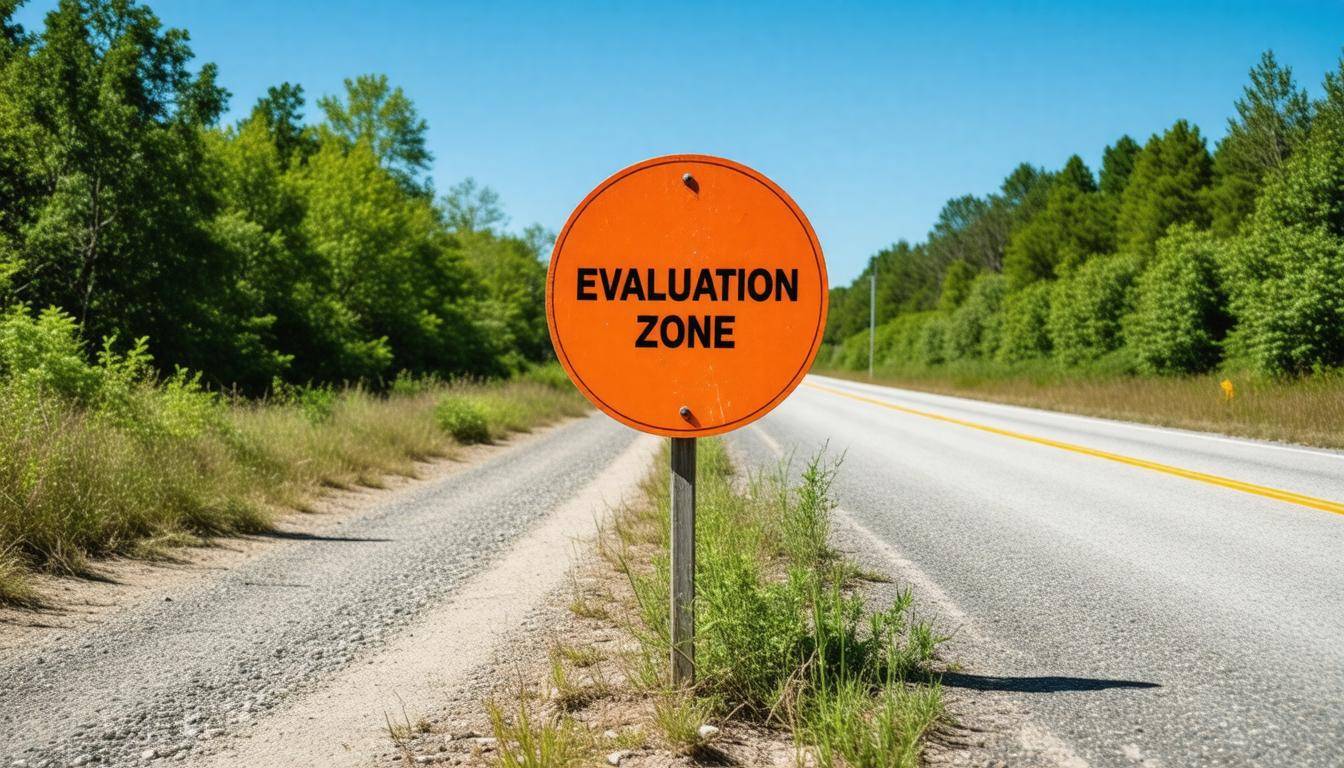
Designated evacuation zones are not just arbitrary areas; they are predetermined safe havens where individuals should gather during a chemical emergency. The choice of these zones is critical. Ideally, they should be situated upwind and uphill from the hazard site to minimize exposure to harmful contaminants. This strategic placement plays a vital role in protecting health and safety. Take, for instance, if a leak occurs involving toxic gases—being upwind means the chemicals drift away from, rather than towards, the assembly point.
In addition to proper positioning, several essential elements should be considered when establishing evacuation zones:
-
Clear Signage: Each evacuation zone should be clearly marked with signs indicating boundaries and the specific type of hazard present.
-
Designated Assembly Points: These points serve as locations for evacuees to regroup and account for everyone’s safety after an evacuation.
-
Comprehensive Mapping: Emergency response plans must include detailed maps indicating designated evacuation zones. These maps should be circulated among all employees and prominently displayed in central locations throughout the facility.
An effective strategy also involves creating multiple evacuation routes. This can significantly reduce congestion during an emergency. In the chaos that often accompanies a hazardous spill, having several exit strategies allows people to reach safety without becoming bottlenecked at one exit point. Clear markings along these routes guide personnel swiftly and efficiently to safety.
[QUOTE] “It’s not just enough to have evacuation zones; you need clear pathways that everyone understands, ensuring quick and safe movement out of harm’s way.”
A great example of implementing these practices can be seen at the Bedford Oceanographic Institute in Halifax. They have mapped out designated zones across their campus, complete with signage that informs everyone where to go in case of an emergency. Regular drills ensure familiarity with these zones, instilling confidence in staff and students alike so they know how to react swiftly during real situations.
By establishing properly planned designated evacuation zones, organizations not only enhance safety but foster a culture of preparedness amongst employees. It’s about turning a potentially chaotic situation into one that is systematic—a plan that unfolds seamlessly rather than descends into confusion.
As we progress, the focus will shift to understanding the various protective measures that can be effectively employed during such spills to safeguard individuals and minimize risk.
Protective Measures During a Spill
When a chemical spill occurs, speed and precaution are paramount. It’s crucial to act swiftly and methodically to mitigate exposure risks. One of the first lines of defense is wearing appropriate personal protective equipment (PPE). This includes items such as masks or respirators that filter out harmful particles, gloves resistant to the specific chemicals involved in the spill, and protective eyewear to shield your eyes from splashes. Each piece of PPE plays a vital role in ensuring your safety while dealing with hazardous substances.
Let’s explore specifics: when facing spills involving acids, wearing chemical-resistant gloves is non-negotiable. Gloves made of materials like nitrile or neoprene will provide excellent protection against corrosive substances. Additionally, utilizing face shields can offer additional coverage beyond standard safety glasses, preventing accidental exposure if chemicals splash unexpectedly during cleanup.
In scenarios where you’re working with particularly volatile substances or large quantities, further protective gear is advised. Chemical-resistant clothing—such as Tyvek suits—should always be available for immediate use during serious incidents. It’s somewhat like having an umbrella in a storm; you may not need it every day, but when you do, you’ll be glad it’s there.
Providing proper training on how to wear and maintain PPE is just as crucial as supplying it. Familiarizing lab team members with the correct procedures ensures that everyone knows how to protect themselves effectively during emergencies. This training should cover everything from proper fit to recognizing when gear needs replacing due to wear or damage.
However, it’s important to remember that individual protection isn’t the whole story; we also need to consider broader environmental impacts.
Given the potential for spills to release hazardous chemicals into the environment, establishing decontamination stations is vital. As per OSHA regulations, these stations should be located within 100 feet of spill sites and equipped with essentials like soap, water, and absorbent materials. The timely decontamination process can halt contamination from spreading and reduce risks significantly.
Having emergency showers and eyewash stations accessible within ten seconds of potential spill areas creates a safety net for laboratory workers. These facilities ensure that immediate response is possible should harmful substances make contact with skin or eyes.
Regular inspection and maintenance of this equipment cannot be overlooked. A malfunctioning shower or eyewash station could cost valuable seconds during an emergency, leading to complications when time is of the essence.
Preparedness through protective measures provides laboratories with essential tools for a safer work environment while addressing health risks and potential liabilities related to chemical spills.
Protecting Health and Environment
The health of individuals working within a laboratory and the surrounding environment is intricately linked to our response to chemical spills. When a hazardous material leaks or spills, the potential consequences are not only immediate but can also have lasting effects. It’s crucial that all personnel are equipped with the knowledge and procedures necessary to protect themselves and their surroundings.
Taking prompt action is essential, but it’s just as important to understand the specific properties of the chemicals involved. For example, if an acid spills, neutralizing agents like sodium bicarbonate can effectively mitigate its impact. Similarly, if organic solvents leak, creating proper ventilation within the affected area allows harmful vapors to disperse more quickly, preventing acute exposure. Awareness of chemical types and their reactions can drastically reduce potential harm; thus, knowing whether to contain or neutralize a substance becomes pivotal.
Immediate Actions to Minimize Harm
- Seal Off the Area: By restricting access to the spill region, you prevent additional exposure among untrained personnel.
- Use Appropriate Absorbents: Selecting the correct absorbent material based on the type of chemical is vital. For instance, using kitty litter for oil-based substances while opting for specialized pads for aggressive chemicals.
- Emergency Equipment Readiness: Regular checks on emergency equipment, such as spill kits stocked with various absorbents and neutralizers, ensure immediate response capability.
A well-stocked spill kit can be a lifeline during an emergency. Many professionals find that having absorbent materials tailored for various chemical classes minimizes environmental damage significantly.
In managing a chemical spill effectively, not only are lives preserved, but ecosystems are protected from contamination that could lead to long-term damage. Once containment is achieved, authorities must begin assessing potential risks posed to local water bodies or soil due to unforeseen leakage.
The Long-Term Perspective
Sustainable practices must integrate lessons learned from past spill incidents. Training programs should emphasize spill recognition strategies and offer resources for understanding each chemical’s hazard class—this enhances preparedness across all levels of lab operations.
The goal isn’t merely reactive cleanup; rather, it’s about establishing a proactive culture of safety that values continuous education about hazardous characteristics, enabling workers to act swiftly while safeguarding both human health and environmental integrity.
As we embrace these vital practices in our daily routines, we enhance our readiness for possible emergencies and open the door to discussing essential steps that follow an evacuation scenario.
Post-Evacuation Actions
Think of post-evacuation actions as the essential follow-up that turns a chaotic situation back into normalcy. The first step involves conducting a thorough headcount. It’s like checking off items on a grocery list to ensure you haven’t missed anything; you want to confirm that everyone has evacuated safely before proceeding with any further actions.
This is crucial because, in the aftermath of a spill, people may have wandered off to safe areas. You’ll want to identify anyone who may need medical attention or reassurance. Following this, having emergency medical services ready to assist anyone showing symptoms is not just advisable; it’s a lifesaving measure.
Step I – Headcount and Medical Assistance
Once you’ve established that everyone is accounted for, it’s time to address health concerns. Those affected by the spill may not immediately show symptoms, so it’s important to keep an eye out for signs of distress—whether physical or emotional. Your rapid response can make a critical difference in minimizing injury.
For instance, if someone expresses concern over inhalation exposure or visible skin irritation, they should be directed to medical personnel for evaluation.
It’s beneficial to have first aid kits accessible in the area and train designated personnel on their use in emergencies. Being prepared can save lives.
Step II – Reporting the Incident
With emergency concerns addressed, the next step is to report the incident properly. This means informing local authorities and environmental agencies in accordance with regulatory requirements. Timing is important here; reporting promptly can expedite necessary interventions for cleanup and allow agencies to mobilize resources effectively.
Not only does it fulfill legal obligations, but it helps ensure that professionals who specialize in hazardous spills can begin addressing environmental impacts right away.
It’s vital to document everything about the spill: details such as what chemicals were involved, estimated quantities, and how it happened can also greatly assist responders.
Step III – Decontamination
Finally, decontaminating affected areas cannot be overstated. Attention must pivot towards cleanliness and safety without delay following a chemical spill. This process should be executed under the guidance of trained professionals since they possess specialized knowledge regarding proper containment and disposal procedures. Engaging experts ensures that no residual hazards are left behind.
Decontamination activities typically include:
- Securing the affected area
- Removing contaminated materials safely
- Cleaning surfaces with approved decontaminating agents
- Testing air quality after clean-up efforts are completed
Understanding these steps ensures preparedness for future spill situations while establishing improved protocols that safeguard laboratory environments. With this foundational knowledge in place, we can now explore real-world scenarios where these protocols have been put into action.
Case Studies of Chemical Spill Evacuations
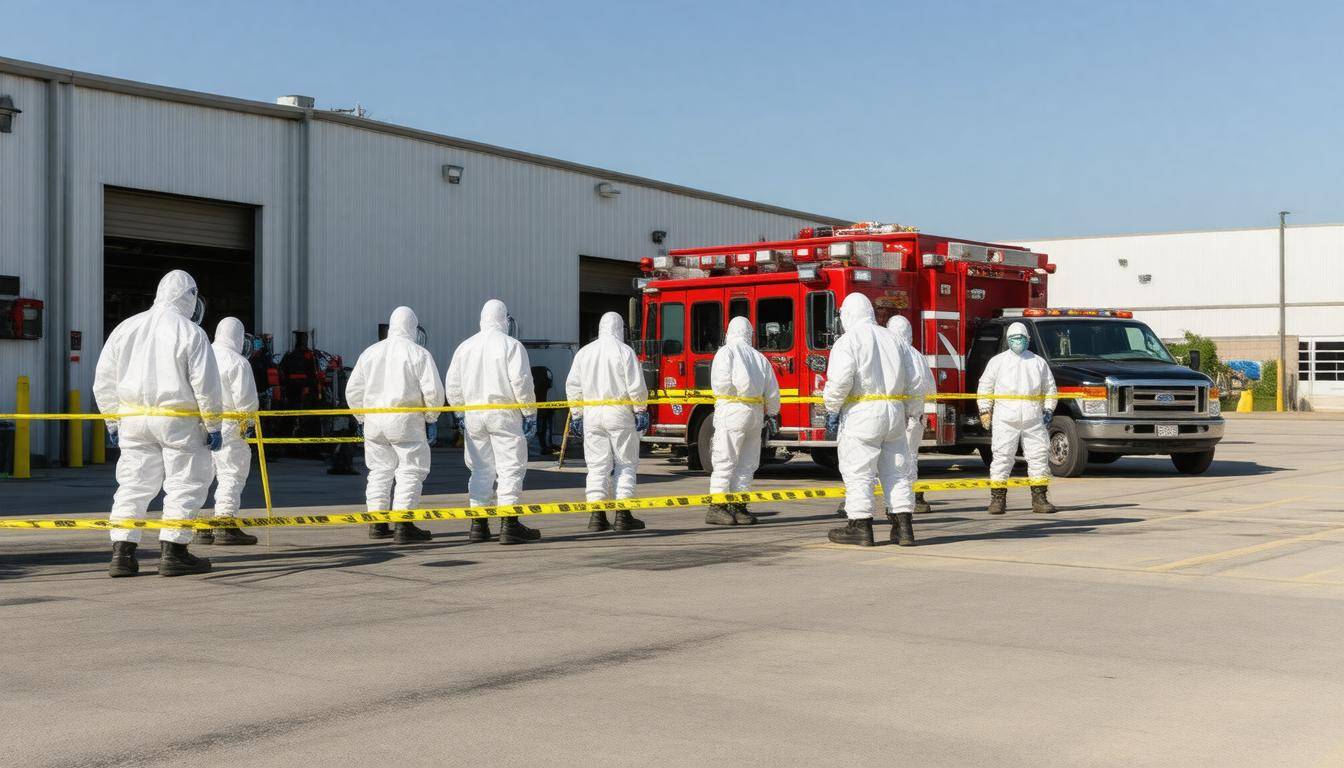
Learning from past incidents helps refine future strategies and enhance safety protocols, particularly in managing chemical spills.
In 2005, the Formosa Plastics plant in Illinois faced a significant vinyl chloride spill that led to widespread evacuation and environmental damage. Local authorities acted quickly, supported by pre-established evacuation protocols, which played a crucial role in minimizing injuries and ensuring public safety during the crisis. This incident underscores how vital it is for organizations to prepare for potential emergencies by having clear and well-practiced procedures in place.
On the other hand, we can look at the 2020 chemical spill in Beirut, where inadequate planning had severe consequences. During this incident, a lack of efficient communication and poorly defined emergency routes aggravated an already chaotic situation, demonstrating how easily things can spiral out of control when proper evacuation measures are not prioritized.
The failure to identify vulnerable areas led to greater risks for residents and emergency responders alike, reinforcing the critical need for detailed risk assessments tailored to each facility’s unique challenges.
Conversely, Union Carbide’s operation in West Virginia showcases the power of rigorous spill management protocols. Their proactive measures meant that when a small leak occurred, extensive training drills and clear lines of communication helped prevent what could have escalated into a much broader crisis. Their response was swift and orderly, showcasing a scenario where preparations made all the difference in mitigating potential harm.
The key lessons from these case studies serve as reminders about the significance of preparedness. Each incident shines a light on either successful strategies or glaring gaps that can be addressed with better planning.
By focusing on both successful responses and shortcomings, organizations can create more robust training programs that emphasize the importance of timely notification systems, contingency plans for various scenarios, and regular drills to familiarize personnel with appropriate response actions.
These elements are essential not just for compliance with regulations but also for fostering a culture of safety within communities.
In summary, real-world examples illustrate how preparedness can significantly influence outcomes during chemical spills. Prioritizing effective training and strategic planning enhances safety for both organizations and local residents.