
When it comes to natural disasters, earthquakes are among the most unpredictable and daunting threats we face, especially in places like Chengdu. While we can’t control when they happen, we can take important steps to prepare ourselves and our community. Understanding earthquake readiness is not just about safety; it’s about creating a stronger, more resilient community that stands together in times of crisis. This article serves as a practical guide for anyone looking to enhance their earthquake preparedness at home and promote collective safety. We’ll explore ways to build solid plans, engage with local authorities, and strengthen our infrastructure—all aimed at ensuring that we can respond effectively when the ground starts to shake.
Your earthquake readiness planning for Chengdu should include creating an emergency kit with essential supplies, developing a family communication plan, securing heavy furniture and appliances, and familiarizing yourself with local evacuation routes and emergency services. Additionally, it is crucial to participate in community drills and educate yourself about earthquake safety practices to ensure you and your family are well-prepared.

Chengdu’s Earthquake Readiness Plans
Chengdu’s multifaceted approach to earthquake readiness is designed to maximize safety and minimize risk. It starts with a thorough understanding of the city’s seismic threats through an organized risk assessment strategy. Experts from the Chengdu Earthquake Administration are at the forefront of this initiative, meticulously analyzing the landscape to map out fault lines and pinpoint areas most vulnerable to seismic activity. Recent findings have revealed that approximately 60% of Chengdu falls within moderate to high-risk zones, highlighting the critical need for dedicated measures.
Once these potential hazards are identified, it’s time for cities like Chengdu to think ahead.
This foresight is embodied in their comprehensive emergency response planning. The city doesn’t just create vague guidelines; it implements structured plans that encompass evacuation routes, emergency shelters, and established communication channels. Notably, in 2022 alone, Chengdu designated over 200 areas as emergency assembly zones, ensuring that there is ample space for congregating should disaster strike. The clear marking of these zones allows residents to react swiftly and decisively during an emergency, significantly reducing chaos at critical moments.
Yet, having a plan is only part of the equation; public engagement is essential for successful execution.
To foster community readiness, the government actively runs public awareness campaigns aimed at enhancing knowledge about earthquake preparedness. Utilizing platforms such as social media, hosting community workshops, and integrating training into school curricula ensures a wide reach across various demographics. These campaigns have proven effective, with surveys indicating a 30% increase in public awareness since their inception. This heightened consciousness empowers individuals while reinforcing community ties—people work together when they understand their roles in ensuring safety.
While these plans form a robust foundation for safety, it’s also crucial for residents to take responsibility…
It’s imperative that residents participate actively in their own preparedness efforts. By keeping lines of communication open and fostering a culture of vigilance, the people of Chengdu can bolster their collective strength—making it clear that although earthquakes may shake the ground, they cannot shake the resolve of a well-prepared community.
With a solid framework established, we now shift our focus toward how individuals can collaborate effectively with local authorities to enhance safety measures further.
Community and Authority Involvement
The interplay between community efforts and authority actions forms the backbone of an effective earthquake preparedness strategy. In Chengdu, as residents grow increasingly aware of their seismic risks, grassroots initiatives foster a culture of safety and resilience. These initiatives empower individuals to take charge of their safety while creating pivotal networks of support during emergencies.
One impactful way communities enhance disaster readiness is through neighborhood watch groups. By banding together, residents provide real-time support for each other, sharing resources and information about potential hazards or emergency supplies available in the area. This creates a united front where participants become each other’s eyes and ears, ready to assist during a crisis.
Additionally, conducting monthly preparedness drills serves as a crucial practice ground for the community. Like learning to ride a bicycle, these drills help individuals understand their roles and responsibilities during an emergency. They build muscle memory and confidence when the real moment arrives.
Community Efforts
- Forming neighborhood watch groups.
- Conducting monthly preparedness drills.
- Creating community emergency response teams (CERTs).
Establishing Community Emergency Response Teams (CERTs) goes beyond simple neighborhood organization; these teams receive specialized training from local authorities on how to assist effectively during major incidents. Members learn first aid, crisis management, and basic search-and-rescue techniques, enabling them to act quickly when emergencies arise.
While community involvement plays an essential role, public authorities also have significant responsibilities that enhance overall earthquake readiness.
Authority Actions
Authorities set protocols for rapid response and enforce strict building codes. Their visibility in preparing infrastructure to withstand seismic movements cannot be understated. For instance, building codes safeguard homes while ensuring they won’t buckle under pressure during intense earthquakes. A 2023 report notes that 90% compliance has been achieved with new earthquake-resistant construction codes—a testament to how both public policy and urban planning converge toward safer living conditions.
To truly harness the power of both community involvement and authoritative actions, it’s essential for citizens to actively engage with local government plans. Residents should attend town halls or workshops on disaster preparedness, providing feedback on existing plans and proposing enhancements that resonate with their unique local conditions.
Maintaining these dynamics fosters trust between communities and authorities and builds a more resilient city better equipped to handle any seismic challenges ahead.
Strengthening Infrastructure
Reinforcing infrastructure in Chengdu means not only building new, advanced structures but also ensuring that existing buildings can withstand seismic events. The city’s deep commitment to creating a safe environment stands out as they actively work to upgrade and retrofit older buildings—those constructed before modern engineering standards were established. Without this effort, many structures might still be susceptible to serious damage during an earthquake.
Investment in New Technologies
The city has diligently invested in cutting-edge technologies that significantly improve earthquake resistance. For instance, base isolators are installed in many new buildings, allowing them to move independently from ground motion. This concept sounds like a dream come true for those living in earthquake-prone areas. The Tianfu Avenue Overpass serves as one of the successful examples of such innovations, showcasing how modern engineering can combine safety with functionality. Such structures are designed not only to endure quakes but also to reduce destruction caused by subsequent aftershocks, thereby safeguarding both lives and properties.
But it’s not just about innovative designs; maintaining the integrity of existing structures requires proactive measures.
Regular Inspections
Regular inspections play a crucial role in maintaining infrastructure integrity in Chengdu. Through careful evaluations, city officials identify vulnerabilities before they escalate into serious issues. In 2024 alone, over 1,000 inspections were conducted by the Chengdu Infrastructure Bureau, emphasizing their dedication to public safety. These inspections do not solely focus on the structural aspects—they also assess compliance with updated building codes, further enhancing the resilience of existing structures against earthquakes.
The importance of these inspections cannot be overstated; they provide peace of mind and highlight the ongoing commitment within the community to build a safer future for its residents.
Another crucial aspect is retrofitting older, more vulnerable buildings.
Retrofitting Older Structures
Retrofitting involves upgrading old constructions to meet current safety standards without requiring full reconstruction. It’s a cost-effective solution that minimizes disruption for residents and local businesses. Chengdu’s approach focuses on improving structural stability, reinforcing walls, and enhancing foundation support while preserving unique architectural elements that give historical buildings their charm.
By bolstering existing frameworks with targeted improvements, the groundwork is laid for addressing specific vulnerabilities, leading us to explore how measures geared toward safeguarding aging architecture can help prevent disaster and create a more secure urban landscape.
Retrofitting Vulnerable Buildings
Many of Chengdu’s older buildings, a testament to the region’s rich architectural heritage, were constructed under outdated seismic standards. While they add beauty and character to the city, these structures face significant risks during earthquakes. To combat this threat, a systematic approach to retrofitting is essential. The first step in the process is identification. Authorities conduct thorough risk assessments to evaluate the structural integrity of buildings throughout the city. In 2023 alone, over 500 buildings were earmarked for retrofitting based on risk evaluations, demonstrating the urgency of addressing these vulnerabilities.
After identifying which buildings are most at risk, the next crucial piece of the retrofitting puzzle is securing adequate funding.
The government has stepped forward with financial assistance programs designed to alleviate the economic burden associated with retrofitting efforts. Low-interest loans and grants help building owners take action without overwhelming their finances. Approximately $50 million has already been allocated towards improving building safety in Chengdu. This funding not only encourages compliance with updated safety standards but empowers property owners to invest in enhancing their own homes and businesses.
Once funding is secure, the focus shifts to implementation, where technical expertise comes into play.
With local contractors armed with modern tools and knowledge, retrofitting takes shape. These professionals utilize state-of-the-art materials and techniques that significantly improve a structure’s ability to withstand seismic forces. For instance, steel bracing can be added internally to bolster structural stability or exterior wall reinforcements can be applied to create a stronger façade. Each patch, each strengthening adjustment breathes new life into these aging buildings, ensuring they are more likely to endure future quakes safely.
Beyond individual building improvements, it’s essential to recognize that retrofitting contributes significantly to community safety as a whole. When multiple buildings undergo retrofitting in a neighborhood, it cultivates resilience against natural disasters like earthquakes. By prioritizing the safety of public spaces—schools, hospitals, and community centers—we create not just fortified structures but a culture of preparedness that extends throughout Chengdu.
A well-rounded approach to retrofitting not only safeguards individual buildings but also strengthens community resilience. This lays an important foundation as we now move toward discussing essential protocols for safety during emergencies.
Emergency Safety Protocols
Safety protocols save lives; they guide people on what to do before, during, and after an earthquake, providing a roadmap through chaos and uncertainty. Understanding each element of these protocols is fundamental to maximizing safety.
Before the Earthquake
Preparation before an earthquake occurs can significantly reduce injury risks. Start by securing heavy items in your home—bookshelves should be anchored to walls, and heavy mirrors or frames should be attached securely. Studies have shown that homes with secured heavy furniture reduce injuries by as much as 40% during seismic events.
Additionally, creating an emergency kit is crucial. This kit should contain food, water, first-aid supplies, and personal hygiene items to sustain you for at least three days. Having a communication plan is equally important; establish contact methods with family members in case phone lines are down.
Once an earthquake starts, knowing how to react quickly can be the difference between safety and injury.
During the Earthquake
When the earth begins to tremble beneath you, follow the “Drop, Cover, and Hold On” method. Drop down onto your hands and knees to prevent being knocked over. This position not only protects you from falling objects but also allows you to move if needed. Seek cover under something sturdy like a table or desk and hold on until the shaking stops. Emergency drills conducted in schools and workplaces reinforce this essential action so everyone knows what to expect—and doing so increases readiness.
The aftermath of an earthquake can often feel overwhelming, making it vital to know what steps to take once the shaking ceases.
After the Earthquake
After the immediate danger has passed, do not rush into action without assessing your surroundings. Begin by checking for injuries among those around you; tend to any basic first-aid needs initially before seeking further medical help if necessary.
Next, it’s critical to turn off utilities such as gas and electricity if there are noticeable leaks or damages—this reduces the risk of fires following the quake. Evacuate if necessary, especially if your building shows signs of structural instability. Keeping a battery-operated radio handy for updates is beneficial during recovery efforts; for instance, it proved invaluable during the 2021 Yunnan Earthquake when many relied on it for timely information about aftershocks and regional safety measures.
With these safety protocols in mind, learning about collaboration with local authorities will ensure a comprehensive approach to community readiness and resilience during emergencies.
Coordination with Government
In Chengdu, the local government plays a pivotal role in earthquake readiness through structured coordination with national agencies. This collaboration is vital for orchestrating an efficient response during an earthquake, ensuring that resources are readily available and properly deployed when disaster strikes. For residents, knowing how this intricate web of support functions is key to feeling secure and prepared.
The backbone of this coordination lies within the National Earthquake Response Framework. This structured system seamlessly integrates responses at local, provincial, and national levels for maximum efficiency. Think of it like a well-tuned orchestra; each participant knows their role, and together they create a symphony of safety. The effectiveness of this framework became evident during the 2022 Sichuan Earthquake, where resources were mobilized within hours, showcasing the value of clear communication and pre-existing protocols.
When devastation occurs, time is of the essence—and the quicker the response, the better the outcome for affected communities.
The Chengdu government has further fortified its commitment to safety by investing in a centralized command center that operates around the clock. This facility is staffed with trained personnel and equipped with advanced monitoring systems that track seismic activity and potential threats in real time. This proactive approach allows authorities to issue timely alerts, guiding residents on necessary precautions before an earthquake hits.
Developing personal emergency plans at home can complement these governmental efforts. Residents should remain informed about alerts issued from this command center—signing up for local notifications provides critical updates on earthquake preparedness or immediate instructions following a quake. Additionally, holding community meetings to discuss safety measures fosters a sense of unity among neighbors and reinforces collective vigilance.
Engaging actively with local governance initiatives enhances personal safety and strengthens community resilience as well. Individuals can join local committees focused on disaster preparedness or attend training sessions organized by authorities that instruct participants on how to respond in emergencies. Such involvement nurtures an atmosphere of readiness while solidifying connections among community members.
By aligning individual actions with coordinated efforts from local and national authorities, you create a robust structure capable of weathering any seismic storm that may come your way. Now, let’s explore how enhancing skills through various programs can significantly bolster this preparedness.
Community Training Programs
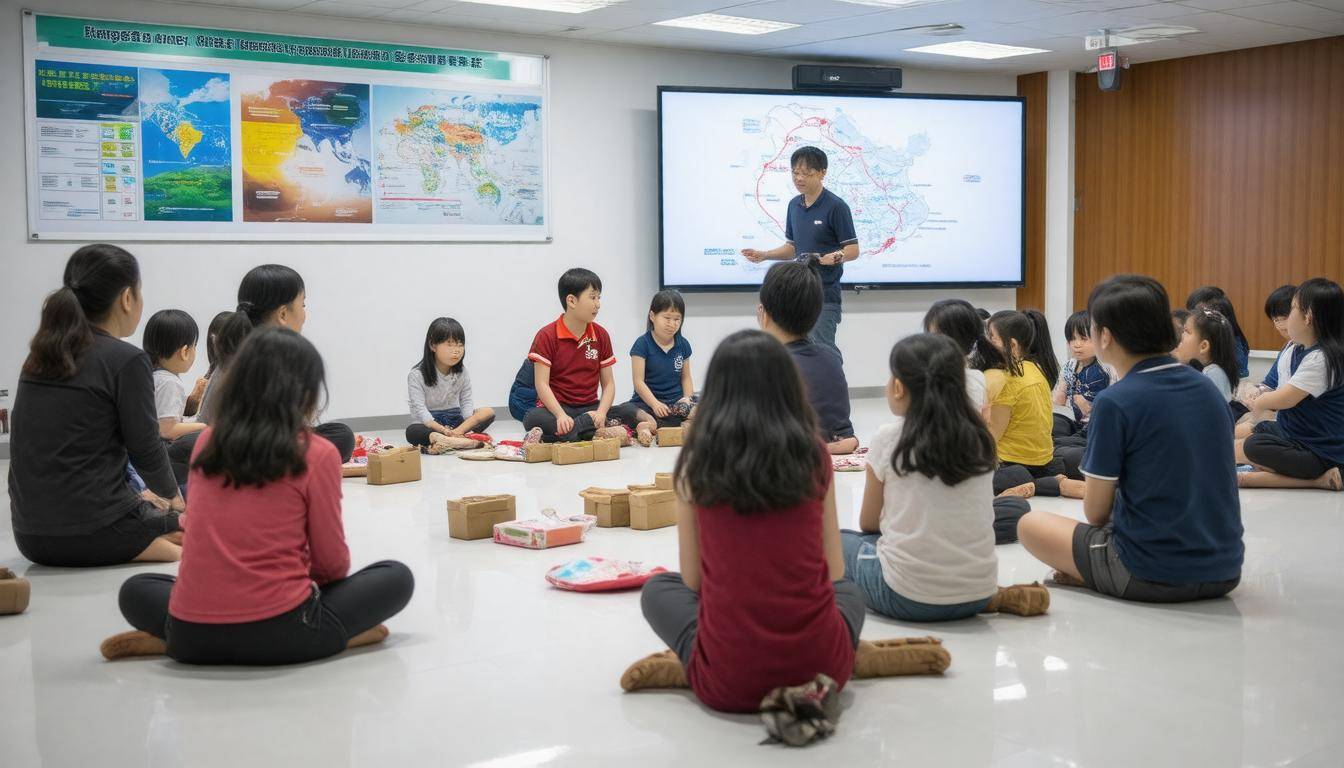
Training the community is essential for effective earthquake response, as it equips individuals with the skills they need to act decisively when disaster strikes. Practical training transforms passive observers into active participants who are ready to assist their neighbors in times of crisis.
Workshops and Drills
The Chengdu Red Cross plays a vital role in this transformation by organizing bi-monthly workshops covering various topics such as assessing structural safety, basic first aid, and evacuation procedures. These engaging sessions do more than provide knowledge; they foster camaraderie among participants, creating a sense of collective responsibility.
On an even larger scale, the annual evacuation drills simulate real earthquake scenarios, allowing citizens to practice their emergency response skills in an organized manner. It’s remarkable to note that since implementing these drills, volunteer sign-ups have increased by 30%. This uptick reflects growing awareness and the community’s commitment to preparedness.
Yet, awareness alone is not enough; we must ensure that those willing to step forward are adequately trained.
Certification Programs
To formalize the training process, the city offers certification programs aimed at both local first responders and eager volunteers. Obtaining Community Emergency Response Team (CERT) certification is more than just a personal achievement—it has become a badge of pride within the community. Participants gain practical skills in fire safety, medical operations, and search and rescue techniques.
This comprehensive training instills confidence in both certified responders and the residents they serve. Furthermore, achieving certification significantly boosts neighborhood cohesion; certified individuals often form networks where they regularly share insights and offer support. When a community actively cultivates trained responders, it creates an empowered environment that enhances overall safety during critical times.
With robust training programs in place, communities move forward stronger and more prepared for emergencies. Next, we will explore how to assess these preparedness plans effectively.
Evaluating Preparedness Plans
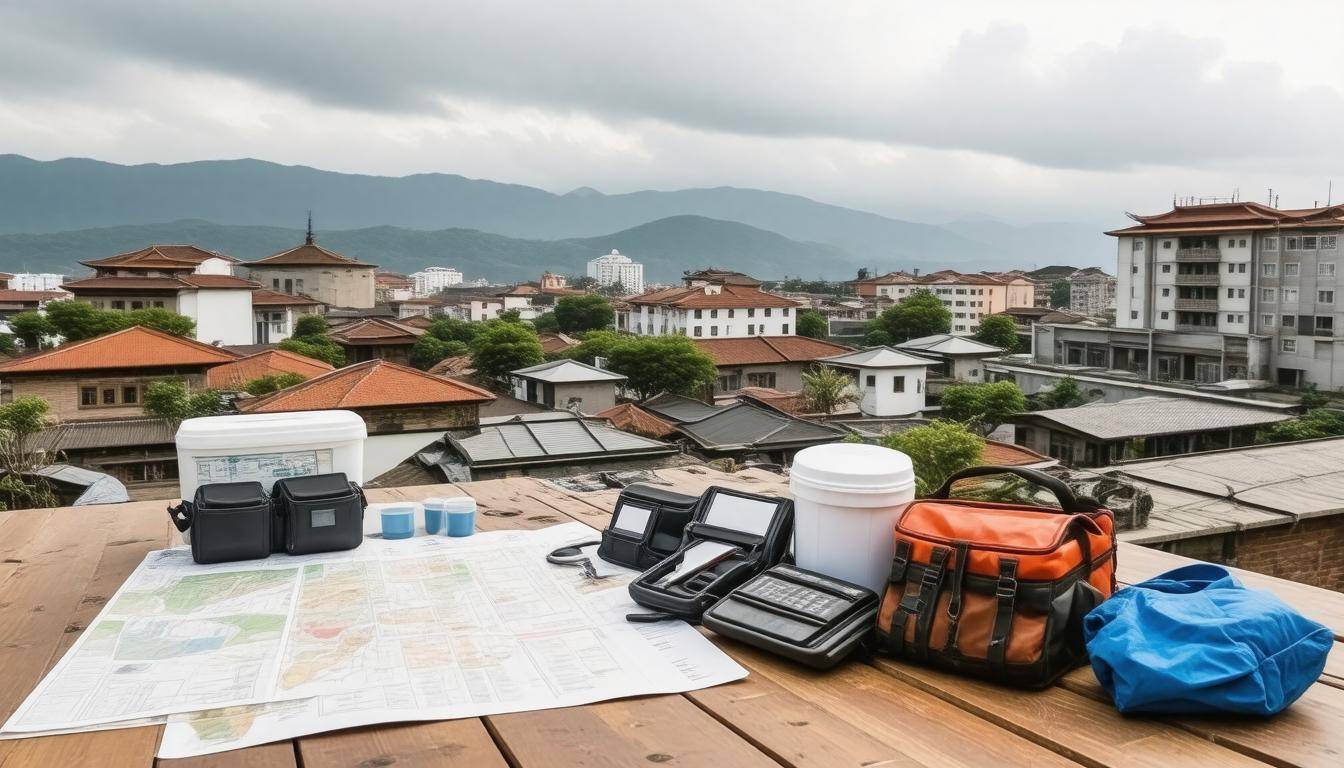
Regular evaluation ensures that Chengdu’s readiness plans remain effective and applicable in the face of emerging challenges. This vital process guarantees safety measures evolve alongside the community’s needs. It involves continuously adapting plans based on reliable data and proactive feedback.
Monitoring and Feedback
One cornerstone of this evaluation process is the role played by the Seismic Evaluation Department. By collecting comprehensive data on drill performance, community feedback, and real-world incidents, they form a critical link between theoretical preparedness and practical application. For instance, if several participants in an earthquake drill report confusion about evacuation routes, this feedback provides invaluable insights to authorities. The team can then revise these plans to ensure everyone has clear and accessible pathways during a crisis. This kind of responsive planning allows for adaptation and improvement in real-time.
Building on the monitoring mechanisms, conducting simulations takes preparedness to the next level.
Emergency Simulation Exercises
Conducting bi-annual full-scale simulation exercises is essential. These exercises provide both authorities and communities with opportunities to rigorously test their preparedness plans. During these mock drills, scenarios reflecting potential emergencies are staged—testing everything from coordination among first responders to communication strategies with citizens. This practice can highlight areas needing improvement before an actual earthquake strikes.
In fact, after analyzing results from recent simulations, authorities noted a 15% increase in evacuation efficiency compared to prior drills. Such increases remind us that regular practices not only sharpen skills but also foster confidence in handling real-life situations. Participants gain hands-on experience, reducing panic when an earthquake truly occurs.
Consistent evaluations supported by drills are key ingredients in strengthening public safety strategies against future earthquakes in Chengdu.
Ultimately, these steps not only boost individual preparedness but also fortify community resilience against seismic threats.