
Landslides can pose a serious threat to communities, especially in hilly regions like Chiang Mai. Imagine living in an area where heavy rains not only bring storms but also the risk of entire hillsides collapsing, taking homes and lives along with them. That’s a worry many residents face daily. It’s crucial that we explore effective strategies for preventing these disasters, as adopting proactive measures can make a big difference in community safety. From smart planning and engineering solutions to engaging local residents, there are numerous ways we can combat the risks of landslides together. Let’s dive into the essentials that can help protect our cherished landscapes and the people who call them home.
Essential landslide protection measures for Chiang Mai include effective land-use planning, installation of retaining walls and drainage systems, and regular monitoring of slopes. It is also crucial to engage in community education on landslide risks and implement vegetation management practices to stabilize soil.
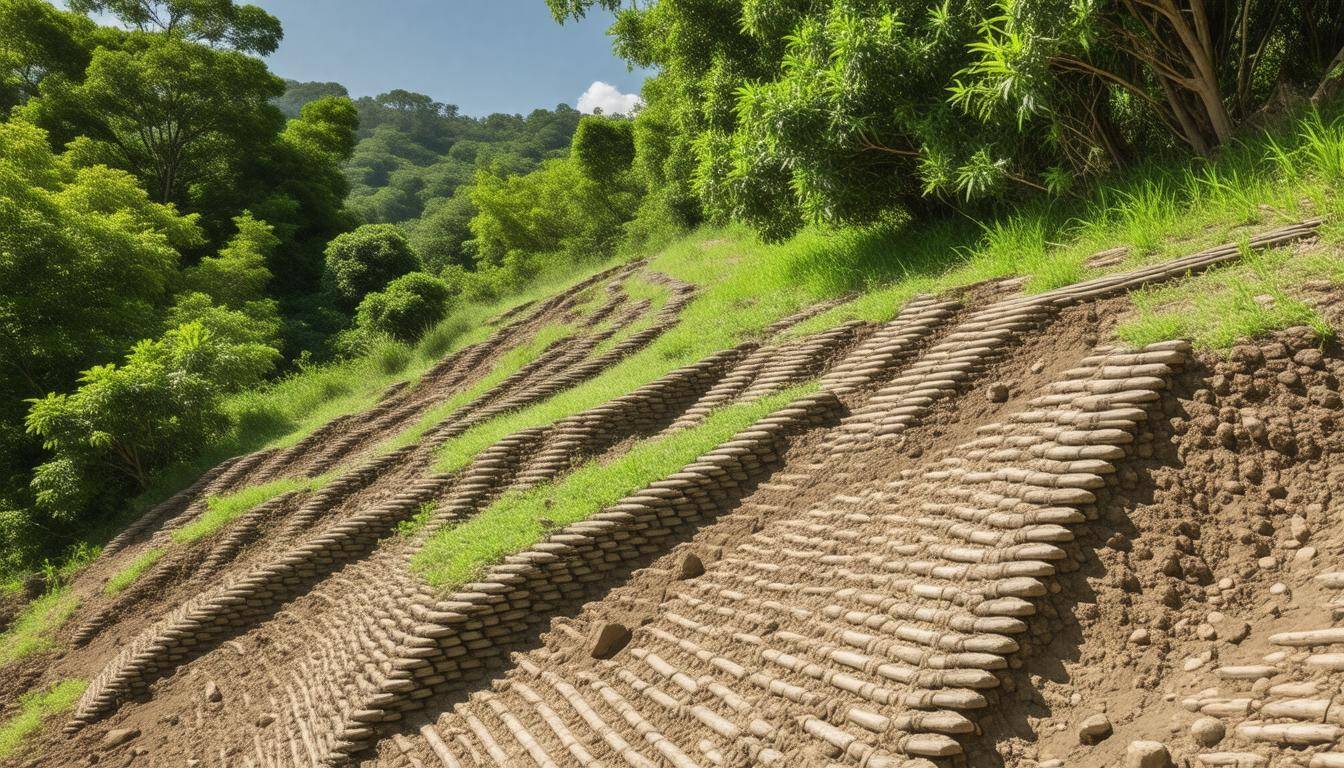
Expert Tips for Landslide Protection
When it comes to safeguarding areas susceptible to landslides, particularly in places like Chiang Mai, it’s vital to implement both structural and non-structural solutions.
Starting with structural solutions, one of the most effective methods is the use of reinforced concrete retaining walls. These walls act as a barrier, providing critical support to unstable slopes and significantly minimizing the risk of landslides.
In addition, when I visited a hillside community once, I saw how these walls helped protect homes from shifting earth; you could sense the relief among residents knowing they had this extra layer of defense.
Soil nailing is another ingenious technique worth considering. Essentially, it involves inserting steel rods into weak layers of soil to enhance stability. This method is particularly beneficial in areas notorious for frequent landslides. It not only strengthens the soil but can also improve drainage properties—a win-win for slope maintenance.
Now, transitioning to non-structural measures, we find that ensuring proper drainage systems is equally important. Heavy rainfalls are a regular occurrence in hilly regions, making it crucial to channel excess water away from vulnerable slopes to prevent erosion.
A well-designed drainage system can dramatically lower the risks associated with landslides by diverting water before it has a chance to saturate the ground.
In my experience working alongside engineers in similar regions, I have learned that incorporating geo-textiles into slope management plans can yield excellent results. These materials provide additional stabilization for soil surfaces and can help reduce erosion without extensive excavation or alteration of the landscape.
While they may require professional installation, their long-term benefits often outweigh initial costs.
By applying a combination of these expert recommendations, you create a comprehensive safety strategy against landslides. The focus on these proactive measures ensures that communities are better prepared for nature’s unpredictable elements.
As we consider these strategies, it’s equally important to identify areas most at risk for potential landslides. Understanding where vulnerabilities lie can greatly enhance our preparedness efforts.
Recognizing High-Risk Zones
Identifying areas that are particularly vulnerable to landslides is crucial in maintaining safety and preventing disasters. High-risk zones often share common characteristics, such as steep slopes, loose soil, and a history of heavy rainfall. These elements create an environment where gravitational forces can easily lead to catastrophic failure of the landscape. It’s not just about knowing where to build a house; it’s about understanding the very ground you walk on.
Warning Signs
Keeping an eye out for specific warning signs can significantly enhance your awareness of potential danger. For instance, cracks or bulges in the ground can indicate destabilization. Similarly, if you notice water seepage or an increased flow downhill during heavy rains, this could signal that soil saturation is leading to a potential landslide. Other signs include leaning trees or poles, suggesting soil erosion around their roots, and sudden changes in land elevation, which might point toward underlying shifts in the terrain.
Regular observations paired with knowledge of these warning signs can empower communities to respond swiftly to emerging threats.
In Chiang Mai, certain neighborhoods bordering the lush Doi Suthep-Pui National Park have become particularly susceptible due to changes in vegetation and increased human activity. For example, widespread deforestation reduces the soil’s stability while heavy rains further exacerbate existing vulnerabilities. These communities serve as vital case studies in recognizing high-risk zones through careful monitoring and documentation of environmental changes.
By honing our ability to recognize both subtle shifts in our environment and explicit indicators of risk, we pave the way for implementing effective structural solutions that protect against landslides.
Effective Retaining Wall Construction
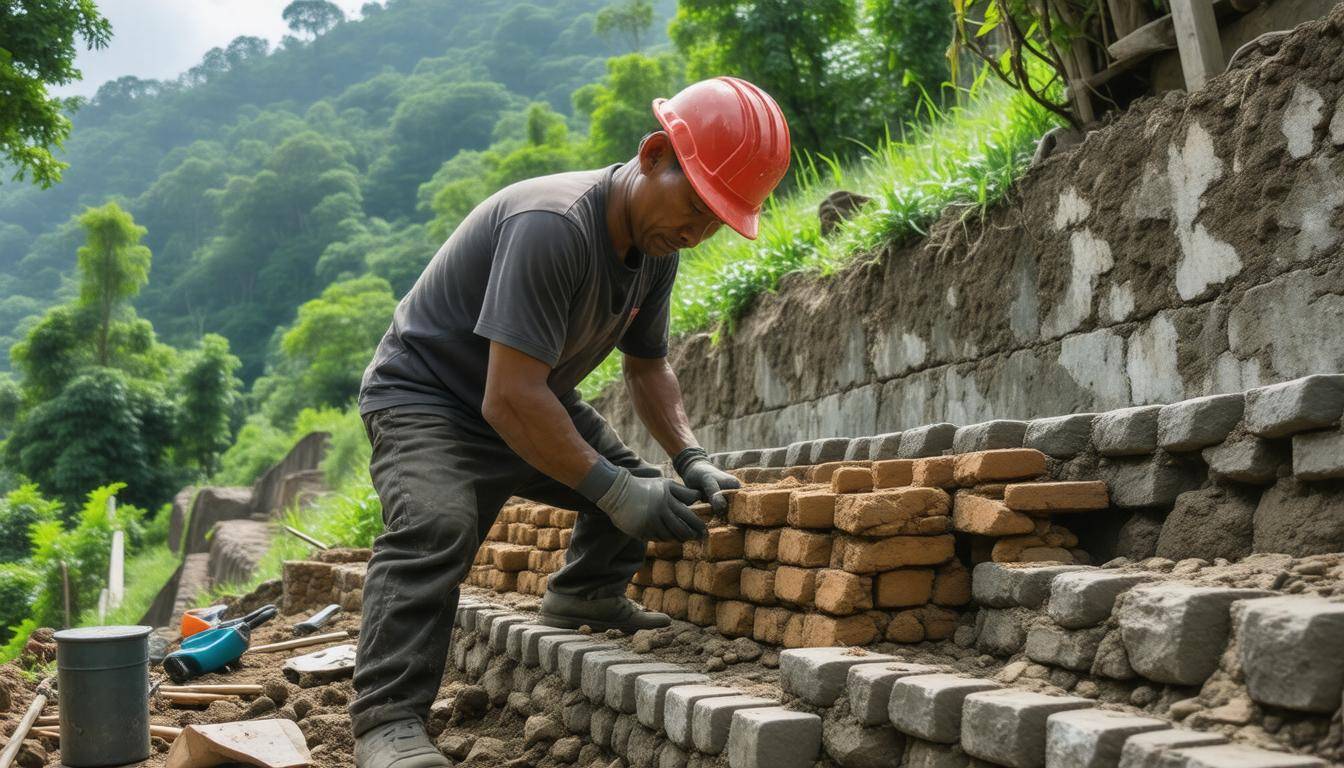
Retaining walls play a pivotal role in the battle against landslide risks, acting as a sturdy barrier between loose soil and potential disaster. To be truly effective, these walls must be designed and constructed with great care and precision. It all starts with the selection of design and materials that will ensure the wall can stand up against both gravity and nature’s relentless forces.
Design and Material
When considering materials for your retaining wall, options like reinforced concrete and gabion baskets filled with stones stand out. Reinforced concrete provides not only strength but also longevity, thanks to its ability to withstand weather variations and physical stress. Gabion baskets, on the other hand, are a cost-effective solution that utilizes local stones, providing drainage while stabilizing slopes effectively. The unique design of these baskets allows them to adapt to shifting earth, absorbing and distributing pressure across their surface.
Before embarking on construction, conducting a comprehensive site assessment is crucial. Understanding the slope of your terrain and soil composition can dramatically influence your design choices and construction methods. When you start digging that trench for your foundation—a critical step in creating a strong base—make sure it is deep enough to accommodate compacted gravel which will serve as a solid foundation layer.
Once your foundation is prepared, it’s time to begin construction. Think of this process as building a strong body—each layer you add contributes to the overall strength of the wall. Building the wall layer by layer requires patience, care, and attention to detail. Ensuring that each layer is compacted appropriately not only ensures stability but also helps prevent any future settling or shifting that could compromise its effectiveness.
A significant aspect often overlooked during construction is drainage integration. Just like our bodies need an outlet for excess fluids, so too do retaining walls require effective drainage systems. Installing drainage pipes behind the wall allows water to escape and reduces hydrostatic pressure against the wall, which can lead to cracking or failure.
The completion stage involves finishing touches, such as backfilling the area behind the wall with soil and compacting it well. This part is critical because properly compacted fill leads to greater stability over time. If left too loose, it could create vulnerability in the wall structure as it shifts or settles unevenly due to weight distribution changes.
Incorporating quality materials enhances longevity, but routine inspections are key to ensuring durability. Monitoring these structures closely can provide insights into any adjustments needed, making way for a discussion about sustainable practices like enhancing environmental safety through vegetation management.
Vegetation and Tree Planting Strategies
When it comes to preventing landslides, leveraging the power of nature through vegetation is both environmentally friendly and practical. The right plants act as natural anchors, gripping the soil with their roots and creating a network that effectively manages water runoff. Deep-rooted plants such as Vetiver grass and bamboo are excellent choices, thanks to their robust underground systems that work tirelessly to hold soil together. These plants not only stabilize the earth but also contribute to biodiversity, enriching your landscape.
To effectively implement your planting strategy, start with soil preparation. This step is crucial—an unprepared site can lead to poor growth and ineffective soil stabilization. Clear away any weeds, rocks, or debris that compete for nutrients and space. Loosening the soil improves drainage and allows roots more freedom to expand. Moreover, consider performing a simple soil test; understanding its composition will help you determine if you need to amend it with organic matter or nutrients.
It’s kind of like preparing for a dinner party—you wouldn’t invite guests to sit on a dirty table, would you? Similarly, your plants deserve a clean and welcoming home.
Step-by-Step Planting Guide
-
Soil Preparation: Once the area is cleared, ensure that the soil is well-aerated by using a garden fork or tiller to break up compacted ground. This encourages strong root development.
-
Plant Selection: Choose native species that thrive in your local climate conditions. Native plants are advantageous as they require less maintenance and are more resilient to diseases and pests common in your area.
-
Planting: Adequate spacing is vital when planting to allow each plant enough room for root expansion. Consider how large they will grow—not just today but years down the line. Plant them too close together, and they’ll compete for resources and won’t thrive.
-
Watering: Regular watering is crucial during the initial stages of establishing roots. Monitor rainfall patterns; newly planted vegetation may need extra attention during dry spells.
-
Mulching: After planting, apply a layer of organic mulch around your plants. This simple addition serves multiple purposes: it retains moisture, suppresses weeds, and prevents soil erosion from rain impact by acting like a sponge.
According to studies, areas with dense vegetation see 30% less soil erosion compared to barren land. That statistic isn’t just impressive—it underscores how important our green allies are in safeguarding against landslides.
By committing to these strategies and choosing the right combination of deep-rooted plants alongside thoughtful maintenance practices, you’re setting the stage for effective environmental protection strategies that precede essential management methodologies.
Rainwater Management Techniques
Employing efficient rainwater management is not only about collecting water; it’s about safeguarding the land. Techniques like rainwater harvesting systems perform a dual role—capturing valuable water resources for future use while simultaneously directing runoff away from vulnerable slopes. When thoughtfully integrated, these systems become fundamental in preventing landslides by keeping excess water at bay.
Techniques
One widely recommended technique is to create swales, which are shallow channels designed to capture runoff before it flows offsite. Swales help slow down water and promote infiltration into the ground rather than allowing it to pool or flow rapidly downhill. Consider combining swales with vegetated filter strips, which can further absorb runoff flows and sediment, adding an additional layer of protection against erosion.
While implementing these strategies involves some initial effort, the benefits far outweigh the costs. Not only do properly executed rainwater management systems enhance landscape stability, but they also contribute to better groundwater replenishment, ensuring that you are nurturing the ecosystem around you.
Step-by-Step Installation Guide
Installing a rainwater harvesting system may seem daunting at first; however, understanding the steps involved can make the process seamless.
-
Gutter Installation: Begin by fitting gutters along your rooftop edges to collect and channel rainwater as it falls. Ensure that they slope correctly towards the downspouts.
-
Downspout Attachment: Next, fasten downspouts securely to guide the water from gutters into storage tanks. This part is crucial; any blockage could cause overflow issues leading back into vulnerable areas.
-
Tank Setup: Select appropriate-sized storage tanks based on your average rainfall levels and intended usage. Position them strategically where they are easy to access for maintenance yet out of high-risk zones.
-
Overflow Systems: Finally, ensure that all overflow outlets are directed away from sloped surfaces or critical infrastructure. Overflow systems should lead to absorption basins or garden areas where additional water can be beneficial without causing damage.
Remarkably, studies reveal that proper rainwater management techniques can reduce runoff by up to 60%—a significant figure indicating their potential impact on landslide risk mitigation.
Implementing these techniques significantly contributes toward enhancing safety while providing ecological benefits. By coordinating community efforts and larger-scale initiatives, local resilience against environmental hazards can be greatly improved.
Government Programs and Local Support
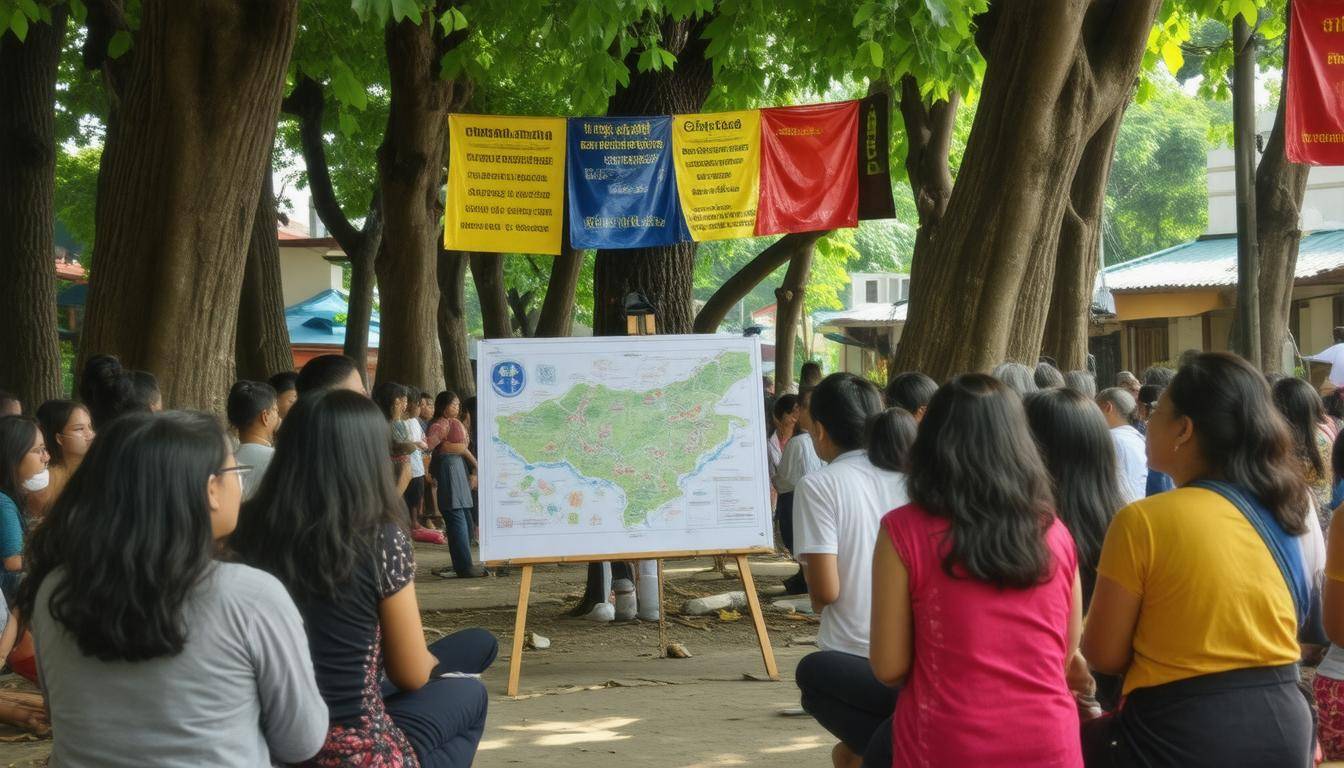
Government and local organizations play a pivotal role in landslide prevention by providing not only the necessary funding but also the infrastructure that communities need. Initiatives like grant programs help homeowners and businesses install retaining walls and improve drainage systems, significantly reducing soil erosion. Such efforts enhance safety and ensure a more stable environment for everyone in the community.
Initiatives
Chiang Mai’s local government is proactive in this regard, offering financial incentives through grants aimed specifically at landslide mitigation. The Thai government’s commitment extends beyond just finances; it includes environmental conservation efforts as well. Reforestation programs have been launched, focusing on planting trees and vegetation that stabilize soil in high landslide risk areas.
“Every tree planted is another layer of protection,” is something you often hear from local environmentalists, and it’s true. Healthy plants absorb water and hold the soil together with their root systems.
Program Details
-
Land Management Plans: These government-approved plans help restrict construction activities in zones deemed to be high-risk, protecting homes from possible hazards.
-
Community Training Programs: Workshops and seminars designed to educate community members about landslide preparedness are critical. By learning how to recognize warning signs and respond appropriately during an emergency, residents can better protect themselves and their property.
-
Emergency Relief Funds: In addition to preventative measures, there exists a financial safety net through emergency relief funds that provide crucial aid to communities impacted by landslides.
While these government programs offer invaluable assistance, ongoing local involvement is essential for maximizing their effectiveness over time. With this foundation laid, attention must now shift to understanding how consistent upkeep and vigilance further bolster community resilience against landslides.
Regular Maintenance and Monitoring
Maintaining the integrity of landslide protection structures is not just a box to check off; it’s a commitment to community safety. Regular maintenance and diligent monitoring serve as the backbone of effective landslide prevention strategies. These practices are crucial for identifying potential issues early on, preventing minor problems from escalating into significant disasters. Imagine checking your car’s oil levels to avert engine trouble; similarly, inspecting landscape infrastructure helps avert calamities.
Maintenance Tips
As you embark on a maintenance plan, prioritize routine inspections of key components like retaining walls, drainage systems, and vegetation around vulnerable areas. Taking the time for precise checks might save you money later down the line. For instance, during your monthly checks of retaining walls, look out for cracks or bulges; they can signal trouble beneath the surface that needs immediate attention. Addressing these issues promptly is crucial—what seems small now could cause massive upheaval later.
| Item | Frequency | Maintenance Action |
|---|---|---|
| Retaining Walls | Monthly | Check for cracks, reinforce |
| Drainage Systems | Bi-monthly | Clear debris, ensure free flow |
| Vegetation | Quarterly | Prune dead branches, replant if needed |
The table above lays out a straightforward roadmap for maintaining essential elements that protect against landslides. Each action listed contributes to prolonging the life of the infrastructure and maintaining a vigilant watch over potential hazards that lurk beneath.
Beyond technical measures, nurturing community readiness stands as a vital element in fostering resilience in the face of natural disasters.
Community Preparedness Initiatives
Involving local residents in landslide preparedness initiatives is critical for the safety and well-being of the entire community. Strengthening this involvement fosters a sense of shared responsibility and enhances overall resilience against natural disasters. As neighborhoods band together, they create a network that can respond swiftly and effectively should an emergency arise.
One effective strategy is organizing regular community drills. These drills simulate evacuation protocols and help residents understand what to do when danger strikes. For example, a resident from Mae Rim district shared that during last year’s intense rainfall, their participation in these drills enabled them and their neighbors to evacuate quickly and safely. This real-life application underscores how preparation can be a lifesaver.
Equipping residents with knowledge about emergency procedures increases confidence and decreases panic during crises. Educational programs can include workshops focused on identifying warning signs of landslides, understanding local terrain risks, and practicing safe evacuation routes. Combining theory with practical exercises promotes enhanced readiness, ensuring people know exactly what steps to take when faced with an oncoming threat.
Additionally, establishing a community alert system is essential for timely information dissemination during landslide threats. Implementing mobile apps or utilizing local radio stations can enable real-time updates on weather conditions and evacuation alerts. The goal is to keep everyone informed, thus minimizing confusion during emergencies. Moreover, incorporating social media platforms into communication strategies allows quick sharing of information among residents, further improving community cohesion.
With each initiative taken and every drill practiced, communities become better equipped to handle the unpredictable nature of their environment.
Ultimately, through collective efforts and shared responsibilities, neighborhoods can build a safer and more prepared community capable of minimizing the impact of landslides. This proactive approach creates an environment where individuals are actively engaged in preventing disasters while ensuring each other’s safety.
In conclusion, fostering community preparedness not only protects lives but also strengthens the bonds among residents as they work together for a common good. Being ready for the unexpected can make all the difference when disaster strikes.