
When severe weather hits Chicago, being prepared is key to staying safe. You never know when a sudden storm or freeze might knock out power or make the roads impassable. That’s why having a Severe Weather Kit at the ready can make all the difference in keeping you and your loved ones safe. This isn’t just a collection of random items; it’s a thoughtful assembly of essentials designed to meet the challenges that Chicago’s unpredictable weather can present. In this article, we’ll guide you through the top supplies you should have on hand, ensuring that when the winds howl and snow piles up, you’re equipped to handle whatever comes your way.
A Chicago Severe Weather Kit should include essential supplies such as non-perishable food, bottled water, a flashlight with extra batteries, a first-aid kit, a NOAA weather radio, and warm clothing or blankets. Additionally, it’s advisable to include important documents and a multi-tool for any emergency repairs.
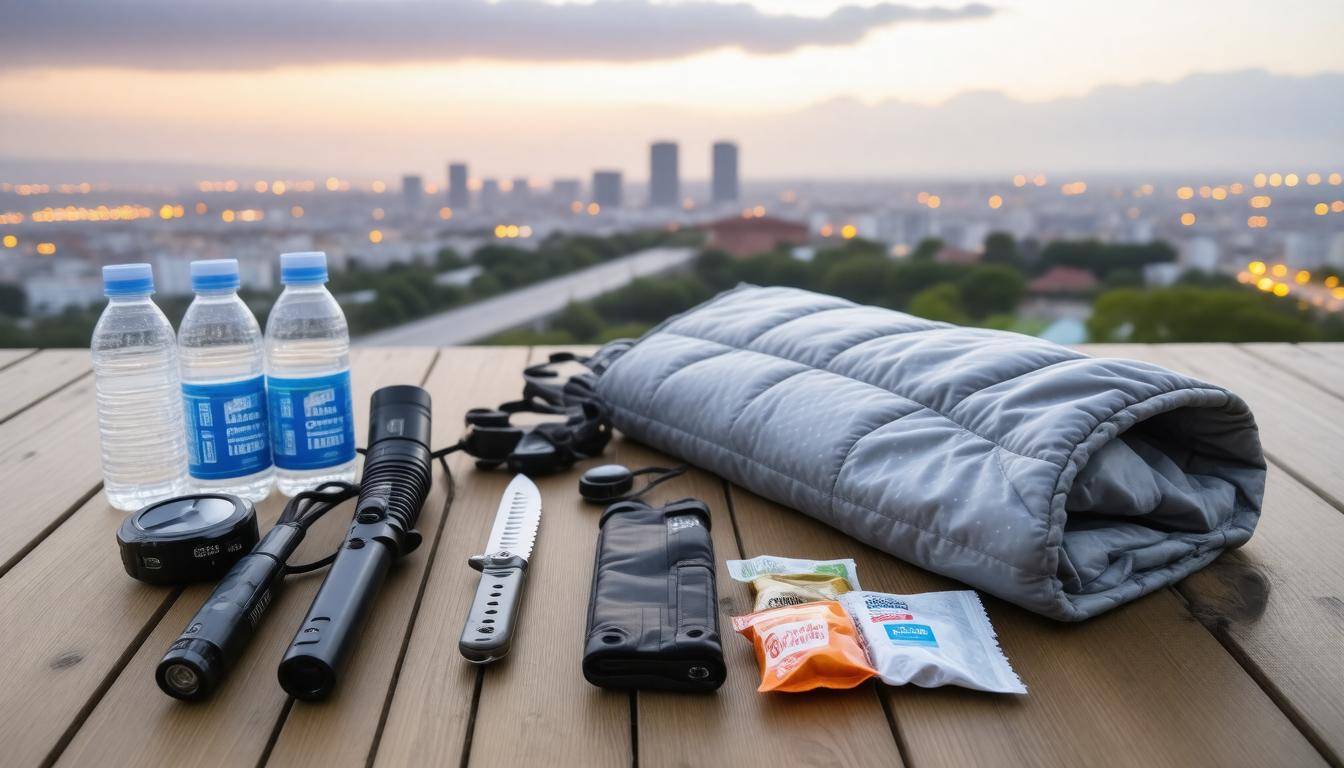
Essential Supplies for Chicago Severe Weather
Preparing a severe weather kit is not just about having random items stuffed in a bag; it’s about being deliberate and strategic. Each item can make a huge difference in an emergency, especially in a city like Chicago, where unpredictable weather patterns can shift swiftly. Ensure every supply is both functional and suited to the specific conditions you’re likely to face.
Let’s start with the multi-tool. When severe weather strikes, you could find yourself needing to perform quick fixes or adjustments, whether that involves securing loose materials or making temporary repairs on broken items. A multi-tool brings versatility to your kit; it’s like carrying a toolbox in your pocket. Choose one that includes common features such as screwdrivers, sharp blades, and pliers.
Without proper illumination, navigating through dark spaces can be daunting. That’s where a flashlight with extra batteries comes in. Power outages are common during winter storms or heavy winds, and having access to light is essential for safety. Always test your flashlight before an emergency, ensuring the batteries are fresh. Consider adding a solar-powered lantern for extended lighting without worrying about battery life.
Next is the whistle—a small but mighty tool. In scenarios where you might be trapped or lost, using a whistle is often far more effective than calling out; it conserves energy while enabling sound to travel further than your voice. You’ll want one that is loud enough to be heard over any chaos.
Continuing along the theme of igniting hope during tough times, we come upon waterproof matches.
Waterproof matches are a fundamental part of your emergency kit since they can prove invaluable in starting fires even after getting wet. Fire not only provides warmth but can also be used for cooking food or signaling for help if needed. Make sure to practice using them ahead of time; this way, you’ll be more prepared when you actually need to rely on them.
Finally, don’t overlook the importance of an emergency blanket. Lightweight yet incredibly effective at retaining body heat, these blankets are designed for survival situations where warmth is critical. They are typically compact and easy to store in your kit, providing insulation against harsh temperatures that may occur during severe weather scenarios.
Here’s a summary of the essential items that should always be included in your Chicago severe weather kit:
| Essential Item | Purpose |
|---|---|
| Multi-tool | Versatile tool for repairs and adjustments |
| Flashlight with batteries | Essential for navigating during power outages |
| Whistle | Signal for help if trapped |
| Waterproof matches | Start fires in wet conditions |
| Emergency blanket | Retain body heat in cold conditions |
Now that you’ve gathered these essential supplies for your severe weather kit, ensuring basic safety measures and protection strategies will further enhance your preparedness during emergencies.
Basic Safety and Protection
Having basic safety gear is fundamental. One essential item to consider is N95 masks; these help protect against airborne debris that may circulate during high winds or storms. While dust can seem innocuous, breathing in fine particles can irritate your lungs, especially if you have pre-existing respiratory issues. Additionally, heavy-duty gloves are critical for handling any debris safely. They not only protect your hands from sharp objects but also provide a better grip on slippery materials that might be displaced during extreme weather.
Personal Safety Gear
Equipping your kit with a hard hat is another wise decision, especially if there’s a risk of falling objects in your area. This is particularly relevant in urban settings where construction materials might be blown off buildings or trees could become unstable and fall. Moreover, if you need to traverse low visibility areas or emergency zones, consider keeping a reflective vest in your safety kit. These vests ensure that you’ll be seen by emergency responders or fellow residents even in the dimmest conditions.
Staying visible can be as crucial as staying safe; it’s a simple way to make sure others can locate you quickly should an emergency arise.
Remember to assess the weather forecast before heading out to collect supplies or check on neighbors. Knowing when severe weather strikes allows you to prepare adequately without putting yourself at risk. This preparation also extends to having an emergency plan that includes routes for getting to safety—whether that’s fleeing the area altogether or finding secure places within your community.
With personal safety addressed, it’s important to consider how to effectively handle potential power outages that may occur during severe weather events.
Emergency Power Solutions
When the winds howl and the storm clouds loom, the last thing you want to worry about is whether you’ll be able to communicate with loved ones or keep essential devices running. That’s where emergency power solutions come into play. Investing in dependable backup power sources is crucial to ensure you’re prepared for whatever Mother Nature throws your way.
Portable Power Sources
One of the simplest steps you can take is to get an external battery pack designed for mobile devices. These compact gadgets can help keep your phone charged during outages, allowing you to stay connected with emergency services or family members. Look for ones that offer multiple ports and quick-charging capabilities, ensuring that in a pinch, you can rejuvenate more than one device at a time.
A portable generator is another robust option that provides significant peace of mind. With enough capacity, it can power essential appliances such as refrigerators, heating systems, and even medical equipment. Make sure to choose a generator that meets your needs; if you rely heavily on electronics for communication or work, consider one with a higher output capability.
For those who prefer eco-friendly solutions, solar-powered chargers should definitely be on your radar. They harness the sun’s energy, making them not only sustainable but also a great investment for long-term use. Just keep in mind that their efficiency largely depends on sunlight availability—during a stormy winter day, they may need extra time or might not be fully effective.
With your emergency power solutions lined up and backup electricity sources sorted out, let’s turn our attention to the important task of ensuring you have sufficient provisions for sustenance during any adverse situation.
Food and Water Storage
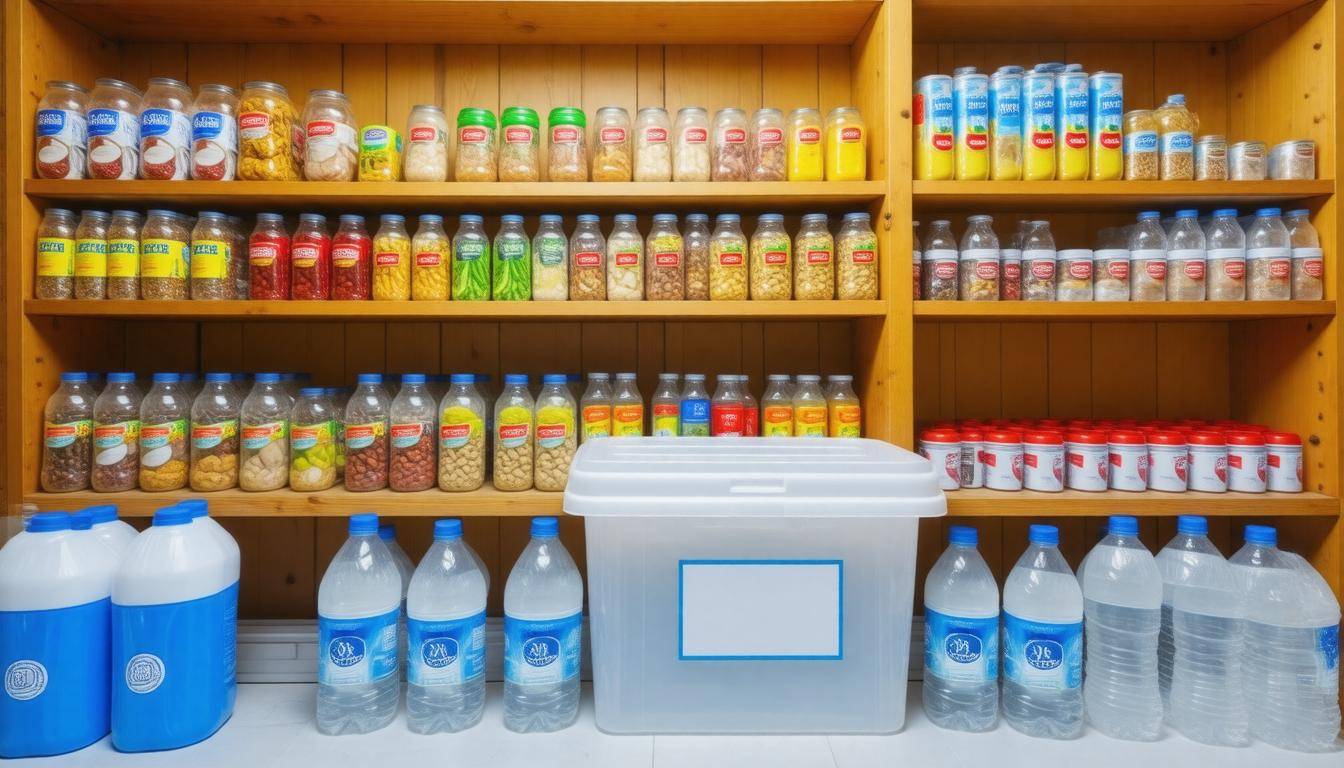
To begin with, it’s essential to have at least a three-day supply of non-perishable food and clean water. This basic requirement ensures that you will have enough nutrients and hydration while facing potential disruptions in service. After all, if the power goes out or access to grocery stores becomes limited, having a reliable stash on hand can make a significant difference.
Essential Food Items
When it comes to food storage, variety matters. While canned goods and dry staples serve as an excellent foundation, they shouldn’t be your only options. You should include items that are easy to prepare, nutrient-rich, and likely to keep up morale during stressful times. An assortment can lift spirits; everyone loves to eat their favorite snacks!
- Canned goods: Think vegetables, beans, soups, and fruits. Not only do these last a long time but they also provide essential vitamins.
- Dry staples (rice, pasta): These filling options can stretch your meals further and are simple to cook.
- Energy bars: Packed with protein, they offer quick nutrition without needing any preparation.
- Nuts and dried fruits: They’re not only delicious snacks but also provide healthy fats and sugars that keep your energy levels up.
By diversifying your supplies, you’re better equipped physically and mentally for whatever may come your way.
Water Storage
Water is equally critical for survival. Experts recommend storing one gallon of water per person per day. This quantity considers drinking needs as well as cleaning or cooking. Often overlooked, this aspect of preparedness can become overwhelming if you haven’t planned accordingly. A little foresight can save you from finding yourself unprepared.
Beyond simply stocking more water bottles, consider utilizing purification tablets or a portable water filter system. In case you need to rely on untreated water sources—like ponds or streams—these tools can be lifesavers in emergency situations. They ensure you have access to clean drinking water even if your main supply runs out or becomes contaminated.
While ensuring you have adequate food and water is crucial for survival, understanding how to handle injuries or health concerns effectively becomes equally important during emergencies.
Comprehensive First Aid Kit
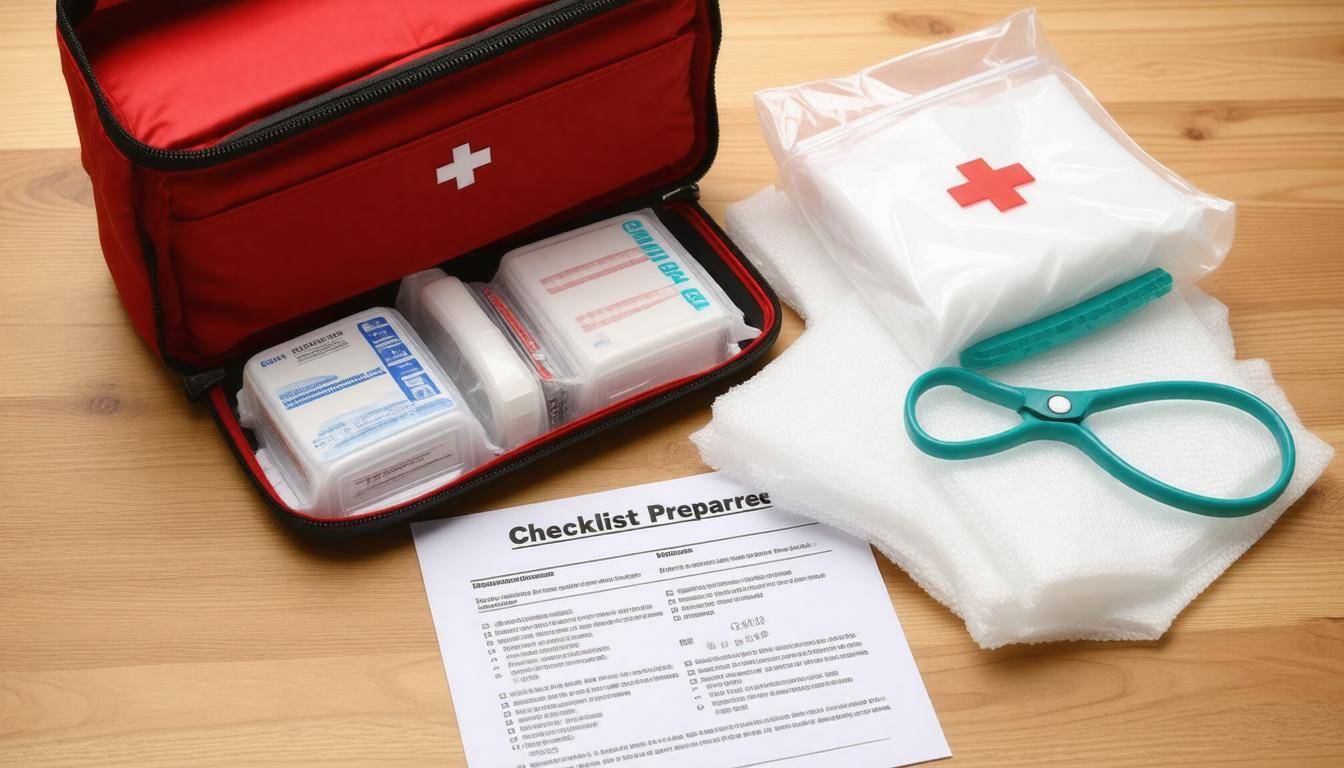
A well-stocked first aid kit is not just an accessory; it’s an essential component that could make the difference between minor injuries and severe complications during a disaster. Emergencies can arise unexpectedly during severe weather events, and you’ll want to ensure you’re equipped to handle those situations swiftly and effectively.
When creating your first aid kit, start with the basics. Make sure to include adhesive bandages in various sizes for minor cuts and scrapes, as well as antiseptic wipes to help clean wounds and reduce the risk of infection. Adding sterile gauze pads, adhesive tape, and tweezers enables you to address more significant injuries, while scissors will come in handy for cutting tape or clothing away from wounds. It’s also wise to incorporate a pair of disposable gloves to maintain hygiene during treatment.
Don’t forget an emergency first aid manual—it serves as your handy guide for responding to medical emergencies, offering step-by-step instructions on how to handle situations ranging from burns to fractures. Consider adding a small notebook and pen too; it could be incredibly useful for jotting down details about any injuries sustained so you can inform emergency responders later.
Medication is another key aspect of your first aid kit. Stock up on items like pain relievers such as ibuprofen or acetaminophen, antihistamines for allergic reactions, and any personal medications necessary for household members (like inhalers or epinephrine auto-injectors). Additionally, keep some antacid tablets for digestive issues that can arise during stressful events.
Remember, regularly check expiration dates on all items in your first aid kit. This ensures that every supply remains effective when you need it most.
As you gather these essentials, consider other factors such as accessibility and organization in your storage solution to ensure swift access when emergencies strike. This thought leads us to examine critical tools that keep you connected during times of uncertainty.
Key Communication Devices
Staying connected during an emergency is not just a luxury; it’s a necessity. Having the right communication devices in your Chicago Severe Weather Kit can significantly enhance your safety and peace of mind when the storm hits.
To begin with, having a battery-powered or hand-crank NOAA weather radio serves as a lifeline, providing crucial weather updates, forecasts, and emergency alerts directly from the National Oceanic and Atmospheric Administration. Unlike other channels that might go silent due to power outages or damaged cell towers, these radios are specifically designed to remain functional in times of crisis.
However, it doesn’t stop there. It’s important to think beyond traditional methods, especially since cell phones can become unreliable during severe weather due to signal loss or battery drain. This is where additional devices like walkie-talkies and satellite phones come into play. Walkie-talkies create a direct line of communication without relying on cellular networks, which is particularly beneficial in localized emergencies where phone lines may be overwhelmed or down altogether.
Owning a satellite phone becomes invaluable if you live in a more remote area or if storms often disrupt local communications. These phones use satellites to connect calls, ensuring that you can reach out for help no matter where you are located.
To ensure optimal usage of these devices, it’s important to incorporate some essential practices into your routine.
First, regularly test your equipment to confirm that everything works properly. It’s easy to forget about communication devices until they are needed most; thus, check batteries and functionality at least once every few months. This proactive approach not only assures you that they are operational but gives you peace of mind leading up to rough weather seasons.
Additionally, consider creating a communication plan with family members or neighbors. In the event that your primary method fails, designating alternative contacts—perhaps reaching out through walkie-talkies or agreed locations—can prevent panic and confusion when severe weather strikes.
Beyond Devices: Staying Informed
The effectiveness of your communication strategy also involves staying informed about possible threats ahead of time. Regularly updating your knowledge about seasonal weather patterns in Illinois can help build situational awareness when dangerous conditions arise.
Consider subscribing to local alerts and notifications from emergency services in your area. This way, you’ll receive real-time information directly informing you about impending weather conditions, allowing you to prepare earlier rather than later.
These collective efforts in assembling effective communication devices and practices lay the groundwork for enhancing preparedness and security when facing adverse conditions. As we continue exploring protective measures, let’s also consider enhancements around the home environment for even greater safety.
Home Safety Enhancements
One of the most effective ways to secure your home against unpredictable weather is to fortify your windows. This can be accomplished by installing storm shutters or, if you’re aiming for a quick solution, using plywood to create temporary barriers. These protect your windows from strong winds and flying debris during a storm. Make sure to measure your windows beforehand; the fitting should be snug but removable without much hassle.
The importance of securing loose outdoor items cannot be overstated either. Anything from patio furniture to garden decorations can easily turn into dangerous projectiles in high winds. By simply bringing these items indoors or fastening them down, you can significantly reduce the risk of damage to both your property and that of your neighbors.
Additionally, safeguarding your electronics should be on everyone’s checklist. Power surges caused by lightning strikes or other electrical fluctuations can fry delicate devices if you’re not cautious. Installing surge protectors throughout your home will help protect gadgets from unexpected spikes in voltage. This investment not only safeguards your electronics but also ultimately saves you money on replacements and repairs.
Moreover, think about adding smoke detectors and carbon monoxide detectors if you haven’t already. Ensure these devices are equipped with battery backups, so they remain functional even during power outages—a common consequence of severe thunderstorms.
With a secure physical environment created by bolstering windows and protecting electronics, it’s important to consider how you can personalize emergency preparedness for the unique challenges posed by winter weather in Chicago.
Customizing Your Kit for Chicago Winters
Chicago winters can be unforgiving, with bone-chilling temperatures and heavy snowfall. It is imperative that you’re prepared. Stocking your severe weather kit with winter-specific supplies is not just a suggestion but a necessity. Start with the basics such as thermal blankets, which can keep you warm if you have to wait out a storm indoors or in your car. Hand warmers are small but mighty, providing instant warmth when temperatures plunge. Additionally, don’t overlook items like a snow shovel; having one on hand can make all the difference in quickly clearing your path or driveway.
But the essentials don’t stop there; layering is key in combating the cold.
Alongside these items, consider adding extra layers of warm clothing—think thermal shirts, insulated hats, and thick socks. Insulated gloves are crucial as they allow for dexterity while keeping your hands warm; look for gloves specifically designed for winter weather. Waterproof boots can transform a miserable trek through slush into a manageable one by keeping your feet dry and comfortable.
Don’t forget about your vehicle! Keeping a set of winter tires and chains can be lifesaving if you find yourself needing to drive in poor conditions. They provide better traction and handling when roads turn slippery.
Another proactive addition to your kit might be a portable heater. This could serve as a reliable secondary source of heat if your home heating fails, but ensure it is certified for indoor use to prevent the risk of carbon monoxide exposure.
Lastly, preparation goes beyond just gathering supplies.
Communication is equally important; inform everyone in your household about the location and contents of your kit so they know what to expect and where to find essential items during an emergency. Training them in how to use these items—like demonstrating the proper method for activating hand warmers or how to operate a portable heater—can enhance their confidence and readiness should a winter storm strike unexpectedly.
Being well-prepared means ensuring every family member knows they are equipped to face whatever may come their way this winter season.
By customizing your severe weather kit with practical items tailored for Chicago winters and fostering clear communication within your household, you increase not only safety but also peace of mind when adverse weather threatens. Preparation today can pave the way for greater resilience tomorrow.