
In a world where unexpected events can happen at any moment, teaching kids how to stay safe and respond properly is more important than ever. Think about it: children rely on adults for guidance, so if they know the basics of emergency preparedness, it can make all the difference when panic sets in. This guide is designed to help parents and caregivers navigate the tricky waters of emergency prep with kids. We’ll break down age-appropriate strategies that make learning about safety fun and engaging, ensuring our little ones are not only informed but also feel secure during unpredictable times. Let’s dive in and explore how to empower our children with the skills they need to handle emergencies with confidence!
The “Child Emergency Preparation: Age-Appropriate Guide” includes tailored strategies for teaching children about emergency preparedness based on their developmental stages, covering topics such as creating an emergency plan, using simple and relatable language, and incorporating fun activities to engage children in learning safety practices. This guide ensures that caregivers can effectively communicate vital information while equipping children with the skills they need to respond calmly during emergencies.
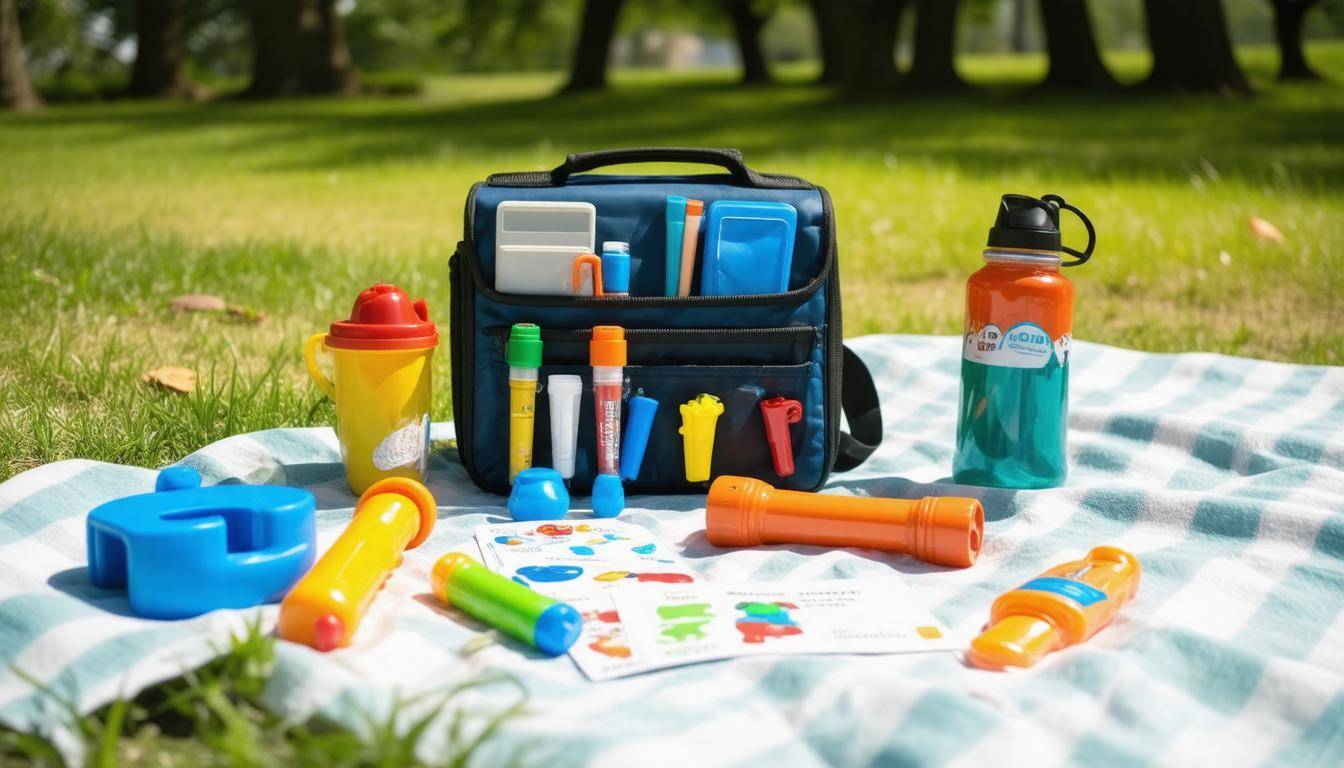
Age-Appropriate Strategies for Emergency Preparedness
1. For Toddlers (Ages 1-3)
At this tender age, toddlers are just beginning to explore their surroundings, so the focus should be on creating a safe environment while instilling basic emergency responses.
One of the best ways to engage them is through play. You can introduce essential actions like “stop, drop, and roll” in a fun way, perhaps during playtime with dolls or plush toys. This not only makes learning enjoyable but also helps them familiarize themselves with safety concepts in a non-threatening manner.
As part of this age group’s training, ensure that children can recognize emergency personnel by pointing out uniforms and discussing what firefighters and police officers do in fun scenarios at home or during outings.
As children grow, their understanding deepens and so too can the complexity of the strategies employed.
2. For Preschoolers (Ages 3-5)
Preschool-aged children have a slightly more developed capacity for understanding simple emergency plans. It’s beneficial to make use of role-play to teach key skills.
For instance, you might encourage your little one to “call” 911 using a toy phone as they practice dialing; this physical act can help them remember what to do in an actual emergency. Set up different scenarios where they must react, like pretending there’s a fire alarm and practicing how to evacuate safely from a designated area in your home. By making it interactive, they are more engaged and better retain crucial information about their safety.
Moving into the later childhood years, children begin to grasp more responsibility and need to understand more extensive safety procedures.
3. For School-Aged Children (Ages 6-12)
School-aged children can handle increasingly detailed information about emergency situations and safety protocols. It’s an ideal time to collaboratively create an emergency contact list that includes important numbers—like family members, doctors, and close friends—this helps them take ownership of their safety network.
In addition, teaching them how to read simple maps empowers them with valuable skills they can use during emergencies or when navigating their neighborhoods. Identifying safe spots around your home, where they can gather during an emergency or signal for help, reinforces their sense of responsibility towards their own safety.
Tailoring safety plans by age group maximizes their effectiveness, further enhancing overall safety as each child grows and develops new capabilities. Each stage of growth presents an opportunity for deeper engagement in their personal safety plan.
Tailoring Safety Plans for Different Age Groups
Each age group has its own set of needs when it comes to emergency preparedness. For infants, safety plans should focus on what parents or guardians can do. It’s essential to position cribs away from windows to minimize risks like falling objects during storms. Crafting a dedicated go-bag stocked with essentials—like formula, diapers, and a comfort item such as a small blanket or toy—provides peace of mind when unexpected situations arise. This way, caregivers can quickly grab everything needed in case of evacuation.
As children grow older, their ability to understand and participate in safety practices expands dramatically.
For Young Children
When it comes to young children, around the ages of 3 to 5 years, it’s all about engaging them in age-appropriate ways. During this stage, you can introduce simple safety concepts through play.
For instance, teaching them about the sounds of smoke alarms or practicing what to do if they hear one can make a significant difference. Role-playing these scenarios not only makes learning fun but also embeds essential responses into their memory.
Consider using picture books to illustrate safety messages; stories like Firefighter Frank offer both entertainment and education, allowing kids to relate emotionally while learning vital skills.
As kids continue to develop into their school years, their grasp of complex concepts grows deeper.
For School-Aged Children
When we reach school-aged children (from around 6 to 8 years), the focus shifts toward understanding emergency contacts and basic first aid principles. At this stage, role-playing becomes even more valuable as they practice calling 911 or memorizing important phone numbers like parent’s mobile numbers or nearby relatives.
You might also introduce child-friendly first aid kits during training sessions to give them hands-on experience in using basic supplies. Educational videos tailored for kids can further enhance their understanding while ensuring that the content is relatable and accessible.
As children reach teenage years, it’s time for them to step into more responsible roles in emergency scenarios.
For Teens
For teens, their growing independence allows them to handle more complex responsibilities during emergencies. They can be taught not only how to look after themselves but also how to care for younger siblings when situations demand it.
Encourage teens to familiarize themselves with evacuation routes and participate in community safety programs that may provide valuable insights into preparedness. Installing emergency apps like FEMA on their devices is a proactive approach; equipping them with the knowledge of how to interpret alerts can safeguard everyone in the household during crises.
By understanding and addressing the needs specific to each age group, caregivers can create effective strategies that ensure safety and readiness for any situation. Next, we’ll explore practical approaches for putting together essential supplies that further enhance our preparedness planning.
Assembling an Emergency Preparedness Kit
A well-prepared emergency kit can mean the difference between chaos and calm during unforeseen events. When assembling this kit, it’s critical to ensure that all essential items are included so that everyone is ready to respond effectively when emergencies arise. This starts with some basic items every family should have on hand.
Basic Items
-
Water: Aim for one gallon per person, per day, for at least three days. Staying hydrated is crucial, especially in stressful situations.
-
Non-perishable food: Think about granola bars, dried fruits, or canned goods. The goal is to have at least a three-day supply of easy-to-eat foods.
-
Battery-powered radio: In case of power outages, having a source of news updates is vital. Look for a hand-crank radio to ensure you won’t be caught off-guard by a dead battery.
-
Flashlight: Every family member should have their own flashlight—this not only helps to avoid accidents but also makes everyone feel a bit more secure in the dark.
-
First aid kit: Include necessary items such as band-aids, antiseptic wipes, and any medications your family might need.
With these basics covered, we can move on to focus specifically on needs that arise when children are part of the equation.
Child-Specific Needs
-
Formula and baby food: For infants or young children, include enough formula or baby food to last several days, plus baby bottles ready to go.
-
Diapers and wipes: If your child is still in diapers, pack enough to last at least three days, along with wipes for quick clean-ups.
-
Comfort items: Including books, games, or stuffed animals can greatly help emotionally stabilize children during stressful times. Familiar objects provide comfort and distraction from the situation at hand.
These specifics ensure children have both their physical and emotional needs covered during any emergency. It’s not just about practicality; it’s about making sure they feel safe and loved even when circumstances become unpredictable.
To keep your preparedness kit efficient and effective, remember to regularly check and update its contents. Make it a routine to inspect every six months or whenever you use something from it. Rotate through perishable goods so nothing expires unexpectedly. This way, when an emergency does strike—be it a storm or other unforeseen event—you won’t find yourself scrambling with outdated supplies. Your family will appreciate how thorough you’ve been in preparation!
Having established a comprehensive plan for emergencies tailored to children’s specific needs, it’s time to explore essential items that every child should have on hand.
Essential Supplies for Every Child
When packing an emergency preparedness kit tailored specifically for children, consider a range of items that will support them not just physically, but emotionally as well. The role of comfort items can’t be overstated—these help anchor children during stressful situations. It’s like having a comforting piece of home in the midst of chaos. Imagine a child clutching their favorite toy or blanket; it’s much more than a sentimental object; it’s a source of reassurance when everything else feels uncertain.
The American Academy of Pediatrics emphasizes not only the necessity for hydration and nutrition but also for mental stability supplies. For hydration, pack drinkable fluids that are easy to store and handle, such as water bottles or juice boxes. Nutrition is equally important; think along the lines of non-perishable snacks like granola bars, fruit snacks, or even trail mix. Remember to take into account any particular dietary restrictions or allergies when selecting these items.
Don’t forget extra clothing and shoes! Emergencies can happen unexpectedly, and having a change of clothes ensures that your child stays comfortable. Think about including layers since temperatures might change in different conditions. Having sturdy walking shoes is also crucial if evacuation becomes necessary—you don’t want them in flip-flops during an outdoor emergency.
In addition to food and clothing, specific medicinal needs must be addressed. This means knowing any allergies or prescriptions required by the children in your care—not just general medications, but those tailored to individual children’s requirements—including inhalers or even an EpiPen if they have severe allergies. Keeping a small medical pouch with these essentials can save precious time during emergencies.
Including these specialized supplies helps make the concept of emergency preparedness more tangible for children while also helping them feel secure.
Finally, regular check-ins on what supplies your emergency kit contains are vital. The needs of children may change quickly—what works one month may be inadequate the next as they grow or develop new interests. Consider doing inventory checks every few months. It might even become a fun activity for your childcare program; involve the kids in updating their kit!
As we continue, it’s essential to acknowledge how involving children in planning can empower them and foster a sense of security during uncertain times. Let’s explore practical ways to engage them in this crucial process.
Involving Kids in Emergency Planning
Engaging kids in emergency planning is a vital part of ensuring they can respond effectively during crises. When children feel that they play a role in their safety, it creates a sense of responsibility and awareness. For the planning process to be effective, the activities must be tailored to different age groups, encouraging understanding through participation.
Interactive Activities
One excellent way to foster this understanding is by incorporating interactive activities into emergency preparation. Take the time to create a family emergency plan together. This collaborative approach allows children to express themselves, making it both educational and fun.
For instance, when involving young ones aged 3-5, let them draw or color a map of your home; this activity not only helps them visualize potential escape routes but also ingrains the importance of knowing their surroundings. You can even make it a game: “Here’s where we need to go if there’s a fire! Can you find the quickest route?”
By transforming serious concepts into light-hearted activities, children are more likely to remember what they’ve learned and feel capable of helping in emergencies.
Older Children
As children grow older, their capacity for understanding expands alongside their abilities to contribute. With kids aged 6-12, get them involved in assembling the emergency kit. This can include selecting items such as water, snacks, and first aid supplies. You could turn it into an event: host an “emergency kit party” and allow them to invite friends too. The energy from peers makes everything seem less daunting!
A telling story comes from one parent who mentioned, “When we allowed our 10-year-old to help pack the emergency kit, he felt empowered and developed a better understanding of its importance.” Teaching older kids basic first aid takes this a step further—know-how increases their confidence and readiness to react in real situations.
Involving children at each stage of planning enriches their knowledge base while reinforcing family bonds. The next step involves exploring effective ways to impart this critical information and skills to ensure that kids fully grasp their roles in emergencies.
Teaching and Training Techniques
Effective teaching and training techniques are not just about passing on information; they’re about equipping children with the skills they need to respond confidently during emergencies. The importance of making these sessions interactive cannot be overstated. When children actively participate in learning, they retain information better. Therefore, engaging them through practical demonstrations plays a pivotal role in this process.
Practical Demonstrations
Simple, clear demonstrations offer valuable visual lessons that can resonate deeply with young minds. For example, showing children how to stop, drop, and roll could transform what might seem like a mundane drill into an enjoyable activity. Making this fun—perhaps by challenging them in a race format or incorporating playful elements—enhances their understanding while ensuring they grasp why these actions are critical in emergencies. Emphasizing the significance behind the actions helps children appreciate the real-life applications of their movements.
This hands-on approach can significantly lower anxiety levels when facing actual emergencies. Periodic drills conducted regularly encourage practice until these responses become second nature. Just like learning to ride a bike, repetition builds confidence and competence.
As we know, children’s engagement is vital in learning emergency protocols; this is where the right educational tools come into play.
Educational Tools
Utilizing storytelling and videos designed specifically for children’s comprehension levels is a fantastic way to introduce various types of emergencies without instilling fear. Stories can frame potential crisis situations in ways that make them relatable instead of scary. Characters facing relatable challenges during a flood or a fire provide context and help children envision appropriate reactions.
When choosing videos or storytelling approaches, consider their length and content carefully: short clips with bright visuals tend to keep their attention effectively while also providing important lessons. Engaging content sparks curiosity and addresses emotional reactions without overwhelming them. Using vibrant imagery paired with practical lessons ensures children not only learn but also enjoy the process.
Integrating these techniques fosters an environment where children feel prepared rather than anxious about emergencies. They’re more likely to remember what they’ve learned when wrapped in positive experiences. By building knowledge through enjoyable methods, we cultivate a generation of informed problem solvers ready to face unexpected challenges head-on.
As our focus shifts from preparation techniques, we now explore how to discern appropriate actions in various situations, enabling better decision-making during crises.
Knowing When to Act: Different Situations and Appropriate Responses
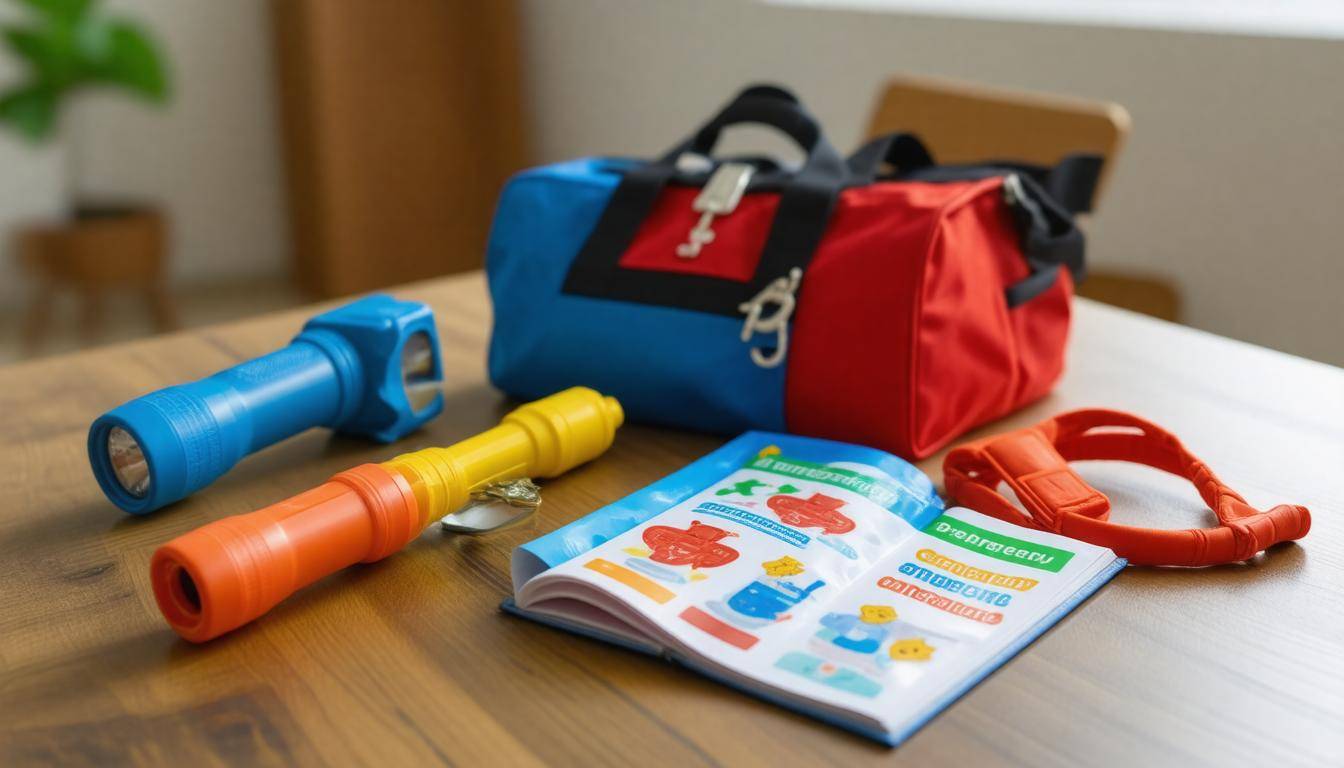
Teaching children situational awareness is highly beneficial, as it can help them remain calm and effective in emergencies. For instance, during natural disasters such as earthquakes, practicing a simple mantra like “Drop, Cover, and Hold On” can mean the difference between safety and injury.
Children should be encouraged to drop to the ground to prevent falling over, take cover under sturdy furniture to protect against debris, and hold on until the shaking stops. This methodology serves as a grounding practice, quite literally keeping them safe while fostering confidence.
However, it’s also essential they know where to find safety once the tremors cease. Creating a family earthquake plan that includes predetermined safe spots—such as a local park or an open area away from buildings—enables children to know their escape routes without hesitation. Kids aged 5-12 can even engage in role-playing scenarios that mimic real-life situations, reinforcing their understanding of proper protocols while ensuring they remember these vital steps.
Now let’s shift our focus to fire emergencies. The importance of a well-thought-out evacuation plan cannot be understated.
In the event of a fire, children must understand key actions like staying low to avoid smoke inhalation and using designated exits instead of elevators. It helps to practice evacuation plans regularly until these actions become second nature.
Developing a routine where you not only rehearse routes but also explain why certain behaviors are crucial boosts their confidence and readiness for when the situation arises.
Additionally, consider introducing fire drills at home that simulate real-life scenarios—from the moment they smell smoke to exiting the home calmly. Invite your kids to participate fully by letting them lead parts of the drill; this ownership model can significantly enhance their ability to retain information under stress.
Beyond these specific emergencies, promoting overall resilience plays an essential role in preparing children for any unexpected situation life may throw their way.
Focusing on emotional well-being during preparation efforts is equally as important as practical training. Encourage open discussions about feelings—anxiety is common in children facing emergencies.
Develop your child’s ability to express concerns while reinforcing that preparedness is a collective effort that empowers everyone involved. Sharing past family experiences can provide context and familiarity; stories about handling tough scenarios together will foster both security and teamwork.
These concepts contribute toward creating comprehensive situational awareness grounded in age-specific educational practices, ensuring your children are fully prepared in any crisis.
As we consider these critical preparedness measures, it’s equally vital to implement regular routines that allow families to practice these skills together effectively.
Family Safety Drills and Practice

Regular drills are the backbone of any effective emergency preparation plan. Imagine the peace of mind knowing that every family member understands exactly what to do when faced with various emergency scenarios. It’s essential to keep drills diverse, covering a range of situations like house fires, earthquakes, severe weather events, and even medical emergencies. Each monthly drill should focus on a different type of emergency, providing an opportunity for everyone to practice and familiarize themselves with their roles in those specific situations.
Monthly Drills
Scheduling monthly drills allows families to stay sharp and aware. For example, one month could focus on fire evacuation while another drills earthquake procedures. The beauty of these drills is not just the practice; it’s also the dialogue they inspire afterward. After each session, gather around and discuss what went well and where improvements could be made. Keep the atmosphere constructive—this isn’t about assigning blame but rather learning from each experience.
Children benefit immensely from interactive methods, so consider making these drills feel less like chores and more like games. Relying on role-playing can help solidify their understanding while ensuring they feel confident in what they’ll need to do during an actual emergency. By engaging them in this way, they will learn while having fun, making it more likely that the lessons will stick.
Family Meetings
In addition to regular drills, holding family meetings provides further reinforcement of your emergency protocols. Gather as a family once per quarter to review your emergency plans and discuss any necessary updates based on new information, changes in routine, or evolving circumstances at home or in your community. Regular check-ins ensure that everyone remains informed about procedures and that any changes are communicated effectively.
These meetings are also an ideal opportunity for children to express any concerns or questions they may have regarding the plan, creating an open line of communication about safety within the family unit. Often, kids have unique insights that can help refine your strategies further.
Consistent practice ensures that all family members are equipped not just with knowledge but also with confidence. In emergencies, being part of a cohesive team makes all the difference; it can mean safety rather than chaos. Therefore, prioritize these drills and meetings as part of your family’s routine—their benefits extend beyond preparedness; they foster unity and resilience throughout your household.
Incorporating these practices into your family’s routine not only prepares you for emergencies but also solidifies your connection as a family unit. Make safety a collaborative effort that instills trust and readiness in each member of your family.
How can families practice emergency drills with children in an engaging way?
Families can practice emergency drills with children in an engaging way by turning them into fun games or storytelling exercises. For example, creating a “disaster scavenger hunt” where kids have to find emergency supplies around the house can spark their interest while teaching them vital skills. According to recent studies, families that involve children in preparedness activities see a 30% increase in children’s retention of safety protocols, making these interactive methods not only enjoyable but also effective in ensuring that kids remember what to do during real emergencies.
What specific skills or knowledge should children be taught based on their age group?
Children should be taught age-appropriate skills that align with their developmental stages; for example, toddlers (ages 2-4) can learn basic safety concepts like “stop” and “no,” while preschoolers (ages 4-5) should understand the importance of telling a trusted adult in emergencies. By age 6-8, children can practice dialing emergency numbers and recognizing safe versus unsafe situations. According to the National Safety Council, teaching children these skills early on can reduce panic during real-life emergencies, as studies show preparedness significantly increases response efficiency. As kids grow, they should also learn about first aid basics and how to identify emergency contacts, ensuring they are equipped to handle unexpected situations confidently.
What types of emergencies should parents prepare their children for at different ages?
Parents should prepare their children for various emergencies based on their age group. For toddlers (ages 1-3), emphasis should be on recognizing fire alarms and basic safe places in the home, as young children are often curious about their surroundings. Preschoolers (ages 4-5) can learn about stranger danger and how to dial emergency numbers, with studies indicating that familiarity with phone use can help in crisis situations. School-age children (ages 6-12) should be taught about natural disasters like earthquakes or floods, as statistics show that preparedness can reduce anxiety during such events by up to 60%. Finally, teenagers (ages 13-18) should engage in more advanced skills, including first aid and responding to personal safety situations, fostering independence and responsibility. Overall, age-appropriate preparation not only equips children with essential knowledge but also instills confidence in handling emergencies.
Are there any resources or tools available to help families develop these age-appropriate plans?
Yes, there are numerous resources and tools available to help families develop age-appropriate emergency plans. Organizations such as the American Red Cross and FEMA provide family preparedness kits, interactive apps, and guides tailored for children of different ages, ensuring that the information is relatable and comprehensible. For example, children aged 4-7 can understand basic concepts through games and storytelling, while older kids can engage with more detailed simulations. According to a survey by the National Center for Disaster Preparedness, families who practice emergency plans together are 80% more likely to act effectively during an actual crisis, highlighting the importance of these resources in preparing younger populations.
How can caregivers effectively communicate emergency information to young children?
Caregivers can effectively communicate emergency information to young children by using simple language, visual aids, and engaging storytelling techniques that capture their attention. The use of illustrations or cartoons can help children visualize the steps they need to take during an emergency, making the information more relatable and memorable. According to a study conducted by the National Association for the Education of Young Children, children who engage in interactive learning are 60% more likely to retain important safety information. Regular practice through role-playing scenarios can also reinforce these messages, ensuring that children feel prepared and confident when faced with emergencies.