
In today’s unpredictable world, having a plan for emergencies is not just a good idea—it’s essential for every family. Yet, surprisingly, many parents neglect to prepare an evacuation kit specifically designed for their children. Imagine the chaos of needing to leave home quickly, while your child feels scared and uncertain. A well-thought-out evacuation kit can provide comfort and critical supplies that ensure your child’s safety in such situations. This guide will walk you through how to assemble a comprehensive evacuation kit that addresses both practical needs and emotional support, helping your kids navigate uncertain times with confidence and security.
A well-prepared children’s evacuation kit should include essential items such as non-perishable food, water supplies, comfort items like stuffed animals or favorite books, hygiene products, and important documents stored in a waterproof container. Additionally, including a whistle for signaling help, a first aid kit, and personal medications ensures that the child’s needs are comprehensively addressed during emergencies.
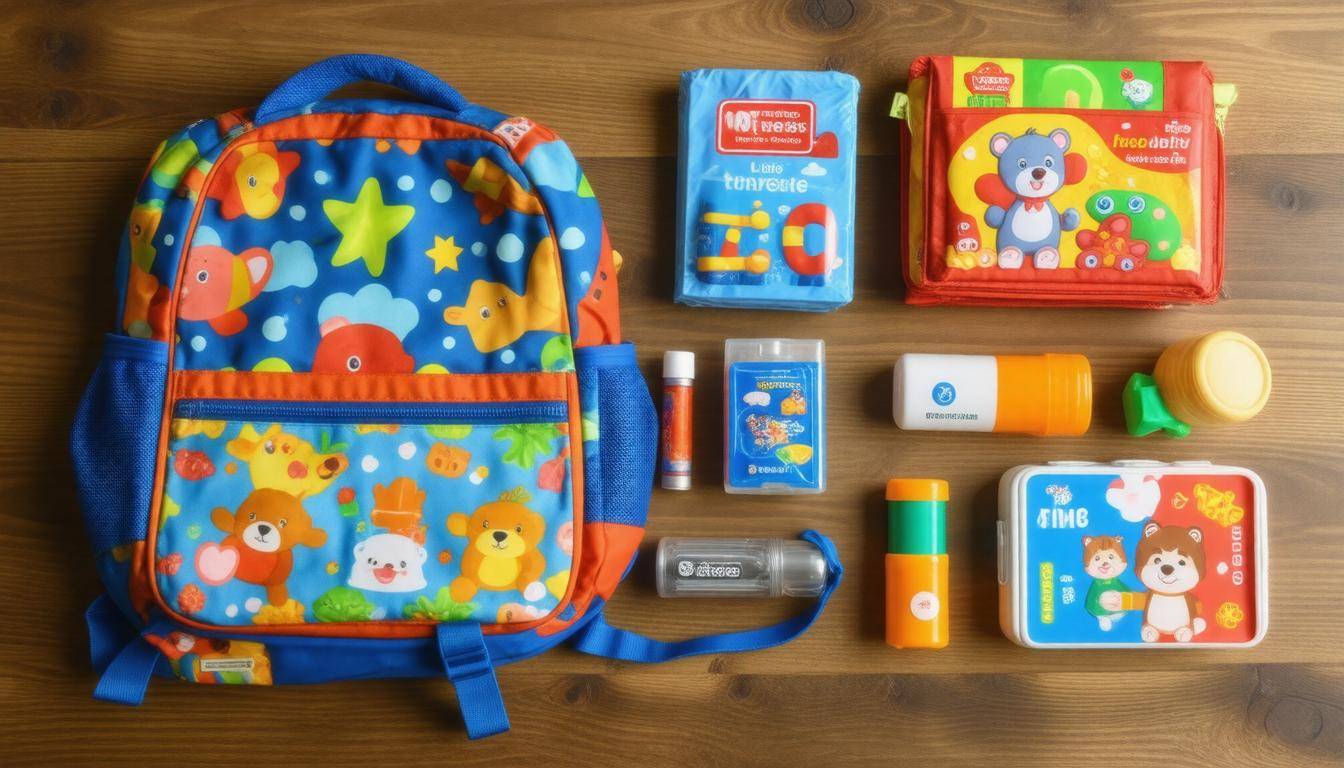
The Importance of a Children’s Evacuation Kit
Every parent wants to protect their child, especially in times of crisis. With 60% of families not having an emergency plan in place, creating a children’s evacuation kit becomes even more vital. This kit serves as both essential supplies and an embodiment of preparedness. When an emergency strikes—be it a natural disaster or an unforeseen event—a child’s familiarity with the contents can provide them with some sense of control amidst chaos.
In fact, 75% of parents believe that having an evacuation kit is essential for their children’s safety during emergencies, signifying strong public awareness. An evacuation kit designed specifically for children equips them with basics they may need, fostering familiarity with emergency protocols. This can ease anxiety and instill confidence, which is crucial during high-stress situations like evacuations.
Psychological Benefits
One important factor to consider is the psychological benefits associated with familiar items in the kit. Imagine being whisked away from home—the world outside is confusing and scary. Having comforting objects like favorite toys or blankets can significantly soothe distress. These items act like anchors, reminding children of safer times within their own space while also making them feel secure enough to face whatever lies ahead.
A well-equipped evacuation kit allows children to hold onto small pieces of normalcy during upheaval—something they desperately need in such moments.
Quick Accessibility
To maximize the effectiveness of the evacuation kit, it should be stored in a spot that’s easy to access during an emergency. Place it near the front door or in a prominent area of your home so it’s readily available as you prepare to exit quickly. Remember that time is of the essence when evacuating, suggesting that every second counts in keeping loved ones safe.
After all, the average time to evacuate a home during an emergency is just 10-15 minutes; knowing where your child’s specialized kit is located can make a world of difference.
With this understanding established, let’s shift our focus to the critical supplies that will ensure your child’s safety and survival.
Food and Water Supplies
Food and water are the backbone of any evacuation kit, particularly for children whose nutritional needs differ significantly from adults. A tailored approach to packing these essentials ensures that your child stays nourished and hydrated, reducing stress during an already challenging situation. FEMA recommends at least a three-day supply of food and water per person, which translates to one gallon of water daily for each individual. For kids, this means planning for a total of three gallons to accommodate both drinking and sanitation needs. It’s wise to pack these essentials tightly with thoughtful inventory.
Non-Perishable Food Items
-
Dried Fruit: A great source of natural sugars and nutrients, dried fruits like apricots or raisins provide energy without taking up much space in the kit.
-
Canned Tuna: This protein-rich food is easy to store and requires no refrigeration—simply pop the top and enjoy! It can even be paired with crackers or veggies if they are included.
-
Peanut Butter: Packed with healthy fats and proteins, peanut butter comes in handy as a spread or stand-alone snack that’ll keep kids feeling satisfied.
-
Granola Bars: These snacks are easy to chew and flavor-packed, making them ideal for quick energy boosts when you’re on the go.
-
Baby Formula: For families with infants or toddlers, including baby formula is essential. Make sure you have enough to cover at least a week if your child requires it.
To ensure these items last, it’s crucial to maintain freshness by rotating stock every six months so that nothing goes beyond its expiration date. Regularly checking your food supplies helps you maintain variety while ensuring that all provisions remain safe for consumption.
Hydration Needs
In addition to packing multiple gallons of water, opt for smaller, manageable containers like individual bottles that are easier for young hands to grip. Consider adding potable water tablets as a backup option. These tablets conveniently purify water should you find yourself in a pinch—just drop one in a container filled with questionable water, wait for the recommended time, and voilà! Clean drinking water at your fingertips.
Stocking your child’s evacuation kit with adequate food and hydration supplies sets the foundation for keeping them healthy during emergencies. Once those essentials are covered, we can turn our attention to enhance the effectiveness of the kit by reflecting on additional aspects such as safety features and medical necessities.
Safety and Medical Supplies
When we think about safety and medical supplies, we often picture a simple bandage or a bottle of pain relief. However, the reality is much broader; it’s about ensuring you have everything necessary for your child’s well-being during a crisis. A comprehensive first aid kit is the cornerstone of your evacuation supplies, but going beyond that can offer even more protection and peace of mind.
It’s crucial to remember that children’s needs differ significantly from adults, which entails taking special care when selecting medications. This means including child-specific medications and noting proper dosages. For instance, rather than packing just standard over-the-counter drugs, ensure you have Children’s Tylenol along with clear instructions on when and how to administer it based on their weight or age. Having these details easily accessible can make all the difference in a stressful situation where every second counts.
Key Medical Supplies
In addition to basic necessities like Band-Aids and antiseptic wipes, don’t overlook other key items—these can be lifesavers in times of need. For example, consider adding thermometer strips for fever monitoring or a pair of tweezers for splinter removal. These additions can turn your first aid kit from a mere collection of supplies into a practical toolkit that keeps your loved ones safe.
Incorporating a whistle into your evacuation kit serves more than one purpose; beyond its use for signaling in emergencies, it can also encourage children to make noise if they feel scared or lost. Making it an engaging item will help them feel more secure while emphasizing its serious function.
Additional Safety Tools
As you build out your safety equipment list, don’t forget about practical essentials such as flashlights with extra batteries. Sometimes tragedies strike at night when visibility is poor, making reliable light sources invaluable. Ensuring everyone knows how to operate these tools can enhance their effectiveness. For families with older children, teaching them how to use the flashlight—or even a multi-tool—can empower them while giving parents peace of mind.
With safety firmly in place, addressing comfort becomes equally important as you prepare for various scenarios. Let’s transition our focus to the items that provide warmth and reassurance in uncertain times.
Clothing and Comfort Items
When preparing a children’s evacuation kit, one must recognize that comfort items significantly affect a child’s mental health during emergencies, but practical clothing is equally essential. It’s not just about having enough clothing; it’s about ensuring those pieces are suitable for the conditions they may encounter.
Imagine finding yourself outside with no jacket as the wind picks up or realizing your child’s shoes aren’t suited for a quick escape. These scenarios can be frightening for both parent and child.
Essential Clothing Items
Start by packing at least two sets of weather-appropriate clothing tailored to the climate. Remember to include one set of warm clothing, as temperatures can drop unexpectedly, especially if you find yourselves outdoors longer than planned.
Opt for moisture-wicking layers that keep skin dry while providing warmth. Consider also a lightweight rain jacket or poncho that easily folds away for transport. This way, you’re prepared whether it rains or shines.
The goal here is to blend practicality with comfort; functional clothes help children feel secure even when facing uncertainty.
Emotional Comfort
Alongside the necessary clothing, don’t forget emotional support items such as favorite books, puzzles, or cherished toys. These items might initially appear trivial, but they play an enormous role in reducing anxiety during high-stress situations.
The familiar feeling of a beloved stuffed animal or the excitement of turning a loved book’s pages provides a sense of normalcy amid chaos. For many children, these small comforts offer more than distraction—they deliver reassurance when everything else feels unstable.
Practical Footwear
Footwear cannot be overlooked either. A durable pair of shoes is non-negotiable; however, ensure you avoid flip-flops or sandals that may lead to injuries in rugged environments. Instead, opt for sturdy sneakers or hiking boots that are well-fitted and appropriate for extended wear.
It’s prudent to pack an extra pair of socks too; wet feet in cold situations can lead to discomfort and even frostbite if exposed for too long.
Taking Stock
Every item added to this kit serves a dual purpose—functionality during emergencies paired with emotional support essential for your child’s peace of mind through turbulent times.
Having packed these essentials carefully, it’s crucial to arrange them systematically to ensure ready access when needed. Next, we will discuss how to effectively organize your items for efficiency and ease.
Packing Tips for Your Evacuation Bag
When it comes to packing your evacuation bag, organization is key. A well-packed kit can make a significant difference in how quickly and effectively you address emergency situations.
Start with the layering technique, which involves placing heavier items like water bottles at the bottom of the bag. This approach not only provides stability but also makes it easier to access lighter items—snacks, games, and comfort toys—at the top.
Optimizing space in your evacuation bag will help keep the weight manageable while ensuring that you have everything you need on hand.
Space Savers
To maximize space, consider these strategies:
-
Roll clothes instead of folding them; this reduces creases and optimizes storage.
-
Use ziplock bags to compartmentalize items such as toiletries, snacks, and clothing. Not only do they help keep things dry, but they also allow you to see what’s inside without rummaging through the bag.
-
Pack multi-functional items whenever possible. For instance, a light poncho can serve as protection from rain and an emergency blanket, saving vital space.
Labeling is another critical aspect of effective packing. By clearly labeling each compartment or ziplock bag, older children can learn how to retrieve what they need quickly. Imagine your child being able to find their favorite teddy bear or a safety whistle just when it’s needed—this independence can provide comfort during stressful times.
With the kit neatly packed and labeled, it’s time to engage every family member in understanding essential emergency protocols and procedures.
Creating a Family Emergency Plan
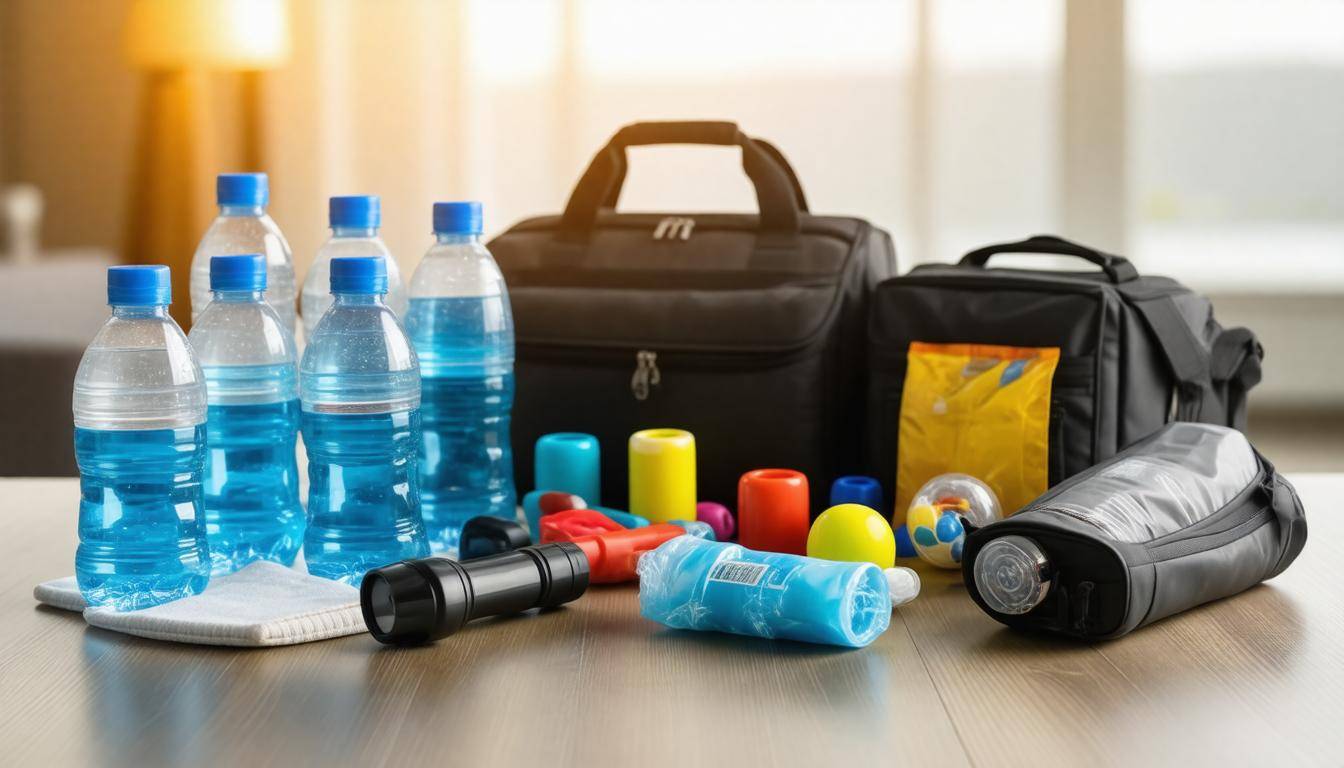
A robust family emergency plan is foundational to ensure everyone’s safety during unexpected situations. This involves more than just packing a bag; it’s about coordinating actions and communication in real time. By devising a clear, structured approach to emergencies, families can dramatically reduce panic and confusion when seconds count.
Communication Plan
Start by setting up a communication plan. Each family member should know exactly who to contact and how to get in touch if they become separated. Knowing who will handle what can be incredibly reassuring for everyone involved. Choose an out-of-town contact who can be reached if local lines are busy or down—this person serves as a central point for information. Encourage children to memorize important phone numbers and practice these routines regularly.
Imagine a scenario where your family splits up during an emergency: perhaps one parent is at work while the kids are at school. Having a reliable plan means that despite physical distance, everyone knows how to reconnect safely and efficiently.
Practice Drills
Next comes the critical step of conducting practice drills with your children. These drills simulate emergency scenarios, allowing children to gain familiarity with the procedures you’ve established. Just like fire drills at school prepare kids for swift actions, similar home preparations can help minimize panic when it matters most.
Engaging children in these drills teaches them where to go, what to do, and ensures that they feel confident handling emergencies. The more familiar they are with the process, the quicker their responses will be during actual situations.
Emergency Contacts
Another essential element is maintaining an up-to-date list of emergency contacts, which should be attached directly to the evacuation kit. This list should include neighbors, relatives, and local emergency service numbers. Consider including anyone with relevant skills in emergencies—perhaps a friend who’s a firefighter or a neighbor known for their calm demeanor in crises.
This preparation extends beyond immediate family members. Involving others in your support network creates layers of safety because the more people aware of your situation, the better assistance you have readily available should something happen.
Keeping this list visible—perhaps within the kit itself—ensures that even under stress, you won’t overlook key contacts when they’re needed most.
As you establish these foundations for preparedness, it’s also vital to keep your strategies fresh and relevant for changing circumstances. Regular updates will ensure your family’s resilience when facing any situation.
Updating Your Kit Regularly
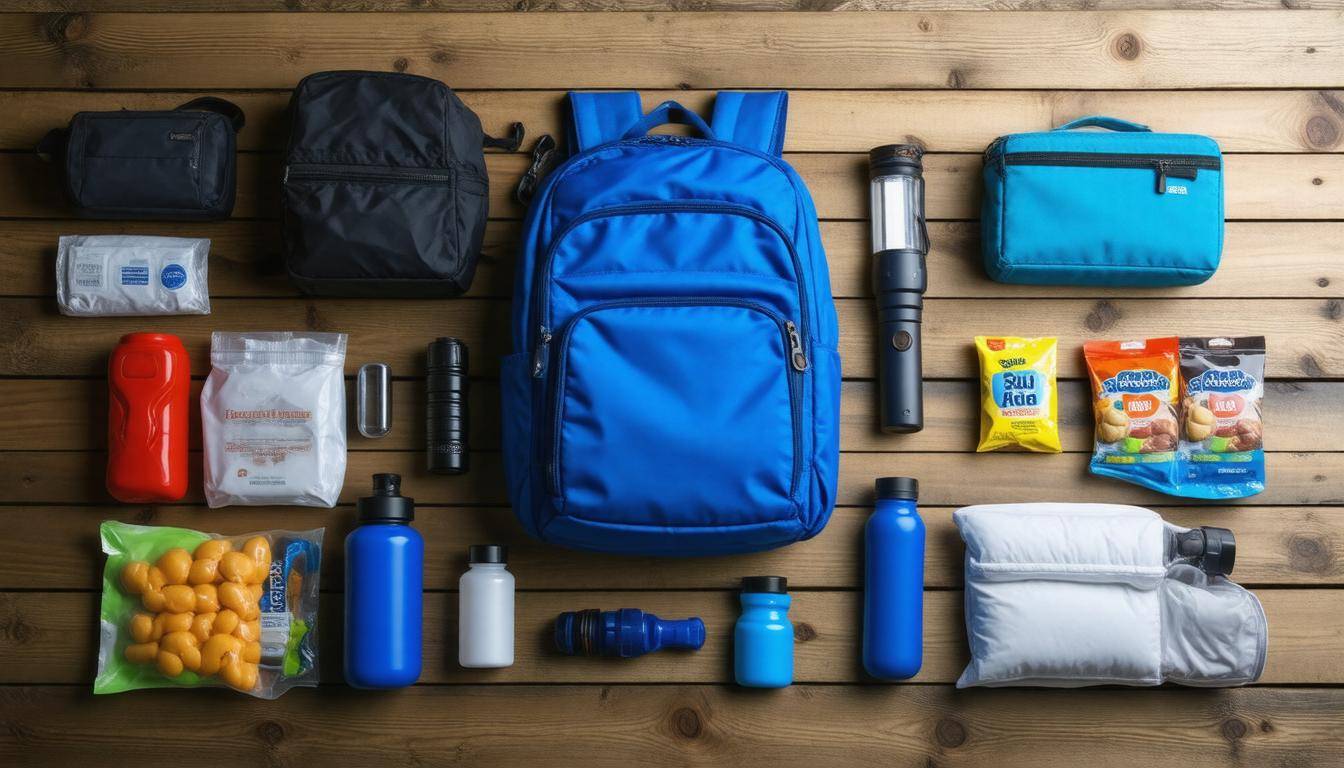
Regular updates to your evacuation kit are crucial for keeping all items usable and accommodating changes in your family’s needs over time. Every six months, check expiration dates on food supplies, medications, and batteries. This ensures that you’re never caught off guard with expired items when you need them most. Imagine packing up and realizing your oldest child’s favorite protein bars have gone stale or the flashlight batteries are dead; it’s an unnecessary hiccup during a stressful moment.
Growth Considerations
Children grow like weeds, often outpacing their clothes faster than you can blink. Therefore, regularly replacing old garments within your evacuation kit is necessary to ensure they fit properly. Consider this: last summer, my youngest was snug in their jacket, only to find it a tight squeeze when we reached winter this year. By adjusting these items every few months, you ensure everyone has weather-appropriate clothing that is comfortable during an emergency.
Seasonal Adjustments
Just as children change size, the seasons bring distinct needs as well. Update your evacuation kit according to climate changes each year. In summer, don’t forget sunblock and perhaps a hydration solution, given the increased risk of sunburn and heat exhaustion. Conversely, as temperatures drop in winter, consider adding thermal blankets or cold-weather gear. Being prepared means being proactive about what is necessary to thrive in various conditions.
Keeping your emergency kit updated requires foresight and organization. It may feel tedious at times, but a little effort will ensure safety for your loved ones come what may.
Consider setting a reminder in your calendar so it becomes part of your routine—much like changing smoke detector batteries or replacing filters in your HVAC system. By prioritizing these updates, you maintain peace of mind knowing that each family member is equipped with reliable tools and supplies appropriate for any situation.
As you refine your approach to readiness, understanding how to sustain preparedness through various strategies will be key to ensuring safety in the face of unforeseen challenges.
Staying Prepared for Emergencies
Staying prepared is not a one-time event; it’s a continuous journey that grants you the confidence and security needed to face unexpected circumstances. Regular education is a cornerstone of this process. Engaging with local resources, such as the Governor’s Office of Homeland Security & Emergency Preparedness (GOHSEP), can enlighten you on specific threats in your area. Joining community emergency response teams (CERT) or attending local seminars on disaster preparedness provides crucial insights and skills.
Furthermore, one cannot overemphasize the importance of staying updated. With information flowing from various sources, utilizing credible apps and verified social media channels becomes paramount. While it’s easy to get swept up in a flood of news, misinformation can lead to confusion or even panic during emergencies. Being discerning about where you get your information creates a clearer picture of what you need to anticipate and how to respond effectively.
It pays to know the truth; after all, many families often overlook impending threats simply because they were misinformed.
Community involvement also plays a vital role in enhancing preparedness levels. By joining local preparedness groups, you create valuable support networks and gain access to resource-sharing opportunities—everything from educational materials to items for evacuation kits. Insights gained through shared experiences can bolster your own efforts and foster a sense of unity during a crisis.
Continuous Learning and Practice
Fostering continuous learning within your family ensures that everyone understands the protocols during an emergency situation. During practice drills or preparedness meetings at home, everyone—from toddlers to grandparents—can contribute ideas or responsibilities. This helps children grasp the significance of being prepared while building their ability to remain calm under pressure.
Maintaining this level of readiness gives you and your family peace of mind. You become equipped not just with supplies in your evacuation kit but with knowledge that prepares you mentally and emotionally—a crucial component when navigating any type of crisis.
Hence, by prioritizing education, staying informed about local alerts, and actively participating in community initiatives, you’re investing in your family’s safety and confidence for whatever uncertainties lie ahead.
In summary, being proactive about safety measures like preparing a comprehensive evacuation kit can greatly enhance your family’s readiness. These actions form the foundation for resilience during emergencies that may arise unexpectedly.
What specific items should be prioritized when creating an evacuation kit for children?
When creating an evacuation kit for children, prioritize essential items such as water (a gallon per person per day), non-perishable food, a flashlight with extra batteries, a first aid kit, and a copy of important documents. According to FEMA, preparing an emergency supply kit that meets basic needs increases survival rates significantly during emergencies. Including comfort items like a favorite toy or blanket can help alleviate stress for children during such traumatic events.
What are some strategies for teaching children about using their evacuation kits during emergencies?
One effective strategy for teaching children about using their evacuation kits is to incorporate interactive drills that simulate emergency situations, allowing kids to practice locating and utilizing their kits in a fun, low-pressure environment. Research shows that children retain information better through hands-on experience, and statistics reveal that 75% of families who regularly practice emergency plans feel more prepared during real crises. Additionally, using age-appropriate language and involving children in assembling their kits can empower them and enhance their understanding of the materials included, fostering a sense of responsibility and readiness.
How can parents effectively involve children in the preparation of their own evacuation kits?
Parents can effectively involve children in the preparation of their own evacuation kits by turning the process into a fun and educational activity. This can include letting children choose items that reflect their personal interests, such as favorite snacks or comfort toys, thereby increasing their investment in the kit. Research shows that children who participate in emergency preparedness are 70% more likely to take action during an actual emergency. Encouraging discussions about safety while packing can also help them understand the importance of each item, fostering a sense of responsibility and empowerment.
What steps can families take to ensure that their evacuation kits remain up-to-date over time?
Families can ensure their evacuation kits remain up-to-date by regularly reviewing and refreshing the contents every six months, coinciding with daylight saving time changes, a practice that 75% of emergency preparedness experts recommend. This includes checking the expiration dates on food and medical supplies, updating important documents like insurance papers, and allowing children to participate in the review process to instill responsibility. Regular drills and discussions about the kit’s contents enhance readiness, as only 20% of families are adequately prepared for emergencies according to recent surveys.
How can parents tailor an evacuation kit for children with special needs or medical conditions?
Parents can tailor an evacuation kit for children with special needs by incorporating specific medical supplies, such as extra medications, therapy toys, and any necessary adaptive equipment. It’s essential to create a personalized checklist that addresses individual requirements and preferences. For instance, according to the CDC, nearly 1 in 6 children have a developmental disability; thus, ensuring these items are included can significantly enhance the safety and comfort of children during emergencies. Additionally, including clear communication tools, such as picture cards or sensory items, can help ease anxiety and foster understanding in stressful situations.