
When it comes to the safety of your congregation, having a solid emergency plan in place is not just smart—it’s essential. Imagine being in a packed church during a sudden fire alarm or severe weather warning; chaos can quickly erupt if no one knows what to do. That’s where a Church Building Emergency Plan steps in, helping to ensure that everyone knows how to respond calmly and effectively. Crafting this plan involves careful thought and detailed preparation, as every church community faces unique risks and needs. In this article, we’ll explore a thorough template designed to help your church create a comprehensive emergency plan that prioritizes safety without sacrificing peace of mind. Let’s dive into the core components that will guide you through creating an effective response strategy for any unexpected event.
The Church Building Emergency Plan: Complete Template includes essential components such as risk assessment criteria, communication protocols, evacuation routes, safety team responsibilities, and procedures for conducting emergency drills. This comprehensive template ensures that churches are well-prepared to address potential emergencies effectively while safeguarding their congregants’ safety.

Overview of the Emergency Plan Template
At its core, an emergency plan template is designed to be comprehensive and functional. It serves not just as a document but as a commitment to safety, showing that the church values the well-being of its congregation. The various sections within the template allow for clear planning and immediate response during emergencies—think of it as assembling all the right pieces in a puzzle before needing to put them together quickly.
To truly grasp how these components work, let’s break down key sections commonly found in such templates. A critical starting point is the Risk Assessment section, which identifies potential hazards unique to your geographic area and any vulnerabilities specific to your church environment. This proactive identification can set the stage for tailored responses whether facing naturally occurring threats like floods or human-made situations such as active shooter scenarios.
“Knowing your risks is key: you cannot prepare for what you do not recognize.”
As we move on, there’s Emergency Communication Systems, an essential element ensuring everyone knows their roles and next steps when chaos ensues. This section might outline various communication methods you’ll use—emergency text alerts, public address systems, or even social media updates—to keep congregants informed in real-time. The clarity of these channels can directly influence how effectively people respond.
Template Sections
Another crucial part of your emergency plan template pertains to Evacuation Routes and Procedures. This section should detail all possible escape routes, specifying primary and secondary exits while considering those who may have mobility challenges. When individuals know exactly where to go during an emergency, confusion diminishes, which can save lives.
In tandem with evacuation procedures are guidelines concerning Fire Alarm Protocols. Understanding how to react to fire alarms—whether they indicate a real fire or a false alarm—is vital for maintaining composure under stress. Clear instructions help reinforce proper responses without panic.
Identifying Exits and Signs cannot be overlooked either; visibility and accessibility are paramount. Placing clearly marked signs throughout your facility means that members will more easily navigate safety routes in an emergency.
As congregants gather at Gathering Points, these secure locations play a significant role in post-evacuation accountability and ensure everyone is accounted for after exiting.
Finally, Response Team Roles outline responsibilities for team members designated in emergencies. Knowing who does what ensures that tasks get completed efficiently, preventing overlap or confusion amidst panic.
The last essential area involves First Aid and Equipment Training, which equips key individuals with skills necessary for immediate action regarding health emergencies that may arise alongside disasters. Incorporating this training into your preparedness plan cultivates confidence among congregation members when responding to acute medical emergencies.
Each segment of the emergency plan template enriches the foundations of your church’s preparedness strategy. As we continue our exploration, it is important to understand how effective communication systems act as lifelines during critical moments, facilitating timely information sharing when it matters most.
Emergency Communication Systems
In moments of crisis, how information is disseminated can dramatically shape outcomes, allowing for timely action and minimizing panic. Implementing a reliable emergency communication system is paramount for churches in handling emergencies efficiently.
Key Communication Tools
-
Phone Tree: A well-orchestrated phone tree serves as an efficient grassroots communication tool. Each individual is given a list of people to call, creating a cascading effect that guarantees everyone hears crucial updates quickly. Imagine if one member notifies three others within minutes—before long, the entire congregation receives vital information with amazing speed.
-
Text Alerts: Utilizing mass notification systems like Flocknote or MassNotification is another powerful tactic. These platforms enable churches to send out immediate text alerts to all members in seconds. This rapid communication ensures that everyone receives the same critical message without delay. It’s the modern-day equivalent of sending smoke signals—a real-time reach that speaks to urgency.
-
Social Media Updates: Social media channels can be your ally during emergencies by delivering real-time updates. Platforms like Facebook and Twitter are great for reaching a large audience swiftly. However, accuracy is key; sharing unverified information can unintentionally create panic or confusion among followers. Ensure that every update reflects confirmed facts to maintain trust among your congregation.
-
Public Address Systems: Public address (PA) systems play a vital role in larger congregations where immediate auditory alerts are necessary. Regular testing and maintenance of PA equipment ensure it functions effectively when needed most, akin to checking the batteries in a flashlight before a storm hits.
For instance, during severe weather events such as tornadoes, combining instant text alerts with announcements via the PA system allows leaders to provide clear instructions about taking shelter swiftly.
As we recognize the importance of these communication tools, preparing for specific emergencies that require specialized responses becomes equally crucial. This preparation includes understanding protocols and procedures that enhance safety and effectiveness during urgent situations.
Fire Alarm Protocols
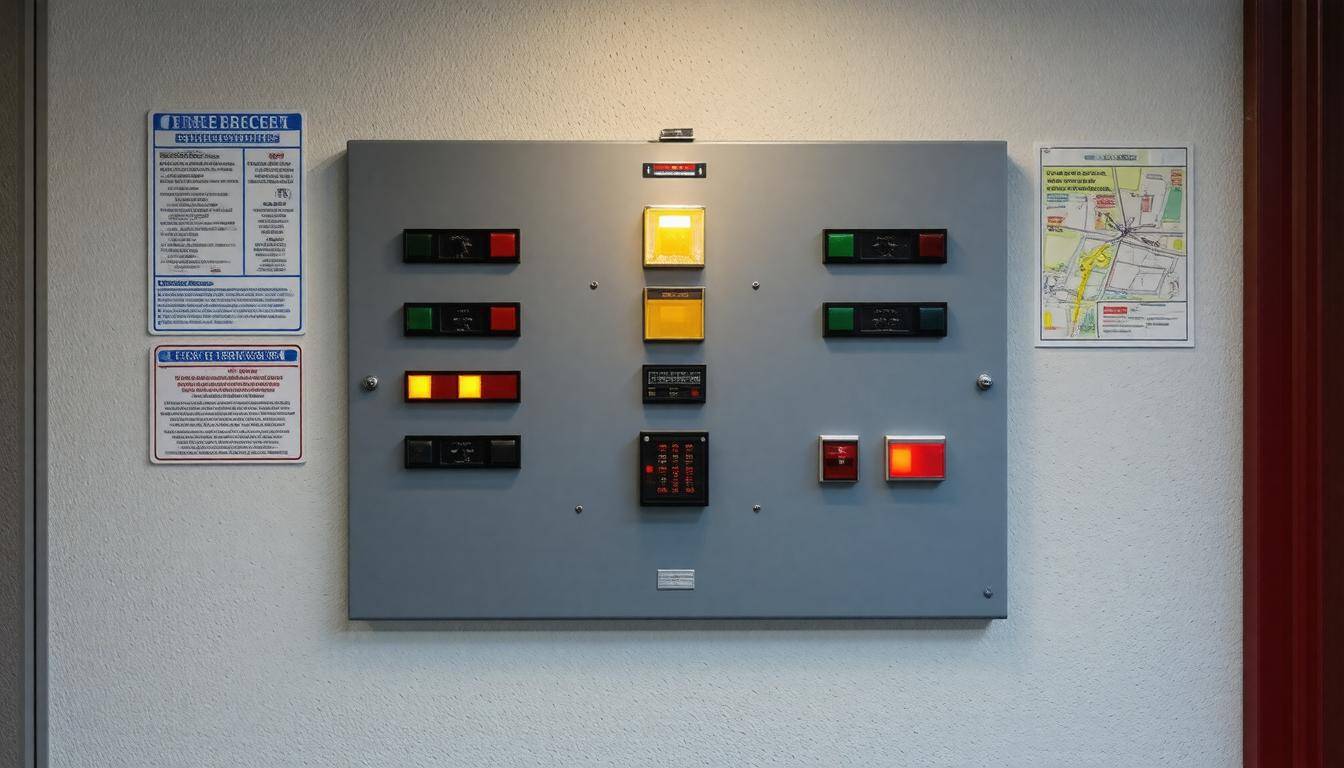
Fire alarms serve as an early warning system, crucial in alerting churchgoers to potential dangers. When the alarm sounds, every second counts, and clear protocols can make the difference between a chaotic scramble and a smooth evacuation. The first step in your protocol should focus on how to effectively respond to the alarm. When the alarm activates, leaders must remain calm and act quickly. Instead of shouting panic-inducing commands, they should guide congregants to the nearest exits in a calm manner, providing reassurance that help is on the way.
Consider this scenario: if each leader resembles a ship captain navigating through a storm, their steadiness provides confidence and direction while the crew adjusts sails and braces themselves for safety. This is similarly true in a church setting; your composure in guiding individuals toward safety can foster an atmosphere of trust amidst uncertainty.
Another critical aspect involves handling false alarms. These occurrences can lead to confusion and loss of credibility if not managed properly. It’s vital that all alarms are treated as real until confirmed otherwise. Establish a designated individual responsible for quickly verifying the source of the alarm—be it smoke, a faulty detector, or something benign like burnt toast from the kitchen. This person should know how to assess whether it’s safe or necessary to evacuate.
Regular drills are equally important in reinforcing these protocols. Monthly drills serve not only to familiarize congregants with the sound of fire alarms but also reinforce their understanding of what steps need to be taken next. Engaging as many members as possible—including staff, volunteers, and regular attendees—will ensure that everyone gets used to both evacuating and performing their respective roles effectively.
“Just like how a well-rehearsed theater troupe can execute their performance flawlessly, regular practice ensures everyone knows their role in an emergency.”
As part of this process, communicate clearly with your congregation about what they should do when they hear the fire alarm. Providing written guidelines in newsletters or digital platforms can reinforce expectations and enhance preparedness.
Once we have established effective protocols for fire alarms, the next focus will be organizing efficient exit strategies to ensure swift evacuation for everyone involved.
Evacuation Routes and Procedures

Evacuation routes are critical lifelines during emergencies, dictating how people will exit the building swiftly and safely. Careful planning ensures these routes are not only efficient but also accessible to everyone—considering the diverse needs of congregants, including the elderly and those with disabilities. Imagine a Sunday service abruptly interrupted by an alarm; ensuring that all members know where to go can make a substantial difference in safety outcomes.
Planning the Routes
The first step in developing effective evacuation routes is mapping exits. This involves creating detailed floor maps that highlight both primary and secondary escape paths. These maps should be prominently displayed throughout the facility, ensuring they are visible and easy to interpret. Clear labeling is paramount; for instance, if you place signs above doorways indicating “EXIT,” think about using bright colors and legible fonts so they can be spotted quickly even under distressing conditions.
Regular training sessions play a vital role in reinforcing evacuation procedures. Schedule drills that simulate real emergency situations, allowing congregants to practice exiting the building from various locations. Make it fun yet informative—this helps people retain what they have learned while fostering familiarity with the environment. Include specific roles for volunteer ushers or safety coordinators during these drills; assigning responsibilities can minimize chaos when it truly matters.
As you chart out your routes, consider conducting periodic obstruction checks. Regular inspections help maintain pathways free of obstructions such as furniture or decorations that could hinder movement during an emergency. A clean, unobstructed route is as critical as having marked exits. You might even want to designate a specific individual responsible for this aspect of safety, making it part of their job to walk through the building once a month to ensure everything complies with your standards.
For added reassurance, placing “EXIT” signs at regular intervals along the paths helps guide individuals during an evacuation. You could even light those signs so they remain visible in low visibility or smoke-filled environments.
Successfully navigating an emergency relies heavily on prior preparation and effective communication with your church community. With well-planned evacuation routes and continuous training, you empower everyone to act promptly and collectively when necessary, safeguarding lives and enhancing overall preparedness for any unexpected event that may arise.
As we explore further, understanding how to identify exits and proper signage becomes essential for ensuring everyone can find their way during a crisis.
Identifying Exits and Signs
Clearly marked exits and signs are non-negotiable; they guide people to safety quickly and efficiently, especially in emergencies. Imagine a bustling Sunday service where everyone is focused on the sermon. In the unfortunate event of an emergency, it’s essential that each individual knows precisely where to go without hesitation. This is where proactive planning plays a key role.
Steps for Identification:
First, visibility is paramount. Each exit sign must be brightly lit and visible from various angles throughout the church. Illuminated signs catch attention even in dim lighting or smoke-filled environments. Regular checks on their lighting system are critical, as outages can occur unexpectedly, leaving congregants confused and unsure of where to turn.
Next, we consider accessibility. It’s important to remember that not every congregant can move at the same pace. For those with disabilities, clear pathways should lead directly to the exits without obstacles such as furniture or decorative elements. Consideration should also be given to installing appropriate support devices like handrails in hallways leading up to exits to aid mobility.
Alongside visibility and accessibility, regular maintenance checks are necessary. Scheduling monthly inspections ensures that signs remain unobstructed and free from vandalism or wear-and-tear. A clear exit pathway can quickly become hazardous if a plant pot or misplaced chair blocks access, transforming an emergency situation into confusion and potential injury.
A member of the congregation once emphasized, “During a power outage, the illuminated signs were the beacon of safety we all needed.” Such testimonials highlight how effective signage can truly make a life-saving difference during critical situations.
Lastly, it’s recommended to involve your congregation in this process. Promote awareness among attendees about the significance of knowing exit locations, potentially incorporating this guidance into sermons or community meetings. By fostering a culture of preparedness within your church, you ensure that everyone is not only aware but confident in their knowledge of evacuation procedures.
Once people have evacuated, they must then proceed to a safe gathering point for a headcount; understanding what occurs next becomes crucial as you recognize risk assessment in your planning efforts.
Gathering Points and Risk Assessment
Gathering points serve as vital designated areas where congregation members can assemble during an emergency. However, selecting the appropriate location requires careful consideration that extends beyond simple convenience; it demands a detailed risk assessment. This process ensures not only the safety of everyone involved but also helps maintain organization in what could be a chaotic situation.
Risk Assessment
Conducting a thorough risk assessment involves several essential factors. First and foremost, location is paramount. When choosing a gathering point, it is important to pick areas that are safely distanced from the building but remain easily accessible for all individuals. For example, if the main entrance is blocked by debris during an evacuation, choosing an alternative route that accommodates foot traffic becomes vital.
Next, we must consider the capacity of our chosen gathering points. It’s critical to ensure that these locations can comfortably accommodate the entire congregation. Imagine a scenario with a flock of people trying to crowd into a small fellowship hall meant for 50 when your sanctuary holds 300; this could lead quickly to panic and confusion. Therefore, understanding the maximum capacity of each spot ahead of time will help you plan accordingly.
Moreover, it’s crucial to identify any potential environmental hazards associated with the gathering point. Assess factors such as traffic patterns, nearby obstacles, or weather conditions that might pose a threat. For instance, while the grassy area behind the church may seem like a perfect safe space initially, you might discover during heavy rain that flooding is common. Conducting site visits at different times can shed light on such risks before they become problems.
Take this into account: During a fire evacuation drill, it might become apparent that your initial choice of the parking lot poses significant traffic hazards as vehicles rush in all directions. Such realizations urge necessary reassessments of gathering point viability.
By carefully evaluating these aspects within your risk assessment, you’ll strengthen your congregation’s safety protocol and reduce chaos during emergencies. With an established foundation for gathering points in place, it’s essential to understand how each team member’s role contributes to efficient response efforts—let’s now explore those specific duties.
Response Team Roles and Responsibilities
An efficient response begins with clearly defined roles within your emergency team. Each member serves a unique purpose that contributes significantly to the safety and well-being of the congregation. Think of it like a well-rehearsed play: each actor has lines and actions that contribute to the overall performance.
Response Team Structure:
-
Team Leader: This individual is the captain of your ship during an emergency. They coordinate the overall response, making critical decisions and directing team members as situations unfold. Their insights guide the response strategy, ensuring that everyone is working toward a unified goal.
-
Communication Officer: Acting as the voice of clarity, this person handles all communications during turbulent times. They manage messages to both internal teams and external agencies, relaying vital information about the situation, including evacuation orders or updates on safety issues.
-
Evacuation Coordinator: This role is essential when situations demand quick action. The Evacuation Coordinator ensures that exits are clear and accessible while implementing orderly evacuation protocols. They also conduct headcounts to confirm every individual is accounted for after moving to safety.
-
Safety Officer: Safety cannot be overlooked; this officer monitors physical safety throughout an emergency. They check exit routes, identify safe spaces within the church, and ensure that safety measures are adhered to during chaotic situations.
-
First Aid Officer: In emergencies, injuries can occur unexpectedly. The First Aid Officer provides immediate medical attention as needed, acting as a first line of defense until professional help can arrive. They maintain supplies and equipment to ensure readiness at all times.
Each of these roles plays a fundamental part in maintaining order while minimizing harm during emergencies. For example, while the Team Leader ultimately decides whether to evacuate based on available information, it is the Communication Officer who ensures that messages reach every congregant effectively.
Understanding these roles enhances preparedness significantly; however, practical training also plays a crucial role in building skills and confidence within the team. Training equips members with decisive action methods when every second counts, which can be pivotal in genuine emergency scenarios.
First Aid and Equipment Training
First aid training equips team members and congregants with essential skills to handle medical emergencies, making it a vital aspect of any church building emergency plan. Being prepared often means the difference between life and death; knowing what to do during an emergency can significantly improve outcomes. A well-rounded training approach involves several key components, including certification, equipment training, and conducting regular drills.
Training Components:
First Aid Certification is crucial. It’s essential that multiple members of the congregation are certified in both first aid and CPR. This isn’t just a box-ticking exercise; having trained individuals present during emergencies can provide immediate assistance when every second counts. Studies have shown that CPR can double or triple a victim’s chance of survival during cardiac arrest, highlighting the necessity of trained personnel on hand. It’s beneficial if your church holds annual certification courses to refresh skills and onboard new volunteers effectively.
Next is Equipment Training. Team members must familiarize themselves with various emergency supplies available in the church, such as fire extinguishers and Automated External Defibrillators (AEDs). Knowing how to operate these tools is critical in preventing further injury or saving lives during emergencies. While learning to use a defibrillator might seem daunting at first, hands-on practice makes it second nature. Stress levels will rise during an emergency, leaving little room for hesitation. Regularly scheduled training sessions can help reinforce this knowledge.
Additionally, it’s essential to implement Regular Drills that incorporate first aid scenarios into the church’s emergency preparedness routines. These drills provide invaluable opportunities to practice responses in a controlled environment before a real crisis occurs. Participants gain confidence and learn effective communication under pressure, ultimately improving response times when it truly matters.
One volunteer shared, “Knowing how to use a defibrillator efficiently saved a life during service.”
By investing time into comprehensive first aid training and equipment familiarity, you create not just a safer environment for congregants but foster a community ready to support one another in times of need.
In preparing for emergencies, these steps can ensure safety and readiness among your congregation, making your church a beacon of resilience in challenging times.