
Surviving the cold can feel like a daunting task, especially if you’re not prepared for what winter throws your way. Imagine being in a snowy landscape with freezing temperatures—every little decision can mean the difference between comfort and risking your safety. The truth is, knowledge is power, especially when it comes to cold weather survival skills. In this guide, you’ll discover essential techniques to keep you warm, well-fed, and safe while braving the elements. I’ve pooled together insights from my adventures in icy terrains, aiming to share practical wisdom that anyone can apply—whether it’s layering up effectively or knowing how to start a fire in the snow. Get ready to learn how to not just survive but thrive in winter’s chill!
The “Cold Weather Survival Skills: Complete Guide” offers essential techniques for surviving extreme winter conditions, including strategies for finding water and food, building effective shelters, layering clothing, and creating fires. It equips readers with knowledge that can significantly enhance their chances of survival and safety when faced with challenging cold weather situations.
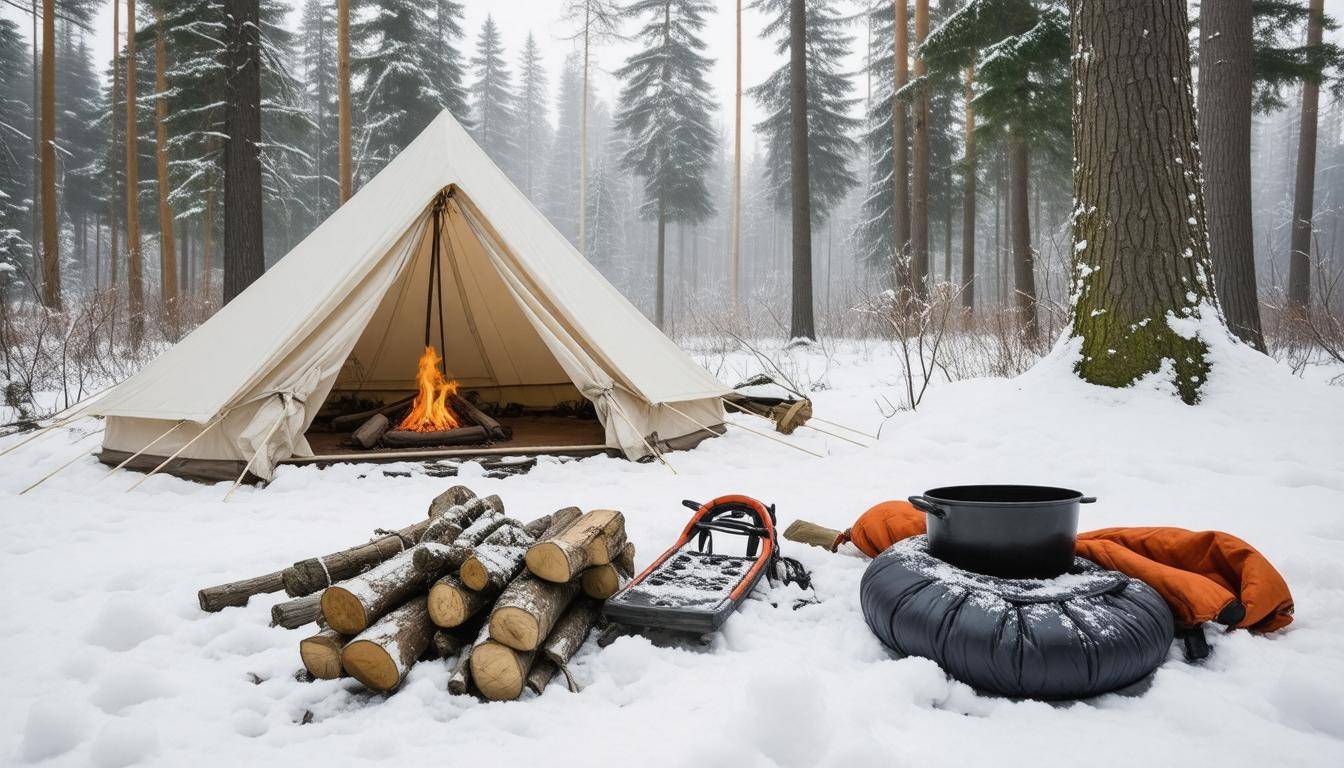
Dressing Appropriately for Cold Weather
Dressing correctly for cold weather isn’t just about staying warm; it’s also about maintaining mobility and comfort. When temperatures drop, the last thing you want is to feel restricted or uncomfortable in your clothing. The key lies in selecting the right materials and understanding how these clothes can work together to form a protective barrier against harsh elements.
Materials Matter
Choosing the right materials can make all the difference when braving chilly environments. Wool and synthetics shine as top contenders for cold-weather gear. Wool, renowned for its natural insulating properties, retains heat even when wet, making it ideal for base layers and socks. Meanwhile, synthetic fabrics like polyester are adept at wicking moisture away from your skin, keeping you dry. This capability is crucial for preventing chills that can set in quickly when exposed to cold, damp conditions.
In my own experience, I’ve found that starting with a solid base layer of merino wool makes a world of difference. Not only does it keep me warm, but it also breathes better than many other fabrics, which helps regulate body temperature during strenuous activities.
Avoiding Cotton
A word of caution: cotton should be avoided at all costs. This fabric holds moisture like a sponge, and when wet—whether from sweat or rain—it pulls heat away from your body. This loss of warmth can lead to discomfort at best and hypothermia at worst. I recall a winter camping trip where I packed cotton socks thinking they would suffice just because they were familiar and comfortable. Once my feet got wet from melting snow, the icy chill crept up my legs. Trust me, nothing kills your spirits faster in cold weather than feeling clammy due to cotton!
Personal Experience
I learned this lesson firsthand on a winter hike while wearing a cotton shirt beneath my wool sweater. The sudden snowfall caught me off guard; my cotton shirt absorbed all the moisture, leaving me uncontrollably cold within moments. That experience was a wake-up call! Now, I religiously pack layers of wool or synthetic materials because I cannot risk ending up in that frigid state again.
Thinking about how each garment interacts with others in the layering system is essential; it’s not merely about adding more clothing but about choosing materials that complement one another effectively. As you prepare for winter’s challenges, consider how you can apply these insights to ensure warmth and comfort.
With the right knowledge in mind regarding appropriate attire, we can now explore how to effectively layer your clothing for maximum protection against cold weather elements.
Layering Your Clothing
Layering your clothing is not just a strategy; it’s an effective method to combat the biting chill of winter. This systematic approach allows you to add or remove layers as conditions change, ensuring that you stay warm but not overheated. Each layer serves a specific purpose, maximizing body heat retention while managing moisture, which can make all the difference when you’re facing extreme temperatures.
Steps to Effective Layering
Understanding how to layer correctly involves selecting the right materials and fits for each layer. It’s crucial to start with a base layer, followed by an insulating mid-layer, and finally, an outer layer designed to protect against elements.
Base Layer: Moisture Management
The foundation of your outfit is the base layer, acting as your first line of defense against the frigid air outside. Think of it as a second skin; it should be snug enough to trap warmth yet flexible enough to allow movement. Materials such as merino wool or synthetic fabrics work best because they wick away sweat while keeping you dry.
A common misconception is that cotton is suitable for a base layer; however, cotton retains moisture, which can rapidly lower your body temperature. Always opt for materials specifically designed for moisture management to ensure you stay cozy.
Mid Layer: Insulation
Building on your base layer is the mid-layer, devoted to insulation and warmth. Here, styles like fleece jackets or down vests shine because they trap air close to your body, effectively acting as an insulating barrier that retains any warmth generated. The ideal thickness can vary; typically, you’ll want something lightweight that’s easy to adjust without feeling bulky.
For example, I often choose a fleece jacket over heavier options during mildly cold hikes. This way, I can maintain warmth without sacrificing mobility.
Outer Layer: Weather Protection
Completing the layering system is the outer layer, which shields you from wind and moisture. This layer must be both windproof and waterproof while remaining breathable, preventing sweat from becoming trapped against your skin. Gore-Tex jackets are among the most popular choices for this role because they efficiently block gusty winds while still allowing perspiration to escape.
On particularly blustery days, removing my mid-layer but keeping on my impermeable outer shell enables me to stave off chills without overheating during activity.
Understanding the principles of layering not only prepares you for winter weather but sets the stage for discussing essential structures that will help keep you safe in demanding outdoor environments.
Building Shelter in the Wilderness
Finding or building a shelter is critical for protection against harsh weather conditions. This can be the difference between staying safe and experiencing hypothermia. You have several options when it comes to constructing a suitable shelter, and choosing the right one can make all the difference in ensuring that you stay warm and dry.
Types of Shelters
First, let’s consider a snow cave, which can be an effective solution during winter months, albeit requiring some effort to dig. Imagine digging into a deep snowbank; by hollowing out an area, you create an insulated space that traps your body heat. The walls of the snow cave act as natural insulation, keeping you significantly warmer than if you were exposed to the elements. As tough as it might be to dig, the payoff in terms of warmth is invaluable. Keep in mind though, it’s vital to ensure proper ventilation; otherwise, you risk carbon dioxide buildup inside.
If time is not on your side, there are quicker alternatives available.
Tree Shelter
A great option for quick shelter is utilizing tree wells—areas where snow accumulates around the base of trees, creating a natural hollow close to their trunks. This method provides immediate protection without needing extensive effort to construct. Simply nestle into the hollow cavity and cover yourself with branches and leaves for additional insulation. If you find yourself in this scenario, remember that tree well shelters should primarily serve as temporary solutions until a more permanent structure can be built amidst the snowfall.
During one frigid night in the Canadian Rockies, I dug a makeshift snow cave after realizing darkness was falling faster than expected. Although exhausting work, the gratitude I felt when changing from freezing outside temperatures to a surprisingly cozy interior was remarkable. I had insulated my cave with layers of snow and nestled deep enough inside that only my breath escaped into the cold night air outside. It saved me from freezing and allowed me to thrive instead of merely survive.
Being knowledgeable about various shelter-building techniques can be invaluable when facing unpredictable weather patterns or unexpected wilderness situations. Next, we’ll look at how to create warmth through fire-making skills essential for survival in such harsh environments.
Starting a Fire in Extreme Conditions
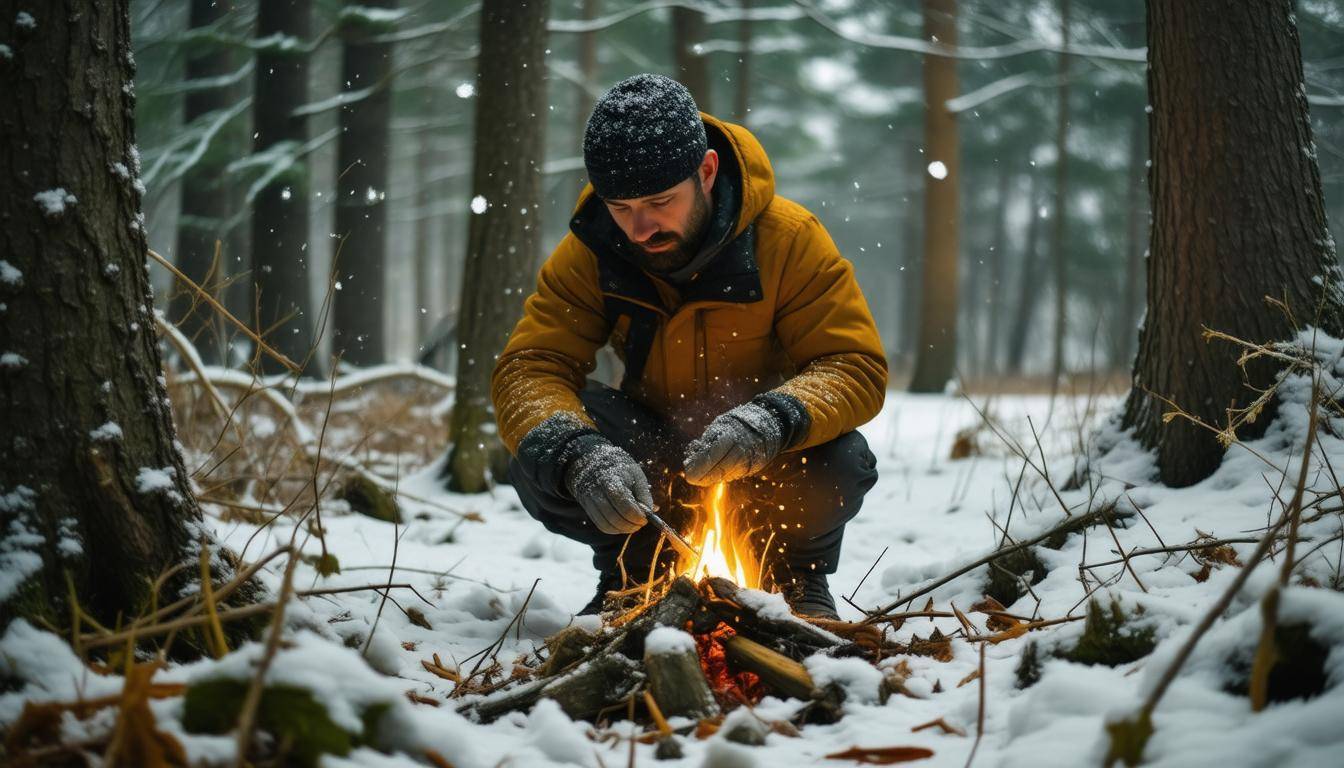
Starting a fire in extreme conditions can feel like an uphill battle, but with the right techniques, it’s entirely achievable. Fire is your lifeline; it provides warmth, cooks food, and acts as a signal for rescue. In harsh winter environments where traditional methods may not work, understanding the nuances of fire-starting becomes essential.
Steps for Starting a Fire
First and foremost, gather your tinder and kindling. Tinder must be dry and easily ignitable, so look for birch bark if available, or use small twigs and even cotton balls soaked in petroleum jelly; they go up in flames quickly.
For kindling, locate larger sticks and branches that will support your fire once it catches. These materials are crucial for creating a sturdy fire structure that can grow from just a spark.
Once you’ve secured these materials, it’s vital to create a dry base for your fire. A wet ground can steal warmth from your fledgling flames or douse them altogether. Using a flat piece of bark or even stripping the clothing off your own back to lay underneath helps keep your tinder elevated—this works wonders!
I recall a time when I attempted to start a fire on pure snow without this base. The heat melted the snow directly beneath it quicker than anticipated, drowning my fire in water before it could grow.
Now that you’re equipped with tinder and kindling atop a secure base, we can move on to the ignition process that will bring your hard work to life.
Ignition
When you reach this stage, it’s essential to have dependable ignition tools at hand. Magnesium fire starters or waterproof matches are highly recommended for extreme conditions. These tools offer reliable performance when standard lighters may fail due to moisture or cold temperatures.
I vividly remember one particularly frigid evening when my usual lighter failed me during an expedition. However, I turned to my magnesium starter instead; striking it brought forth sparks that danced across my well-prepared tinder setup. The quick glow transformed into flames almost instantly, illuminating the dark surrounding woods and warming my chilled bones.
Mastering these techniques becomes increasingly vital as you prepare for another element of survival: securing essential resources that sustain life. Let’s explore how to find those crucial supplies.
Procuring Water and Food
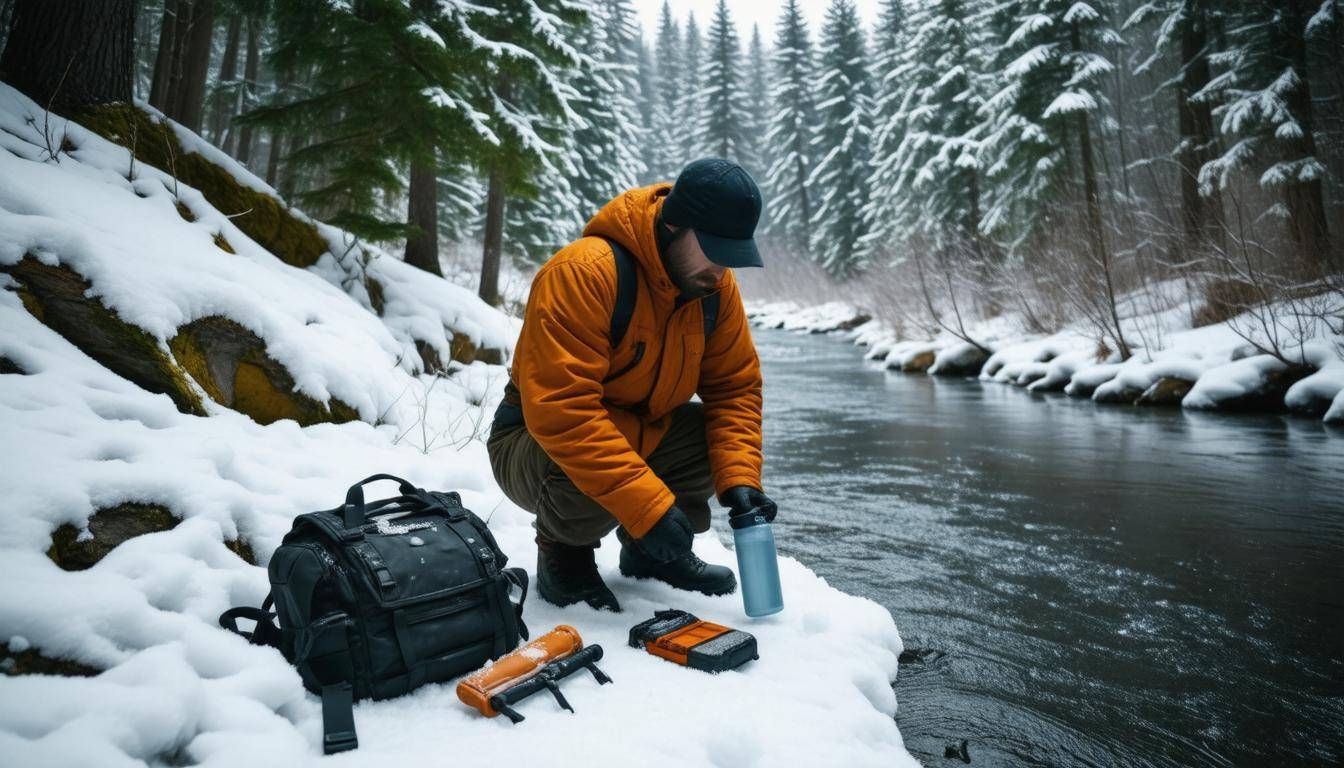
When faced with the biting chill of winter, securing water and food becomes essential for survival. Despite the snow-covered landscape, there are ways to gather drinkable water and nutritious food sources that will sustain you during your ordeal. Your body may not feel thirsty amidst the cold, but dehydration can still creep up on you, making it imperative to seek water.
Melting Snow
One common misconception is that eating snow can suffice as hydration. It’s important to remember that consuming snow directly can actually lower your core body temperature, which is counterproductive in a survival situation.
Instead, always melt the snow before drinking it by using a pot or any metal container to carefully heat the snow over a fire.
If finding a fire is impossible, there’s an innovative alternative. A practical method involves placing a small container filled with snow between your layers of clothing or against your body. Your natural warmth will gradually melt the snow, creating liquid water that you can consume as needed—even if it takes a little time.
Finding Food
Now that you’ve addressed hydration needs, it’s critical to turn your attention toward procuring food. The reality is that conventional sources of nutrition drastically diminish in winter’s frosty grasp. However, winter edibles such as rose hips, pine nuts, and select berries can provide essential nutrients that your body craves.
I recall a winter trek where I stumbled upon wild rose bushes laden with bright red fruits. Although small in size, these edible delights were bursting with vitamin C and offered me a vital boost of energy. Discovering food sources like this can make all the difference in maintaining your stamina.
Keep in mind that not all plants are safe to eat during the winter months; thus, it’s imperative to familiarize yourself with local flora prior to any emergency scenarios. In addition to wild edibles, considering less conventional methods like ice fishing can also provide sustenance if you have access to open water bodies. Just remember: patience and knowledge are key components when navigating desperate situations.
After ensuring you have sufficient resources for survival, it’s crucial to monitor your wellbeing closely. Understanding the signs of specific health risks will further bolster your chances in harsh conditions.
Recognizing and Treating Hypothermia
Hypothermia is a serious condition that occurs when your body loses heat faster than it can generate it. This often happens in cold environments, even when temperatures seem mild. It’s essential to be vigilant and recognize the early warning signs before the situation escalates into a life-threatening emergency.
Signs of Hypothermia
When someone is starting to develop hypothermia, they may exhibit several key symptoms. Early signs include:
-
Shivering: This is one of the first responses your body has to conserve heat, so if someone begins to shiver uncontrollably, take it seriously.
-
Slurred speech: This might indicate confusion or an inability to think clearly.
-
Slow, shallow breathing: Watch for changes in the person’s breathing pattern, which can become labored.
-
Weak pulse: A slow or weak heartbeat suggests that the body is struggling to maintain adequate blood circulation.
Recognizing these signals early can make all the difference. For instance, during a winter camping trip, I once had a friend who began shivering and speaking incoherently. By acting quickly, we managed to stave off further complications.
Treatment
If you suspect someone is developing hypothermia, prompt action is essential. First, move the affected person to a warm environment out of the cold. If they are outside, find shelter immediately or retreat indoors if possible. Next, remove any wet clothing which can worsen their condition because damp fabric draws heat away from the body. Instead, wrap them in warm blankets or sleeping bags; this not only provides insulation but also helps trap body heat.
Furthermore, if you have access to body heat—whether it’s through cuddling or close contact—use it effectively. It can be astonishing how much warmth it generates.
Keep in mind that while immediate treatment can stabilize a person’s temperature, they might still need medical attention depending on the severity of their condition. Always err on the side of caution.
While moving my friend into our tent and wrapping him tightly in sleeping bags helped revive him before it got worse, I remember feeling relieved he didn’t worsen overnight. Having those survival skills made all the difference.
In the critical moments of responding to hypothermia, your quick thinking and preparedness can prevent what could otherwise escalate into severe hypothermia. Trust your instincts and always prioritize warmth and safety during winter excursions.
With an understanding of how to recognize and treat hypothermia, we now turn our attention to another vital aspect of winter survival—exploring what foods are safe to consume when resources are scarce.
Identifying Edible Plants in Winter
Identifying edible plants during winter can be daunting but vital for survival. Luckily, with some basic knowledge and keen observation, you can navigate these frosty landscapes and discover hidden nourishment. Many people overlook the potential food sources around them because of the winter chill, yet nature is surprisingly generous, even in the coldest months.
Common Edible Plants
Among the most valuable winter edibles are rose hips, which are the fruit of wild rose bushes. Rich in Vitamin C, these small red-orange fruits can easily be made into a tasty tea or consumed raw for a refreshing snack. If you’re out in the wilderness, gather a handful to enjoy both their tangy flavor and numerous nutritional benefits. It’s a bonus that they’re often found near existing trails or familiar routes, making them easier to locate.
Another excellent choice is pine nuts, which pack a punch of protein and healthy fats. These nuts come from pinecones; while extracting them may require some effort, they can be a rewarding source of energy when resources are limited. During one memorable adventure in the woods, I spent an afternoon carefully prying apart pinecones to find those delicious morsels. Although it was painstaking work, I felt an immense sense of accomplishment when I finally tasted my labor; it not only nourished me but also boosted my morale.
Cautionary Notes on Foraging
However, not all winter plants are safe, and misidentifying them can be fatal.
With excitement about foraging comes a pressing need for caution; many plants can be toxic if ingested. That’s why it’s crucial to familiarize yourself with local flora before relying on any foraged finds. Take the time to learn from guides or even enroll in plant identification workshops if possible. Consider using field guides specifically designed for your region or smartphone apps that help identify edible species with user-friendly images and descriptions.
Here are some common edible plants to look out for during winter:
-
Dandelion (Taraxacum officinale): Readily identifiable by its jagged leaves and bright yellow flowers; both leaves and roots can provide nutrients.
-
Chickweed (Stellaria media): Notable for its small white flowers; rich in vitamins A and C.
-
Nettle (Urtica dioica): While prickly when fresh, cooking young leaves neutralizes their sting; packed with nutrition once prepared properly.
Preparing yourself with such knowledge means striking the right balance between adventurous exploration and safety during potentially life-threatening situations. Winter may seem bleak, but by harnessing your skills of observation and respect for nature’s offerings, you can thrive even when surrounded by icy solitude.
Equipped with this knowledge on identifying nourishing plants, we now shift our focus to essential techniques for raising awareness of your location and increasing visibility to potential rescuers.
Signaling for Rescue
Efficient signaling is crucial in survival situations; it can drastically enhance your chances of being found. It’s important to have multiple methods at your disposal because some techniques work better than others depending on your environment and situation. If you know there’s a chance of needing to signal for help, having these strategies at the forefront of your mind could save precious time later.
Methods of Signaling
One of the most straightforward ways to attract attention is using visual signals. Bright colors like orange or red are particularly effective as they stand out against bright white snow. Wearing colorful clothing or laying out gear that contrasts sharply with your surroundings can make it easier for rescuers to spot you from afar.
In addition to vibrant hues, using reflective materials is an excellent strategy. A reflective emergency blanket or even a simple mirror can catch and flash light toward rescuers. This technique works best when you’re positioned where sunlight will hit it directly.
Reflective Signals
If you have a mirror or any shiny surface, use it to flash sunlight towards helicopters, planes, or searchers on the ground. Just a few well-placed flashes can grab attention quickly. Remember to practice this technique during daylight hours so you know exactly how to angle the reflective object for maximum visibility.
Smoke Signals
Smoke signals are another effective method; creating a fire not only provides warmth but also serves as a way to signal. According to Bear Grylls, “Smoke signals are one of the oldest and most effective means to signal for help in the wilderness.” To maximize smoke production, collect green leaves or moist branches and throw them into your fire; this creates thick gray smoke — perfect for being seen from a distance.
Have you ever considered how wind direction affects smoke signals?
Always position yourself upwind of your fire if possible, allowing the plume of smoke to rise unobstructed by the breeze. These small tactical adjustments can amplify your chances of being spotted.
Lastly, don’t forget about auditory signals. A whistle can be heard from considerable distances; three short blasts are widely recognized as a distress call. It’s small enough to keep on your person at all times, and having this tool readily available is essential for expecting rescue.
Having a solid signal plan ready before heading into the wilderness is essential; it saves precious time and increases safety during emergencies. By employing both visual and auditory methods effectively, you can significantly improve your odds should the need arise.
In survival scenarios, being prepared with various signaling techniques can make all the difference between getting rescued or remaining lost in the wilderness. Equip yourself with knowledge and tools, and you’ll be one step closer to ensuring your safety.