
When you think about college life, what comes to mind? Late-night study sessions, friends crammed into tiny dorm rooms, and—let’s be honest—a lot of pizza. But amid the fun and excitement, it’s easy to overlook something important: being prepared for emergencies. Whether it’s a sudden flu, an unexpected power outage, or even a minor accident while cooking, having an emergency kit can make all the difference. I’ve put together a complete checklist that covers everything you need to handle these situations calmly and confidently. So let’s dive in and explore how to create your very own college dorm room emergency kit—because being prepared means you can focus on what really matters: enjoying the college experience!
A college dorm room emergency kit should include essentials such as a first-aid kit, non-perishable food supplies like MREs, a flashlight with extra batteries, a multi-tool, and a portable phone charger. Additionally, consider packing personal medications and documents, as well as safety gear like a reflective vest and an emergency whistle to ensure preparedness for various situations.
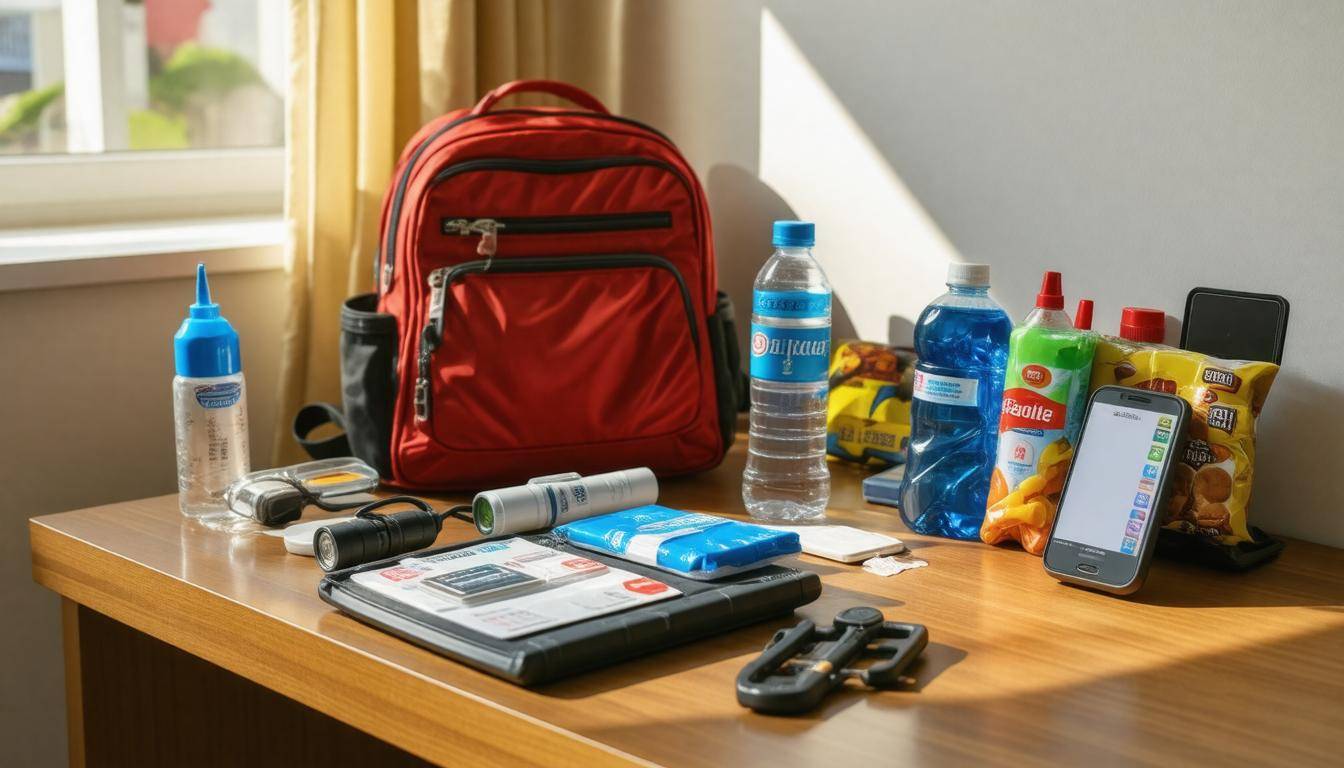
Ultimate College Dorm Room Emergency Kit
When preparing for college life, many students might not consider the potential emergencies they could face. That’s where the ultimate emergency kit comes in, which not only helps in crises but also fosters peace of mind. A well-rounded kit incorporates various first aid supplies tailored to common ailments, as well as essential tools that can help in both mundane and critical situations.
Let’s explore some additional health-focused items that ensure you’re covered for any unexpected incidents. For instance, having a thermometer can help you monitor fevers, particularly in a shared living environment where colds may spread more easily. Moreover, including pain relievers like acetaminophen or ibuprofen is crucial; headaches and minor pains are inevitable during busy school weeks, and quick relief can be a game changer.
A comprehensive first aid kit isn’t just about treating injuries; it reflects your preparedness for daily lapses in health while navigating college challenges.
Furthermore, supplementing your kit with allergy medications, cold/flu remedies, and hygiene items such as feminine products or travel-sized toiletries can complete your readiness plan. Since dorm life can often lead you to share resources, having extra supplies on hand will not only assist you but also make you the go-to friend when someone else needs help.
With medical issues addressed, let’s talk about the tools that ensure physical safety during emergencies.
Items like a fire extinguisher suited for dorm use are non-negotiable. Emergencies don’t wait for a sunny day; they strike unexpectedly, and being prepared can save lives. Likewise, incorporating sturdy gloves and an emergency blanket adds layers of protection against environmental factors or little accidents that might arise while cooking or improving your living space.
- Reflective Vest: Useful during roadside emergencies when visibility drops.
- Portable Phone Charger: To keep communication lines open—essential during blackouts or when power is cut off.
- Whistle: It acts as a signaling device should you ever need to call for assistance.
These items create an effective combination that covers everything from health care to safety measures. Remember, adaptability is key; each student’s needs may vary based on their lifestyle and what challenges they face. It’s essential to regularly review and adjust your emergency kit, replenishing supplies best suited to your changing circumstances throughout the academic year.
Equipped with these essentials not only prepares you for potential emergencies but also sets the stage for discussing the vital aspects of maintaining well-being and handling health-related needs during your college experience.
Health and First Aid Essentials
Addressing health emergencies promptly can prevent complications; therefore, having a well-stocked first aid kit is indispensable. A standard kit should contain band-aids of various sizes, antiseptic wipes, and adhesive tape because injuries happen far too often, whether you’re trying to cook a meal or simply navigating the bustling life on campus. These fundamental items address minor wounds that can occur on any typical day. Imagine accidentally cutting yourself while chopping vegetables or getting a nasty scrape during a pick-up game in the courtyard; being prepared makes all the difference.
In addition to these basic supplies, you’ll want to bolster your kit by including items like a digital thermometer, gauze pads, and a roll of sterile bandage. These supplies come in handy for more serious situations where you may have to treat larger cuts or monitor fevers. For respiratory issues that might arise during cold and flu season, having a disposable mask readily available not only helps protect you but also shows consideration for your fellow students.
Comprehensive First Aid Kit
- Band-Aids: Various sizes for different types of wounds.
- Antiseptic Wipes: To clean wounds before applying dressings.
- Adhesive Tape: Useful for securing gauze pads in place.
- Digital Thermometer: Monitor fevers accurately.
- Gauze Pads & Sterile Bandages: Essential for covering larger injuries.
- Disposable Masks: Important for preventing the spread of illness.
It’s critical to customize your kit with personal health items tailored to your unique needs. This might include prescribed medications, EpiPens (for those with severe allergies), and even spare glasses or contact lenses if you rely on them for daily functionality. Beyond just convenience, this is about creating peace of mind. For instance, if you’re asthmatic reminding you to ensure spare inhalers are part of the kit means reduced fear when your friends invite you hiking.
Always remember that everyone’s needs vary; assess what works best for you based on your medical history and lifestyle choices.
In times of stress or unexpected incidents, keeping these health essentials close can prevent minor injuries from escalating into bigger problems. Having additional supplies ready for various situations can further enhance your readiness in challenging times ahead.
Basic Survival Supplies
When it comes to surviving in a college dorm room, having the right supplies can make all the difference in both comfort and safety during unforeseen emergencies. Whether it’s a power outage, a minor injury, or an unexpected weather event, basic survival items ensure you’re equipped to handle the situation. Think of them as your safety net—ready to catch you when things go awry.
Emergency Supply Checklist
One indispensable item is the whistle. In an emergency where you might be unable to shout for help—say, if you’re stuck in an area with too much noise—a whistle can produce effective sound without exhausting your voice. It’s small and lightweight, fitting neatly into any drawer or bag. The sharpness of its sound can attract attention from those nearby, making it a smart addition to your kit.
Another vital component is a mylar emergency blanket. These blankets are incredibly compact, taking up almost no space in your dorm room. Despite their size, they provide excellent insulation, reflecting body heat back to you in cold situations. This can be invaluable during power outages or if you ever find yourself needing extra warmth while waiting for assistance. Keeping one in your backpack ensures that you’re prepared no matter where you are on campus.
When considering safety in your living space, don’t overlook the importance of a fire extinguisher. Having a dorm-friendly model means that you can act quickly in case of small fires caused by cooking mishaps or other accidents. Remember that most fires double in size every minute; being able to control a small fire before it escalates is crucial not only for your safety but also for protecting your belongings and those around you.
Additionally, duct tape may seem trivial at first glance, but its versatility cannot be overstated. From sealing leaks and repairing torn bags to creating makeshift bandages for cuts or scrapes, duct tape is a reliable tool for handling various emergencies that may arise. In any encounter that demands quick thinking and resourcefulness, this little roll of wonder works wonders.
Building a robust survival kit enhances your readiness; therefore, let’s transition into exploring tools that further enhance safety and peace of mind in your college dorm life.
Safety and Security Tools
Safety tools help in navigating emergency situations, ensuring personal security while you’re living on campus. Among your essentials for a college dorm emergency kit, there are several key items that can enhance your sense of safety and may even prove vital in unforeseen circumstances.
Essential Security Items
One indispensable item is a door stop alarm. This simple yet effective device acts as an alert system, notifying you if someone attempts to forcibly enter your room. Imagine settling down for a study session when, suddenly, you’re jolted by the loud sound of an alarm. It not only deters potential threats but also gives you valuable time to react or call for help. The peace of mind it offers is well worth the small investment.
Another important tool to include is pepper spray. While none of us want to think about needing it, having pepper spray within arm’s reach can provide a significant boost to your self-defense capabilities. Carry it where it’s easily accessible—like clipped to your bag—and be sure to familiarize yourself with its operation. Should an uncomfortable encounter arise, you’ll have a reliable means of protection at hand.
An often-overlooked item is an emergency contact card. Having a laminated card with pertinent phone numbers—such as campus safety services, a trusted friend, or family members—readily available in your wallet can be crucial during moments of panic. You can refer to this card if technology fails you due to dead batteries or poor reception, vastly improving your chances of swiftly reaching out for help.
Once these essential tools are gathered, it’s important to consider how effectively they will fit into your overall preparedness strategy, especially when organizing and managing the space for your supplies.
Packing and Storing Your Kit
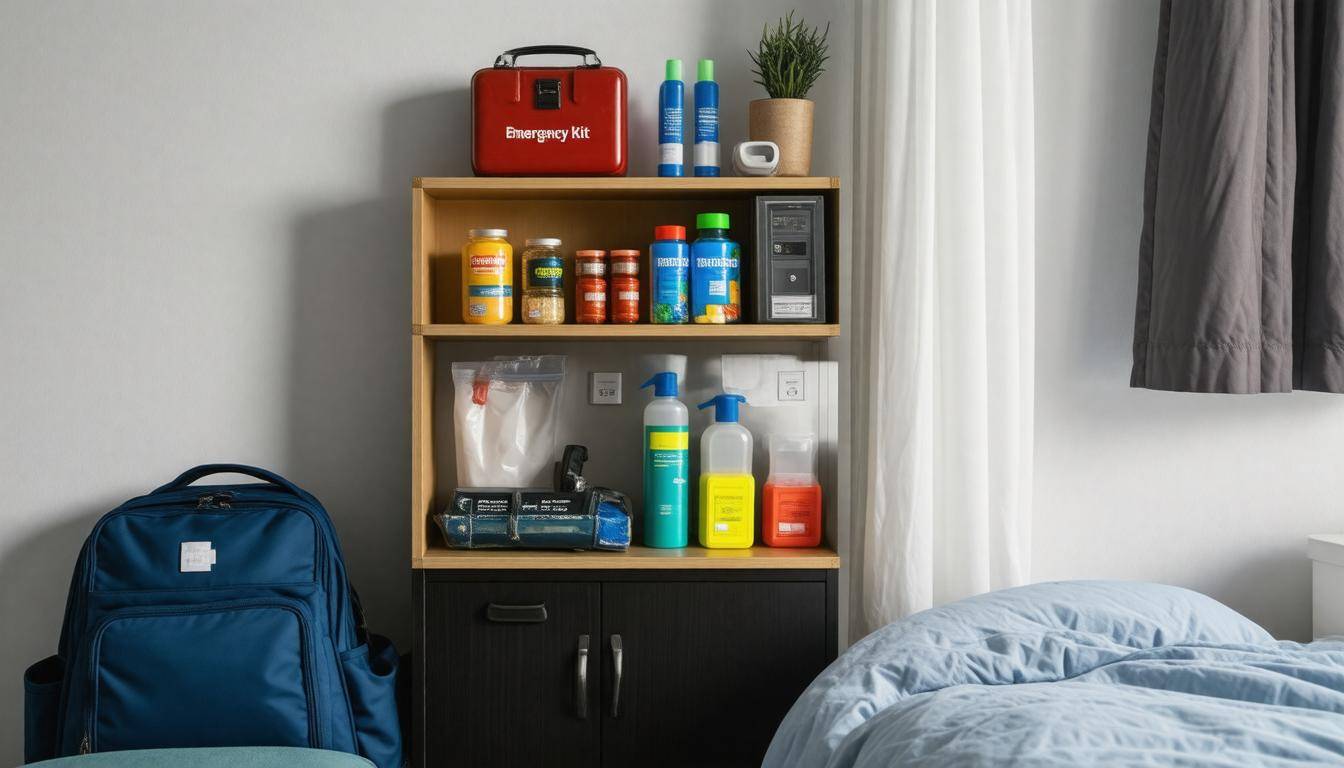
When assembling your emergency kit for your college dorm, packing it correctly is essential. You’ll want to ensure that everything is organized and secure to avoid chaos in stressful situations. The right approach not only prepares you for unforeseen events but also fosters a sense of readiness and control.
Step-by-Step Packing Guide
First, choose the right container for your kit. A durable, waterproof backpack or storage box with a minimum size of 20 quarts will protect your supplies from unexpected spills or moisture. The size is important; it should be compact enough to comfortably fit under a bed or in a closet yet spacious enough to hold crucial items without feeling crammed.
Next, categorize items into logical groups such as food supplies, first aid essentials, safety gear, and tools. This step is akin to organizing your closet; when everything has a designated place, you can find what you need without sifting through unrelated items. For instance, store all food supplies—like MREs—in one section to keep them separate from medical supplies.
To maximize organization and protection against environmental factors, use ziplock bags for smaller items. Not only do these bags keep contents dry, but they also allow you to label each bag easily, enhancing visibility and retrieval speed. Pack similar items together—such as a ziplock for first aid burns or scrapes specifically containing band-aids and antibiotic cream.
Finally, label everything. A well-labelled kit avoids confusion during emergencies when time may be of the essence. Use clear labels on larger containers and write down essential items on smaller bags. This method allows anyone who might need to assist you (such as friends or roommates) the ability to locate necessary supplies rapidly.
Storage Tips
Where you decide to store your kit matters just as much as how you pack it. Keep it in an easily accessible location—places like under the bed or in a closet near the door are ideal for quick access during emergencies. This strategy ensures you’re prepared without the hassle of digging through layers of belongings.
It’s advisable to periodically check expiry dates on food and medical supplies. Replace items as needed—this practice keeps your kit fresh while reinforcing habits of responsibility and preparedness.
Having organized your emergency kit for optimal efficiency, it’s now time to focus on personal necessities that complement the essentials for your college experience.
Essential Personal Items
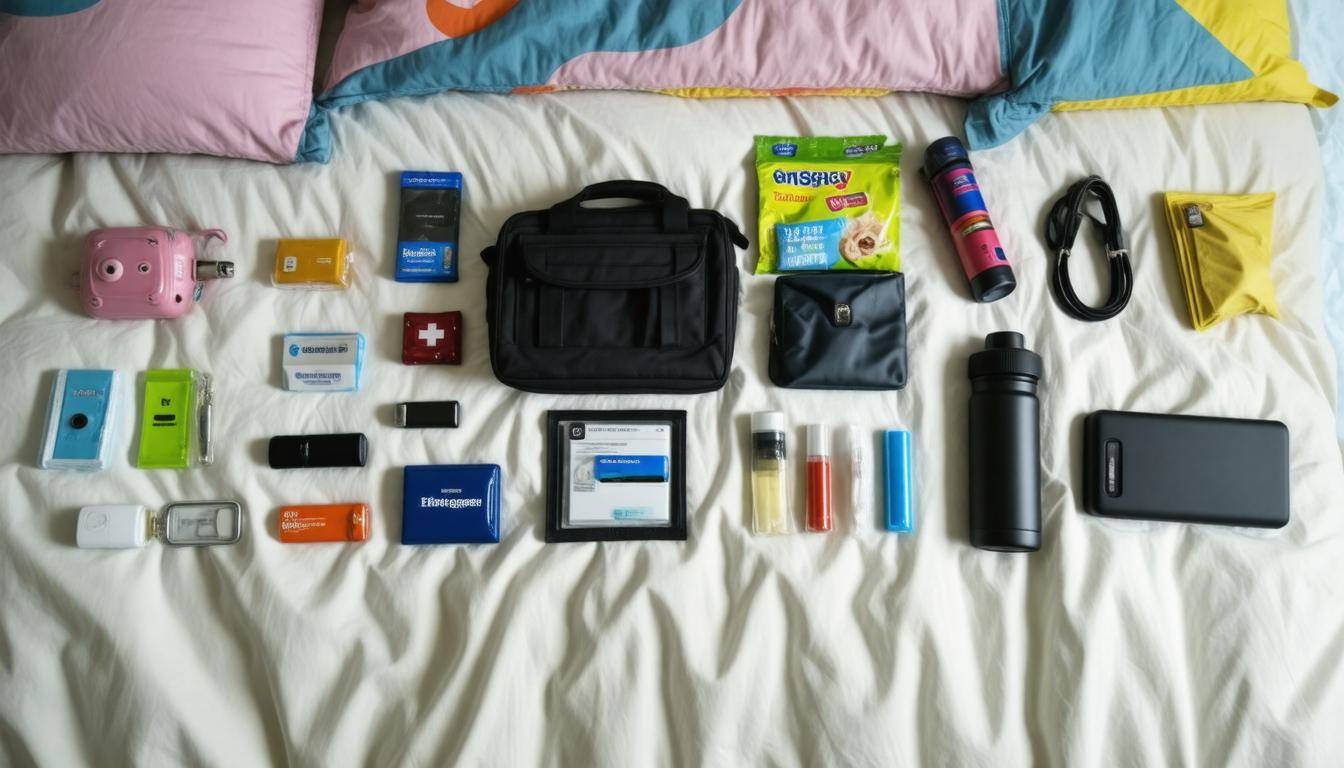
Personal items in your emergency kit are much more than just belongings; they represent comfort, familiarity, and reassurance amid chaos. These essentials ground you when unexpected events unfold, making them crucial for anyone transitioning to college life. Including thoughtful necessities ensures that even in times of distress, you have what you need and feel a sense of normalcy.
Personal Necessities
-
Prescription Medications: Imagine finding yourself in an emergency without access to your necessary medications. To prevent this disarray, always include at least a week’s supply of any essential prescriptions. This practice not only covers you during unforeseen circumstances but also eases your worries about running out.
-
Important Documents: Keeping copies of crucial documents—like IDs, insurance cards, and emergency contact numbers—should be a top priority. Not only will these documents help you navigate medical assistance scenarios more smoothly, but having them organized in one accessible place can save valuable time when every second counts.
-
Comfort Items: Consider bringing along a few comfort items that offer emotional support, such as cherished photographs, a favorite book that transports you to a happy place, or small games that provide entertainment and distraction during stressful times. The importance of familiarity cannot be understated—it can help dowse feelings of anxiety and turmoil during an emergency.
When it comes to food supplies tailored to specific dietary needs, packing nutrient-dense options is key for maintaining energy levels and ensuring proper nourishment. For example, if you’re vegan or gluten-intolerant, including protein bars or MREs (Meals Ready to Eat) that align with your dietary restrictions makes sense. This thoughtful gesture can make emergencies less daunting and prepares you physically and emotionally for whatever lies ahead.
By covering personal necessities with intention and foresight, students lay the groundwork for resilience in the face of adversity.
With personal items accounted for, we now turn our attention to developing an effective strategy that ensures you’re fully prepared for any situation that may arise.
Creating an Emergency Plan
An effective emergency plan can be your lifeline during unexpected situations. It acts as your roadmap, helping you navigate through chaos while ensuring that you and others remain safe. Writing down your emergency plan might sound tedious, but think of it as preparing for a pop quiz—you wouldn’t want to go into that unprepared, right?
Step-by-Step Emergency Planning
First and foremost, you need to identify potential risks. It’s important to understand what natural disasters or emergencies are prevalent in your area. For instance, if you’re studying in a region prone to earthquakes, familiarizing yourself with the safest places to take shelter can make all the difference. Alternatively, if you’re in a hurricane-prone area, knowing where storm shelters are located will provide crucial information when facing severe weather conditions.
After assessing the risks, the next step is to establish communication channels. Compile a list of emergency contacts—family members, close friends, and university security—and share it with your roommates as well. Assign specific check-in times when you’ll touch base during emergencies, ensuring everyone knows their role when plans change under stressful circumstances.
It’s also vital to designate safe zones. Knowing where the nearest exits are from your dorm and identifying safe spots both on campus and off should become second nature. Have these locations mapped out: an emergency meeting point helps ensure everyone knows where to go after evacuating the building. If you’re unsure, ask your residence advisor or consult campus resources to mark these locations clearly.
Regularly practicing drills is invaluable; this brings us to the importance of rehearsing your emergency plan. Just like fire drills in school, these practices help you remember each step when it matters most, reducing panic and confusion. Set aside time every semester for “what-if” scenarios with your friends or family. Whether it’s discussing where you’d go during an earthquake or how you’d react if an alarm sounds unexpectedly, rehearsing solidifies what you might otherwise forget in a crisis.
Being well-prepared with a plan can significantly reduce panic; however, implementing safety practices within the dorm environment offers another layer of protection in your daily life.
Practical Dorm Safety Tips
Implementing everyday safety practices is essential for creating a secure living environment in your dorm. Simple actions can significantly reduce risks and prepare you for unexpected situations. For instance, locking your doors and windows might seem routine, but it is a paramount practice. Always check that everything is locked whenever you leave your room or head to bed. This not only protects your belongings but also ensures your privacy and personal safety.
-
Additionally, using surge protectors is a fundamental step toward preventing electrical fires. These devices shield your electronic appliances from power surges caused by lightning strikes or faulty wiring.
-
Knowing your emergency exits is critical too. Every building has designated escape routes; familiarize yourself with them so that these paths are second nature should an emergency arise.
Keeping valuables out of sight can deter theft. Make it a habit to store belongings securely rather than leaving them visible or strewn about.
Another tip worth mentioning involves being vigilant when guests visit your dorm. It’s crucial to monitor who enters and exits your space, just as you’d want for any shared area. Ensuring that your guests respect your safety boundaries enhances collective security among roommates and other residents.
In addition to these practices, having a reliable communication resource is vital during emergencies.
Consider familiarizing yourself with emergency contact numbers beforehand, such as the local police (505-277-2241) and campus emergency numbers (911). A proactive approach includes downloading the campus-specific app like UNM’s LoboGuardian, which provides features like safety timers and quick access to emergency services.
A little preparation goes a long way—much like packing that extra pair of socks you always forget until laundry day!
Lastly, joining campus safety initiatives can further amplify overall security. Engaging with groups like the Campus Safety Council or the Safe Campus Living Task Force not only keeps you informed but encourages collaboration among students in promoting safety on campus.
Establishing these practical dorm safety tips contributes to a strong foundation for not just surviving but thriving in college life while ensuring personal well-being and community support.
What specific items are most important for dealing with common emergencies in a college dorm?
Essential items for a college dorm room emergency kit include a first aid kit, flashlight, multi-tool, portable phone charger, and non-perishable snacks. A first aid kit is crucial as studies show that over 30% of college students experience health issues during their years at university. Having a flashlight can help navigate power outages, which occur in about 6% of college campuses, while a multi-tool provides immediate solutions for minor repairs or unexpected situations. Lastly, a portable charger ensures your devices remain functional when you need them most, particularly during emergencies or stressful late-night study sessions.
How often should I check or update the contents of my dorm room emergency kit?
It’s recommended to check and update the contents of your dorm room emergency kit at least once a semester, ideally at the start of each term. This ensures that supplies like first-aid items, batteries, and non-perishable food are fresh and readily available. According to a survey, 60% of college students reported feeling unprepared for emergencies, highlighting the importance of maintaining an up-to-date kit for peace of mind and safety. Regular checks also allow you to assess any changing needs throughout the academic year.
Are there any unique emergency supplies that would be beneficial for students living on campus?
Yes, unique emergency supplies for students living on campus can include a portable phone charger, a multi-tool, and a compact first aid kit tailored for common college ailments. For instance, statistics show that about 60% of college students experience anxiety or stress related to academics (APA, 2021), making stress-relief items like earplugs or a small white noise machine beneficial as well. Additionally, having non-perishable snacks and water can be crucial during crises when access to food may be limited. These items ensure students are prepared for various emergencies, fostering both physical health and mental well-being.
How can I customize my emergency kit based on my personal needs and living situation?
To customize your emergency kit based on personal needs and living situations, start by assessing the specific risks in your area—such as natural disasters or common health issues. Consider including items like a portable phone charger if you often run low on battery, or allergy medications if you’re sensitive to local pollen. According to a survey by the National Safety Council, 62% of college students feel unprepared for emergencies, highlighting the importance of tailoring your kit to cover both basic needs and personal preferences—ensuring it’s not only practical but also relevant to your lifestyle.
What are some tips for organizing my emergency kit in a small dorm room space?
To effectively organize your emergency kit in a small dorm room, prioritize compact and multi-functional items, such as a first-aid kit that combines essential medical supplies with basic tools. Utilize vertical storage solutions like wall-mounted shelves or over-the-door organizers to maximize limited space. Research shows that organized spaces can boost productivity by up to 20%, so keep your emergency kit easily accessible yet tidy—consider clear bins for visibility and labels for quick identification. This approach will not only ensure you’re prepared for emergencies but also help maintain an efficient living area.