
In an unpredictable world, the importance of community preparedness can’t be overstated. Knowing how to respond in emergencies might just save lives. But how do we ensure that every resident is equipped with the right knowledge and skills? Enter community emergency drills: a crucial step in building readiness and solidarity among neighbors. These drills not only teach essential safety procedures but also foster connections, creating a team spirit that can make all the difference when the unforeseen happens. Whether it’s a fire, flood, or any other crisis, having a solid plan in place means everyone gets on board—from families to local businesses. Now let’s dive into the organization guide that’ll help your community tackle these vital exercises confidently.
The Community Emergency Drills: Organization Guide serves to provide communities with a comprehensive framework for planning, organizing, and executing effective emergency drills. It includes essential steps such as identifying local hazards, coordinating with stakeholders, designing realistic scenarios, and conducting debrief sessions to evaluate performance and improve future preparedness efforts.
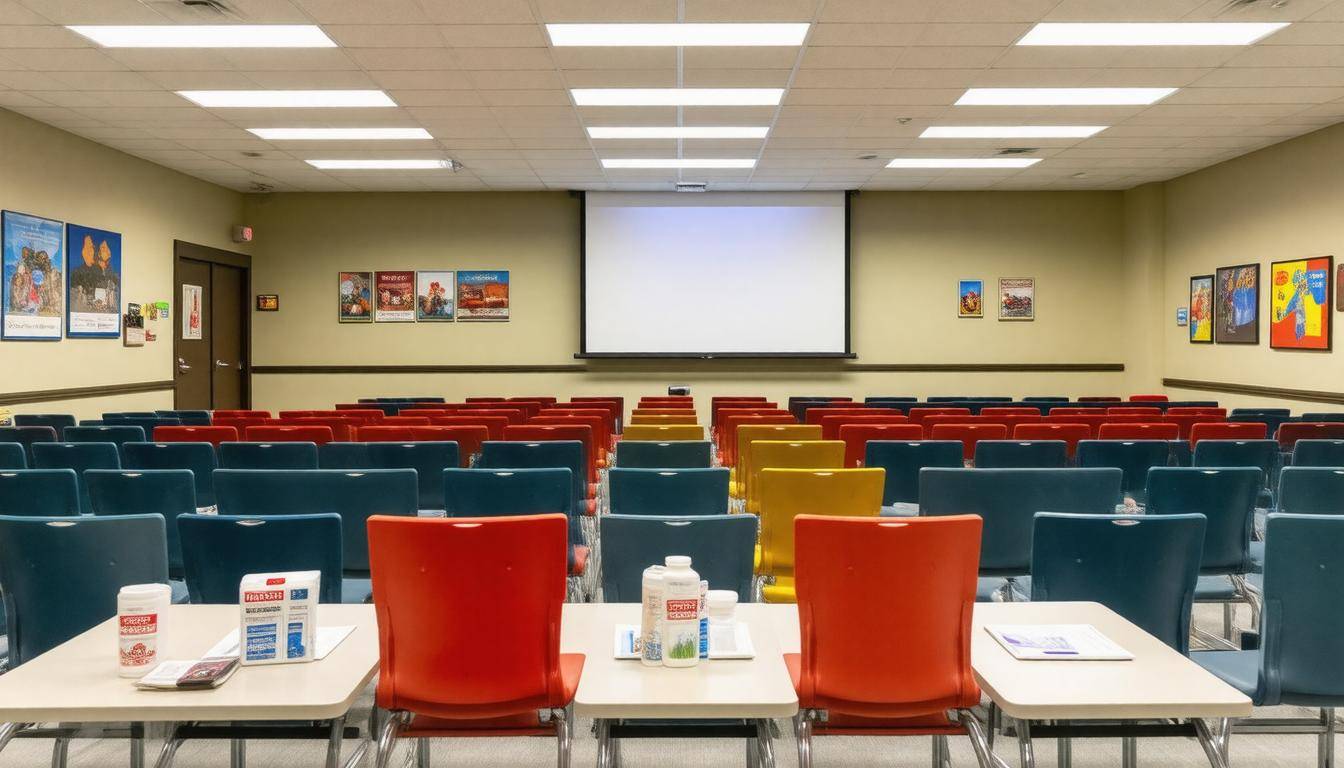
Planning Your Community Emergency Drill
Proper planning is indeed the cornerstone of any successful community emergency drill. It creates the framework that ensures everyone understands their roles and responsibilities. To get started effectively, you must first define clear objectives. Take a close look at what you want to accomplish during this drill. The objectives can vary widely, depending on the unique needs of your community. For example, if your neighborhood faces frequent wildfires, focusing on evacuation procedures might be paramount. However, if flooding is a pressing concern, you might prioritize testing different emergency communication channels to ensure every member of your community can remain informed.
With these objectives laid out, the next significant step is to gather resources necessary for the drill’s success.
Step II – Gather Resources
Identifying resources is crucial; without them, your drill could flounder before it even gets off the ground. This may include first aid kits, communication devices—like radios or cell phones—and personal protective equipment to ensure safety during emergencies. It’s beneficial to brainstorm with local leaders, volunteers, and responders to compile a list of essential items needed for comprehensive training. According to the National Safety Council, being well-prepared with these resources can significantly reduce response time by up to 50%. Consider how powerful that can be during actual emergencies; therefore, take time now to focus on what equipment and materials will ensure your community feels secure.
Once you have gathered all necessary resources, it’s time to handle one of the most important logistical aspects: determining when to conduct the drill.
Step III – Set a Date and Time
Scheduling the drill at a convenient date and time is vital for ensuring high participation rates. Look for times that accommodate most residents’ schedules, like weekends or early evenings. However, be cautious not to choose holidays or coincide with other community events that might divert attention from your drill. It’s always best to announce the date well in advance—at least 2 to 4 weeks prior—to build anticipation and encourage maximum attendance.
After selecting an appropriate date and gathering resources, you’re halfway done! The next phase involves developing your scenario for the drill, requiring careful thought and consideration tailored specifically for your community’s needs.
Identifying Participants and Groups
When preparing for a community emergency drill, it’s essential to know exactly who will participate. Identifying potential groups is not just a checklist; it’s about weaving together the fabric of your community. Consider the diversity of your neighborhood, ensuring representation from different demographics. Include local families, schools, businesses, emergency services, and community organizations like youth groups or faith-based initiatives. A well-rounded participation enhances both the effectiveness of the drill and fosters lasting bonds among residents.
Categories of Participants
| Group | Role/Responsibility |
|---|---|
| Residents | Evacuation Procedures |
| Local Businesses | Shelter and Supply Coordination |
| Schools | Safe Zones for Children |
| Emergency Services | Primary Response and Support |
| Volunteers | Crowd Control and First Aid |
Each group brings unique strengths to the table. Residents are often the first responders in their own right. Training them on evacuation procedures ensures that everyone knows how to act swiftly during an emergency. Local businesses can play a pivotal role by offering shelter and supplies, which could mean the difference between chaos and order when disaster strikes.
Moving on to schools: they serve as critical hubs in any community with designated safe zones for children during emergencies. Mixing education with preparedness ensures that students understand what to do. Pairing this with involvement from emergency services amps up your drill’s professionalism, providing insights from trained personnel who know how to respond effectively.
And don’t underestimate the volunteers! They can provide invaluable support in roles like crowd control or first aid—alleviating pressure from professional responders.
By categorizing participants effectively, you build a collaborative network where each entity understands its role and responsibility, ensuring that when disaster strikes, everyone is prepared and capable of responding efficiently—a fortified community standing strong together.
As we transition to exploring ways to craft realistic experiences for these drills, we’ll dive into the elements that shape impactful scenarios.
Designing the Scenario
Step I – Identify Potential Hazards
Start by thinking about the challenges your community is most likely to encounter. This should revolve around the unique geographical and social makeup of your area. For instance, if you live in a region prone to wildfires, you would prioritize drills focusing on fire evacuation plans.
Alternatively, those in coastal communities may want to consider scenarios involving hurricanes or flooding. The aim here is to create urgency and relevance—after all, when participants believe they could genuinely find themselves in such predicaments, they’re more likely to engage earnestly during the drill.
Remember that variety is key; tapping into multiple potential hazards will help keep your community prepared for whatever may come.
Step II – Develop a Script
Once you’ve identified plausible scenarios, take the next step by drafting a script that details how the drill will unfold. This script should be intricate enough to guide participants through each stage of the simulation while leaving room for improvisation. You might start with a typical morning announcement about an impending storm—something simple to set the tone but powerful enough to grasp attention.
Incorporating specific emergency signals reinforces the seriousness of the drill. Consider using audible alarms, text alerts, or even radio broadcasts as initiation cues for different phases of your scenario. You want participants to feel that they are part of an authentic response exercise rather than just a classroom activity.
To further enhance realism, mix in unexpected events during the script—perhaps a staged gas leak that prompts quick evacuation or a sudden electrical outage that necessitates backup communication plans. These surprises can illustrate how quickly situations can evolve and test adaptability among participants.
With these elements in place, it’s crucial to prepare everyone involved to ensure smooth execution of the drill. As we focus on refining the organization of these exercises, attention must then turn towards incorporating first responders and local agencies into the planning process.
Engaging First Responders and Agencies
Involving local first responders and emergency agencies is essential for organizing effective community emergency drills. This partnership not only adds a layer of realism but also ensures that the training adheres to best practices laid out by professionals in the field. By engaging these vital services—such as fire, police, and medical teams—you open a channel for resources, expertise, and feedback that significantly enhances the drill experience and readiness of your community.
To kick things off, it’s important to reach out to your local agencies early in the planning process. Begin with a simple phone call or an email to introduce your initiative and express your desire to collaborate. These initial interactions can set a positive tone for ongoing communication. More importantly, by building this relationship, you allow responders to share their insights on specific hazards unique to your area, which can be instrumental in designing scenarios that reflect real-life emergencies.
“Collaborating with emergency services made our community drill much more effective,” says Jane Doe, a dedicated community organizer.
As you coordinate with first responders, consider forming an advisory committee comprising representatives from each agency. This collaborative approach strengthens ties within the community and fosters a Culture of Preparedness. Here’s how it works: agency representatives can help guide the planning stages and provide input on safety protocols and communication methods. This ensures that everyone involved understands each other’s roles and capabilities before drills begin.
Additionally, make it a priority to establish clear channels of communication. Outline methods such as radio protocols or text messaging systems designed specifically for emergencies. This structured approach allows all participants to stay connected during both drills and actual emergencies. It’s simple yet extremely effective for fostering coordinated responses on the ground.
With first responders engaged and the foundational groundwork established, it’s now time to transition into defining specific functions within your preparedness framework to ensure seamless collaboration among all participants.
Assigning Roles and Responsibilities
Clear role definition is not merely a formality; it’s a cornerstone of effective emergency response drills. When everyone in the team understands their specific duties, the chaos that can arise in an emergency scenario can be greatly minimized. The roles should leverage individual strengths, ensuring each participant feels confident and capable.
Clear Role Definition
-
Drill Coordinator: This individual has the vital task of overseeing the drill from start to finish. Think of them as the conductor of an orchestra; they ensure every part works cohesively to create a well-synchronized performance.
-
Team Leaders: These heads of various groups take charge of specific tasks. Whether it’s communication, medical aid, or logistical support, their leadership ensures things run smoothly within their designated areas.
-
Observers: While not directly involved in the action, observers have a critical role in monitoring what unfolds and providing feedback post-drill. Their insights can serve as valuable lessons for future exercises.
It is paramount to distribute a clear outline of responsibilities well ahead of the drill. This step allows participants to mentally prepare for their roles, reducing uncertainty. Additionally, conduct a briefing session on the day of the drill. This meeting is your opportunity to clarify any doubts and ensure that everyone understands both their individual and collective objectives.
Setting clear roles fosters accountability and confidence among participants, ultimately leading to a more effective drill. By assigning these positions with care and consideration, you pave the way for streamlined operations when it’s time to put plans into action.
Executing the Drill
Execution of the drill demands meticulous attention to detail, as this is where all the planning comes to life. The goal is not just to follow a script but to create an authentic environment that simulates real-life emergency situations. To do this effectively, you want each participant to fully embrace their roles and responsibilities while maintaining focus on learning and preparedness throughout the exercise.
Step I – Briefing Session
Before any action begins, gather all participants for a thorough briefing session. This is a chance to review everyone’s assigned roles, reiterate the project’s objectives, and go over critical safety procedures. It’s essential here to emphasize that this drill should be treated with the same seriousness as a real emergency event; participants should mentally prepare for what they might face.
Consider using engaging visuals or props during this briefing to highlight key protocols and expectations; it helps capture attention and improves retention of information.
With roles clearly outlined and everyone on the same page, it’s time to prepare for the main event—initiating the scenario.
Step II – Initiate Scenario
When you initiate the scenario, use pre-agreed signals such as a siren blast or text alert to kick things off. This clear signal ensures everyone understands that the drill has officially begun and transitions them quickly into action mode. It’s critical that actions unfold in accordance with your detailed script developed during planning stages, as this preserves the integrity of the exercise. Each movement should mimic what would happen in a real emergency, so encourage participants to act swiftly but thoughtfully, communicating constantly among themselves.
Throughout the drill, maintain observant supervision; trainers and team leaders should circulate among participants to offer guidance, ensuring that everyone remains engaged and adheres to their roles. Frequent communication can illuminate challenges that might arise unexpectedly during the drill, providing valuable insights for future scenarios. After executing various steps in your emergency plan—whether it’s performing first aid, evacuating individuals, or conducting search operations—participants should become more adept at managing high-pressure situations.
After successfully initiating the scenario, don’t forget to focus on debriefing; it is just as crucial as execution itself.
Post-Drill Debriefing
Following the conclusion of the drill, conduct a debriefing session, giving participants a chance to reflect on their experiences. This allows for discussion of what worked well and what could be improved. Utilize participant feedback alongside your observations to hone future drills. Studies indicate that 75% of participants report feeling better prepared after structured debriefs, reinforcing learning outcomes from these exercises.
Well-executed drills coupled with effective debriefings culminate in a community that’s not only trained but one that feels empowered and ready for emergencies.
As we shift our focus now, it’s important to analyze how well these practices translate into tangible results within your community’s preparedness efforts.
Evaluating Performance

Evaluation plays a pivotal role in discerning the effectiveness of community emergency drills. By assessing what went well and identifying areas needing enhancement, you position your community for better preparedness in real emergencies. It’s important to utilize a mixture of evaluation methods to assess this effectively. Simply relying on one source of feedback can leave gaps in understanding, while combining different strategies provides a fuller picture.
Direct observation during the drill offers immediate insights. Observers can note participants’ reactions and team dynamics while they navigate various scenarios. Gathering participant feedback forms directly after the drills creates an open channel for sharing experiences. Constructive comments from those involved provide valuable information. Many individuals may feel more comfortable writing down their thoughts rather than voicing them aloud during a debriefing. Educators and trainers often find that this anonymity encourages honesty.
Interestingly, incorporating video recordings into the evaluation process can significantly enhance learning retention. Research indicates that video feedback increases retention of lessons learned by 40%. This means that not only do participants witness their actions during the drill, but they also have the opportunity to reflect on crucial aspects like teamwork, communication, and individual performance.
Following these evaluations, you can engage everyone in a constructive debriefing session. This isn’t just a meeting; it’s an essential opportunity to discuss findings collectively and brainstorm improvements. Fostering a positive environment during these dialogues—where every opinion is valued—encourages ongoing participation and commitment among community members. After all, when everyone feels heard, they are more likely to be involved in future preparations.
Evaluating performance in these ways ensures that communities grow stronger together by building upon prior experiences. It encourages proactive change and fosters a culture of preparedness as everyone learns to adapt based on collective insights and discussions derived from each drill experience.
This focus on evaluation lays the groundwork for implementing enhanced techniques, ensuring future exercises are even more effective.
Improving Future Drills
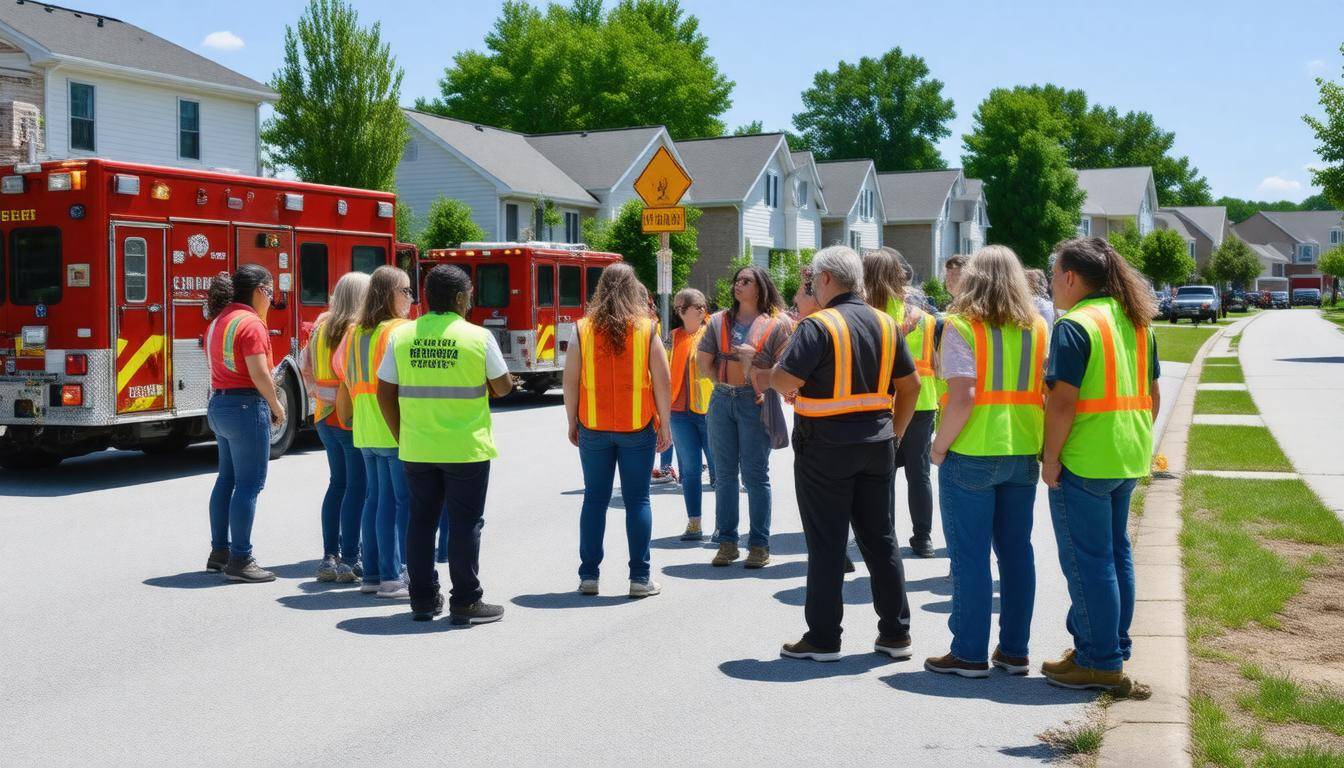
The main objective behind running emergency drills is to refine and enhance community preparedness. The iterative nature of these events means that your community should be getting more adept at handling emergencies with each drill. Collecting feedback becomes crucial; it reveals what worked, what didn’t, and where there’s room for growth. For instance, you may discover that communication was sluggish or that evacuation routes were too congested. By tackling these issues, you’re laying the groundwork for a smoother process in future situations.
Involving community members in this feedback loop not only makes them feel part of the solution but also brings forth invaluable insights. This could lead to a more thorough understanding of how specific challenges affect varying demographics within your neighborhood.
Moving forward, consider integrating these lessons directly into the design of your next drills. Implement realistic scenarios based on the feedback you’ve received. If participants have voiced concerns about inadequate information flow during emergencies, simulate situations that put communication skills to the test. Run through radio check procedures or role-play various emergency response messages. This not only reinforces critical skills but fosters camaraderie among participants, leading to heightened engagement.
Finally, never overlook the power of technology in enhancing future drills. Whether utilizing mobile apps for real-time notifications or employing virtual reality simulations for training scenarios, incorporating tech can significantly boost participation and retention rates during drills. Studies indicate that communities employing technological tools experience greater engagement levels compared to those who don’t. When participants feel they have access to innovative resources, they’re more likely to interact meaningfully with the preparation process.
Improving future drills is less about what went wrong and more about seizing opportunities to learn and adapt. Gather insights actively, make adjustments, leverage technology, and continue refining the experience for your community—after all, when everyone’s more prepared, everyone benefits.
The journey toward effective community preparedness is ongoing and intertwined with collective effort, learning, and resilience. Embrace each drill as an opportunity to build a stronger foundation for safety and awareness.