
When disaster strikes, having a reliable way to communicate can mean the difference between confusion and coordinated action. Think of a time when your cellphone was dead or the power went out—how would you reach out to your family or neighbors in an emergency? This article is all about setting up a Community Emergency Radio Network, a powerful tool for ensuring everyone stays connected when other channels fail. With nearly 70% of communities lacking effective communication strategies in times of crisis, it’s crucial to understand how radios can transform safety efforts before, during, and after emergencies. Let’s dive into the steps involved in creating a system that could save lives and keep your community informed.
Setting up a Community Emergency Radio Network involves assessing your community’s communication needs, selecting appropriate equipment such as VHF or UHF radios, and establishing a structured plan for training and engagement with community members. It’s essential to incorporate repeaters for extended range and to conduct regular drills to ensure everyone is familiar with the procedures in case of an emergency.
Overview of Emergency Radio Networks
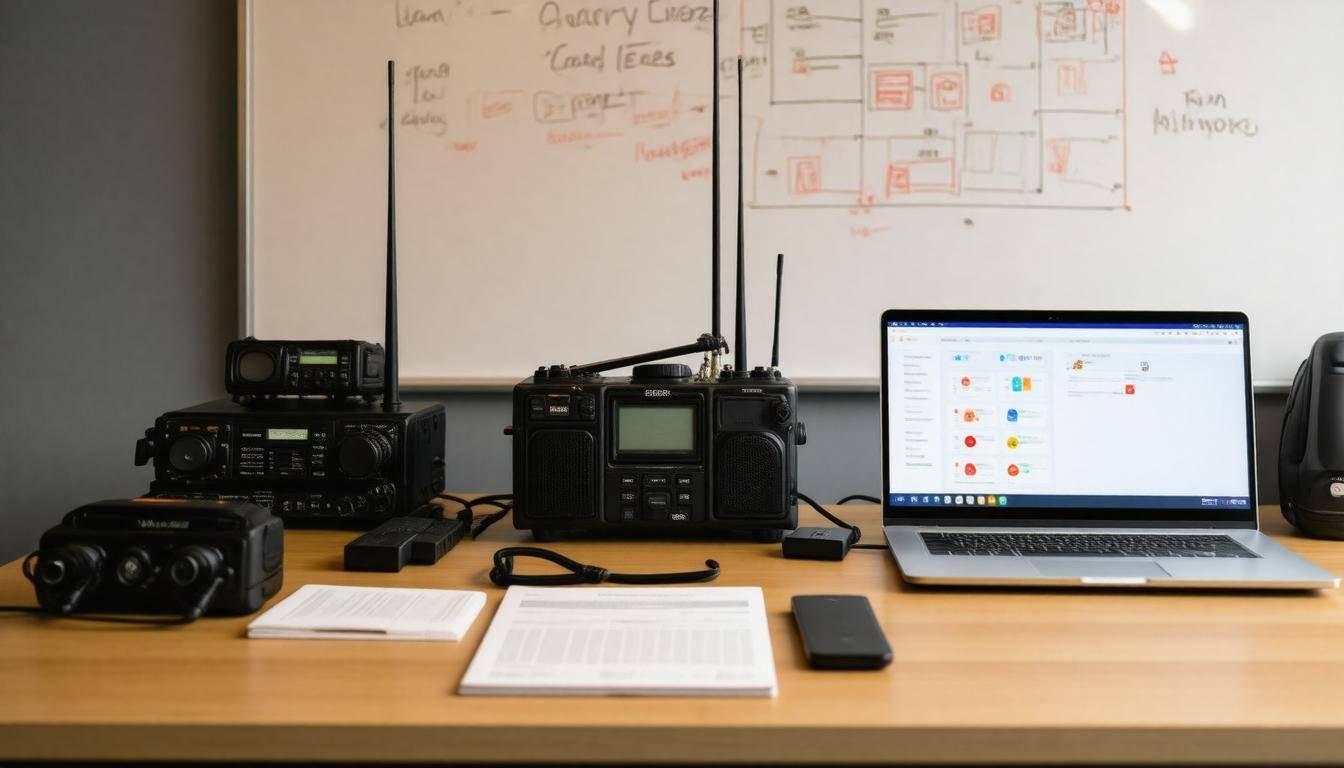
An emergency radio network is more than just a collection of radios; it’s a robust communication system designed to provide reliable connections when all else fails. Built to withstand crises like natural disasters or widespread power outages, these networks mainly utilize amateur (ham) radio or General Mobile Radio Service (GMRS) technologies. These systems are often favored for their versatility and proven effectiveness in emergency scenarios.
A defining characteristic of an emergency radio network is its focus on ensuring consistent, uninterrupted communication during times of crisis. This element is crucial because traditional methods—like cellular networks or landlines—often falter when communities need them most. By bypassing these systems entirely, emergency radio networks can maintain connections even when everything else has failed. Communities must recognize the necessity of such setups; surprisingly, nearly 70% of communities lack a well-defined communication strategy for emergencies.
The benefits of having an emergency radio network extend far beyond mere convenience. In the throes of a disaster, every second counts. A well-functioning network enables rapid dissemination of vital information—whether it’s alerts regarding rising floodwaters, shelter locations, or evacuation orders. Moreover, these networks foster coordination among local agencies and volunteer organizations, creating a unified response effort that can effectively manage crises. Historical events, such as Hurricane Sandy in 2012, underscore this point; during that event, amateur radio operators served as critical liaisons to emergency services, relaying essential information when conventional channels collapsed.
It’s almost amusing—and quite tragic—how quickly our modern conveniences become burdens in times of crisis. An over-reliance on smartphones can leave people stranded without communication if they cannot access the internet or cellular signal.
With this understanding of emergency radio networks and their significant role during crises established, we can now explore how effective communication is not just beneficial but essential for survival in dire situations.
Importance of Communication in Emergencies
Communication during emergencies is the linchpin of effective disaster response and management. The ability to transmit vital information quickly and clearly can be the difference between chaos and order. For example, when hurricanes or wildfires loom, timely updates on evacuation routes, shelter locations, and safety procedures must reach every member of the community. The faster residents receive these updates, the more efficiently they can respond, ensuring their safety and well-being.
The Role of Communication
According to FEMA, lack of communication is a major obstacle during rescue missions. When coordination falters among response teams and information fails to reach civilians, chaos often ensues. Efficient communication enhances rescue operations significantly. A well-structured emergency radio network supports first responders in relaying vital updates about resource necessities or shifts in tactics based on real-time conditions.
By acting as an organized channel for information, community emergency networks can guide residents away from danger while facilitating coordinated efforts among firefighting teams or search-and-rescue units. Such coordination was showcased during the California wildfires, where dedicated communication channels allowed fire crews to strategize effectively while keeping the public informed about imminent threats.
Psychological Benefits
But it’s not only practical information that makes communication vital; it has profound psychological benefits too. When emergencies strike, the initial reaction for many is fear and uncertainty. That heightened panic can lead to detrimental decisions—like fleeing into danger or ignoring warnings entirely. However, knowing there is a reliable channel for updates helps instill calmness in communities.
Research shows that effective communication systems can lead to a 30% reduction in panic behavior. This fact emphasizes the role of preparation: training community members to trust these channels means they are more likely to remain calm and take appropriate actions as directed by local authorities. In stressful situations, having established methods for contacting family members and receiving information contributes significantly to reducing anxiety levels.
Developing solid communication networks within a community streamlines operations while reinforcing a culture of preparedness. As we move forward, it’s essential to explore the specifics of selecting and configuring suitable radios for effective emergency communication.
Choosing and Setting Up Radios
Selecting the right radios is crucial for ensuring that your community can communicate effectively during emergencies. The first step is to assess your needs by taking an inventory of your community. Consider the size and geography of your area, as these factors dictate the range and type of radios needed. For example, in sprawling urban landscapes, a more robust system such as ham radios equipped with UHF and VHF capabilities might be necessary. In contrast, smaller towns or rural areas may find GMRS radios sufficient, offering flexibility and ease of use without the licensing complexities.
Step I – Assessing Your Needs
Start by determining how far apart your community members might be during an emergency. Are they scattered across a wide area or concentrated in one location? Understanding this layout helps you decide on the appropriate radio types. If most members tend to be within a 1-5 mile radius, GMRS radios can be an excellent choice due to their straightforward setup and operation. Conversely, if you need to reach out over several miles, upgrading to higher-powered ham radios may provide the range and reliability essential under stress.
Next up is selecting the actual radios.
Step II – Selecting the Radios
Look for radios like the Baofeng UV-5R for ham systems—it’s versatile and affordable—or the Midland GXT1000VP4 for GMRS networks. These models are popular not just for their reliability but also for their capacity for extensive communication in emergency settings. A crucial specification to keep in mind is power output; it’s generally recommended that you opt for radios with at least 5 watts of power to ensure effective transmission over long distances.
Here’s a quick overview of different radio types:
| Radio Type | Typical Range | Power | License Requirement |
|---|---|---|---|
| GMRS | 1-5 miles | 1-5 W | Yes |
| Ham (VHF) | 5-20 miles | 5-50 W | Yes |
| Ham (UHF) | 1-5 miles | 1-5 W | Yes |
Once selected, these devices play a vital role in maintaining seamless communication when traditional networks fail.
Having chosen which radios to use, we can now focus on another important element: the setup of repeaters.
Step III – Setting Up Repeaters
Repeaters are pivotal in increasing the range of your communication network. By picking locations like rooftops or elevated hills where signals can travel unimpeded, you can significantly enhance performance. This ensures messages are transmitted clearly over greater distances, amplifying effectiveness during widespread crises. Not only does this extend coverage within your community, but it also provides reassurance that help is always within reach.
With your radios selected and repeaters positioned, attention turns to developing a solid plan to ensure everyone knows how to operate their equipment effectively when challenges arise.
Creating a Communication Plan
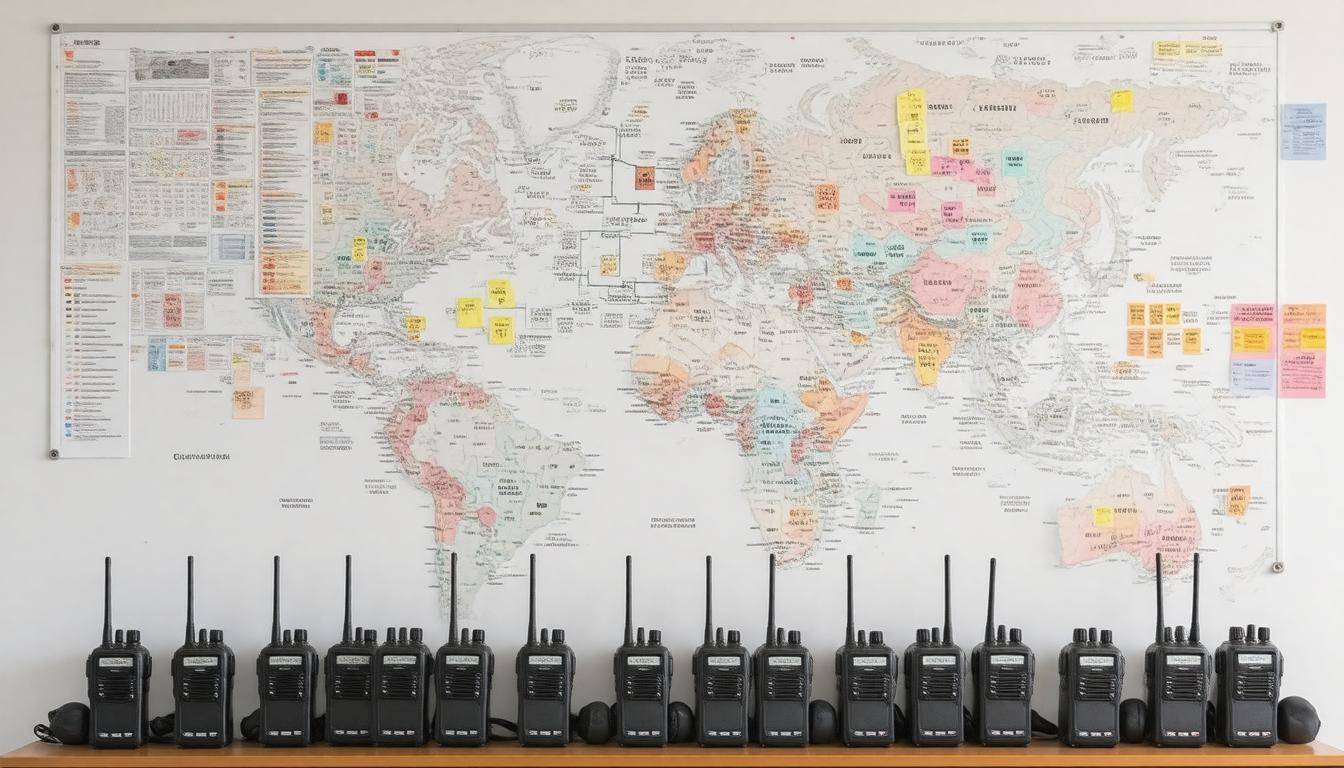
Developing a comprehensive communication plan is crucial for maximizing the effectiveness of your community’s emergency response. Think of it as the blueprint that will guide you through urgent situations where every second counts. It isn’t just about having radios; it’s about knowing how to use them effectively and efficiently.
Step-by-Step Guide
Start by assigning roles within the communication team. Every volunteer or member needs to have a clearly defined responsibility, ensuring accountability and swift action during emergencies. You might designate primary operators responsible for direct communications, backup operators in case the primary ones are unavailable, and information coordinators to relay messages to the public. Each person should feel confident in their task, allowing for cohesive teamwork under pressure.
With roles determined, we move on to the next critical element: establishing communication protocols.
Step II – Establishing Communication Protocols
Every good plan requires a set of protocols that dictate how your community communicates during emergencies. You want these protocols to be clear and concise, avoiding complications or jargon that can confuse people in tense situations. For instance, assign specific frequencies not only for emergency distress calls but also for coordination among responders and public announcements. By doing this, everyone knows exactly where to turn for different types of communication, minimizing confusion and maximizing efficiency.
Remember, practice simplifies execution. The more familiar everyone is with the protocols, the quicker they will respond in an emergency.
Once you’ve established these protocols, it’s essential to regularly conduct drills.
Step III – Conducting Drills
Regular practice significantly improves your chances of effective communication during actual emergencies. Organize periodic drills that mimic potential crisis scenarios so everyone becomes comfortable using the radios and adhering to the established protocols. The aim here is to familiarize each participant with their roles and communication strategies without the pressure of a real emergency—because adrenaline can make even clear-headed folks forget crucial details when panic sets in.
According to research, communities that dedicate time to conduct drills find they are 90% more likely to have effective communication when real emergencies occur. This statistic underscores how invaluable practice can be. These simulations build confidence and ensure every team member knows what to do when it truly matters.
Creating a well-structured communication plan involves detailing responsibilities and developing clear channels of communication—preparing your community for successful responses when adverse situations arise will require ongoing vigilance and engagement.
Operating the Emergency Radio Network

Daily operations of your emergency radio network should not only be straightforward but also systematic to ensure a seamless flow of communication during critical times. A great starting point is establishing a clear monitoring schedule. This ensures that at least one operator is always ready to respond, even during quiet times. The idea is to create shifts among community members—perhaps two or three hours per shift—so coverage extends over 24 hours a day. By dividing responsibility among volunteers, you are reducing individual workloads and involving more people in this essential safety initiative.
Moving forward, it’s vital to consider best practices for operating efficiently and effectively.
Basic Operations
Having a monitoring schedule is merely the groundwork for an effective operation; consistently logging communications proves invaluable too. Whether it’s noting regular check-ins or any unusual activity, maintaining these records aids in future planning and response strategies. Doing so allows you to understand usage patterns, identify potential gaps in your system, and analyze areas needing improvement after emergencies have passed.
Consider giving each operator a simple log sheet or a shared digital document where they can easily jot down essential details, like the time of communication, who was involved, and the information transmitted. This habit reinforces transparency and keeps all operators informed about prior communications.
Additionally, preparation for unexpected power outages cannot be overlooked. Ensure that all radios are equipped with backup batteries and additional power sources so they remain functional when everyone else is left in the dark. In emergencies—think storms, wildfires, or other natural disasters—power may cut out unexpectedly. A proactive approach significantly enhances reliability.
Beyond basic operations, understanding certain operational tips will further bolster your community’s preparedness.
Operational Tips
Another useful tip is organizing regular training sessions for your operators. Engaging with the equipment through hands-on experience builds confidence. Operators should be familiar with not just the on-off buttons but also advanced features such as emergency channels or setting up repeaters if needed.
Now imagine your operators needing to relay crucial information during a crisis; being well-versed in their tools can mean the difference between success and failure in communication efforts.
Moreover, always ensure that every radio has been tested within its expected operational range. Connecting with neighboring communities enhances collaborative efforts during larger emergencies when extending help might be necessary. As different communities may share similar capabilities, good relationships can lead to improved outcomes when things get tough.
Establishing this foundational framework prepares your community for the next critical step: selecting the right equipment for effective communication.
Equipment Recommendations
The right equipment can truly make or break your emergency radio network. Imagine a scenario: a massive storm is approaching, and you need to communicate promptly with your community. In moments like this, having dependable radios and accessories ready for use can make all the difference between chaos and effective emergency management.
Recommended Radios
When selecting radios, several options are available depending on budget and needs. First off, the Baofeng UV-5R stands out as a favorite for newcomers. Not only is it affordable, but it also packs features that won’t intimidate someone just getting their feet wet in radio communications. Users appreciate its simplicity and solid performance.
Following this, the Yaesu FT-60R is another fantastic choice for those who want to dive deeper into amateur radios. It is robust and offers advanced functionalities that serious operators might be looking for as they build their skills. It’s highly durable and ideal for extended use during critical situations.
Lastly, consider the Midland GXT1000VP4, which focuses on GMRS (General Mobile Radio Service) usage. One of the best parts? You can operate it without requiring a license, making it accessible to a wider range of community members eager to stay connected.
As you navigate these options, it’s essential to select a radio that meets your immediate needs but also has room for growth if your group decides to expand its capabilities down the line.
Other Essential Equipment
Beyond radios, important accessories enhance your communication efficiency during emergencies. Extra batteries are essential; they ensure your devices remain operational when you need them most. Investing in external antennas can significantly boost your range, allowing you to reach farther distances effectively.
Another highly recommended accessory is hands-free headsets. With these in place, users can communicate seamlessly while freeing up their hands for other essential tasks. Picture coordinating efforts while attending to children or managing supplies—having both hands available could really change the game.
Many users attest to the effectiveness of the Diamond X50 antenna in extending transmission ranges significantly, creating an invaluable resource for those who need reliable communication over longer distances.
With the right tools at hand, you’re taking the first crucial steps toward achieving effective communication during crises. As we shift focus now, maintaining these systems and training effectively will be vital in ensuring preparedness within your community.
Maintenance and Training
The importance of scheduled maintenance cannot be overstated; a seemingly insignificant issue during a critical moment can spell disaster when seconds count. Ensure that you allocate time each month for thorough checks of your equipment. This means inspecting radios for functionality, cleaning them to remove dust particles that may interfere with performance, and looking for any signs of damage like frayed wires or loose connections. A well-maintained radio will not only operate more efficiently but can also prevent unnecessary accidents during emergencies where clear communication is paramount.
Monthly Equipment Checks
- Check Batteries: Ensure all batteries are charged and replaced as necessary.
- Verify Signal Strength: Test communication range regularly by performing checks with various team members.
- Inspect Antennas: Look for signs of wear and ensure they’re securely attached for optimal signal capabilities.
Transitioning from maintenance, it’s essential to recognize how critical training sessions will empower community members to utilize the equipment effectively.
Training
Organizing regular training sessions further solidifies the effectiveness of the communication network created through these efforts. Aim for quarterly training sessions where members can assemble together. During these meetings, practice proper radio communication techniques, such as using clear and concise language while acknowledging transmissions with simple affirmations like “Copy that.”
This style of focused practice helps everyone feel competent and confident in their abilities to utilize communication tools when it matters most.
Planning ahead enables future communications under novel circumstances, preparing individuals to troubleshoot common issues independently—as familiarity breeds efficiency in high-pressure situations.
In addition to problem-solving skills, conducting emergency drills once every six months simulates real-life scenarios. Within these drills, each participant can test the communication plan’s effectiveness. You’ll want to introduce variations to keep everyone on their toes: mimicking poor reception, power loss, or environmental obstacles like heavy rain can all affect signal quality and response times in the field.
Finally, if there’s a specific document detailing procedures and troubleshooting strategies, make sure it’s readily accessible to all community members. Such manuals serve as quick reference guides and help maintain consistency among team members who might be less experienced with radio operations.
By prioritizing both regular maintenance and proactive training sessions, you set the stage for essential radio communications during critical times, guiding us toward understanding the regulatory aspects that accompany radio usage in emergencies.
Legal Considerations for Radio Use
When stepping into the world of communication systems, especially during emergencies, having a solid grasp of legal requirements is not just smart—it’s essential. Understanding the legal aspects of using radios can help you avoid hefty fines while ensuring the safety and efficiency of your network. In the U.S., there are specific laws governed by the Federal Communications Commission (FCC) that you must adhere to, which includes obtaining the right licenses for your equipment.
For example, if you’re looking to use General Mobile Radio Service (GMRS), you’ll be pleased to know that acquiring a GMRS license is relatively straightforward. The license is valid for ten years and costs around $70. This type of radio service is user-friendly, making it ideal for community setups aimed at maintaining communication during emergencies.
On the other hand, if you seek to utilize ham radios, hold onto your hat! The licensing process is more involved and requires passing an exam. While this may seem daunting, it ensures that operators have a solid understanding of radio usage and compliance with FCC regulations.
Overview of License Requirements
| License Type | Validity | Cost | Examination Required |
|---|---|---|---|
| GMRS License | Ten years | Approximately $70 | No |
| Ham Radio License | Ten years (with renewals) | $15 to $30 for tests | Yes |
Remember, acquiring these licenses is not merely bureaucratic; it’s about promoting responsible use of communication equipment that could be crucial in life-or-death situations.
Ensuring legal compliance goes beyond just obtaining a license; it also entails operating within the correct frequencies allocated for your service. Operating outside these designated ranges can lead to interference with other essential communications or even legal repercussions from the FCC.
While GMRS frequencies are more user-friendly and suited for general public use, ham radios offer greater operational flexibility but demand adherence to stricter compliance with FCC rules.
By ensuring you are both adequately licensed and compliant with frequency regulations, your community will be better prepared in times of crisis—ready to communicate effectively without any unnecessary hiccups caused by legal missteps.
In building a Community Emergency Radio Network, your attention to legal details not only enhances safety but also fosters a culture of responsible communication. The thoughtful preparation you invest today will pay dividends tomorrow when every second counts during emergencies.