
Joining a Community Emergency Response Team (CERT) is not just about gaining skills; it’s about stepping into a role of purpose during critical times. Whether it’s a natural disaster or an unexpected emergency, having trained individuals ready to lend a hand can make all the difference. Imagine being part of a team that not only prepares for emergencies but actively participates in helping your community when it matters most. It’s an opportunity to learn valuable skills—like first aid and disaster response tactics—while forging friendships with others who share your commitment to safety and support. Through this guide, we’ll explore the steps to join a CERT, highlighting how your involvement can enhance both personal growth and the resilience of your entire community.
To join a Community Emergency Response Team, you typically need to complete an introductory training course offered by your local CERT program, which covers basic emergency response skills and team organization. After completing the training, you may need to participate in additional exercises or volunteer opportunities to become an active member of the team.
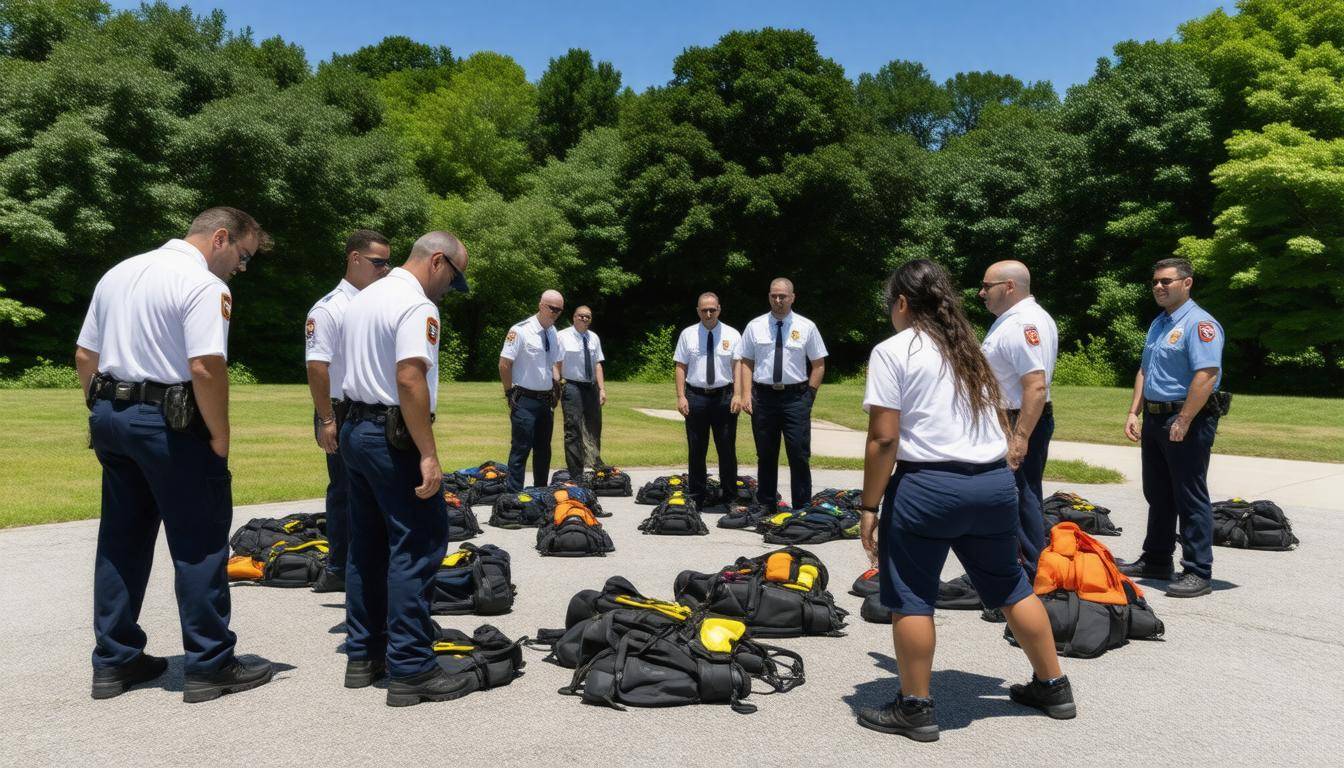
How to Join a Community Emergency Response Team (CERT)
Step-by-Step Guide to Joining a CERT
Step I – Research and Identify Local Programs
Begin by researching local options for Community Emergency Response Teams. This initial phase is crucial; your local emergency management office can often provide firsthand details about available programs. Online platforms like FEMA’s official website offer comprehensive information that can help guide you toward the right team, including specifics about program sizes and their operational focus within your community.
Once you’ve gathered this information, you’ll want to proceed by making initial contact with the team.
Step II – Contact Your Local CERT Coordinator
Reaching out to your local CERT coordinator is the next logical step. You can do this via email or phone—whichever feels more comfortable for you. Expressing your interest allows them to inform you of upcoming training sessions and any prerequisites that might be necessary. These coordinators are typically enthusiastic about welcoming new members, so don’t hesitate! Your inquiry will signify your commitment to supporting your community during emergencies.
With the coordinator’s guidance, you’re well on your way to joining.
Step III – Register for Training
The registration process will often require filling out paperwork specific to your local CERT program. This may include consent forms, background checks, or health screenings designed to ensure the safety of all participants. Take care to read through these documents carefully; they usually outline important policies regarding confidentiality and conduct during training.
Once your registration is completed, it’s time to prepare for orientation.
Step IV – Attend Orientation
Many CERT programs kick things off with an orientation session. This initial meeting gives you invaluable insight into what training will entail and allows you to meet fellow volunteers who share a similar goal—to help others in times of crisis. It’s an excellent opportunity not just for networking but also to clarify any questions or concerns you may still have. Engaging in discussions here can bolster your comfort level as you embark on this journey.
Following orientation, you’ll be ready for the core of the experience: training.
Step V – Complete the CERT Training
The heart of your CERT journey consists of training that typically spans 20 to 30 hours and combines both classroom instruction and hands-on activities. This immersive experience is thoughtfully structured over several weeks, providing ample time to absorb critical skills like first aid, disaster response tactics, and basic firefighting techniques. The training not only equips you with practical skills but also builds camaraderie among team members as you train together. Envision yourself practicing how to care for injured individuals or coordinating evacuation plans—it’s empowering!
With every session attended, you’re one step closer to being part of a crucial support network when it matters most.
As you navigate this enriching process, it’s vital to discover where these teams operate within your locality so that you can seamlessly integrate into the field.
Finding Local CERT Programs
Finding a local CERT (Community Emergency Response Team) program can feel daunting at first, but it’s manageable if you take it step-by-step. The internet is an invaluable tool that opens the door to a wealth of information about local programs and how to get involved. A smart first stop is the FEMA website, which hosts a feature called the “Find a CERT” tool. This user-friendly resource allows you to enter your state and view a list of available programs. It provides details about different teams and essential contact information.
Connecting with these programs directly can help answer any specific questions or concerns you may have before fully committing.
Moving from the virtual world to physical spaces, it’s also vital to check out your local government websites.
Visit Local Government Websites
Many city or county emergency management departments have dedicated pages for their CERT programs. These pages often contain crucial information such as class schedules, locations, and contact details for team leaders or coordinators. Visiting these sites gives insight into when training sessions are held and what kind of commitment might be expected from participants.
Additionally, these websites often highlight upcoming community initiatives where CERT members will be involved—this gives you a chance to see the program in action before joining.
However, if these online searches don’t yield the access you need, there’s another effective approach.
Attend Community Events
Attending local fairs, safety demonstrations, or neighborhood meetings can be one of the most engaging ways to connect with your local CERT team. These events frequently feature booths or presentations by CERT representatives eager to share their experiences and expertise. Getting face time with current team members not only allows you to ask direct questions but can also offer valuable insights about what being part of CERT entails.
You might hear stories that underline the difference local teams have made in real emergency situations, sparking further interest and enthusiasm for participation.
By combining online resources with active community involvement, discovering a local CERT program transforms into an enriching experience that connects you with your neighbors in meaningful ways. Next, we explore what makes membership in such organizations truly rewarding.
Benefits of Becoming a CERT Member
The benefits of joining CERT extend far beyond just preparedness training. Members often experience personal development that enhances their confidence and skills in emergency situations.
As a prime example, consider John, a CERT volunteer in Oregon, who has shared that his involvement has instilled in him a heightened sense of personal safety and community awareness. He now feels empowered to confront emergencies, whether they occur at home or within the wider community. This shift in mindset is crucial; it’s about cultivating a readiness that translates into an everyday lifestyle of awareness and engagement.
In addition to personal growth, being a part of CERT offers tangible benefits that ripple through your community as well.
Community Impact
Being part of CERT means actively contributing to the safety and resilience of your community during disasters. When emergencies strike—be it hurricanes, wildfires, or floods—CERT members are often on the front lines, assisting first responders and providing vital services like search and rescue. This contribution is supported by compelling data: FEMA reports that CERT programs have played critical roles in over 75% of U.S. states during various emergencies.
Joining CERT allows you to leverage your training and skills for the greater good. You will learn how to identify hazards, conduct shelter operations, and communicate effectively with others during adverse conditions. This knowledge doesn’t just prepare you for crises—it enables you to take proactive measures that can save lives and minimize damage in your neighborhood. Imagine having the ability and resources to mobilize and bring fellow neighbors together during challenging times. Your actions become a cornerstone of community strength.
The combination of personal development and community impact presents an invaluable opportunity for anyone considering this initiative. Taking the next step leads you into further understanding the structured training involved, enhancing both individual capabilities and collective preparedness.
Overview of the CERT Training Program
CERT training is designed to equip community members with critical skills needed during emergencies. This program includes essential theoretical education and actively engages participants through practical application. The training is segmented into modules, each focusing on distinct yet interrelated areas vital for effective emergency response.
Training Modules
The foundation of CERT lies within its training modules, covering a range of topics to prepare you for different scenarios. These modules include:
-
Disaster Preparedness: Learn how to create an emergency plan for yourself and your family.
-
Fire Safety: Gain insights into fire prevention and firefighting techniques.
-
Light Search and Rescue: Learn how to locate and assist victims in disaster situations.
-
Team Organization: Focus on efficient teamwork.
-
Disaster Medical Operations: Acquire skills in basic first aid and triage.
-
Terrorism Awareness: Understand the implications of such threats.
Each module strengthens your capability as a responder and emphasizes collaboration, ensuring that you can not only take action independently but also work effectively alongside other team members.
As engaging as these modules are, the real magic occurs during hands-on exercises that complement this classroom learning.
Hands-On Exercises
In the safety of hands-on exercises, participants put their knowledge to the test. Led by experienced emergency responders, these sessions provide invaluable opportunities to practice techniques related to firefighting, medical triage, and search-and-rescue missions. Imagine this: you’re equipped with fire extinguishers practicing techniques to control small blazes or simulating a medical triage situation to assess injuries and prioritize care based on severity.
Many trainees have shared how these real-life simulations helped them feel more confident in their abilities. They often remark about the importance of muscle memory—how performing tasks repeatedly in a controlled setting makes an immense difference when faced with actual emergencies.
Furthermore, these exercises foster camaraderie among team members. Trust builds quickly when you’re working side by side under simulated pressure conditions. You’ll learn not just from instructors but from your fellow trainees as well, sharing experiences and tips that may prove essential later on.
By engaging actively in both training modules and hands-on exercises, you establish a solid foundation for becoming a capable member of the Community Emergency Response Team. This journey primes you for the upcoming exploration of invaluable skills and knowledge you’ll gain along the way.
Skills and Knowledge Gained
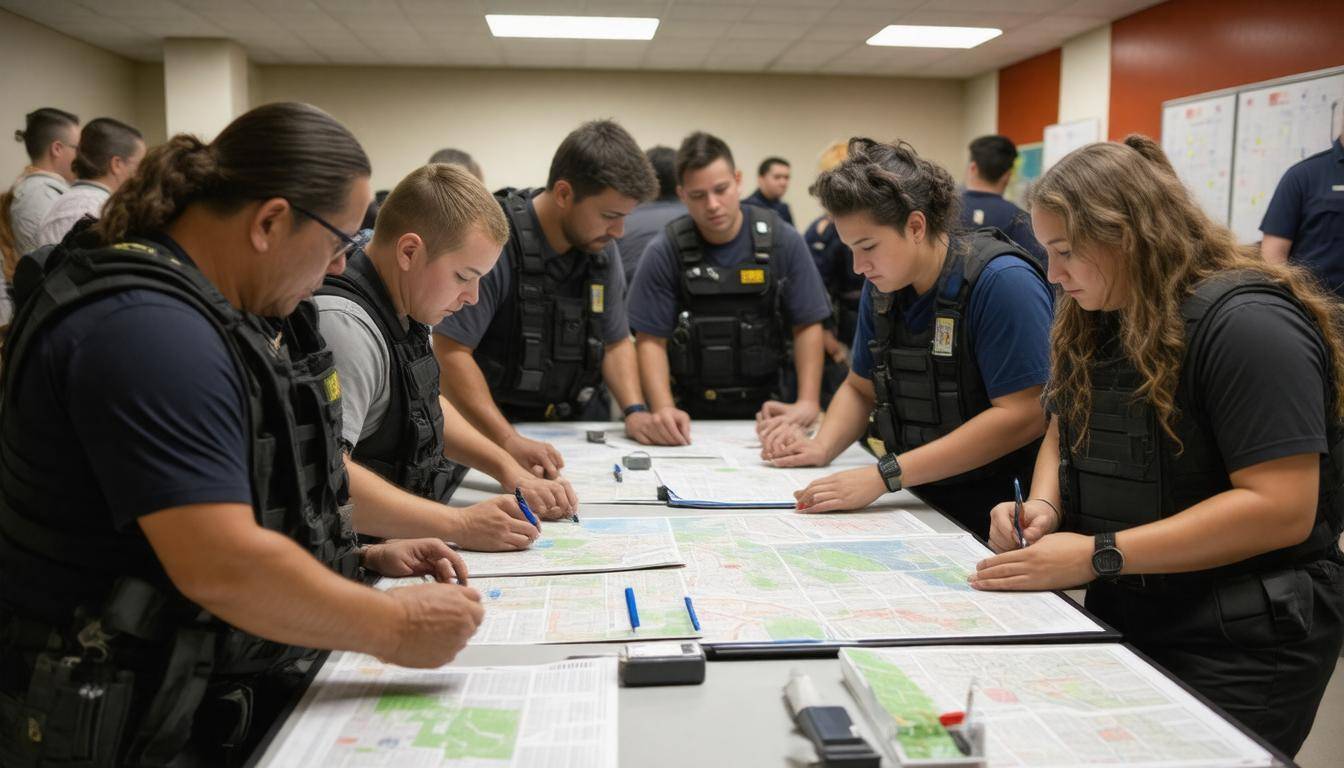
The Community Emergency Response Team (CERT) program isn’t just about theory; it’s designed to arm you with essential life skills. From learning basic first aid to mastering the nuances of emergency coordination, each component of the training is vital.
For instance, when you learn basic first aid and CPR, you aren’t merely absorbing information; you’re preparing yourself to potentially save lives. Imagine being at a public event and witnessing someone collapse due to cardiac arrest. Your ability to perform CPR can be the difference between life and death while waiting for medical professionals to arrive.
Basic First Aid and CPR
As part of the training, you’ll participate in hands-on simulations where you practice techniques like assessing injuries, performing compressions, or even applying bandages effectively. These practical exercises reinforce your knowledge so that in those critical moments when adrenaline is pumping, your muscle memory kicks in as easily as a reflex.
Beyond just first aid, CERT training provides invaluable insights into emergency response and coordination. You will learn how to assess various situations quickly, categorize emergencies, and deploy resources efficiently. This is crucial during disasters where every second counts and poor decisions can exacerbate chaotic situations.
Understanding how to communicate clearly with others—whether they are team members or civilians in distress—is essential for managing crises smoothly.
Emergency Response and Coordination
During your training, you’ll also discover methods to organize resources and personnel under pressure. Think of a major weather disaster: your ability to rally volunteers, distribute supplies systematically, or set up communications with local emergency services can significantly aid responses. Furthermore, this training cultivates resilience as it teaches you how to maintain calmness in high-stress environments—an indispensable skill not only for emergencies but also applicable in everyday life challenges.
Moving from knowledge to practice is indeed a crucial step in training, establishing a solid foundation where skills become instinctive responses rather than mere actions learned from textbooks.
In addition, CERT’s emphasis on community engagement means you’re not just learning for yourself; you’re understanding how your role fits within the greater community framework. This comprehension enhances teamwork, encourages collective action, and builds a network of individuals ready to support one another in times of need. Each skill learned—be it administering first aid or organizing a community response—creates a ripple effect that strengthens overall readiness within your neighborhood.
With these foundational skills established, we now look ahead to how realistic scenarios are simulated in training to further prepare participants for actual emergencies.
Simulated Disaster Situations in Training
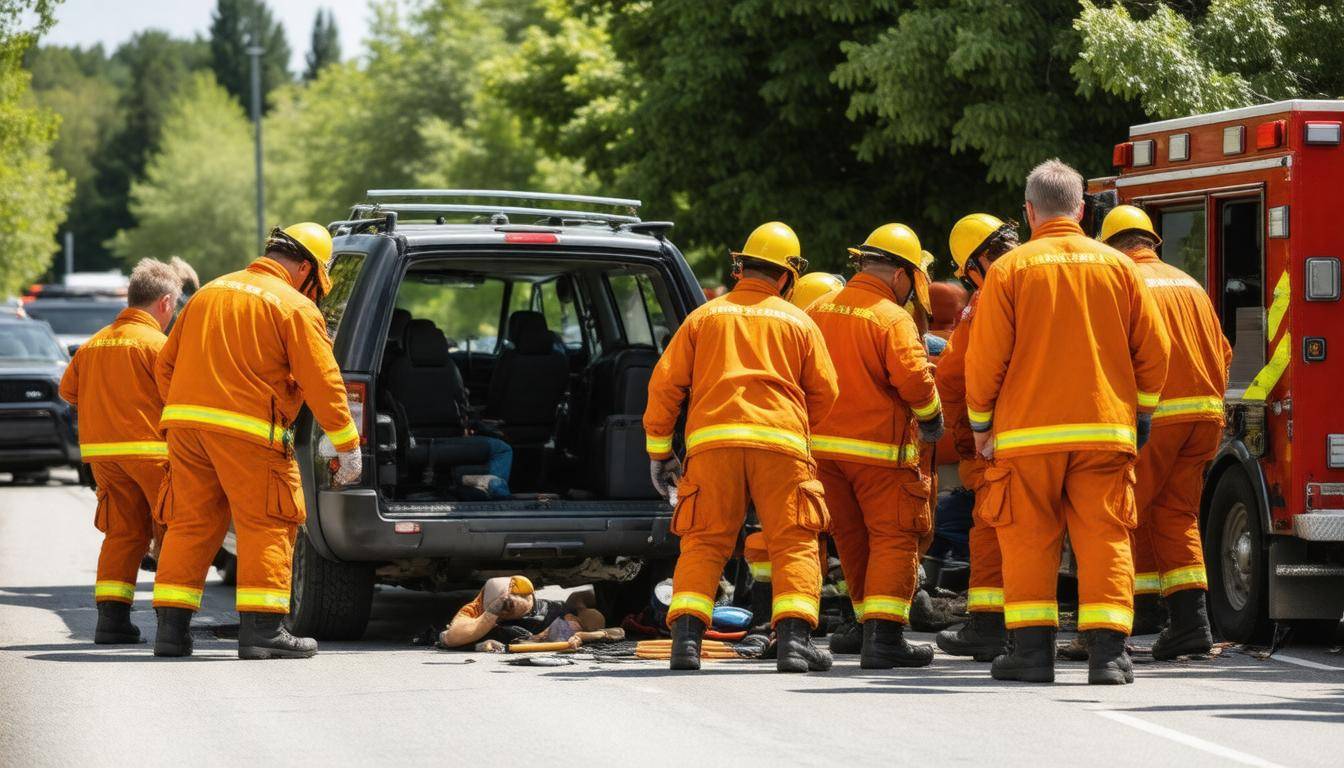
Realistic simulations are crucial to your development as a member of the Community Emergency Response Team (CERT). These exercises put your newly acquired skills into action, transforming what you’ve learned into practical experience. Imagine being in an environment where every decision counts, and each minute has the potential to make a difference in someone’s life. This urgency is what simulated disaster situations create, preparing you for the realities of emergency response.
Mock Disaster Drills
During training, mock disaster drills serve as the backbone of your hands-on learning. These scenarios can involve conditions like earthquake or hurricane simulations, allowing participants to engage in essential tasks such as search-and-rescue operations, medical triage, and crowd control. Each drill presents its own challenges, requiring critical thinking and swift reaction while managing resources effectively.
The beauty of these exercises lies not only in their complexity but also in the way they encourage collaboration among team members.
As trainees work alongside each other during these drills, they learn to rely on open communication and trust. It’s fascinating how quickly relationships form under such intense circumstances. Your ability to work cohesively becomes paramount, as effective teamwork is often what stands between success and failure during an actual emergency.
Impact on Cohesion
Participants frequently report that these simulations enhance their capacity for teamwork and improve performance under pressure. For instance, a notable simulation held in San Diego involved a staged building collapse that required teams to conduct search-and-rescue operations amidst debris and chaos. Teams faced the need for swift action while assessing risks dynamically and prioritizing victim safety.
These experiences solidify vital connections between theoretical knowledge and real-world application. Engaging in simulated disaster situations allows you to build confidence over time. Acquiring emergency response skills isn’t just about understanding procedures; it’s about mastering instinctive reactions that can save lives when it truly matters.
By participating fully in these immersive drills, you’ll refine your abilities and cultivate lasting partnerships with fellow team members—an invaluable aspect of being prepared for any emergency that may come your way. As we shift focus now, we’ll explore additional opportunities to make a meaningful impact beyond this vital training.
Volunteer Opportunities Beyond CERT
Volunteering offers a myriad of ways to support your community while gaining valuable skills and building connections with local organizations. One rewarding option is to assist local fire departments. Firefighters often need volunteers for educational outreach, organizing community events, and providing logistical support during drills and emergencies. This hands-on experience offers insight into emergency services while allowing you to contribute meaningfully.
Additional Community Roles
Another impactful area to consider is participating in disaster recovery planning. Many communities have dedicated teams preparing for potential hazards, and your involvement could shape effective strategies. By engaging in workshops or community meetings, you’ll learn about risk assessment, resource allocation, and recovery operations—essential skills in emergency management.
Imagine a day when disaster strikes. The planning and preparation you participated in will spring into action, guiding the community towards safety and recovery.
Furthermore, schools and workplaces frequently conduct safety drills where volunteers are crucial. Assisting with these exercises keeps participants alert and builds confidence among staff and students regarding their responses during real emergencies. Your presence can transform these drills from routine activities into powerful lessons in crisis preparedness.
Beyond these general roles, additional specialized opportunities await those willing to expand their training.
Specialized Training and Roles
For instance, consider pursuing training in areas such as animal rescue operations. Many communities face unique challenges when pets are involved during disasters; therefore, having knowledgeable volunteers can make a significant difference. Specialized training courses equip you with the skills necessary for ensuring the welfare of animals during crises.
Additionally, your growing knowledge in emergency response could lead you to become a “disaster psychology” assistant. In this role, you’ll learn how to support individuals coping with trauma after an event. It’s a powerful way to aid your neighbors emotionally, guiding them through hard times.
Lastly, logistics coordinators play an essential role during large-scale events. Whether it’s a natural disaster or a community gathering such as a fair or festival, logistics coordinators ensure everything runs smoothly—from setting up shelters to distributing supplies efficiently. With enhanced planning skills gained from both CERT training and additional volunteer experiences, you could help shape the framework that supports your community’s resilience.
As you consider these diverse pathways beyond general volunteering opportunities in emergency response, think about how each one contributes not only to public safety but also to personal development and collective strength within your community.
Personal Experiences in CERT
Personal stories provide a unique window into the CERT experience, showcasing not just the training, but also the emotional and psychological growth that comes from being part of this dedicated team.
Take John from Oregon, for instance. Before he joined CERT, John often found himself feeling anxious during emergencies. Thoughts whirled in his mind as chaos unfolded around him. However, after completing his training, he shared, “I have gained the confidence and knowledge to help not just my family but my neighbors.” His newfound assurance is a testament to how well-crafted training can empower individuals to step up when it matters most.
Similarly inspiring is Sarah’s story from Texas.
Sarah’s journey took her straight into the heart of an emergency during her first deployment amid flooding. She vividly recalls how her team worked tirelessly to evacuate residents and provide first aid to those in need.
“It was exhausting,” she admits, “but deeply fulfilling knowing we made a tangible difference.” Her experience illustrates an essential aspect of CERT: it’s more than just a volunteer opportunity; it’s a chance to truly impact your community during critical times. Each individual who commits to this cause brings their unique background and skills, shaping a diverse team ready to respond in various scenarios.
These testimonials emphasize another fundamental benefit of being part of CERT.
Each story underscores the profound sense of purpose experienced by members. It’s not only about responding to emergencies—it’s about joining a community of like-minded individuals who share a commitment to preparedness and support.
This camaraderie fosters deep connections among team members, creating friendships that extend beyond coursework and deployments. The act of training and responding together transforms strangers into a network of allies, all aligned with a common goal: protecting each other and their communities.
By sharing these narratives, we can attract individuals who wish to cultivate their resilience and service mindset while growing personally and making meaningful contributions to society. The confidence gained through training and real-world application redefines what many perceive as ordinary citizens, equipping them with skills and confidence that resonate far beyond any one event or call of duty.
In summary, the experiences highlighted here reveal that joining CERT is not just about learning lifesaving skills; it’s about becoming part of a larger family dedicated to serving others. This journey offers both personal growth and the satisfaction of making a lasting difference in your community.
What kind of training does the Community Emergency Response Team provide?
The Community Emergency Response Team (CERT) provides training that equips volunteers with essential skills in disaster preparedness, basic first aid, fire safety, search and rescue techniques, and disaster psychology. This training prepares individuals to assist their communities during emergencies effectively. Notably, CERT participants report a 90% increase in confidence regarding their ability to respond to emergencies after completing the program, highlighting its effectiveness in community resilience building.
How can I find a local CERT program in my area?
To find a local Community Emergency Response Team (CERT) program in your area, visit the CERT website at www.ready.gov/cert and use their directory to search by state or zip code. Additionally, you can contact your local fire department or emergency management agency, as they often coordinate CERT activities in your community. According to recent statistics, communities with active CERT programs experience quicker response times during emergencies, enhancing public safety and resilience.
What qualifications or prerequisites are needed to join a CERT program?
To join a Community Emergency Response Team (CERT) program, individuals typically need to be at least 18 years old, possess a genuine interest in emergency preparedness, and complete training sessions provided by their local CERT program. No prior experience is necessary, making it accessible for anyone eager to contribute to community safety. In fact, over 90% of CERT participants report feeling more prepared for emergencies after completing the program, highlighting its effectiveness in fostering community resilience.
How can participating in CERT benefit my community and personal preparedness?
Participating in the Community Emergency Response Team (CERT) enhances both community resilience and personal preparedness by equipping individuals with essential skills to respond effectively during emergencies. It empowers citizens to assist first responders, thereby reducing response times and potentially saving lives; studies have shown that communities with active CERT programs can cut emergency response times by up to 30%. Moreover, members foster a network of support and enhance local disaster readiness, ensuring that neighborhoods are better prepared for disasters like floods, earthquakes, or fires. Engaging in CERT not only builds individual confidence but also strengthens communal bonds and collective disaster response capabilities.
What are the responsibilities of a CERT member during an emergency?
A Community Emergency Response Team (CERT) member’s responsibilities during an emergency include assessing the situation, providing basic first aid, supporting first responders, assisting with evacuation efforts, and helping in search and rescue operations. With proper training, CERT members play a crucial role in community safety and resilience; studies show that communities with active CERT programs can reduce response times by up to 50%, thereby enhancing the overall effectiveness of disaster response efforts. Their local knowledge and capabilities can significantly alleviate pressure on professional responders during major incidents, emphasizing the importance of community involvement in emergency preparedness.