
In the wake of shared trauma, many communities face an uphill battle toward recovery. It’s not just about overcoming individual pain; it’s about healing together as a collective. Imagine a village coming together after a storm, where every person plays a role in rebuilding, sharing stories, and supporting one another. The process of communal healing involves more than just mending physical spaces; it requires deep conversations, collaboration, and innovative approaches to foster empathy and resilience among members. This article explores a comprehensive action plan for community healing that encourages connection and creates safe environments for dialogue—because when we unite our efforts, the journey toward recovery becomes not only possible but also profoundly transformative.
An effective action plan for community healing after shared trauma involves mobilizing collective support through organized gatherings, creating safe spaces for dialogue, and utilizing culturally relevant practices such as storytelling and rituals. Additionally, it is essential to assess the unique needs of the community, foster resilience through shared experiences, and provide resources or workshops that promote psychological well-being.

Building a Community Action Plan
The first step in building a solid community action plan involves conducting thorough community assessments to get a firm grasp on what the community really needs during these challenging times. It’s not enough to rely solely on general observations; we must engage with community members through surveys, focus groups, and meetings. This creates an opportunity for people to express their feelings about the trauma they’ve experienced and share what they believe will help them heal. Health clinics can play a pivotal role by conducting health impact assessments, which can reveal specific issues like increased anxiety or accessibility of support services.
After gathering this crucial information, you’ll move into setting clear objectives. It’s important that these objectives be realistic and measurable, as they will act as a guide throughout the implementation process. For instance, if one of the identified needs is more access to mental health services, your objective might be to improve service availability by 50% within the next year. Clear goals create structure around your efforts while allowing the community to rally behind something tangible.
Once you’ve set those foundational goals, the next step is developing detailed action steps that outline exactly how you will achieve these objectives.
Step III – Developing Action Steps
In creating these action steps, it’s essential to be as specific as possible. Each step should clarify who is responsible for it and when it is due. This level of detail ensures accountability among community members and organizations involved in the action plan.
| Action Step | Responsible Party | Deadline |
|---|---|---|
| Organize a community forum | Community Leaders | Week 1 |
| Train mental health workers | Health Organizations | Month 1 |
| Launch support groups | Volunteer Coordinators | Month 2 |
| Evaluate progress | Independent Auditors | Quarterly |
This action plan outlines specific activities and assigns individuals or groups responsible for each task along with deadlines. By establishing accountability and timelines, you reduce ambiguity and keep progress on track.
With the framework of your action steps laid out, it’s crucial to gather the necessary resources to implement these plans effectively. Each resource plays a unique role in supporting the overall recovery strategy.
Identifying Key Resources
The success of an action plan hinges on recognizing and utilizing key resources effectively. This encompasses financial, human, and material resources, alongside the unexpected assets that lie within the community itself. When we think about resources, we often conjure up images of funding and professionals; however, the real strength often lies in the community’s ability to rally together. By understanding these dynamics, communities can take strides toward resilience and recovery.
Financial Resources
First, let’s discuss financial resources, which are undeniably vital for any community recovery initiative. Securing funding from local government bodies, non-profits, or private donors can lay the groundwork for sustainable programs. It’s important to research available grants tailored to mental health and trauma recovery. For instance, many local charities provide opportunities for grants that can be utilized to fund vital services like counseling or educational workshops aimed at healing historical and racial traumas. By pursuing these resources with discernment and determination, communities can alleviate some of the financial burdens that come with implementing their action plans.
Human Resources
While money matters, let’s face it—people matter even more. Engaging trained professionals such as social workers, therapists, and counselors with expertise in trauma recovery enhances the effectiveness of any healing initiative. However, finding these professionals is only half the battle; fostering genuine relationships between them and community members is crucial for creating trust and collaboration. These connections empower professionals to better serve the community’s unique needs while enabling individuals to feel supported in their healing journeys.
But professional help isn’t the only avenue for support—community members play an invaluable role in this process as well.
Volunteers and Community Members
Mobilizing volunteers from within the community can create a powerful resource network. These individuals can act as peer supporters who understand firsthand what healing entails, serving as bridges between professional resources and those seeking assistance. Imagine your neighbor who has undergone similar challenges encouraging you to participate in a support group or share experiences—this peer connection can significantly bolster motivation among participants.
Beyond peer support, volunteers can assist in logistics—organizing workshops and coordinating outreach efforts—that expand the accessibility of resources for all community members. By actively participating in their recovery processes, they lend credibility to the initiatives being implemented while helping to build an environment of empathy and understanding.
Recognizing these key resources is merely the first step; how communities leverage these assets determines their path toward holistic recovery. As we move forward, it’s essential to dive into methods that enhance collaboration among individuals within these communities.
Structuring Support Groups
In structuring support groups, a thoughtful approach is essential to create an environment conducive to healing. These groups should not merely exist but thrive as supportive ecosystems, where each participant feels valued and understood. The process begins with identifying group objectives and understanding the unique needs of its members. This clarity helps shape not only the group’s focus but also the activities and discussions that will take place within it.
When considering how to structure these groups, it’s important to recognize that they generally fall into three categories: open groups, closed groups, and peer-led groups. Each type serves different community or individual needs.
Open groups are flexible, welcoming new members at any time—ideal for people seeking immediate support amidst fluctuating feelings of distress. Conversely, closed groups maintain fixed membership; this approach fosters a deeper level of trust and intimacy among participants, allowing them to share more personal stories over time. Finally, peer-led groups bring the insights and experiences of trained members to the forefront, creating shared understanding without hierarchical dynamics that sometimes exist in professional settings.
Deciding on the type of group is just the beginning; effective facilitation is key for maximizing the benefits of these support systems.
Facilitation and Moderation
An essential aspect of successful support groups is skilled facilitation. A proficient facilitator guides discussions while ensuring that every voice is heard and respected. This person acts as a backbone for group dynamics, nurturing an atmosphere where emotional safety allows participants to open up about their experiences. To this end, training in trauma-informed care becomes paramount; facilitators need to recognize and respond sensitively to tales of trauma without re-triggering participants’ distress.
While professional facilitators bring expertise, don’t underestimate the value of peer support within these spaces. Peer-led guidance fosters authenticity—the kind of connection found in shared lived experiences. Participants often feel more relatable bonds with peers who have walked similar paths, enhancing the healing experience significantly.
Additionally, establishing structured meeting times benefits both consistency and engagement. Ideally, sessions should last between 60 to 90 minutes—long enough to allow substantial dialogue but short enough to prevent fatigue or overwhelming emotions from surfacing. Regularity is equally important: meetings could take place weekly initially then transition to bi-weekly or monthly as the group clicks into a rhythm based on its journey.
As we move forward, keeping participant feedback loops efficient is essential for ongoing success.
Feedback Mechanism
Implementing a straightforward feedback mechanism plays a dual role: it assesses participant satisfaction while gathering insight into areas needing adjustment or improvement. Aiming for at least 75% positive responses ensures that voices matter within these settings. Encourage honest yet considerate feedback post-session, perhaps with quick anonymous surveys or open discussions about what resonated or didn’t.
By considering group types, employing trained facilitators while valuing peer-led aspects, adhering to effective meeting structures, and actively collecting feedback, communities create robust support ecosystems where healing flourishes after trauma. Fostering environments rich with empathy and understanding serves as an invaluable resource on the road toward collective recovery.
With these foundations set in place, let’s explore the various methods that can facilitate emotional healing through innovative approaches.
Techniques for Emotional Recovery
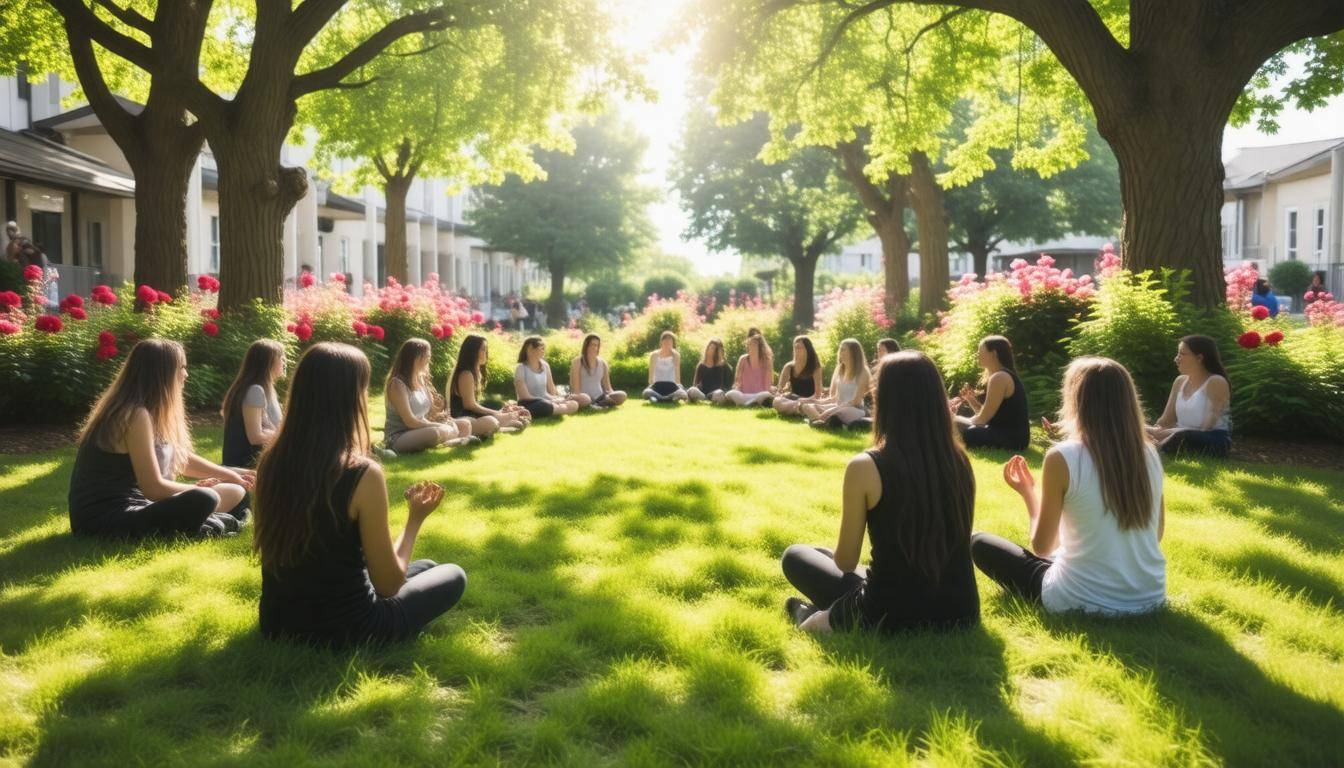
Emotional recovery is not merely about healing one’s own wounds; it’s also about fostering connection and solidarity within the community. Various techniques that cater to different experiences of trauma can significantly enhance this process. Among the most effective methods are therapeutic interventions—structured techniques designed to address specific emotional needs and facilitate healing.
Therapeutic Interventions
Techniques such as Cognitive Behavioral Therapy (CBT) and Eye Movement Desensitization and Reprocessing (EMDR) have been widely recognized for their efficacy. For example, EMDR boasts a remarkable 77% success rate in treating PTSD among trauma survivors. CBT also provides valuable coping strategies that empower individuals to manage their thoughts and emotions more effectively in the wake of trauma. Group therapy further complements these approaches by establishing a shared space where people can express their feelings, share their stories, and find common ground.
“Therapy can open doors that have been firmly closed by trauma.”
While these traditional therapeutic interventions are vital, they’re even more powerful when combined with holistic methods. These approaches bring balance to emotional recovery by addressing psychological health alongside physical, social, and spiritual well-being.
Holistic Methods
Integrating holistic practices like mindfulness, yoga, and art therapy into recovery efforts transcends the conventional approach to mental health support. Mindfulness techniques allow individuals to ground themselves in the present moment, which is incredibly effective at mitigating anxiety and stress. Research shows that engaging in mindfulness practices can lead to significant improvements in emotional regulation and resilience during challenging times.
Moreover, art therapy has proven especially beneficial for those who struggle to verbalize their emotions. By channeling thoughts and feelings through creativity, individuals often find relief from distress while enhancing their self-expression. This method allows participants to create something tangible—a painting or a sculpture—that encapsulates their emotions.
To strengthen emotional recovery, it’s essential that community activities incorporate both holistic practices and established therapeutic techniques.
Community events centered around wellness and artistic expression can reinforce a sense of togetherness and foster supportive networks. When residents come together for group yoga sessions or collaborative art projects, they invest in their personal well-being while also contributing to a collective healing journey. This combination of therapeutic interventions and holistic methods forms an empowering framework for emotional recovery—serving both individuals and communities as they navigate shared traumas.
As we explore further into how practical activities can build resilience within communities, the focus will shift toward initiatives that inspire engagement and growth as pathways toward recovery.
Activities for Building Resilience
Building resilience together can be both fulfilling and impactful. One of the most effective means to achieve this is through community workshops. These workshops can focus on various skill-building activities, directly addressing issues like conflict resolution and stress management. By offering sessions where community members can practice effective communication techniques, individuals are not only able to share their experiences, but they also learn how to support one another during challenging times. This mutual understanding fosters a glue that binds the community together, providing a sense of camaraderie and purpose.
For instance, imagine hosting a workshop on conflict resolution where participants engage in role-playing scenarios. Each participant could take turns acting out a difficult conversation while others provide constructive feedback. This hands-on approach allows individuals to step outside their comfort zones, gaining confidence and practical tools to navigate difficult situations in their day-to-day lives. The shared experience of learning together creates an environment where trust can flourish, which is essential for resilience.
While these workshops lay the groundwork for emotional healing, blending them with recreational activities adds another layer of connection and enjoyment within the community.
Organizing recreational events such as community soccer games or art fairs presents an inspiring method to promote social interaction. These gatherings encourage participation in a relaxed atmosphere, allowing people to discover common interests that might otherwise go unnoticed in everyday life. Through sports, individuals bond over shared victories and losses, fostering relationships based on teamwork and collaboration.
I remember attending a local art fair in my neighborhood after a tumultuous period marked by shared hardship. The atmosphere was brimming with creativity; children painted alongside adults, laughter echoed as friends participated in workshops together, and small booths offered handmade crafts and local exhibitions. It wasn’t just about showcasing art; it was about creating connections through expression and joy—a reminder that while trauma may have brought us closer through hardship, it is togetherness that truly fuels our resilience.
Each of these activities reinforces the concept of rebuilding both physically and emotionally while offering different avenues for engagement.
Whether it’s through structured skills workshops or casual recreational opportunities, building resilience requires action from everyone involved. When communities come together to facilitate these types of activities, they pave the way for long-lasting recovery that extends well beyond the immediate aftermath of shared trauma.
As we transition from focusing on resilience-building activities, it’s important to consider how we can cultivate spaces that ensure safety and foster connections among community members.
Creating a Safe and Connected Environment

A safe and connected environment is fundamental for effective community healing. It goes beyond merely addressing immediate concerns; it encompasses building strong ties that support individuals emotionally and socially. The fabric of community lies in its ability to forge meaningful relationships among its members. This connection not only helps in individual growth but also enhances collective resilience during challenging times.
Safe Spaces
One key way to promote this environment is by designating safe spaces. These are areas within the community where individuals can gather, share their experiences, and provide mutual support without fear of judgment. Imagine a cozy corner in a local library or a quiet room in the community center filled with comfortable seating, where people feel at ease to open up about their struggles and aspirations. By establishing at least three such spaces, everyone—regardless of age, background, or circumstance—can find solace and solidarity among others who understand their journey.
However, it’s not enough just to create these spaces; they must actively allow for emotional safety as well.
Ensuring Physical Safety
Ensuring physical safety should be a priority in these communal endeavors. Collaborating with local authorities can help achieve this goal effectively. For instance, neighborhoods could work toward improved lighting in common gathering spots, ensuring they are monitored and free of hazards. Imagine walking through your community park in the evening, lighting illuminating pathways while friendly faces surround you—this sense of security empowers members to participate more actively in community events.
Local initiatives like neighborhood watch programs can further enhance residents’ feelings of security. When neighbors come together with a shared purpose—to look out for one another—they cultivate a sense of belonging and trust that permeates the entire area.
The success of community healing relies on creating appealing physical environments and nurturing social networks. As we put these elements into place, remember that fostering resilience is an ongoing journey requiring consistency, compassion, and commitment. With these insights, efforts made towards crafting safe spaces can yield profound impacts—bringing individuals together not only for healing but also for a brighter communal future.
As we allocate our energy to nurturing these connections, it’s important to consider how this foundation enables individuals to navigate life’s challenges more effectively, paving the way for personal growth and enduring coping strategies.
Long-Term Coping and Growth
Long-term coping and growth are essential for transforming individual trauma into collective resilience. To build a sustainable path forward, communities must embrace ongoing practices that foster both personal well-being and social interconnectedness. The goal is not just to recover from shared trauma but to emerge stronger, together.
Establishing Long-Term Support Systems
One of the most effective strategies is to establish long-term support systems. Community members can benefit greatly from periodic group therapy sessions that provide a safe space for sharing experiences and emotions. These gatherings encourage connection, mutual understanding, and a sense of belonging, which are crucial for healing.
Alongside these therapeutic sessions, ongoing educational programs can equip individuals with tools to manage their mental health more effectively. Workshops on stress management or community-building activities can instill hope and reinforce skills for coping in everyday life. Moreover, organizing regular community events fosters an atmosphere of support and solidarity, reminding everyone that they don’t have to navigate this journey alone.
By nurturing these support systems, communities create a robust framework that allows individuals to grow together in their healing.
Monitoring Progress
To ensure that these initiatives are effective, it’s vital to regularly monitor the community’s recovery progress through various methods. Implementing strategies like surveys and feedback forms can help gather valuable insights from participants about their experiences in these support systems. Additionally, scrutinizing mental health statistics within the community will provide objective measures of improvement over time.
Community satisfaction scores can offer further clarity on how well these initiatives resonate with residents, while tracking participation rates in support activities helps gauge engagement levels.
Keeping close tabs on recovery progress not only informs future actions but also reinforces the community’s commitment to each individual’s healing journey.
In this way, monitoring serves as an important reflective tool for both evaluating current efforts and planning future enhancements. A proactive approach leads to sustainable growth—by recognizing successes and identifying areas for improvement—communities empower every individual to contribute meaningfully to the shared healing process. This continual cycle of feedback and adaptation strengthens emotional resilience and creates lasting bonds among members as they heal together.
As communities reflect on their progress and adapt their strategies, it becomes crucial to focus on actionable steps that will further enhance the healing journey. Let’s explore the next phase where effective integration of these practices takes place seamlessly.
Implementing the Healing Plan
The first critical task in implementing the healing plan involves mobilizing teams. This isn’t just about gathering people; it’s about creating a united front where everyone knows their role within this larger mission. Each team—whether focused on mental health support, community outreach, or resource development—must have a clear understanding of its responsibilities. Regular meetings can help build camaraderie and ensure everyone is on track while also providing a platform for feedback and necessary adjustments.
Having dedicated teams means that no one feels alone in their efforts; instead, they feel supported by collective purpose, pushing towards common goals.
With the teams in place, the next significant component involves crafting effective communication strategies. Information is power, and keeping the community informed is vital for fostering trust and transparency. It’s crucial to utilize various channels to reach different segments of your community effectively. Social media platforms can be used to share updates rapidly, while newsletters provide more detailed information regarding initiatives and resources.
Furthermore, organizing community meetings creates spaces for dialogue where members can voice concerns and share experiences. In these settings, people not only feel heard but also become more invested in the healing process.
Providing consistent communication allows you to showcase successes along the way, celebrating milestones no matter how small they may seem. Whether it’s through testimonials, visual updates on projects in action, or personal stories of recovery shared during gatherings, these moments of recognition can amplify community spirit and inspire ongoing participation.
Reviewing progress periodically provides an opportunity to assess both challenges and victories.
Monitoring and Evaluating Progress should become part of your implementation strategy as well. It’s not enough just to accomplish tasks; understanding how these efforts impact the community ensures that you’re continuously moving toward meaningful change. Utilizing metrics related to participant engagement, qualitative feedback from those involved, and overall satisfaction can offer insight into what’s working and what may require refinement.
In essence, every step during the implementation phase counts towards building a resilient community that thrives despite past traumas. By establishing strong teams committed to active communication and rigorous evaluation practices, you create a pathway toward holistic recovery that resonates deeply within individuals as well as the community at large.
Community healing requires dedication and collaboration; together we can transform shared trauma into strength and resilience.