
In times of crisis, access to food can mean the difference between hope and despair for many families. Establishing a community kitchen can be a vital lifeline, transforming empty spaces into bustling hubs of nourishment and support. However, creating an effective emergency kitchen doesn’t happen overnight; it takes careful planning, organization, and a strong sense of community to make it thrive. With my own experiences in mobilizing resources during emergencies, I’ve learned that every detail counts—from choosing the perfect location to effectively engaging volunteers. This guide provides essential insights to help your community kitchen not only serve meals but also foster resilience and connection among those who need it most.
The Complete Guide for a Community Kitchen Emergency Setup thoroughly details the essential considerations, resource allocation strategies, and support structures necessary to establish an efficient emergency kitchen. It includes recommendations for facility types, equipment needs, and effective management practices to ensure sustainability and resilience during crisis situations.
Finding the Right Location
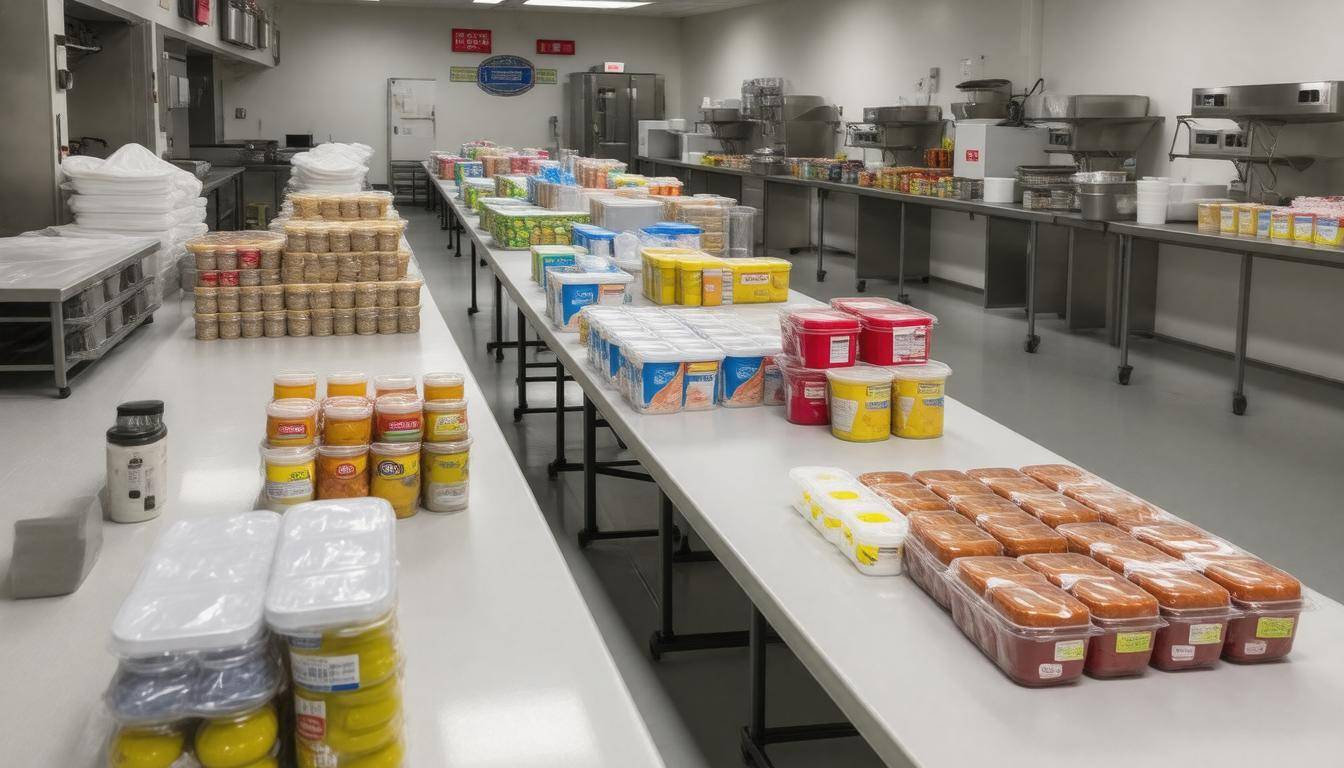
First and foremost, the cornerstone of an effective community kitchen is indeed the location. Accessibility, safety, and adequate space play vital roles in its functioning; they can dictate the number of people you can serve and how effectively the kitchen can operate.
Space Requirements
Ideally, your chosen location should comfortably accommodate cooking stations, ample storage areas, and seating without feeling cramped. A minimum of 1,000 square feet serves as a reasonable foundation for a small community kitchen; however, opting for larger spaces will enhance safety and improve traffic flow. Imagine navigating a bustling kitchen where everyone can move freely—this creates more efficiency and ensures safety practices are upheld.
In many cases, schools, churches, or community centers present fantastic opportunities—they often possess underutilized facilities just waiting to be activated. This idea blooms not only because of available infrastructure but also because these spaces foster a sense of local camaraderie. I’ve seen communities flourish when given access to pre-existing structures; there’s often a spirit of volunteerism inherent within such communal environments.
Accessibility
Beyond space, consider accessibility—it’s paramount that your kitchen is reachable by those it intends to serve. The ideal location should lie close to main roads and public transport stops to facilitate easy access. You’d be surprised how many potential users might give up on visiting if they face hurdles in getting there. Moreover, think about those with disabilities; having ramps and clear pathways ensures inclusivity for everyone wanting nourishment.
Recent surveys indicate that approximately 70% of individuals rely on public transportation to access food resources; hence, selecting a site within proximity to transit hubs can drastically impact participation in community kitchens.
By prioritizing these elements—adequate space for operations and ensuring easy accessibility—you lay a strong foundation for what could become a thriving lifeline for your community during emergencies and beyond.
With the location set, it’s crucial to turn our focus towards securing reliable resources that ensure smooth operations and enhance service delivery to those in need.
Access to Resources
The success of a community kitchen hinges not only on the quality of food available but also on easy and consistent access to those supplies. Without a steady flow of food, water, and cooking materials, even the best-laid plans can falter. Ensuring that you have reliable sources requires establishing a system that manages both procurement and inventory efficiently.
One effective approach is to create a rotating schedule for sourcing your supplies. This means knowing when each supplier can provide what you need, keeping track of seasonal availability, and planning ahead for any disruptions such as holidays or weather-related issues. Precautionary measures, like maintaining a stockpile of non-perishable ingredients, can fortify your kitchen against unexpected shortages.
This proactive planning is crucial. When you’ve established a system for accessing your resources consistently, it allows for smoother operations overall.
Building Relationships with Suppliers
Developing partnerships with suppliers is not just about transactions but nurturing those relationships. Regular communication is vital in this regard. Check in often with your suppliers; not only does this keep you at the top of their minds, but it also allows you to learn about new products or special discounts they may offer. The stronger the connection, the more likely they will prioritize your needs, especially during peak seasons.
Alongside relationships with suppliers, an equally important aspect lies in understanding logistical challenges related to resource access.
Logistics: From Supplier to Kitchen
Managing logistics plays an integral role in getting resources from suppliers into your kitchen efficiently. Think about transportation methods and storage solutions carefully. For instance, having multiple pickup options can offer flexibility—whether it’s a personal vehicle, partnering with volunteers who can transport larger amounts, or even utilizing delivery services when necessary.
In addition to transportation, consider how you’ll organize inventory within the kitchen itself. Adequate storage is key; shelves should be clearly labeled and regularly monitored for expiration dates. Organizing items in a first-in, first-out system helps minimize waste and ensures that food is never left sitting too long.
This focus on logistics creates a streamlined workflow that simplifies running the kitchen day-to-day while ultimately benefiting those relying on its services.
Community Engagement in Sourcing
Finally, don’t underestimate the value of engaging community members in sourcing efforts. Not only can they contribute ideas for local suppliers based on their own experiences, but involving them fosters a sense of ownership and pride in the kitchen. This can lead to increased participation and support for activities like fundraisers or volunteer events.
By integrating community input into resource acquisition strategies, you’ll create a densely woven fabric of support around your community kitchen that’s built from trust and collaboration.
Facilitating access to resources demands thoughtful planning, strong relationships with suppliers, logistical savvy, and active community engagement—all crucial elements in creating a thriving environment that meets food security needs effectively.
Transitioning our focus now unveils the importance of obtaining the right set of tools and necessities to support these community efforts.
Gathering Essential Supplies and Equipment
To ensure everything runs smoothly in the Community Kitchen, having a well-thought-out inventory is crucial. Imagine preparing a meal only to find yourself short on pots or lacking essential ingredients. Therefore, it’s wise to start with an Essentials Checklist, which can guide your planning and avoid last-minute scrambling for missing items. You’ll want to make sure that you have various cooking utensils like pots, pans, spatulas, and ladles ready at your fingertips. These tools are the backbone of any kitchen endeavor; without them, even the best recipes can turn into an exercise of frustration.
The Essentials Checklist
-
Cooking Utensils: Make sure to include various sizes of pots and pans to cater to different dishes. Spatulas and ladles are equally important for serving.
-
Storage: Adequate shelving units, refrigerators, and freezers ensure that you have enough space and temperature control for your ingredients.
-
Safety Gear: Always prioritize safety; keep first aid kits accessible, install fire extinguishers nearby, and provide Personal Protective Equipment (PPE) for staff and participants.
-
Sanitation: A clean kitchen is a safe kitchen. Have dish soap, sanitizers, gloves, and cleaning rags readily available to maintain hygiene standards throughout your cooking event.
Once you’ve nailed down the fundamental items, it’s time to consider how you’ll acquire these supplies efficiently.
Bulk Purchasing
For budgeting purposes, consider buying in bulk, as it often reduces costs per unit significantly. Vendors like Costco or Metro are excellent options where you can stock up on non-perishable items without breaking the bank. This way, not only do you save money, but you also ensure that you have sufficient quantities for larger gatherings or multiple events.
Remember that while initial investments may seem steep when purchasing in bulk, long-term savings and fewer trips to replenish supplies make it worth your while.
As you gather these essentials, don’t forget to communicate with everyone involved about what supplies are available and what they may need to bring themselves. This collaboration fosters teamwork and allows each participant to contribute their unique flavors—making every event memorable.
With the basics secured and a plan in place for acquiring essential equipment next, you’re setting the stage for a successful kitchen experience!
Sourcing Cooking Appliances
When it comes to equipping a community kitchen, choosing the right appliances is imperative. Ovens, stoves, and microwaves serve as the backbone of kitchen operations, ensuring that meals can be prepared efficiently and safely. However, not all brands are created equal; different models offer varying degrees of reliability and functionality. A focus on dependable appliances makes a significant difference when catering to large groups or during emergencies.
Skip the Kitchen… Go Mobile!
In some situations, permanent kitchen setups may not be feasible, necessitating alternative solutions. This is where mobile kitchens come into play. Imagine having the flexibility to transport a fully equipped kitchen wherever it’s needed—whether for disaster relief efforts or community events. Mobile kitchens can be rented from specialized providers and typically come outfitted with everything from ovens to grills, allowing you to operate seamlessly without requiring permanent structures.
While mobile kitchens offer versatility, selecting an efficient model requires attention to detail. It’s wise to consider factors like power sources—gas versus electric—and how those might impact cooking times and food safety in emergency scenarios. Some providers even allow you to customize your mobile kitchen based on specific needs, ensuring that you have adequate storage and equipment available.
Moreover, when acquiring these cooking appliances, always opt for trusted brands recognized for their durability—this choice could save you from future headaches related to repairs or breakdowns. For instance, Bosch ovens and stoves are often praised for their exceptional performance and longevity.
Remember: Prioritize functionality over flashy features. While it might be tempting to choose models loaded with gadgets, what you’ll truly need is reliability every single time the oven door closes.
Whether you’re choosing fixed appliances or flexible mobile units, investing in well-sourced equipment lays the groundwork for effective operations in any community kitchen setting. With that foundation in place, it’s essential to consider how best to coordinate the human resources that will make this setup thrive.
Organizing Your Volunteers
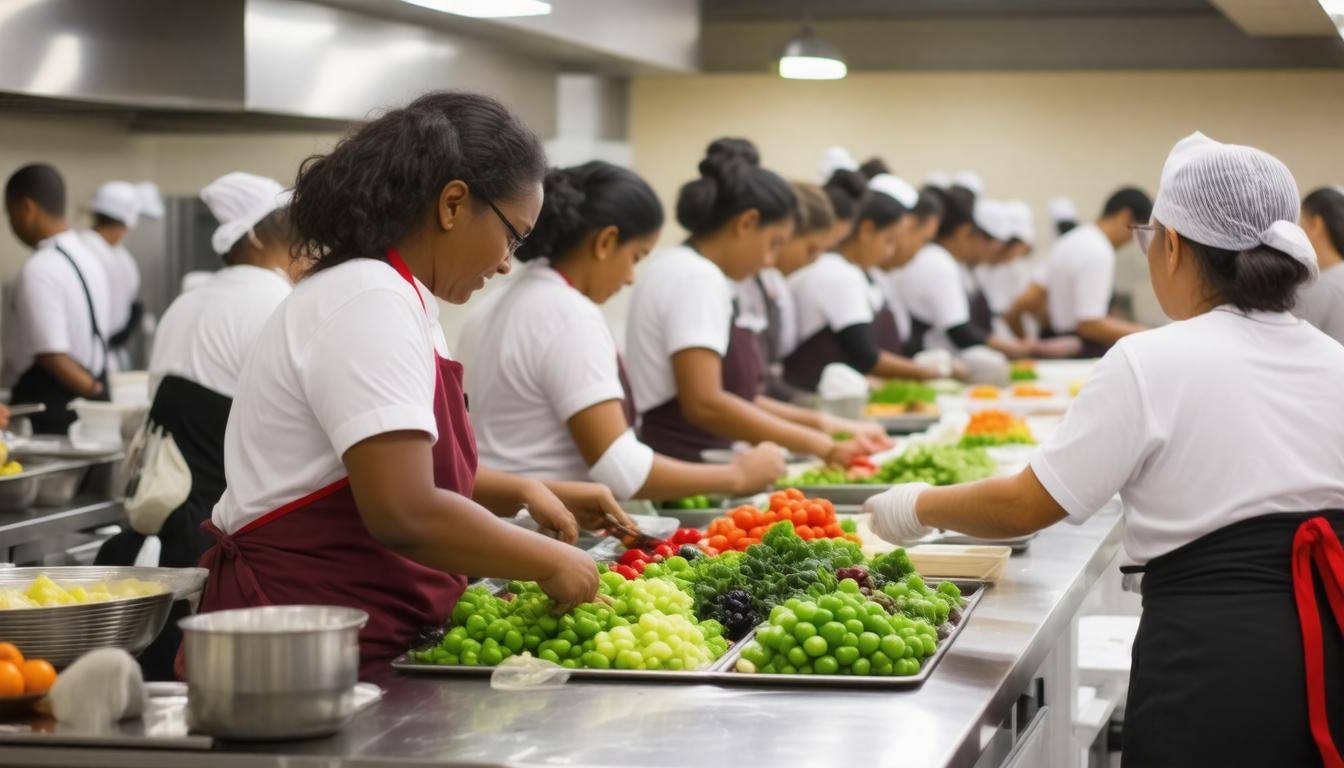
Volunteers are the backbone of any community kitchen operation. However, their efficiency depends on how well they are organized and equipped to handle their responsibilities. Prioritizing clear structure is essential; this means defining roles and creating a system for communication that everyone can follow. By assigning specific duties, such as kitchen manager, food preparer, server, logistics coordinator, and cleanup crew, you can streamline operations.
When people know exactly what is expected of them, the entire kitchen flow improves drastically, and tasks can be accomplished without confusion.
Recruitment Strategies
In recruiting volunteers, using a combination of digital platforms—think social media or community websites—alongside traditional methods like flyers or bulletin boards will widen your reach. A welcoming approach goes a long way. The key is to create an inclusive environment where individuals from various backgrounds feel valued. This enriches your volunteer pool with diverse skills and perspectives while fostering a community spirit that draws more participants in.
Once you’ve recruited a robust group of volunteers, focus on preparing them to handle their tasks efficiently.
Training Programs
Implementing comprehensive training programs is fundamental for ensuring that all volunteers understand kitchen safety protocols, food handling practices, and efficient workflow management techniques. Start with short sessions focusing on essential topics like cleanliness and safety; this prepares everyone to respond correctly during busy shifts. After initial training, consider scheduling periodic refresher courses and hands-on workshops to build confidence among volunteers—a positive experience in training translates to smoother operations when food prep ramps up.
Effective training ensures that volunteers not only know what to do but also why it matters. This understanding enhances their ability to react appropriately in unforeseen situations while emphasizing teamwork within the kitchen.
As you cultivate an informed group of volunteers, establishing a reliable system for managing their schedules will further enhance the kitchen’s overall efficiency.
Shift Scheduling
Organizing shifts is crucial for keeping morale high while avoiding burnout among your volunteers. Opt for rotating schedules of 4-6 hours, especially during peak meal times when activity intensifies. Ensuring everyone has a turn at different roles can keep the energy dynamic and prevent monotony. Providing identifiable shift leaders can empower individuals while helping maintain order during busier periods.
Happy volunteers lead to a successful operation; investing in their experience makes all the difference in retaining dedicated members of your team.
With well-organized shifts and an empowered volunteer body in place, we can now explore how to effectively assign tasks and responsibilities to enhance the operational flow even further.
Assigning Roles & Responsibilities
When setting up a community kitchen for emergency situations, establishing distinct roles is crucial for smooth operation. By doing so, you ensure that every aspect of the kitchen runs seamlessly, which directly impacts the overall efficiency and effectiveness of your mission.
Role Examples
-
Head Chef: This person is the maestro in the kitchen, responsible for overseeing food preparation, crafting menus that accommodate various dietary needs, and ensuring meals are nutritious and appealing. A strong leader in this role can inspire volunteers and foster a collaborative environment.
-
Logistics Coordinator: Imagine the logistics coordinator as the lifeline connecting everything – they manage supplies, ensure proper equipment is available, and keep track of inventory levels. Their ability to foresee shortages and effectively procure necessary items ensures your kitchen never runs dry.
-
Volunteer Coordinator: Scheduling volunteers can feel like herding cats, but this individual manages that chaos. They are responsible for recruiting, training, and matching volunteers with tasks that suit their skills while keeping morale high through effective communication.
-
Safety Officer: This role is vital to maintaining standards within the kitchen. The safety officer ensures adherence to safety regulations and procedures, conducts routine inspections to mitigate hazards, and provides essential training for handling equipment and food safely.
It’s essential to match individuals with roles that align with their skills and interests; this increases efficiency as well as job satisfaction among volunteers. For example, someone who loves cooking may thrive as a Head Chef, whereas a detail-oriented planner might excel as a Logistics Coordinator. This alignment not only enhances productivity but also promotes enthusiastic participation from all team members.
As your team gets familiar with their tasks, it becomes critical to implement regular meetings. Regular briefings keep everyone on the same page regarding tasks and allow for feedback loops that help refine processes over time. Clear channels of communication help prevent misunderstandings that could lead to operational hiccups or inefficiencies.
Having established clear roles and ongoing communication strategies, attention turns next to optimizing operational flows while ensuring resource management is both efficient and sustainable.
Crafting an Efficient Operation Plan
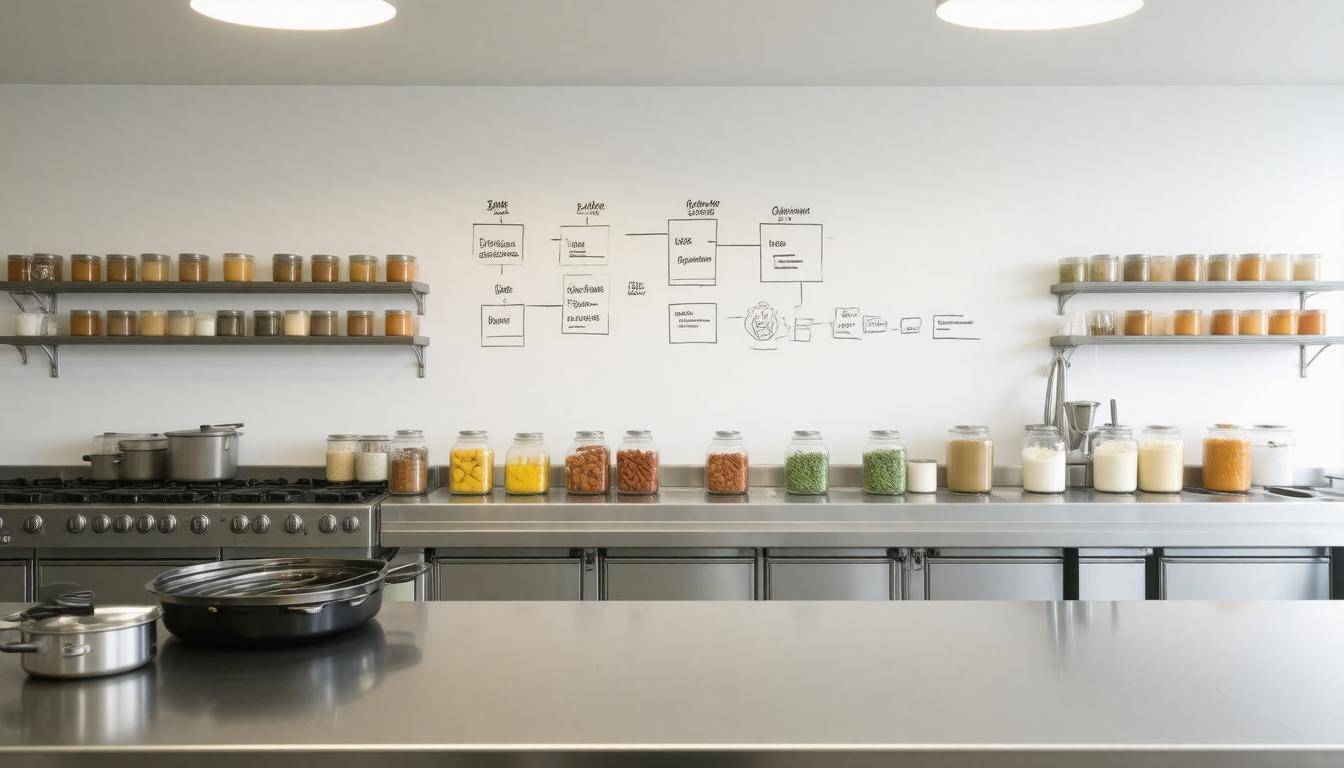
A well-crafted operational plan is not just a list of tasks; it acts as a strategic roadmap guiding your daily activities and ensuring that resources are used effectively. It enables volunteers to work together in harmony, maximizing productivity and minimizing waste. As you begin to formulate your operations, consider various facets ranging from clear objectives to meticulous inventory management.
Step-by-Step Guide to Operational Planning
The first step in creating an effective operational plan is to define your objectives. Are you aiming to feed the homeless? Provide emergency relief during a crisis? Perhaps it’s about building community bonds through shared meals. Defining these goals sets the stage for every subsequent step, establishing the purpose behind all your efforts.
Once you have solid objectives in place, the next vital piece of the puzzle is how to turn those ideals into actionable steps.
Scheduling establishes the rhythm of daily operations. Determine specific times for meal preparation, serving, and cleaning up afterward. Plotting these tasks on a timeline ensures everyone knows their role and when they need to be ready to pitch in. For instance, if meal prep starts at 8 AM and serving begins at 11 AM, this gives the team clear deadlines and fosters accountability among volunteers.
With a firm schedule established, let’s move on to the physical space that will facilitate efficient workflow.
Establishing an efficient workflow layout is crucial to streamline operations within the kitchen. Consider how traffic flows through the space by designing designated areas for food preparation, cooking, and serving lines. Optimizing these locations minimizes cross-traffic and delays, allowing volunteers to move smoothly from one task to another without unnecessary bottlenecks. Imagine a kitchen where pots don’t collide with people—this is where design can play a pivotal role.
Now that you’re visualizing an effective workspace, it’s essential to keep all operations running smoothly with intelligent inventory management.
Effective inventory management ensures that supplies are sufficient and fresh. Whether you utilize software or manual logs, keeping meticulous records of stock levels allows you to anticipate shortages before they become problematic. For example, if you notice that canned goods are running low days before a scheduled meal service, ordering more ahead of time becomes possible rather than scrambling last minute. An organized inventory system keeps everything under control; it not only saves time but can also help reduce food waste significantly.
Remember, safety is non-negotiable; therefore, setting safety standards comes next in our plan as it’s crucial for protecting both volunteers and recipients alike.
As we continue exploring best practices for maintaining a successful operation, it’s vital to prioritize safety measures that protect all involved.
Setting Safety Standards
Safety in a community kitchen encompasses not only food safety but also personal safety for both volunteers and beneficiaries. To truly create a safe environment, it’s critical to integrate comprehensive protocols that cover every angle, ensuring everyone walks out healthy and unharmed after the day’s work.
Food Safety Protocols
Implementing strict hygiene protocols is of utmost importance. Regular hand washing is non-negotiable; designing stations with easy access to soap and clean water encourages frequent scrubbing. Additionally, using gloves while handling food provides an extra layer of protection and cultivates a mindset that emphasizes cleanliness.
According to the CDC, proper food handling can reduce the risk of gastrointestinal diseases by 40%. This statistic reflects the profound impact that adherence to food safety measures can have on public health.
The separation of raw and cooked foods cannot be overstated. Using different cutting boards for various types of food helps combat cross-contamination, which is a leading cause of foodborne illnesses. Labeling areas and bins clearly guides volunteers smoothly through food preparation without second-guessing, enhancing efficiency while maintaining safety.
Personal Safety Measures
Equally important are personal safety measures within the kitchen. Ensuring accessible safety equipment like fire extinguishers and readily stocked first aid kits can make a world of difference in emergencies. It’s wise to maintain a checklist to verify that this equipment is functional and up-to-date; don’t wait for an incident to discover something is missing or expired.
In addition, having clear evacuation plans displayed throughout the kitchen serves as a constant reminder of what actions need to be taken in case of an emergency. Regular drills revolving around these plans reinforce readiness among volunteers, making everyone well-acquainted with their roles when a real emergency arises. This reduces panic during unforeseen situations and empowers individuals to act confidently.
By considering and implementing these crucial points, you’ll cultivate a comprehensive and effective setup for your community kitchen. Not only will you ensure reliable service, but you’ll also create an environment where safety reigns supreme for all involved.
In summary, consistent safety protocols and preparedness not only protect the kitchen’s participants but also contribute to delivering essential services confidently.