
When you think of emergencies, your mind might jump straight to dramatic situations like car accidents or natural disasters. But what about those everyday mishaps—like a scraped knee during playtime or a paper cut at the office? Having an emergency first aid kit isn’t just for the big moments; it’s vital for day-to-day readiness too. Imagine being faced with a small injury and rummaging through drawers in search of supplies, only to realize you’re missing something crucial. Preparing a comprehensive first aid kit can make all the difference, giving you peace of mind and confidence in addressing both minor and major situations as they arise. Let’s explore how to build an effective emergency first aid kit that will keep you ready for anything life throws your way!
A Complete Emergency First Aid Kit typically includes critical supplies such as adhesive bandages, gauze pads, antiseptic wipes, trauma shears, a tourniquet, CPR face shield, and medications like Acetaminophen. This curated list ensures preparedness for a variety of medical emergencies and is designed to meet both everyday needs and more serious injuries during situations where professional help may not be immediately available.

Building Your Emergency First Aid Kit
The process of building an effective emergency first aid kit can be as straightforward as following a recipe. Start with the basics, and gradually layer in more specialized items that fit your lifestyle and environment.
Step I – Assess Your Needs
Before you even set foot in a store or navigate online shopping, take a moment to assess your individual circumstances. Ask yourself, “What types of injuries am I most likely to face?” If you’re an outdoor enthusiast who spends weekends camping, you may need items focused on trauma care. Alternatively, if you live in an urban area, consider urban-specific emergencies or those common in your community. This step is all about prioritizing based on potential risks in your life, effectively guiding the contents of your kit.
Step II – Research Recommended Supplies
With a clearer view of what you might encounter, turn to reputable sources for guidance on essential supplies. Organizations like the Red Cross and the CDC have detailed recommendations on what to include based on various scenarios. You may discover that some suggested items resonate more with your specific needs than others. Therefore, take the time to familiarize yourself with these guidelines—it’s like having a map that will lead you to the right places!
Step III – Begin with the Basics
To create a sturdy foundation for your first aid kit, start by gathering these essential supplies:
- Adhesive Bandages (various sizes) — for minor cuts and scrapes.
- Antiseptic Wipes — to cleanse wounds and prevent infection.
- Sterile Gauze Pads — to cover larger wounds.
- Elastic Bandage (like an Ace bandage) — for sprains and strains.
- First Aid Manual — to guide you through various situations.
These foundational elements provide a springboard from which you can expand your kit according to how you’ve assessed your needs.
Step IV – Expand for Special Needs
Here’s where personalization comes into play: think about any unique medical requirements among the people you care for. If someone has known allergies requiring immediate treatment, then including an epinephrine injector is essential. Additionally, consider adding glucose tablets if you care for someone with diabetes or blood pressure monitors if there are related health concerns. Essentially, this is about making sure that everyone involved is prepared for emergencies—just like each chef adds their secret ingredient to enhance their dish.
Building your emergency first aid kit isn’t just about ticking boxes; it’s about genuinely tailoring it so that when accidents happen—and they do—you’re ready.
With these foundational steps in mind, formulating the specific list of items requires less guesswork and becomes much clearer as you move towards ensuring comprehensive preparedness.
The Essential 50 Items Checklist
An effective emergency first aid kit is your go-to resource for those unexpected moments when immediate help is needed. It’s designed to equip you with supplies necessary to address a range of injuries and situations. This checklist features some essential items that can make a difference during emergencies, from minor scrapes to more serious incidents.
Starting off, adhesive bandages are crucial for treating cuts and abrasions. They come in various sizes to cater to different needs, ensuring you have appropriate coverage. Coupled with this, sterile gauze pads and adhesive tape enable you to create a protective barrier over larger wounds, preventing infections. Similar attention must be given to antiseptic wipes which should always be on hand for cleaning wounds, as they help reduce the risk of bacteria entering your system.
“Prevention is better than cure.” – Desiderius Erasmus
Moreover, an antibacterial ointment can be invaluable if applied promptly, as it aids the healing process while keeping potential infections at bay. Having sterile gloves ensures that both you’ll remain uncontaminated and protect injured individuals during treatment. Just imagine the peace of mind knowing you’re prepared for a variety of scenarios!
Continuing on our journey through essential supplies, let’s consider items specifically designed for emergencies.
A digital thermometer is helpful for assessing whether someone has a fever, while instant cold packs provide immediate relief from swelling or pain—think sprained ankles or bumps from falls. In addition, common medications like acetaminophen, aspirin, and ibuprofen are vital for pain relief. These over-the-counter medications can quickly relieve discomfort before professional medical assistance arrives.
Another key component is antihistamine, useful for alleviating allergic reactions, along with hydrocortisone cream to soothe itching from insect bites or rashes. Naturally, when it comes to respiratory emergencies, a CPR face shield becomes indispensable; it allows you to assist others safely during a life-threatening situation.
Always refresh your knowledge about CPR techniques—it could save a life.
Now shifting our focus toward supporting any strained limbs or broken bones…
Packing elastic bandages and triangular bandages enables stabilization of injured joints or limbs during transport. Additionally, keep some splints handy as they function well when immobilizing fractures until further treatment can be accessed. Burn gel offers comfort and relief for burn injuries while eye wash solution serves as an effective way to flush harmful irritants from the eyes.
Also consider essentials like safety pins, a first aid manual, and an emergency blanket—the latter not only retains body heat but also addresses full-on hypothermia. And don’t forget practical items such as sting relief pads, cotton balls, alcohol wipes, and even a splinter removal kit; they hold significant value when managing small yet painful injuries.
After all, a splinter might seem minor but getting one out can feel like wrestling with a tiny monster!
As we approach the final essentials…
A pack of duct tape may surprise you by its versatility—it caters not just to repairs but, in emergencies, can secure dressings effectively too! Carrying flashlights alongside extra batteries facilitates searching in low-visibility conditions. When someone requires additional signaling support or direction during distressing times, glow sticks and whistles serve well for communication.
Don’t overlook the significance of having personal medications ready for immediate access—these could be lifesavers in critical moments. To stay organized amid chaos, use waterproof bags for waste disposal while packing a notepad and pencil to record essential information during emergencies.
Narratively weaving these items into your kit builds not just preparedness but confidence in facing unforeseen scenarios securely. By listening closely to expert insights on prioritizing content based on context, you truly enhance your readiness for anything life might throw at you!
With all of these essential items accounted for, we now turn our attention to what else may enhance your emergency preparedness.
Must-Have Items for Every Kit
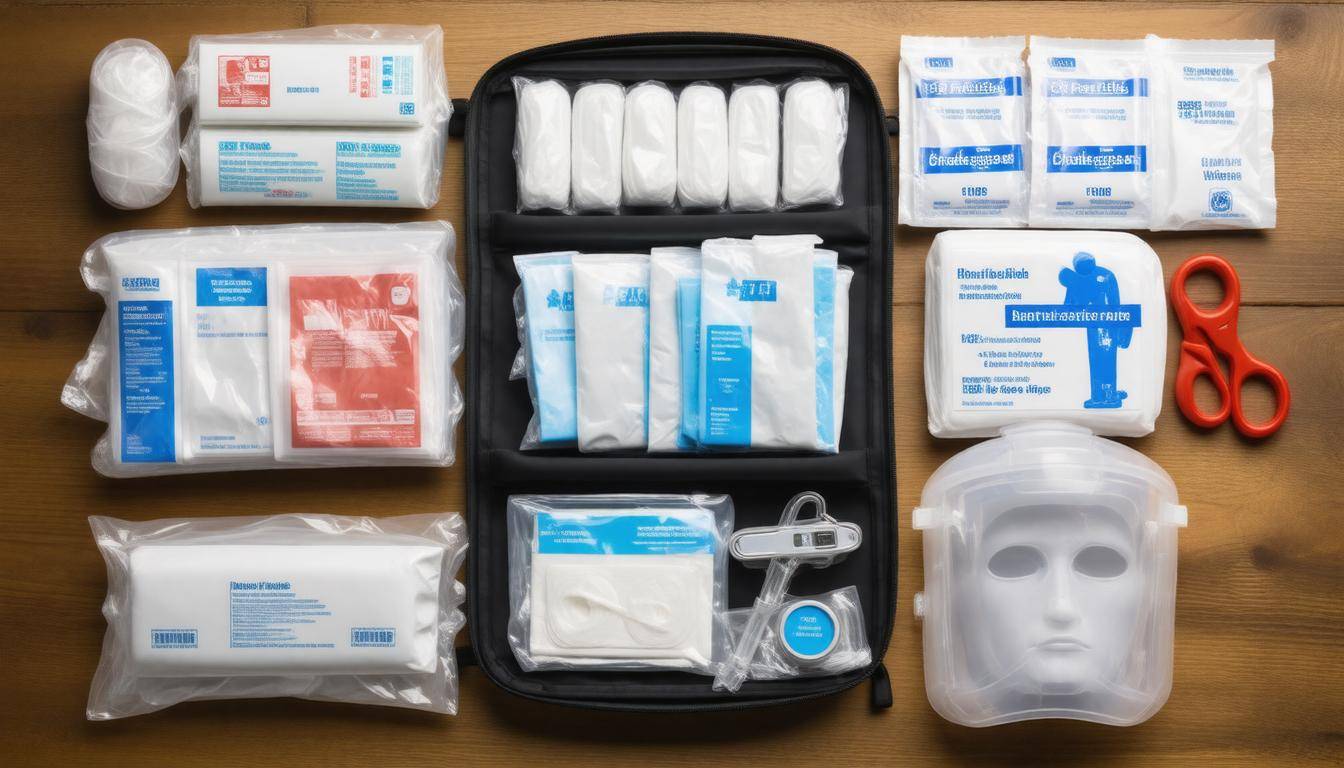
One item that often gets overlooked but is truly invaluable is a multitool. Imagine needing to cut open a package of gauze or bandages without having anything handy; that can be frustrating during an emergency. A high-quality multitool can not only handle cutting tasks but also assist in various situations—like opening bottles or tightening screws. It’s versatile and compact, making it perfect for your first aid kit where space might be limited.
Another must-have in your kit is adhesive bandages. While they may seem like a basic item, consider how frequently minor cuts and scrapes happen in daily life. Whether it’s a slip with a kitchen knife or a small scrape from gardening, these injuries need to be addressed promptly to prevent infection. Having a variety of sizes in your kit ensures that you won’t struggle to find the right bandage when time is of the essence.
Following closely behind are antiseptic wipes. These are crucial for cleaning any wounds effectively before applying a bandage. Keeping the wound site sterile is key to preventing infections, which can lead to more severe health issues. Remember, using antiseptic wipes isn’t just about cleanliness; it’s about promoting healing and protecting oneself against complications.
As we continue, the focus now shifts to wound care essentials that complement these foundational supplies.
In addition to what we’ve already discussed, consider including items like gauze pads and medical tape. Gauze pads are essential for covering larger wounds while medical tape ensures they stay securely in place. Think of this combination as your first line of defense against further injury and contaminants entering an open wound.
With these foundational supplies in mind, let’s explore additional components essential for addressing injuries more effectively and ensuring proper care during emergencies.
Wound Care Essentials
Proper wound care is absolutely essential when treating injuries, especially when professional medical assistance might be out of reach. The key is to act promptly and effectively, as improper treatment can lead to serious issues such as infections or prolonged recovery times. Timing and the right supplies are invaluable here.
Gauze Pads and Rolls
Gauze pads and rolls are fundamental components of any first aid kit, serving as an effective barrier against contaminants while absorbing blood and other fluids. They’re particularly useful for larger wounds where other dressings may not provide adequate coverage.
When applying gauze, ensure the edges cover beyond the wound itself. Securing it appropriately helps prevent further injury or contamination. For instance, I remember a camping trip where a friend got a nasty scrape while hiking; having gauze on hand allowed us to clean and adequately cover his wound before we could get back to civilization. It helped keep dirt out and facilitated healing.
When using gauze pads, it’s vital to apply them gently—never press too hard if bleeding is present; instead, let them absorb and change them as needed without disturbing the wound more than necessary.
Antibacterial Ointment
After you’ve cleaned a wound—ideally with saline or clean water—applying an antibacterial ointment like Neosporin can significantly reduce the risk of infection. This ointment forms a protective barrier while aiding in moisture retention, crucial for effective healing. In my experience, keeping some in your kit makes a world of difference during minor cuts or scrapes. Just remember to apply it sparingly; even though it feels good to slather it on thick, a thin layer is usually sufficient.
Following these initial steps of using gauze and ointment creates an optimal environment for wounds to heal. Not only do these items play pivotal roles in minimizing complications, but they also promote rapid recovery by ensuring that the injury site remains clean and well-protected.
With this foundational knowledge about wound care established, it’s time to shift our focus toward understanding what medications and tools are essential for handling various emergencies effectively.
Critical Medications and Tools
Certain medications and tools can indeed make the difference between life and death during emergencies, and knowing how to use them is equally important. This knowledge can be a lifesaver whether you’re dealing with a severe allergic reaction, managing pain, or controlling heavy bleeding. It’s about being proactive rather than reactive in critical moments when every second counts.
The following items should absolutely have a place in your first aid kit:
-
Epinephrine Injector: Essential for treating anaphylaxis caused by extreme allergic reactions, this tool can quickly reverse symptoms like throat swelling and difficulty breathing. It’s a must-have for those who have known allergies.
-
Aspirin: Not only does it provide pain relief, but it also plays an important role in reducing the risk of heart attacks. In case of chest pain, taking aspirin could be a life-saving decision.
-
Tourniquet: In situations where bleeding is severe and can’t be controlled with direct pressure, a tourniquet can be a crucial tool. If applied correctly above the site of bleeding, it can prevent blood loss long enough for emergency services to arrive.
-
CPR Face Shield: For safe mouth-to-mouth resuscitation, this shield keeps both the rescuer and the patient safe from potential infections while still enabling life-saving breaths.
-
Digital Thermometer: Being able to monitor body temperature can help assess the severity of illness during emergencies. A fever may indicate infection or other serious conditions.
-
Antihistamine: This medication alleviates allergic reactions, providing quick relief for hives or itchy skin that may occur after exposure to allergens.
Prioritizing these key items not only enhances your preparedness but also helps you act decisively when every moment matters.
To maintain efficiency in your first aid kit, understanding how to organize each component effectively is essential for swift action in emergencies.
Kit Organization Tips
One of the best ways to ensure your emergency first aid kit is effective during a crisis is to keep it organized in a way that makes sense to you. Imagine opening the kit when minutes matter and finding everything you need right where it should be. To achieve this, consider using clear bags or containers that allow you to see what’s inside at a glance.
Use Clear Bags or Containers
Organizing items into distinct, transparent bags or containers can be a game-changer. Label each bag clearly with its contents — for instance, one bag could hold medications, while another might contain wound care supplies. This simple yet effective method not only helps you find what you’re looking for quickly but also allows others to access necessary items without confusion if you’re not there. Think of it like having a recipe box where every ingredient is neatly categorized and easy to reach!
Another tip is to prioritize accessibility by placing frequently used items at the top or within easy reach. For example, keep adhesive bandages and antiseptics in a front pocket or small pouch that’s easily accessible, as these are likely the supplies you’ll use first in many situations. It’s all about making your emergency gear user-friendly, even under pressure.
Inventory Checklist
Alongside proper physical organization, maintaining an inventory checklist inside your kit is essential. This checklist should be regularly updated to ensure nothing on hand is expired or running low. Not only does this help you keep track of what you have, but it also reinforces preparedness by identifying which items you may need to restock before they run out.
Regularly reviewing your inventory — perhaps scheduled twice a year — becomes a necessary item on your calendar. It takes just a few minutes to confirm that everything is current but pays dividends when having those vital supplies available matters most.
Lastly, don’t underestimate the power of context in choosing the appropriate supplies. Tailor your kit specifically for your most likely scenarios—whether it’s outdoor adventures, home safety during winter storms, or urban emergencies—means selecting contents that genuinely reflect your needs.
Implementing these organization techniques can greatly enhance how ready you feel for any unexpected event. Next, it’s important to look at how to tailor your kit to address specific situations effectively.
Choosing the Right Kit for Specific Needs
Different people have different needs; thus, there’s no one-size-fits-all first aid kit. For instance, when creating a kit for families, it’s essential to think about children and their unique requirements.
Make sure to include child-friendly items such as liquid medications for younger family members who may not be able to swallow pills easily. Small-sized bandages, often featuring fun designs or characters, can help ease children’s anxiety when it comes to getting treated for cuts and scrapes. Including things like antiseptic wipes and gauze pads are also critical to ensure that you are well-prepared for any minor mishaps that may occur during playtime.
If you’re planning a trip, a different approach is required—travel kits should prioritize compactness and lightweight design while still packing the essentials. You want a kit that won’t weigh down your luggage or add unnecessary bulk to your backpack.
A simple travel first aid kit should contain basics such as adhesive bandages, antiseptic wipes for cleaning wounds, and even motion sickness medications if you’re venturing on long journeys or windy roads. Think of it as survival minimalism; only carry what’s necessary without compromising safety.
Now we must consider the ongoing debate between purchasing pre-made kits versus making your own tailored solution.
One option is to obtain a pre-made first aid kit, which can be incredibly convenient as they come with essential supplies right out of the box. However, many experts advise against relying solely on them since they may include items that aren’t specific to your needs and lack necessary supplies that you could end up needing in an emergency.
Instead, assembling your own kit can be empowering—and allows you to customize it based on your lifestyle, activities, and family needs. By methodically choosing each item, you’ll create a kit that’s more relevant to your specific situation.
Understanding what you need will help make informed choices about your first aid preparedness.
With clarity on personalizing your first aid solution, we can now transition into evaluating how best to acquire these essential supplies: whether through pre-packaged options or customizable choices that best fit your unique circumstances.
Buying vs. Customizing Your Kit
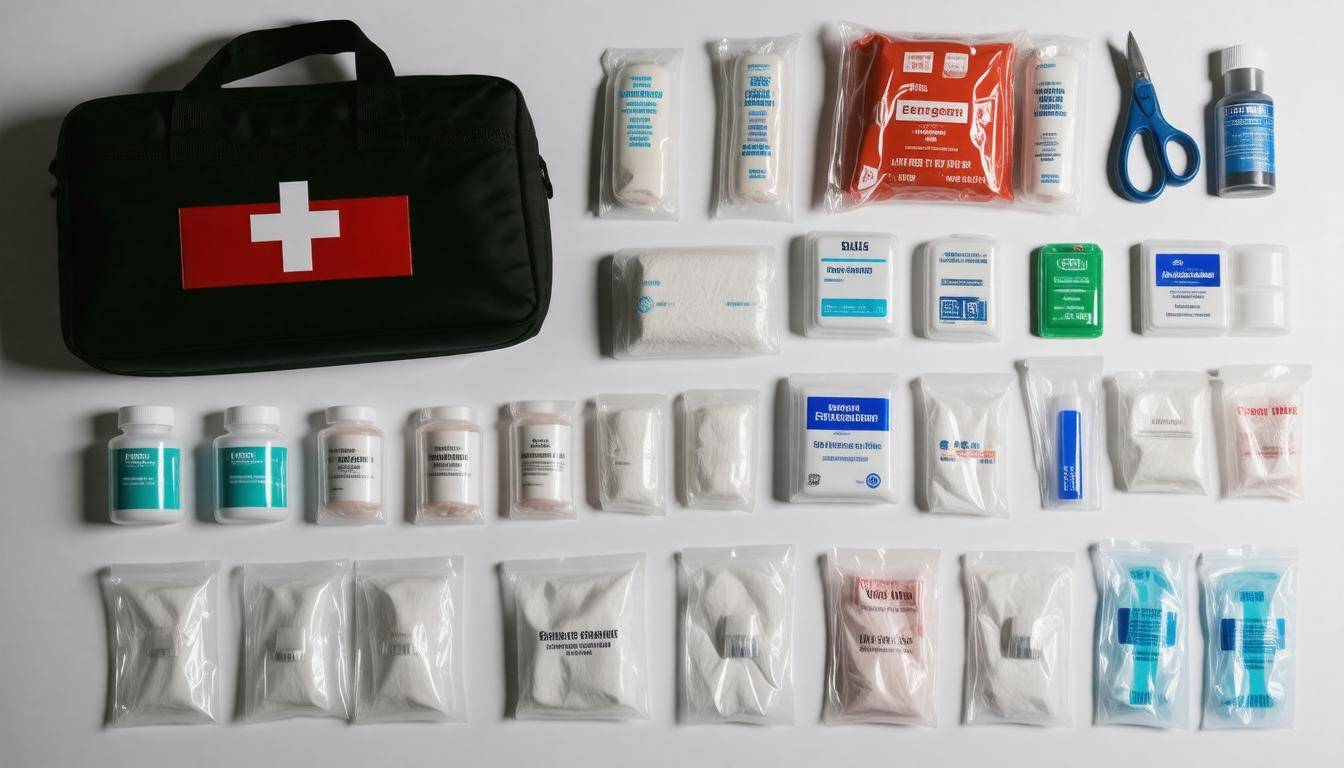
Pre-made kits offer undeniable convenience—they come neatly packaged with a variety of supplies that often fit general guidelines for emergency care. This can be particularly appealing if you’re looking for a fast solution or need a kit to keep in your car or at home.
However, it’s important to recognize that these kits may contain superfluous items you won’t ever use while omitting crucial components needed for your specific situation. For instance, a pre-assembled kit might include a plethora of adhesive bandages but lack critical supplies like a tourniquet or specialized pharmaceuticals, which are invaluable in dire scenarios.
Customizing your kit, on the other hand, empowers you to tailor it specifically to your needs. Want items meant for outdoor adventures? You could include additional gauze, pain relief medications, or even an emergency blanket.
The flexibility of creating your own first aid kit can lead to better preparedness for varied situations, whether it’s hiking through rugged mountains or managing minor injuries at home. Yet, this option does come with its own set of challenges; it can be time-consuming and sometimes more costly than picking up a kit off the shelf.
One consideration is the notion that building a custom kit allows you greater control over what goes into it. You may find that customizing can save you money; often people already have first aid items lying around their homes. By leveraging what you have and adding necessary supplies, you can create an efficient kit without starting from scratch.
Ultimately, when deciding between a pre-made option or a customized approach, assessing your specific requirements will lead you toward the most effective choice for optimal safety and preparedness.
Creating an emergency first aid kit—whether pre-made or customized—ensures you are prepared for any situation that may arise. Tailor your selection process to meet your unique needs and configuration.
How often should a first aid kit be checked and replenished with supplies?
A first aid kit should be checked and replenished every six months to ensure that all supplies are intact and up-to-date. Over time, items can expire or become depleted due to usage, with research indicating that nearly 30% of first aid kits fail to provide the necessary supplies in an emergency situation. Regular checks help maintain readiness and confidence in the kit’s effectiveness during critical moments.
What are the top 10 must-have items for an emergency first aid kit?
The top 10 must-have items for an emergency first aid kit include adhesive bandages, gauze pads, antiseptic wipes, tweezers, scissors, pain relievers (like ibuprofen), a digital thermometer, instant cold packs, medical gloves, and a CPR face shield. These essentials address common injuries such as cuts and scrapes (which make up about 50% of all first aid cases), allowing you to manage situations effectively and reducing the risk of infection while waiting for professional help.
How do the contents of a first aid kit vary based on different situations (e.g., home, car, outdoor activities)?
The contents of a first aid kit vary significantly based on the environment; for instance, a home kit typically includes supplies for minor injuries like band-aids and antiseptics, while a car kit may feature items for roadside emergencies, such as flares and reflective vests. Outdoor activity kits should include more specialized gear like blister treatment and snakebite kits, reflecting the increased likelihood of outdoor-related injuries. According to the American Red Cross, having an appropriate first aid kit can increase preparedness by up to 60%, highlighting the importance of tailoring kits to specific environments and activities.
What are some common mistakes to avoid when assembling a first aid kit?
One common mistake to avoid when assembling a first aid kit is neglecting to include necessary medications or supplies tailored to specific health needs, such as allergies or chronic conditions. According to a survey by the American Red Cross, over 30% of people reported that their kits lacked essential items like antihistamines or personal prescriptions. Additionally, failing to regularly check expiration dates can render supplies ineffective in emergencies, emphasizing the need for routine maintenance of your kit to ensure it is always ready for use.
Are there any specific legal requirements or recommendations for first aid kits in workplaces?
Yes, there are specific legal requirements and recommendations for first aid kits in workplaces, which can vary by country and industry. For example, in the United States, OSHA (Occupational Safety and Health Administration) requires that employers provide a safe workplace, which includes having an appropriate first aid kit tailored to the specific risks of their operations. According to OSHA, the contents of the kit must be replenished after use and regularly checked to ensure compliance. Additionally, many industries have their own guidelines; for instance, construction sites often require more extensive kits due to higher injury risks. Statistics show that approximately 2.8 million nonfatal workplace injuries are reported annually in the U.S., highlighting the importance of being prepared with a well-stocked first aid kit.