
When you think about attending an event at a convention center, the last thing on your mind is likely an emergency. But just like we buckle our seatbelts before hitting the road or have fire drills at school, planning for unexpected situations is essential for the safety of everyone involved. Creating a comprehensive emergency plan for convention centers isn’t just good practice—it’s a responsibility. This guide will walk you through the crucial aspects of emergency planning, from understanding potential risks to implementing effective communication strategies. So, if you’ve ever wondered how to turn chaos into coordinated action when it matters most, you’re in the right place!
The Convention Center Emergency Plan: Complete Guide covers essential components of emergency planning, including fire safety protocols, evacuation procedures, medical response strategies, and guidelines for managing emergencies related to health pandemics. Additionally, it outlines best practices for staff training and communication during crises to ensure the safety of all attendees and exhibitors at events.
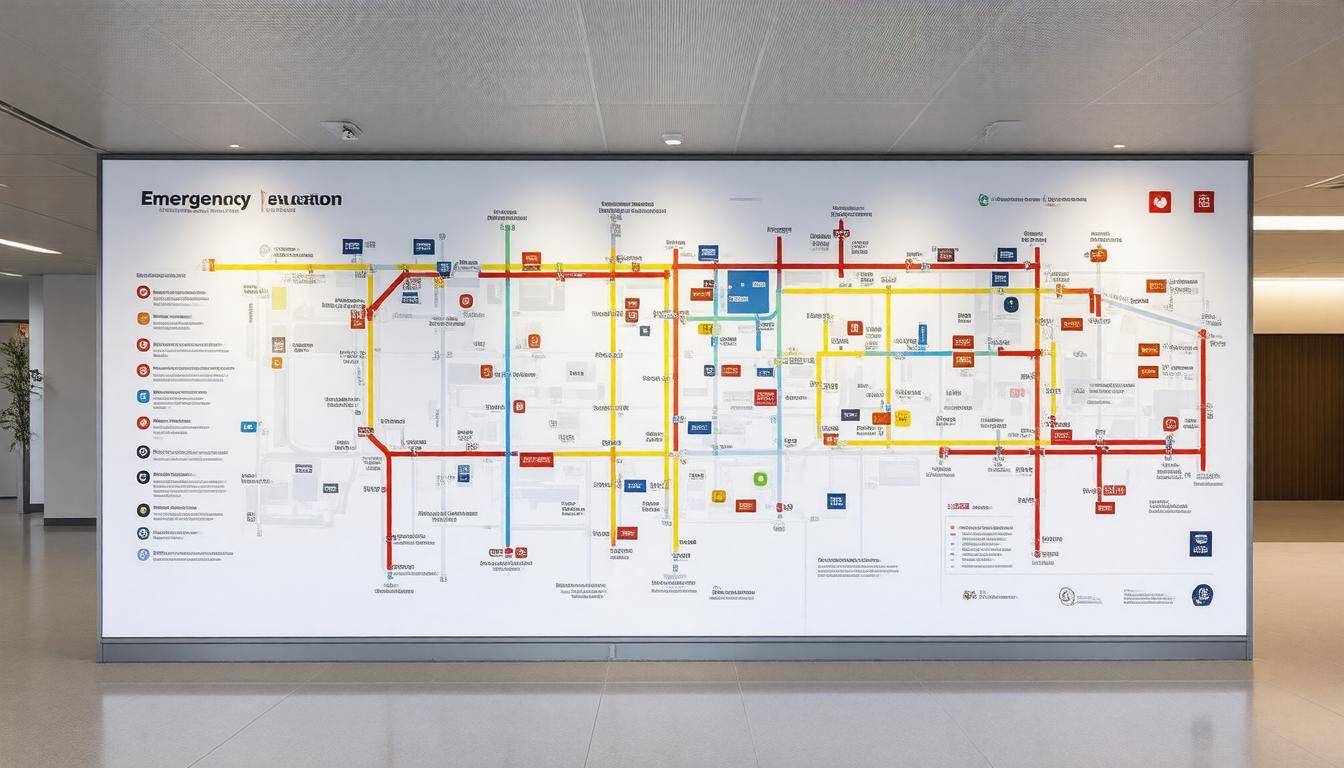
Assessing Potential Risks
The foundation of an effective emergency plan hinges on a detailed assessment of potential risks tailored specifically to the convention center. It starts by examining historical data related to past incidents, providing valuable insights on what to expect.
Take a moment to consider various types of emergencies that could occur at a gathering place: from fires and earthquakes to floods, active shooter scenarios, and even health-related crises like pandemics. Each of these carries its own set of challenges and will require different responses.
Identifying Site-Specific Hazards
Every convention center has unique characteristics—be it layout, crowd dynamics, or specific equipment—that can influence the type and severity of potential risks. For instance, hallways or stairwells that tend to bottleneck during events could be problematic during evacuations; identifying these hotspots is crucial. Additionally, look for areas where electrical equipment might accumulate dust or become overloaded, as these are common fire hazards. Site-specific evaluations help create a tailored approach to safety.
Risk Matrix Creation
An effective method for assessing risk is creating a risk matrix. This tool categorizes each identified risk by its potential impact and likelihood. For example, while earthquakes pose a high impact in some regions, their likelihood may be relatively low compared to minor medical emergencies that can happen frequently but carry less severe consequences. A well-structured matrix provides clarity when allocating resources and prioritizing safety training efforts among staff members.
| Risk Type | Likelihood | Impact | Mitigation Strategies |
|---|---|---|---|
| Fire | Medium | High | Implement sprinkler systems, maintain fire extinguishers |
| Earthquake | Low | High | Conduct structural audits, schedule emergency drills |
| Health Emergency | High | Medium | Set up first aid stations, organize fast response teams |
| Active Shooter | Low | High | Employ dedicated security personnel, develop lockdown protocols |
This matrix serves not only as a guiding document for resource allocation but also highlights necessary training and preparedness strategies to ensure optimum safety during events. As we explore further, it’s essential to identify the key personnel who will play significant roles in implementing these critical safety measures.
Key Resources and Responders
In any emergency, the effectiveness of your response hinges on the quality and accessibility of your resources and the training of your responders. Imagine a scenario where an attendee suddenly collapses during a large event. An on-site medical team—trained and equipped with first-aid kits and Automated External Defibrillators (AEDs)—can make the difference between life and death. Having well-trained security personnel who can quickly assess situations, communicate effectively, and guide guests safely is crucial to ensuring calm during chaos.
Essential Emergency Contacts
One of the first steps in establishing a robust emergency plan is creating a comprehensive list of essential contacts. This list should include local fire departments, police stations, hospitals, and private security firms.
Imagine being in a situation where every second counts; having quick access to these numbers ensures you can reach out for help without delay. Beyond just making calls easier, it allows for better communication and coordination during an emergency. Consider posting this list visibly on staff bulletin boards or distributing it digitally among key personnel so everyone remains informed and prepared.
Equipping Response Teams
Ensuring your response teams have the right tools cannot be overstated. Each team member should be equipped with updated gear such as walkie-talkies for instant communication, first-aid kits to address immediate medical needs, fire extinguishers strategically placed throughout the venue, and AEDs readily available within easy reach.
Conducting routine checks is vital; equipment can degrade over time or be misused or removed from their designated locations. Regular inspections keep your team’s tools ready for action, enabling them to provide timely intervention.
Engaging in drills using these resources will further enhance the team’s readiness and provide valuable practice in swiftly mobilizing equipment like AEDs during real emergencies.
With these essential components in place, the next step involves detailing procedures that clarify each team member’s responsibilities in various scenarios.
Crafting Emergency Protocols
Emergency protocols serve as the backbone of any safety plan within a convention center, detailing step-by-step actions tailored to various scenarios. These protocols must prioritize clarity and simplicity, enabling staff and attendees to follow them confidently in stressful situations. It’s crucial that your emergency protocols are not only written down but also understood by everyone involved.
For instance, imagine a crowded exhibition hall with limited time to react during an emergency; the last thing you want is confusion due to poorly communicated procedures.
Protocol Specificity
The importance of specificity comes into play here. It’s essential to develop distinct protocols for a variety of emergencies—think fires, medical incidents, severe weather events, or even active threats. Clearly define roles and responsibilities for team members during each type of emergency to reduce uncertainty and improve response times.
For example, who will handle crowd management? Who calls emergency services? Make sure that every staff member knows their role inside and out. This clarity can be the difference between chaos and effective action.
Evacuation Routes
Equally important is designing and clearly marking evacuation routes. Picture walking through a busy event: clear signage guiding attendees toward safe exits can make a world of difference in maintaining order during an evacuation. Consider attendees with disabilities—your routes should facilitate access for everyone.
Regular audits of these pathways help ensure they remain unobstructed; furniture may shift or new obstacles can appear without notice, making it vital to frequently check that all paths are clear.
Now that we have established protocols and routes, let’s shift our focus to communication strategies that reinforce these plans during emergencies, ensuring no detail falls through the cracks when it matters most.
Effective Communication Strategies
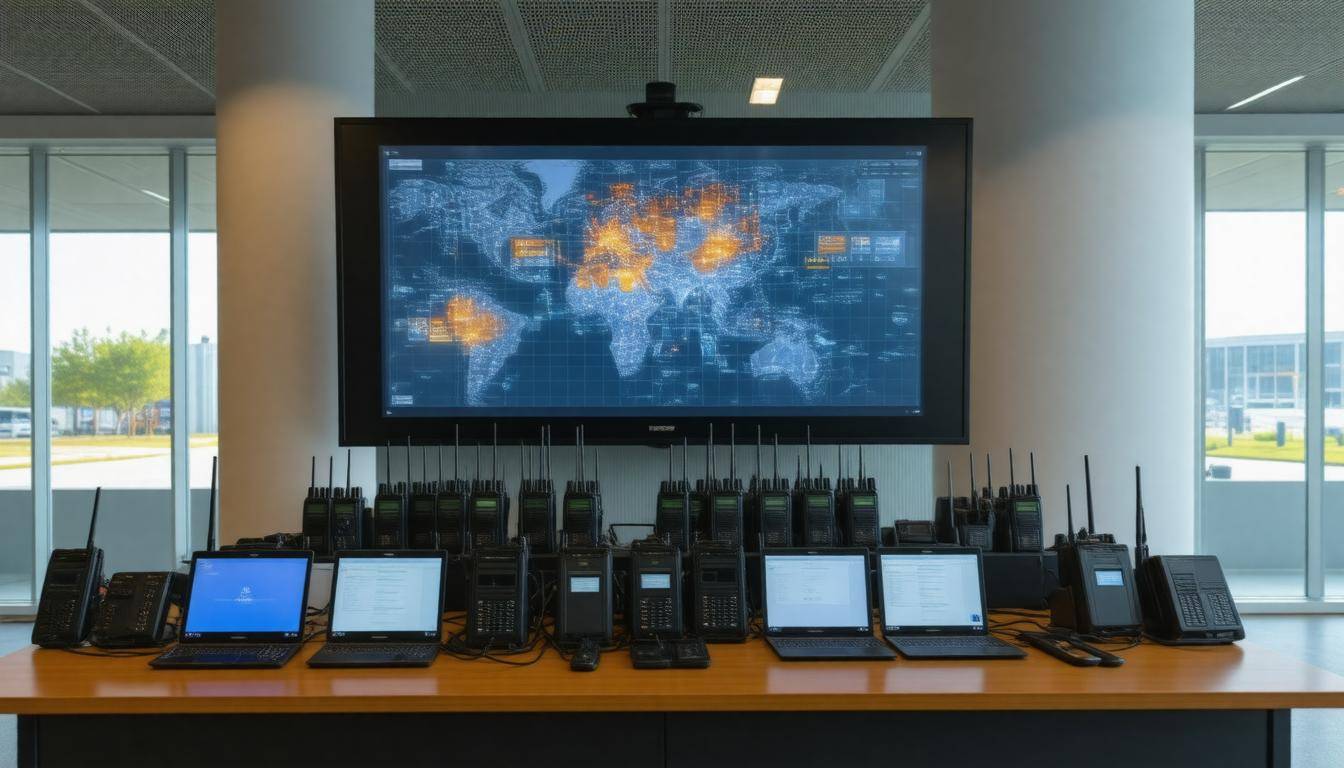
Effective communication can make all the difference in an emergency situation, transforming potential chaos into organized control. To achieve this level of preparedness, you need to craft actionable strategies that employ various methods to reach your audience swiftly and efficiently. The goal is clarity; all attendees and staff must receive accurate information quickly so they know how to respond.
Multi-channel Alerts
A multi-channel alert system is vital for reaching everyone in the convention center during an emergency. Utilizing multiple methods—like loudspeakers, text message alerts, emails, and social media updates—ensures that your message gets through no matter where people are in the building or what device they have at hand. In fact, studies show that individuals are more likely to respond when they receive messages through different channels.
Think of it like a life raft on a sinking ship: the more ways you have to connect with people, the better their chances of survival become.
It’s also important to be transparent in your messaging. Clear instructions should explain what actions attendees should take based on the type of emergency, whether that involves evacuating, sheltering in place, or something else entirely. A confusing message can lead to hesitation or panic, which can complicate situations further.
Staff Communication
Equally crucial is how you communicate with staff members during an emergency. Direct lines of communication such as two-way radios or mobile phones create a seamless flow of information throughout your team. Ensure that a clear hierarchy is established for information dissemination; this helps prevent misinformation and ensures that everyone receives consistent updates from credible sources.
Imagine you’re playing a high-stakes game of telephone—without a clear chain of command, critical messages may distort or get lost entirely.
Staff should also engage in regular training so they’re familiar with protocols and feel confident relaying information to others. This includes practicing how to utilize communication tools effectively during an emergency scenario. Drills allow staff not only to familiarize themselves with the equipment but also to work together as a cohesive unit, which builds trust and confidence within your team.
The outcome of establishing effective communication strategies can significantly impact overall safety and create a sense of reliability among attendees. When people know there’s a plan in place and that they will be informed effectively, it fosters an environment of assurance amidst uncertainty.
With these foundational elements established, it’s essential to integrate practical experiences through training exercises, ensuring readiness in real scenarios.
Conducting Safety Drills
Safety drills are not just routine practices; they are an essential part of ensuring that staff is familiar with emergency procedures and can react quickly during a real crisis. By engaging in these drills regularly, ideally at least twice a year, you create a solid foundation for preparedness. These drills should encompass a range of emergency scenarios, such as fire evacuations, natural disasters, and even active shooter situations. Each drill is like a rehearsal for a play—your team members need to know their roles and how to respond under pressure.
Beyond merely conducting these drills, it’s crucial that the emergencies rehearsed are varied and reflective of potential real-life incidents. For instance, consider integrating complex scenarios that require teamwork, quick decision-making, and communication among staff members. This will not only prepare your team for specific emergencies but also foster a culture of vigilance where everyone understands the importance of being proactive rather than reactive.
But simply running through the motions isn’t enough—this is where feedback comes into play.
Feedback Loops
After every drill, it’s essential to conduct debrief sessions with all participants. These discussions are invaluable; they provide an opportunity for your team to express what went well, what felt challenging, and what gaps were apparent during the exercise. Collecting this feedback can identify weaknesses in various protocols and pinpoint specific areas that may need refining or reevaluating.
A venue with strong feedback loops can adapt quickly, ensuring that lessons learned from drills translate into improved safety measures for future events.
Imagine this scenario: after a drill simulating a fire evacuation, one team member notices that certain exit signs were obscured by decorations for an upcoming event. That piece of feedback could prompt immediate changes to prevent confusion in a real emergency. Regularly incorporating participant feedback can profoundly enhance your overall emergency response strategy and make your team feel more engaged in their safety training.
Ultimately, conducting effective drills helps solidify plans but reading the room during an actual situation tests those very plans to the core.
Real-Time Application
Real-time management during an actual emergency will indeed put everything you’ve practiced to the test. It’s during these moments that your written protocols transform from mere guidelines into actions carried out by trained individuals. Therefore, when evaluating the success of your safety practices, always refer back to those drills and the feedback received afterward because those insights pave the way for continuous improvement.
By prioritizing regular safety drills and focusing on open channels for communication through feedback loops, you significantly improve the safety culture within your convention center environment. This foundation prepares everyone involved—not just for what might happen—but for how they can respond effectively when it does.
As we shift our focus now, let’s explore how adopting technology enhances emergency planning and response capabilities.
Real-Time Emergency Management
Efficient real-time emergency management hinges on the ability to make quick decisions, allocate resources effectively, and maintain constant communication. When an incident occurs—whether it’s a fire, a medical emergency, or a security threat—every second counts. A well-prepared team that understands their roles can streamline responses, turning chaos into coordinated action.
Command Center
To facilitate this level of efficiency, setting up a dedicated command center within the convention center is essential. This space should be equipped with advanced communication tools and real-time monitoring capabilities such as CCTV feeds. By having access to live video footage, your response team can assess situations accurately and make informed decisions quickly.
Imagine receiving updates in real-time from various areas of the convention center. With proper monitoring, you could identify hotspots of activity needing immediate attention versus areas that require less urgent intervention. This dual approach allows resource allocation where it’s needed most.
Decision-Making Framework
Utilizing a structured Decision-Making Framework like the Incident Command System (ICS) can enhance your emergency response significantly. The ICS framework is widely adopted for its adaptability and efficiency in managing local incidents as well as large-scale emergencies involving multiple agencies. Research indicates that organizations employing the ICS have seen a marked improvement in coordination during these multi-agency responses, allowing responders to work together seamlessly instead of operating in silos.
In practical terms, implementing ICS means assigning clear roles and responsibilities within your team. For instance, designating one person as the incident commander ensures there’s a single point of decision-making authority which reduces confusion during critical moments. Regular training exercises based on this framework help ensure all team members are familiar with their duties when an actual emergency occurs.
After effectively managing an incident, it becomes crucial to evaluate responses through post-incident reviews, paving the way for ongoing enhancement of emergency plans based on real experiences encountered during crises. This continuous improvement cycle sets the stage for fostering resilience and readiness in your operations.
Reviewing and Updating Plans
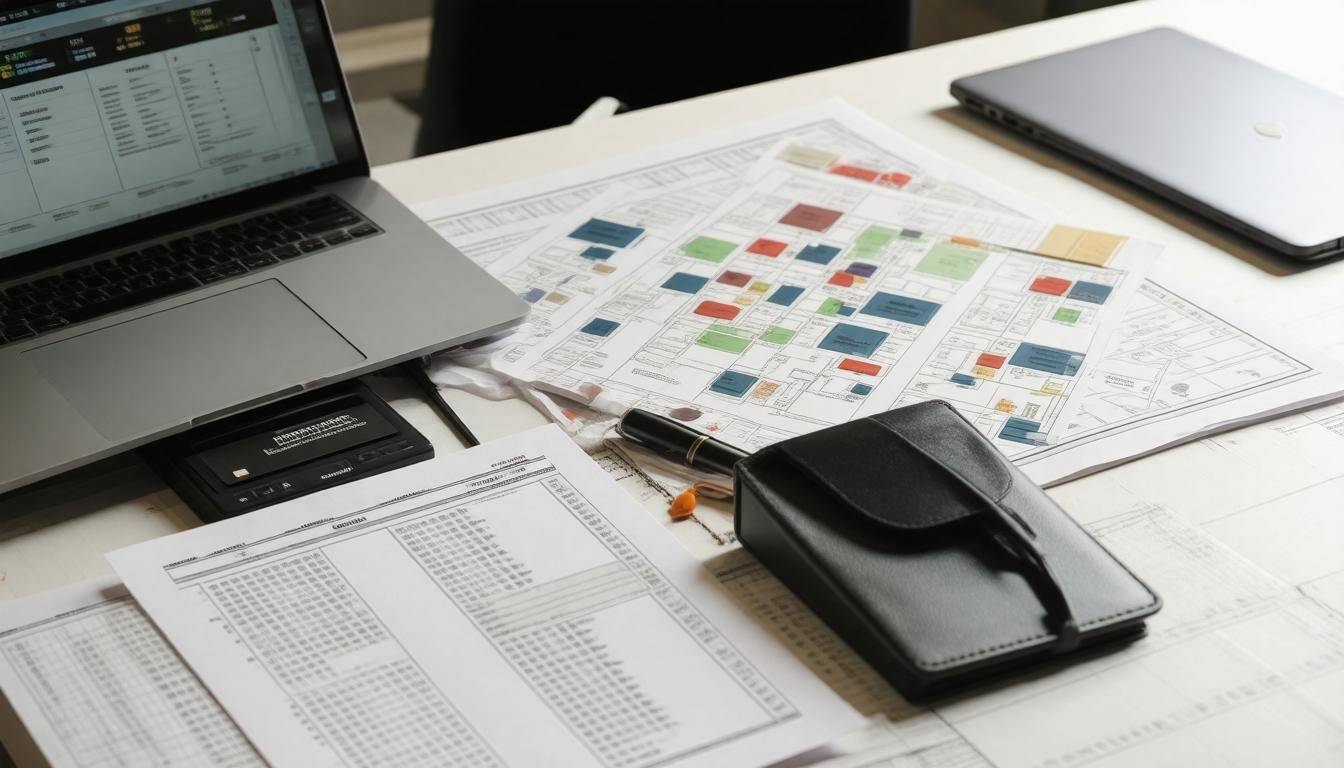
Emergency plans are not just checklists to file away; they are dynamic documents that must evolve as circumstances change. They must reflect the lessons learned from past incidents, new regulations, or emerging threats that may stand in the way of ensuring safety. Each review should consider not only changes in operations but also developments within the local community and industry standards. This means incorporating feedback loops from all stakeholders involved—security personnel, event planners, and local emergency services—to ensure diverse insights shape your approach.
Post-Mortem Analysis
After every drill or actual emergency incident, it’s important to carry out a post-mortem analysis. Think of this like a critical meeting after a sports game where teams evaluate their performance: what went well, what didn’t, and why. These evaluations help identify strengths, highlight weaknesses, and pinpoint areas needing improvement in your response plan. By documenting these reflections immediately after an incident, you serve a dual purpose; you’re refining future actions while cementing knowledge that could be crucial during real emergencies.
However, such analyses shouldn’t be one-off occurrences; they pave the way for continuous learning. Encourage open dialogue among team members so that everyone feels free to contribute—and don’t let egos bruise the process. Everyone’s perspective adds value to the final evaluation.
Continuous Improvement
Following the insights gained from post-mortem analyses, regular updates to your emergency protocols should occur at least every six months or promptly after any substantial incident. This ongoing commitment to improvement ensures that your plans don’t become outdated relics but are instead responsive to current realities. When you keep your plans fresh, you heighten your readiness and response capabilities.
In doing so, you’ll reinforce a proactive culture of safety—one where preparedness complements overall facility operations. The focus now shifts to the essential tools and resources that can significantly enhance your preparedness efforts effectively.
Essential Tools and Guidelines
First and foremost, the heart of any successful emergency plan revolves around emergency kits. Picture this: it’s a busy day at the convention center, filled with attendees, when suddenly an unexpected incident occurs. This is where well-stocked emergency kits come into play. Having multiple kits distributed throughout strategic locations ensures that immediate assistance can be provided without delay.
An ideal kit should contain:
- First-aid supplies for treating minor injuries
- Fire extinguishers for quick action against flames
- Flashlights to navigate darkened areas
- Walkie-talkies or two-way radios for seamless communication among staff members during emergencies
This prevents chaos and helps coordinate efforts efficiently.
Having all these supplies at hand is important, but without a solid framework on how to use them, their effectiveness diminishes.
Standard Operating Procedures (SOPs)
Developing comprehensive Standard Operating Procedures (SOPs) tailored to various emergency scenarios is another cornerstone of preparedness. Imagine if your staff faced an unexpected situation without knowing how to respond—panic would ensue, and critical seconds could be lost. By crafting detailed SOPs for different emergencies, such as fires, natural disasters, or security threats, every team member knows exactly what actions to take.
Make sure these procedures are accessible and known by everyone involved; having them pinned in break rooms or sent through regular emails can keep this information fresh in their minds. It’s like knowing the rules of a game before you step onto the field.
Regular training sessions are also vital to ensure your staff feels confident in using these protocols during high-pressure situations. Just like athletes practice their plays repeatedly until they become second nature, so too should your team rehearse their SOPs regularly. This familiarity translates into faster reactions and improved coordination when emergencies strike.
As we implement these strategies together—creating thorough emergency kits and developing SOPs anchored in practical training—we weave a safety net that not only protects our attendees but also provides peace of mind in case of unforeseen circumstances.
Continuous Improvement
Lastly, remember that the realm of emergency management is ever-evolving; regular reviews of both your tools and SOPs are critical. Stay informed about advancements in safety protocols or updated equipment recommendations from authorities like the South Carolina Emergency Management Division (SCEMD). Balancing proactive measures with continuous updates ensures that your convention center remains prepared for both current challenges and emerging threats.
Through these essential tools and guidelines, you craft a robust framework that strengthens your center’s response capability while fostering a culture of preparedness among staff and attendees alike. Preparedness is not just a protocol; it’s a promise to keep everyone safe.