
Copenhagen is in a race against time and tide. With climate change threatening to reshape its coastlines, the city must confront the stark reality of rising sea levels and increasing storm intensity head-on. Imagine waking up one day to find your neighborhood at risk from the very waters that once brought charm and beauty. This isn’t just a distant worry for the future; it’s an urgent call to action happening right now in urban spaces like Copenhagen. To tackle this challenge, city planners are getting creative, blending nature with modern engineering to protect their communities while enhancing quality of life. The Copenhagen Coastal Flooding Protection Plan is a bold steps toward ensuring safety for all—and providing valuable lessons for cities around the globe.
The Copenhagen Coastal Flooding Protection Plan is an innovative strategy designed to enhance the city’s resilience against climate change and rising sea levels, incorporating extensive investments in green infrastructure such as parks that absorb excess rainwater and flood barriers for extreme weather. The plan emphasizes blue-green solutions by integrating natural elements into water management strategies, and aims to secure community support through public engagement while ensuring ongoing adjustments based on real-time data.
The Increasing Threat of Coastal Flooding in Copenhagen
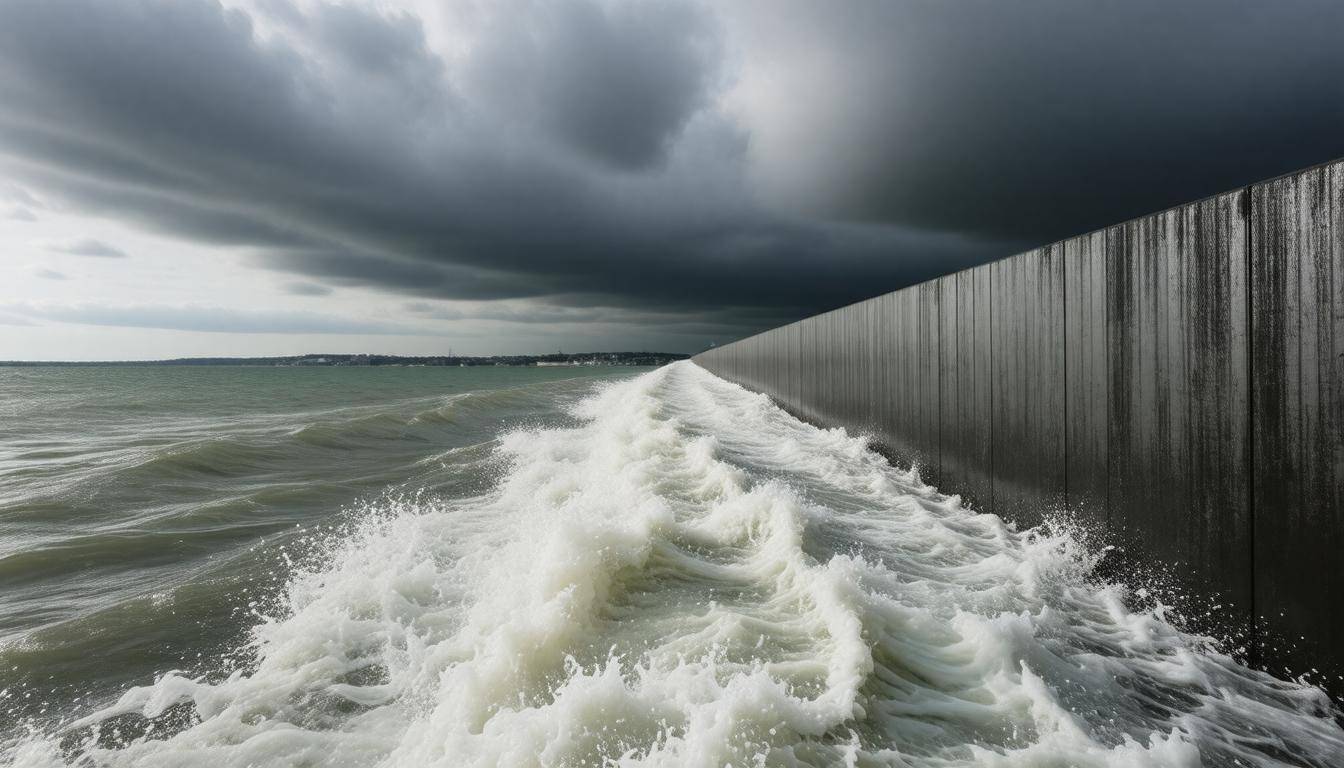
Copenhagen is witnessing a mounting threat from coastal flooding, primarily driven by the relentless impacts of climate change. As sea levels rise and storm intensity increases, the city faces an alarming possibility: without prompt and effective intervention, it could experience up to a 40% higher risk of coastal flooding by 2050. This statistic should not just be seen as numbers on a page; it represents real risks for homes, businesses, and lives in densely populated areas that sit right at water’s edge.
In 2021, residents experienced firsthand what this threat entails when a powerful storm surge flooded various districts, proving that the danger is not merely hypothetical. It was indeed a wake-up call, urging authorities and citizens alike to confront the facts surrounding flood risks head-on.
Given its position on the coastline, Copenhagen’s unique geography makes it particularly vulnerable to water-related hazards such as storm surges and flash floods. The abundance of water surrounding the city amplifies both its allure and its risk. With rapid urbanization further complicating matters, there’s an increased demand for infrastructure and housing along these vulnerable shores. As more people crowd into coastal urban areas, the potential consequences of flooding become ever more profound.
Climate change isn’t just a distant specter; it’s already affecting weather patterns, making storms more frequent and intense. As these trends dominate, cities like Copenhagen find themselves at a crossroads: they must innovate quickly or face dire repercussions. Therefore, understanding not just the current landscape but also anticipating future conditions is essential for planning effective flood management strategies.
To combat this growing threat effectively, Copenhagen has begun to take significant steps towards resilient infrastructure that accounts for future challenges instead of merely reacting to past crises.
Initiatives such as creating detailed flood-risk maps are crucial for identifying vulnerable areas and plotting preventive measures aptly tailored for both existing and projected flood scenarios. By mandating that flood-risk assessments extend to 2100, Denmark’s forward-thinking approach sets a precedent that many other cities could learn from. A strong foundation built on data informs decision-making processes aimed at bolstering city resilience against these inevitable threats.
The integration of new technologies like real-time flood warning systems plays a pivotal role as well. Such systems empower authorities to respond dynamically during adverse weather events, helping to optimize existing infrastructure while ensuring communities receive timely alerts about imminent risks. This proactive stance transforms fear into preparedness—a vital shift as Copenhagen continues to adapt in an era defined by uncertainty.
Recognizing their reality and taking informed action rather than waiting until disaster strikes again enables cities to safeguard their infrastructure and protect the safety and well-being of their residents.
As we navigate through these pressing challenges, it’s essential to look closely at how future changes in our environment—especially rising sea levels and more severe storm surges—will shape urban landscapes.
Projected Sea Level Rise and Storm Surge Impact
The coastal residents of Copenhagen face a pressing reality as they prepare for significant changes in their environment over the coming decades. Statistics show that by 2100, sea levels around Copenhagen could rise between 70 to 100 centimeters, according to the Intergovernmental Panel on Climate Change (IPCC). This staggering increase highlights not only the physical changes to the coastline but also potential disruptions in daily life, where streets, homes, and cherished community spaces might become unrecognizable.
As this projected sea-level rise advances, the impact isn’t limited to high tides—storm surges will also intensify. These weather phenomena are predicted to become more severe and frequent due to climate change. Picture a storm tearing through the North Sea, accompanied by powerful winds pushing water ashore; these surges can leapfrog the usual boundaries of high water, overwhelming barriers and threatening low-lying neighborhoods. The thought is alarming when you consider that areas once deemed safe might now be at risk, forcing families and businesses to reevaluate their security and livelihoods.
Projections like these serve as stark reminders that understanding our future is essential for planning effective defenses against nature’s unpredictable behavior.
The implications of these rising waters come with broad ramifications; from infrastructural challenges to economic impacts that may reach billions of euros. Local businesses along the coast could see increased operational costs if they have to invest in flood-proofing measures or relocate altogether. Moreover, public services would feel the strain if vital transportation routes are compromised or inaccessible.
- The landscape may undergo significant transformation, affecting property values.
- Health risks could emerge due to stagnant water breeding disease-causing organisms.
- Recreational and cultural spaces may diminish, changing social interactions within communities.
All these concerns emphasize why a proactive protection plan is necessary—a well-thought-out strategy geared towards adapting to these inevitable changes while safeguarding urban resilience. Next, we explore some of the key features behind this comprehensive approach to addressing the looming threat.
Key Elements of Copenhagen’s Flooding Protection Plan
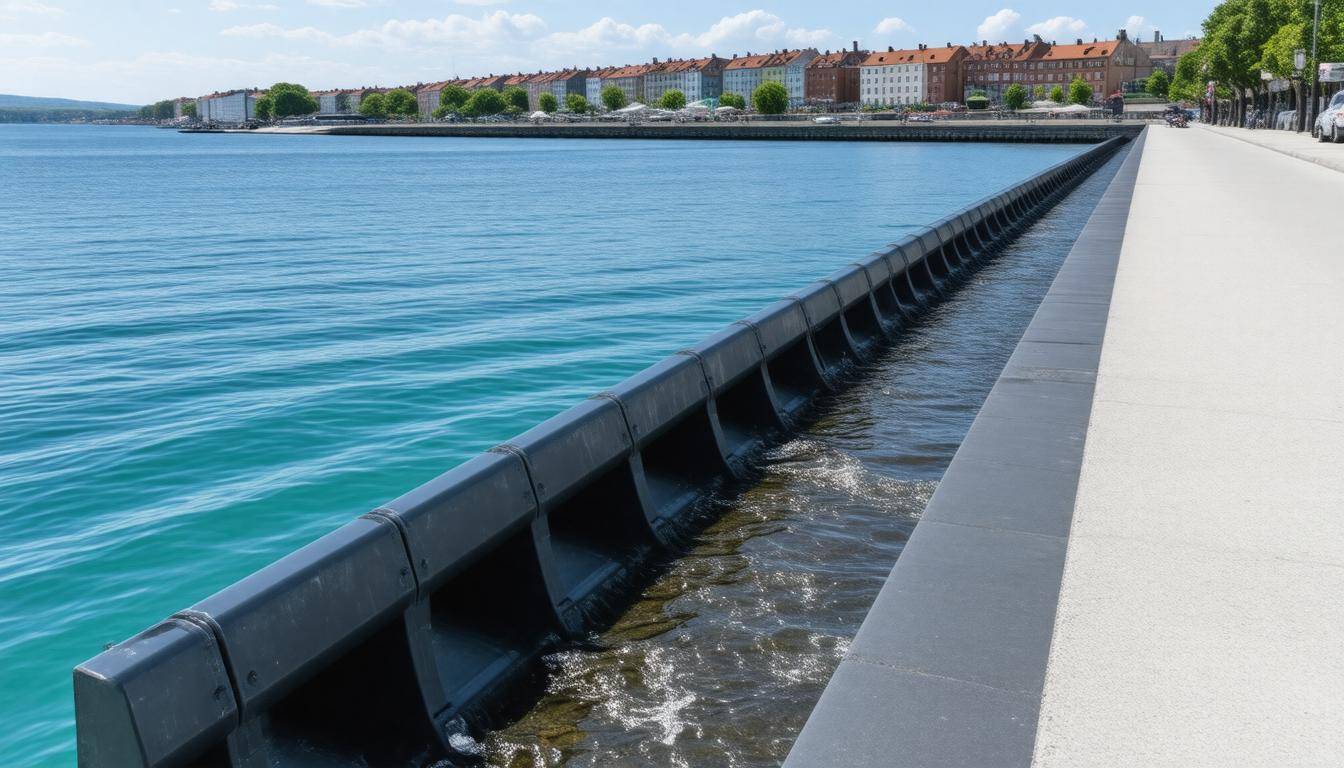
At the heart of Copenhagen’s effort to combat rising sea levels and enhance urban resilience is a carefully structured approach that combines traditional engineering solutions with innovative environmental practices. One of the most noticeable features of this plan is the sea walls and dikes. These formidable barriers are designed to create substantial protection against floodwaters, forming a first line of defense during extreme weather events. Their towering presence not only protects but also reassures citizens that their homes are safer from inundation.
But the strategy doesn’t stop with mere barriers; there is a strong emphasis on sustainability woven throughout the plan.
The incorporation of green infrastructure truly sets Copenhagen apart. Think about it: parks and wetlands serve a dual purpose. They not only act as beautiful public recreational spaces but also absorb excess rainwater during downpours, reducing the burden on drainage systems. This dual role enhances community wellbeing while cleverly addressing flooding risks—making these green spots vital for urban resilience.
Emphasizing nature alongside urbanization is at the core of modern city planning.
Further enriching this strategy are the blue-green solutions, which redefine how urban environments manage water. By integrating permeable pavements, green roofs, and water features into city design, Copenhagen fosters an ecosystem that can naturally handle stormwater. These designs allow water to seep through surfaces rather than pooling or flooding areas—a remarkable shift towards working with nature instead of against it.
As impressive as all these measures sound, successful implementation hinges on community involvement.
Public engagement plays a crucial role in ensuring these plans resonate with residents. Aiming for collaboration, city planners have actively included community voices in decision-making processes. This engagement has been instrumental in molding strategies that work for everyone—by understanding local needs and apprehensions, they build stronger support for initiatives while fostering quicker responses during emergencies. When over 10,000 residents participated in consultations, it underscored the profound commitment to equipping Copenhagen’s citizens with both a voice and agency in shaping their city’s future.
| Element | Description |
|---|---|
| Sea Walls & Dikes | High barriers to block floodwater. |
| Green Infrastructure | Parks and wetlands that absorb excess rainwater and provide recreational spaces. |
| Blue-Green Solutions | Integration of water management into urban design, like permeable pavements and green roofs. |
| Public Engagement | Collaboration with the community for better planning and quicker responses. |
With these foundational elements established, we can now turn our attention to specific solutions that involve substantial construction efforts to bolster Copenhagen’s capacity to face climate challenges head-on.
Hard Infrastructure Solutions: Dikes and Seawalls
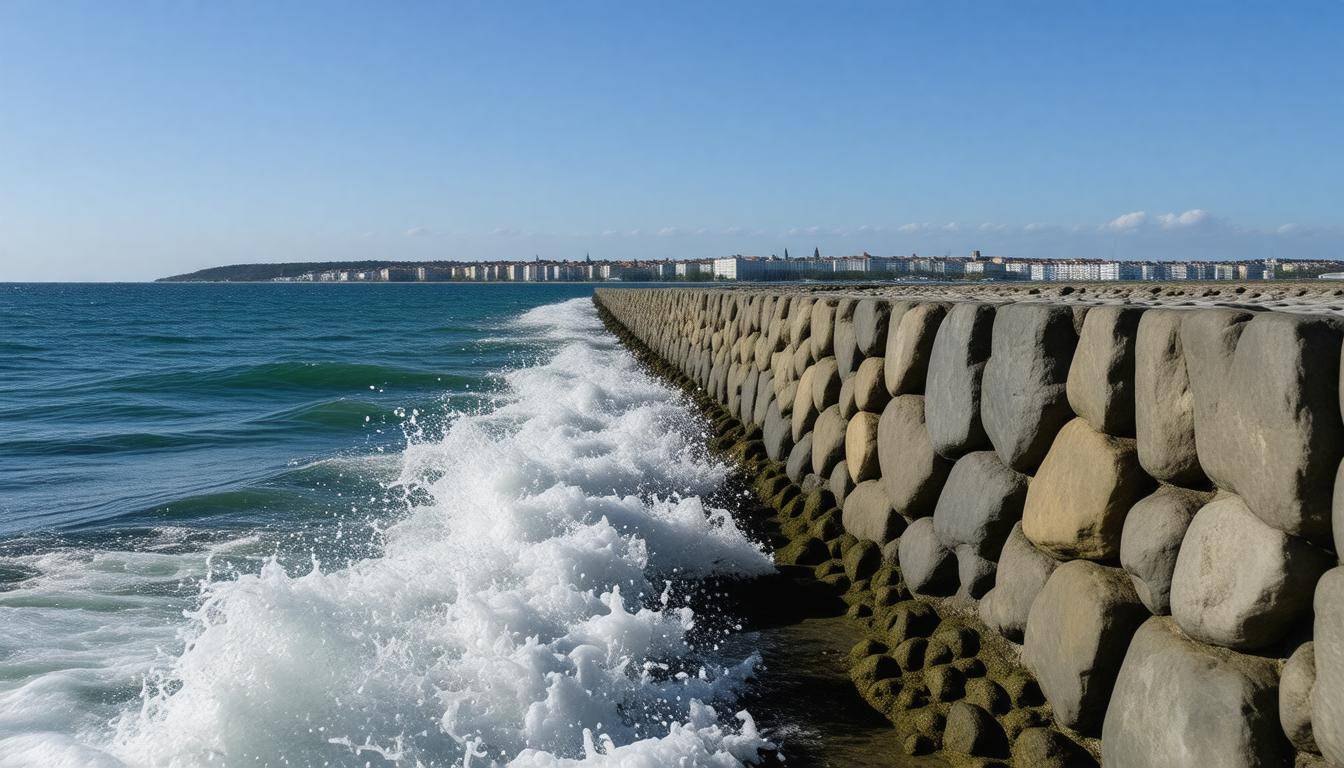
Traditional dikes and seawalls form the backbone of Copenhagen’s defense against rising sea levels and climate change. These structures are not merely preventative measures; they symbolize the city’s commitment to resilience.
Dikes, for instance, are earthen or constructed barriers designed to hold back water, much like the ones found along the Amager coast. Their effectiveness was highlighted during significant storm surges when they successfully prevented overflows that could have wreaked havoc on nearby communities.
On the other hand, seawalls take a more robust approach. These massive, solid barriers are specifically engineered to withstand wave forces while also being multifunctional. They don’t just protect coastal neighborhoods from flooding; they also offer promenades where residents can stroll or cyclists can ride—turning what could be purely protective structures into vibrant communal spaces. This blending of utility with enjoyment demonstrates a forward-thinking urban design philosophy.
Interestingly, maintaining public access to these areas strikes a balance between protection and recreation. Residents benefit from enhanced safety while enjoying improved quality of life due to these accessible spaces.
But there’s more than just aesthetics and practicality to consider when it comes to these defenses—they are backed by careful engineering and substantial investment.
When constructing these dikes and seawalls, height is a critical factor. In Copenhagen, the heights of dikes typically range from 1.5 to 3.5 meters above sea level, creating formidable barriers against high tides and heavy rains. The existing network of seawalls stretches approximately 25 kilometers, showcasing the expansive effort the city has put into its flood protection measures.
The estimated cost for ongoing dike and seawall construction projects is around €1.5 billion, a significant investment aimed at fortifying urban safety for future generations. Remarkably, these structures are projected to last about 50 years with proper maintenance, reducing flood risks by an estimated 80% for protected areas.
For citizens in Copenhagen, this means peace of mind as their city faces future uncertainties armed with solid defenses against climate change impacts. Through these hard infrastructure solutions, there’s tangible assurance that their homes will remain safe amidst growing concerns about flooding risks—ultimately reinforcing community trust in urban planning efforts.
With these robust defenses in place, the city’s vision for long-term sustainability gains momentum, guiding us toward understanding additional measures that accentuate resilience in urban landscapes.
Sustainable Urban Adaptation Measures
At the core of Copenhagen’s resilience strategy lies a profound emphasis on sustainability. This isn’t just about protecting against floods; it encompasses a holistic vision that incorporates green infrastructure into the fabric of city life. Imagine stepping into an urban park where rainwater gardens absorb excess water while enhancing the landscape’s beauty. These gardens work like natural sponges, soaking up rainfall, thus preventing runoff and reducing the burden on drainage systems.
Another critical element in this strategy is the implementation of bio-swales. These engineered ditches are designed to naturally filter rainwater, allowing it to percolate into the ground rather than overwhelm conventional drainage systems. It’s almost poetic how nature’s design can teach us — these simple yet effective solutions not only mitigate flood risks but also serve to enhance local ecosystems.
By investing in extensive tree planting, Copenhagen gets more than just shade; these trees act as a natural coolant, improving air quality while absorbing carbon dioxide and other pollutants. This dual functionality illustrates how thoughtful urban planning can yield multiple benefits with each strategic move.
But Copenhagen takes its commitment to new heights with innovative blue-green solutions, which ingeniously marry water management with natural systems.
Consider the “Harbor Bath,” a shining example of this integrated approach. Here, you can swim and sunbathe in beautiful waters while knowing that this space also serves a practical purpose during heavy rains. This public swimming area acts as a reservoir for overflow from stormwater, cleverly channeling floodwaters away from vulnerable areas while providing residents with a space for leisure and relaxation. It symbolizes how effective flood management can reshape public space positively.
As cities confront inevitable climate challenges, Copenhagen’s model offers valuable insights. Investing in green infrastructure and blue-green solutions not only fortifies urban environments against flooding but also enhances livability — making cities healthier places where community ties can blossom amidst greenery and innovation.
With ongoing climate change modeling indicating potential flooding increases by 40% by 2050, the urgency for municipalities worldwide to adopt similar strategies becomes apparent. Continuous evaluation and partnership with local organizations ensure that steps taken today are adaptable and responsive to evolving environmental conditions.
This proactive approach not only addresses immediate challenges but also lays the groundwork for future initiatives that enhance urban resilience and quality of life. As we look forward, it’s vital to explore what projects are being developed next to keep pace with these evolving needs.
Ongoing and Future Projects
One remarkable initiative is the “Cloudburst Plan,” a comprehensive strategy designed specifically to tackle extreme rainfall events that increasingly threaten urban areas. This plan encompasses 300 distinct initiatives aimed at enhancing the city’s adaptability to sudden downpours, ranging from upgraded drainage systems to creatively designed public water squares.
Imagine walking through a neighborhood that not only manages floodwaters effectively but also transforms them into spaces for community interaction and leisure; parks that can temporarily store excess rainwater while doubling as recreational areas. These innovations not only mitigate risks associated with climate change but also improve overall urban livability.
Another vital project shaping the future of Copenhagen is the Nordhavn district. This area is being developed into a model for resilient urban construction, emphasizing sustainability and innovative design. The vision for Nordhavn includes mixed-use developments that prioritize green spaces and incorporate smart technologies for energy efficiency.
Think of buildings with green roofs, solar panels, and interior designs that push back against climate impacts while promoting a vibrant community atmosphere. City planners are not just constructing a neighborhood; they’re building a prototype for cities worldwide fighting similar climate adversities.
With such ambitious undertakings, it’s no surprise that the estimated budget for these extensive projects hovers around €2 billion. However, this investment pales in comparison to the costs of inaction. City officials emphasize that neglecting infrastructure improvements would lead to astronomical expenses due to flooding damage and reduced quality of life for residents.
It’s akin to paying a fraction now to safeguard against future calamities—a sensible decision when considering the financial burdens posed by extreme weather.
Moreover, as these projects progress, they highlight an essential aspect of urban planning—community involvement—which will play a critical role in ensuring these initiatives meet local needs while inspiring citizen engagement with environmental resilience efforts. This pivotal focus on input may very well determine how these strategies evolve to withstand the tests of time and nature.
Evaluating Plan Effectiveness
Evaluation mechanisms are crucial in ensuring that Copenhagen’s coastal flooding protection plan maintains its momentum and adaptability. Continuous monitoring systems have been thoughtfully integrated into the city’s framework. These advanced systems allow for real-time data collection, providing immediate insights into how the strategies are working—or if adjustments need to be made. Think of it like a gardener regularly checking soil health; without that insight, it’s hard to know when to change tactics or even if a little more water is needed.
Furthermore, these proactive monitoring processes help identify areas that may require additional attention. If something isn’t working, the systems enable fast modifications to ensure the strategies remain robust and relevant. Being reactive in the face of climate change can lead to missed opportunities for optimizing resilience.
In 2024, an independent review led by experts from the Technical University of Denmark highlighted some promising results. They discovered that implemented measures had effectively reduced flood risks by 25%. While that’s a significant achievement, they also emphasized the need for increased community engagement in this process. Engaging with residents fosters a sense of accountability and shared responsibility over these initiatives. Communities play an important role; they are often the first responders during flood events, and their insights can shape better local strategies.
Involving citizens not only bolsters trust but also makes them advocates for ongoing environmental sustainability efforts. By hearing directly from those affected—like shop owners who suffer from floods or families living near at-risk areas—the city can glean invaluable perspectives that could enhance both planning and execution.
As we look forward, enhancing community involvement stands as a vital aspect of strengthening resilience, encouraging cities worldwide to consider innovative approaches tailored to local needs.
Lessons for Other Coastal Cities
Copenhagen’s innovative strategies for coastal flood management serve as a compelling blueprint for other cities grappling with similar issues. At the heart of this example lies the idea that combining traditional and modern techniques can yield the most effective results. For instance, integrating seawalls with green infrastructure, like parks designed to absorb excess rainwater, not only provides physical protection but also enhances urban aesthetics and ecological health. It’s about creating spaces that are both functional and enjoyable for residents.
Take New York City as a prime example. After Hurricane Sandy’s devastating impact, city planners looked to models including those from Copenhagen, ultimately adopting a hybrid approach that incorporates both seawalls and green spaces. This mix not only helps protect against flooding but has revitalized neighborhoods into vibrant community hubs. Such initiatives emphasize the value of adapting successful methodologies rather than reinventing the wheel from scratch.
Engaging in collaborative discussions is vital for cities looking to improve their flood preparedness.
Cities like Miami have begun consulting with Copenhagen’s urban planners to customize these strategies according to their unique infrastructures and weather patterns. Implementing solutions tailored specifically to local contexts ensures that each urban environment can maximize its resilience against climate change. By sharing knowledge and best practices, communities become stronger and more capable of facing shared threats.
Moreover, incorporating public engagement into these strategies cannot be overstated. In Copenhagen, over 70% of residents supported flood initiatives, illustrating how crucial community buy-in is for successful implementation. Other cities should strive to involve stakeholders from the outset, ensuring that plans meet the needs and expectations of inhabitants.
Let’s not forget, ensuring safety doesn’t need to feel burdensome or dry—think of it as future-proofing your home while also winning points with Mother Nature herself!
The world is witnessing an evolving narrative around coastal resilience—a movement toward globally interconnected coastal urban environments prepared for 21st-century challenges. By learning from pioneers such as Copenhagen, cities everywhere can forge their paths toward a safer, more sustainable future.
As we recognize the importance of collaboration and engaged citizens in tackling pressing climate issues, it’s evident that cities must adapt and innovate to ensure resilience against flooding and climate change. Embracing shared experiences will pave the way for a more secure coastal future worldwide.