
Displacement is a journey none of us choose to embark on, yet unfortunately, many find themselves facing this reality at some point in their lives. Whether it’s due to conflict, natural disasters, or other crises, being uprooted from familiar surroundings can cause immense stress and uncertainty. But while the road ahead might seem daunting, there are concrete steps we can take to create normalcy and stability in our new environment. This guide aims to offer practical advice and heartfelt strategies to help individuals and families navigate the challenges of displacement, focusing on how small actions can lead to big changes. Let’s explore ways to build a comforting space that feels like home, even in the midst of chaos.
The “Creating Normalcy During Displacement: How-To Guide” provides essential strategies for fostering stability and support for displaced individuals, focusing on building support systems, enhancing emotional bonds through simple acts, and addressing the psychological impacts of uprootedness. It emphasizes the importance of compassion and resilience in overcoming challenging circumstances faced by those affected by conflict or crises.

Setting Up A New Home
The first step in establishing stability after displacement involves finding a suitable living space that feels safe and comforting. When searching for this area, look for places that offer protection from harsh weather conditions and potential dangers. Ideally, this space will be more than just a structure—it should feel like a beginning to a new chapter.
Consider temporary housing options that provide easy access to essential resources like food and medical services. If the options are sparse, don’t overlook communal living spaces provided by local relief organizations. These spaces not only provide shelter but often foster connections between individuals facing similar challenges, giving you the opportunity to share experiences and form supportive relationships.
After securing a location, the next step is thoughtfully organizing your environment to create functionality and comfort.
Step 2: Creating a Functional Layout
Once you’ve found a place to stay, focus on arranging your living area effectively. A well-organized layout can greatly enhance your sense of control and normalcy during such turbulent times.
Designate specific areas for different activities—make one corner for sleeping, another for preparing meals, and an area for relaxation or social interactions. Consider utilizing simple furniture or even makeshift solutions if resources are limited; boxes can become tables or beds can be layered with blankets if necessary.
By creating distinct spaces within your new home, you establish boundaries that help foster daily routines, which can lend a sense of normalcy amidst chaos.
Now that the area is functional with designated spaces for daily activities, the next priority is ensuring you have the essentials to sustain yourselves.
Step 3: Securing Basic Necessities
With a functional layout established, it’s crucial to prioritize acquiring basic necessities. Focus on bedding, cooking utensils, cleanliness items—everything you need for day-to-day survival. Don’t hesitate to reach out to local NGOs or community organizations that often supply these vital items to displaced individuals; they understand the urgency and can provide support faster than you might expect.
In addition to physical items, remember to collect emotional keepsakes—even small objects can uplift morale. A family picture or a favorite book can help bridge the gap between your past home and this new reality.
With foundational tasks managed, you can now shift your attention to personalizing your environment in ways that reestablish connections to comfort and familiarity as you adapt to this new chapter of life.
Recreating Familiar Spaces
Turning a foreign space into something that feels like home is vital for one’s emotional well-being during times of displacement. By recreating familiar spaces, individuals can build a smaller world within their new environment that reflects past experiences.
Step 1: Personalizing Your Space
One of the simplest yet most impactful ways to personalize your living area is by incorporating items from your previous home. Maybe it’s a collection of family photos hanging on a wall, cozy blankets tossed over furniture, or even small trinkets packed lovingly in your suitcase. All these items serve as tangible reminders of the life you’ve shared—each piece carrying emotional weight and stories from your past.
These personal touches can dramatically alter how you perceive your new living situation, transforming it from an impersonal structure into a sanctuary filled with warmth and nostalgia.
Step 2: Using Scent and Sound
Beyond visuals, our senses powerfully influence our perception of home. If possible, incorporate familiar scents like that cherished perfume you’ve worn for years or beloved spices you often cooked with. Lighting a candle or simmering herbs can create an ambiance reminiscent of home. Likewise, don’t underestimate the comfort of sound: listen to music you enjoyed back home or even play sounds of nature that soothe you. These sensory cues weave a fabric of familiarity that can ease transitions into new environments.
Step 3: Maintaining Cultural Traditions
Engaging in cultural practices and traditions can provide a permanent link to your roots. Whether it’s evening prayers, specific family meals prepared together, or cultural rituals that have been passed down through generations, continuing these practices fosters connection and stability amidst change. These moments help reaffirm personal identity while simultaneously building a bridge between past and present lives.
As you embrace these traditions in daily life, remember that they not only enhance routine but also cultivate a sense of belonging that transcends physical boundaries.
With a personalized space resonating with comfort and familiar cues established, the focus will now shift toward developing routines that sustain this sense of normalcy.
Establishing a Daily Routine
A predictable daily schedule not only helps create a sense of stability but also fosters resilience amid upheaval. In times of displacement, where so much can feel uncertain, having a routine acts as an anchor. It gives structure to days that might otherwise feel chaotic and unpredictable. When you incorporate familiar activities into each day, you cultivate a sense of normalcy. Think of it as creating your own little world in which you are in control.
Planning the Day
-
Morning Activities: Start with morning routines such as a healthy breakfast, hygiene practices, and light exercise. If you’re used to jogging or yoga, these activities keep your body active and boost mental clarity for the day ahead. It’s astonishing how dedicating 30 minutes to movement can jumpstart your mood and focus.
-
Educational Time: Dedicate time for children’s education or personal skill-building activities. This could include reading sessions, online courses, or hands-on projects suitable for any age group. Engaging in learning keeps minds sharp and creates shared experiences that build bonds amidst change.
-
Work and Tasks: Allocate periods for chores or work, even if they are simple tasks like cleaning up or organizing living spaces. Completing small tasks brings about a sense of accomplishment, providing a mental boost crucial during challenging times.
-
Rest and Recreation: Ensure time is set aside for relaxation, games, or hobbies. Whether it’s playing board games with family, painting, or simply enjoying nature outside, allowing space for rest helps replenish energy levels both physically and emotionally.
Creating this structure reminds everyone that despite external uncertainties, there are aspects of life we can control.
By establishing these routines carefully within your displaced context, you promote psychological well-being and foster connections among family members or your community. Sharing meals becomes more than just nourishment; it turns into an opportunity for supportive conversations that reinforce relationships during tumultuous times.
While routine is essential for creating stability, it’s important to understand the significance of emotional well-being in navigating these challenging circumstances.
Providing Emotional Support

Emotional well-being is just as important as physical comfort when facing the uncertainties that come with displacement. A robust emotional support system helps individuals and families cope with stress and fosters resilience during tough times. This begins with creating a safe harbor for open conversations where family members feel comfortable sharing their thoughts and feelings. It’s in this atmosphere that worries can be voiced, fostering a sense of unity and understanding among loved ones.
Creating a Support System
Establishing open lines of communication within the family is foundational; it enhances trust and nurtures relationships. Seeking external support can also be invaluable. Local counselors offer guidance tailored to unique experiences, while support groups become spaces of solace, forging bonds among individuals who understand one another’s pain. Helplines provide immediate assistance in moments of crisis, offering expert advice to help navigate turbulent emotions. Many find that their feelings are normalized when they see others experiencing similar struggles.
Yet while verbal communication has its place, expression takes many forms, allowing everyone to process their emotions differently.
Encouraging Expression
Lina, a refugee from Syria, poignantly noted, “Talking about our fears and hopes helped us cope better.” This illustrates the importance of encouraging family members to express their feelings freely. Not everyone finds solace in spoken words, so exploring creative outlets such as journaling can be therapeutic. Writing down thoughts not only provides clarity but also serves as an emotional release. Drawing or painting allows children and adults to convey complex emotions that might feel too overwhelming to articulate.
Engaging in structured techniques can further deepen this emotional exploration and support.
Practicing Mindfulness
Incorporating mindfulness practices into daily routines helps reduce stress and anxiety. Such practices could include meditation or simple deep breathing exercises—tools that offer grounding amidst chaos. Even setting aside five minutes each morning or evening for focused breathing can drastically improve overall emotional resilience. The key lies in consistency; these brief periods serve as gentle reminders to return to self-awareness throughout the day.
Taking time for emotional healing is essential for building strength in adversity. By providing emotional support through solid family connections, encouraging varied modes of expression, and practicing mindfulness regularly, individuals foster a more resilient outlook as they navigate life’s challenges. This layer of support aids not only personal recovery but also creates an empathetic environment ripe for rebuilding normalcy amidst displacement.
As we explore further, we’ll shift focus to the vital role of connections within the community that enhance this journey towards stability and resilience.
Building Community Connections
Community connections serve as lifelines for those experiencing displacement, creating a web of support that can transform their daily lives. When individuals feel that they belong, they tend to adapt more easily to their new circumstances. The very act of connecting with others can bring hope and joy; it signals to displaced individuals that they are not alone in navigating their challenges.
Connecting with Neighbors
A great starting point is fostering relationships with neighbors. In temporary housing situations, introducing yourself is simple yet effective. You could start by offering a wave and a friendly smile or even share a favorite dish. Small gestures like inviting neighbors over for a meal or lending a hand with chores cultivate camaraderie and create shared experiences that lay the foundation for friendships.
Remember, conversations can lead to surprising discoveries. You might find common interests—perhaps you’re both passionately into gardening or enjoy the same music—which can help bridge the gap between strangers.
Participating in Local Activities
Engaging in local events pushes this idea further as it immerses you in community life and allows you to connect with individuals who share your interests and values. From cultural celebrations to volunteer opportunities hosted by NGOs, such activities provide avenues to interact meaningfully with others while contributing positively to your environment. Whether it’s painting community fences or sharing stories at a festival, each interaction adds another thread to your social fabric.
Additionally, participating in these circles often leads to learning about available resources specific to immigrant and migrant support—such as food pantries, schools that offer services under the McKinney-Vento Act, or information on educational rights which may prove invaluable.
Utilizing Social Media
Don’t underestimate the power of technology in bridging gaps! Social media platforms can play a pivotal role in creating connections across distances. Searching for local groups focused on immigrant support can open doors to virtual forums where members share valuable insights and experiences. For many displaced individuals, accessing these online communities provides crucial emotional support and useful tips on navigating their new environments.
Through these platforms, one can join dialogues concerning common concerns such as housing availability or resources under legal protections like the McKinney-Vento Act. This not only informs but reassures individuals that they are part of a larger network dealing with similar issues.
While forging these essential community ties enriches individual experiences, it’s vital to ensure that vulnerable members of society feel secure and supported during their challenging transitions.
Ensuring Children’s Comfort and Security
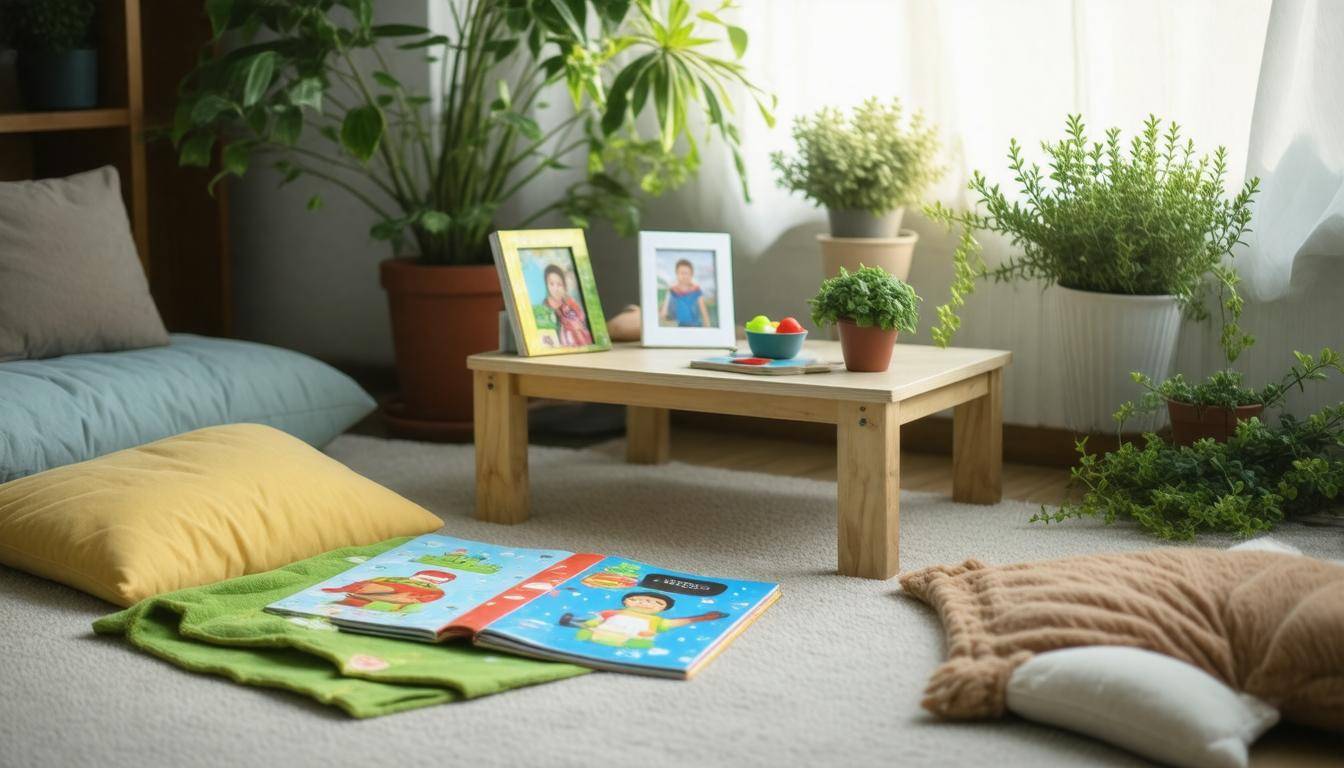
Children are especially vulnerable during times of displacement, as their worlds have been turned upside down. Amidst the chaos, creating environments where children can feel safe is essential. One powerful way to achieve this is by designating safe spaces within your living conditions—spaces specifically tailored for play and relaxation. Ideally, these areas should be filled with familiar toys or educational materials that evoke a sense of normalcy, reminding them of happier times. A small corner with soft cushions, books, and art supplies can transform a bleak environment into a vibrant oasis where children can unleash their creativity and simply be kids again.
However, ensuring comfort isn’t just about physical space; it extends to education as well.
Maintaining Schooling
Continuing education during displacement is crucial for children’s development. When formal schooling is inaccessible due to conflict or other barriers, consider adopting homeschooling practices. This doesn’t have to be an uphill battle. Tap into a wealth of online resources that offer structured learning paths suitable for various age groups. There’s an abundance of platforms providing free courses in subjects ranging from math to science. Additionally, don’t overlook local educational centers that may offer informal workshops or classes geared toward displaced families. Engaging with these resources not only nurtures learning but also creates social bonds among children facing similar situations.
While education plays a key role in stability, emotional support is equally vital for mitigating trauma.
Offering Reassurance
Providing steady emotional support through reassurance can be challenging in such uncertain times, yet it’s essential for the mental health of children. Some experts argue that structured talk therapy is necessary to help children work through their experiences in healthy ways. On the other hand, there’s a compelling argument for organic support systems rooted in family dynamics, emphasizing the importance of open communication at home and fostering an atmosphere where feelings can be expressed freely without judgment.
The reality lies somewhere in between; every child is unique and may benefit differently from each approach. What remains constant is the importance of consistency—whether through counseling or familial connections—as a means to help children adapt to their new environment while processing their emotions constructively.
Navigating this complex emotional landscape requires not only unwavering support but also strategies that encourage resilience in young minds as they face overwhelming challenges ahead.
Coping Mechanisms and Adaptability
When faced with displacement, individuals often find themselves grappling with a whirlwind of emotions and uncertainties. This is where effective coping strategies come into play. Developing a strong set of coping mechanisms can significantly improve mental well-being and foster stability during tumultuous times.
One of the most impactful strategies is engaging in physical activities. Regular exercise—whether it be light workouts, yoga, or simple walks in the park—has been shown to reduce stress levels considerably. Not only does it enhance physical health, but it also stimulates the mind, leading to a boost in mood and overall resilience.
Integrating manageable physical activities into daily routines can create a sense of normalcy amid chaos. Whether joining a local class or simply walking around the neighborhood, every bit counts towards feeling better both mentally and physically.
As vital as physical activity is, creative outlets serve as another sanctuary for those experiencing displacement.
Engaging in creative expression through arts, storytelling, or music provides a profound way for displaced individuals to process their feelings. When words fail to encapsulate their experiences, art can bridge that gap, offering an avenue to express complex emotions. Think about how one might feel after creating a painting that reflects their journey; it’s not just an artistic endeavor but a therapeutic release.
By encouraging children and adults alike to explore these avenues, families can foster an environment where emotions are acknowledged and released rather than bottled up.
Moreover, embracing flexibility and acceptance plays a pivotal role in adaptation. It’s important to cultivate a mindset that allows for fluctuations in feelings: happiness today could coexist with sadness tomorrow.
Reminding oneself that emotions are valid helps normalize the current situation while also providing comfort that things will eventually improve can mitigate despair. Practicing mindfulness techniques—like meditation or journaling—can enhance this acceptance.
As we seek practical methods to support displaced families’ well-being, it’s critical to remember that coping is not merely surviving; it’s thriving despite challenges.
Teaching adaptive skills reinforces resilience. For example, involving all family members in discussions can lead everyone to share responsibilities in maintaining emotional health—making it a collective effort rather than solitary struggles.
Building routines where regular check-ins about emotions occur fosters open communication lines in families. By utilizing these coping mechanisms and nurturing adaptability collectively, we equip displaced individuals not only to endure their circumstances but emerge stronger from them as they pave their path toward recovery and stability amidst uncertainty.
With such insights in mind, let’s explore specific actionable strategies aimed at enhancing the day-to-day lives of those affected by upheaval.
Practical Tips for Displaced Families
During times of upheaval, finding a sense of normalcy can be challenging, but there are simple strategies that can ease the transition. One of the first steps you can take is to utilize available resources. By staying informed about local aid options—be it food supplies, medical assistance, or educational materials—you empower your household to act quickly on any needs that arise. Organizations and government programs often have valuable resources at your fingertips; all you need to do is reach out.
Another effective tactic is keeping organized. Imagine coming home after a long day and knowing exactly where all essential documents are stored—it’s a relief every family deserves. To achieve this, consider investing in a waterproof pouch where you can store important documents like identification, medical records, and school papers. This small measure not only safeguards your essentials against potential emergencies but also ensures quick access when needed.
Additionally, maintaining a comprehensive resource list can act as your family’s cornerstone during turmoil. List contacts for local aid organizations, medical facilities, and support groups—all places that could provide comfort and help when challenges arise. This proactive step lays the groundwork for a smooth operation plan during stressful times.
Regularly checking in with family members can also foster unity and clarity. Establishing routine family meetings allows everyone to voice individual needs and concerns while planning future steps together. Understanding that each voice is valued can significantly alleviate anxieties related to displacement.
Once you’ve set up a system for organization and communication, consider referring to the following table as a handy guide for available resources:
| Resource Type | Example | Contact Source |
|---|---|---|
| Food Supplies | Local Food Banks | Community Centers |
| Medical Aid | Free Clinics | Relief Organizations |
| Education | Homeschooling Resources | Online Platforms |
| Emotional Support | Counseling Services | NGO Helplines |
By integrating these practical strategies into daily routines, displaced families can navigate their challenges more effectively. Each action taken towards organization and resource utilization serves not just as a means of survival but as a way to reclaim agency during uncertain times.
In facing displacement, remember that taking small but impactful steps can lead to significant improvements in your family’s circumstances. Embracing structure and support will help you cultivate resilience amid change.
What psychological benefits are associated with establishing a sense of normalcy when experiencing displacement?
Establishing a sense of normalcy during displacement can significantly alleviate feelings of anxiety, stress, and uncertainty, promoting psychological resilience. Research indicates that routines and familiar activities can lead to improved mental health outcomes, with studies showing that individuals who engaged in structured daily routines reported a 30% reduction in anxiety levels. Moreover, creating a semblance of normal life helps restore a sense of control, which is essential for emotional well-being amidst chaos and upheaval.
How can personal belongings and cherished items help in maintaining a sense of normalcy during such transitions?
Personal belongings and cherished items serve as tangible connections to one’s identity and past, providing comfort and familiarity during displacing transitions. Research shows that individuals who maintain access to personal items experience lower levels of anxiety and stress; for example, a study revealed that 70% of people felt more secure when surrounded by familiar possessions. These items can evoke memories, create a sense of continuity, and foster an environment where individuals can engage in routines or rituals that reinforce stability, thereby helping them cope with the challenges of displacement.
What role do community support networks play in creating normalcy for displaced individuals?
Community support networks play a crucial role in creating normalcy for displaced individuals by providing emotional, social, and practical assistance. These networks help foster connections among individuals facing similar challenges, which can reduce feelings of isolation and anxiety. For instance, studies have shown that access to strong community support can lead to a 50% increase in the likelihood of successfully integrating into new environments. Furthermore, local resources such as food banks, shelters, and counseling services enhance coping mechanisms and improve overall well-being, promoting resilience amid displacement.
What are some effective strategies for establishing daily routines during displacement?
Establishing daily routines during displacement can be effectively achieved through structured scheduling, prioritizing self-care activities, and fostering social connections. Research shows that maintaining a consistent daily routine can reduce stress and improve mental well-being, with studies indicating a 30% increase in feelings of stability when individuals follow set schedules. Incorporating rituals such as regular exercise, meal times, and scheduled social interactions can create a sense of normalcy, helping displaced individuals adapt to their new environment while combating feelings of uncertainty.
How can individuals incorporate familiar activities into their new environment to foster a sense of normalcy?
Individuals can incorporate familiar activities into their new environment by identifying routines and hobbies that brought them joy and comfort in their previous settings. For instance, engaging in daily practices like cooking traditional meals or participating in community sports can create a sense of continuity. Research shows that maintaining familiar routines during displacement can significantly reduce stress and enhance psychological well-being—studies indicate a 30% improvement in mood for those who engaged in familiar activities compared to those who did not. By establishing these anchors, individuals can foster a sense of normalcy amid change.