
In today’s unpredictable world, having a plan for emergencies isn’t just wise—it’s essential. Whether it’s a busted car tire or an unexpected medical bill, financial surprises can come at you fast. That’s where an emergency credit card can swoop in to save the day. These cards are specifically designed to help you handle sudden expenses without racking up overwhelming debt. But which ones are best for your unique situation? In this article, we’ll explore the top credit card options available to give you peace of mind when life throws its curveballs. Let’s dive in and find out how to select the right card for your financial safety net!
The best credit card options for emergencies typically include those with low or zero introductory APR offers, high credit limits, and no annual fees, such as the Blue Cash Everyday® Card from American Express and Capital One Walmart Rewards® Mastercard®. When selecting a card, consider your credit score and prioritize options that provide flexibility without incurring high interest charges.
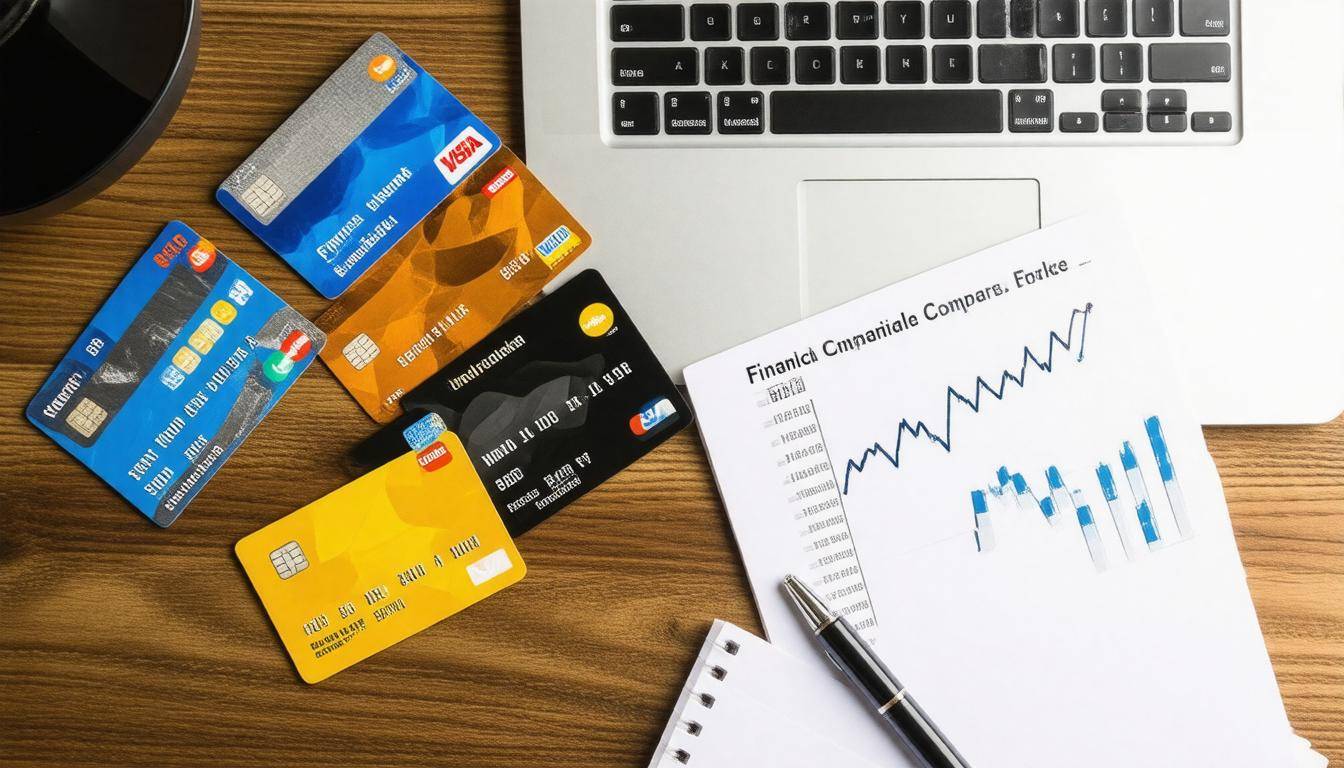
The Importance of an Emergency Credit Card
Having an emergency credit card can act as a financial buffer when unforeseen expenses arise, ensuring you aren’t caught off guard when life throws its unexpected challenges your way. Imagine facing urgent repairs or emergency medical costs; having this safety net can make all the difference.
According to recent findings, a staggering 60% of Americans do not have enough savings to manage an unexpected $1,000 expense. This number illustrates just how easily individuals can find themselves in tight spots requiring immediate financial solutions.
The significance of ownership lies not just in possessing this type of credit card but understanding how it should be utilized responsibly. An emergency credit card offers access to funds that can alleviate pressure during crisis situations—especially when savings aren’t sufficient. However, it’s vital to emphasize that they should supplement—not replace—an emergency fund.
Without proper planning, people risk the temptation of using credit cards for unnecessary or frivolous spending, leading them further away from their financial goals.
Prioritizing smart usage is paramount; paying off balances immediately after use can prevent accrued interest. Additionally, many credit cards offer features like zero percent introductory APR for a set period, giving you time to settle your balance without rushing into debt.
Beyond simply carrying an emergency credit card, being familiar with your specific card’s terms and conditions is equally critical. This includes understanding rates, fees, and benefits that might come with the card. For those uncertain about their financial footing, knowing that 25% of credit card users report missing a payment sheds light on the risks of neglecting these crucial details.
By maintaining an awareness of your financial landscape and actively managing your emergency funds, you place yourself in a strong position to face potential setbacks without succumbing to undue stress.
As we explore different options available for emergencies and the distinct features that may suit various financial situations, understanding specific criteria will guide you towards making informed decisions.
Criteria for Choosing the Right Card
One of the first aspects to consider when selecting an emergency credit card is your credit score. Knowing your credit score is critical as it determines the options available to you. A higher score generally means that you will have access to cards with more favorable interest rates and better terms. For instance, if your credit score is above 750, you’re likely to qualify for cards that come with lower Annual Percentage Rates (APRs) and perks such as bonus rewards or cash back. This knowledge can empower you to negotiate and choose wisely, ensuring you aren’t paying excessive fees when an unexpected expense arises.
However, your credit score is not the only consideration; the specific features of the card also matter greatly.
Needed Card Features
Prioritize components such as high credit limits, which can provide a safety net during emergencies. A limit of at least $5,000 is advisable, as this can effectively cover significant unexpected costs. Additionally, look for cards that offer low or zero-interest promotional periods. These offers allow you time to pay off charges without accruing interest, minimizing what you owe in the long run.
Understanding any potential sign-up bonuses associated with the card is crucial. Some cards reward users for simply activating them or spending a set amount within the first few months. For example, cards like the Capital One Walmart Rewards® Mastercard® earn between 1% – 5% cash back on purchases and may come with initial bonuses that provide added value during emergencies. Having these advantages in place can turn your credit card into a powerful ally in difficult times.
Alongside considering credit scores and features, examining details surrounding potential rates and fees can be another critical step.
Rates and Fees
Evaluate APR rates carefully before committing to a card for emergencies. Ideally, you should aim for an APR below 15%. High interest rates can quickly lead to unmanageable debt if you’re unable to pay off balances promptly after using your card. Keep an eye out for annual fees or hidden charges that could end up costing you money—select cards with either no annual fee or fees under $100 typically minimize costs during tough times.
Additionally, seek out cards that come with generous grace periods—at least 21 days on new purchases. This means you have ample time to pay off your balance without incurring interest if managed responsibly.
Now that we’ve discussed essential aspects regarding scores and fees let’s explore how understanding different types of cards influences your decision-making process.
Customer Support Availability
Lastly, don’t overlook customer service quality when selecting an emergency credit card. Responsive 24/7 customer support becomes invaluable in times of need. It ensures quick assistance if something goes wrong—whether it’s lost cards or inquiries about billing issues during emergencies—providing peace of mind knowing help is just a phone call away.
With these criteria in mind, let’s examine how low interest rates play a significant role in maximizing the benefits of your credit card choices.
Low Interest Rates and APR
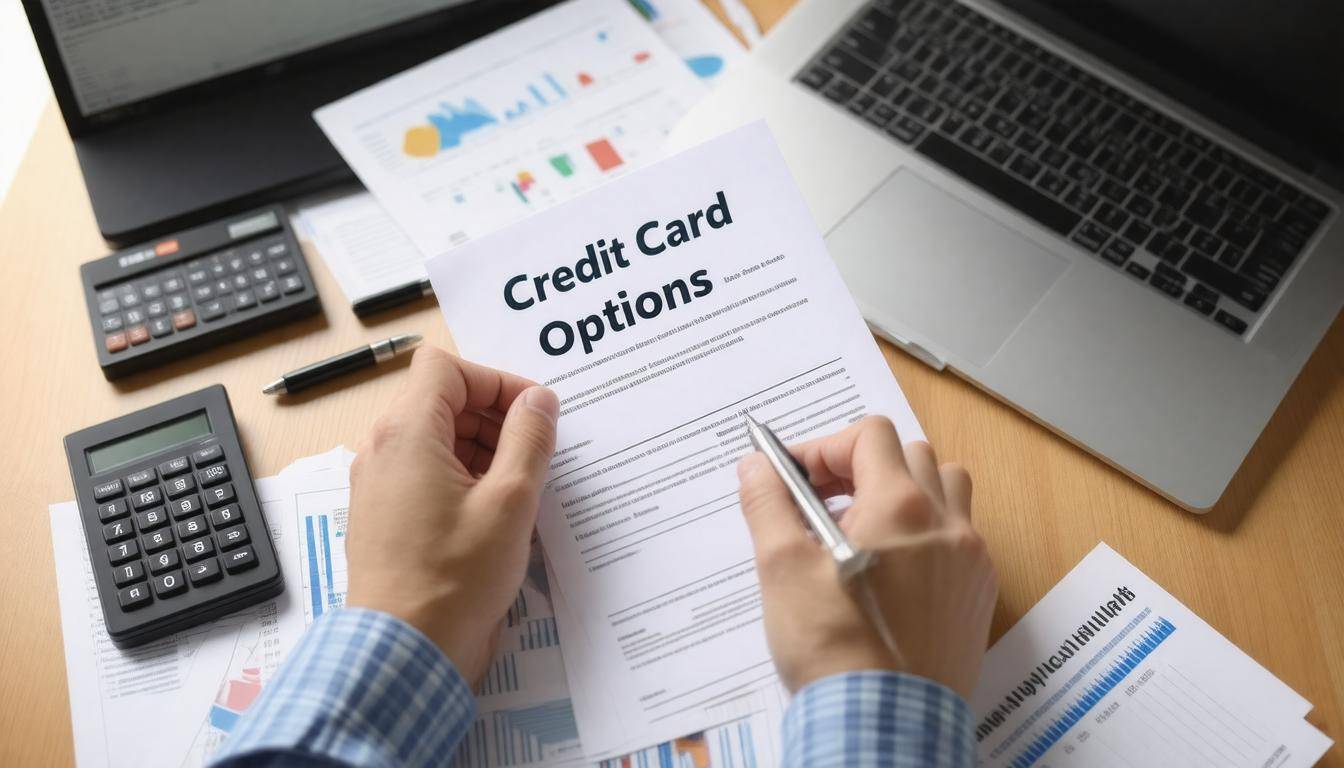
Low interest rates and APR (annual percentage rate) are not just numbers; they represent crucial factors that can influence your financial health. As you navigate the world of emergency credit cards, choosing one with a sensible APR might prove to be one of the smartest decisions you make. The average credit card APR hit an alarming high of 19.24% in 2025, which means that if you’re not careful, interest can pile up quickly like snow in a winter storm.
Take for example the BankAmericard® credit card, with a competitive APR of just 10.99%. This significantly contrasts with many standard credit cards that can easily exceed the daunting 20% mark. Imagine charging expenses during an emergency on a card with such a high-interest rate—you could find yourself deep in debt unless those balances are paid down swiftly. That’s money that could have been earmarked for another need or saved for future use instead.
Understanding how these rates impact your finances becomes vital when making decisions under pressure. If you carry a balance from month to month, even a small difference in rates can turn into substantial amounts over time. For instance, if you placed $1,000 on a credit card with a 20% APR and only made the minimum payment, by the end of the year, you’d owe hundreds in interest alone! However, with a lower APR like 10.99%, that same $1,000 could cost you half as much.
It is wise to keep an eye out for zero percent intro offers prevalent among many cards, often lasting 12 to 18 months. These allow you to make larger purchases without accruing interest right away, giving you a financial breather during emergencies or unexpected costs. However, it’s crucial to ensure you pay off your balance before the promotional period ends when the regular APR kicks back in; otherwise, you may find yourself facing high-interest charges.
Navigating the world of credit cards requires understanding how low interest rates can safeguard your wallet while offering flexibility during challenging times. By focusing on options with manageable APRs and taking advantage of potential promotional rates wisely, you’re better positioned to handle financial ups and downs effectively.
Minimal Annual Fees
Minimizing annual fees is essential when selecting an emergency credit card, especially when unexpected costs can throw a budget into chaos. Many consumers prioritize this aspect since avoiding annual fees means more money stays in their pockets, providing crucial financial flexibility during emergencies. For instance, cards like the Discover it® Cash Back card stand out by offering no annual fees while still providing robust benefits and rewards. This reality allows users to focus on what truly matters—their expenses and emergency needs—without fretting over unnecessary costs.
However, it’s advisable to remain vigilant about hidden charges that could tarnish the appeal of zero or low annual fee cards. These typically include late payment penalties, foreign transaction fees, and other potential extraction of wealth that isn’t immediately apparent. Reading the fine print can feel tedious, but taking this step might save you from headaches down the line.
One user shared their experience regarding how shifting to a no-annual-fee card saved them over $100 during challenging financial circumstances.
A focus on mastering these details can lead to better decision-making, promoting long-term satisfaction with your credit card choice.
Identifying Hidden Charges
It’s essential to understand that not all fees are visible upfront. For instance, late payment penalties can range from $25 to $40 and occur as quickly as one missed payment. Even seemingly harmless features, like reward programs, could come with hidden stipulations that make them less beneficial than they appear at first glance. It pays to scrutinize every aspect of card offers because dealing with unplanned expenses is stressful enough without adding penalties to the equation.
To help streamline your research and ensure you’re making an informed decision, here are some hidden charges to look out for:
- Late Payment Fees: Unauthorized delays can result in significant costs.
- Foreign Transaction Fees: These may apply if you use your card abroad, often between 1% – 3%.
- Balance Transfer Fees: Some cards charge fees for transferring balances onto them.
- Annual Fee Changes: Terms may evolve after a promotional period ends.
By thoroughly examining these factors before selecting an emergency credit card, you position yourself to make a rewarding choice that aligns well with your financial strategy going forward. Let’s now explore some of the most prominent options available that cater specifically to emergencies.
Top Cards for Emergencies

When it comes to selecting the top cards for emergencies, each option brings unique benefits that cater to different financial situations or spending habits. The Blue Cash Everyday® Card from Amex stands out with its competitive rating of 4.6; this card offers high rewards on daily spending and provides a flexible way to earn cashback without an annual fee. Imagine having that little extra boost every time you swipe your card, especially during unexpected expenses—whether it’s an emergency medical bill or an urgent home repair.
-
Capital One Walmart Rewards® Mastercard® – With a rating of 4.5, this card is particularly beneficial for those who do a lot of grocery shopping. You’ll earn a substantial amount of rewards points for every grocery purchase, allowing you to rack up savings even when times seem tough.
-
BankAmericard® Credit Card – Despite its lower rating of 4.4, this card’s low APR makes it a strong contender for emergencies. When unexpected costs come knocking, having a card with low interest can be critical to protecting your wallet from accumulating debt.
-
Bank of America® Unlimited Cash Rewards Card – While this card has a rating of 3.4, it’s especially appealing for students looking to benefit from cashback rewards during their academic years. Even in tight budget situations, it can make life just a bit easier.
Choosing the right credit card can be the difference between managing stress effectively and letting unplanned expenses overwhelm you.
Beyond their individual ratings and features, each of these cards underscores the importance of flexibility and accessibility in emergencies. This flexibility is crucial; let’s face it—life happens! A flat tire or an unexpected medical bill can turn into a panic-inducing situation, but being equipped with the right financial tools can transform it into a manageable task.
Actionable Tips
When choosing a card specifically for emergencies, consider your spending habits first. Weigh which features matter most: Are you someone who frequently shops at certain stores? Or do you prefer cashback? These insights inform your choice and help secure long-term benefits in times of need.
Understanding these options not only helps you prepare better for unexpected costs but also allows you to capitalize on everyday spending. As we move forward, let’s explore some additional features that enhance the value of these financial tools.
Useful Extra Features
One of the standout benefits of selecting the right credit card for emergencies lies in its extra features that can alleviate financial burdens. Understanding these can help you not only navigate tough times but also enhance your overall financial strategy.
Balance Transfer Options
Balance transfer offers allow you to consolidate high-interest debt into a single, lower-interest payment. Imagine having multiple cards with varying due dates and interest rates weighing on your mind. Now picture transferring those balances onto a single card that offers a more favorable rate; this streamlines your monthly obligations.
It’s like cleaning up your kitchen counter clutter—suddenly, you have more space to breathe and plan. When you’re managing multiple debts, especially during an emergency where cash flow may be tight, taking advantage of balance transfers can help keep your financial stress at bay.
While considering these offers, be mindful of any fees associated with the transfer itself. Sometimes, they can eat into the savings you expect to gain, so calculate your options carefully!
Zero Percent Intro APR
Another invaluable feature is the zero percent introductory APR that many cards provide for a specified period—typically between 12 to 18 months. This means you could make purchases without accruing interest during this grace period.
Picture finding yourself with an unexpected medical bill or urgent home repair; having access to a credit card with this feature allows you to manage those costs instantly without worrying about exorbitant interest charges piling up while you pay them off.
Consider this: If you make a $1,000 purchase on a card with zero percent intro APR and pay it off evenly over the following year, that’s much more manageable compared to using a standard card where interest could sharply increase your owed amount. Embracing this strategy can provide peace of mind when handling large expenses.
By leveraging features like balance transfers and zero percent intro APRs, you’re not just reacting to emergencies; you’re proactively creating a financial buffer for yourself. As we continue, it’s essential to explore additional strategies that fortify your financial position and build resilience against unexpected challenges.
Building Financial Safety Nets
Beyond simply having credit cards as a go-to for emergencies, it’s important to build additional layers of financial protection. One essential component is creating an emergency fund. This isn’t just a nice-to-have; it’s a financial lifeline that ensures you don’t have to rely solely on credit cards during unexpected situations. Imagine facing an urgent expense—like a medical bill or home repair—and having funds readily available rather than scrambling to charge it on your credit card at an interest rate that could cripple your budget.
Establishing an Emergency Fund
Financial advisors recommend setting aside three to six months’ worth of living expenses in a high-yield savings account. This buffer can make all the difference during times of crisis, allowing you to cover bills without resorting to high-interest debt. Think about it as your safety cushion—a way to breathe easier when life throws curveballs. If reaching such an amount seems overwhelming, start small; even having a few hundred dollars set aside can prevent you from falling into the cycle of high debt.
As one expert puts it, “Even having a small emergency fund can prevent the snowballing effect of debt accumulation.”
The beauty of an emergency fund lies in its flexibility; unlike credit cards, which come with their own sets of fees and complexities, the only requirement for your savings is discipline. Another benefit is that these funds are typically liquid, meaning you can access them quickly when you need them most. By keeping them in a high-yield account, your money works for you while remaining easily accessible.
Utilizing Personal Loans
Additionally, personal loans serve as another strategic option when unexpected expenses occur. Fintech companies like SoFi and Upgrade often provide personal loans at lower APRs than traditional credit cards, making them more appealing for larger costs. Rather than putting everything on a card where interest accumulates rapidly, consider taking out a personal loan. It’s an avenue to explore when facing significant expenses—such as medical bills or emergency repairs—without crippling yourself financially.
However, it’s important to use these loans wisely and ensure you have a plan for repayment before committing. They can be handy tools but also require careful consideration regarding the terms and how they fit into your overall financial strategy. By building up both an emergency fund and knowing when to turn to personal loans, you craft a more comprehensive safety net around your finances.
With this foundation in place, understanding the common pitfalls associated with financial decisions becomes critical in maintaining stability.
Avoiding Common Pitfalls
One of the foremost challenges with emergency credit cards is the risk of accumulating debt. It’s easy to feel empowered by available credit, but this can lead to a dangerous reliance on borrowing when unexpected expenses arise. If you’re not careful, using your card without a thoughtful repayment plan can snowball into serious financial trouble.
In fact, as of 2023, the average household carried a staggering $9,333 in credit card debt. This number reflects not just individual mismanagement but also a broader trend of consumers relying too much on borrowed money to cover unforeseen costs.
Debt isn’t just numbers on a statement; it’s potential stress that can weigh heavily on your financial stability.
Overspending
Alongside the dangers of accumulating debt, another significant pitfall is overspending. The allure of having a plastic lifeline can blur the lines between true emergencies and non-essential purchases. While it might feel justified to use an emergency credit card to buy the latest gadget because it’s on sale, this can lead to unwise spending habits.
Every dollar spent reduces your available credit for future genuine emergencies—it’s like having a safety net with holes in it. Imagine needing funds for an urgent home repair only to find your credit maxed out on weekend shopping sprees or spontaneous desires.
It’s essential to distinguish between necessities and luxuries when reaching for that credit card. Keeping track of potential emergency scenarios, such as car breakdowns or medical bills, can keep you grounded in your spending choices. Using your emergency credit should be about protecting yourself and not indulging in enticing purchases that feel like “treats.” Remember: “Your emergency credit should rescue you, not be maxed out rescuing a pair of limited-edition sneakers.”
Navigating these challenges may seem thorny, but understanding them is the first step towards making informed decisions. As you approach managing your emergency credit card effectively, keep these common pitfalls in mind as reminders to maintain control over your spending and debt management.
Being aware of these pitfalls allows you to make more informed choices that protect your financial health in times of need. Approach your emergency credit usage wisely for long-term stability and peace of mind.
How does my credit score affect my ability to obtain an emergency credit card?
Your credit score plays a crucial role in determining your eligibility for an emergency credit card, as it reflects your creditworthiness to lenders. Generally, a higher credit score (typically 700 and above) can significantly improve your chances of approval, while scores below 600 may limit your options or result in higher interest rates. For instance, statistics show that about 90% of lenders use credit scores to make decisions, indicating how critical maintaining a good score is for accessing favorable credit terms.
What are the best credit cards currently available for use in emergencies?
The best credit cards for emergencies currently include the Chase Sapphire Preferred, which offers generous travel insurance and no foreign transaction fees, making it ideal for unexpected trips, and the Citi Double Cash Card, known for its cash back rewards that allow you to build a financial cushion quickly. According to recent studies, having access to a credit line of over $5,000 can significantly enhance your ability to manage unforeseen expenses effectively, especially during emergencies.
Are there any credit cards specifically designed for emergency expenses?
Yes, there are credit cards specifically designed for emergency expenses, often offering benefits such as higher credit limits and lower interest rates during crisis situations. For instance, many cards marketed toward individuals with good to excellent credit provide features like no interest on purchases for an introductory period, which can be advantageous in emergencies. According to recent studies, about 30% of cardholders reported using their credit cards for unexpected expenses, highlighting the importance of having a card suited for such situations. Always read the terms carefully to understand the specific benefits and fees associated with these cards.
How can I effectively manage my credit card debt after using it in an emergency situation?
To effectively manage credit card debt after an emergency, start by creating a realistic repayment plan that prioritizes high-interest debt first; consider the snowball or avalanche methods to tackle multiple debts. Statistics show that carrying a balance on credit cards can lead to interest rates averaging around 16% or higher, making it crucial to pay more than the minimum payment each month. Additionally, utilize budgeting tools to track your expenses and identify areas to cut back, allowing you to allocate more funds toward your credit card repayment and reduce overall interest payments.
What specific features should I look for in an emergency credit card?
When selecting an emergency credit card, look for features such as a low-interest rate, no annual fee, high credit limit, and robust rewards program. A low-interest rate is crucial to minimize costs if you need to carry a balance after an emergency, while a high credit limit ensures you can cover significant expenses. According to a 2022 report, 44% of Americans have turned to credit cards for unexpected expenses, making it vital to choose one that offers flexibility and affordability in stressful situations.