
When it comes to tropical storms, being prepared can mean the difference between a stressful experience and a safe one. For residents of Cuba, where storms can strike with little warning, the importance of having an emergency supply kit is magnified. You might think that gathering supplies is a daunting task, but it’s all about taking small steps in advance to ensure you and your family are ready. From stocking up on essentials like food and water to understanding your unique risks based on your location, being proactive can give you peace of mind. This article will guide you through the preparations needed so you can weather any storm with confidence.
It is essential to have a well-stocked supply kit that includes non-perishable food, water (a minimum of one gallon per person per day), a first aid kit, flashlights with extra batteries, and important documents in a waterproof container. Additionally, consider having medications, clothing suitable for rain and wind, and tools such as a multi-tool or knife to prepare for any disruptions caused by the storm.
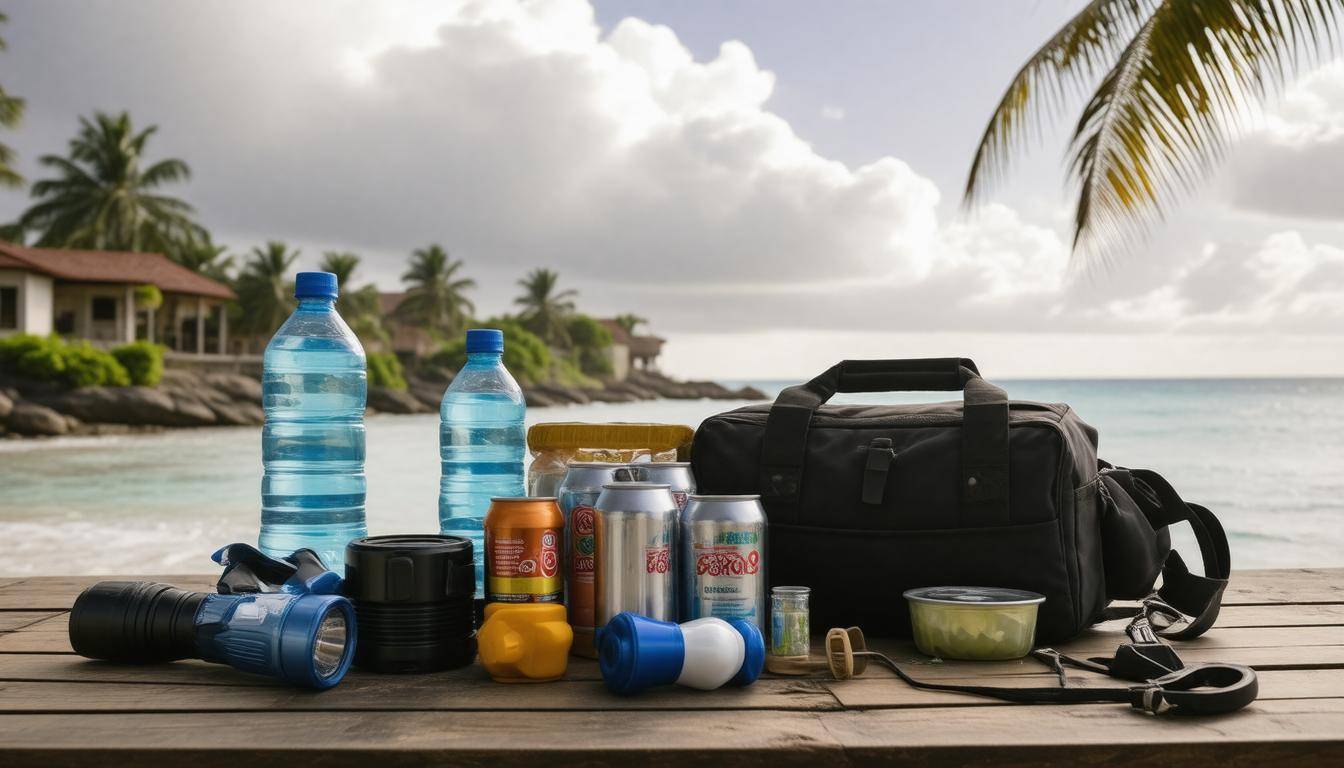
Preparing for Tropical Storms in Cuba
Preparing for tropical storms in Cuba starts with more than just gathering supplies; it involves a comprehensive understanding of the environment and your local conditions. It’s essential to recognize that not all areas experience storms equally. Coastal regions, for instance, face different hazards compared to inland areas, making it crucial to assess your specific vulnerability. This assessment will shape your preparedness efforts and help you make informed decisions. For example, if you live near a coastline, be particularly wary of storm surges and flooding—elements that can threaten both your home and safety.
Once you’ve grasped the risks, a vital step is to compile essential emergency supplies tailored specifically to tropical storm conditions. Think about items that could help mitigate the effects of high winds and heavy rain. In addition to food and water, ensure you include battery-powered tools like flashlights, radios, and extra batteries—these small accessories can turn out to be lifesavers when the power goes out. A sturdy tarp or plastic sheeting can also prove invaluable for protecting windows or creating makeshift shelters.
Remember: Regularly check expiration dates on supplies like canned goods and medications, replacing them as necessary to ensure everything is fresh and usable when you need it most.
Step-by-Step Preparation Guide
Step I – Stay Informed
Keep track of weather forecasts from trusted sources such as the Cuban Institute of Meteorology. These broadcasts will often provide real-time updates on storm paths, intensities, and potential impacts in your area. Understanding this information allows you to make crucial decisions; therefore, regularly reviewing forecasts can provide valuable time to complete other prep steps.
Step II – Create a Family Communication Plan
Establishing a clear communication plan is a key element that can save lives during an emergency situation. Identify how family members will get in touch when chaos reigns—decide whether phones, radio communications, or meeting spots will work best for your situation. Make sure everyone knows these details inside out; calmness amid a storm relies heavily on clarity.
Step III – Assemble Essential Supplies
Collecting emergency supplies should be a gradual process rather than something rushed at the last minute. Start by building up your kit over time—this way, the effort feels manageable rather than overwhelming. Assembling your stash slowly helps cover all bases while allowing you to think critically about what you’re purchasing rather than just stocking up mindlessly.
With this conceptual groundwork laid down effectively, it’s time to explore the exact items you should prioritize in your supply kit so you feel prepared when disaster strikes.
Essential Emergency Supply List
When preparing for a tropical storm, having the right supplies can make all the difference in staying safe and comfortable. It’s about ensuring you can effectively respond to any situation that arises. Begin with a robust first-aid kit, as injuries can occur during storms when moving or securing items around your home. Include essentials like antiseptic wipes, band-aids of various sizes, gauze, and any necessary medications. Regularly check and replenish this kit, since expired items can be of no help when needed most.
Alongside your first-aid kit, a battery-operated flashlight and extra batteries are essential. Power outages are common during tropical storms or hurricanes, and visibility becomes limited. Choose flashlights with adjustable brightness levels to conserve battery life. While candles may seem appealing, they pose risks; flameless LED lights are safer alternatives that mimic firelight without danger.
A multi-tool is another valuable addition, providing flexibility in various emergency scenarios. From cutting tape to repairing loose items around your home, its utility cannot be overstated. Also consider non-perishable food items such as canned goods or protein bars—anything easy to store and prepare since cooking facilities might not be available for days after a storm. Aim for at least three days’ worth of food per person.
Water – Your Lifeline
Now consider water – it serves as one of your lifelines during an emergency. Stock up on several gallons of drinking water per person; the guideline suggests at least one gallon per day for three days, factoring in both drinking and cooking needs. If you have pets, their water supply is equally important.
Once you’ve covered the basics, ensure you’re equipped for connectivity in emergencies.
A portable phone charger is vital too; communication becomes crucial when seeking information or reaching out for help. Ensure it’s fully charged before a storm hits so you won’t scramble to find outlets amid chaos.
Lastly, safeguarding your important documents is essential. Keep them in a waterproof bag to protect against flooding damage; this includes insurance policies, identification papers, and medical records. These documents are often required for assistance after a natural disaster, making them indispensable.
By gathering these essentials into your emergency supply kit, you’ll be setting yourself up for better preparedness and responsiveness when severe weather strikes. Let’s now explore how to prioritize personal safety as part of your overall strategy.
Personal Safety Items
Personal safety items are non-negotiable when it comes to storm preparedness. Think of them as your first line of defense against the unpredictable nature of tropical storms. When the winds begin to howl, having the right gear keeps you safe and instills a sense of confidence. For instance, sturdy gloves protect your hands from sharp debris, while masks can shield you from dust and particles swirling around during harsh weather. Proper footwear is also critical; wearing sturdy shoes can prevent injuries from hazards like broken glass or fallen branches.
It’s essential to think ahead about what items might become vital during an emergency. The difference between being prepared and caught off guard could be as simple as having a whistle on hand.
In addition to protective gear, carrying your personal medications in waterproof containers ensures that you won’t find yourself without necessary treatments in case of flooding or rain exposure. Imagine scrambling for asthma inhalers or diabetes medication only to discover they’ve become waterlogged—a nightmare scenario easily avoided with foresight.
Weather-Appropriate Clothing
Just as important as footwear is the clothing you choose. Consider layering clothing appropriate for potential temperature changes; storms can bring both heat and cold. A light rain jacket is perfect for keeping moisture out while still allowing breathability if things get too warm inside. Durable garments that resist wind and water are essential, especially if you need to venture outside post-storm.
Emergency blankets are compact yet invaluable for providing warmth during unexpected power outages or chilly nights following a storm. Each family member should have one as part of their emergency supply kit. Not only do they trap heat effectively, but they also take up minimal space—allowing you to keep multiple blankets handy without crowding your supplies.
Beyond personal safety, it’s crucial to consider how you’ll maintain your energy and hydration during a crisis. Let’s explore the essentials for ensuring an adequate supply of food and water.
Food and Water Storage
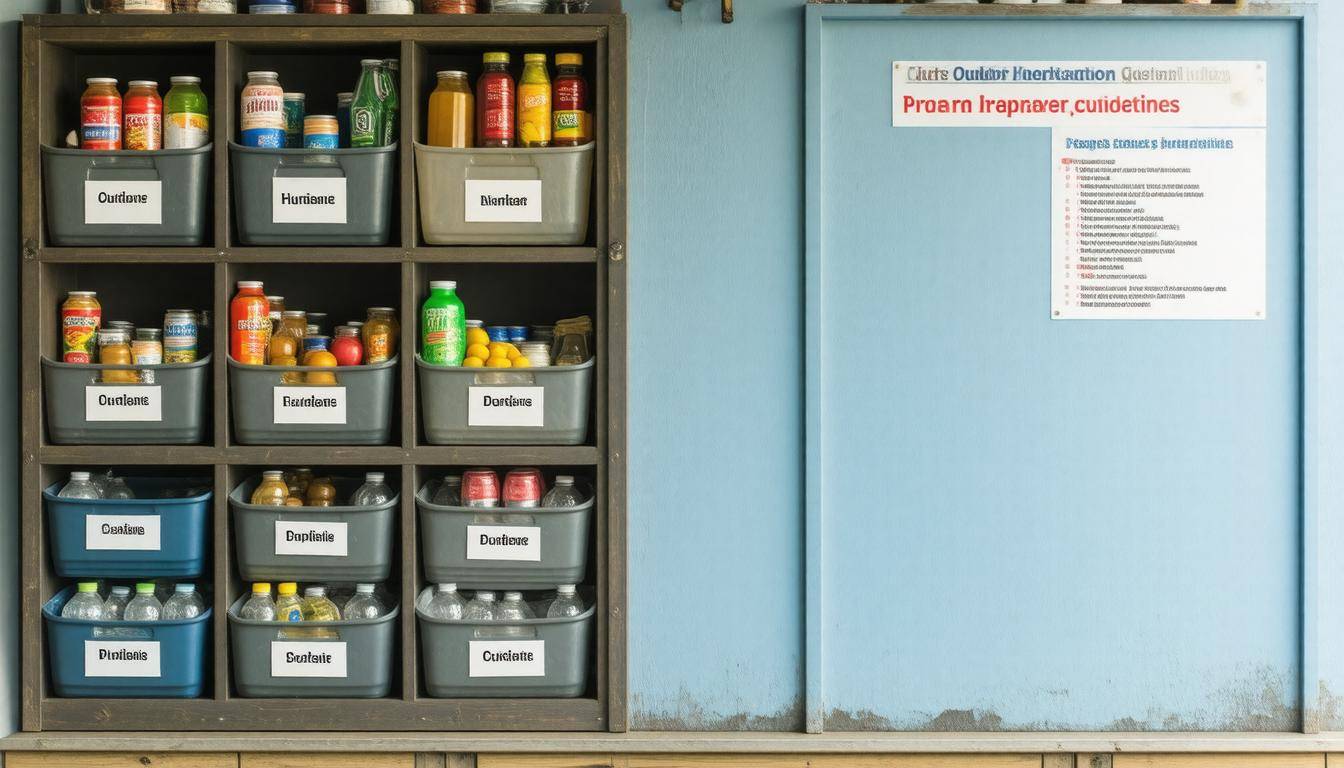
Having enough food and water is crucial when a tropical storm hits, transforming your preparation from mere practicality into a lifeline. Each person in your household requires meal provisions that not only keep hunger at bay but also provide meaningful energy during stressful times. For food storage, focus on non-perishable items such as canned vegetables, legumes, grains, and ready-to-eat meals. These are vital because they’re easy to store without refrigeration and can often be eaten straight from the can.
The Red Cross recommends a minimum three-day supply per person, translating into several meals to sustain you and your family.
When stocking up, think about variety too. While canned beans and vegetables are excellent choices, include comfort foods for morale—like soups or canned entrees that everyone enjoys. Nutritional balance matters; aim for a mix of carbohydrates, proteins, and fats to keep energy levels steady. Don’t forget snacks like trail mix or protein bars; these high-energy foods can provide quick calories during storm events.
| Item | Recommended Amount | Notes |
|---|---|---|
| Drinking Water | 1 gallon/person/day for 3 days | Keep in food-grade plastic containers |
| Canned Goods | 3-day supply | Ensure easy to open |
| Protein Bars | 3-day supply | High-energy snacks |
| Baby Formula | As required | If applicable, keep extra |
Just as we don’t wait until a rainstorm to find an umbrella, waiting until a storm warning is issued to stock up could leave you in a bind. Planning ahead is your best strategy.
Include a manual can opener in your supplies—this small tool can become invaluable during an emergency when access to food means the difference between comfort and discomfort. Remember that water is just as essential as food; the general rule is one gallon of drinking water per person per day for at least three days to meet hydration needs without any buying panic before the storm strikes.
With food and water secured, you’ll want to take additional steps that ensure both your safety and comfort during the expected duration of the storm.
Securing Your Home
When the winds start howling and rain begins to pour, a well-secured home becomes your safest haven. This means taking practical steps to ensure your property is fortified against the elements.
Begin with the roof, as it’s the first line of defense. Check for missing shingles or any signs of wear and tear. A small leak can quickly turn into a cascading disaster when heavy rains hit. If you notice that repairs need to be made, grab some materials now rather than wait until the storm is upon you.
Key Areas to Inspect
Moving from the roof, don’t forget about the trees surrounding your property. It’s wise to trim branches that hang close to the house, as they can snap under intense wind pressure or weight from rainwater. This not only protects your home but also reduces potential risks for neighbors and their homes.
Clearing out gutters and downspouts is another vital step that many people overlook. Ensuring that your drainage system is clear helps manage heavy rainfall effectively, preventing water from accumulating on your roof or around your foundation, which can lead to serious flooding issues once a storm arrives. Invest in some gutter guards to make this maintenance easier throughout the year.
Furthermore, let’s talk about windows. I cannot stress enough how important it is to prepare them for high winds. Installing storm shutters is an excellent option if you’re looking for long-term protection, but for those who might need a quick solution, boarding up with plywood will suffice. Ensure that whatever method you use is securely fastened; having unprotected glass shatter during a storm can turn an already dangerous situation into something more catastrophic.
After securing windows and doors, take stock of loose outdoor items like patio furniture, garden tools, or planters. These objects can become dangerous projectiles in high winds. Make sure to either bring them inside or secure them as best as possible to provide additional safety.
With your home secured against the elements, it’s crucial to consider alternate ways to keep essential systems running smoothly in case of an outage during the storm.
Backup Power Solutions
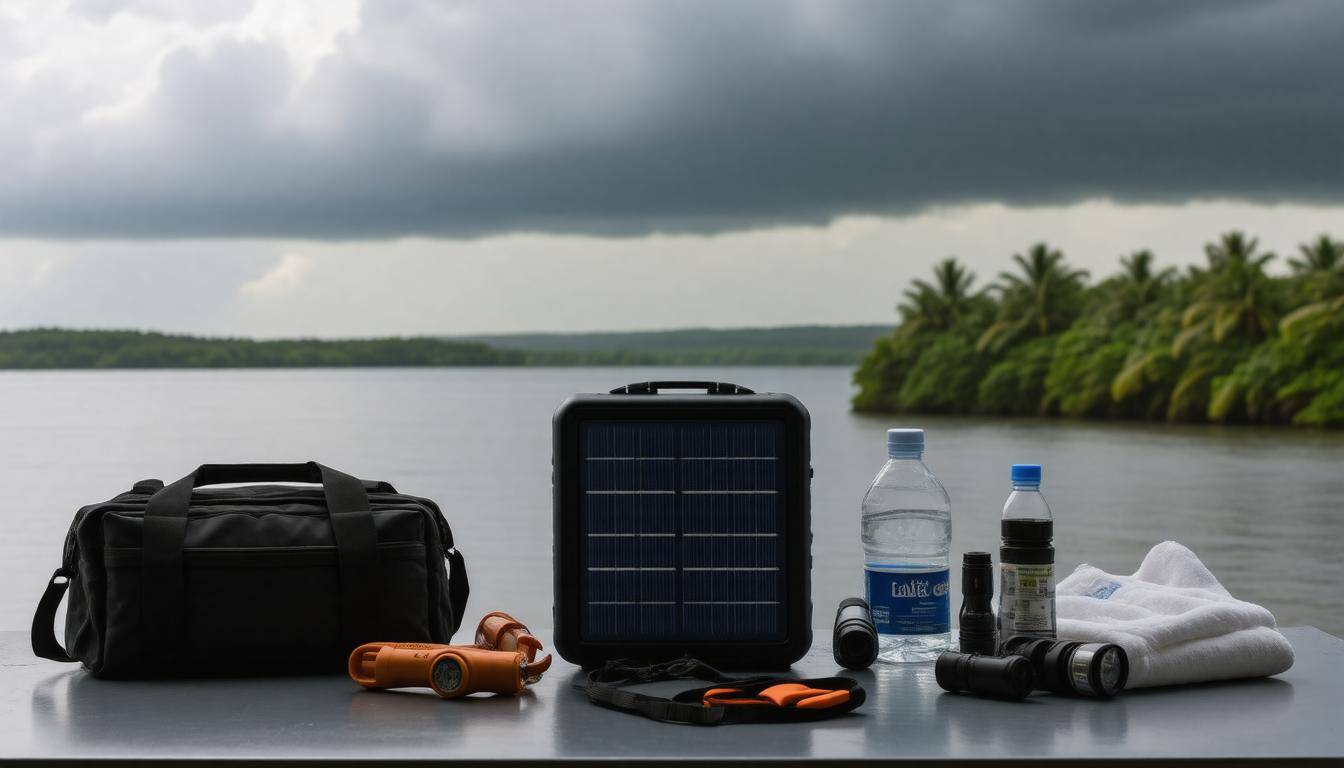
The reality of tropical storms means potential long-lasting power outages that can disrupt daily life. For those who prioritize preparations, choosing the right backup power solution is vital. Portable generators are often a top choice for many households because they can provide immediate relief for essential appliances like refrigerators or medical devices. However, it’s crucial to always operate these generators outdoors—even just a few feet away from windows and doors—to prevent the risk of carbon monoxide poisoning.
Additionally, while generator fuel is typically gasoline, having a supply on hand requires careful planning. It’s important to remember that gasoline can degrade over time, so regularly replacing your stock is advisable to ensure optimal performance when you need it most. Keeping a funnel and extra containers nearby makes refueling quicker and less messy when the urgency arises.
Furthermore, let’s not overlook solar-powered chargers and batteries. These solutions are invaluable during prolonged outages because they harness energy directly from the sun. They can charge essential devices like cell phones and laptops without relying on fossil fuels. Investing in high-capacity solar battery banks can give you peace of mind knowing you have several days’ worth of power stored safely.
For longer outages, consider larger, permanent standby generators. They automatically kick in when the power goes out, meaning less hassle for you during an emergency. These systems tend to be more pricey upfront but can save you stress—and potentially damage from prolonged outages—down the line. If your budget allows, consult professionals to choose a model suited to your home’s power requirements and ensure safe installation.
With adequate power solutions secured, the next step involves protecting those critical documents that hold immense importance during emergencies.
Safeguarding Important Documents
Protecting important documents is like laying the groundwork for peace of mind during turbulent times. When a tropical storm threatens, having secure access to your crucial papers can save you both time and unnecessary stress in the aftermath. Consider the array of vital documents that play a key role in your life—birth certificates, insurance policies, identification cards, and passports. These pieces are essential to rebuild your life should disaster strike.
A good first step involves placing these items in a waterproof, fireproof safe. This not only guards against the elements but also provides peace of mind knowing that your important papers won’t crumble away in an emergency. If you don’t have a safe at hand, a resealable plastic bag can serve as a temporary barrier against water damage until you find something more durable.
Remember, while physical copies are crucial, they can easily be lost or damaged beyond repair.
That’s why making digital copies of these documents is equally important! Scanning them into high-quality images or PDFs ensures that you’ll always have access to them. Once digitized, upload these files to a secure cloud service that offers encryption to safeguard your information from potential prying eyes. The beauty of cloud services lies in their accessibility—you can retrieve your documents from anywhere with internet access, which can be invaluable if you find yourself displaced after the storm.
As a precaution, share this same information with trusted friends or family members who live outside the immediate danger zone. Allowing someone else to access these crucial files on your behalf creates an additional layer of security and convenience should you need assistance down the line.
With your documents secure, it’s essential to prepare adequately for potential evacuation scenarios.
Creating an Evacuation Kit
An evacuation kit should be prepped well in advance so that when the time comes, you can grab it and go without hesitation. Think of it as your lifeline during difficult situations. The important part is knowing what to include to ensure that you have everything you’ll need. A thoughtfully packed kit means you can focus on safety rather than scrambling around looking for essentials.
Your kit should contain several items categorized into specific needs. First off, it’s essential to include important documents stored in a waterproof bag. This covers personal identification, insurance papers, medical records, and anything else critical to your recovery after the storm passes. As an added tip, keep digital copies of these documents on a secure cloud service so they are always accessible if needed.
In addition to documents, having funds readily available is just as crucial.
Alongside your important paperwork, don’t forget about emergency cash. Cash becomes invaluable when ATMs shut down or card readers fail due to power outages. A small stash of bills can go a long way in securing transport, food, or even lodging if you need to evacuate far from home. When preparing your kit, consider stowing away a mix of denominations for flexibility.
Another essential component is basic first-aid supplies. Unless you’re a trained medical professional—most aren’t—it’s good practice to have over-the-counter medications for common ailments like headaches or allergies in addition to dressings and antiseptics to handle minor injuries that might occur during an emergency.
Speaking of health and comfort, personal care matters too.
Don’t overlook packing clothing and personal hygiene items such as toothpaste, toothbrushes, soap, and necessary toiletries that will help maintain your dignity during stressful moments. Remember that time spent in an evacuation shelter can stretch longer than anticipated—having clean clothes and basic hygiene products can significantly boost morale and overall comfort.
Some may chuckle at the thought of including a battery-powered radio, but I can’t stress enough how valuable this item is during emergencies. When storms hit hard, power outages often follow, leaving you without access to news updates. A battery-powered radio keeps you informed about the latest weather conditions and alerts from authorities.
Furthermore, knowing where you’re going is key during evacuations.
Lastly, make sure to add maps along with contact information for local shelters and evacuation routes. Even in our tech-savvy world, having a paper map can be a lifesaver when cell service drops and GPS devices lose their connectivity—trust me; those old-school skills can come back into play! Having the addresses of nearby shelters written down will save valuable time in critical moments when every minute counts.
Preparing thoroughly ensures that you are ready to respond swiftly and effectively when tropical storms strike. Taking the time now to craft a detailed evacuation kit will enhance safety while providing peace of mind as the weather turns unpredictable.
By gathering these essential supplies ahead of a storm, you put yourself in the best possible position for safety and comfort during emergencies.
What local resources are available for obtaining emergency supplies in Cuba?
In Cuba, local resources for obtaining emergency supplies during tropical storms include government-run stores and community organizations that distribute essential goods. The Cuban government has established a network of supply centers, particularly in coastal provinces, which provide critical items like food, water, medical supplies, and building materials. According to data from 2023, these centers have improved access to supplies by 30% compared to previous years, enhancing community resilience in the face of natural disasters. Additionally, international aid organizations often partner with local agencies to deliver resources before and after storms hit.
What are the best practices for staying informed about tropical storm alerts and updates in Cuba?
The best practices for staying informed about tropical storm alerts and updates in Cuba include regularly monitoring official government channels such as the Instituto de Meteorología, utilizing reliable weather apps that provide real-time notifications, and following local news broadcasts. It is crucial to have a battery-operated radio on hand, as electricity might be disrupted during storms. According to a 2023 survey, approximately 85% of Cuban households had access to mobile phones, making mobile alerts an essential tool for timely information dissemination during emergencies.
What specific items are recommended for a tropical storm emergency kit in Cuba?
A tropical storm emergency kit for Cuba should include essential items such as non-perishable food, bottled water (one gallon per person per day for at least three days), a flashlight with extra batteries, a first-aid kit, necessary medications, and important documents in a waterproof container. Additionally, including tools like a multi-tool or can opener, blankets, and hygiene supplies is critical. The National Hurricane Center statistics indicate that hurricanes and tropical storms can significantly impact the region, making preparedness vital for safety and rapid recovery during emergencies.
How can I prepare my home and property for a tropical storm in Cuba?
To prepare your home and property for a tropical storm in Cuba, secure all loose items outdoors, reinforce windows and doors with plywood or storm shutters, and establish an emergency supply kit that includes water, non-perishable food, first aid supplies, and flashlights. It’s essential to follow local advisories; in 2022, Cuba faced around five significant storms, highlighting the average occurrence of tropical storms each hurricane season, which runs from June to November. Having a well-prepared plan can significantly reduce risks and ensure safety during emergencies.
How do emergency supply needs differ for tropical storms compared to hurricanes?
Emergency supply needs for tropical storms differ from hurricanes primarily in terms of severity and duration of impact. Tropical storms, with wind speeds ranging between 39 to 73 mph, may cause localized flooding and power outages but generally require less robust preparedness kits compared to hurricanes, which can produce sustained winds over 74 mph, leading to widespread destruction and prolonged disruption of services. For instance, during the 2021 hurricane season, FEMA reported that while both events necessitate basic supplies like food, water, and first aid kits, hurricane preparedness often focuses more on structural reinforcements and extended shelter options due to higher risks of catastrophic damage and longer recovery times.