
As cyclone season looms, the reality of potential storms can feel overwhelming. But being prepared doesn’t have to be daunting; it can actually be a straightforward process that ensures your family’s safety and well-being. With a little planning and organization, you can face the upcoming months with confidence. We’ll guide you through a monthly calendar of essential tasks that will help you build an emergency kit, create an effective evacuation plan, and stay informed about local hazards. By taking proactive steps now, you’re not just protecting yourself—you’re also contributing to the resilience of your community when storms threaten. Let’s dive into what you can do each month to get ready!
A Cyclone Season Preparation Monthly Calendar will provide you with specific preparedness activities tailored for each month leading up to the cyclone season, including recommendations for building an emergency kit, creating an evacuation plan, and staying informed about local hazards. This resource is designed to help you stay proactive and ensure that you are fully prepared when cyclones threaten your area.

Cyclone Season Overview
Cyclone season marks a critical time when regions are at heightened risk from these powerful storms. In the Southern Hemisphere, this encompasses the months from November to April, while in the Northern Hemisphere, it lasts from June to November. Understanding this timeframe is vital for proactive preparation efforts that can significantly ease the impact of potential disasters.
Cycles of Cyclone Formation
According to the World Meteorological Organization (WMO), an average of 80-90 tropical storms form each year, with roughly half intensifying into cyclones. These weather phenomena emerge through specific patterns influenced by climatic factors like sea surface temperatures and atmospheric pressure systems. As warm ocean waters rise into the atmosphere, they provide energy necessary for storm development, creating conditions ripe for cyclone formation. It’s critical to note that these storms can escalate quickly and unpredictably, which makes vigilance during their peak months essential.
Now, why does understanding the cycles of cyclone formation truly matter? Recognizing the intricate relationship between these environmental changes can empower you to be more prepared. Just as one would check a weather app before going out on a rainy day, preparing for cyclone season involves periodic checks on local conditions and guidelines. Familiarizing yourself with typical patterns can help you anticipate risks well before full-blown storms strike.
As the year progresses, different preparation steps become essential for thorough readiness. This means having your emergency kit ready, knowing when to evacuate, and staying informed through reliable channels as we approach peak storm months.
The cyclical nature of cyclones underscores how vital regular updates and resources are. Each cyclone season teaches us something new, often highlighting previous gaps in our preparedness strategies. The ongoing assessment of emerging data helps refine our responses moving forward. By staying connected with community resources and safety announcements, you not only protect yourself but also lend support to your neighbors in times of uncertainty.
With this foundation established on understanding cyclone behavior and preparation timeliness, we can now shift our focus to the specific actions needed in early months of the year.
Early Year Preparations: January to March
Reviewing Emergency Plans
The beginning of the year is the perfect time to reflect on your emergency preparedness because having a clear plan can be the difference between chaos and calm during a disaster. Start by verifying and updating your emergency contact information, ensuring that every family member knows who to reach out to in case of crisis. This includes local authorities as well as friends or relatives who are not in your immediate area.
Remember, technology can fail; having a printed list handy could save precious time.
Next, gather the family for a meeting where you can openly discuss evacuation routes and protocols. It’s not just about knowing where to go but also understanding how to get there safely. Use visual aids like maps or drawings to illustrate the best paths. If someone in your family has mobility challenges, consider alternative routes that accommodate their needs.
Once everyone is aligned regarding plans and procedures, it’s vital to know where you’ll go if an evacuation order is issued.
Checking local emergency shelters is essential, as these facilities often update their operating statuses based on various factors, including weather and infrastructure readiness. Knowledge of their locations ensures swift decision-making when every second counts. Don’t forget to keep this information easily accessible within your preparedness kit—having everything organized will ease anxiety.
Creating a Preparedness Kit
With your emergency plans updated, shift focus to building a resilient stockpile, starting with your disaster supply kit. This kit should be comprehensive, packed with non-perishable food items that last long enough to sustain you during extended power outages or road closures. Store at least one gallon of water per person per day for a minimum of three days, taking into account each individual’s specific hydration needs.
While assembling this supply kit, think carefully about including medications that family members may need regularly, along with flashlights and batteries in case of power outages. A thoughtful approach here can save lives, especially if individuals require critical healthcare support.
To safeguard your essential documents—such as identification papers, medical records, and financial information—consider using waterproof containers or bags. Loss of critical documents during flooding can add significant stress during an already challenging time.
Tailoring your preparedness kit is also important; incorporate items specific to regional hazards you’re likely to encounter. For instance, if you live in a colder climate, pack extra blankets or warm clothing. In more tropical areas prone to high temperatures, sunscreen and bug repellent become essential components.
Preparing early in the year sets you on a path of readiness. As the cyclone season draws near, reinforcing your preparations becomes crucial for ensuring safety amidst potential disasters.
Mid-Year Preparations: April to June
Strengthening your home infrastructure should be among your top priorities as cyclone season approaches. This means taking a closer look at every aspect of your property including roofs, windows, and doors.
Inspecting these structural elements for weaknesses is essential because vulnerabilities can lead to extensive damage when severe storms hit. For instance, a loose shingle might seem inconsequential, but during high winds, it could dislodge and allow rainwater to seep in, causing expensive repairs later on. Reinforcing these areas with storm shutters or investing in impact-resistant windows can protect your home and potentially keep insurance premiums lower. Notably, according to FEMA, proper investments in protective measures could reduce property damage significantly during cyclones.
Once you’ve assessed the integrity of your home’s structure, it’s time to turn attention to your disaster supply kit.
Inventory and Rotate Supplies
Reviewing your disaster supply kit is not only wise but necessary. Take an inventory of what you’ve got on hand. Make sure that everything remains up-to-date and effective; any items nearing their expiration dates should be consumed or replaced accordingly.
For instance, consider non-perishable foods like canned goods and bottled water that may take some time to deplete. If they’re about to expire soon, now would be a good time to add them to your pantry staples instead of waiting for an urgent need. Sustaining a well-stocked kit ensures that you will be prepared when the unexpected happens, as rotating supplies guarantees nothing goes to waste.
In addition to inventory management, let’s talk about one crucial item: generators.
Generator Maintenance
Before the cyclone season strikes, it’s key to check if your generator is operating adequately. First things first—you want to change the oil if needed and run the unit for about 10 minutes while monitoring its performance. A well-maintained generator will provide peace of mind knowing that you’ll have power available during potential outages caused by storms.
Additionally, remember that fuel does not last indefinitely; to prevent gas from going stale, store only small amounts or run the generator regularly—perhaps while mowing the lawn or doing outdoor chores. Doing so will not only ensure readiness but also help maintain the generator’s operational capacity.
Lastly, don’t forget evacuation plans and shelter identification as part of mid-year preparations.
Evacuation Guidelines
Be proactive when creating or reviewing evacuation guidelines for your household. Ensure everyone understands their roles and knows where to go in case of an emergency—especially if elderly family members are involved who may require additional assistance.
It’s also a good idea to identify local hurricane shelters ahead of time so that if an evacuation becomes necessary, you’ll have options readily available. Documenting these locations along with alternative routes helps minimize confusion during this potentially stressful time.
As preparations unfold through these months, each action strengthens your overall readiness against impending cyclones while setting the stage for further steps to take as storm season intensifies.
Late Year Preparations: July to September
During the late months of summer, your preparation efforts can impact not just your household but also the wider community. This is the time to sharpen your focus on final safety drills and proper communication methods before the cyclone season reaches its peak. Conducting safety drills familiarizes individuals with evacuation routes and builds confidence in emergency protocols.
Final Safety Drills
It’s crucial to organize community safety drills that engage everyone—from families to local businesses—in practicing evacuation plans. Involving neighbors ensures awareness of responsibilities and designated meeting points during emergencies. One victory from this initiative was shared by Jane Doe, a local emergency coordinator, who remarked, “Community drills saved lives during the 2024 cyclone season by improving response times.”
Real-life practice has shown how these rehearsals can significantly increase readiness when it matters most.
Beyond physical readiness, keeping lines of communication open is vital as storms approach.
Communication and Alerts
There’s no shortage of ways to receive updates about severe weather; however, ensure that you’re registered for emergency alerts from various sources. Sign up for notifications provided by local authorities and weather services to stay informed about potential cyclones or other imminent threats. Make sure all communication devices—phones, tablets, and any other gadgets—are fully charged. Backup power sources are invaluable during storms when outages might leave charging opportunities unavailable.
Utilizing social media platforms can enhance your access to real-time updates. These channels often serve as lifelines for communities during emergencies, disseminating information faster than traditional media outlets.
Additionally, consider establishing a family communication plan detailing how each member will stay informed and connected if disaster strikes. Identify safe meeting points and determine communication methods if phones aren’t operational—perhaps through nearby shelters or designated friends’ houses.
As you strengthen individual capacity through preparation, don’t forget to look ahead at the supplies and resources needed next.
Preparing Your Supplies
As we move toward late summer and early fall, review your disaster supply kit. Ensure you have enough food, water, and medication on hand for at least a week. Take advantage of tax holidays or sales events aimed at hurricane preparedness supplies to stock up without breaking the bank. Investing wisely means comfort in knowing you’re ready!
Don’t overlook essentials like collapsible water jugs that store neatly yet allow for easy filling when storage space is limited. Consider purchasing non-perishable food items in bulk since they can last throughout the year beyond cyclone season.
As the season approaches its peak from July through September, remaining vigilant about both community involvement and resource readiness will be essential in anticipating what lies ahead.
Safety Measures During Cyclones

When a cyclone is on the horizon, your priority becomes securing safety for yourself and your family. It’s more than just making sure that your windows are shut tight; effective safety measures require a thoughtful approach to both preparation and response. One of the first things you should do is to take stock of any outdoor items you may have—this includes everything from patio furniture to bicycles. This step may seem trivial, but loose items can become hazardous projectiles when strong winds hit. As a personal tip, I always ensure that I secure not only heavier items but also lightweight garden decorations or planters, as they can easily fly away.
If possible, bring these objects inside your home or garage. In case that isn’t an option, securing larger items with ropes or moving them to safer areas will mitigate potential danger.
When it comes to finding a safe space during a cyclone, the importance of designated shelter cannot be overstated. The safest option is always to move into a storm shelter if one is available. However, if not, seek refuge in a small interior room without windows—like a bathroom or pantry. The goal here is to limit exposure to flying debris and wind gusts.
Remember that according to the Red Cross, most injuries during cyclones happen due to flying debris. Staying indoors and secured significantly reduces your risk of injury, which should be your utmost concern during such events.
In fact, statistics reveal that nearly 50% of injuries during severe storms stem from people venturing outside or being hit by objects from high winds.
Additionally, ensure you and your family are equipped with essential tools for communication and survival.
It’s wise to have an emergency kit ready before cyclones hit, frequently stocked with essentials such as water, non-perishable food, flashlights with extra batteries, first aid supplies, and local maps. Having this kit ensures you’re prepared for power outages or evacuations that might take place after the cyclone has passed through. Remember to include cash on hand as well; in case of prolonged outages, credit card machines could fail.
Creating a family communication plan is vital too—determine how you will connect with one another in the event of separation during an emergency. Whether it’s location-based rendezvous points or predefined methods of reaching out (texting when phone lines are unstable), having this organized can alleviate stress during chaotic moments.
Cyclone safety extends beyond just weather conditions; it’s about creating a culture of preparedness within your household.
By taking these actions now rather than later, you lay down the groundwork for a safer experience whenever nature unleashes its fury.
Having established proactive measures for cyclone safety brings us closer to understanding how to stay informed about changing conditions and respond swiftly in times of need.
Monitoring Weather and Taking Immediate Actions
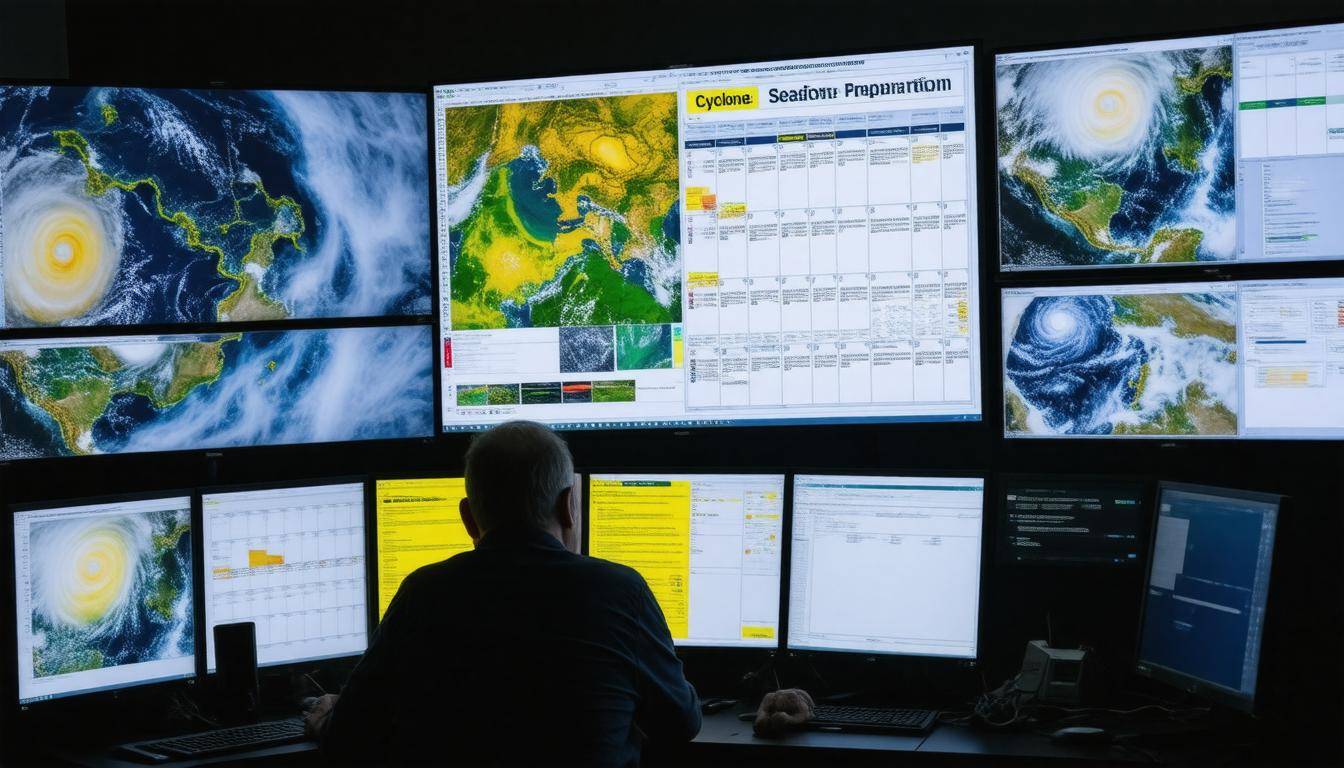
Continuous monitoring of weather conditions is not just a recommendation; it’s a lifeline during cyclone threats. By keeping an eye on local forecasts and updates, you can make timely decisions that may save lives and minimize property damage.
It’s essential to leverage technology at your fingertips. Download reliable weather apps, subscribe to alerts, or tune into NOAA Weather Radio, which provides uninterrupted broadcasts from the nearest National Weather Service office. This way, you’re receiving real-time information that equips you to take relevant action.
One of the most effective strategies is to create a habit of checking weather reports regularly, especially as cyclone season approaches. Just like athletes assess their performance metrics leading into big events, you should analyze the shifting patterns in weather data.
Moreover, it’s wise to set calendar reminders for routine checks before bed or as part of your morning coffee ritual. This simple act can make a significant difference in your response time to impending storms.
Timing is everything when it comes to cyclones; understanding that even small shifts in the weather can indicate a strong storm on the horizon.
Immediate Actions
When a cyclone warning is issued, immediate action is critical. You must prioritize following evacuation orders without delay. Last-minute decisions can lead to chaos, amplified by congested traffic and panic among residents.
History tells us this lesson all too well. Take, for example, Cyclone Larry, whose timely evacuation orders granted thousands of residents precious extra minutes to escape the worst impacts. The key takeaway here is simple: when advised to leave, trust your local authorities and act swiftly.
Plan your escape route ahead of time—it will save you valuable moments when every second counts. Familiarize yourself with alternative paths so you’re not stuck in a bottleneck. Remember that safety doesn’t come from hesitance; staying informed combined with decisive actions can lead to better outcomes for you and your family.
While it’s easy to feel overwhelmed during such events—given the emotional toll cyclones can take—maintaining clarity will help guide your actions. Building a strong support system within your community can ease this burden too. During times of crisis, lean on neighbors and friends as they can help inform each other about changing conditions or assist in quick evacuations.
By adhering firmly to these principles of monitoring updates and taking immediate actions, you’re enhancing your ability to face cyclones head-on with confidence and resilience.
As we shift focus now from preparation during cyclone threats, it’s crucial to understand the necessary steps that follow such events for recovery and rebuilding efforts.
Post-Cyclone Recovery Steps
The first thing you need to do when you re-enter your property is assessing damage. This step is critical for ensuring your safety. Walk around your home carefully and look for any signs of structural damage. If you notice sagging ceilings, cracks in the walls, or displaced foundations, it’s essential to stay outside and consult with a professional before entering. Never overlook gas lines or electrical wiring—if those appear damaged, call utility companies right away. They can help assess safety risks without putting you or your family in danger.
Once you’ve confirmed that it’s safe to enter, the next step is cleaning up the mess left behind by the storm.
Cleaning Up
Proper cleanup involves more than just moving debris; it’s about doing so safely and responsibly. Always wear protective clothing—gloves, masks, and sturdy shoes—to shield yourself from hazardous materials and sharp objects. The Centers for Disease Control and Prevention (CDC) emphasizes the importance of disposing of contaminated materials properly. For example, mold can form quickly in damp areas, leading to health issues if not managed correctly.
“Dealing with contaminated materials and cleaning up debris promptly can significantly reduce health risks associated with mold and bacteria.”
Another crucial aspect is managing water safety. You might find standing water around your home—make sure to test this water for contaminants before using it for drinking or cleaning purposes. Boil any questionable water until you’re sure it’s safe or use bottled water in the interim.
In addition to these steps, here are some more actions to consider as part of your recovery plan:
- Document damages thoroughly with photographs for insurance claims.
- Clear away fallen trees and branches cautiously—consider enlisting professionals if they’re too large.
- Report any outages or potential hazards to local authorities.
- Utilize community resources like local shelters and food banks, which can provide urgent assistance during this time.
Keeping these strategies in mind will help ease the burden of recovery after a cyclone. Swift actions can restore your space while offering reassurance to your family as they navigate this uncertain period.
Useful Resources and Tips
Knowledge and resources significantly enhance your preparedness and efficiency in cyclone season preparation. Utilizing comprehensive guides can help ensure that you’re not just ready for an emergency—but fully informed and self-sufficient when it matters most. For instance, websites like Ready.gov provide extensive preparedness guides covering everything from evacuation routes to emergency kits. It’s a one-stop shop for anyone looking to bolster their family’s readiness during cyclone season.
Additional Resources
| Resource | Description | Link |
|---|---|---|
| FEMA | Federal Emergency Management Agency resources providing safety tips and recovery information. | www.fema.gov |
| Red Cross | Offers emergency instructions, shelter information, and health resources. | www.redcross.org |
| Local Weather Service | Up-to-date forecasts and warnings essential for cyclone tracking. | [Local News Station Website] |
Exploring local government resources is invaluable as they provide pertinent information tailored to specific communities. They often have localized guidelines based on unique weather patterns and historical data, ensuring you’re always in the loop.
Additionally, staying active in community forums allows you to exchange tips with neighbors who have firsthand experiences during past cyclones. These shared insights can sometimes reveal useful hacks that official guidelines might overlook.
While gathering those resources, it’s equally important to keep updating your emergency plan as new information becomes available.
Regularly reviewing and adapting your plans based on recent developments will keep you ahead of any changes that may arise. For example, if new evacuation routes are established or different shelter locations are opened up, ensuring you integrate this into your playbook enhances your resilience.
Lastly, don’t underestimate the value of remaining calm and collected. Having a well-prepared mind is as crucial as having a well-thought-out plan. Keep essential phone numbers handy—like the Louisiana Department of Health’s helpline (1-800-360-9660), which is vital during emergencies, offering immediate updates on office status or directions for assistance.
By utilizing these essential resources and continuously refining your approach, you are not just preparing; you are equipping yourself for any eventuality that cyclone season might bring your way.