
When it comes to severe storms, whether you live in a bustling coastal city or a quiet village near the ocean, knowing how to prepare can make all the difference. Cyclones and hurricanes are both fierce forces of nature, but they don’t just blow into town without warning—there are important differences in how we should respond to each. If you’ve ever felt that pit in your stomach as storm alerts flood your phone, you’re not alone. Understanding the specific preparations for your area isn’t only about keeping your property safe; it’s about protecting yourself and your loved ones, too. In this article, we’ll explore the contrasting preparation tactics required for cyclones versus hurricanes, aiming to equip you with the knowledge needed to weather any storm effectively. Let’s dive in!
The key differences in preparation for cyclones and hurricanes primarily revolve around their regional impacts and specific safety protocols; hurricanes often require more extensive evacuation plans due to higher population density in affected areas. Additionally, it is crucial to secure outdoor items, have an emergency kit ready, and familiarize yourself with local evacuation routes tailored to the type of storm you may face.
Cyclones vs. Hurricanes: Key Differences
The foremost difference lies in their geographical formation. Cyclones gather strength in the warm waters of the South Pacific and Indian Ocean, whereas hurricanes thrive in the Atlantic and Northeast Pacific oceans. This geographic split not only dictates their names but also influences the climates and environments they impact. For instance, when a cyclone forms, it can significantly affect countries like Fiji or India, while hurricanes are more likely to wreak havoc on coastal states like Florida or areas throughout the Caribbean.
As both storm types are classified under tropical cyclones, understanding their basic characteristics is essential for any resident living in regions prone to these formidable storms.
Moreover, another key aspect is their wind speed classifications. Hurricanes employ the well-known Saffir-Simpson Hurricane Scale, which categorizes them from level 1 to 5 based on sustained wind speeds starting at 74 mph. In contrast, cyclones have varying scales depending on regional standards, which can lead to differences in how these storms are assessed and communicated to the public.
Additionally, there’s an intriguing factor regarding the naming conventions upon crossing the International Date Line. A cyclone’s identity may shift to a hurricane as it moves from one region to another—a notable example being Hurricane Genevieve evolving into Super Typhoon Genevieve once it crossed this line. Such shifts exemplify how geography determines not only a storm’s intensity but also its classification.
Beyond location and classification, safety preparations must be adapted to effectively combat these storms. With tailored approaches that consider specific risks and regional nuances, we can enhance our readiness strategies aimed at reducing potential damage caused by both types of storms. Next, we turn our focus to comprehensive strategies detailing preparedness measures suited for various locales.
Regional Preparation Guide
When it comes to storm preparedness, having a localized approach is essential. In the United States, hurricane season typically runs from June 1 to November 30. During this time, residents in coastal states like Florida and Texas familiarize themselves with emergency protocols tailored to their unique weather patterns.
One key preparation strategy involves securing homes by reinforcing roofs, installing impact-resistant windows, and clearing yards of debris that could become projectiles in high winds.
Understanding these precautions is critical since coastal areas face vulnerabilities due to potential storm surges and extreme winds. On the contrary, inland regions may not deal directly with hurricanes but grapple with significant flooding caused by heavy rainfall. Thus, they focus on creating comprehensive flood plans, including mapping out safe evacuation routes should water levels rise dangerously. Resources like FEMA and NOAA provide invaluable guidance that is region-specific, helping residents stay informed about their local risks.
Similarly, preparation in Southeast Asia requires understanding the unique challenges posed by cyclones that frequently hit countries like India and Bangladesh.
In these areas, extensive systems are often established to evacuate residents from vulnerable low-lying locations at the first sign of a cyclone. Communities collaborate with local authorities to ensure there are accessible shelters equipped with necessary supplies. This proactive approach has been lifesaving during previous storm events.
Additionally, governments in this region prioritize infrastructure improvements. Investments in seawall constructions help mitigate the effects of storm surges while enhancing communication systems ensure timely alerts during emergencies. People are encouraged to register for alerts similar to the OCALERT system in Orange County, which provides updates via text or phone regarding severe weather conditions. This blend of community involvement and government resources underscores the importance of collective readiness.
While preparing for cyclones or hurricanes varies significantly based on geography, effective coordination between local communities and government agencies is vital for ensuring safety when natural disasters strike.
Continuing this discussion, we can now look into specific strategies that enhance personal safety in response to these storms.
Cyclone Safety Tips
The key to safety when a cyclone approaches lies in being proactive. This means not only understanding how to react when a storm warning is issued but also preparing your home and yourself in advance. With weather patterns becoming increasingly volatile, it is vital to create a safety strategy that encompasses various aspects of life, from physical structures to emotional preparedness.
Step 1: Stay Informed
Keeping track of weather updates is crucial. This involves utilizing multiple sources for alerts and forecasts, such as local news stations, the Indian Meteorological Department, or dedicated weather apps. These resources will provide timely information about the storm’s projected path and intensity, enabling you to make informed decisions.
Imagine being in the eye of a cyclone—having advance notice gives you the power to act instead of reacting under pressure.
Step 2: Secure Important Documents
Preparing for a cyclone isn’t merely about physical safety; it also involves protecting irreplaceable items such as insurance papers, identification documents, and financial information. The best practice is to keep all critical documents in waterproof containers, ensuring they remain intact even if water enters your home. Consider digital backups as well; scanning important documents into your phone or cloud storage can save you a lot of hassle when recovering after a disaster.
Step 3: Build a Safe Room
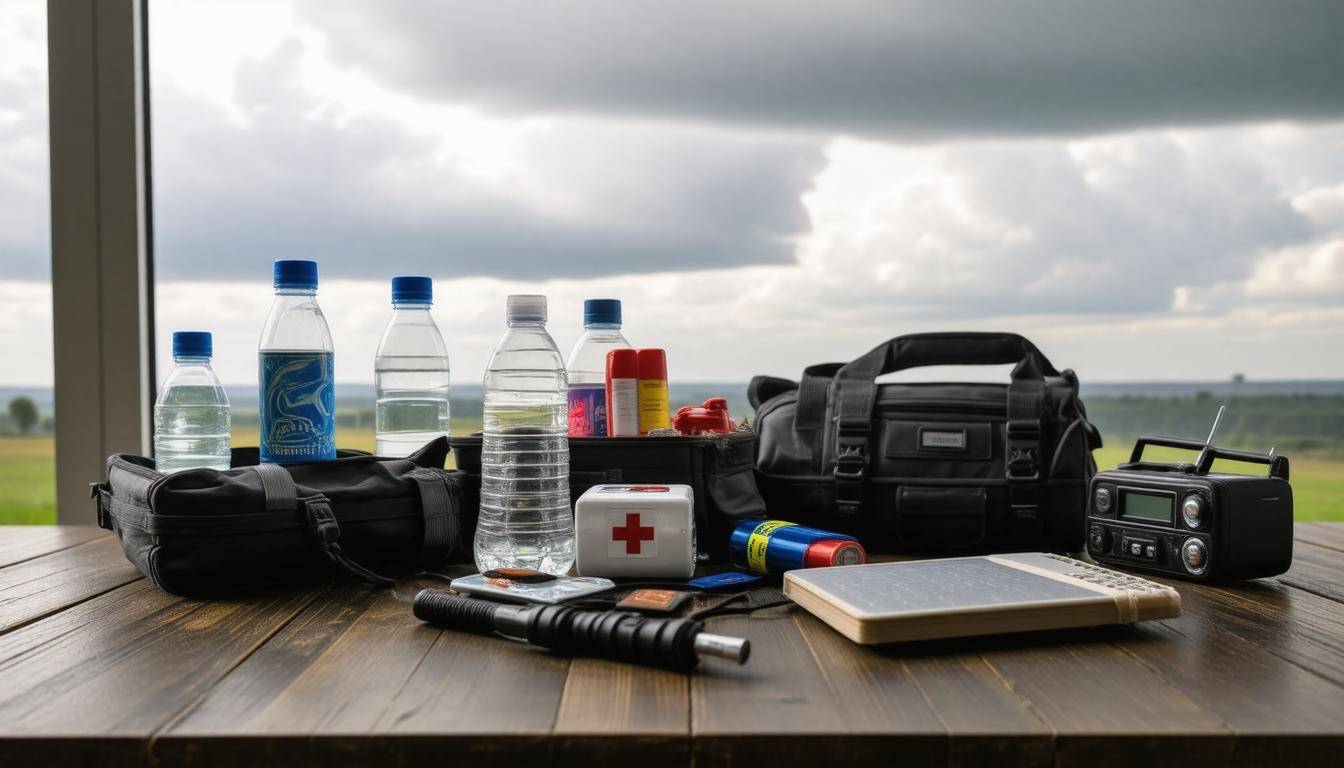
Designating an internal room in your house as a cyclone shelter is not just smart—it’s essential. This space should be away from windows and stocked with emergency supplies such as non-perishable food items, bottled water, and first-aid kits. Additionally, consider including flashlights, batteries, and any medications you may require. Your safe room can be the difference between survival and danger during severe weather events.
Step 4: Evacuation Ready
History has shown us how timely evacuations save lives. Data from past cyclones tells us that many who hesitated faced severe consequences. Therefore, knowing your evacuation route—and perhaps having multiple options—is crucial. Mark alternate paths on a map and practice them with family members regularly; familiarity will reduce panic during actual emergencies. Ensure your vehicle is fueled and ready to go at a moment’s notice.
Preparedness involves blending knowledge with action to ensure your safety during nature’s fiercest moments. With the right strategies in place, you can confidently face the challenges ahead.
Hurricane Safety Strategies
Preparing for a hurricane is not just about securing your property; it also involves ensuring the safety and well-being of your family. One vital aspect of this preparation is reinforcing your home against potential damage. Strengthening your home’s structure can significantly reduce the risk of injury and property damage during a storm.
Storm Shutters
Installing storm shutters on windows is one of the most effective ways to protect your home from flying debris and harsh winds. Unlike regular coverings, these shutters are designed specifically for severe weather conditions. They fit snugly and provide a solid defense that helps keep windows intact and minimizes the risk of injury from shattered glass.
Homeowners often report feeling far more secure when they know their windows are fortified against the elements.
Alongside physical alterations to your home, securing an uninterrupted power supply is equally essential during severe weather events.
Generator Use
Investing in a generator can prove invaluable when facing potential power outages caused by hurricane winds and rain. A well-chosen generator will keep your essential appliances running—think refrigerators, freezers, medical devices, or charging mobile phones.
Many homeowners find that portable generators are particularly versatile because they can be moved to where they’re needed most during and after the storm. Having reliable electricity allows families to stay comfortable and connected, enhancing overall safety while minimizing anxiety.
While protecting your home is critical, coordination among family members is essential for individual safety.
Personal Safety
Having a family communication plan in place should be high on your list of priorities. This plan ensures everyone knows how to contact each other if separated during or after the storm. Designate a safe meeting place outside the immediate vicinity of your home so that all family members understand where to go if evacuation becomes necessary. Families have shared stories about how these plans saved them from panic during chaotic situations after storms hit.
Equally important is having an emergency kit ready for use at a moment’s notice.
Emergency Kit Essentials
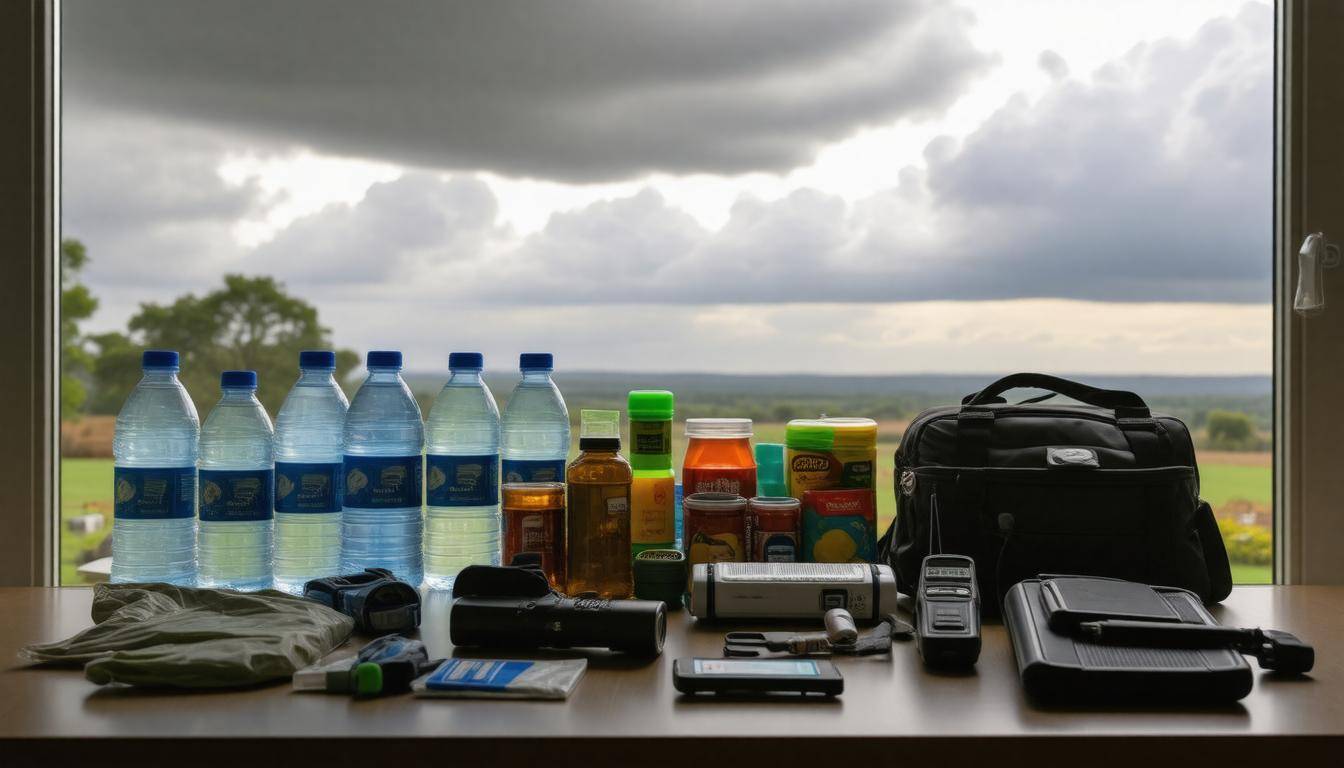
Your emergency kit should include essentials such as water (one gallon per person per day), non-perishable food items, batteries, flashlights, first aid supplies, and any necessary medications. Ideally, this kit should be prepared ahead of time and stored in an easily accessible location so you can grab it quickly when evacuating or riding out the storm at home.
From securing windows to ensuring electricity, it’s crucial to remain proactive in preparing for these natural disasters. As you prioritize safety measures for your loved ones, it’s also important to ensure you have all necessary supplies ready at hand for any situation that arises.
Now let’s focus on how to create an effective supply kit that meets all your emergency needs.
Building an Emergency Kit
A well-stocked emergency kit is indispensable during a storm. Being caught unprepared in the face of a cyclone or hurricane can lead to unnecessary stress and danger. An effective emergency kit should cater to various needs and situations, including food, water, crucial medical supplies, and safety equipment. Understanding what to include can make all the difference when you need it most.
Essentials
-
Bottled Water: Aim for at least one gallon per person per day for three days. Water is vital for hydration and sanitation during extended power outages.
-
Non-perishable Food Items: Stock up on items that do not require cooking and have a long shelf life. Consider canned goods, granola bars, dried fruits, and nut butter. Planning meals ahead is key for knowing how much you’ll need.
-
Flashlights and Extra Batteries: Power outages can occur unexpectedly. Flashlights will help you navigate safely in the dark, while extra batteries ensure your light source stays functional.
-
First-aid Supplies: Include bandages, antiseptics, pain relievers, and any necessary prescription medications. A comprehensive first aid kit can save valuable time during an emergency.
-
Multi-tool or Swiss Army Knife: This handy tool can be indispensable for tasks ranging from opening cans to making repairs or setting up shelter.
-
Copies of Important Documents: Keep copies of vital documents such as insurance policies, identification, and medical records stored in a waterproof container for quick access during evacuations.
-
Medications and Medical Supplies: Store any specific medications (including daily prescriptions) along with basic medical supplies like antiseptics or gloves.
It’s equally important to remember that supplies can expire or degrade over time. Therefore, rotating them regularly ensures freshness and functionality—similar to checking the batteries in smoke detectors every year.
Keeping your emergency kit stocked is not a one-time effort; it requires routine checks to ensure everything is in working order.
With these essentials in place, focus on solidifying your evacuation plans. Knowing which route to take, where to find safety, and how to stay connected with loved ones during a crisis are just as essential as having supplies on hand.
In addition to preparing your kit and planning your escape routes, fostering communication strategies among family members ensures everyone understands their roles and responsibilities when it’s time to act. Let’s now explore effective ways to create those evacuation plans that will keep everyone informed and ready.
Evacuation Routes and Plans
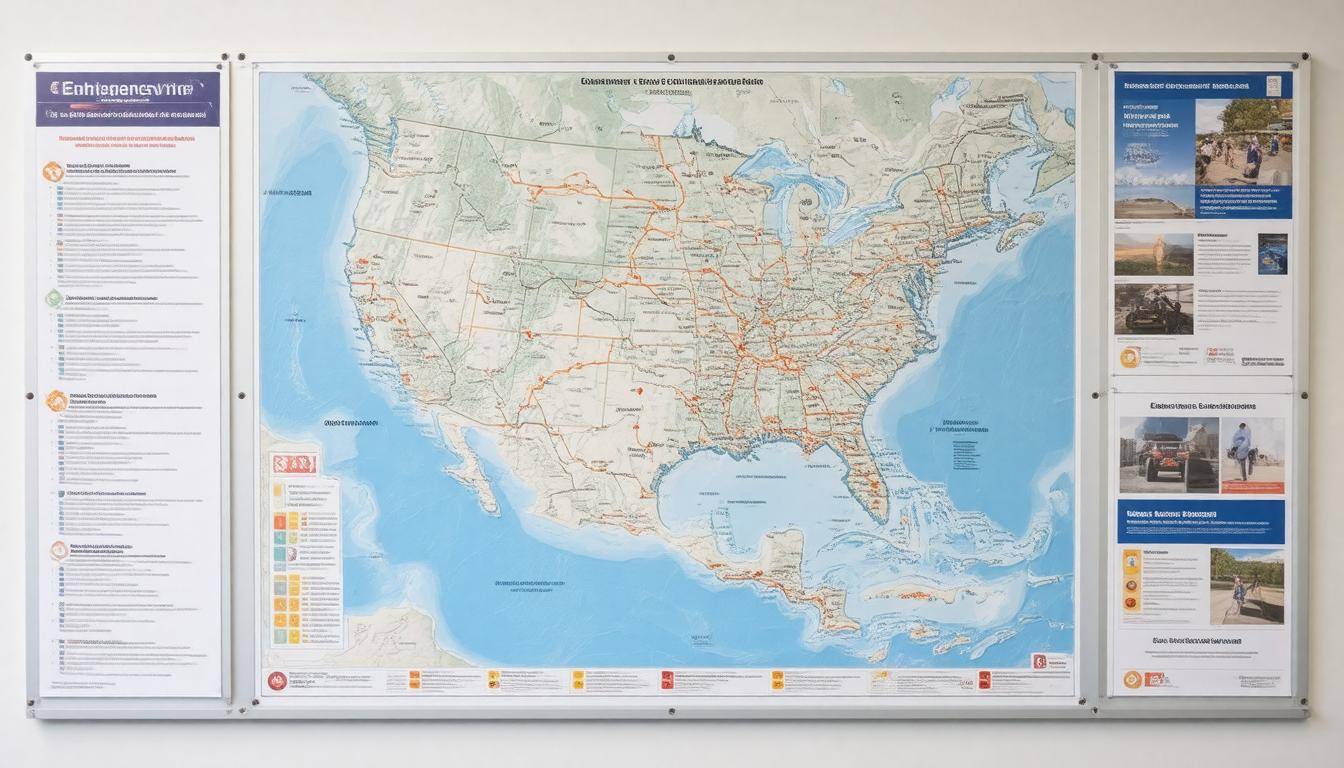
Evacuation is often necessary during severe storms, and having a clear plan can make all the difference. While it may seem daunting, planning your route in advance ensures a smooth and safe evacuation. One significant element in this process is identifying multiple routes to ensure you are not caught in traffic or blockages as conditions worsen.
With proper foresight, you can easily map out at least two pathways to your nearest shelter or safe location. Check local government resources for updated maps and directions—this helps you stay informed and gives you confidence when navigating through unfamiliar areas.
Practicing family drills can simplify what can often be a chaotic situation. Doing so makes everyone aware of the procedure; like an old-school fire drill, it prepares your loved ones for the real thing. Each member should know their role, from gathering essentials to stepping out of the house in a timely manner. Regular practice fosters familiarity and can even expose weaknesses in your evacuation plan before it’s called into action.
Engaging with local community programs dedicated to disaster preparedness provides valuable insights on any recent changes to routes or shelters.
Additionally, understanding the timing of your evacuation is crucial. The Federal Emergency Management Agency (FEMA) advises that evacuation plans include at least two routes to avoid congestion and road closures. In hurricane-prone areas, up to 40% of people lack a firm evacuation plan—don’t be part of this statistic! Having your exit strategy mapped helps reduce panic when seconds count.
As storms approach, stay updated on weather patterns with reliable sources such as NOAA or local channels, ensuring you have enough time for a smooth getaway. Similarly, keep your vehicle ready by filling it with gas ahead of time and ensuring it’s equipped for essential maintenance checks so it won’t fail you in an emergency rush.
By establishing these practices now, you’ll foster peace of mind as you navigate storm preparations, making the transition into effective home safeguarding much smoother.
Home Protection Techniques
Preparing your home for a cyclone or hurricane involves practical steps that can significantly reduce damage. For starters, reinforcing roofs is essential. A sturdy roof is your first line of defense against powerful winds and flying debris.
Ensure your roof is securely fastened by regularly inspecting the locks and anchors that hold everything in place. Using hurricane straps can dramatically improve the strength of the structure, reducing roof damage by up to 50%. Remember, an ounce of prevention truly is worth a pound of cure.
Now, let’s shift our focus to drainage systems in your home.
Proper drainage is another crucial aspect of home protection. Clogged gutters and downspouts can lead to serious flooding, which can cause extensive damage to both your property and its foundation.
Make it a habit to clean out these systems regularly, especially before storm season hits. By preventing water backup, you’ll help ensure that rainwater flows away from your home’s structure rather than pooling at its base, where it can do harm.
Landscaping plays an equally important role in safeguarding your home.
A well-maintained yard can serve not only as an aesthetic appeal but also as a protective barrier against storms. Take some time to trim trees and shrubs regularly.
Overgrown branches can become dangerous projectiles in high winds, risking damage to your roof or windows. By keeping foliage well-pruned, you minimize this risk while also promoting healthier plants that are more resilient during stormy weather.
All these tips underscore a central idea: preparation pays off.
A little effort on your part—whether reinforcing the roof, cleaning gutters, or trimming trees—can provide significant benefits when the winds pick up. Protecting your home doesn’t just boost its safety; it helps maintain its value and ensures you’re ready for whatever Mother Nature throws at you.
As we explore further, it’s essential to consider the various resources available that assist communities during emergencies.
Community Resources and Support
Leveraging community resources can make a world of difference during storm seasons, linking individuals with essential support networks and vital information. Engaging with local emergency management agencies is a crucial first step. They provide timely updates about storm developments and guide you through the preparation process, ensuring you have access to the latest safety protocols.
By signing up for notifications from these agencies, you’ll receive alerts tailored to your specific location, allowing you to stay informed about potential threats or changes in evacuation orders.
Additionally, connecting with organizations like the Community Emergency Response Team (CERT) can be invaluable. These teams consist of trained volunteers who are equipped to assist during emergencies, offering training sessions and resources for effective response tactics. Having firsthand knowledge of basic emergency procedures not only empowers individuals but strengthens entire communities as they face disasters together. Imagine being part of a team that acts as a lifeline when chaos strikes; this camaraderie is often what makes all the difference.
Many residents have expressed their appreciation for community meetings that foster awareness and preparedness, noting how these gatherings equip them with knowledge that feels empowering. It’s fascinating to hear stories from neighbors who attended workshops and learned skills—like first aid or evacuation planning—that turned them into informal leaders in their own households during storms. This ripple effect helps create a culture of safety where residents actively share information, adding to everyone’s peace of mind.
Another resource to consider is forming a neighborhood group that meets regularly before storm season hits. Not only does this create an avenue for disseminating information among friends and family, but it also strengthens bonds within the community.
In essence, combining personal preparedness efforts with the resources available in your community cultivates a comprehensive strategy against cyclones and hurricanes. By engaging with local agencies, participating in CERT programs, and fostering community connections, residents become proactive rather than reactive.
When storms approach, the synergy between well-informed individuals and strong community ties creates an environment where preparedness flourishes and safety prevails.
Ultimately, by harnessing both personal initiatives and community resources, everyone can contribute to a safer experience during storm seasons. Stay connected and prepared for whatever nature throws your way.
Are there particular building codes or construction methods that are more effective against cyclones than hurricanes?
Yes, there are specific building codes and construction methods that can be more effective against cyclones compared to hurricanes, primarily due to differences in wind speed and direction. Cyclones typically generate stronger winds sustained over longer periods, necessitating reinforced structures. For instance, homes built in cyclone-prone areas often utilize stronger roofing materials, elevated foundations, and anchored framing systems designed to withstand winds exceeding 200 mph. According to the National Oceanic and Atmospheric Administration (NOAA), regions that adopt enhanced building codes reduce wind damage by approximately 50% during cyclonic events.
How do the response strategies vary for communities affected by cyclones compared to those affected by hurricanes?
The response strategies for communities affected by cyclones often emphasize rapid evacuation and immediate shelter access, as cyclones can produce intense winds and flooding, necessitating quick action. In contrast, hurricane preparedness may focus more on long-term resilience efforts like infrastructure reinforcement and comprehensive evacuation plans due to their slower onset and prolonged impact. For example, in 2020, hurricane-related events led to over 30 million people being evacuated in the United States, highlighting the importance of preemptive planning, while cyclone-prone regions typically rely on timely alerts for swift community mobilization. Overall, differing geographical and climatic conditions dictate these distinct approaches to disaster management.
How do the warning systems differ for cyclones and hurricanes?
The warning systems for cyclones and hurricanes differ primarily in nomenclature and regional focus. Hurricanes, typically found in the Atlantic and Northeast Pacific, use the Saffir-Simpson Hurricane Wind Scale to categorize intensity and associated warnings, while cyclones in the South Pacific and Indian Ocean follow the Australian Tropical Cyclone Intensity Scale. Both systems issue alerts based on wind speed and potential impacts; however, hurricane warnings often encompass a wider audience due to greater populations along the coasts. Important statistics show that 80% of tropical cyclone-related fatalities occur in landfall-prone areas, underscoring the necessity for effective communication and preparation strategies tailored to each storm type.
What specific measures should be taken to prepare for a cyclone versus a hurricane?
When preparing for a cyclone, it’s essential to focus on securing your home with storm shutters and ensuring you have a reliable supply of food, water, and medications, as cyclones often lead to prolonged power outages and flooding. In contrast, hurricane preparation should emphasize evacuation plans and understanding local shelter options, as hurricanes can bring powerful winds and storm surges that affect coastal areas severely. According to the National Hurricane Center, historically, 60% of hurricane-related fatalities are due to storm surge. Thus, knowing your risk level and having distinct plans for each type of storm is crucial for safety.
What role does geography play in cyclone vs. hurricane preparedness?
Geography significantly influences cyclone and hurricane preparedness by determining the typical paths and impacts of these storms. For instance, hurricanes primarily affect coastal regions in the Atlantic and Northeast Pacific, with areas like Florida experiencing about 40% of all U.S. hurricane landfalls. In contrast, cyclones are more common in the Indian Ocean and can impact countries like Bangladesh and India, which experience severe flooding due to topography and land use. Preparedness measures vary based on these geographical factors; for example, elevated structures and effective drainage systems are crucial in low-lying cyclone-prone areas, while reinforced buildings and evacuation plans are essential in hurricane zones prone to storm surges. Understanding local geography ensures that communities implement effective safety protocols tailored to their specific risks.