
When you think of Cyprus, you might picture sun-kissed beaches and charming villages. But lurking beneath this beauty is a growing crisis that many residents face: the threat of droughts and wildfires. As the summers grow hotter and drier, it’s becoming increasingly important for everyone to understand these risks and how they can prepare. Whether you’re a seasoned local or a newcomer, knowing what to do when the heat intensifies can make all the difference. In this guide, we’ll explore practical steps you can take to protect yourself, your loved ones, and your community from the ongoing challenges posed by climate change.
The Cyprus Drought & Wildfire Preparedness Guide should include a thorough threat assessment of wildfire risks, an evacuation plan using the ‘Ready, Set, Go!’ framework which outlines preparation stages, and a comprehensive safety checklist that encompasses creating defensible spaces and packing essential supplies. Additionally, it should provide resources for real-time alerts and best practices for businesses to ensure effective emergency responses during drought and wildfire events.
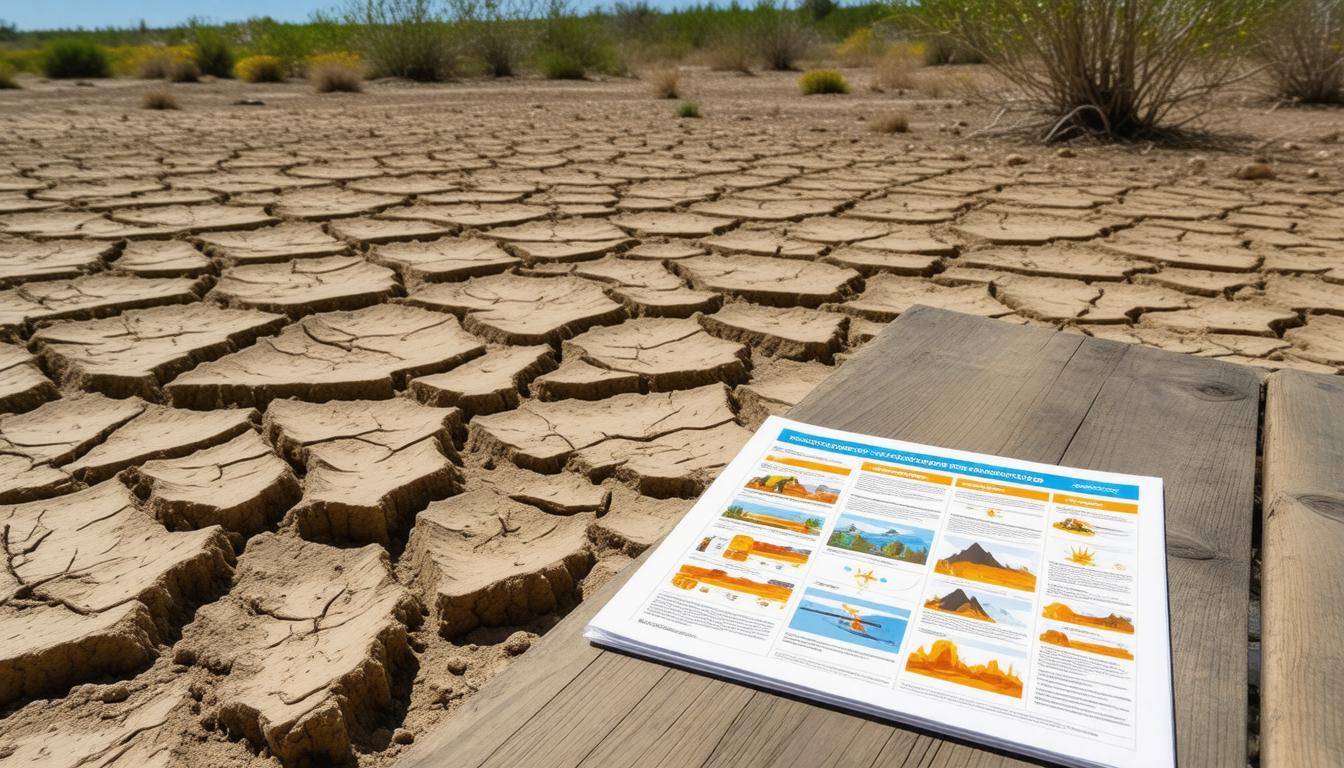
Overview of Droughts and Wildfires in Cyprus
Cyprus, famed for its beautiful landscapes and rich history, is currently grappling with the harsh realities of drought and increasing wildfire risk. The Mediterranean island’s climate typically features hot, dry summers; however, climate change has exacerbated these conditions. Rather than the usual seasonal drought, residents are experiencing prolonged periods of dryness that seem to stretch on interminably, raising alarms about water availability and ecosystem health.
Recent Incidents
The summer of 2024 served as a stark reminder of this growing threat when significant wildfires tore through nearly 50 square kilometers of land in the Paphos region alone. These incidents are not isolated; they represent a disturbing trend. From 2023 to 2024, Cyprus witnessed an unprecedented surge in wildfire activity, marking the highest incidences recorded in the last two decades. It’s important to understand that these wildfires do not simply occur in a vacuum; they are often fueled by earlier drought conditions that have left the landscape parched and highly susceptible to ignitions.
It’s as if nature itself had drawn a line in the sand—a warning sign that all is not well.
Impact on Communities
The repercussions of such wildfires extend far beyond blackened earth and scorched trees. In 2024, entire villages were evacuated for safety, displacing families for months and creating a ripple effect throughout local economies. Farmers, who rely heavily on their crops and livestock for sustenance, faced devastating losses—sometimes up to 70% —as flames swept across fields and pastures. This loss doesn’t just affect individual livelihoods; it risks destabilizing the island’s agricultural economy at large.
Understanding these events is essential for preparation, but it’s equally vital to look at the proactive measures being implemented to combat this escalating crisis. As we explore further, we’ll examine practical steps that can be taken to ensure safety amidst these challenges.
Developing an Emergency Plan
An organized emergency plan is critical; it can literally be the difference between life and death during a wildfire. To create your plan, you will want to dive into several important steps.
Step I – Assessing Risks
First and foremost, assess the specific risks in your area. Is your home near dense forests or grasslands that might feed an advancing fire? Or has your region faced severe droughts in the past, making it more susceptible to wildfires? Understanding these dangers can help you prepare effectively. Think of it like planning for a trip—you wouldn’t pack a surfboard for a skiing holiday!
Take time to observe your surroundings. Look at areas that are more likely to catch fire and consider how those risks could directly affect you. If you’re unsure where the danger might lie, check with local fire departments or community resources to understand recent wildfire patterns in your area.
Step II – Creating Communication Channels
Next, establish clear communication channels with family and neighbors. This isn’t just about text messages or phone calls; it’s about being connected even when technology fails. Imagine waking up in chaos, with smoke billowing outside—having a designated meeting point can ease panic.
Create a group chat on your messaging app of choice. In case of an emergency, designate a physical meeting spot outside your immediate neighborhood where everyone can gather safely.
Having these connections not only helps ensure that loved ones know each other’s whereabouts but also fosters a sense of community during difficult times.
Step III – Mapping Evacuation Routes
Lastly, knowing multiple evacuation routes is essential. Your instinct may be to head toward major highways, but preparing alternative escape paths can save precious minutes on a busy evacuation day.
Regularly practice these routes as a family so everyone knows exactly where to go and how to exit efficiently. Visual aids like maps can be incredibly useful—mark them clearly and make copies for everyone involved.
Consider having designated roles for each family member when evacuating. For example, parents could be responsible for pets while kids gather essential items. Clear roles reduce confusion and speed up the process when chaos strikes.
These foundational steps not only prepare families for an imminent crisis but also enhance overall readiness through cooperation among community members during challenging times ahead.
Community Response Initiatives
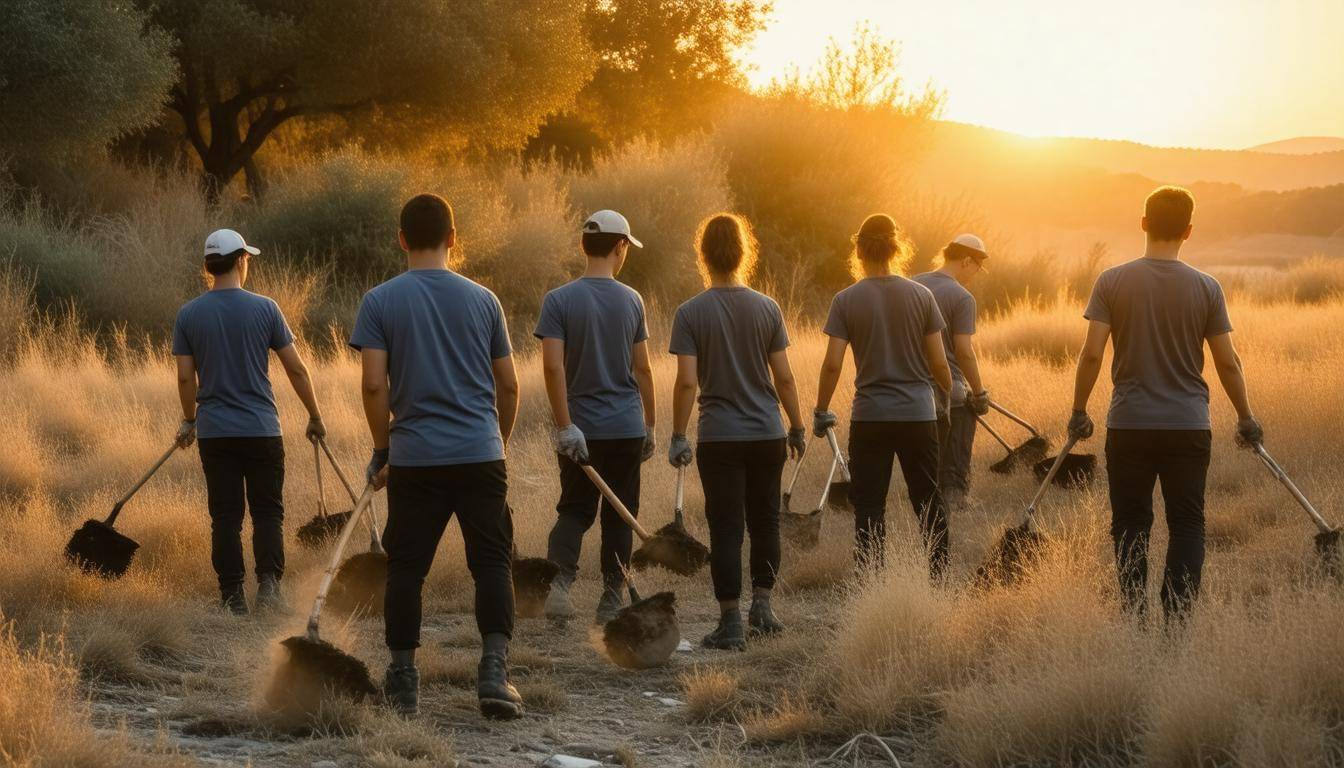
Community efforts amplify individual actions, creating a network of support that can make all the difference when wildfires threaten. By banding together, communities can harness their collective strength to enhance fire preparedness and ensure safety for all members. This is not just about sharing information; it’s about creating a culture of awareness and proactive measures that benefit everyone.
Organizing Neighborhood Watch Programs
One effective approach is the establishment of neighborhood watch programs focusing on spotting early signs of wildfires or issues arising from drought. Imagine groups of neighbors traversing their streets, alert and observant for smoke or unusual dryness in vegetation. These informal patrols can serve as the first line of defense. By reporting potential hazards quickly, they can mobilize prompt responses that might prevent a small incident from escalating into a larger disaster. Training sessions on what to look for can empower residents to participate actively and responsibly.
Complementing these watch programs are educational initiatives that build knowledge and skills within the community.
Hosting Local Workshops
In Limassol, local leaders recognized the importance of educating citizens about fire safety and water conservation. They organized a series of workshops in early 2024 designed to engage both children and adults. Featuring hands-on activities for kids—like craft projects that teach them about fire-resistant plants—these workshops fostered an appreciation for nature and the environment. Meanwhile, adults participated in discussions led by local experts on how to prepare homes for wildfire seasons effectively. Topics included creating defensible spaces around properties by trimming vegetation and using non-flammable materials in home construction. The blend of interactive learning and professional insights creates an opportunity for lifelong understanding among participants, which ultimately benefits everyone in the area.
Strong community bonds lead to practical solutions as well, particularly when it comes to sharing resources.
Shared Resources and Equipment
Neighbors can pool resources like water tanks or fire extinguishers to ensure every household has access to critical tools when needed. Consider a scenario where several homes work together to purchase a few large water storage tanks placed strategically around their area. When fires threaten, families have immediate access to water that can suppress flames before emergency responders arrive. Furthermore, rotating shared firefighting equipment fosters cooperation and builds trust within the community, ensuring that no one feels isolated during crises. This collaborative spirit not only aids in immediate response efforts but also strengthens long-term resilience against wildfires through shared knowledge and experience.
While communal efforts are crucial, it is essential to consider how government policies can further enhance these local initiatives to create a robust safety net.
Government Fire Prevention Measures
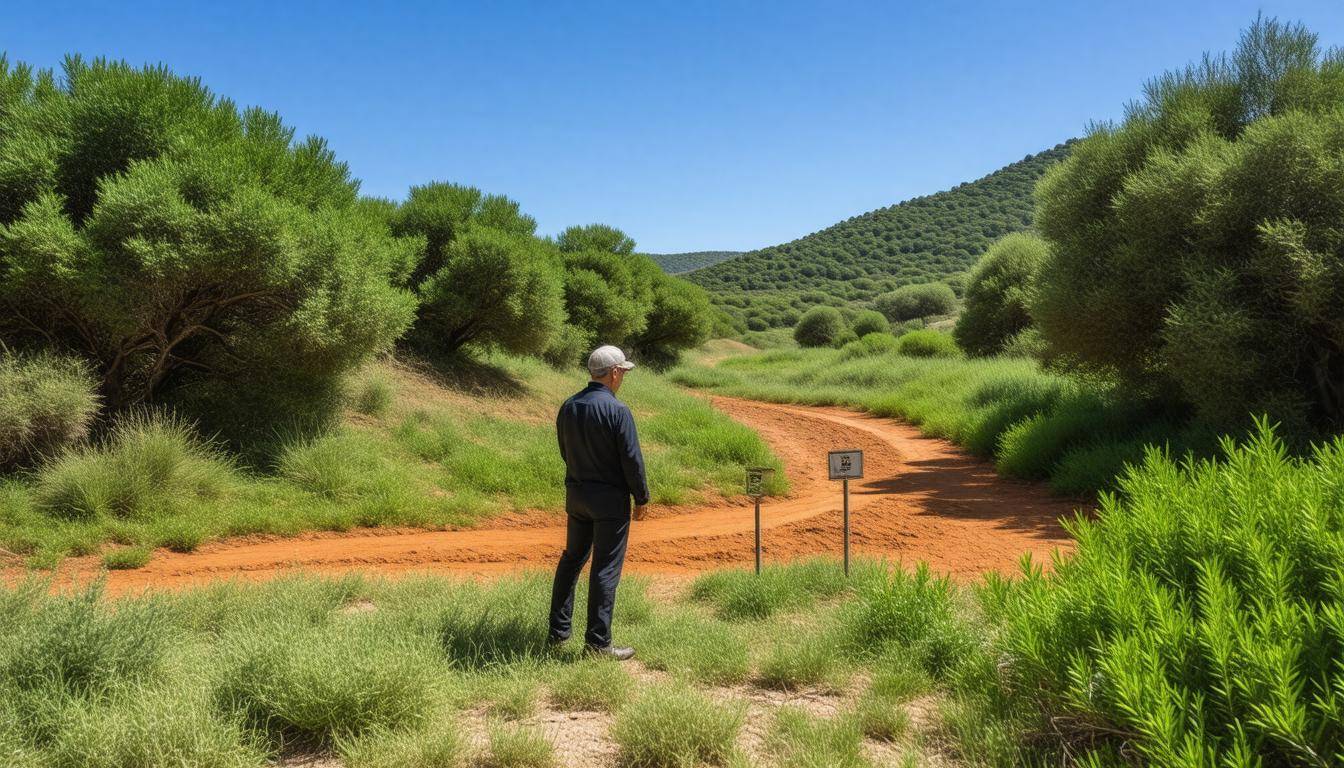
The Cypriot government recognizes that a proactive approach to fire prevention is essential, especially in light of the intensifying climate conditions. Efforts in legislation, technology, training, and community awareness work hand-in-hand to create a framework for forest fire management.
Legislative Actions
In late 2023, one of the most significant actions taken was the enactment of stricter land use laws designed to control construction in fire-prone areas. This decision stemmed from years of data showing how unchecked development exacerbated wildfire risks. By implementing a robust legal framework, authorities aimed to prevent new vulnerabilities from emerging.
Fines for non-compliance were significantly increased, serving as both a deterrent and an enforcement tool. This approach reflects a commitment to forestry and ecological preservation, emphasizing that maintaining the integrity of natural landscapes is a shared responsibility.
Deployment of Technology
Another transformative measure has been the integration of advanced technology into fire management strategies. The use of drone surveillance and satellite monitoring has become pivotal in early detection and management of wildfires. These technologies allow for comprehensive oversight of forested regions that might otherwise be difficult to monitor regularly.
Evidence of their success shows these tools contributed to reducing response times by approximately 15% during the 2024 wildfire season compared to previous years. Quick responses can mean the difference between a manageable fire and a raging inferno; thus, incorporating tech solutions has revolutionized how Cyprus tackles its severe wildfire challenges.
Training and Drills
Furthermore, an equally important strategy involves several governmental agencies conducting regular fire drills across schools and offices. Ensuring readiness at the institutional level equips students and workers with knowledge on what actions to take should an emergency situation arise.
These drills enhance community resilience by fostering awareness and preparedness among citizens. When people understand how to respond promptly to potential threats—internally or externally—they contribute significantly to overall safety while simultaneously alleviating pressure on emergency services.
As crucial as it is to prevent fires, it’s equally important to explore how best to manage resources when those fires threaten—ensuring ready access to vital water supplies becomes paramount.
Effective Water Management Techniques
Managing water wisely is vital, especially in regions facing the dual threats of drought and wildfires like Cyprus. The good news is that both individuals and communities can adopt a variety of effective techniques to preserve this precious resource.
For households, one of the simplest yet most impactful approaches is rainwater harvesting. By installing rain barrels under gutters to collect runoff from roofs, families can create a sustainable supply for irrigation or even washing purposes. This technique not only reduces dependence on municipal water sources but also eases the burden during periods of dry weather when every drop counts.
Furthermore, rainwater harvesting is not exclusively limited to residential use; it can be adapted for agricultural practices as well. Farmers in the picturesque Troodos Mountains have capitalized on this concept by utilizing drip irrigation systems. This advanced method allows water to drip slowly to the roots of plants rather than flooding over them like traditional irrigation methods. Surveys have shown that its implementation can reduce water usage by as much as 50%, which is critical in times of limited supply.
What’s more, the efficiency gained from such systems indirectly improves crop yield quality by delivering moisture directly where it is needed most.
While individual actions are significant, government policies also shape landscape management in response to ongoing climate challenges.
In 2022, Cyprus’s government launched an innovative subsidy program focused on promoting water-efficient appliances and irrigation systems among agricultural workers and residents alike. Early reports indicate that participating households witnessed a drastic reduction in water consumption—around **12%**—due to the adoption of these technologies. Beyond the financial benefits of reduced utility bills lies a broader impact; such measures create a ripple effect within communities, encouraging collective participation in safeguarding what may soon become a scarce resource.
As we recognize the importance of communal effort and policy support, the next step involves exploring actionable strategies for responsible water use that everyone can implement.
Sustainable Water Usage Tips
Individual water conservation can collectively make a significant difference, especially in areas like Cyprus where drought conditions exacerbate wildfire risks. Being mindful of our water usage is paramount. One effective tip is to fix leaks promptly. A dripping faucet may seem harmless at first, but it can waste thousands of gallons over the course of a year. Imagine the frustration of watching those precious drops go down the drain when they could be used for more essential purposes.
After addressing leaks, consider installing low-flow fixtures. These fixtures can reduce your water consumption by up to 60% compared to standard models. For instance, low-flow showerheads can dispense only 1.5 to 2.5 gallons per minute, whereas traditional ones use about 5 gallons. By simply swapping out old fixtures, you aren’t sacrificing comfort—a win-win situation!
And speaking of showers, another straightforward method to conserve water involves limiting shower time. If everyone in a household aims for showers under five minutes, the impact can be substantial. Picture this: if every person saves just two minutes from their daily routine, the collective savings over a month would add up dramatically, giving you more than just a few extra liters to spare.
Garden Wisely
Gardening practices also play a vital role in sustainable water usage. When planning your garden, opt for native and drought-resistant species. Plants adapted to local conditions require less water and offer greater resilience against drought circumstances. Not only will you conserve water by planting appropriate flora, but you’ll also create an environment that supports local wildlife—from birds to beneficial insects that thrive in natural habitats.
Incorporating these strategies not only aids in personal conservation efforts but also enhances overall community resilience against drought and wildfires. Moving forward, we’ll explore additional tactics focused on safeguarding your surroundings effectively.
Home and Vegetation Protection Tactics
Establishing defensible spaces around your home is critical for staving off the devastating effects of wildfires. Think of it as a protective buffer designed to keep your family and property safe from the encroaching flames. The first step is creating a 30-foot perimeter around your house that is free from flammable vegetation. This area should be maintained regularly, ensuring that there is no dead material—like leaves or twigs—that can catch fire and provide fuel for a blaze. By replacing grasses with gravel or stone pathways, you add an effective barrier to help counter potential flames.
As fire risks escalate, homeowners should consider their landscaping choices carefully. Opting for fire-resistant plants is an ingenious strategy that can both beautify your yard and enhance its safety. Plants like lavender, which has a low moisture content, are less likely to ignite compared to more traditional options like junipers. Succulents are another excellent choice; they are hardy and require minimal watering, making them well-suited for arid climates prone to wildfires.
However, it’s not just about selecting the right plants; regular maintenance is essential for keeping your defensible space effective. For instance, it’s advisable to clear gutters at least once a year to prevent dried leaves from accumulating—a perfect breeding ground for flames should embers land there. Furthermore, trimming trees can significantly mitigate wildfire risk; branches should be kept at least 10 feet away from structures, preventing any direct contact that could lead to fire spreading.
By investing time in these protective tactics now, you’re not only enhancing the aesthetic quality of your property but also making it much safer against the looming threat of wildfires.
Additionally, adopting a drip irrigation system can help maintain soil moisture around your garden beds, keeping vegetation green and healthy while reducing overall fire risk. A water source, such as a swimming pool or water tank, should also be easily accessible for firefighting purposes if needed.
The integration of strategic landscaping techniques combined with vigilant yearly checks can create a vigorous defense against wildfire threats.
As communities respond to changing environmental conditions, understanding broader strategies becomes essential for resilience amid unforeseen challenges.
Coping with Climate Change Impacts
Addressing climate change is not solely a task for governments or large organizations; it starts with us at home. Each one of us possesses unique opportunities to contribute to meaningful change, beginning with education and advocacy. By joining local groups focused on climate issues, you can amplify your voice and influence policies that support our environment. These grassroots organizations often engage in educational outreach and training, providing resources that inspire others to adopt sustainable practices in their daily lives.
Education plays a pivotal role in this journey. When you cultivate knowledge about sustainable living—through workshops, books, or community programs—you empower yourself and others to take practical steps toward mitigating climate change. Simple actions, like discussing the importance of water conservation, can inspire neighbors to rethink their habits. Communication is key; sharing experiences can motivate peers to participate in eco-friendly initiatives like tree-planting events or clean-up campaigns.
But what tangible steps can we take in our daily lives?
One effective method is to significantly reduce your carbon footprint. This could start simply by reconsidering how you travel. Instead of jumping in the car for short trips, try cycling or walking when possible. Not only does this reduce emissions, but it also encourages an active lifestyle and fosters a sense of community.
Rethinking our diets can also have a profound impact. Incorporating more plant-based meals isn’t just healthier; it’s a powerful way to lower greenhouse gas emissions associated with meat production. Even swapping out a few meat-based meals per week can make a difference over time as more people embrace these changes. Environmental consciousness at the dinner table goes a long way!
Another significant facet of coping with climate change is investing in renewable energy resources.
Given Cyprus’ abundant sunlight, investing in solar energy is not just an option; it’s a necessity for resilience against droughts and wildfires. Solar panels harness this precious resource, reducing dependence on fossil fuels while lowering greenhouse gas emissions. By taking this proactive approach, you secure energy independence and invest in a sustainable future for the entire community.
As more households adopt renewable energy solutions like solar power, we will likely see a shift toward cleaner air and healthier living environments. The integration of renewable technologies is poised to reshape how we think about energy consumption, promoting a cultural shift toward sustainability.
Ultimately, as we address climate change impacts together—at both individual and communal levels—we build not only preparedness but resilience within our communities against droughts and wildfires.
In striving for collective action and personal responsibility, we can pave the way for a more sustainable and resilient future for everyone living in Cyprus.