
Flash floods can happen faster than you think, turning a sunny day into a race against time. If you live in Dallas, it’s essential to be ready for the unexpected because these storms can bring heavy rain and chaos in no time. Having a Flash Flood Preparedness Kit isn’t just a good idea; it’s a lifesaver. Think about it: when floods strike, there’s little time to ponder what you’ll need—water, food, and safety supplies must already be on hand. This article will guide you through building your own kit, packed with all the essentials to keep you and your loved ones safe during an emergency. Being prepared gives you peace of mind, knowing you have a plan even when Mother Nature throws her worst at us. Let’s dive into how you can build your own kit!
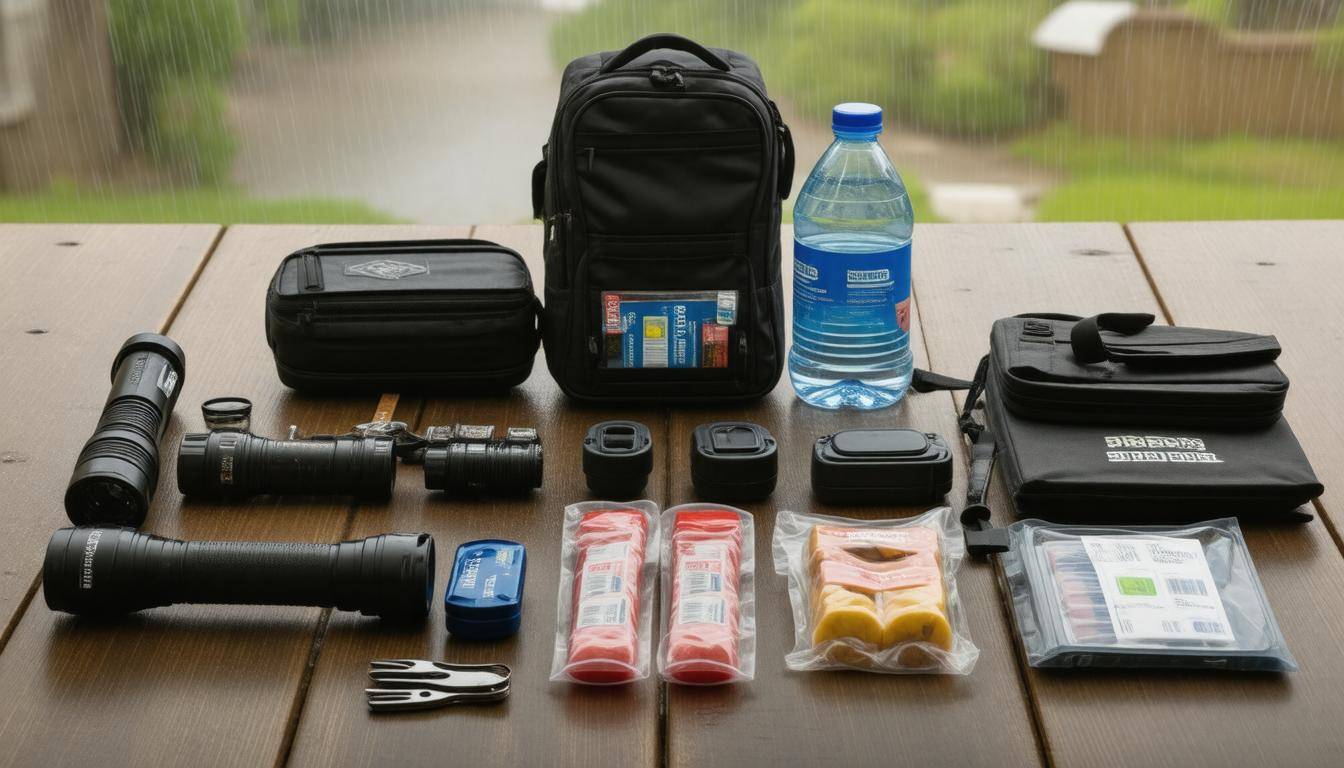
A Dallas Flash Flood Preparedness Kit should include essentials such as water (one gallon per person per day), non-perishable food, a flashlight, batteries, a first aid kit, important documents in a waterproof bag, medications, and a battery-operated or hand-crank emergency radio. Additionally, consider including local maps and supplies for pets if applicable to ensure the safety of all family members during a flood event.
Why You Need a Flash Flood Preparedness Kit
Flash floods can strike without warning, transforming familiar streets into torrents of fast-moving water. Having a flash flood preparedness kit on hand allows you to react quickly and effectively when time is of the essence. While it might be easy to dismiss these kits as mere conveniences, their value becomes crystal clear when the stakes are high; your safety and well-being can depend on the supplies within.
Imagine the chaos that ensues when a family hears sirens blaring or alarms sounding while they sleep. It’s one thing to gather your kids and pets, but it’s quite another to remember essential items in the heat of panic. A well-prepared kit alleviates this burden significantly. In just minutes, you can grab your go-bag filled with necessities like bottled water, non-perishable food, a flashlight, first-aid supplies, and important documents. This level of preparation fosters a sense of control amidst potential chaos.
However, it’s not just about having essentials gathered in one place; it’s also about ensuring those items are frequently checked and updated.
Flash floods often lead to remarkable property damage, which can make recovery hard enough without adding insufficient supplies to the equation. Your flash flood preparedness kit should reflect not only what you might need during an emergency but also specific factors such as your family’s size, health requirements, and individual preferences. For example, pets require special considerations in an emergency too, so including food and extra leashes for furry companions is smart planning.
Furthermore, having a plan in place—complete with designated meeting spots and communication methods—turns chaos into clarity. Regularly reviewing your emergency plan helps reinforce everyone’s understanding of their roles and responsibilities during such incidents. Consider creating checklists or diagrams to help visualize the steps your family needs to take during a flash flood event.
Ensuring you’re equipped with essential tools gives you peace of mind while empowering you to face whatever comes your way.
Building a flash flood preparedness kit is about proactive safety measures that transform feelings of uncertainty into confidence in challenging circumstances. Next, we’ll explore specific items that you should include in your preparation efforts.
Essential Supplies for Safety
When creating your flood preparedness kit, think of it as an investment in your safety and well-being during uncertain times. A well-rounded kit should not only include basic necessities but also offer peace of mind. This means evaluating what you and your loved ones might need beyond just the basics to ensure comfort and safety.
Building on the foundational supplies you’ve already considered, here are some essential additions:
-
Battery-operated or hand-crank radio: This is crucial for staying updated on weather alerts or emergency information. They are particularly valuable if the power goes out.
-
Flashlights with extra batteries: In the event of a power failure, safe illumination helps navigate dark spaces without risking injury.
-
Backup power sources: Portable chargers or even solar-powered chargers can make all the difference for keeping phones and portable lights operational.
-
Local maps: These will help you find alternative routes if evacuation is necessary, especially when GPS may not function properly due to signal loss.
-
Emergency cash: In disaster situations, ATMs and card machines might not be working; having cash on hand is always wise.
-
Books or games: It might seem trivial, but having items for entertainment can help pass the time and keep spirits up if you’re stuck indoors.
-
Duct tape: This versatile tool can fix almost anything—from repairing clothing to sealing leaks—it’s an invaluable addition.
As you gather these items, consider your unique situation and adjust accordingly.
For instance, if you have elderly family members or young children, adding medications they regularly take can be lifesaving. Consider special dietary needs, like gluten-free or vegetarian options when selecting non-perishable food items. Pets deserve consideration too; having pet food stored away ensures their needs are met alongside your own.
Tailoring your flood preparedness kit to your specific circumstances can significantly enhance comfort and safety during severe weather conditions.
With safety as a priority in mind, ensuring that you have adequate lighting and power sources ready becomes essential to navigating emergencies effectively.
Backup Power and Lighting
When dealing with potential flash floods, you can’t overlook one vital component: lighting. Power outages can leave you in complete darkness, making it challenging to navigate your surroundings or check on loved ones. This is why it’s essential to have light sources that you can rely on. Think about how unsettling it can feel after sunset with only your phone’s dwindling battery as your guide.
To prepare adequately for such situations, consider investing in high-quality flashlights and lanterns. A well-constructed flashlight should not only be bright but also durable and waterproof. Battery-operated lanterns are perfect for providing central light in a room, illuminating larger areas than a traditional flashlight. Ideally, keep several around the house—one in each main area—to ensure quick access when needed.
A good rule of thumb is to opt for LED options, as they last longer and consume less power, thereby extending their usability during a power outage.
Types of Lighting Options
-
Flashlights: Keep at least one per person in your household. Make sure they’re easy to operate and robust enough to withstand drops or water exposure.
-
Lanterns: Useful for communal areas where multiple people may gather. They provide softer lighting compared to harsh beam flashlights.
-
Headlamps: Often overlooked, headlamps allow you to maintain mobility while keeping your hands free for tasks that require light.
Planning ahead means not just having these lights available but also ensuring they are functional when you need them most. Regularly check the batteries of your devices and replace them as necessary. You might even consider rechargeable battery systems to swap out drained batteries with fully charged ones.
While effective lighting contributes significantly to your safety plan, it’s crucial to expand your focus on protecting your home and property from potential flood damage.
Home Ground Protection
Protecting the foundation of your home from floodwaters can prevent significant damage that might otherwise lead to expensive repairs. One fundamental approach is installing sump pumps in your basement. These pumps are critical for removing water that may seep in during a flood and can divert hundreds of gallons of water each hour. By minimizing standing water, they help maintain a safe environment and limit water damage to your valuable property.
Beyond sump pumps, another practical solution is to position sandbags around the perimeter of your home. This method creates a barrier that redirects floodwaters away from your foundation and reduces the risk of water entering your living space. Sandbags are relatively inexpensive and easy to deploy, making them a go-to option for homeowners looking for immediate flood protection.
It’s important to note that while sandbags can be effective, they need to be placed properly for maximum impact. For instance, you should place bags in a staggered pattern similar to bricks in a wall, which enhances their strength and effectiveness against flowing water.
Another layer of protection is elevating critical utilities above expected flood levels, including your HVAC system, electrical panels, and any other vital components that could sustain damage if submerged. If your home has experienced flooding previously, consider relocating these items or investing in flood-proof fixtures designed to withstand high water.
Furthermore, landscaping plays a significant role in managing water runoff around your property. Consider creating sloped drainage paths or installing rain gardens that capture and filter excess water rather than allowing it to flow toward your foundation. Native plants in these areas not only absorb rainwater but also enhance the aesthetics of your yard while providing a natural filtration system.
Regular inspections are essential—keeping gutters clean prevents overflow during heavy rains; this reduces the likelihood of water pooling near your foundation. Additionally, maintaining good grading around your home directs water flow away from the foundation naturally.
As you implement these protective measures, it’s equally important to prepare an actionable plan for swift evacuation should the need arise, ensuring safety and peace of mind during extreme weather events.
Creating Your Evacuation Plan
Knowing where to go and how to get there safely during a flash flood can indeed save lives. Crafting an effective evacuation plan is crucial. Start by determining safe locations; these could be elevated areas or emergency shelters designated by your local authorities. Have a list of two or three potential spots in case the first option becomes inaccessible due to road closures or flooding. This increases your chances of finding a safe haven while reducing anxiety about where to go.
Next, it’s essential to establish family meeting points. Think about scenarios where family members may get separated during an evacuation. Designate a specific location—perhaps a friend’s house or a recognizable landmark where everyone can gather if communication fails. Choose options that are not prone to flooding, considering places well above the floodplain.
Step-by-Step Guide:
Now, let’s discuss the critical aspect of route planning. When crafting your routes, ensure you have multiple avenues mapped out so you aren’t caught off-guard if primary roads become blocked. Even if you think you’ve memorized them, jotting down these routes on paper is helpful should your phone fail or be lost in the chaos. Including physical maps in your preparedness kit allows quick access without relying on technology.
It’s equally important to practice your evacuation route with family members regularly. Run through the plan together so everyone feels confident and knowledgeable about what to do when the time comes. Practicing not only helps everyone remember the route but also alleviates panic and uncertainty during real emergencies.
Communication is key during any emergency, including flash floods. Make sure each family member knows their role, and keep channels of communication open before, during, and after the event.
As you refine your plan, remember that flexibility is essential. Conditions can change quickly in a flash flood scenario, so staying adaptable helps ensure everyone’s safety as you execute your plans swiftly. By diligently working through these steps, you’re setting up a robust framework for safety that can be critical in moments of crisis.
With an effective evacuation strategy in place, attention turns to how you can ensure clear and reliable communication throughout the emergency process, keeping everyone informed and coordinated.
Effective Emergency Communication
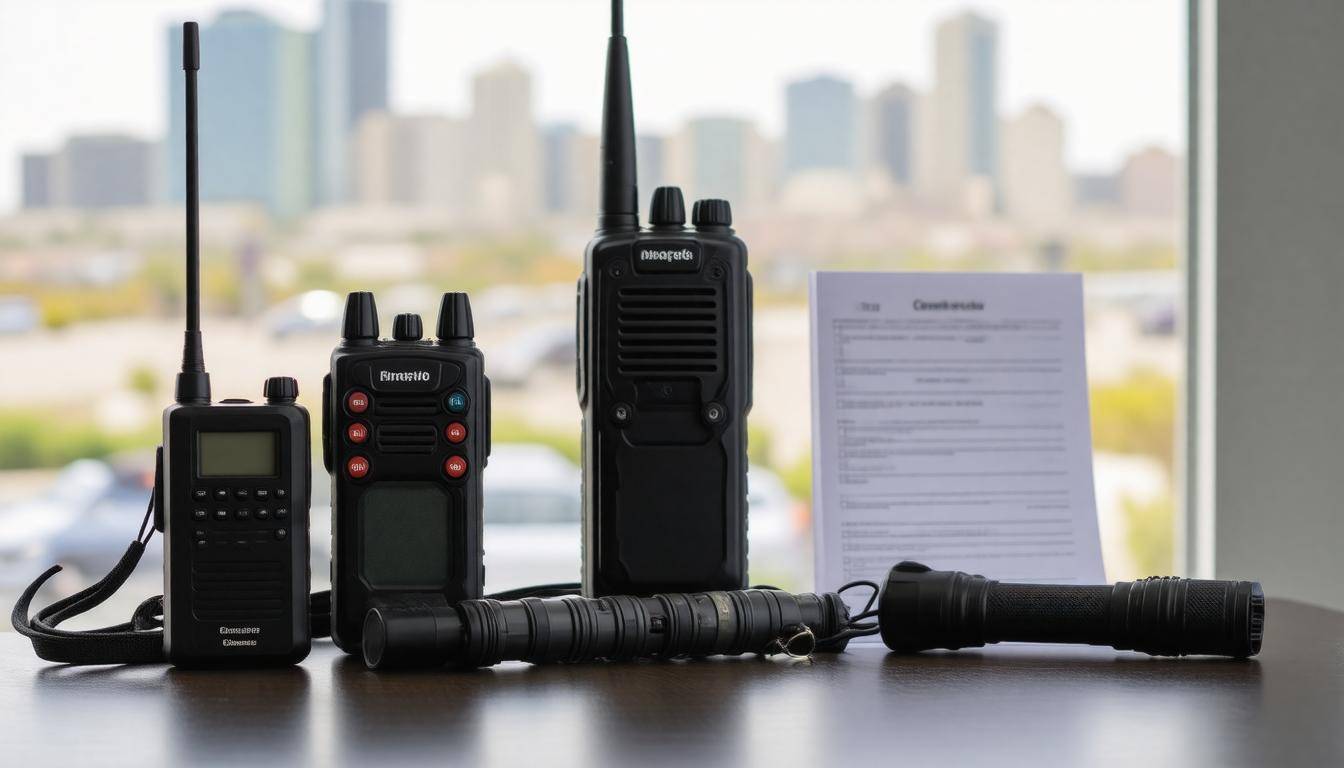
Maintaining clear channels of communication with family and emergency services is crucial during flash floods. In chaotic situations, confusion can reign if you haven’t set up a solid communication plan in advance. One practical step involves designating a single point of contact for your loved ones—a friend or family member who lives outside the affected area. This ensures everyone can check in safely without overloading local connections.
Among the essential supplies in your preparedness kit, a battery-powered or hand-crank radio should be at the top of your list. This device will enable you to receive timely weather updates from NOAA (National Oceanic and Atmospheric Administration), keeping you informed even when power outages occur. It’s interesting to note how quickly panic can set in when you lack reliable information; a simple radio becomes your lifeline to real-time updates on conditions.
While it might be tempting to rely solely on smartphones for alerts and updates, it’s important to remember that cellular networks often become unreliable during severe weather events. When the power goes out or cell towers are overwhelmed, your smartphone may unexpectedly turn into an expensive paperweight. A radio acts as a steadfast backup, ensuring you remain connected even when modern technology fails.
Staying informed is just one part of the puzzle; it also helps guide your decisions when planning for an evacuation.
Besides securing a reliable source for weather updates, consider maintaining an easily accessible list of emergency contacts. This list could include local agencies like the police and fire department, as well as friends and family members. Store this list both physically in your emergency kit and digitally on devices.
Here are some actions that can enhance your communication efforts during an emergency:
-
Develop a Family Communication Tree: Ensure each family member knows how to reach one another and whom to call if separated.
-
Set Up Text Alerts: Platforms like FEMA offer free alert systems that allow you to receive notifications about emergency situations via text.
-
Practice Regularly: Hold occasional drills that simulate an emergency scenario which will reinforce the importance of communication in real time.
By creating robust communication strategies like these, you’ll be better equipped to handle the chaos that often accompanies flash floods, ensuring safety and swift action when it matters most.
As you prepare for potential flooding scenarios, understanding how to effectively stay informed is vital, especially in times of crisis.
Monitoring Flood Warnings
Real-time monitoring can provide crucial lead time to act before a flash flood becomes dangerous. When heavy rainfalls are forecasted, having timely updates allows you to prepare, evacuate if necessary, and take precautions to safeguard your property. This isn’t just about keeping yourself safe — it’s about ensuring loved ones remain informed too.
Devices for Monitoring
Having the right devices on hand is critical for effective flood monitoring. One of the best tools available is weather radios, specifically NOAA radios that broadcast vital emergency information directly from the National Weather Service. These devices provide continuous broadcasts of alerts, ensuring you’re always in the loop. Imagine sitting comfortably in your home when suddenly, your weather radio alerts you to an impending storm with a flash flood warning. That could be the moment that allows you to gather important supplies before the situation escalates.
Another modern alternative is mobile applications designed for emergencies. Apps like FEMA’s or the American Red Cross app deliver real-time alerts and safety information straight to your smartphone. Setting these up requires just a few steps: download the app, allow location permissions, and choose your alert preferences. The convenience of receiving notifications on your phone means you can stay informed even while on the go or busy with daily tasks.
Consider this: during the intense 2023 flash floods in Dallas, individuals who signed up for local SMS alerts reported receiving timely information. This allowed them to evacuate safely before road conditions worsened or floods surged into homes.
Finally, don’t underestimate the power of SMS alerts provided by local emergency services. These text message alerts can serve as instant reminders of severe weather warnings while you’re focused on other responsibilities. Signing up usually involves providing a phone number and perhaps selecting your preferred types of notifications—like severe weather, evacuation notices, and community alerts.
Maintaining an up-to-date system for monitoring will keep you ahead of potential dangers. As we consider the essentials needed for effective preparedness, let’s now discuss best practices for organizing and storing these vital supplies.
Storing Your Preparedness Kit
Proper storage of your flood preparedness kit is crucial; it ensures that essential supplies are accessible when you need them and keeps everything in good condition. It’s wise to invest in a durable, waterproof container to protect the contents from moisture and potential damage. This is especially important during a flooding event. Consider using clear plastic bins or heavy-duty bags—these not only keep items dry but also allow for quick visibility so you can easily find what you need.
The location of your storage is just as important as the container itself. Ideally, place your kit in an easily accessible area, such as a closet on an upper floor or a dedicated shelf high enough to avoid any floodwaters. Be sure to label the container clearly, perhaps with “Flood Kit” in large letters. This way, even when nerves are frayed during an emergency, anyone can quickly locate the kit without wasting precious moments.
Regularly checking your kit is equally important. Performing monthly checks to replace expired food items, medications, and flares helps ensure your supplies are always fresh and usable. When I conduct these checks, I also make sure all electronic devices like flashlights and radios are fully charged, since a charged device can be a lifesaver during power outages or emergencies when communication is critical.
Remember: Regular maintenance and practice with your kit can significantly impact your response during a crisis. It’s easy to feel overwhelmed by the task ahead, but personal responsibility in maintaining this kit can provide peace of mind amid uncertainty.
Assessing and updating your preparedness kit shouldn’t just be a one-off task—it should become part of your routine. By developing this habit, you arm yourself with the necessary tools for survival while reinforcing a proactive mindset that could prove invaluable when disaster strikes.
Taking the time to properly store and maintain your flood preparedness kit not only enhances safety but also empowers you and your family during potential emergencies. Being prepared means having peace of mind when facing the unforeseen.