
Cyclones can be daunting, especially if you live in areas like Darwin where they strike more often. It’s easy to get caught up in the chaos of preparing when storms are on the horizon, but taking the right steps beforehand can make all the difference. Having a well-thought-out cyclone kit is crucial not just for physical safety, but also for peace of mind. Imagine knowing you’re ready for anything nature throws your way—what a comfort that would be! In this guide, we’ll walk you through everything you need to create a cyclone kit that keeps your family safe and secure during those intense weather events.
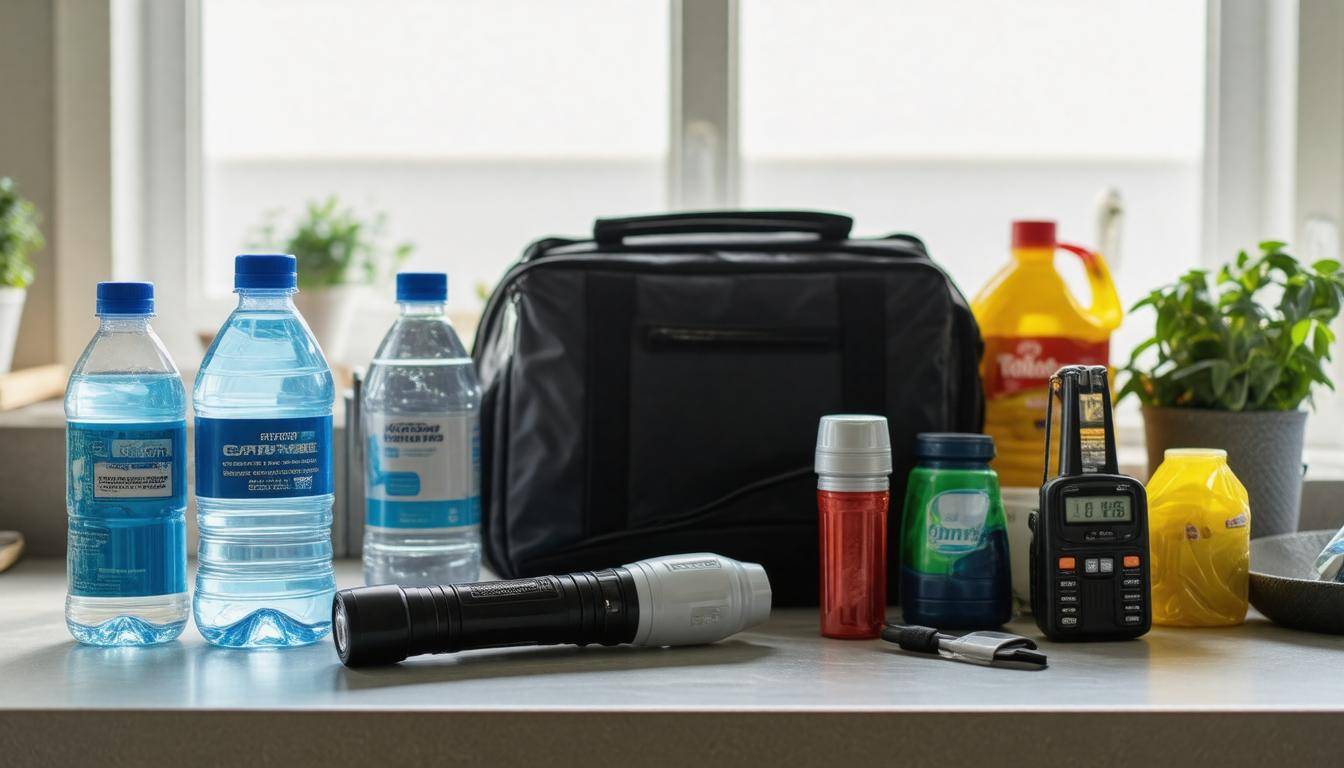
A cyclone kit for Darwin should include essential items such as water (at least 2 liters per person per day), non-perishable food, a first aid kit, flashlights with extra batteries, important documents in a waterproof container, and any necessary medications. It’s also advisable to have a radio for weather updates and an emergency blanket to keep warm if power outages occur.

Preparing Your Cyclone Kit
Preparing a cyclone kit goes beyond just gathering random supplies; it’s about assembling everything you need for your safety and comfort during severe weather events. Imagine knowing you’re ready whether the winds are howling outside or the rain is pouring down incessantly. The first step in this vital process is to address the essentials that belong in your kit.
Step 1 – Choose the Right Container
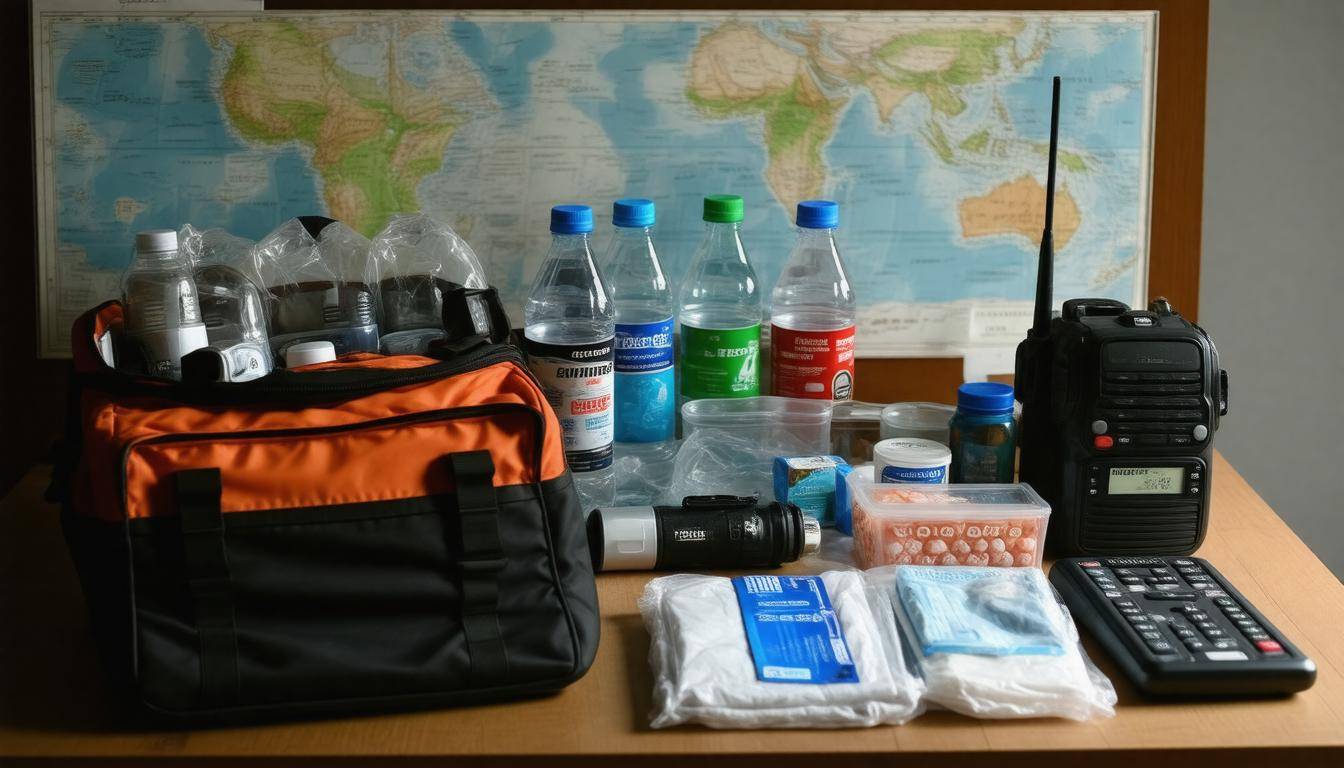
Start by selecting an appropriate container to store all your items—this is where it all begins. A heavy-duty waterproof plastic bin with a secure lid is an excellent choice. It will withstand the elements of a cyclone while keeping your supplies dry and organized. Think of this bin as your safety pocket: it should be large enough for your needs, but manageable enough to move if necessary.
Step 2 – Organize Your Items
The next step requires you to get methodically organized. Utilize smaller Ziploc bags or even compartments within your bin to categorize similar items. Keep all medical supplies together, batteries in another bag, and personal documents in yet another. Label each section clearly so that in a moment of urgency, you can quickly find what you need without fumbling around in a chaotic mess.
Prioritize packing the essentials first. Medical supplies such as band-aids, antiseptic wipes, and crucial medications should occupy the most accessible sections of your kit. Important documents—insurance papers, identification, or any other paperwork that could be difficult or impossible to replace once disaster strikes—should not be overlooked.
With your container secured and your items organized, focus on the specific supplies that will enhance your preparedness for any cyclone-related challenges ahead.
Essential Supplies Checklist
An effective cyclone kit is more than just a collection of items; it’s your lifeline when severe weather strikes. With the unpredictable nature of cyclones in the Northern Territory, ensuring you have these essential supplies ready can save time, reduce panic, and safeguard your family’s well-being.
A first aid kit is your health guardian during emergencies. When chaos ensues, minor injuries can turn serious if not treated swiftly. Your kit should include bandages for cuts, antiseptic wipes to prevent infection, and pain relievers to ease discomfort. Don’t forget any prescription medications you or family members may need—including extra doses in case of unforeseeable delays.
Keeping a multi-tool or Swiss Army knife in your kit can be a lifesaver. It’s not just a gadget; it provides multiple functions that may come in handy when you least expect it. Whether you need to open a can or fix something around the house, having this versatile tool will simplify your tasks.
Communication during a cyclone is paramount. That’s where a battery-powered or hand-crank radio comes into play. This radio keeps you informed about the latest weather updates and emergency directives when cell signals may fail. Coupled with trusty flashlights and extra batteries, you ensure visibility and safety in darkness caused by power outages.
Water quality can be compromised during extreme weather events, which makes unscented bleach an essential supply for purification. Just a few drops mixed with clean water can render it safe for consumption—a simple yet vital skill to know.
As the storm looms closer, personal hygiene becomes easy to overlook amidst stress, but maintaining cleanliness is still crucial. Items like soap, a toothbrush, and even trash bags contribute to your overall health and comfort while sheltering in place.
Organizing Important Documents
One often-ignored aspect of preparation involves safeguarding crucial information. Keep emergency contact information and local maps in your kit so everyone knows who to reach out to, and where to go if evacuation becomes necessary. It’s wise to also make copies of important documents like IDs and insurance papers—keeping them dry and unwrinkled in a plastic folder ensures they are ready whenever needed.
And let’s not overlook cash; during emergencies, ATMs might be down. Having cash in small denominations offers flexibility for unexpected expenses that arise during recovery efforts.
Understanding these supplies’ purpose and organizing them thoughtfully within your cyclone kit prepares you for unforeseen circumstances. Next, we’ll explore how proper storage of essentials can enhance your overall safety during such events.
Food and Water Storage Tips
Safe storage of food and water is paramount during a cyclone, as it ensures you’ll have enough supplies when it matters most. First, the emphasis should be on your water supply. It’s crucial to keep at least three days’ worth of water on hand, which translates to around four liters per person per day.
Consider investing in sturdy, food-grade containers specifically designed for storing water, as these can help maintain its purity. It’s best to avoid repurposing containers like milk or juice bottles; they may retain harmful bacteria that could compromise your health.
Additionally, a good practice is to check your stored water every six months. If you notice any discoloration or odd odors, it’s time to replace the water and refresh your supplies.
Moving on to food storage, choosing non-perishable items is essential for ensuring nutrition during emergencies. A reliable selection includes canned goods such as beans, soups, and vegetables—they require very little preparation and have a long shelf life. Dry mixes and whole grains like rice or pasta are also good choices due to their versatility and ease of storage.
It’s vital to rotate your stock regularly, ideally every six months, to ensure everything remains fresh. Make it a habit to label each item with its purchase date, so you’re always aware of what needs to be consumed first.
By keeping your food and water supplies well organized, you’ll establish a solid foundation for dealing with unexpected circumstances ahead. This preparation will naturally lead us into discussing vital measures for safeguarding your living space against potential threats.
Home Protection Strategies
Securing your home is crucial to minimize damage and ensure your family’s safety. What does that mean in practical terms? It involves assessing the weak points of your home and reinforcing them against the potentially harsh elements that come with cyclones.
Step 1 – Reinforce Windows and Doors
Installing storm shutters for windows is one of the most effective ways to protect this vulnerable area of your home. These can be tailored to fit securely over standard window sizes, serving as a formidable barrier against flying debris. If shutters aren’t an option, consider using marine plywood that is at least 12mm thick. This can be cut to size and will provide temporary but effective protection before a storm hits.
While windows often receive the most attention, we must not neglect our doors. Ensure doors, especially garage doors, are reinforced to withstand high winds—a situation where many homes experience significant failures. A simple add-on might include a brace or a more robust locking mechanism that not only improves security but also adds stability against pressure. This kind of preparation means that when the wind howls and the rain lashes down, you can feel safe inside your haven.
Step 2 – Secure Outdoor Items
All outdoor furniture and items should find shelter indoors well before any cyclone approaches. You may think it’s no big deal to leave those chairs out in the breeze, but flying objects can become hazardous projectiles even at relatively low wind speeds. Picture this: your lovely garden table becoming airborne—it’s no longer an innocent piece of furniture but a potential hazard!
As you secure your yard, take inventory of all items outside, from potted plants to decorations. Anything lightweight or loosely anchored should be stowed away or tied down if possible. Utilize garages or sheds for storage; if they are at capacity, look for alternative ways to secure these items firmly within your home themselves.
By securing the exterior items early, you’re not just protecting your belongings; you’re also creating a safer environment for both your property and family.
With your home fortified, it’s important to stay updated on changing weather conditions and alerts that can help you respond effectively as situations develop.
Monitoring Weather Alerts
Keeping updated with weather alerts can provide crucial lead time to respond appropriately. The nature of cyclones is unpredictable, so it’s vital to have a proactive approach to monitoring updates. By utilizing multiple sources, you can ensure you receive timely and accurate data tailored to your location and situation. Relying on just one source might give a false sense of security or, conversely, lead to critical oversights.
Reliable Sources
A primary source you should absolutely rely upon is the Bureau of Meteorology (BOM). Their reports are precise and deeply localized, making them relevant to your specific area. Check their website or download their mobile app to stay informed about severe weather warnings or changes in storm patterns in real-time. Additionally, consider enabling notifications on your devices for instant alerts—this simple action may be the difference between safety and chaos.
However, technology isn’t foolproof; having backup methods ready can safeguard against unexpected disruptions.
Backup Methods
In case of power outages during intense storms, it’s wise to have a battery-operated or hand-crank NOAA weather radio on hand. This ensures you continue receiving updates even when other systems fail. Signing up for local government SMS and email alerts adds an extra layer of communication. Remember to keep your devices charged and periodically check backup batteries—being prepared means being proactive.
Knowing the latest weather developments will feed directly into your family’s evacuation plans. As an added tip, consider creating a family communication plan that accounts for various scenarios. Discuss who should reach out to whom and what actions each person should take as alerts come in.
With a solid understanding of weather alerts and communication strategies, it’s essential to explore additional measures that further enhance your family’s safety during emergencies.
Family Safety and Evacuation Plan
An effective evacuation plan can transform a potentially chaotic situation into organized action, allowing families to respond promptly and calmly when a cyclone approaches. The first crucial step is to develop a plan. This begins with creating a family communication plan that details emergency contact numbers and identifies designated meeting locations. Each family member should know whom to call in case they get separated, especially friends or family members who live outside your immediate area.
Remember, keeping the lines of communication open ensures that everyone remains connected and knows where to regroup in the event of an evacuation.
Next, it’s essential to practice drills regularly. Conducting these drills helps every family member understand their specific responsibilities during an emergency. For instance, who grabs the emergency supplies? Who is responsible for young children or pets? More than just memorizing routines, these drills reduce panic by reminding everyone of the steps to take when real alarm strikes. Imagine being woken up at night by rising winds and heavy rain—you won’t have time to think; muscle memory will kick in if you’ve rehearsed.
In addition to drills, preparing a ‘go-bag’ for each household member is equally critical. You might be surprised how quickly you need to leave in an emergency; thus, having a pre-packed bag with essentials makes the process more efficient. Each go-bag should include vital items—like at least a few days’ worth of clothing, any required medications, personal hygiene products, and key documents such as identification and insurance papers. Consider adding important sentimental items like family photos too—not all treasures are materialistic.
With your plans and go-bags prepared, the next step involves staying informed during emergencies, which can significantly impact your response during a crisis.
Staying Updated During Emergencies
In the fast-paced world of a cyclone event, having accurate and timely information makes all the difference. Picture it: you’re in your home, the winds are picking up, and the news of an impending cyclone is being broadcasted. This scenario highlights the necessity of staying informed about your local environment and conditions. Regularly checking updates from reliable sources can steer you clear of dangerous situations, helping you to act instead of react.
Tools for Staying Updated
Using social media channels that are guided by official agencies ensures you are receiving real-time updates straight from authoritative voices. For instance, local emergency services often use their official Twitter accounts to report urgent information such as evacuation routes and shelter locations. However, it’s essential to filter out unverified posts common during times of crisis—misinformation can lead to chaos and poor decision-making when clarity is essential.
A tip from my own experience: following local news stations via their social media platforms or downloading their apps can be beneficial. These platforms often provide live coverage or updates critical for maintaining your safety throughout the cyclone.
Moreover, consider joining local community groups on Facebook, where neighbors often band together to share immediate information and personal experiences during an emergency. These groups can also serve as support networks; knowing that your neighbor has power when you don’t can foster a sense of community amidst panic.
While staying informed is essential, knowing where to find support services can make a significant difference during a crisis. Accessing reliable resources and networks provides not only situational updates but also emotional support that fortifies your family’s resilience through challenging times.
Darwin Support Services and Resources
Knowing who to turn to during an emergency is invaluable, especially in a cyclone-prone area like Darwin. It’s about understanding what each service can offer you when you’re in need. For instance, the Northern Territory Emergency Services not only provides response assistance but also crucial advice on safety measures before, during, and after a cyclone strikes. This equips you with information that can help safeguard you and your family.
An essential aspect of using these resources is to save relevant contact information directly into your phone for quick access. By streamlining this information, you reduce panic in uncertain moments. It’s advisable to keep a physical copy at home where other family members can see it—perhaps even inside your cyclone kit. This way, if circumstances prevent you from accessing digital devices, you’re still prepared.
Now, let’s explore some of the specific resources available to you as part of your cyclone preparation strategy.
Local Resources
The table below illustrates vital support services unique to the Darwin area:
| Resource | Contact Information |
|---|---|
| NT Emergency Services | 132 500 |
| Local Disaster Coordination Centre | (08) 8975 0888 |
| Red Cross | 1800 733 276 |
| Local Hospitals | Check local directories |
| Animal Rescue Services | (08) 8984 3795 |
Each of these resources has its role: The NT Emergency Services is where you’ll report emergencies and get immediate assistance; the Local Disaster Coordination Centre collaborates with agencies for a coordinated response. The Red Cross is prepared to provide relief services, managing shelters and offering supplies for those displaced by severe weather.
Don’t forget about the hospitals listed; they are critical for medical emergencies that arise due to cyclones or injuries while preparing your property. Additionally, animal rescue services provide care for pets during such emergencies—often overlooked but essential when storms are imminent.
By having this knowledge and these contacts at hand, you can greatly reduce stress and ensure swift communication during crises. Remember that preparation is the foundation of safety—a truth that shines even brighter during unpredictable events like cyclones.
In uncertain times, being proactive and informed can make all the difference in ensuring your safety and that of your loved ones. Staying connected with local resources ensures you are well-prepared for whatever comes your way.
How often should residents review and update their cyclone kits to ensure they remain effective?
Residents should review and update their cyclone kits at least biannually, ideally before the start of the cyclone season (typically around November) and again mid-season. This ensures that all supplies are current, functional, and suitable for emergency needs. Studies show that preparedness can reduce the impact of disasters by over 50%, making regular reviews critical for safety. Regular checks also allow individuals to replace expired items and reassess their family’s needs as circumstances change.
How can residents stay informed about potential cyclone threats while preparing their cyclone kits?
Residents can stay informed about potential cyclone threats by subscribing to local weather alerts and utilizing apps that provide real-time updates on severe weather conditions. The Northern Territory’s Bureau of Meteorology offers timely warnings via SMS and social media, allowing residents to act swiftly in emergencies. According to recent statistics, timely information has been shown to reduce casualties during cyclones by up to 30%, highlighting the importance of being aware and prepared alongside having a well-stocked cyclone kit.
What essential items should be included in a cyclone preparedness kit?
A cyclone preparedness kit should include essential items such as non-perishable food, drinking water (at least one gallon per person per day for three days), a first aid kit, flashlights with extra batteries, a battery-powered or hand-crank radio, important documents in waterproof bags, and personal hygiene products. According to emergency management studies, having these supplies readily available can significantly reduce panic and ensure safety during a cyclone, as communities in the Northern Territory are at risk of cyclones about once every five years.
Are there specific recommendations for families with children or pets when preparing a cyclone kit?
Yes, families with children or pets should include additional items in their cyclone kit to ensure safety and comfort. For children, it’s crucial to pack favorite toys or books to help keep them calm during stressful times, while for pets, don’t forget food, water, and any medications they may require. Statistics show that having emergency supplies tailored for all family members increases overall preparedness; families with comprehensive kits report feeling 70% more confident about handling cyclone emergencies.
What steps should be taken to secure property and ensure safety before a cyclone hits?
Before a cyclone hits, it’s crucial to secure your property by trimming trees and removing loose items that could become projectiles during high winds. Reinforce windows and doors with storm shutters or plywood, and ensure you have an emergency kit ready with essentials like water, non-perishable food, medication, and important documents. According to the Bureau of Meteorology, approximately 30% of cyclone-related injuries occur from flying debris, highlighting the importance of securing your environment well in advance. Always stay informed through local weather updates and heed any evacuation orders for your safety.