
In a world where data drives decisions and downtime can cost millions, having a solid Emergency Plan for your data center isn’t just smart—it’s essential. Picture this: a sudden power outage or a natural disaster strikes, and your operations come to a standstill. How prepared are you to handle those situations? A well-thought-out strategy can mean the difference between quick recovery and prolonged chaos. Developing comprehensive guidelines to protect your equipment is key; from identifying potential risks to establishing effective communication protocols, every detail counts when safeguarding your critical assets. Let’s dive into the nuts and bolts of creating an Emergency Plan that keeps your data center operational even in the toughest circumstances.
A comprehensive Data Center Emergency Plan for equipment protection should include strategies such as implementing redundancy for power and cooling systems, establishing disaster recovery protocols, and ensuring backup fuel storage for generators. Additionally, it is crucial to conduct risk assessments to plan for worst-case scenarios and to create contingencies for temporary cooling solutions and alternative water supply sources in case of emergencies.
Identifying Potential Threats and Risks
Natural Threats
When discussing natural threats, it’s essential to remember that these can strike without warning. Floods, earthquakes, hurricanes, and severe weather conditions come to mind. Each region has its unique risks based on geographical and environmental factors. For example, if you have a data center located in an area prone to hurricanes, the likelihood of significant operational disruption increases during storm season. Here, historical data becomes your best ally. By analyzing weather patterns and geological surveys, you can quantify potential risks effectively.
Having insights into past occurrences—such as how often floods hit or the frequency of earthquakes—allows you to prepare better.
In California, where seismic activity is prevalent, consulting seismic maps not only identifies how frequently quakes occur but also calculates the potential severity. This evaluation can influence critical decisions, such as whether additional structural reinforcements are necessary.
Human-made Threats
On the flip side, human-made threats present a different category of risks that can disrupt operations just as severely. Cyber-attacks have surged in recent years; with cybercrime threatening 300% more attacks than before, organizations need to be vigilant. It’s vital for data center operators to stay abreast of cyber threat trends ranging from DDoS assaults to ransomware schemes. Watching regional crime statistics can give hints on potential physical intrusions or thefts as well—if thefts are rising in the vicinity, augmenting physical security measures becomes imperative.
Once you’ve identified these vulnerabilities in both natural and human-made domains, the next logical step is designing robust systems to mitigate those risks.
Implementing these strategies is not only smart—it’s essential for ensuring the integrity of your operations during crises. For instance, if your analysis shows that flooding is a concern, having redundant power sources located on higher ground strengthens your robustness against physical hazards. Adapting concepts from risk management will guide you further; thinking ahead about various disaster scenarios helps prepare for the unexpected and allows improved resilience planning.
Understanding the spectrum of threats creates a solid groundwork for developing comprehensive emergency protocols that ensure the long-term viability of your data center assets.
With these foundational insights laid out, it’s time to explore how effective systems can elevate your preparedness even further.
Redundancy and Backup Systems
Redundancy in a data center serves as an essential safeguard against unexpected failures. Imagine if your power supply failed due to a storm or equipment malfunction; without redundancy, it could lead to significant downtime. That’s where having backup systems comes into play, ensuring that your operations continue seamlessly even in the face of adversity.
Backup Power Sources
One crucial aspect of redundancy involves establishing robust backup power sources. It’s vital to have multiple uninterruptible power supplies (UPS) and generators on standby, complete with ample fuel reserves to keep them operational. According to the Uptime Institute, maintaining at least two independent backup power sources is essential for achieving 99.999% uptime, often referred to as “five nines” reliability. This level of dependability means you’re investing in the long-term health of your data center and its continued operation.
Think about it: companies like Apple invest heavily in redundant power systems, utilizing both diesel generators and even renewable energy sources like solar panels for sustainable support during outages.
However, stronger uptime isn’t solely about keeping the lights on; it also includes safeguarding data integrity.
Data Redundancy
Utilizing data redundancy is equally important to ensure that your critical information is protected against loss. Implementing RAID (Redundant Array of Independent Disks) configurations offers local redundancy which helps to prevent data loss in the event of disk failure within a single system. But don’t stop there; consider offsite backups for geographical redundancy. This strategy involves storing copies of your data across different locations, which can be invaluable during natural disasters or major infrastructure issues.
Prominent tech giants like Google and AWS excel in this area by dispersing their data across numerous data centers globally. By doing so, they mitigate the risk associated with potential data loss—whether it’s due to hardware failure or external threats—and ensure quick recovery options exist if the need arises.
Furthermore, aside from these technical solutions, securing your infrastructure physically is also paramount for complete resilience.
Facility Security Measures
The physical security of a data center extends beyond just preventing unauthorized entry; it encompasses a comprehensive strategy designed to thwart a multitude of potential threats. In today’s landscape, where cyberattacks and other physical threats are common, it’s crucial to maintain a safe and secure environment for your critical infrastructure.
To do this effectively, it’s essential to focus on several key areas: perimeter security, environmental controls, and physical barriers.
Perimeter Security
Establishing a formidable first line of defense with perimeter security systems is non-negotiable. Think of this as the moat around a castle. Security fencing, motion detectors, and even security patrols can serve as deterrents against intruders. Lighting plays an important role too; well-lit areas significantly reduce the chances of unauthorized access. A simple guideline is to ensure that all entry points are monitored and secured, giving you peace of mind that only those with legitimate business can enter the premises.
But perimeter security isn’t just about high fences or cameras; it’s about integrating various systems. For example, integrating alarms with surveillance systems allows alerts to be triggered when movement is detected outside the established boundaries. This integration ensures immediate awareness and response to potential intrusions.
Environmental Controls
Another often overlooked aspect of facility security is environmental control. Yes, keeping your data safe from theft is crucial, but protecting it from environmental hazards like fire or water damage is equally important. Implementing robust fire detection systems helps you manage risks effectively. Notably, modern fire suppression systems can detect early smoke signs and install automatic extinguishers without endangering equipment—a key feature for any data center’s emergency protocol.
Data centers should incorporate temperature controls within their overall security plan. Maintaining optimal temperatures not only prolongs equipment life but also minimizes operational disruptions caused by overheating.
Furthermore, consider implementing flood prevention measures if your location is at risk—like groundwater smoothing barriers or drainage systems. Being proactive in these areas protects not just your equipment but also maintains the integrity of your operations during unforeseen circumstances.
Physical Barriers
Finally, physical barriers play an integral part in ensuring security within the data center itself. Beyond access control systems at entry points, creating secure zones within the data center can minimize risks associated with internal threats. Using gates or locked doors to section off sensitive areas can prevent unauthorized personnel from accessing critical resources.
Additionally, ensure that regular safety audits are performed so that all barricades remain functional and effective over time. Just like maintaining a car for its performance longevity, secure zones need maintenance checks and schedules.
The combination of multi-layered approaches—from access control through environmental monitoring—creates a more robust defense system. Understanding how communication methods will enhance our ability to respond effectively during emergencies can provide even greater assurance.
Communication Protocols in Emergencies
Clear communication during an emergency is crucial for timely responses and successful recovery operations. It sets the stage for how equipped your team is to handle unexpected situations effectively. When danger arises, every second counts, and having well-defined communication protocols can mean the difference between chaos and calm. This clarity ensures everyone knows their roles and responsibilities from the very first moment of a crisis.
Steps for Establishing Protocols
The first step to establishing effective communication protocols involves creating an emergency contact list. This should include not just key personnel within your organization—think IT specialists, security officers, and management—but also local authorities like fire departments, police, and medical services. When an emergency hits, having this information organized and accessible can facilitate faster decision-making and action.
Consider what might happen if a critical system fails during off-hours. By having a detailed contact list readily available, you empower your staff to reach out to the right individuals who can respond quickly to mitigate damage or risk.
The next vital step is to develop a tiered notification system. This means prioritizing alerts based on urgency and impact. A clear framework helps ensure that internal stakeholders are informed first while also including automated notifications to external stakeholders when necessary—as they may need guidance during unfolding situations as well.
In practice, this could look like notifying IT support first about server outages while simultaneously alerting corporate leadership about potential financial impacts. An organized response minimizes confusion and maximizes efficiency.
Examples of Effective Communication
One of the best practices in the industry comes from Amazon Web Services (AWS), which utilizes an internal alert system called the “Service Health Dashboard.” This platform provides real-time updates to all employees and customers about ongoing issues, including outages and maintenance schedules. By effectively disseminating information through such channels, organizations can keep all relevant parties informed and prepared for any necessary actions without inundating them with unnecessary details.
In addition to these methods, it’s essential for teams to practice crisis scenarios regularly so that communication during real emergencies flows naturally. Mock drills can reveal gaps in current protocols while allowing personnel to fine-tune their responses strategically.
With communication systems solidified and protocols in place, attention shifts towards efficiently restoring equipment that has been affected, aiming to minimize downtime in critical operations.
Steps for Equipment Restoration
Quick restoration minimizes downtime and operational losses, so it’s essential to have a clear plan to guide your actions. Starting with an initial assessment is crucial, where you conduct a thorough damage evaluation. Picture this: your data center has experienced an unexpected outage, and the clock is ticking. You gather your team for a focused walkthrough, intentionally checking each section of your facility for affected equipment. High-priority items like HVAC systems, power supply units, and critical servers must be at the top of your list. Identifying which components are down and require immediate attention allows you to triage effectively.
Initial Assessment
Let’s explore that initial assessment phase. Here, a structured approach matters greatly. To gain a clearer picture, consider utilizing a checklist tailored for emergency scenarios. This simple yet effective tool can help ensure no vital elements slip through the cracks. As you navigate through your data center, make note of equipment’s operating status: what’s running smoothly, what’s showing warning signs, and what’s gone silent entirely? Keeping a detailed log becomes invaluable later on when determining the next steps for restoration.
Restoration Procedure
With damage evaluated, it’s time to begin the restoration procedure. Start by isolating any damaged equipment immediately; think of it as putting a safety quarantine around questionable machinery to prevent further damage to other systems in operation. This step is not just prudent; it’s imperative in maintaining overall system integrity during recovery.
Now that you’ve secured the area, check your inventory for spare parts or backup units. These resources serve as great allies during outages; using them means the difference between successful quick fixes and prolonging downtime unnecessarily. If spare parts are limited or unavailable, don’t panic—this is where relationships with external vendors come into play.
For severely damaged items, coordinating with suppliers for expedited replacements becomes your next move. Strong vendor relationships can streamline this process significantly, allowing you to procure necessary components swiftly so that operations resume without lengthy interruptions.
Remember that successfully restoring equipment relies on well-trained staff who can execute these steps proficiently. Ensure everyone knows their roles and responsibilities within the restoration protocol to enhance efficiency during crises.
As we navigate through these crucial steps for restoration, it is important to highlight how effective training and implementation among staff not only safeguards against future emergencies but also enhances ongoing operational resilience.
Staff Training and Implementation
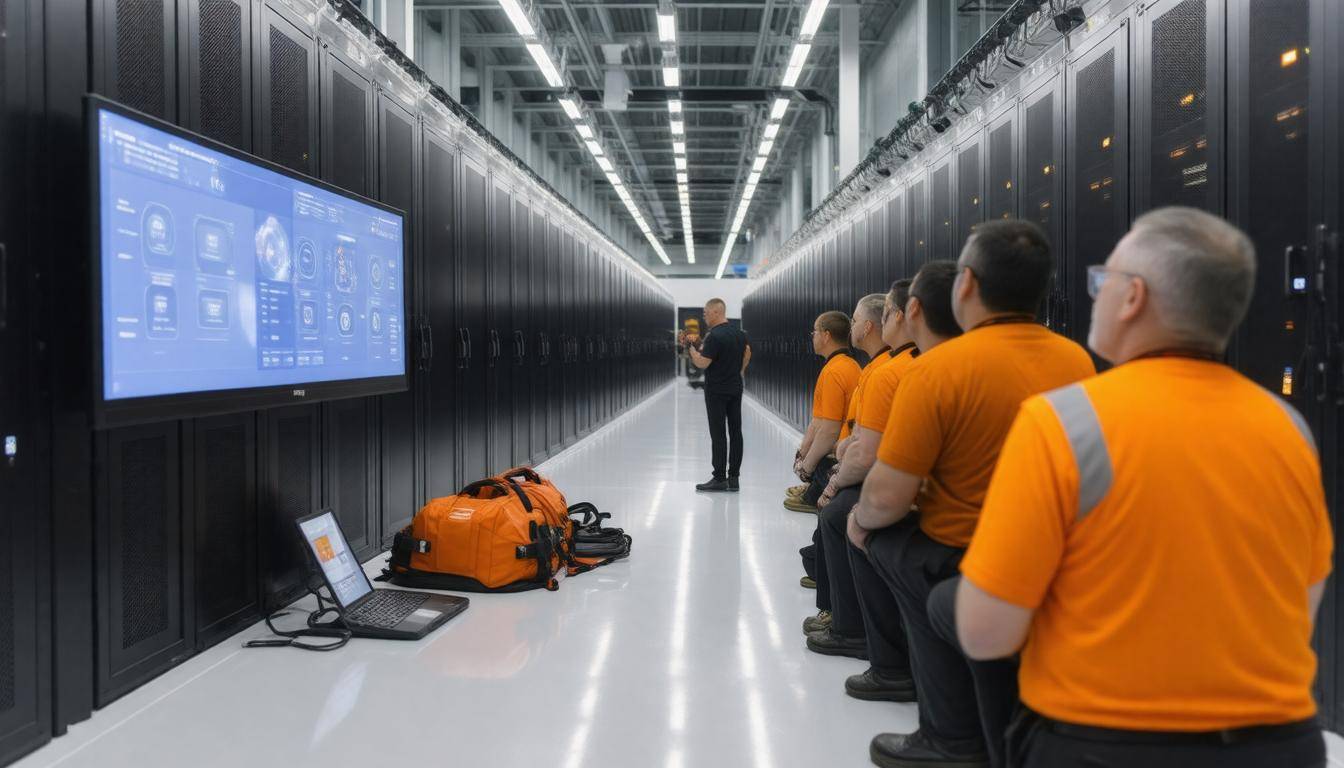
Staff training serves as the backbone of any data center emergency plan. Without a knowledgeable and prepared team, even the best laid strategies may falter in moments of crisis. This is why having a structured training program is not just advisable but necessary to safeguard both staff and equipment. A continuous education model that emphasizes real-world applications ensures that team members are familiar with procedures and comfortable executing them under pressure.
Comprehensive Training Programs
Regular drills that simulate various emergency scenarios—such as power outages, fire alarms, or cyber attacks—are invaluable for building a responsive team. By immersing staff in realistic situations, you foster instinctual reactions that can make the difference between disaster and recovery. According to statistics from FEMA, organizations that prioritize these drills enjoy 40% faster response times when actual emergencies occur. This underscores the need for consistent practice; like athletes honing their skills before a big game, employees must be primed to react swiftly and effectively.
Moreover, these training sessions should cover critical preventative measures. For example, incorporating lessons on identifying potential risks within the data center can empower staff to act decisively before an emergency occurs. This proactive approach enhances overall safety and contributes to a culture of preparedness, where employees feel confident and informed.
Certification and Continuous Education
In addition to hands-on drills, encouraging certifications such as Certified Data Center Professional (CDCP) can provide your team with specialized knowledge necessary for managing advanced infrastructure systems effectively. These credentials increase individual expertise and contribute to a collective understanding of best practices and current technology trends across the organization. Employees who invest in their own education often bring fresh perspectives that can lead to innovative solutions in crisis management.
It’s important to remember that training doesn’t end after initial onboarding; ongoing education keeps your team’s skills sharp and responsive to evolving threats in the technology landscape. Establishing partnerships with educational institutions or utilizing online platforms also helps facilitate continued learning without disrupting day-to-day operations.
With well-trained employees firmly established as your first line of defense, it becomes crucial to ensure that your protocols remain relevant and effective in addressing new challenges as they arise.
Regular Plan Review and Updates
A well-documented emergency plan is like a fine wine; it only gets better with age if properly tended to. The reason for this is simple: a plan is only as good as its latest revision. Without regular updates, even the most meticulously crafted plans can become outdated, irrelevant, or ineffective when faced with new challenges. This is why it’s crucial to establish a disciplined schedule for reviewing your emergency plans—preferably quarterly.
Routine Inspections
Scheduling these reviews not only helps pinpoint inefficiencies but also highlights areas ripe for improvement. Think of it as tuning up a car; failure to give attention to routine maintenance can lead to significant issues down the road. Each quarterly review serves as an opportunity to conduct both internal audits and engage third-party evaluators to gather unbiased feedback. This dual approach ensures that all perspectives are considered and potential pitfalls don’t go unnoticed.
Additionally, during these inspection sessions, involve your team in discussions about practical scenarios they’ve experienced. Their firsthand experiences offer invaluable insights into what works and what doesn’t within your existing framework.
Adapting to New Threats
But reviewing alone isn’t enough; your plan needs to evolve in tandem with changing risks and technology. As advancements occur and threats emerge, updating the plan becomes essential. For example, after the widespread adoption of ransomware attacks in 2023, many data centers quickly adjusted their emergency protocols to mitigate this new vulnerability.
By staying aware of emerging threats, such as cyber-attacks and natural disasters, you bolster your defenses effectively.
To underscore this point, consider the comparison below that illustrates the link between review frequency and effectiveness.
| Review Frequency | Effectiveness Score (out of 10) |
|---|---|
| Quarterly | 9 |
| Bi-Annual | 7 |
| Annual | 5 |
It’s clear from the table that quarterly reviews maintain the highest effectiveness, allowing you to catch potential flaws early on before they escalate into disastrous outcomes.
The pathway to a robust emergency plan hinges on these regular reviews; they empower your organization to remain proactive rather than reactive when emergencies arise, ensuring overall resilience in today’s unpredictable landscape.
By committing to continuous improvements and adapting strategies based on real-world experiences, organizations can significantly enhance their ability to respond effectively during crises.