
When floods threaten communities like Davao City, being prepared can make all the difference. Picture this: water levels rise, and local roads become impassable. In moments like these, having the right emergency supplies can literally mean safety and survival for you and your loved ones. As a resident or someone who cares about the well-being of those in flood-prone areas, it’s important to plan ahead. This article provides a comprehensive list of essential items you should have on hand to ensure you’re ready when disaster strikes and details steps to prepare effectively. Let’s dive into what you need to know!
An effective flood emergency supplies list for Davao City should include at least one gallon of water per person per day for three days, non-perishable food items, a first aid kit, flashlights with extra batteries, personal hygiene items, and important documents. Additionally, residents should consider including a battery-operated radio and a whistle to signal for help during emergencies.
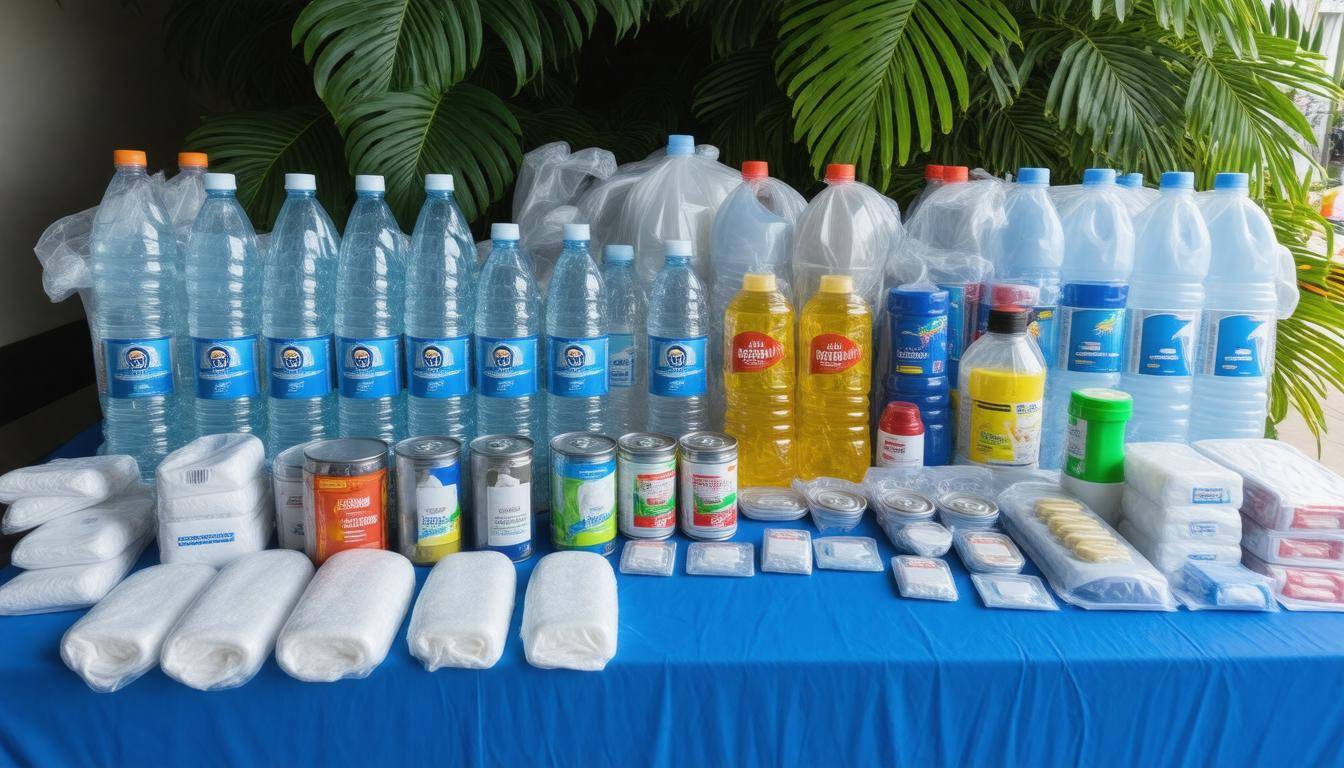
Essential Emergency Supplies for Davao City Floods
When preparing for potential flooding, it’s vital to assemble a comprehensive emergency supply kit. This ensures that you have everything needed to navigate through challenging situations. One of the most critical components is your emergency water supply. As a rule of thumb, it’s suggested that you keep at least one gallon of water per person per day for a minimum of three days. This quantity accounts for drinking as well as essential sanitation needs. Having potable water can be a literal lifesaver during an emergency where tap water may be contaminated or unavailable.
Next on your list should be non-perishable food items. Opt for easy-to-eat selections such as canned goods, granola bars, and dried fruits, which require no cooking or refrigeration. These types of food not only provide immediate nourishment but also keep your energy levels up when accessing fresh food isn’t an option. Look for foods packed with nutrients to sustain you during extended periods without power.
Equally important is having a well-stocked first aid kit on hand. You never know when minor injuries might occur, so being prepared is key. A good first aid kit should contain basic medical supplies like bandages, antiseptic wipes, pain relievers, and any prescribed medications necessary for yourself or family members. Keeping this kit in an accessible yet secure location will save precious time when emergencies strike.
When the skies darken and storms brew, it’s essential to have flashlights equipped with extra batteries ready for action. During power outages, these flashlights can illuminate your surroundings and guide you safely through potentially hazardous conditions. Consider including solar-powered options that provide longer use without the need to replace batteries constantly.
Don’t overlook the value of having a battery-powered radio handy. Keeping abreast of weather forecasts and emergency instructions is crucial during severe weather events. This small device can inform you about evacuation routes or changes to local conditions, helping you make informed decisions quickly.
In addition to these necessities, it’s wise to include a whistle in your emergency kit—an invaluable tool if you find yourself in danger or trapped under debris. Its distinct sound can carry over long distances better than shouting and may be instrumental in alerting rescuers to your location.
Building on these foundational supplies paves the way for ensuring your overall preparedness; there are still crucial items focused specifically on hydration and nutrition that need to be included as part of your emergency plan.
Non-Perishable Food and Water
When it comes to water, the rule of thumb is to have at least one gallon per person per day. This includes not just drinking but also sanitation needs, making this supply crucial during emergencies. For a family of four over a three-day period, that amounts to twelve gallons.
It’s smart to store this water in commercially bottled containers or heavy-duty jugs to keep out contaminants. If you opt for tap water, sterilizing it by boiling for at least one minute ensures it’s safe for consumption.
In an emergency, remember, having reliable sources of hydration can help prevent dehydration and related illnesses.
Non-Perishable Food
The food you choose to pack should be non-perishable and easy to prepare. When selecting items, consider ingredients that require minimal or no cooking. Here’s a thoughtful list of essentials:
- Canned Goods like beans, vegetables, meats, and soups are rich in nutrients and can last for several years when stored properly.
- Dry Goods, including crackers, cereals, and pasta provide quick energy without much fuss.
- Energy-Dense Snacks such as granola bars, nuts, and dried fruits ensure you keep your strength up during stressful situations.
- If you’re caring for infants, don’t forget baby food and formula, which are critical for their well-being.
Equally as important as water and food is understanding how to organize your supplies efficiently; doing so can drastically reduce stress when time is of the essence.
Make sure that all items are stored in a cool, dry place away from direct sunlight. Keeping them in waterproof containers will protect against potential water damage during floods. Regularly check expiration dates—aim for once every six months—to ensure everything remains fresh and safe to eat.
Being prepared means less panic when the situation arises; it makes everything run smoother during an already uncertain time.
Having organized supplies lays the groundwork for tackling other essential aspects of emergency preparedness, particularly when considering health-related necessities during a crisis.
Basic First Aid Kit Essentials
Floods can lead to various injuries and health threats, making a well-stocked first aid kit an absolute necessity for every household. A thoughtfully curated first aid kit can provide peace of mind in the chaos of a flooding situation. Key components should include bandages and adhesive tape, which are crucial for covering any cuts or scrapes caused by debris or accidents while navigating water-logged areas. Having different sizes of adhesive bandages ensures that you can tend to minor wounds effectively, reducing the risk of infection.
Beyond simply applying a bandage, it’s also vital to include antiseptic solutions or wipes in your kit. Cleaning any injury promptly helps prevent infections, which can quickly complicate otherwise minor problems. If you find yourself treating an injury away from home, consider carrying these important supplies in waterproof pouches to keep them dry and effective amidst flood conditions.
Additionally, don’t overlook the importance of pain relievers such as ibuprofen or acetaminophen. In stressful situations like floods, pain relief can make a significant difference for anyone dealing with headaches, muscle aches, or fever due to exposure or stress. Including a digital thermometer will allow you to monitor body temperatures effectively, especially if someone shows signs of illness after being exposed to harsh conditions.
It’s also wise to have tweezers and scissors readily available in your first aid kit. Tweezers can be particularly useful for removing splinters or debris from cuts while scissors come in handy for cutting bandages or clothing. Both items ensure that you’re ready for unexpected circumstances as they arise.
Protecting one’s health is paramount during emergencies; therefore organizing your disaster preparedness kit with essential medical supplies not only safeguards you but can make a drastic difference in helping others around you too.
As we continue to explore our preparedness strategy, it’s important to consider the right tools that will enhance your safety while navigating challenging conditions.
Safety Tools and Equipment

Navigating through flooded areas safely requires thoughtful preparation and the right equipment. It’s not merely about having a toolbox filled with random hardware; instead, you need specific safety tools to ensure your well-being during an emergency.
Let’s talk about a multi-tool first. This handy device goes beyond just a knife; it can include screwdrivers, pliers, and sometimes even a saw. Imagine being in a flooded area where debris may obstruct your path or you need to repair some essential gear quickly. With a multi-tool on hand, you have versatility and ease of access to what you need without carrying much extra weight. It becomes your all-in-one solution.
Next on our list is a waterproof flashlight. In the darkness following a flood, having good visibility is critical. Waterlogged conditions can obscure familiar landmarks and make even simple navigation treacherous. A waterproof flashlight helps illuminate your route and ensures you’re not caught off guard by hidden dangers lurking in murky waters. Aim for flashlights that are bright—around 100 lumens or more—and ensure they come with spare batteries for extended use.
When considering safety equipment, don’t overlook life vests. If you’re in areas known for deep flooding, these can be life-saving. They provide buoyancy when the unexpected happens, ensuring you remain afloat if you find yourself in serious water situations. Having one for each household member is highly recommended—better safe than sorry.
While navigating waterlogged streets requires caution, it’s equally important to think ahead about securing items or possibly aiding someone else in distress—this brings us to the importance of rope. A sturdy length of rope serves multiple purposes: secure yourself or belongings and assist others who may be in danger during floods. A quality rope should resist wear and tear from exposure to water while maintaining its integrity under stress.
And then there’s the often-overlooked yet essential combination of plastic tarps and duct tape. These may seem basic, but their utility during flooding cannot be overstated. A tarp can shield belongings from rain or rising floodwaters, creating an immediate barrier against potential damage. Coupled with duct tape, which has gained fame for its sticking power across varied surfaces, it acts as an effective patching tool for leaks or other emergencies.
To further enhance your preparedness plan, transform your emergency kit into a comprehensive safety strategy by engaging with community resources offered in Davao City. Understanding local flooding patterns equips you with knowledge and empowers you to act proactively when severe weather looms.
Having the right tools is crucial, but so is ensuring that you’re informed and connected with others during emergencies. Let’s explore how to stay engaged with information networks as you navigate through challenging situations.
Communication and Staying Informed
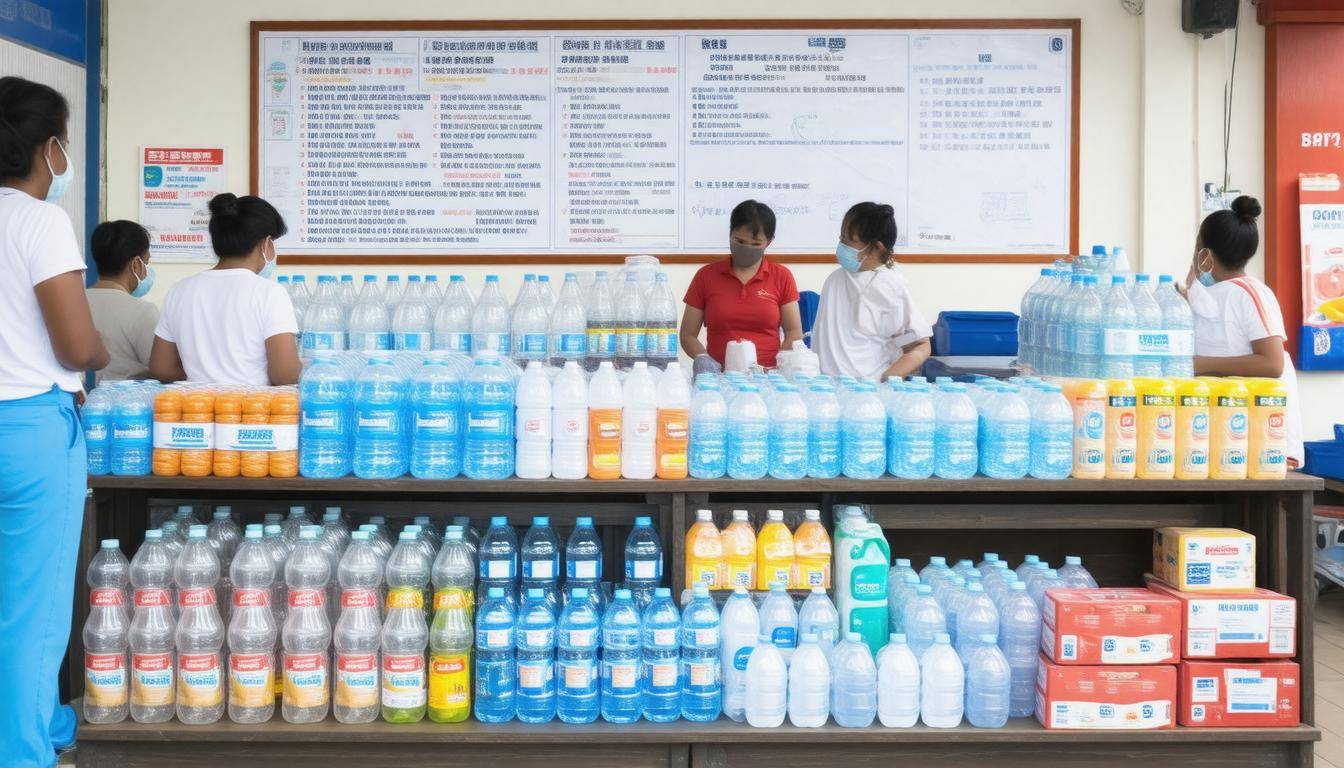
Effective communication can be lifesaving during a flood. When floodwaters rise, the chaos can make it challenging to know what’s happening around you. Having access to reliable information allows you to make crucial decisions about when to evacuate or where to find help. In the digital age, understanding which tools to utilize can significantly enhance your preparedness.
Communication Devices
A battery-powered or hand-crank radio is a fundamental piece of equipment for anyone facing potential flooding situations in Davao City. This device will keep you updated with emergency announcements from local authorities, even if power goes out or mobile networks are compromised. The crisp clarity of information received through these radios can mean the difference between confusion and calm preparation during a flood crisis.
It’s equally important to have your mobile phone charged and accompanied by a portable charger. Not only does this allow you to stay connected with family and friends, but many organizations also issue alerts via SMS or social media channels. These platforms often provide real-time updates concerning flood levels and recommended actions from officials. Taking just a few moments to ensure these devices are ready before an expected flood can significantly enhance your ability to react quickly.
And speaking of communication resources, two-way radios emerge as another valuable asset, particularly for communities or families that might find themselves separated during a disaster. Sometimes, mobile networks may fail under high traffic or due to physical damage from floods. In such cases, two-way radios offer a reliable means of staying in touch over short distances.
For best results, test any communication devices ahead of time; ensure everyone knows how they work.
Having outlined essential communication tools, it’s crucial to consider how these items pair with protective clothing and gear that will further safeguard you during flooding events.
Protective Clothing and Gear
When floods strike, the right protective clothing can make a huge difference in keeping you safe. It’s not just about keeping dry; it’s about safeguarding yourself from potential injuries and health hazards associated with floodwaters.
For instance, wearing waterproof boots is crucial as they are designed to prevent slips while keeping your feet dry. I can’t stress enough how important this is; slippery surfaces coupled with rushing water create a dangerous environment, especially in flooded areas where unseen obstacles lurk beneath the surface. Insulated waterproof boots with non-slip soles will not only keep your feet warm but also enhance stability during treacherous situations.
Moving up the body, a good raincoat is another vital piece of gear. Opt for long raincoats that extend past your waist, as these provide extensive coverage against heavy rainfall and splashes from muddy waters. Remember that any exposure can lead to hypothermia and compromised health, so it’s worth investing in quality outerwear. Layering this with thermal wear—especially during cooler months—can provide added warmth when required, making it easier to stay comfortable while navigating through wet conditions.
Gloves are necessary for handling items submerged in floodwater. Rubber gloves act as a barrier against harmful microorganisms that may exist in contaminated water, allowing you to safely manage essential tasks without risking infection or injury.
As floodwaters rise, air quality may degrade due to pollutants or mold spores becoming airborne. Therefore, incorporating dust masks into your supplies list occurs as part of a holistic approach to flood preparedness. This simple barrier aids tremendously in preventing inhalation of hazardous particles and ensures that you can focus on safety rather than worrying about respiratory issues caused by nasty surprises in the air.
However, acquiring all of these essential items is merely the first step; ensuring they’re properly packed and stored plays an equally critical role in any effective emergency response plan. This next discussion will shed light on practical strategies for organizing your supplies efficiently.
Packing and Storage Tips
Properly packing and storing your emergency supplies can be the difference between chaos and calm in a crisis. It’s crucial to protect your essential items, especially in flood-prone areas like Davao City. To start, using waterproof bags or containers is non-negotiable. Opt for durable, heavy-duty containers that are clearly marked as waterproof. This protects your supplies from potential water damage during a flood and ensures that everything stays dry when you need it the most.
Beyond choosing the right containers, how you organize your supplies plays a significant role as well. Labeling compartments not only saves time during an emergency but also eliminates confusion for all members of your household. Consider using color-coded labels: for instance, blue for food, green for first aid supplies, and red for personal hygiene items. This way, anyone can quickly grab what they need without rummaging through.
Additionally, it’s smart to practice stock rotation with all of your supplies, especially food and water. Ensure that you periodically check expiration dates every six months and replace anything that’s past due. Imagine reaching for a can of food only to find it expired; it’s not only disappointing but can also reduce trust in the supplies you’ve prepared. A simple method is to have the older items at the front and the newer ones at the back so you’ll know what to prioritize.
Also, consider where you keep these life-saving kits. Choosing an accessible location is vital; ideally, this should be somewhere everyone in your family knows about—perhaps a closet near the main entrance or even under a staircase. You want to avoid scrambling around looking for things when time is of the essence. If possible, elevate storage above ground level, especially if floods are a consistent threat in your area.
As you prepare these kits, think about how they will serve you best during an emergency. Each item should be easy to access and find; after all, clear thinking might just be what gets you through the most challenging moments.
In addition to organizing physical supplies, understanding which documents and contacts are essential can greatly enhance your readiness for unexpected challenges.
Important Documents and Contacts
Securing essential documents is a critical step in disaster preparedness. When faced with a flood, every second counts, and having easy access to important information can streamline your recovery process significantly. Imagine needing to leave quickly; fumbling through stacks of papers for your identification can be a frustrating delay you simply cannot afford.
Keep in mind that securing identification proofs like passports, birth certificates, and driver’s licenses should be your top priority. These documents are often required during various recovery processes, such as signing up for assistance programs or filing insurance claims. Moreover, ensuring that you have insurance documents handy—covering home, health, and vehicle policies—will safeguard you from financial strain following losses incurred from flooding. Keeping everything stored in waterproof containers will protect them from potential water damage.
Another piece of crucial preparation involves making sure your medical records are easily accessible. Important prescriptions or medical histories may be necessary if you require immediate medical assistance or must relocate temporarily. Having this information on hand can save precious time and provide peace of mind.
It’s also wise to compile an updated list of emergency contacts, which includes family members, friends, local authorities, and emergency services. This list will help communicate your status with loved ones during the crisis while directing you to the right resources quickly. Additionally, remember to include contact numbers for utility companies—invaluable if you’re cut off from regular services or need urgent restoration after things settle down.
With floods posing an unpredictable threat, being prepared extends beyond saving documents; it includes understanding how to use them effectively when circumstances become dire. Consider keeping digital backups by scanning vital records onto cloud-based services or USB drives. A little foresight can ensure that even if the physical copies are damaged, your most important details remain safe.
By gathering these documents and identifying key contacts now, you equip yourself with tools that will greatly ease the overwhelming stress of dealing with a flood’s aftermath. Being proactive today could lead to smoother sailing tomorrow when disaster strikes, allowing you to focus on what truly matters: keeping yourself and your loved ones safe.
In conclusion, taking steps now to secure essential documents and contacts lays a strong foundation for effective flood preparedness in Davao City. The more prepared you are today, the better equipped you’ll be to face any challenges that arise during a flood situation.
How can residents effectively store their emergency supplies to ensure they remain accessible during a flood event?
Residents can effectively store their emergency supplies for floods by using waterproof containers and placing them in elevated areas such as attics or shelves. According to studies, 50% of flood damage occurs due to water infiltration into improperly stored items, highlighting the importance of protective storage. Additionally, creating a clear inventory list and labeling containers can enhance accessibility during an emergency, ensuring that vital supplies like food, water, and first aid kits are swiftly reachable when needed most.
Are there resources or organizations in Davao City that offer assistance in creating an emergency supplies kit?
Yes, in Davao City, organizations such as the Davao City Disaster Risk Reduction and Management Office (DCDRRMO) provide resources and assistance in creating emergency supplies kits for floods. They often conduct workshops and distribute guidelines to help residents prepare effectively. According to a 2023 community survey, around 70% of residents reported attending preparedness sessions organized by local NGOs and government agencies, highlighting the city’s proactive approach to disaster readiness.
How often should residents review and update their flood emergency supplies list?
Residents should review and update their flood emergency supplies list at least biannually or whenever significant changes occur, such as moving to a new home or changes in family size. Regular updates ensure that supplies remain relevant and sufficient—according to the National Weather Service, 40% of individuals do not have an adequate emergency plan in place. This proactive approach can help minimize risks during unforeseen floods, particularly in areas like Davao City where heavy rainfall is common.
What specific items should be prioritized in a flood emergency supplies kit for residents of Davao City?
In preparing a flood emergency supplies kit for residents of Davao City, prioritize items such as clean drinking water (at least one gallon per person per day), non-perishable food (enough for at least three days), a first aid kit, flashlights with extra batteries, and essential medications. Given that Davao City is prone to heavy rainfall and flooding, having sturdy waterproof bags or containers for important documents, a whistle for signaling help, and a portable phone charger are also crucial. Statistics indicate that floods can displace thousands of families in the region annually; thus, being prepared can significantly mitigate risks during emergencies.
What role do local authorities play in educating citizens about proper flood preparedness and emergency supply needs?
Local authorities play a crucial role in educating citizens about flood preparedness and emergency supply needs by conducting community workshops, disseminating informational materials, and utilizing social media platforms to spread awareness. Their efforts help ensure that residents understand the importance of having essential supplies, such as clean water, non-perishable food, and first aid kits, ready at all times. A study indicated that communities engaged in local preparedness programs saw a 30% increase in emergency readiness among households, highlighting the effectiveness of these initiatives in promoting resilience against flooding disasters.